

Emerging Dental Concern: The Rising Trend of Tooth Sensitivity and Pain

The Growing Popularity of Tooth Pain: Exploring its Origins and Demographic Impact

Tooth pain, also known as dental pain or odontalgia, refers to the sensation of discomfort or soreness in and around the teeth and jaws. It can range from mild to severe and may be caused by a variety of factors, including tooth decay, gum disease, infection, trauma, or dental procedures. While tooth pain is not a new phenomenon, it has recently gained increased attention and popularity across various demographic segments. In this article, we will explore the origins of tooth pain and delve into why it has become more prevalent in recent times.
Origins of Tooth Pain:
Tooth pain has existed since ancient times, with records dating back to ancient Egypt and Mesopotamia highlighting the prevalence of dental problems. However, the modern lifestyle and dietary changes have contributed to its increasing prevalence. The excessive consumption of sugary foods and beverages, poor oral hygiene practices, and higher stress levels are all factors that can contribute to tooth decay and dental issues, ultimately leading to tooth pain.
Popularity Among Various Demographics:
Tooth pain is a growing concern across various demographic groups. One factor contributing to its popularity is the increased awareness of dental hygiene and the importance of oral health. As individuals place more emphasis on their overall well-being, dental health has gained prominence, resulting in a higher incidence of reporting tooth pain.
Furthermore, shifting demographics and lifestyle behaviors have also played a role in the increased prevalence of tooth pain. The aging population, especially older adults, is more susceptible to dental problems such as tooth decay, gum disease, and teeth grinding, which can lead to tooth pain. Additionally, the rise in consumption of acidic and sugary foods among younger individuals has resulted in an increased risk of dental problems, contributing to tooth pain among this demographic.
Tooth pain has garnered significant attention and popularity due to a combination of factors, including evolving lifestyle habits, dietary changes, increased awareness of oral health, and demographic shifts. It is crucial for individuals to practice good oral hygiene, including regular brushing and flossing, routine dental check-ups, and a balanced diet, to minimize the risk of tooth pain. Understanding the factors contributing to the rising prevalence of tooth pain is essential for both individuals and healthcare professionals to address this common dental concern effectively.
The Expanding Market and Growing Concerns Surrounding Tooth Pain
Tooth pain, also known as dental pain or toothache, is a common ailment that affects millions of individuals worldwide. It is a significant concern for both individuals and the dental industry, as it can significantly impact a person's quality of life. This section explores the market size and growth of tooth pain, shedding light on the rising demand for dental care and the various factors contributing to the expansion of this market.
The Magnitude of Tooth Pain
Tooth pain is one of the most prevalent oral health issues experienced by people of all ages. According to recent data, the global prevalence of dental pain is estimated to be around 35%. This significant figure demonstrates the considerable market size for dental pain, with millions of individuals seeking relief from their toothache symptoms.
Increasing Awareness and Importance of Oral Health
The market for tooth pain relief is experiencing growth due to a variety of factors. One of the primary drivers of this expansion is the increasing awareness and importance of oral health. More and more people are recognizing the vital role oral health plays in their overall well-being and are taking proactive measures to maintain good oral hygiene and prevent dental issues.
As individuals become more conscious of the impact of tooth pain on their daily lives, the demand for dental care, including treatments for tooth pain, is on the rise. This trend is further fueled by evolving attitudes toward dental health, with individuals now perceiving dental care as an essential aspect of their overall healthcare routine.
Advancements in Dental Technology and Treatments
Another significant factor contributing to the market growth of tooth pain is the continuous advancements in dental technology and treatments. These innovations allow for more effective and efficient diagnosis, prevention, and management of dental issues, including tooth pain.
For instance, the development of minimally invasive dental procedures and technologies, such as laser dentistry or digital dentistry, has revolutionized the way dental pain is diagnosed and treated. These advancements not only provide more precise and accurate solutions but also offer patients a more comfortable experience during dental procedures.
The Aging Population
The demographic shift with an increasing aging population is driving the market growth of tooth pain. Older adults are more prone to tooth decay, gum diseases, and other dental issues, leading to a higher prevalence of tooth pain among this age group. Consequently, the growing aging population presents opportunities for the dental industry to cater to the specific needs and concerns related to tooth pain management in this demographic.
Regional Disparities and Market Opportunities
It is important to note the regional disparities concerning tooth pain prevalence, dental care accessibility, and healthcare infrastructure. Developing regions, including parts of Africa, Asia, and Latin America, often face challenges in delivering adequate dental care to their populations, resulting in higher unmet needs for tooth pain relief.
These regional disparities present market opportunities for dental care providers to address the unmet dental health needs and expand their services in underserved areas. Additionally, the rising middle-class population in developing economies is increasing disposable incomes and enabling greater affordability for dental treatments, further fueling the market growth.
Conclusion
Tooth pain is a global concern with a considerable market size and promising growth potential. Increasing awareness of oral health, advancements in dental technology, the aging population, and regional disparities in dental care all contribute to the expansion of this market. By recognizing and addressing the rising demand for tooth pain relief, dental care providers can seize valuable opportunities and contribute to better oral health outcomes for individuals worldwide.
Understanding Consumer Demand and Preferences in Tooth Pain Management

Tooth pain is a common dental issue that affects millions of people worldwide. The demand for effective tooth pain management solutions has been on the rise as more individuals seek relief from this debilitating condition. Understanding consumer preferences and identifying emerging trends in the dental industry can help companies develop innovative products and services that cater to consumer needs. Let's explore some key factors influencing consumer demand and preferences in tooth pain management.
- Immediate Pain Relief: Consumers experiencing tooth pain often prioritize immediate relief. Over-the-counter (OTC) pain relievers, such as ibuprofen and acetaminophen, are popular choices due to their accessibility and effectiveness in providing temporary pain relief. Additionally, topical gels and solutions that directly target the affected area are also favored by consumers, as they offer localized relief with minimal side effects.
- Natural Remedies: Growing consumer interest in natural remedies has extended to tooth pain management as well. Many individuals are seeking alternative solutions to traditional pain management methods. Products containing natural ingredients like clove oil, tea tree oil, and peppermint have gained popularity due to their perceived effectiveness and milder side effects. Companies should consider incorporating natural ingredients into their tooth pain relief products to cater to this consumer preference.
- Holistic Dental Approach: Consumers are becoming more aware of the interconnection between oral health and overall well-being. They recognize that tooth pain may be a symptom of underlying dental issues and seek comprehensive solutions. This has led to an increased demand for holistic dental approaches that focus on preventive care, regular dental check-ups, and treatments that address the root causes of tooth pain. Companies can leverage this trend by offering dental services that go beyond immediate pain alleviation.
- Technological Advancements: Technology is playing a significant role in transforming the dental industry and meeting consumer demands. Innovations such as laser treatments, electric toothbrushes, and smart oral care devices are gaining traction among consumers seeking advanced tooth pain management solutions. New developments in teledentistry also allow individuals to seek professional advice remotely, providing convenience and accessibility. Companies should stay abreast of technological advancements and consider integrating them into their product offerings to appeal to tech-savvy consumers.
- Dental Insurance Coverage: Consumer preferences in tooth pain management are also influenced by the availability and coverage of dental insurance plans. Many individuals consider insurance coverage a crucial factor when choosing dental services and seeking tooth pain relief options. Companies should ensure that their products and services align with commonly offered dental insurance coverage to maximize appeal to the target market.
As consumer demand and preferences in tooth pain management continue to evolve, companies need to adapt their strategies to meet the changing needs of the market. By keeping a pulse on emerging trends, understanding consumer preferences, and offering innovative solutions, businesses can stay competitive and provide effective tooth pain relief options to consumers.
Competitive Landscape: Tooth Pain Industry Players and Market Competition

The tooth pain industry is a rapidly growing market due to the increasing prevalence of dental problems and the rising demand for effective solutions. As a result, several industry players have emerged to meet the needs of individuals suffering from tooth pain. Understanding the competitive landscape is crucial for both consumers and businesses operating in this sector.
Dental Clinics and Dentists
Dental clinics and dentists are the primary players in the tooth pain industry. They offer a wide range of dental services, including diagnosis, treatment, and management of tooth pain. Dental professionals, such as general practitioners, endodontists, and oral surgeons, play a crucial role in treating severe tooth pain caused by issues such as cavities, infections, or tooth damage.
These players rely on their expertise, reputation, and the quality of services they provide to differentiate themselves in the marketplace. Factors like the availability of advanced dental technology, pain management techniques, and a patient-friendly environment can also contribute to their competitive advantage.
Pharmaceutical Companies and Over-the-Counter (OTC) Products
Pharmaceutical companies have a significant presence in the tooth pain industry. They develop and manufacture various dental analgesics, such as oral pain relievers, toothache gels, and mouthwashes. These products are often available over-the-counter (OTC) in pharmacies, supermarkets, and online stores.
Competing in this market requires pharmaceutical companies to offer effective, fast-acting, and affordable products. They invest in research and development to improve existing formulations and introduce innovative solutions, such as gel-based pain relievers or products catering to specific dental conditions, like sensitivity or gum inflammation.
Oral Care Product Manufacturers
Oral care product manufacturers, such as toothpaste, mouthwash, and dental floss brands, also compete in the tooth pain industry. These companies target consumers who prefer preventive measures to avoid tooth pain or manage mild discomfort. They often market their products as providing relief from tooth sensitivity or gum-related issues that can cause pain.
To differentiate themselves, oral care product manufacturers focus on product innovation, such as the inclusion of ingredients like potassium nitrate or strontium chloride, known for their pain-relieving properties. Additionally, branding, packaging, and endorsements from dental professionals play a crucial role in gaining consumer trust and market share.
Online Dental Platforms
The rise of online dental platforms has introduced a new dimension of competition in the tooth pain industry. These platforms connect individuals seeking dental advice or treatment with licensed dentists through teleconsultations. Virtual consultations can help individuals get immediate guidance and recommendations for managing tooth pain without visiting a physical clinic.
Online dental platforms differentiate themselves by providing convenience, accessibility, and cost-effectiveness. They often offer subscription-based services, video consultations, and access to educational resources on dental health. However, they may face challenges in gaining consumer trust, as online dental care is still a relatively new concept for many.
Conclusion
The tooth pain industry is competitive and diverse, with various players aiming to provide effective solutions and excellent dental care experiences. Dental clinics and dentists are the primary providers of comprehensive treatments, while pharmaceutical companies, oral care product manufacturers, and online dental platforms offer a range of products and services to address tooth pain. As the market continues to evolve, staying updated on industry players and their competitive strategies is essential for both consumers and businesses seeking the most effective tooth pain solutions.
The Future of Dental Care: Technological Innovations to Alleviate Tooth Pain

Tooth pain is a common and often debilitating problem experienced by people all around the world. From tooth decay to gum disease, various factors can contribute to dental discomfort, leading individuals to seek effective solutions for immediate relief. Technological innovation has played a crucial role in advancing dental care, providing novel approaches to alleviate tooth pain. In this article, we will explore the latest technological advancements in dental care and their potential to revolutionize the way we treat and manage tooth pain.
- Laser Dentistry: One significant technological breakthrough in dental care is the adoption of laser dentistry. With lasers, dentists can perform numerous procedures with enhanced precision, minimizing pain and discomfort for patients. Laser technology allows for the targeted removal of tooth decay, reducing the need for invasive drilling techniques. Additionally, lasers can be used for gum treatments, promoting faster healing and reduced bleeding. Advancements in laser dentistry have the potential to transform the dental experience, making it a more comfortable and efficient process for patients.
- 3D Printing for Dental Prosthetics: 3D printing technology has made significant strides in various industries, and dentistry is no exception. In the realm of tooth pain, 3D printing for dental prosthetics offers remarkable possibilities. Previously, the process of obtaining dental prosthetics like crowns, bridges, or dentures was time-consuming and often required multiple visits. However, 3D printing enables dentists to create custom-fit prosthetics quickly and accurately, reducing turnaround time and improving patient satisfaction. The ability to precisely replicate a patient's dental anatomy ensures a better fit and eliminates discomfort associated with ill-fitting prosthetics.
- Digital Dentistry and Teledentistry: Digital dentistry has transformed the way dental professionals diagnose and treat tooth pain. With the use of digital imaging, such as intraoral cameras and cone beam computed tomography (CBCT), dentists can accurately detect dental issues and plan effective treatments. Additionally, teledentistry, which combines telecommunications and dental care, allows patients to consult with dentists remotely. This approach can be particularly beneficial for those experiencing tooth pain but are unable or reluctant to visit a dental clinic immediately. Dentists can remotely assess the situation, provide professional advice, and determine the necessary course of action, potentially offering timely relief for tooth pain.
- Stem Cell Therapy: Currently in its early stages, stem cell therapy shows promise in revolutionizing the treatment of tooth pain. Researchers are exploring the use of stem cells derived from a patient's own body to regenerate dental tissues, such as dentin and pulp, thereby promoting natural healing processes. This approach could potentially eliminate the need for invasive procedures, such as root canals, and provide long-term pain relief. While the application of stem cell therapy in dental care is still being studied, its potential to address tooth pain at its root cause is exciting for the future of dental innovation.
Technological innovations are continuously transforming the field of dental care, offering new and improved ways to alleviate tooth pain. From laser dentistry to 3D printing for dental prosthetics, digital dentistry, and stem cell therapy, these advancements have the potential to enhance patient comfort, reduce treatment time, and improve long-term outcomes. As dental technology continues to evolve, we can expect further groundbreaking innovations that will shape the future of how tooth pain is diagnosed, managed, and ultimately treated.
Regional Trends and Cultural Influences on Tooth Pain

Tooth pain is a common dental issue experienced by people around the world, but its causes and management can vary depending on regional trends and cultural influences. Understanding these variations is crucial for dental professionals and policymakers to provide tailored care and address the specific needs of different populations.
Geographical Variations in Tooth Pain:
Geographical factors such as climate, access to dental care, and dietary habits can contribute to regional trends in tooth pain prevalence and management.
Climate:
Hot and Humid Regions: In tropical and subtropical regions, where hot and humid climates prevail, oral health issues like tooth decay and gum diseases can be more prevalent due to increased bacterial growth and higher sugar consumption. The warm weather may also lead to dehydration and dry mouth, increasing the risk of cavities and tooth sensitivity.
Cold Regions: On the other hand, regions with cold climates may see an increased incidence of tooth pain associated with dental hypersensitivity or tooth fractures caused by teeth contracting in cold temperatures or accidental trauma due to slippery conditions.
Access to Dental Care:
Urban vs. Rural Regions: Access to dental care significantly affects tooth pain trends. In urban regions with well-established healthcare systems, people might seek immediate professional help for tooth pain, leading to early intervention and better management. In contrast, rural areas with limited access to dental clinics may rely on home remedies or delay seeking professional care, resulting in worsened pain and complications.
Dietary Habits:
Sugar Consumption: Different cultural dietary practices, especially sugar consumption, can influence tooth pain patterns. Regions with high consumption of sugary foods and drinks may experience a higher prevalence of tooth decay, leading to
toothaches. This is particularly notable in countries where sweet treats and sugary beverages are common cultural staples.
Cultural Influences on Tooth Pain:
Cultural and traditional practices can also influence tooth pain experiences, management, and prevention strategies.
- Traditional Medicines and Remedies: In some regions, traditional medicine plays a significant role in managing tooth pain. Herbal remedies, natural remedies like cloves or saltwater rinses, and traditional healing practices passed down through generations may be considered as alternatives or supplements to modern dental treatments.
- Oral Hygiene Practices: Cultural factors affect oral hygiene practices, which can impact tooth pain prevalence. For example, some cultures may emphasize oil pulling, the use of herbal toothpaste, or specific oral hygiene routines that differ from conventional approaches. Variations in brushing techniques, toothpaste formulations, and frequency of dental visits may contribute to differences in tooth pain experiences.
- Cultural Perceptions and Behaviors: Cultural perceptions and attitudes towards dental health can influence tooth pain management. Some societies might prioritize dental health and promptly seek professional help, while others may consider dental issues as less urgent or culturally insignificant, leading to delayed treatment and more severe pain.
Conclusion:
Tooth pain is not a universal experience, as regional trends and cultural influences play a significant role in shaping its prevalence, management, and preventive strategies. Dental professionals, policymakers, and researchers must consider these factors while addressing tooth pain and promoting oral health across different populations. By understanding the regional variations and cultural influences, tailored interventions and education programs can be designed to improve oral health outcomes and alleviate the burden of tooth pain worldwide.
How Social Media and Influencers are Changing the Conversation around Tooth Pain

Social media has revolutionized the way we communicate and share information, and it has also significantly impacted the world of healthcare. One area where this influence is particularly evident is in discussions about tooth pain. With the rise of social media platforms like Instagram, YouTube, and TikTok, individuals have gained a newfound power to share their experiences and opinions about dental issues, including tooth pain. Additionally, influencers in the dental and healthcare industry have emerged as key players in shaping the conversation around this topic.
Empowering Patients with Peer-to-Peer Support
Social media platforms provide a space for users to connect and share their personal stories, including experiences with tooth pain. This has created a sense of peer-to-peer support, allowing individuals to find solace in knowing they are not alone in their struggles. By sharing their own experiences and remedies, users can offer advice and empathy, helping others navigate their own dental issues. Support groups and hashtags related to tooth pain have become popular, making it easier for patients to find relevant information.
Spreading Information and Awareness
In addition to personal experiences, social media has become a platform for dental professionals and experts to share educational content about tooth pain. Dentists, dental hygienists, and other healthcare professionals are leveraging these platforms to provide reliable information, debunk myths, and offer advice on managing dental pain. With a wider audience reach, these professionals can educate and inform more people about the causes, symptoms, and treatment options for tooth pain.
Influencers as Dental Advocates
Social media influencers have played a significant role in shaping the conversation around tooth pain. Dental professionals and oral health advocates have emerged as influencers in their own right, using their platforms to promote dental hygiene and raise awareness about tooth pain prevention and treatment. These influencers often collaborate with brands specializing in dental products, promoting the benefits of specific products or techniques to their followers. By leveraging their large and engaged audiences, these influencers have the power to educate and inspire positive dental habits among their followers.
Potential Challenges and Misinformation
While social media and influencers can be a force for good, there are potential challenges and risks associated with relying solely on these platforms for dental information. The vast amount of content available can lead to misinformation or conflicting advice, making it essential for users to evaluate the credibility of the sources they follow. Additionally, influencers may have their own biases or partnerships that could influence the content they share. Therefore, it is crucial for individuals to consult with dental professionals for personalized guidance.
In conclusion, social media platforms and influencers have transformed the way tooth pain is discussed and managed. They have provided a sense of community, facilitated the sharing of personal experiences, and allowed dental professionals to educate and inform a broader audience. However, it is important for individuals to critically evaluate the information they encounter and seek professional advice for accurate diagnosis and treatment of tooth pain.
The Future Outlook and Forecast of Tooth Pain: A Growing Concern

Tooth pain, also known as dental pain or odontalgia, is a common oral health problem that affects millions of people worldwide. It can range from mild discomfort to severe throbbing pain, interfering with daily activities and significantly impacting an individual's quality of life. As the global population continues to grow and age, the future outlook for tooth pain presents several important considerations and potential trends.
- Rising Oral Health Issues: The prevalence of tooth pain is expected to rise in the future due to various factors. One significant factor is the increase in oral health issues, such as dental caries (tooth decay) and periodontal diseases (gum diseases), which are major contributors to tooth pain. Poor oral hygiene practices, unhealthy dietary habits, and limited access to dental care in certain populations are key drivers behind these concerns. As a result, tooth pain is likely to remain a relevant issue that requires attention and preventative measures.
- Aging Population: The world's population is getting older, and this demographic shift will have implications for dental health and tooth pain. Older adults are more prone to dental problems due to age-related factors, such as the natural wear and tear of teeth, weakened immune systems, and underlying health conditions. Consequently, the future may witness a higher incidence of tooth pain among the elderly, necessitating improved preventive measures, advanced dental treatments, and specialized geriatric dental care.
- Advances in Dental Technology: The future of dental care looks promising with ongoing advancements in dental technology and treatment options. Innovations such as laser dentistry, 3D printing, digital imaging, and minimally invasive procedures have the potential to revolutionize oral healthcare and provide more effective solutions for tooth pain. These technologies enable earlier detection of dental issues, precise treatment planning, reduced treatment durations, and enhanced patient outcomes. As dental technology continues to evolve, the prognosis for managing and alleviating tooth pain is expected to improve.
- Increased Awareness and Prevention: Oral health awareness campaigns, education, and improved access to information have greatly contributed to increased awareness about the importance of oral hygiene and regular dental check-ups. With the growing understanding of the link between oral health and overall well-being, individuals are becoming more proactive in preventing oral health problems, including tooth pain. The future will likely see a rise in preventive dental care habits, promoting better oral health and reducing the incidence of tooth pain.
- Tele-dentistry and Remote Consultations: The COVID-19 pandemic accelerated the adoption of telemedicine and remote consultations in various healthcare sectors, and dentistry is no exception. Tele-dentistry offers the potential to connect patients with dental professionals remotely, enabling prompt evaluation and advice for tooth pain management. This technology can be particularly beneficial for individuals residing in remote areas or those with limited access to dental clinics. The convenience and accessibility offered by tele-dentistry could shape the future of dental care, making quality oral health services more widely available.
In conclusion, the outlook for tooth pain suggests a need for continued focus on oral health education, preventive measures, and advancements in dental care. With an aging population, rising oral health concerns, technological advancements, increased awareness, and tele-dentistry solutions, the future outlook offers opportunities for improved management and prevention of tooth pain. Addressing these factors through holistic approaches and collaborative efforts between healthcare providers, researchers, and policymakers can pave the way for a healthier future with reduced tooth pain prevalence.
Key Findings and Insights: A Closer Look at the Tooth Pain Trend
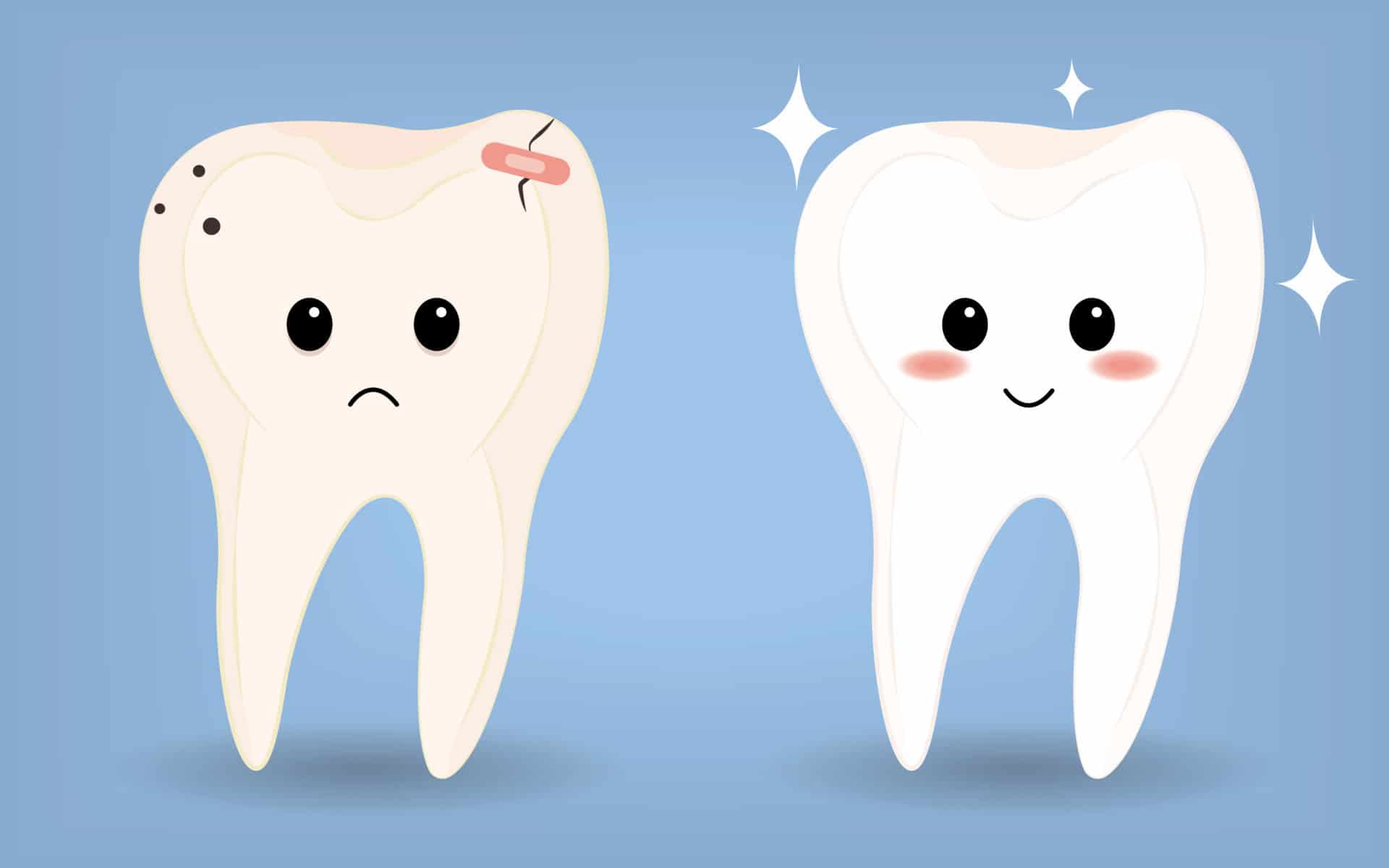
Introduction Tooth pain is a pervasive issue that affects people of all ages and demographics. It can range from mild sensitivity to excruciating pain, often causing significant discomfort and hindering daily activities. Understanding the key findings and insights about the tooth pain trend is crucial in addressing this widespread concern effectively.
- Prevalence and Impact of Tooth Pain Tooth pain is a common dental problem that affects millions of people worldwide. Research shows that dental caries (tooth decay) is the primary cause of tooth pain in adults, while teething and dental trauma are more prevalent causes in children.
- Increased Awareness and Attention Tooth pain has gained increased attention in recent years, with individuals becoming more aware of the importance of oral health. This heightened awareness is due to various factors, such as media coverage, educational campaigns by dental professionals, and the accessibility of dental information on the internet. Consequently, people are now seeking prompt treatment for tooth pain rather than ignoring or tolerating it.
- Impact on Quality of Life and Productivity Tooth pain significantly impacts a person's quality of life and daily functioning. According to a study conducted by the American Dental Association, individuals experiencing tooth pain reported a decrease in sleep quality, difficulty eating and speaking, and impaired concentration. Moreover, untreated tooth pain can lead to decreased productivity, absenteeism from work or school, and diminished overall well-being.
- Increasing Demand for Dental Services: The rise in dental awareness has fueled the demand for dental services related to tooth pain. People are now actively seeking immediate treatment from dental professionals, including dentists and endodontists, to alleviate their pain and prevent further complications. This increased demand has led to a surge in the number of dental practices and a broader range of service offerings.
- Technological Advancements in Dentistry: Technological advancements in dentistry have revolutionized the diagnosis and treatment of tooth pain. Innovations like digital radiography, laser dentistry, and dental CAD/CAM systems have improved the accuracy, efficiency, and patient experience in dental procedures. The integration of such technologies enables dentists to diagnose tooth pain causes more precisely and offer tailored treatment plans.