
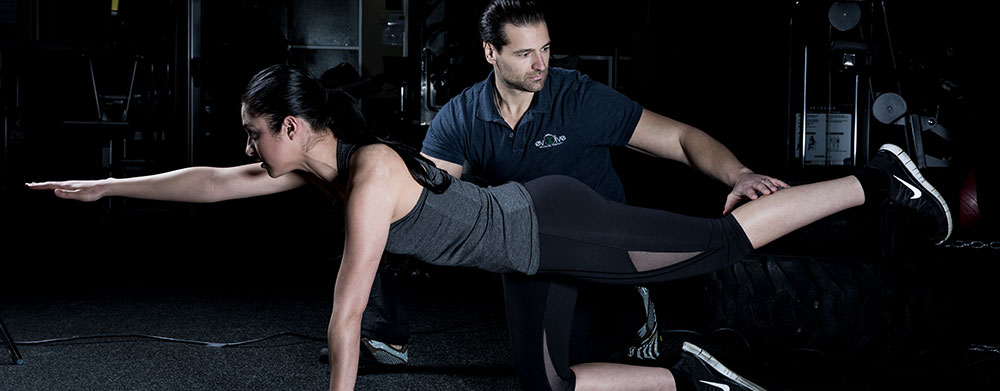
Prehab: The Emerging Fitness Trend Taking the Market by Storm

The Rise of Prehab: A Proactive Approach to Injury Prevention

As the saying goes, "prevention is better than cure." This philosophy has paved the way for a growing trend in healthcare and fitness known as prehab. In recent years, prehabilitation, commonly referred to as prehab, has gained popularity among individuals from different demographics who are seeking a proactive approach to injury prevention and overall wellness.
What is Prehab? Prehab is a preemptive approach to rehabilitation that focuses on identifying and addressing potential issues before they occur. It involves a combination of exercises, strength training, flexibility work, and education to improve physical function, prevent injuries, and enhance performance. Unlike traditional rehabilitation, which is geared towards healing existing injuries and restoring function, prehab aims to mitigate the risk of injuries altogether.
Origins of Prehab: The concept of prehab originated in the field of sports medicine, where athletes undergo intensive training and rehabilitation to recover from injuries. However, over the years, the importance of preventing injuries before they happen has become evident, leading to the development and popularization of prehab programs. Today, prehab has expanded its scope beyond athletes and is embraced by individuals from all walks of life, including professional workers, aging adults, and fitness enthusiasts.
Popularity Among Various Demographics:
- Athletes and Sports Enthusiasts: In the world of sports, prehab has become an essential component of training and preparation. Athletes recognize that preventing injuries allows them to perform optimally and stay in the game. From football players to marathon runners, prehab programs have become an integral part of their routines.
- Working Professionals: Sedentary jobs and repetitive tasks can take a toll on the body, increasing the risk of muscular imbalances and chronic pain. As a result, prehab has gained popularity among working professionals who seek to counteract the negative effects of their occupations. Prehab exercises, such as mobility drills and stretches, help improve posture and alleviate musculoskeletal issues caused by long hours of sitting or physical strain.
- Aging Adults: Aging is often accompanied by a decline in physical function and an increased susceptibility to injuries. Prehab offers older adults a means to maintain their independence and health by addressing age-related issues proactively. By incorporating exercises that enhance balance, flexibility, and strength, prehab programs enable older individuals to reduce the risk of falls, fractures, and other age-related injuries.
- Fitness Enthusiasts: Whether it's weightlifting, running, or participating in group exercise classes, fitness enthusiasts are constantly pushing their bodies to the limits. Engaging in prehab exercises helps them mitigate the risk of injuries that could impede their progress. Individuals who prioritize physical fitness understand that taking preventative measures through prehab can lead to more consistent and effective workouts.
With its emphasis on injury prevention and performance enhancement, prehab has gained considerable attention and popularity across different demographics. As individuals realize the value of maintaining and optimizing their physical well-being, the demand for prehab services and programs continues to rise. By adopting a proactive stance towards their health, people are discovering the benefits of prehab in preserving their fitness, mobility, and overall vitality.
The Growing Market Size of Prehab: A Promising Future
Prehab, a term derived from "prehabilitation," refers to exercise or rehabilitation programs undertaken by individuals before they undergo surgery or experience physical stressors. Over the past few years, prehab has gained significant attention, transforming into a vital aspect of healthcare and fitness. The market size of prehab is expanding rapidly, fueled by the increasing adoption of preventive measures and the recognition of its benefits.
Market Size Analysis
The market size of prehab has witnessed substantial growth and is projected to continue its upward trajectory in the coming years. According to a report by Research Dive, the global prehabilitation market size was valued at approximately $803 million in 2020 and is forecasted to reach $1,445 million by 2028, growing at a CAGR of 7.3% from 2021 to 2028.
The rising geriatric population, growing awareness of prehabilitation's advantages, and the desire to improve surgical outcomes are major factors driving the prehab market's expansion. Additionally, advancements in technology and the development of innovative prehab programs contribute to the market growth.
Factors Driving the Growth of Prehab
- Increasing Surgical Procedures: The rising number of surgical procedures globally is propelling the demand for prehab. Surgical prehabilitation is recognized for reducing complications, enhancing recovery times, and improving postoperative outcomes. As the volume of surgeries continues to increase, so does the need for prehab programs.
- Rising Awareness and Adoption of Preventive Measures: People are becoming more health-conscious and recognizing the importance of preventive care. Prehabilitation is gaining popularity as a proactive approach to prepare the body for physical stress, ensuring better recovery outcomes. This heightened awareness and willingness to take preventive measures are significant drivers of market growth.
- Advancements in Technology: Technology plays a crucial role in the development of prehab programs. The integration of wearable devices, mobile applications, and telemedicine solutions allows for remote monitoring, personalized exercise regimens, and data collection. These technological advancements improve the efficacy of prehabilitation and contribute to the market's growth.
- Collaboration between Healthcare Providers and Fitness Experts: The collaboration between healthcare providers, including surgeons, physiotherapists, and fitness experts, is vital in developing comprehensive prehabilitation programs. This collaboration ensures customized prehab plans tailored to individual patient needs, boosting the market's expansion.
Future Outlook
The market for prehabilitation exhibits significant potential for growth in the foreseeable future. The global awareness of the benefits of prehabilitation is increasing, while healthcare systems are actively integrating prehabilitation programs into their protocols. Furthermore, the expanding range of surgical procedures and the focus on patient-centric care are driving the demand for prehab programs.
As research continues to demonstrate the positive impact of prehab on surgical outcomes, physical well-being, and healthcare costs, its adoption is likely to become more widespread. However, several challenges remain, including reimbursement issues and the need for standardized protocols. Overcoming these hurdles will further fuel the growth of the prehab market and broaden its reach.
In conclusion, the market size of prehab is on an upward trajectory, driven by increasing surgical procedures, rising awareness of preventive measures, technological advancements, and collaborative efforts across healthcare and fitness sectors. With a promising future ahead, prehabilitation is set to become a vital component of healthcare and an integral part of individuals' overall well-being.
Understanding Consumer Demand and Preferences for Prehab

As the focus on proactive healthcare and injury prevention continues to gain importance, a rising trend known as "prehab" has emerged in the fitness and wellness industry. Prehab, short for prehabilitation, refers to a series of exercises and practices aimed at preventing injuries before they occur. In this section, we will delve into the consumer demand and preferences surrounding prehab. By understanding what drives their interests and the factors they consider when seeking prehab solutions, businesses and professionals in the fitness industry can effectively cater to their needs.
Expanding Awareness on Prehab:
Consumer demand for prehab has been fueled by the increasing awareness of the importance of preventive measures in maintaining overall health and well-being. Individuals are now seeking solutions that enable them to proactively address potential injuries or physical limitations rather than solely focusing on post-injury rehabilitation. As a result, prehab has gained popularity among those who participate in sports, exercise regularly, or simply seek to improve their physical fitness.
Factors Influencing Consumer Preferences:
- Health and Injury Prevention: Consumers prioritize prehab as a means to support their long-term health goals and avoid setbacks caused by injuries. They are proactive in their approach to fitness and value preventive measures over reactive solutions. Prehab techniques that are science-backed and endorsed by trained professionals resonate well with this target audience.
- Convenience and Accessibility: Consumers seek prehab solutions that are convenient and accessible for their busy lifestyles. Virtual prehab programs, mobile applications, and online resources provide flexibility, allowing them to integrate prehab exercises seamlessly into their routines. Convenience and accessibility are crucial factors that influence consumers' decision-making when choosing prehab options.
- Personalization and Tailored Approach: Individuals are increasingly drawn to prehab solutions that offer personalization and a tailored approach. Customized exercise plans, virtual coaching, and wearable technologies that track progress and provide personalized recommendations are highly valued by consumers. They want prehab programs that address their unique needs and are designed specifically for their body type, fitness level, and goals.
- Expertise and Credibility: Consumers have become more discerning when selecting prehab programs, favoring those developed and endorsed by reputable fitness professionals or certified trainers. They place a premium on programs that are evidence-based, incorporating proven techniques and methods. Expertise and credibility in the form of certification and qualifications are key factors that instill consumer trust and confidence in prehab offerings.
- Holistic Approach: Consumer preferences are shifting towards a holistic approach to health and fitness. Prehab programs that combine exercises, stretching, mobility work, nutrition guidance, and mental wellness techniques are gaining traction. People are looking for comprehensive solutions that focus not only on preventing injuries but also on promoting overall physical and mental well-being.
Consumer demand for prehab is steadily increasing as individuals become more health-conscious and proactive in their fitness journeys. To cater to this demand, businesses need to develop prehab solutions that align with consumer preferences. Providing convenient, personalized, and evidence-based prehab programs, while focusing on a holistic approach, is crucial for capturing the attention and loyalty of consumers seeking to prioritize injury prevention and long-term wellness.
Industry Players and Competition in the Prehab Market

The prehab market is witnessing significant growth as individuals and healthcare professionals alike recognize the benefits of proactive measures to prevent injuries and enhance postoperative recovery. With the rising popularity of prehabilitation, several industry players have emerged, offering various products and services to cater to this growing demand. This section will explore some of the key players and the competitive landscape within the prehab industry.
Rehabilitation Providers
Rehabilitation providers, including hospitals, physical therapy centers, and rehabilitation facilities, play a crucial role in the prehab market. These entities offer specialized prehabilitation programs designed to improve patients' physical conditions before surgeries or medical procedures, which can positively impact their postoperative outcomes. By focusing on exercises, strength training, and conditioning, rehabilitation providers aim to maximize patients' functional capabilities, shorten recovery time, and enhance overall well-being.
Fitness and Wellness Centers
Fitness and wellness centers have also embraced the concept of prehab as a way to optimize workout routines and prevent injuries. These centers offer prehab-focused exercise programs that may encompass strength training, flexibility exercises, balance training, and cardiovascular conditioning. By emphasizing injury prevention and educating individuals about the importance of prehabilitation, fitness and wellness centers aim to promote a proactive approach to health and fitness.
Technology Companies
Technology has played a pivotal role in transforming the prehab market. Numerous companies have developed innovative technological solutions to aid in prehabilitation. These include wearable devices, mobile applications, and virtual reality platforms that enable individuals to track progress, access guided exercises, and receive personalized recommendations. Technology companies are constantly innovating to provide users with more effective and convenient ways to engage in prehab activities, ultimately improving their chances of preventing injuries.
Online Platforms and Services
The proliferation of online platforms has brought prehabilitation resources and information to a wider audience. Websites, blogs, and social media channels dedicated to prehab offer a wealth of knowledge, including exercise routines, expert advice, and success stories. Online services such as telehealth consultations and virtual prehab programs have also gained traction, allowing individuals to access professional guidance remotely and engage in prehab activities from the comfort of their homes.
Competition in the Prehab Market
While the prehab industry is growing rapidly, competition among industry players remains fierce. Each player strives to provide unique offerings that distinguish them from their competitors. Rehabilitation providers differentiate themselves by offering specialized prehabilitation programs tailored to specific medical conditions. Fitness and wellness centers focus on creating comprehensive prehab programs that address various fitness goals and needs. Technology companies compete by continuously improving their devices and software capabilities, ensuring accurate data tracking and personalized experiences. Meanwhile, online platforms and services strive to curate high-quality content and provide accessible and convenient prehab resources to users.
In this dynamic and evolving market, differentiation and innovation are pivotal for industry players to gain a competitive edge. Players that can effectively meet the evolving demands of individuals seeking prehabilitation will be well-positioned to succeed in this burgeoning industry.
The Rise of Prehab: Technological Innovations Shaping the Future of Injury Prevention

As the importance of injury prevention continues to be recognized in the health and fitness industry, a new trend is emerging known as "prehab." Prehab, short for prehabilitation, refers to proactive measures taken to prevent injuries before they occur, aiming to optimize physical and biomechanical performance. This innovative approach to healthcare is gaining traction thanks to the integration of various technologies that support prehab programs.
The Role of Technology in Prehab
Technological advancements have significantly contributed to the development and enhancement of prehab strategies. By leveraging these tools, practitioners can identify potential risk factors, personalize preventive interventions, and monitor progress effectively. Here are some notable technological innovations shaping the future of prehab:
Wearable Devices for Biomechanical Analysis
Wearable devices such as accelerometer-equipped smartwatches, fitness trackers, and posture-correcting shirts have become increasingly popular in the prehab space. These devices provide real-time data on movement patterns, joint angles, and muscle activation, helping individuals and professionals gain insights into injury-prone areas and risk factors. By leveraging this knowledge, athletes, fitness enthusiasts, and medical professionals can modify training routines, correct form, and prevent overuse injuries.
Artificial Intelligence and Machine Learning
Artificial intelligence (AI) and machine learning (ML) algorithms have revolutionized injury prevention by analyzing vast amounts of data and identifying patterns that would otherwise go unnoticed. These technologies help create personalized prehab programs based on an individual's unique biomechanical profile, medical history, and training goals. By continuously learning and adapting, these AI-driven systems can provide timely recommendations, improving prehab outcomes.
Virtual Reality (VR) for Prehabilitation
Virtual reality has emerged as a promising tool to enhance prehabilitation exercises and facilitate early rehabilitation. By immersing patients in simulated environments, VR can be used to improve balance, coordination, and proprioception. It also provides a safe space for athletes to practice sport-specific movements, reducing the risk of injury during actual gameplay. Additionally, VR can assist in pain management and mental preparation, ensuring a holistic approach to prehabilitation.
Telemedicine and Remote Monitoring
Telemedicine and remote monitoring have allowed practitioners to extend prehabilitation support beyond traditional clinical settings. With the help of accessible video communication platforms and wearable devices, healthcare professionals can remotely assess movement quality, guide prehab exercises, and monitor progress. This remote prehabilitation approach enables individuals worldwide to receive expert guidance and support, bridging geographical gaps and promoting inclusivity.
Technological advancements have spurred the growth of prehab by enabling accurate biomechanical analysis, personalized interventions, and remote monitoring. Embracing digital tools and innovations empowers individuals to take proactive steps towards injury prevention, optimizing their overall physical performance. As technology continues to evolve, prehab will likely become more accessible, efficient, and tailored to individual needs, heralding a new era of preventive healthcare.
Exploring Regional Trends and Cultural Influences on Prehab

Prehabilitation, commonly known as prehab, refers to the practice of preparing oneself physically and mentally for an upcoming medical procedure, such as surgery, to enhance the chances of a successful recovery. While prehab is a global concept aimed at improving patient outcomes, it is interesting to examine how regional trends and cultural influences impact its adoption and implementation in different parts of the world.
Regional Trends in Prehab: Regional variations in healthcare systems, accessibility, and medical practices play a significant role in shaping the adoption of prehab. Here are a few examples of regional trends in prehab:
- Western Countries: In countries like the United States, Canada, the United Kingdom, and Australia, prehab programs have gained traction, particularly in orthopedic surgeries like joint replacements. These regions have more resources to support prehab initiatives, including specialized prehab clinics and greater access to physical therapy and rehabilitation services.
- Nordic Countries: Known for their proactive approach to healthcare, Nordic countries such as Sweden, Norway, and Denmark prioritize prehab as part of their comprehensive healthcare systems. These countries have integrated prehabilitation into preoperative care protocols to improve patient outcomes and reduce hospital stays.
- Emerging Economies: In regions with limited healthcare resources or a focus on cost-effectiveness, prehab programs may face challenges in implementation. Countries in Latin America, Asia, and Africa are gradually recognizing the value of prehab but may face hurdles related to affordability, availability of qualified healthcare professionals, and public awareness.
Cultural Influences on Prehab: Cultural factors can significantly influence the acceptance and effectiveness of prehab programs. Here are a few cultural influences to consider:
- Collectivist vs. Individualistic Cultures: In collectivist cultures, where the focus is on the well-being of the community, prehab may be widely accepted and embraced. Patients may feel a sense of responsibility towards their families and communities, motivating them to actively engage in prehabilitation activities. On the other hand, in individualistic cultures, where personal autonomy is highly valued, the success of prehab programs may depend on individual beliefs and motivations.
- Perception of Healthcare: Attitudes towards healthcare, wellness, and self-care can vary across cultures, impacting the reception of prehab. In some societies, preventive measures are deeply ingrained, and prehab may be seen as a logical step towards a healthier recovery. In contrast, cultures that primarily rely on reactive healthcare may require significant awareness campaigns and education initiatives to promote the benefits of prehabilitation.
- Cultural Stigmas and Beliefs: Cultural beliefs, taboos, and stigmas surrounding certain medical conditions or procedures can influence the acceptance and implementation of prehab. For example, in some cultures, discussing medical procedures openly may be considered taboo or even a sign of weakness. Overcoming such cultural barriers requires tailored educational strategies and community engagement.
Understanding regional trends and cultural influences on prehab is crucial for healthcare providers, policymakers, and researchers aiming to promote the widespread adoption of prehab programs. By incorporating cultural diversity and regional considerations into prehab initiatives, healthcare professionals can ensure that prehabilitation becomes an integral part of preoperative care globally.
The Rise of Prehab: How Social Media and Influencers Are Popularizing Injury Prevention

In recent years, a new trend has emerged in the world of fitness and wellness - "prehab." Unlike traditional rehab, which focuses on recovering from an injury or surgery, prehab emphasizes proactive measures to prevent injury before it happens. And thanks to the power of social media and influencers, this concept is gaining traction among health-conscious individuals worldwide.
What is Prehab?
Prehab, short for prehabilitation, refers to exercises, stretches, and other interventions that help strengthen muscles, improve flexibility, and enhance overall body function with the goal of preventing injuries. It is a proactive approach that aims to identify and address potential weaknesses or imbalances before they develop into more significant issues.
The Role of Social Media
Social media platforms like Instagram, YouTube, and TikTok have become instrumental in disseminating health and wellness information to a wider audience. Fitness enthusiasts and experts alike are utilizing these platforms to share prehab exercises, demonstrations, and tips, making it easily accessible and relatable to millions of people.
Through visually appealing content and concise instructions, prehab exercises have become more engaging and appealing than ever before. Users can follow along with their favorite influencers, who often showcase their own prehab routines and provide valuable insights into injury prevention strategies.
The Influence of Influencers
Influencers play a crucial role in popularizing the concept of prehab and driving its adoption among their followers. These individuals have built a significant following on social media platforms by sharing their fitness journeys, workout routines, and wellness tips. By incorporating prehab exercises into their content, influencers are showcasing the importance of injury prevention as an integral part of a healthy lifestyle.
In particular, followers who idolize and trust their favorite influencers are more likely to adopt and integrate prehab exercises into their own fitness routines. These influencers not only provide a wealth of information and guidance but also serve as motivators and catalysts for positive change.
Benefits of Prehab through Social Media
The marriage of prehab with social media and influencers has several notable advantages:
- Greater Accessibility: Social media breaks down barriers, making prehab exercises accessible to anyone with an internet connection. This increased accessibility means that people can actively engage in injury prevention regardless of their geographical location or access to a gym or fitness instructor.
- Increased Awareness: Social media platforms help raise awareness about the importance of injury prevention and prehab, especially among individuals who may not have previously considered it as part of their fitness routine.
- Variety and Innovation: Through social media, fitness professionals and influencers continuously share new and innovative prehab exercises, stimulating creativity within the space. This constant stream of fresh ideas keeps users engaged and motivated to explore different prehab routines.
- Motivation: Influencers often share their own experiences with injury prevention and recovery, helping to motivate and inspire their followers to prioritize prehab. This personal touch adds authenticity and relatability to the concept, encouraging individuals to take better care of their bodies.
Thanks to the power of social media and the reach of influencers, prehab is gaining momentum in the fitness industry. By using these platforms, individuals are not only discovering the benefits of injury prevention but also actively incorporating prehab exercises into their daily routines. As the prehab trend continues to grow, it is expected to have a significant impact on the way people approach fitness and overall well-being.
The Future Outlook and Forecast of Prehab: A Trend on the Rise

In recent years, there has been a growing emphasis on preventive healthcare and taking proactive measures to maintain overall well-being. In line with this, a new trend known as "prehab" has emerged, focusing on prehabilitation or pre-emptive rehabilitation. Prehab involves undergoing targeted exercises and interventions before an anticipated injury or surgery, with the aim of enhancing physical health, mitigating risk factors, and accelerating recovery.
The Rise of Prehab
The rise of prehab can be attributed to several factors. Firstly, the increasing awareness about the importance of proactive healthcare and prevention rather than just reactive treatment has led individuals to seek out ways to optimize their physical health. This shift in mindset has resulted in a greater demand for prehab programs and services.
Additionally, advancements in technology and access to information have made it easier for people to educate themselves about prehabilitation practices. Online resources, fitness apps, and wearable devices have all contributed to the proliferation of prehab methodologies, making it more accessible and appealing to individuals of all age groups.
A Paradigm Shift in Healthcare
Prehab represents a paradigm shift in how healthcare is conceived. Traditionally, rehabilitation programs were primarily focused on post-injury or post-surgery recovery. However, the concept of prehabilitation expands this approach, considering the importance of preparing the body and mind before an anticipated physical stressor.
The integration of prehab into standard healthcare protocols can potentially lead to significant improvements in patient outcomes, reduce healthcare costs, and alleviate the burden on healthcare systems. By addressing risk factors and optimizing individual health prior to a surgical procedure, prehabilitation has the potential to shorten recovery periods, improve surgical outcomes, and reduce the likelihood of post-operative complications.
Key Trends and Forecast
Looking ahead, the outlook for the prehab trend is promising. Here are some key trends and forecasts for prehab in the coming years:
- Technological Integration: As technology continues to advance, we can expect to see a greater integration of innovative tools and wearables within prehab programs. These include virtual reality (VR) rehabilitation, sensor-based monitoring devices, and artificial intelligence (AI) algorithms that can track, analyze, and personalize prehab interventions based on individual needs.
- Increased Research and Evidence: With the growing popularity of prehab, more researchers and healthcare professionals are likely to focus on studying its efficacy and benefits. This increased research will not only provide valuable insights into the optimal prehab strategies but also contribute to the development of evidence-based guidelines and protocols.
- Expansion of Prehab Services: Prehabilitation services are likely to expand beyond traditional healthcare settings. Fitness centers, wellness retreats, and even workplaces may start incorporating prehab programs for their members or employees to optimize physical well-being and reduce the risk of injuries.
- Integration of Mind-Body Approaches: Prehab is not solely focused on physical exercises but also emphasizes mental preparation and stress reduction techniques. As the mind-body connection becomes increasingly recognized, we can expect to see a greater integration of practices such as mindfulness, meditation, and cognitive-behavioral therapy within prehab programs.
In conclusion, prehab is a trend that is steadily gaining momentum in the healthcare industry. As individuals become more proactive about their health and healthcare systems recognize the benefits of preventive approaches, the adoption of prehabilitation strategies is set to increase. With advancements in technology, increased research, and expanded availability of prehab services, the future of prehab looks promising in terms of optimizing patient well-being, reducing healthcare costs, and enhancing recovery outcomes.
Prehab: Key Findings and Insights

Prehab, short for prehabilitation, is an emerging trend in the field of healthcare and fitness that focuses on proactive measures to prevent injuries and improve overall well-being. Rather than responding to injuries or health issues after they occur, prehab aims to optimize physical conditioning, enhance performance, and reduce the risk of future problems.
Key Findings:
- Shift in Focus from Reactive to Proactive - Traditional healthcare and fitness practices tend to focus on treating injuries or ailments after they have occurred. Prehab highlights a paradigm shift towards a more proactive approach, where individuals take measures to prevent injuries in the first place.
- Application in Diverse Fields - The concept of prehab is not limited to athletes or sports enthusiasts. It finds application in various domains, including orthopedic surgery, physical therapy, occupational health, and general fitness. Prehab programs are designed to address the specific needs and demands of each field.
- Collaborative Efforts - Effective prehab programs involve collaboration between healthcare professionals, trainers, therapists, and individuals seeking prehabilitation. The collective efforts of these individuals help tailor programs to address specific goals and challenges, ensuring holistic and personalized care.
- Building Foundation for Optimal Performance - Prehab focuses on identifying and addressing movement patterns, muscle imbalances, and mobility limitations that have the potential to lead to injuries or hinder performance. By creating a solid foundation of strength, flexibility, and balance, prehab aims to optimize performance and decrease the likelihood of injuries.
- Integration of Technology - Technology plays a significant role in the advancement of prehab techniques. Wearable devices, motion analysis systems, and virtual coaching platforms enable individuals to track their progress, receive real-time feedback, and access personalized exercise routines. This integration enhances engagement, motivation, and adherence to prehab programs.
Insights:
- Prevention is Better than Cure - The underlying philosophy of prehab is that preventing injuries and health issues is more effective and efficient than treating them afterward. By focusing on prehab, individuals can potentially save time, money, and stress associated with injury recovery or health management.
- Individualized Approach for Optimal Results - Since prehab takes a personalized approach, it considers an individual's unique needs, goals, and limitations. Tailoring prehab programs to address specific requirements leads to better outcomes and higher satisfaction levels.
- Shift towards Empowerment and Self-Responsibility - Prehab empowers individuals to take charge of their own health and well-being. By actively participating in their prehabilitation journey, they develop a sense of ownership, responsibility, and agency, leading to improved long-term results.
- Potential Cost Savings for Healthcare Systems - Widespread adoption of prehab has the potential to generate significant cost savings for healthcare systems. By preventing injuries, surgeries, and prolonged rehabilitation, healthcare resources can be allocated more efficiently and effectively.