

Red Light Therapy: Illuminating the Future of Health and Wellness Trends

The Rise of Red Light Therapy: Shedding Light on a Growing Wellness Trend
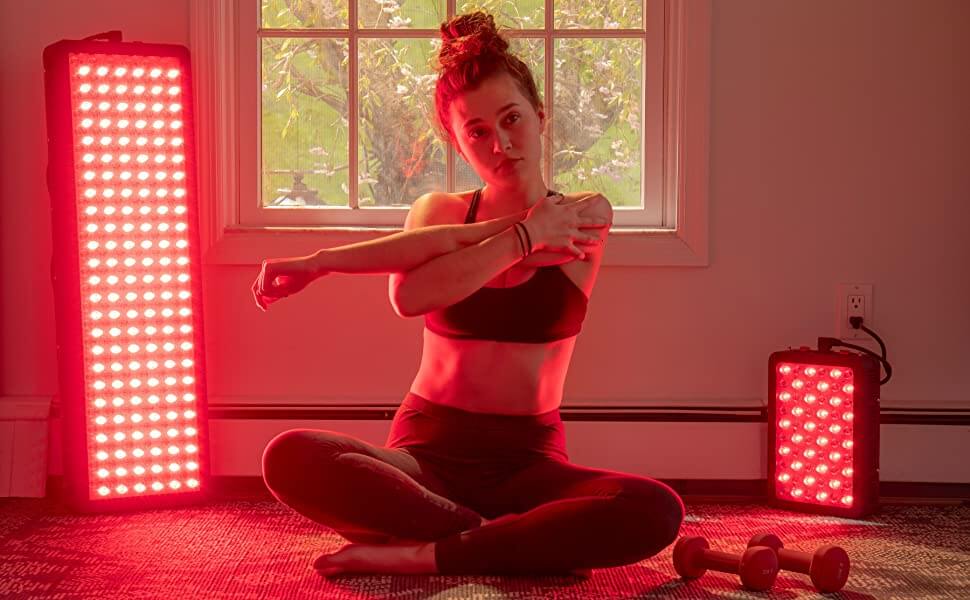
Over the past few years, red light therapy has been gaining popularity as a non-invasive, rejuvenating treatment for a variety of health and wellness concerns. With its origins rooted in NASA research, this innovative therapy has captivated the attention of diverse demographics, ranging from athletes to skincare enthusiasts. In this article, we will delve into the concept of red light therapy, explore its origins, and discuss the factors contributing to its rising popularity.
Understanding Red Light Therapy:
Red light therapy, also known as photobiomodulation or low-level light therapy, involves the use of red and near-infrared light to stimulate cellular function within the body. This non-thermal, non-invasive treatment is administered through specialized light-emitting diodes (LEDs) or lasers that emit specific wavelengths of light. These wavelengths penetrate the skin, reaching deep into the tissue to enhance cellular metabolism and increase energy production.
Origins of Red Light Therapy:
The origins of red light therapy can be traced back to NASA's research in the late 1980s. The organization was exploring ways to optimize plant growth in space and found that certain wavelengths of light had a profound effect on cellular function. This discovery led to further investigation into the therapeutic potential of red and near-infrared light on humans.
Popularity Across Demographics:
Red light therapy's efficacy across a wide range of wellness concerns has contributed to its popularity among various demographics. Athletes and fitness enthusiasts have embraced this therapy for its ability to reduce muscle inflammation, promote faster recovery, and enhance athletic performance. Additionally, the skincare industry has integrated red light therapy into treatments targeting acne, wrinkles, and other skin conditions. It has become particularly popular among individuals seeking non-invasive alternatives to more traditional beauty treatments.
Moreover, red light therapy has found a significant following among those looking to improve overall wellbeing and mental health. Studies have shown that red light therapy can positively impact mood, sleep quality, and cognitive function. As a result, individuals seeking natural ways to alleviate stress, boost energy levels, and enhance overall vitality have turned to this therapy.
As the demand for natural and non-invasive wellness solutions continues to rise, red light therapy has captured the attention of individuals across diverse demographics. Stemming from its association with NASA and its proven benefits in various fields, this trend is likely to continue its upward trajectory in the coming years. Whether for its athletic recovery benefits, skin rejuvenation properties, or general wellness enhancements, red light therapy offers a promising avenue for individuals seeking to improve their overall quality of life.
The Growing Market for Red Light Therapy: Size and Growth
Red light therapy, also known as photobiomodulation therapy, has gained significant popularity in recent years as a non-invasive treatment option for various health issues and cosmetic improvements. This innovative therapy harnesses the power of specific wavelengths of red and near-infrared light to stimulate cellular activity and promote healing and regeneration in the body. As the demand for alternative therapies increases, the market for red light therapy has been experiencing substantial growth.
Market Size
According to various market research reports, the red light therapy market size is projected to reach a value of over $1 billion by 2026. The market has witnessed a steady increase in demand across the globe, driven by factors such as the rise in chronic health conditions, growing awareness about the benefits of non-invasive treatments, and advancements in technology.
Currently, the market is divided into several segments based on the type of device and application. Red light therapy devices come in various forms, including handheld devices, full-body panels, and wearable devices. Applications of red light therapy range from skincare and beauty treatments to pain management, muscle recovery, and wound healing. With increasing research and development efforts, the potential applications of red light therapy are expanding, further contributing to the growth of the market.
Market Growth
The market growth of red light therapy can be attributed to the numerous advantages it offers compared to traditional treatment methods. Unlike invasive procedures, red light therapy is painless, non-toxic, and non-ablative, making it a preferred choice for individuals seeking alternative solutions. Additionally, the therapy boasts minimal side effects and requires minimal downtime, making it suitable for people with busy lifestyles.
The popularity of red light therapy among athletes and fitness enthusiasts, who often rely on quick recovery and muscle repair, has also contributed to its market growth. Furthermore, the therapy's ability to improve the appearance of skin, reduce wrinkles, and promote overall skin health has led to its widespread adoption in the beauty and aesthetics industry.
Moreover, the increasing acceptance of red light therapy by healthcare professionals and its incorporation into medical practices is driving market expansion. This endorsement by professionals gives credibility to the therapy and opens up opportunities for further growth.
The market for red light therapy is rapidly expanding, both in terms of size and growth. As researchers continue to uncover new applications and benefits of this therapy, the market is projected to continue its upward trend. The increasing consumer demand for alternative, non-invasive treatments, coupled with the therapy's effectiveness and versatility, positions red light therapy as a promising market with ample opportunities for innovation and growth.
The Rising Consumer Demand and Preferences for Red Light Therapy

Red light therapy, also known as photobiomodulation therapy, is a non-invasive treatment that uses low-level red light wavelengths to promote healing and improve various health conditions. This therapy has gained significant popularity in recent years, driven by increasing consumer demand and a growing preference for natural and non-pharmaceutical solutions to health issues.
Growing Awareness and Acceptance
One of the key drivers behind the rising consumer demand for red light therapy is the growing awareness of its numerous potential benefits. From skincare and anti-aging to pain management and muscle recovery, red light therapy has shown promising results in clinical studies and gained endorsements from various health and wellness experts.
Consumers are drawn to the fact that red light therapy is a non-invasive and drug-free alternative to traditional treatment options. With minimal side effects and no downtime, it appeals to individuals seeking convenient and accessible solutions for their health and well-being.
Beauty and Skincare Applications
The beauty and skincare industry has played a crucial role in the increasing popularity of red light therapy. Red light has been discovered to stimulate collagen production, repair skin damage, reduce wrinkles, and improve complexion. As people strive to maintain youthful and healthy-looking skin, red light therapy has gained a strong following among skincare enthusiasts.
With the rise of at-home devices, consumers can now enjoy the benefits of red light therapy without the need for expensive salon treatments. The convenience and cost-effectiveness of these devices have made it more accessible to a wider audience, contributing to its growing consumer demand.
Pain Management and Recovery
Pain relief and enhanced recovery are additional factors driving consumer demand for red light therapy. This therapy has shown potential in reducing pain and inflammation associated with various conditions such as arthritis, sports injuries, and chronic pain.
As individuals seek alternatives to pain medications and invasive procedures, the non-invasive nature of red light therapy and its potential effectiveness in managing pain have attracted a significant number of consumers. Athletes, in particular, are increasingly incorporating red light therapy into their training routines to accelerate muscle recovery and reduce post-workout soreness.
Consumer Preferences and Ease of Use
Consumers increasingly prioritize convenience, ease of use, and personalized experiences when adopting new wellness technologies. Red light therapy aligns well with these preferences, as it can be easily integrated into daily routines. The availability of portable and user-friendly home devices has made it more convenient for individuals to incorporate red light therapy into their self-care regimens.
Moreover, advancements in technology have led to the development of wearable devices and full-body panels, enabling consumers to target multiple areas simultaneously. This customization aspect appeals to consumers seeking more tailored and efficient solutions.
The consumer demand for red light therapy continues to grow due to its many perceived benefits, ranging from skincare and beauty applications to pain management and recovery. As the awareness and accessibility of red light therapy increase, and as more research supports its efficacy, its popularity will likely continue to skyrocket. The ability to enjoy the benefits of red light therapy in the comfort of one's own home and the preference for non-invasive and natural solutions are key factors driving this trend.
Industry Players and Competition in the Red Light Therapy Market

Red light therapy, also known as photobiomodulation, has gained significant popularity in recent years due to its potential health benefits. This non-invasive treatment uses red and near-infrared light to stimulate cellular function and promote various therapeutic effects. As the demand for alternative and non-pharmacological treatments continues to rise, the market for red light therapy is becoming increasingly competitive.
Numerous companies have entered the red light therapy market, aiming to capitalize on the growing consumer interest. Let's take a look at some of the key industry players and the competition they face:
- Joovv: Established in 2015, Joovv is a leading player in the red light therapy market. They offer a range of FDA-cleared red light therapy devices for both at-home and professional use. Joovv's products are known for their quality, power, and customizable features, attracting a loyal customer base that includes individuals as well as professional athletes.
- LightStim: With over two decades of experience in the industry, LightStim is another prominent player in the red light therapy market. They offer an extensive range of handheld, bed-sized, and panel devices that target specific concerns such as anti-aging, pain relief, and acne. LightStim's devices are well-regarded for their effectiveness and ease of use.
- Red Light Rising: Red Light Rising is a UK-based company that specializes in high-quality red light therapy devices. Their products are used by individuals seeking the benefits of red light therapy, as well as by professional practitioners. Red Light Rising's focus on design, performance, and customer satisfaction has helped them carve out a niche in the market.
- PlatinumLED Therapy Lights: PlatinumLED Therapy Lights is a trusted name in red light therapy, known for its durable and efficient light-emitting diode (LED) devices. The company offers a variety of products, including panel lights, handheld devices, and full-body beds. PlatinumLED is popular among fitness enthusiasts, wellness centers, and medical professionals due to the reliability and effectiveness of their devices.
- Other Competitors: Alongside these major players, there are numerous smaller companies and startups entering the red light therapy market. These companies often aim to offer unique features, competitive pricing, or specific applications to differentiate themselves.
The competition in the red light therapy market is driven by factors such as device effectiveness, product innovation, brand reputation, pricing, and customer support. While established companies have built strong customer bases, new market entrants have opportunities to disrupt the industry with novel approaches and affordable devices.
To stay ahead of the competition, companies are investing in research and development to improve device technologies, expand application areas, and enhance user experience. Moreover, they are actively promoting awareness about the benefits of red light therapy through educational content, social media marketing, and collaborations with influencers.
As the market continues to grow, strategic partnerships between red light therapy companies and wellness clinics, fitness centers, and medical professionals are becoming more common. These partnerships allow for wider adoption of red light therapy and create an environment where market players can collaborate and share expertise.
In conclusion, the red light therapy market is dynamic and competitive, with several established companies and emerging players vying for consumer attention. As the industry grows, companies must continually innovate and differentiate themselves to succeed in this increasingly popular field of alternative therapy.
The Cutting Edge of Wellness: Exploring the Technological Innovations in Red Light Therapy

As the pursuit of health and wellness continues to evolve, advancements in technology have played a pivotal role in introducing innovative approaches to achieve optimal well-being. One such groundbreaking therapy gaining traction in recent years is Red Light Therapy. Emitting low-level red light wavelengths, this non-invasive treatment has been praised for its multitude of benefits ranging from skin rejuvenation to pain management. As the demand for red light therapy continues to rise, the industry has been quick to respond with a plethora of technological innovations aimed at maximizing its potential.
One key area of technological advancement in red light therapy is the development of LED lights specifically designed for therapeutic purposes. LEDs offer numerous advantages over traditional light sources, including longer lifespan, higher energy efficiency, and the ability to emit specific wavelengths of light. This allows for targeted treatments and precise delivery of light therapy to the affected areas, resulting in enhanced effectiveness and safety.
Smartphone Integration is another area that has seen significant innovation in the realm of red light therapy. Manufacturers have leveraged the ubiquity of smartphones and developed companion apps that provide users with personalized treatment plans, customizable settings, and real-time monitoring of progress. These apps often include features such as timers, dosage calculators, and reminders, making red light therapy more accessible and user-friendly for individuals incorporating it into their daily routines.
With the growing interest in wellness and self-care, portable and home-use devices have become popular among consumers seeking the benefits of red light therapy without the need for expensive salon visits. These devices are designed to be compact, lightweight, and easy to use, making it convenient for users to incorporate red light therapy into their everyday lives. Advanced features in portable devices include adjustable irradiance levels, multipurpose panels for targeting specific body areas, and even built-in temperature sensors to ensure optimal treatment conditions.
In recent years, combination therapies have emerged as an important area of innovation in red light therapy. These therapies integrate red light therapy with other modalities such as infrared light, microcurrents, and vibration to provide comprehensive and synergistic wellness solutions. For instance, combining red light therapy with infrared light can enhance cellular regeneration and promote deeper tissue penetration, while the addition of microcurrents and vibration can further stimulate muscle recovery and improve circulation. The integration of different modalities allows for more holistic and efficient treatments, catering to the diverse needs of individuals.
The advancement in wearable technology has also made its mark in the red light therapy field. Wearable devices, such as LED face masks and gloves, offer hands-free treatments and allow for targeted therapies on specific body parts. These wearable devices are often designed with comfort in mind, providing a hassle-free way to incorporate red light therapy into daily routines, all while being discreet and portable.
As the popularity of red light therapy continues to grow, ongoing research and technological innovations have the potential to unlock even more applications and benefits. With advancements such as higher-powered devices, optimized wavelength combinations, and integration with emerging technologies like artificial intelligence and quantum dots, red light therapy is poised to pave the way for groundbreaking advancements in the realm of wellness and beyond.
In conclusion, the journey of red light therapy showcases the power of technological innovation in revolutionizing wellness practices. From LED lights and smartphone integration to portable devices and combination therapies, these advancements have significantly enhanced the effectiveness, accessibility, and versatility of red light therapy. As technology continues to advance, the future looks promising for the evolution and widespread adoption of this cutting-edge therapy.
Regional Trends and Cultural Influences on Red Light Therapy

Red light therapy, also known as photobiomodulation therapy, has gained popularity in recent years as a non-invasive treatment for a variety of health conditions. It involves exposure to low-level red and near-infrared wavelengths of light that stimulate cellular function and promote healing. While red light therapy is a universal concept, regional trends and cultural influences can shape its adoption and perception in different parts of the world.
- North America: In North America, red light therapy has become increasingly popular in the health and wellness industry. The region's emphasis on beauty and anti-aging treatments has contributed to the growth of red light therapy as a solution for reducing wrinkles, improving skin texture, and promoting collagen production. Many North American celebrities and influencers have endorsed red light therapy, further driving its adoption among the general population.
- Europe: Europe has seen a rise in the use of red light therapy, particularly in countries like Germany and the Netherlands. In these countries, well-established health and wellness practices, including saunas and spas, have embraced this therapy as an addition to their existing offerings. European consumers often seek natural and holistic approaches to well-being, and red light therapy aligns with this ethos.
- Asia: In Asia, red light therapy has gained traction, but its application differs from other regions. Traditional Chinese Medicine and Ayurveda, two influential systems of medicine, have integrated light therapy principles into their practices for centuries. Red light therapy aligns with these traditional approaches and is viewed as an alternative treatment option for enhancing energy flow and promoting balance in the body. Japan, in particular, has seen an increase in the use of red light therapy devices in beauty salons and skincare routines.
- South America: South America is embracing red light therapy as well. In countries like Brazil, where beauty and body image hold significant cultural value, red light therapy is marketed as a non-invasive procedure for cellulite reduction and skin rejuvenation. The treatment is often offered in conjunction with other aesthetic procedures, reinforcing its popularity in the region.
- Middle East: While slower to adopt red light therapy, the Middle East is experiencing an increase in its usage. In this region, where skin health and beauty are highly prioritized, red light therapy is finding its place in the market as a tool for improving skin conditions such as acne, hyperpigmentation, and age spots. The therapy is often offered in high-end spas and wellness centers catering to a luxury-focused clientele.
In conclusion, red light therapy is a global phenomenon that has become increasingly popular in various regions. Its adoption and perception are influenced by cultural practices, beauty standards, and wellness philosophies specific to each region. Understanding these regional trends and cultural influences can be invaluable for companies and marketers looking to promote red light therapy in different parts of the world.
The Rise of Red Light Therapy: Harnessing the Power of Social Media and Influencers

In recent years, red light therapy has emerged as a popular and promising beauty and wellness trend, attracting attention from both consumers and industry experts. This innovative therapy involves the use of low-level red light wavelengths to promote various health benefits, such as improved skin health, reduced inflammation, and enhanced muscle recovery. While red light therapy has been around for decades, its recent surge in popularity can be largely attributed to the power of social media and influencer marketing.
Social Media: Igniting Awareness and Sparking Interest
Social media platforms, such as Instagram, YouTube, and TikTok, have become key drivers in shaping consumer trends and fueling the success of various products and services. Red light therapy is no exception to this phenomenon. Through visually appealing content, informational posts, and user testimonials, social media has played a vital role in introducing and spreading awareness about red light therapy to a wide audience.
Influencers across different industries, including beauty, fitness, and wellness, have harnessed the power of social media to showcase their experiences with red light therapy. They share their personal journeys, before-and-after photos, and highlight the benefits they have derived from incorporating red light therapy into their regular routines. These influencers, with their massive following and engaging content, have a significant impact on shaping consumer perceptions and generating interest in this alternative therapy.
Harnessing the Power of Influencers
Influencer marketing has proven to be an effective strategy in promoting a wide range of products and services. When it comes to red light therapy, influencers have played a vital role in educating and convincing their followers about the benefits and efficacy of this treatment.
Influencers specializing in beauty and skincare have particularly embraced red light therapy due to its numerous skincare benefits. By featuring red light therapy devices and sharing their own skincare routines, influencers have encouraged their followers to incorporate this therapy as part of their beauty regimens. These endorsements not only elevate the credibility of red light therapy but also generate curiosity among consumers who are seeking innovative and science-backed solutions for their skin concerns.
Furthermore, fitness influencers have also embraced red light therapy as an aid in muscle recovery and performance enhancement. Through engaging content showcasing their workouts and restorative routines, these influencers highlight the benefits of red light therapy in reducing inflammation, relieving muscle soreness, and accelerating recovery. Such endorsements contribute to the growing interest in red light therapy among fitness enthusiasts looking for ways to optimize their training and overall well-being.
Red light therapy has gained significant attention and momentum in recent years, largely due to the power of social media and influential figures. Through captivating content, informative posts, and personal endorsements, social media platforms and influencers have successfully sparked interest, raised awareness, and ultimately contributed to the rise of red light therapy as a popular and sought-after wellness trend. As social media continues to evolve, red light therapy is likely to remain in the spotlight, with the potential for further growth and adoption across various consumer segments.
The Future Outlook of Red Light Therapy

Red light therapy, also known as low-level light therapy or photobiomodulation, has gained significant attention in recent years for its potential health benefits. This innovative treatment involves exposure to specific wavelengths of red or near-infrared light, which penetrate the skin to stimulate cellular processes and promote healing.
Significant Growth Potential
The future outlook for red light therapy looks promising, with indications of significant growth potential across various industries. One of the key drivers of this growth is the increasing awareness of the therapy's benefits and a growing number of scientific studies supporting its efficacy.
Health and Wellness Industry
In the health and wellness industry, red light therapy is projected to continue its upward trajectory. The therapy has already gained traction in skin rejuvenation, with many salons and spas incorporating red light therapy into their service offerings. The demand for non-invasive and natural alternatives to traditional skincare treatments is driving the growth of this market.
Moreover, red light therapy shows potential in various other areas of health and wellness. It has been studied for its effectiveness in treating conditions such as chronic pain, wound healing, and hair loss. As more research is conducted and positive results emerge, the therapy is expected to expand into these areas, attracting more practitioners and consumers.
Sports and Fitness
Red light therapy is also making waves in the sports and fitness industry. Athletes and fitness enthusiasts are incorporating it into their training and recovery routines to improve performance, reduce muscle soreness, and enhance muscle recovery. The therapy's ability to increase blood circulation and stimulate the production of collagen has led to its adoption in sports medicine and physical therapy.
The growth of wearable red light therapy devices, such as handheld devices and light panels, is further driving the acceptance and utilization of this technology in the sports and fitness field. These convenient and portable devices allow individuals to incorporate red light therapy into their daily routines, even outside of specialized clinics or salons.
Home-Use Market
In recent years, there has been a surge in the availability of red light therapy devices for home use. Many companies have developed compact and user-friendly devices that allow individuals to reap the benefits of red light therapy in the comfort of their own homes. This shift to the consumer market opens up new opportunities and creates a potential revenue stream for the industry.
As the technology advances and becomes more affordable, the home-use market for red light therapy is expected to expand. Consumers are increasingly recognizing the long-term cost-effectiveness of owning their own devices, rather than relying solely on regular visits to clinics or salons.
The future outlook for red light therapy appears promising, with significant growth potential in the health and wellness, sports and fitness, and home-use markets. As more research is conducted and awareness continues to increase, the therapy is expected to become more mainstream and widely accepted. The development of innovative devices and treatments will further contribute to its expansion. Red light therapy has the potential to revolutionize various industries and improve the well-being of individuals worldwide.
Key Findings and Insights: Red Light Therapy

Red Light Therapy, also known as photobiomodulation therapy, is emerging as a popular trend in the health and wellness industry. It involves using low-level red light wavelengths to stimulate the body's natural healing processes and improve various conditions. This recap will highlight the key findings and insights gathered from market research on this trend.
- Increased Adoption: Red light therapy has gained traction in recent years due to its non-invasive nature and potential health benefits. It is being used by a wide range of individuals, including athletes, healthcare professionals, beauty enthusiasts, and those seeking pain relief or improved skin health.
- Effective Skin Treatment: One of the primary applications of red light therapy is as a skincare treatment. Research has shown that red light can alleviate skin conditions such as acne, wrinkles, and rosacea by promoting collagen production, reducing inflammation, and improving blood circulation. As a result, many skincare clinics and beauty salons are incorporating red light therapy into their treatment offerings.
- Pain Management: Red light therapy has shown promising results in managing various types of pain, including joint pain, muscle soreness, and inflammation. Studies have indicated that it can help reduce pain sensitivity, accelerate tissue repair, and decrease inflammation markers. This has led to increased interest in red light therapy as an alternative or complementary pain management tool.
- Athletic Performance and Recovery: Athletes are increasingly turning to red light therapy to enhance performance and aid in recovery. Research suggests that red light therapy can improve muscle strength, endurance, and facilitate faster recovery by reducing muscle fatigue and inflammation. This has prompted the integration of red light therapy devices in training facilities and competitive sports settings.
- Hair Growth Stimulation: Another interesting finding is the potential of red light therapy in stimulating hair growth. Studies have shown that red light can improve hair density and thickness by increasing blood flow to the hair follicles, promoting cell metabolism, and reducing hair loss. This has led to the development of specialized red light therapy devices for at-home use in hair rejuvenation treatments.
- Home-Use Devices: The availability of portable and affordable red light therapy devices for home use has contributed to the trend's growth. Consumers can now access the benefits of red light therapy without visiting specialized clinics or spas. The convenience and cost-effectiveness of home-use devices have significantly expanded the market reach of red light therapy.
- Scientific Validation: While the efficacy of red light therapy is supported by scientific research, more studies are needed to establish optimal treatment protocols and dosage guidelines. However, early research findings and positive user testimonials have contributed to the increasing interest and adoption of red light therapy.