
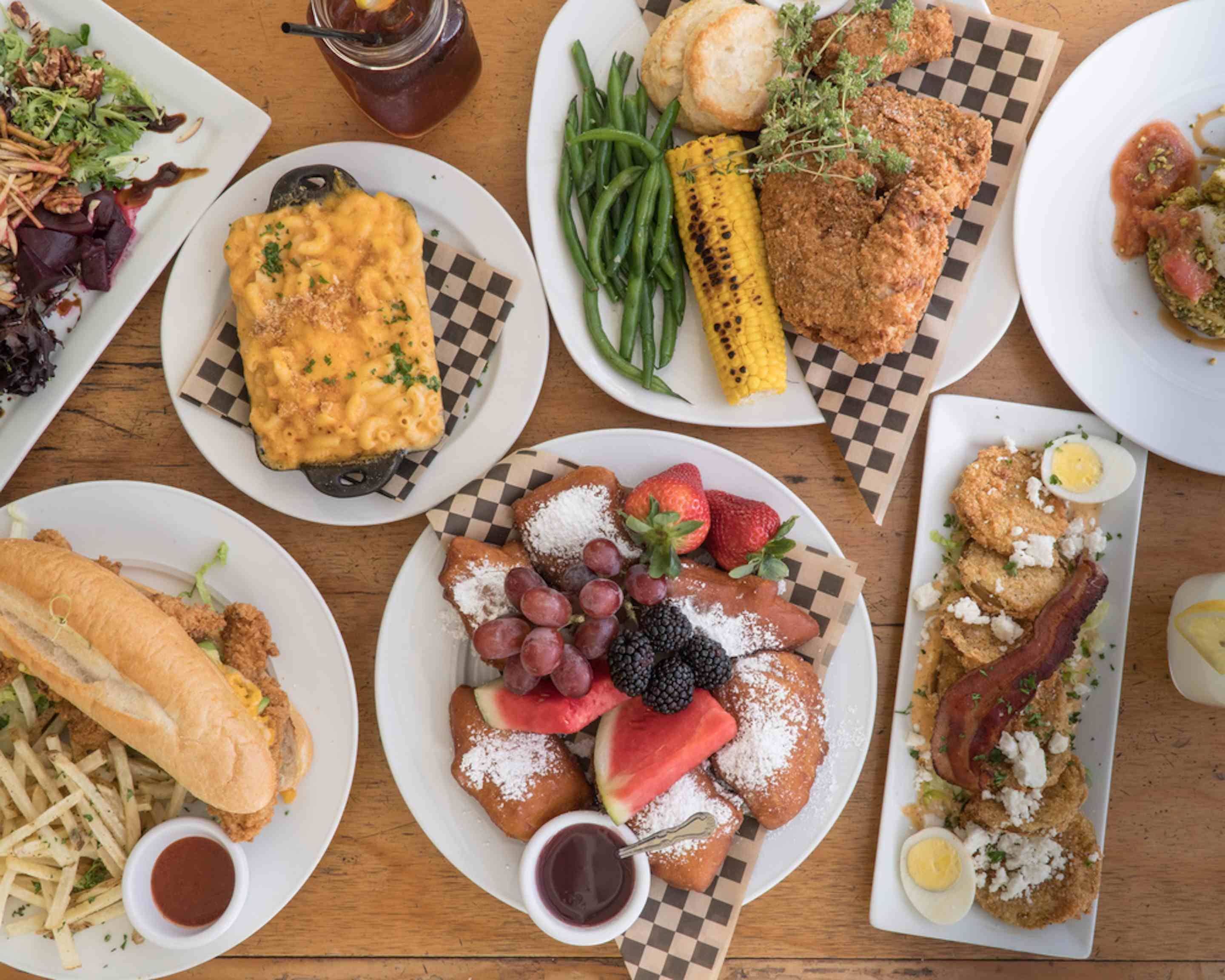
The Exploding Trend of Taste Bars: A Delectable Delight Taking the Food Scene by Storm

The Rise of Taste Bars: A New Sensation in Culinary Exploration

In recent years, a new trend has been sweeping the culinary world - the taste bar. This innovative concept takes the traditional idea of a bar and transforms it into a hub for taste exploration. At a taste bar, patrons are able to sample a wide range of flavors and ingredients, creating a truly unique and personalized dining experience.
The taste bar originated from the growing demand for culinary adventures, where people are not only seeking delicious food but also looking to broaden their culinary horizons. Inspired by the concept of wine tasting, taste bars allow customers to try a variety of small plates or samples, often paired with complementary beverages.
Taste bars have gained significant popularity for several reasons. Firstly, they offer a departure from the traditional dining experience by placing the focus on tasting and experimenting rather than on a full meal. This appeals to consumers who want to try a little bit of everything without committing to a single dish.
Secondly, taste bars provide a platform for creativity and innovation. Chefs and mixologists can showcase their skills and present unique flavor combinations that may not be found in traditional restaurants. This allows patrons to experience cutting-edge gastronomy and supports culinary experimentation.
Additionally, taste bars have become particularly popular among millennials and Gen Z, who prioritize experiences and enjoy trying new things. These younger generations are often more adventurous when it comes to food and are eager to explore different flavors and cuisines. The interactive and social nature of taste bars also appeals to this demographic, as it encourages sharing and conversation while trying out different dishes.
Overall, taste bars have captivated the attention of food enthusiasts and adventurers, becoming a trend that is rapidly gaining traction. With their focus on exploration and experimentation, taste bars offer a delightful departure from the ordinary dining experience, making them an appealing choice among various demographics. The rise of taste bars has undoubtedly revolutionized the way we approach and appreciate food.
The Market Size and Growth of Taste Bars
Taste bars, also known as tasting rooms or tasting bars, have rapidly gained popularity in recent years as consumer interest in craft beverages and culinary experiences continues to grow. These establishments offer a unique and interactive way for customers to explore different flavors, sample locally produced beverages, and enhance their understanding and appreciation of various food and drink products.
Market Size:
The taste bar market is a niche but rapidly expanding sector within the broader food and beverage industry. While comprehensive market data specifically focused on taste bars is limited, the overall market trends in the craft beverage and culinary tourism sectors provide valuable insights into its potential size.
According to a report by Allied Market Research, the global craft beer market was valued at $97.8 billion in 2019 and is projected to reach $164.4 billion by 2027, growing at a compound annual growth rate (CAGR) of 9.4% during the forecast period. Craft beer tasting rooms are a common feature in the craft beer industry, offering customers the opportunity to sample a wide range of unique and innovative brews.
Similarly, the wine industry has experienced significant growth in recent years, with an increasing number of wineries opening their doors to visitors and incorporating tasting rooms into their business models. According to the International Wine and Spirit Research (IWSR), the global wine market was valued at $364.25 billion in 2019 and is expected to reach $444.93 billion by 2027, expanding at a CAGR of 2.7% during the forecast period.
These figures indicate the strong demand for tasting experiences among consumers and highlight the potential for the taste bar market to continue expanding.
Market Growth:
The growth prospects for taste bars are largely driven by changing consumer preferences and emerging trends. In recent years, there has been an increased focus on local and artisanal products, as consumers seek authentic and unique experiences. Taste bars provide an avenue for consumers to discover and support local producers while indulging in different flavors.
Additionally, the rise of experiential travel and culinary tourism has further contributed to the growth of taste bars. Travelers are increasingly seeking immersive experiences that allow them to connect with the local culture and cuisine of the destinations they visit. Taste bars, by offering regional specialties and locally sourced ingredients, align perfectly with this trend.
Moreover, the COVID-19 pandemic has further fueled the growth of taste bars as consumers have shown a preference for outdoor dining and socially distanced experiences. Taste bars that have adapted and implemented safety protocols have been able to cater to this demand, providing consumers with a safe and enjoyable way to explore new flavors.
In conclusion, taste bars occupy a unique and growing niche within the food and beverage industry. The market size is reflected in the strong performance of related sectors such as craft beer and wine, while the growth prospects are driven by evolving consumer preferences and emerging trends. With the ongoing demand for unique and immersive culinary experiences, the taste bar market is expected to continue expanding in the coming years.
Understanding Consumer Demand and Preferences for Taste Bars

With the rise in food culture and the demand for unique culinary experiences, taste bars have gained popularity among consumers around the world. A taste bar is a type of establishment where customers can sample a wide variety of flavors and ingredients, creating their own personalized dishes. Understanding consumer demand and preferences for taste bars is essential for businesses in the food industry looking to cater to this growing trend.
Variety and Customization:
One key aspect that drives consumer demand for taste bars is the opportunity for a diverse range of flavors and the ability to customize their meals. Consumers are increasingly seeking out unique taste experiences and exploring new culinary combinations. Taste bars provide an ideal setting for individuals to experiment with different flavors and create personalized dishes tailored to their preferences.
Healthy and Alternative Options:
Another factor influencing consumer demand for taste bars is the growing focus on healthy eating and dietary preferences. Many taste bars include a wide range of options to cater to different dietary needs, such as vegetarian, vegan, gluten-free, or keto-friendly choices. Consumers who follow specific diets or have food allergies appreciate the ability to choose from a variety of healthy and alternative ingredients at taste bars.
Socialization and Interactive Experience:
Consumer preferences for taste bars are often driven by the desire for a social and interactive dining experience. Taste bars provide a unique opportunity for patrons to engage with their food and the chefs preparing it. These establishments often have an open kitchen concept, allowing customers to watch the preparation process and interact with the chefs. The ability to observe and discuss the flavors and techniques with experts adds an element of entertainment and engagement, which appeals to many consumers.
Novelty and Trendiness:
For some consumers, the appeal of taste bars lies in their novelty and trendiness. People are constantly looking for unique experiences that they can share on social media and with their peers. Taste bars offer an opportunity to try something new and share visually appealing plates and drinks on platforms like Instagram. The potential for discovering the latest food trends and being ahead of the curve also contributes to the overall appeal of taste bars among consumers.
Convenience and Cost:
Lastly, consumer demand for taste bars is influenced by convenience and cost factors. Taste bars often provide quick-service options, making them an attractive choice for individuals looking for a convenient and affordable meal. The ability to sample a wide variety of dishes without committing to a full-size portion also appeals to those who want to try new flavors without overspending.
Understanding consumer demand and preferences for taste bars is crucial in meeting the evolving needs of consumers in the food industry. Offering variety, customization, healthy options, socialization, novelty, and cost efficiency are key considerations for businesses operating taste bars. By catering to these preferences, food establishments can tap into the growing market and provide an enjoyable experience that resonates with a broad range of consumers.
Industry Players and Competition in the Taste Bar Market

In recent years, taste bars have gained significant popularity among consumers seeking unique and diverse culinary experiences. A taste bar is a food and beverage concept that allows customers to sample a range of flavors, typically through small bites, small plates, or flight-style servings. As the demand for these immersive tasting experiences grows, various industry players have emerged, each offering their own unique twist on the concept.
Established Players:
- Tapas Bars: Tapas bars originated in Spain and offer a variety of small plates, allowing customers to sample a range of flavors in one sitting. These bars typically emphasize Spanish cuisine but have expanded to include diverse international offerings. Tapas bars often provide a cozy and communal atmosphere, encouraging social interaction and shared dining experiences.
- Wine Bars: Wine bars offer a selection of wines, often paired with cheese, charcuterie, or tapas. They provide customers with an opportunity to explore different wine varieties and regions while enjoying small bites. Wine bars are known for their relaxing ambience and sophisticated atmosphere. Some wine bars also offer tasting events and classes tailored to educate and engage customers.
- Cocktail Bars: Cocktail bars specialize in craft cocktails, where skilled mixologists create unique and innovative drink combinations. These bars often feature a tasting menu or flight of cocktails, allowing customers to sample a variety of flavors. Cocktail bars prioritize creativity, presentation, and a vibrant atmosphere, attracting customers looking for a stylish and adventurous night out.
Innovative Players:
- Gastro Pubs: Gastro pubs combine the relaxed atmosphere of a traditional bar with high-quality, chef-driven food. They offer an extensive selection of craft beers, along with a menu featuring creative and elevated versions of classic pub fare. Gastro pubs often promote the exploration of flavor pairings, showcasing unique and seasonal ingredients.
- Food Halls: Food halls have witnessed a surge in popularity, offering customers a curated selection of various food and beverage vendors under one roof. These modern dining destinations feature communal seating areas and allow customers to try different dishes from multiple cuisines. Food halls provide a diverse taste bar experience, allowing visitors to explore various culinary offerings in a shared space.
- Sensory Tasting Experiences: Some innovative players focus on providing multi-sensory tasting experiences. These concepts combine flavors, aromas, textures, and even interactive elements to create an immersive journey for the senses. They may incorporate elements such as projection mapping, molecular gastronomy, or interactive presentations to elevate the tasting experience beyond traditional norms.
Competitive Landscape:
The taste bar market is highly competitive, as different players strive to differentiate themselves and attract customers. Factors such as ambiance, menu variety, quality of ingredients, and the overall experience play a crucial role in distinguishing one taste bar from another. Additionally, the ability to adapt to evolving consumer preferences and offer a unique, personalized touch is vital for sustained success.
As the demand for taste bars continues to grow, established players are likely to face increased competition from new entrants and innovative concepts. The market will undoubtedly witness further developments and adaptations, ensuring a diverse range of taste bar experiences to cater to the evolving tastes and preferences of consumers.
The Rise of Taste Bars: Revolutionizing the Gastronomic Experience with Technological Innovation

Gastronomy has evolved significantly over the years, with technology playing a crucial role in enhancing dining experiences. As consumer preferences shift towards unique and personalized culinary adventures, an emerging trend called taste bars has been gaining popularity. These innovative establishments combine cutting-edge technology with culinary expertise to deliver a one-of-a-kind sensory experience. In this article, we will explore the technological innovations behind taste bars, their benefits, and the potential they hold for the future of gastronomy.
- Virtual Reality (VR) and Augmented Reality (AR) Experience: Taste bars leverage virtual reality (VR) and augmented reality (AR) technologies to transport diners into immersive gastronomic worlds. By providing VR headsets or AR glasses, customers can visualize beautiful landscapes, vibrant food markets, or even the restaurant's kitchen while enjoying their meals. This technology not only enhances the visual appeal of the dining experience but also enables restaurants to showcase the sourcing, preparation, and presentation of their dishes in an engaging and interactive manner.
- Smart Menus and Interactive Ordering: Taste bars utilize smart menu technology to revolutionize the way customers browse, order, and customize their meals. Digital menus equipped with touchscreens or mobile apps facilitate seamless exploration of food and beverage options. Customers can access detailed descriptions, images, nutritional information, and even recommendations based on their preferences. Additionally, interactive ordering systems allow diners to personalize their orders according to dietary restrictions, allergies, or taste preferences, ensuring a bespoke gastronomic experience.
- Machine Learning and Artificial Intelligence (AI): Machine learning algorithms and artificial intelligence have revolutionized the food and beverage industry, and taste bars are no exception. By analyzing customers' historical dining habits, ratings, and feedback, AI systems can recommend personalized dishes and beverages, maximizing customer satisfaction. Moreover, AI-powered platforms can provide real-time feedback and suggestions based on diners' facial expressions, body language, and responses to different flavors or ingredients. This invaluable data helps restaurants refine their offerings and tailor their menu to suit evolving consumer preferences.
- IoT-Enabled Smart Tables: Incorporating Internet of Things (IoT) technology, taste bars offer diners a new level of interactivity through smart tables. Equipped with touchscreen surfaces or embedded sensors, these tables allow customers to explore food visuals, watch recipe demonstrations, or gain insights into ingredients' provenance. Additionally, IoT integration enables diners to browse and order items directly from the table, eliminating the need for traditional servers and streamlining the ordering process.
- Blockchain for Transparency: Transparency and traceability are becoming increasingly important to consumers. Taste bars are leveraging blockchain technology to provide customers with complete visibility into the food supply chain. By recording every step of the sourcing process, from farm to plate, blockchain allows customers to verify the origin, quality, and sustainability practices associated with their meal. This technology also helps build trust between customers and taste bars, ensuring that ethical and environmentally conscious choices are made when sourcing ingredients.
The advent of taste bars has brought about a revolution in the gastronomic landscape by combining culinary expertise with technological innovation. As the demand for unique and personalized dining experiences continues to rise, taste bars that leverage technologies such as virtual reality, augmented reality, smart menus, artificial intelligence, IoT-enabled smart tables, and blockchain have the potential to reshape the way we perceive and enjoy food. With these advancements, taste bars are not only satisfying customers' palates but also engaging their senses in unforgettable ways.
Regional Trends and Cultural Influences in the Taste Bar Industry

The taste bar industry has gained significant popularity in recent years, providing a unique experience for customers to explore different flavors, cuisines, and beverage options under one roof. However, the success and growth of taste bars can be influenced by regional trends and cultural preferences. In this section, we will explore some of the regional trends and cultural influences that impact the taste bar industry.
Regional Food Preferences:
Regional food preferences play a crucial role in shaping the offerings and success of taste bars. Different regions have distinct culinary traditions and preferences, which can greatly influence the types of foods and flavors offered at taste bars. For example, in Asian countries like Japan, South Korea, and Thailand, taste bars might prioritize sushi, ramen, kimchi, or Thai street food, reflecting local preferences and the growing popularity of these cuisines worldwide. On the other hand, taste bars in Western countries may focus more on international cuisines or local traditional dishes.
Beverage Culture:
The cultural influence of beverages within different regions also affects the taste bar industry. In wine-producing regions like France, Italy, or California, taste bars may offer a wide variety of wines for customers to sample, reflecting the local wine culture and appreciation. Similarly, regions with a strong coffee tradition, such as Italy or Ethiopia, might feature a selection of specialty coffees and espresso-based drinks. Understanding the beverage culture of a region is essential for taste bar operators to curate their offerings accordingly.
Dietary Preferences and Health Consciousness:
With an increasing focus on health and dietary preferences, taste bars have adapted their menus to cater to different lifestyles and dietary choices. Vegetarian, vegan, gluten-free, or organic options are becoming more prevalent in taste bars, aligning with the preferences of health-conscious consumers. These trends vary across regions, with some areas showing a greater demand for plant-based options than others. For instance, regions like California or certain cities in Europe may have a higher demand for vegan or organic offerings compared to other regions.
Cultural Celebrations and Festivals:
Cultural celebrations and festivals have a significant impact on taste bars, as they provide an opportunity to highlight specific regional cuisines and flavors. For example, during the Lunar New Year, taste bars in Asian communities might spotlight traditional dishes like dumplings or mooncakes. Likewise, during Oktoberfest, taste bars in German or Bavarian regions may focus on serving traditional German beers and dishes like pretzels or sausages. Incorporating culturally significant foods and beverages into the taste bar experience can help attract diverse customer groups and create a festive atmosphere.
Regional trends and cultural influences shape the landscape of the taste bar industry. Understanding the culinary preferences, beverage culture, dietary choices, and cultural celebrations of a region is crucial for taste bar operators to curate their offerings and create an appealing experience for their target audience. By staying attuned to these influences, taste bars can thrive in different regions by providing an authentic and culturally relevant taste exploration.
The Rising Influence of Social Media and Influencers in the World of Taste Bars

In recent years, social media has transformed the way we seek out and explore new dining experiences. With the rise of platforms like Instagram, Facebook, and YouTube, food enthusiasts now have access to a treasure trove of information about taste bars and other culinary establishments. Furthermore, the emergence of influencers has revolutionized the way tastes bars not only reach but also engage with their target audience.
The Power of Social Media: A New Approach to Discovery
Social media has become an invaluable tool for individuals in search of the latest taste bars in their area. Platforms like Instagram allow users to visually explore diverse culinary experiences by following specific hashtags or geolocation tags. Users can easily discover popular and upcoming taste bars through captivating images, tantalizing videos, and engaging captions shared by other users.
Taste bars can also leverage social media platforms to interact directly with their target audience. By maintaining an active presence, taste bars can build a strong online community and engage with potential customers in real-time. Through Instagram Stories, Facebook Live, or Twitter chats, taste bars can offer behind-the-scenes looks, conduct Q&A sessions, and generate excitement and anticipation amongst their followers.
The Rise of Influencers: Shaping the Taste Bar Scene
Another significant development in the realm of taste bars is the rise of social media influencers. Influencers are individuals who have established a significant following and possess a strong influence over their audience's purchasing decisions. They often collaborate with taste bars to generate buzz, promote new offerings, and provide first-hand reviews to their highly engaged followers.
By partnering with influencers, taste bars can effectively reach a wider audience that may not have discovered them otherwise. Influencers create engaging content by sharing their personal experiences at taste bars, showcasing menu highlights, and interacting with their followers' inquiries. Their endorsement of taste bars carries substantial weight, as their followers trust their advice and recommendations when making dining choices.
To foster successful influencer collaborations, taste bars can offer unique experiences such as exclusive tastings, behind-the-scenes access, or even personalized menu items. Such offerings not only incentivize influencers to promote their brand but also provide them with memorable experiences to share with their followers.
Embracing Social Media and Influencers: Key Marketing Strategies
To maximize their visibility in the social media landscape, taste bars can adopt several effective strategies:
- Engaging Visual Content: By crafting visually appealing content, taste bars can entice users to share their experiences, amplifying their reach throughout social media platforms.
- Hashtag Campaigns: Creating unique and memorable hashtags specific to the taste bar can encourage diners to generate user-generated content. This, in turn, can lead to increased awareness and brand recognition.
- Influencer Partnerships: Collaborating with influencers who align with their brand values and target audience can significantly boost a taste bar's online presence and credibility.
- Cross-platform Promotion: Utilizing multiple social media platforms to promote content, engage with audiences, and provide updates ensures broader visibility and reach.
- Monitoring and Responding: Actively monitoring social media platforms for mentions, tags, and reviews allows taste bars to promptly address customer feedback and provide exceptional customer service.
In conclusion, social media and influencers have become influential forces in shaping the taste bar scene. With the power of visual content, engaging storytelling, and strategic collaborations, taste bars can tap into the immense potential social media offers, reaching new audiences and expanding their presence in the culinary landscape. Embracing these platforms can position taste bars to thrive in today's digitally connected world, leading to increased footfall, loyalty, and brand awareness.
The Future Outlook of Taste Bars: A Delicious Trend on the Rise

The concept of taste bars has been gaining traction in recent years, providing a unique and interactive dining experience for food enthusiasts. Combining elements of education and gastronomy, taste bars offer a wide range of flavors, culinary techniques, and food pairings to satisfy discerning palates. As this trend continues to evolve, it is worth exploring its future outlook and potential forecasts.
- Increasing Demand for Experiential Dining: Taste bars cater to a growing consumer desire for unique dining experiences. In an era where people value experiences over possessions, taste bars provide an opportunity for guests to engage with their food in a creative and immersive way. With the emphasis on sensory exploration and curated menus, taste bars are likely to gain even more popularity in the future.
- Fusion of Global Cuisines: Taste bars often showcase fusion cuisine, which blends different culinary traditions and flavors from around the world. As people become more adventurous with their food choices, taste bars will likely continue to experiment and push boundaries. Expect to see more innovative combinations of ingredients and techniques, resulting in unique and tantalizing taste experiences.
- Emphasis on Sustainability and Locally Sourced Ingredients: The trend towards sustainability and conscious consumption extends to taste bars as well. As consumers become more mindful of the environmental impact of their food choices, taste bars will likely prioritize locally sourced, organic, and seasonal ingredients. Additionally, the integration of sustainable practices, such as reducing food waste and using eco-friendly materials, will become increasingly prevalent.
- Personalization and Customization: One of the key advantages of taste bars is their ability to offer customized dining experiences. In the future, we can expect taste bars to leverage technologies like artificial intelligence to create tailored menus based on individual preferences and dietary restrictions. This level of personalization will enhance the overall dining experience and attract a broader range of customers.
- Collaborations with Beverage Experts: Taste bars often leverage the expertise of sommeliers, mixologists, and beverage specialists to enhance the pairing experience. In the future, we can anticipate deeper collaborations between food and beverage professionals, resulting in meticulously curated menus and innovative flavor combinations. This synergy between culinary and beverage experts will elevate taste bars to new heights of sophistication.
- Expansion of Virtual and At-Home Taste Bar Experiences: With the rise of virtual dining experiences and meal kits, taste bars are also likely to expand beyond physical spaces. Virtual taste bars offer the opportunity for people to participate in interactive tasting sessions from the comfort of their own homes. Expect to see an increase in virtual tastings, where participants can receive curated tasting boxes and join live streaming sessions guided by knowledgeable chefs and sommeliers.