
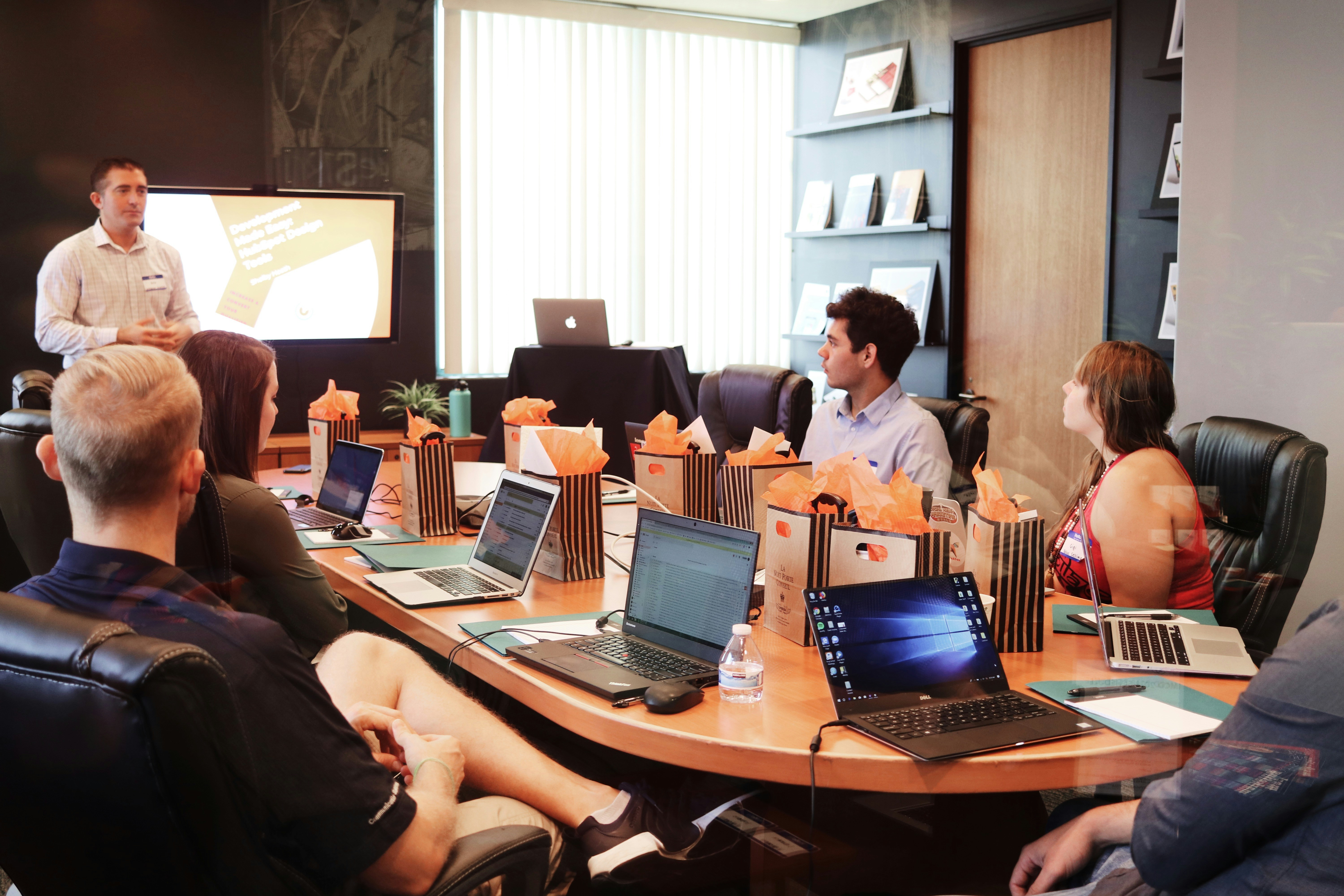
The Future of Workspaces: Exploring the Surge in Remote Co-working Spaces

The Rising Trend of Workspaces: Redefining Productivity and Collaboration

Workspaces have transformed significantly over the past few years, moving away from traditional office setups to more dynamic and flexible environments. This emerging trend has gained remarkable popularity and is now embraced by a diverse range of demographics globally. In this article, we will explore what workspaces are, delve into their origins, and discuss the factors contributing to their rising popularity.
Defining Workspaces:
Workspaces refer to the physical environments, both public and private, where individuals and groups work, collaborate, and interact. Unlike traditional offices with cubicles and fixed desks, modern workspaces are designed to facilitate productivity, foster creativity, and encourage a sense of community. They often include shared working spaces, co-working offices, virtual collaboration platforms, and even flexible home offices.
Origins of Workspaces:
The concept of workspaces emerged as a response to changing workplace dynamics and evolving professional needs. With the advent of technology and remote working capabilities, employees became less tied to their physical office space and began seeking environments that could facilitate innovation, networking, and flexibility.
Workspaces gained traction with the advent of the co-working movement, which originated in the early 2000s. The first official co-working space, "42 West 24," was established in New York City by the entrepreneur Brad Neuberg. Following this, co-working spaces started popping up around the world, catering to freelancers, startups, and remote workers who sought a more collaborative and community-oriented working environment.
Popularity Across Demographics:
The popularity of workspaces extends beyond freelancers and startups. Professionals from various industries and backgrounds are now embracing this trend. Remote workers seeking an office-like environment where they can focus and interact with like-minded individuals find value in shared workspaces. Additionally, businesses of all sizes, from small startups to established corporations, are recognizing the advantages of flexible workspaces, allowing them to optimize resource utilization and promote employee well-being.
Workspaces have also gained traction among the millennial and Gen Z workforce, who value flexibility, work-life balance, and social connection. This younger demographic appreciates the sense of community, networking opportunities, and innovative amenities often found in modern workspaces.
Furthermore, workspaces have become increasingly popular among professionals in creative and knowledge-driven industries, such as design, marketing, technology, and media. These industries thrive on collaboration, sharing ideas, and cross-pollination of creativity, making workspaces an ideal environment for fostering innovation and staying ahead in a rapidly evolving market.
In Conclusion (omit for now): While workspaces have been around for several years, their popularity continues to soar as more and more individuals and organizations recognize the benefits they offer. The next sections of this article will dive deeper into the specific aspects and features that make workspaces appealing and explore the future trends and innovations shaping this ever-evolving landscape.
The Expanding Market Size and Rapid Growth of Workspaces
The concept of workspaces has evolved significantly in recent years, transforming the traditional office setup into innovative and flexible environments that accommodate modern work trends. These changes have brought about a surge in the market size and a remarkable pace of growth for workspaces.
Market Size of Workspaces
The global market for workspaces has witnessed substantial expansion over the past decade. According to a report by Grand View Research, the global flexible workspace market size was valued at USD 26.0 billion in 2019 and is projected to reach USD 111.68 billion by 2027, registering a compound annual growth rate (CAGR) of 22.2% from 2020 to 2027.
The significant rise in the market size can be attributed to several factors, including the growing preference for agile and collaborative work environments, the rise of remote working and freelancing, and the cost-effective nature of shared workspaces compared to traditional office setups.
Rapid Growth of Workspaces
The growth trajectory of workspaces has been nothing short of impressive, driven by various industry trends and changing work dynamics. Let's explore some key factors contributing to the rapid growth of this sector:
- Shift Towards Remote Working: With advancements in technology and greater work flexibility, more individuals and organizations are embracing remote work options. Workspaces provide remote workers with professional settings, amenities, and networking opportunities, addressing the need for a dedicated workspace outside the traditional office.
- Rise of Freelancing and Startups: The global gig economy and the increasing number of startups have led to a growing demand for flexible workspaces. Freelancers, entrepreneurs, and independent professionals prefer workspaces due to the cost savings, scalable infrastructure, and access to a network of professionals.
- Enhanced Collaboration and Networking: Workspaces foster collaboration, networking, and knowledge sharing among individuals from diverse backgrounds and industries. These environments often organize events, workshops, and networking sessions, creating opportunities for cross-industry collaboration and innovation.
- Cost Efficiency and Flexibility: Traditional office spaces often involve high upfront costs, long lease commitments, and ongoing maintenance expenses. On the other hand, workspaces offer cost-effective options with flexible membership plans, pay-as-you-go models, and amenities included. This affordability attracts individuals and companies seeking agility and scalability.
- Expansion of Coworking Chains: Leading coworking space providers, such as WeWork, Regus, and Spaces, have facilitated the growth of workspaces through their global expansion strategies. These chains operate on shared economy principles, providing individuals and organizations with extended choices and accessibility to workspaces worldwide.
The market size of workspaces has experienced significant growth and is expected to continue its upward trajectory in the coming years. Factors such as the shift towards remote working, the rise of freelancing and startups, enhanced collaboration opportunities, cost efficiency, and the expansion of coworking chains have contributed to the expanding market size and rapid growth of workspaces. As work trends continue to evolve, the workspace market is poised for further expansion and innovation.
The Shifting Landscape of Workspaces: Consumer Demand and Preferences

In recent years, the concept of workspaces has undergone a significant transformation. With the rise of remote work and the gig economy, traditional offices are no longer the sole option for individuals pursuing their professional endeavors. The increasing consumer demand for alternative workspaces has led to the emergence of various new trends and preferences in this area.
Flexibility and Choice
One of the key factors driving consumer demand in the workspace market is the desire for flexibility and choice. Many professionals today value the freedom to choose where and how they work. This has led to the popularity of coworking spaces, where individuals can rent a desk or office space on a flexible basis. Coworking spaces offer the benefit of a professional environment, networking opportunities, and access to amenities, without the long-term commitments and overhead costs associated with traditional office leases.
Comfort and Well-being
As people spend a significant portion of their day working, there is a growing emphasis on comfort and well-being in workspaces. Many individuals prioritize environments that promote productivity, creativity, and overall well-being. This has resulted in a shift towards incorporating natural elements, ergonomic furniture, and wellness facilities into workspaces. Companies are increasingly investing in office designs that prioritize the physical and mental well-being of their employees, understanding the positive impact it can have on productivity and job satisfaction.
Technology Integration
In today's digital age, technology plays a critical role in workspaces. Consumers expect seamless integration of technology tools and infrastructure that enable them to work efficiently and effortlessly. High-speed internet, wireless charging stations, smart meeting rooms, and collaboration tools are just a few examples of technologies that are now standard expectations in modern workspaces. As technology continues to evolve, consumers will likely value workspaces that keep pace with the latest advancements and facilitate digital connectivity.
Sustainability and Environmental Consciousness
Sustainability and environmental consciousness are increasingly influencing consumer preferences in all aspects of life, including workspaces. Many professionals prioritize eco-friendly work environments and seek out spaces that have implemented sustainable practices. Green buildings, recycling programs, energy-efficient lighting, and renewable energy sources are some of the elements that consumers look for in environmentally responsible workspaces. As the global focus on sustainability grows, it is anticipated that demand for green workspaces will continue to rise.
Customization and Personalization
Workspaces that allow individuals to tailor their environment to their specific needs and preferences are gaining traction among consumers. This desire for customization stems from the need to create a workspace that supports personal productivity and reflects one's personality. Adjustable desks, private phone booths, and customizable office layouts are examples of features that are often requested by those seeking personalized workspaces.
In conclusion, consumer demand and preferences in the workspace market have evolved to reflect the changing nature of work. Flexibility, comfort, technology integration, sustainability, and customization are key factors driving the choices individuals make when selecting their work environment. As the landscape of workspaces continues to evolve, it is essential for businesses and service providers to stay attuned to these consumer trends in order to meet the growing demands of the modern workforce.
Industry Players and Competition in the Workspaces Market
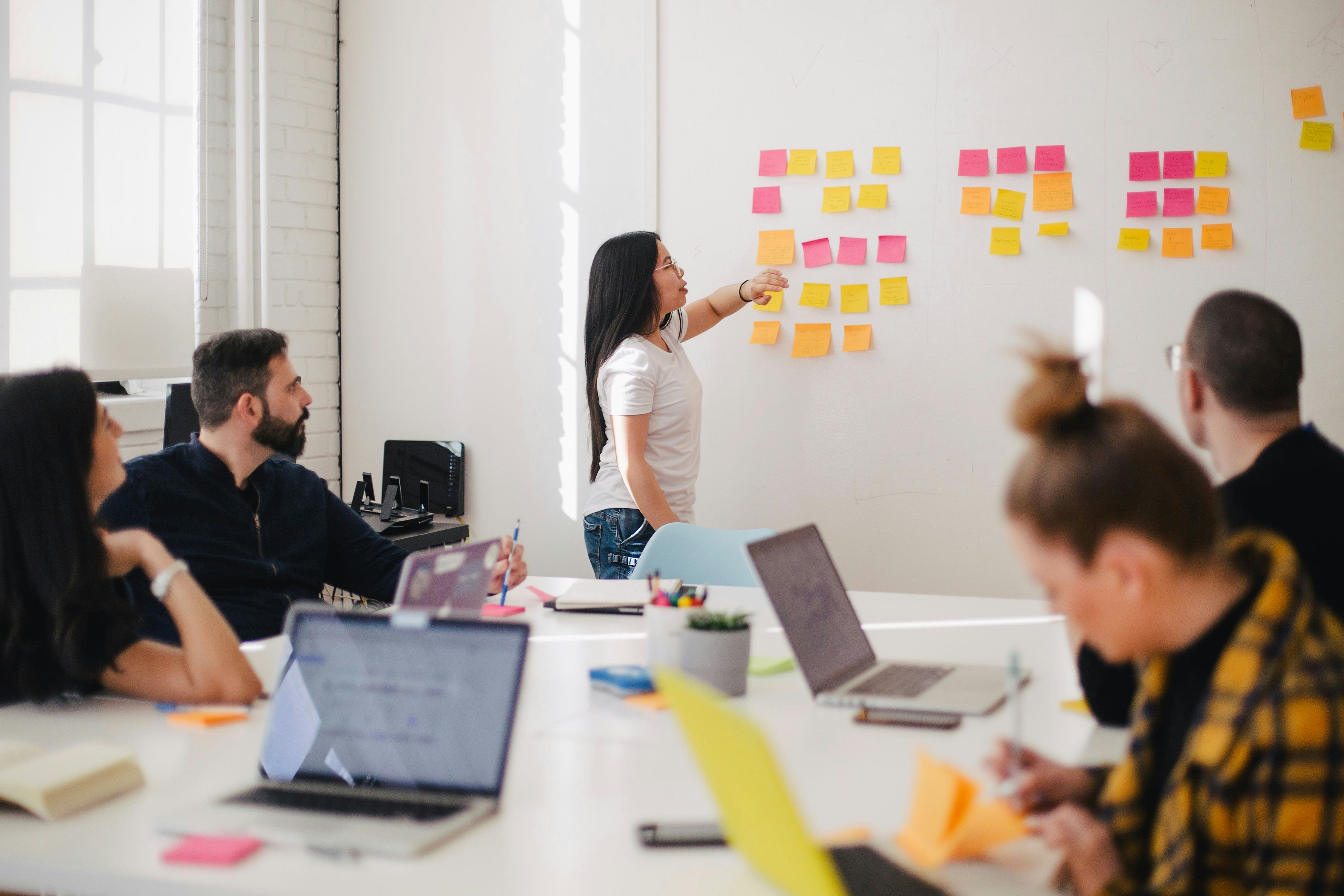
The workspaces market has experienced significant growth in recent years, driven by the evolving needs of professionals seeking flexible and collaborative work environments. As a result, the industry has become increasingly crowded, with numerous players vying for a share of the market. This section will explore some of the key industry players and the competitive landscape in the workspaces sector.
WeWork
One of the most well-known and influential players in the workspaces market is WeWork. Founded in 2010, WeWork has revolutionized the concept of shared workspaces by offering stylish, community-driven spaces that cater to entrepreneurs, freelancers, and small businesses. WeWork's innovative approach has propelled the company to become a global leader in the industry, with a presence in major cities around the world.
Regus
Regus, a subsidiary of IWG plc, is another major player in the workspaces market. With over 3,000 locations in more than 1,000 cities worldwide, Regus provides flexible office solutions to businesses of all sizes. The company offers widely accessible workspaces, ranging from private offices to co-working spaces, virtual offices, and meeting rooms. Regus has built a strong reputation for its extensive network and professional work environments.
Knotel
Knotel is a rapidly expanding player in the workspaces market, targeting larger enterprises with its flexible office solutions. Unlike many of its competitors that provide standardized workspaces, Knotel focuses on tailoring spaces to meet the specific needs of individual companies. This level of customization, combined with a tech-enabled platform for workspace management, has enabled Knotel to attract notable clients such as Microsoft and Starbucks.
Impact Hub
Impact Hub differentiates itself within the workspaces industry by aligning with a social mission. With over 100 locations worldwide, Impact Hub provides not only coworking spaces but also a platform for social entrepreneurs to connect, collaborate, and create positive change. Impact Hub's emphasis on fostering a community of like-minded individuals has helped it carve out a niche within the competitive workspace market.
Industrious
Industrious is another major player that offers premium, design-focused coworking spaces tailored to the needs of businesses spanning from startups to large enterprises. With locations in major U.S. cities, Industrious aims to provide a high-quality workspace experience, focusing on amenities, stylish design, and exceptional service. The company's attention to detail has earned it a loyal customer base.
Despite the dominance of these key players, the workspaces market continues to attract new entrants and faces increasing competition. Traditional office space providers, such as property development companies and real estate investment trusts (REITs), have recognized the opportunity presented by the growing demand for flexible workspaces and have entered the market. Additionally, there are numerous smaller, regional players and niche providers that focus on specific industries or communities.
As competition intensifies, industry players are constantly striving to differentiate themselves by offering unique amenities, creating specialized environments, and fostering strong communities. Furthermore, technological advancements, such as the integration of smart office solutions and digital platforms for workspace management, are shaping the future of the workspaces market, enabling providers to streamline operations and enhance the user experience.
Overall, the workspaces market is a dynamic and fiercely competitive industry, with various players carving out their own niches to cater to the diverse needs of professionals seeking flexible and collaborative work environments. The constantly evolving nature of the market ensures that innovation and differentiation will remain crucial for companies to stay ahead of the competition.
The Future of Workspaces: Technological Innovations Revolutionizing the Way We Work

Technology has been reshaping the world of workspaces, enabling unprecedented levels of productivity, collaboration, and flexibility. From virtual reality and augmented reality to artificial intelligence and the Internet of Things, innovative solutions are transforming traditional work environments into smart, connected spaces. This article explores some of the technological innovations that are revolutionizing the way we work and redefining the concept of workspaces.
Smart Offices: Creating Intelligent Work Environments
Smart offices leverage the power of connected devices and sensors to enhance productivity and efficiency. IoT-enabled sensors allow for real-time monitoring of various parameters, such as temperature, lighting, air quality, and occupancy, enabling automated adjustments to optimize comfort levels and energy usage. Smart lighting systems, for instance, adjust brightness levels based on natural light conditions, employee preferences, and task requirements, promoting well-being and reducing energy consumption.
Similarly, IoT-based occupancy sensors and intelligent scheduling systems can optimize space utilization, enabling organizations to make informed decisions about workspace design, allocation, and capacity. By analyzing data on occupancy trends, companies can identify underutilized spaces and implement flexible working arrangements, such as hot-desking or remote work options, to maximize the efficiency of office real estate.
Virtual and Augmented Reality: Transforming Remote Collaboration
Technological advancements in virtual reality (VR) and augmented reality (AR) have opened up exciting possibilities for remote collaboration. VR allows geographically dispersed teams to work together in a shared virtual space, providing an immersive experience that feels as if colleagues are physically present. This technology enables interactive meetings, virtual training sessions, and design reviews, fostering collaboration and minimizing the limitations of time and distance.
AR, on the other hand, overlays digital information onto the physical world, enhancing the user's perception and interaction with their surroundings. In the context of workspaces, AR can be used for tasks such as step-by-step guided maintenance, remote assistance, and data visualization. By augmenting the real environment with relevant data and instructions, AR empowers employees to work more efficiently and effectively.
AI-Powered Tools: Enhancing Efficiency and Personalization
Artificial intelligence (AI) has become increasingly integrated into workspaces, offering intelligent tools that enhance efficiency and personalization. AI-powered assistants, like chatbots, streamline administrative tasks, answer common questions, and provide personalized recommendations. These virtual assistants can book meetings, manage calendars, and even access relevant documents, saving employees valuable time and enabling them to focus on more strategic initiatives.
AI algorithms can also analyze vast amounts of data to provide valuable insights and predictions, improving decision-making processes. From analyzing market trends to identifying operational inefficiencies, AI enables organizations to leverage their data for competitive advantage and agility.
Embracing the Technological Revolution
As technology continues to evolve, workspaces are undergoing a significant transformation. Smart offices, virtual and augmented reality, and AI-powered tools are just a few examples of how technological innovations are revolutionizing the way we work. Embracing these advancements can empower organizations to create more efficient, collaborative, and personalized work environments that drive productivity and employee satisfaction.
Companies that adapt to these technological changes and prioritize the integration of innovative solutions into their workspaces are likely to stay ahead of the curve, attracting top talent, and achieving sustainable growth. By harnessing the power of technology, workspaces can truly become dynamic, agile, and responsive environments that enable individuals and teams to thrive in the modern era of work.
Regional Trends and Cultural Influences on Workspaces

Workspaces have evolved significantly in recent years, reflecting changing regional trends and cultural influences. As societies around the world continue to embrace new work practices and the concept of remote work gains popularity, the design, layout, and atmosphere of workspaces have undergone a transformative shift. Let's explore some key regional trends and cultural influences that have shaped workspaces.
Scandinavian Design: Emphasizing Simplicity and Functionality
Scandinavian countries such as Sweden, Denmark, and Norway have influenced global workspace design with their minimalistic style. Scandinavian design emphasizes simplicity, clean lines, and functionality, resulting in workspaces that are open, bright, and decluttered. These aesthetically pleasing environments often incorporate natural materials, such as wood and stone, to create a sense of warmth and connection with nature. The focus on light, airy spaces and ergonomic furniture aligns well with the region's commitment to work-life balance and employee well-being.
Open Office Concepts: A U.S. Influence
The open-office concept, characterized by open floor plans, shared workstations, and collaborative spaces, gained popularity predominantly in the United States. This trend was born out of the desire to foster collaboration, communication, and a sense of community among employees. However, while open offices can promote interaction and idea sharing, they also come with drawbacks, such as noise distractions and lack of privacy. As a result, some companies have adopted hybrid models that combine open spaces with private areas to offer employees a balance between collaboration and focused work.
Japanese Influence: Balance and Harmony
Japanese culture has had a significant impact on the design and organization of workspaces. Concepts such as "kaizen" (continuous improvement) and "kanban" (visual management) have found their way into modern workplace practices. Japanese-inspired workspaces often prioritize minimalism, organization, and natural elements. A harmonious balance between personal space and collaborative areas is crucial. In addition, the integration of Zen-inspired spaces for relaxation, meditation, or reflection has gained popularity in many work environments worldwide.
Co-Working Spaces: A Global Phenomenon
The rise of co-working spaces is not tied to any specific region but has become a global trend. Co-working spaces provide flexible work arrangements for independent professionals, freelancers, and startups. They often emphasize community-building, providing networking opportunities, and fostering a sense of belonging. Co-working spaces can range from minimalist, modern designs to those inspired by local culture and traditions, catering to the needs of diverse user groups.
Smart Offices: Technology Integration
Advancements in technology have revolutionized workspaces worldwide. From smart lighting systems that optimize energy consumption to IoT-enabled devices that enhance productivity, technology integration is transforming work environments globally. Regional differences in technology adoption and infrastructure influence the level of smart office implementation. For example, countries known for their technological advancements, such as South Korea or Singapore, might have more sophisticated smart office solutions compared to less technologically developed regions.
Understanding the regional trends and cultural influences on workspaces is essential for businesses and employers to create environments that align with the needs and preferences of their workforce. As remote work continues to reshape the way we work, it will be interesting to observe further evolution in workspace design and the emergence of new regional trends.
The Rise of Instagram-Worthy Workspaces: How Social Media and Influencers are Shaping the Way We Work
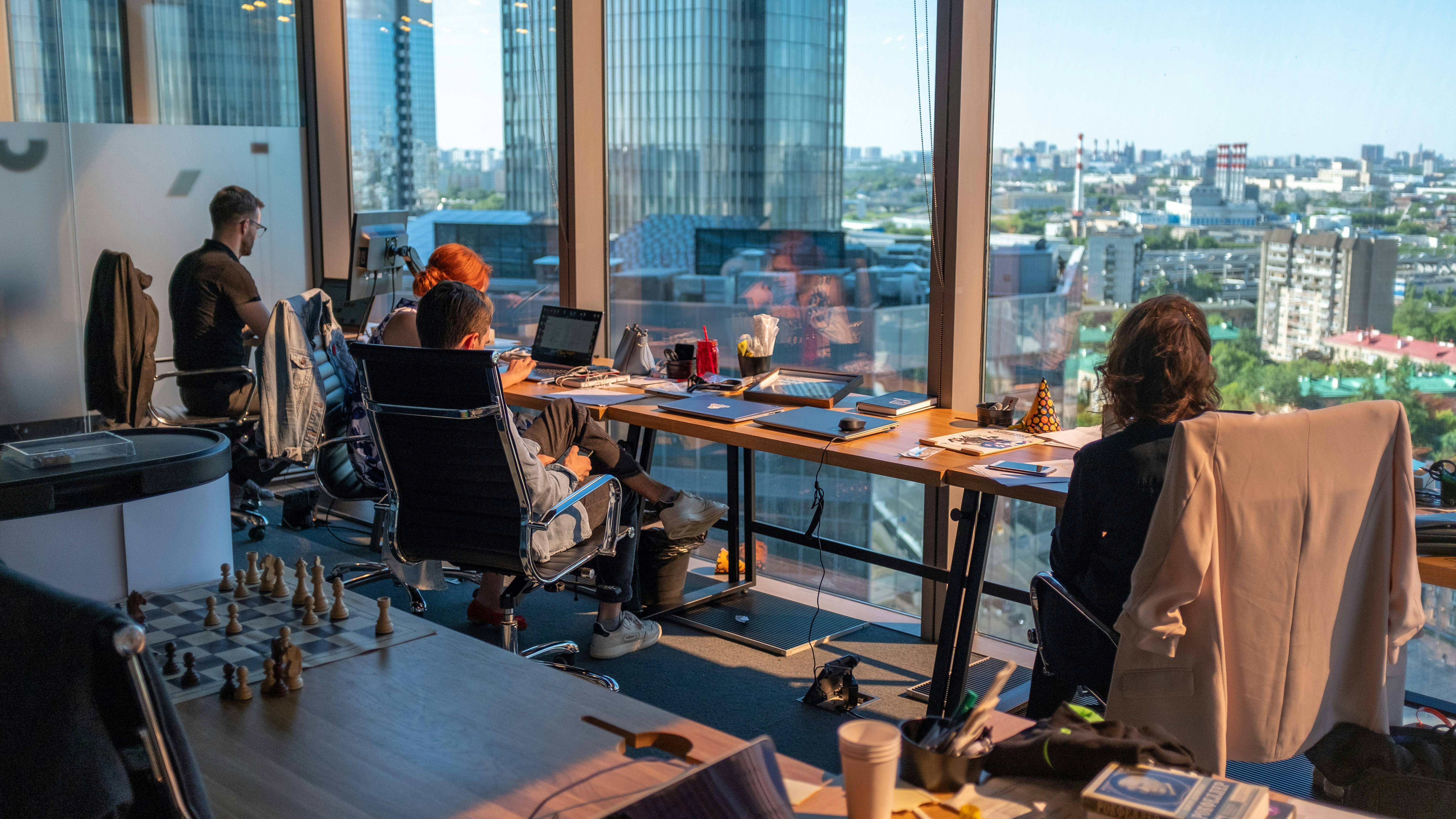
In an era of #WorkGoals and #OfficeVibes, social media and influencers have had a significant impact on the way we perceive and cultivate our workspaces. The rise of platforms like Instagram, Pinterest, and YouTube has brought workspaces into the spotlight, giving rise to a new trend of designing and curating aesthetically pleasing work environments. Let's explore why this trend has gained such popularity and how social media and influencers are playing a key role in shaping the way we work.
Trendy Workspaces as Content Creation Hubs
Social media platforms have created a space where users actively seek appealing and visually engaging content. For this reason, influencers and content creators have realized the potential of creating workspaces that are photogenic and inspiring. By featuring captivating office spaces, influencers not only showcase their personal brand or lifestyle but also connect with their audience on a relatable level. As a result, the aesthetics and aesthetics of workspaces have become increasingly important in gaining followers and engagement.
Influencer-Driven Design and Decor Inspiration
Influencers have become a go-to source of design and decor inspiration for individuals looking to revamp their own workspaces. Influencers often offer followers a glimpse into their well-curated offices, featuring stylish furniture, unique decor items, and creative organization solutions. This has led to a surge in demand for aesthetically pleasing office supplies and accessories, as professionals seek to replicate the appealing workspaces of their favorite influencers.
The Power of Authenticity and Productivity
Beyond aesthetics, influencers also share insights and tips on productivity, time management, and work-life balance. By providing a glimpse into their daily routines and using their workspace as a backdrop, influencers can promote their brands, products, or services in an authentic and relatable way. Whether it's showing off a sleek standing desk or discussing the benefits of an ergonomic chair, influencers can influence followers' purchasing decisions by highlighting products that contribute to a productive and comfortable work environment.
Office Culture and Branding
Workspaces have become an essential part of a company's brand image and office culture. Whether it's a startup ethos with open-concept collaborative spaces or a corporate environment with sleek, modern designs, companies recognize the importance of creating workspaces that align with their brand values. Social media and influencers play a significant role in showcasing these curated workspaces as a way to attract top talent and create a positive perception of their overall company culture.
The Future of Workspaces and Influencer Marketing
As social media continues to evolve, the influence of influencers on workspaces is likely to grow. We can expect to see a greater emphasis on sustainability-focused workspaces, remote work setups, and flexible office designs in the coming years. Influencers will continue to shape trends in office aesthetics, decor, technology, and work-life balance, while companies will seek to leverage influencer marketing to enhance their brand image and reach a wider audience.
In conclusion, social media and influencers have transformed the way we perceive and design workspaces. From creating visually appealing environments to promoting productivity and office culture, influencers shape trends and inspire millions of professionals worldwide. As social media platforms continue to evolve, the impact of influencers on workspaces is likely to strengthen, making them a key source of inspiration, productivity tips, and branding strategies in the workspace realm.
The Future Outlook of Workspaces: Forecast and Trends

Workspaces have undergone significant transformations in recent years, and the future outlook for this trend remains highly dynamic and promising. With the evolving nature of work and the rise of remote and flexible arrangements, it is becoming increasingly crucial for companies and individuals to adapt to the changing landscape of workspaces. This section provides a glimpse into the future of workspaces, highlighting the forecasted trends that are shaping the way we work.
Flexible and Remote Work
One of the most significant shifts in the future of workspaces is the rise of flexible and remote work. The COVID-19 pandemic has accelerated this trend, leading to a mass adoption of remote work technologies and practices. As more companies recognize the benefits of flexible work arrangements, we can expect a continued growth in remote work opportunities. This trend not only allows for a greater work-life balance but also enables companies to tap into a global talent pool.
Coworking Spaces
Coworking spaces have gained popularity over the past decade, and their future continues to look promising. These shared workspaces provide flexibility, collaboration opportunities, and amenities, appealing to freelancers, startups, and even larger organizations seeking alternative workspace solutions. With the rising trend of gig economy and the need for cost-effective options, the demand for coworking spaces is likely to increase in the future.
Smart Workspaces
Advancements in technology are transforming traditional workspaces into smart, connected environments. Smart workspaces leverage Internet of Things (IoT) devices, artificial intelligence (AI), and automation to enhance productivity, efficiency, and employee experience. These workspaces are equipped with features like intelligent lighting, temperature control, smart scheduling, and personalized workstations. As technology continues to evolve, we can expect even more innovative solutions in the realm of smart workspaces.
Health and Wellness
With increased awareness of the importance of health and wellness, workspaces of the future will place greater emphasis on employee well-being. Incorporating elements such as ergonomic furniture, natural lighting, indoor plants, and dedicated spaces for relaxation and exercise will become more common. Moreover, the integration of wellness programs, mental health support, and flexible wellness benefits will be key considerations for companies looking to attract and retain talent.
Virtual and Augmented Reality Integration
Virtual and augmented reality technologies are likely to have a significant impact on future workspaces. These immersive technologies have the potential to revolutionize communication, collaboration, and training within organizations. Virtual meetings, virtual offices, and augmented reality support for remote technical assistance are just a few examples of how these technologies can transform the way we work and interact.
Sustainable Workspaces
Sustainability will continue to shape the future of workspaces. As businesses become more environmentally conscious, there will be a growing demand for sustainable materials, energy-efficient systems, and eco-friendly practices in workspace design and operations. Companies will focus on reducing their carbon footprint, encouraging green commuting options, and creating environmentally friendly work environments.
In conclusion, the future outlook for workspaces is dynamic and full of possibilities. Flexible work arrangements, coworking spaces, smart technology integration, employee well-being, virtual/augmented reality, and sustainability are key trends that will shape the workspaces of tomorrow. Embracing these trends will enable companies to create productive, innovative, and engaging work environments that cater to the evolving needs of their workforce.
The Evolving Landscape of Workspaces: Key Findings and Insights

As technology advances and work culture shifts, the concept of workspaces has undergone significant changes. Here are the key findings and insights that shed light on the evolving landscape of workspaces:
- Remote Work Revolution: The COVID-19 pandemic has accelerated the adoption of remote work, making it a viable option for many organizations. Companies have realized the potential benefits of remote work, including increased productivity, reduced overhead costs, and improved work-life balance for employees. This trend has led to the rise of home offices and co-working spaces as popular workspace alternatives.
- Flexible Spaces for Collaboration: With collaboration being essential for innovation, modern workspaces have transitioned from traditional cubicles to more open and flexible environments. Collaborative areas, such as breakout rooms, communal lounges, and hot-desking arrangements, encourage spontaneous discussions, knowledge sharing, and cross-functional collaboration within organizations.
- Focus on Employee Well-being: Employers have started recognizing the importance of creating workspaces that prioritize employee well-being and happiness. Design elements such as natural lighting, ergonomic furniture, green spaces, and wellness rooms have proven to enhance productivity and overall satisfaction among workers. This trend reflects a shift towards a more holistic approach to work-life balance.
- Smart Offices and IoT Integration: The integration of Internet of Things (IoT) technology in workspaces is gaining traction. Smart offices utilize sensors, beacons, and connected devices to collect and analyze data on space utilization, energy efficiency, and employee behavior. This data-driven approach enables organizations to optimize their space usage, improve operational efficiency, and tailor the workspace to meet specific employee needs.
- Embracing Biophilic Design: Biophilic design aims to connect people with nature by incorporating natural elements into workspaces. Incorporating plants, green walls, outdoor views, and access to natural light not only enhances aesthetics but also boosts productivity and mental well-being. Biophilic design principles have gained popularity as businesses recognize the positive impact of nature on employee performance.
- Hybrid Work Models: As a result of the pandemic, hybrid work models, which combine remote work and physical office presence, have gained prominence. Many companies are adopting a flexible approach, allowing employees to choose their work location based on tasks, preferences, and efficiency. This trend calls for versatile and adaptable workspaces that can seamlessly accommodate both remote and in-person collaboration.
- Privacy and Focus Spaces: While open workspaces foster collaboration, they can also hinder concentration and privacy. To address this challenge, organizations are incorporating designated private areas, phone booths, and soundproof rooms into their office layouts. These spaces provide individuals with the necessary tranquility to focus, make confidential calls, or attend virtual meetings without disruptions.