

The Growing Popularity of Panthenol in Skincare: Unveiling the Latest Trend in Beauty Products

The Rise of Panthenol: Exploring the Increasing Popularity of this Versatile Ingredient

Panthenol, also known as Provitamin B5, has been gaining significant traction in the beauty and skincare industry in recent years. With its remarkable rejuvenating properties and wide range of benefits, panthenol has become an essential ingredient in various products, including skincare, haircare, and even cosmetics. This article will delve into the origins and versatility of panthenol and explore the reasons behind its surging popularity across different demographics.
Origins and Properties: Panthenol is derived from pantothenic acid, a B vitamin found in numerous food sources such as eggs, meat, and legumes. It is widely recognized for its ability to penetrate deep within the skin and hair, offering exceptional hydrating and moisturizing effects. This is due to its small molecular size and water-retaining properties. Moreover, when applied topically, panthenol is converted into pantothenic acid within the skin cells, promoting a healthier and more vibrant appearance.
Popularity Among Various Demographics: Panthenol's versatility has contributed to its popularity among diverse demographics. In skincare, it is highly sought after for its soothing and healing properties, making it suitable for individuals with sensitive or easily irritated skin. Additionally, panthenol's ability to improve the skin's barrier function makes it beneficial for those struggling with dryness, fine lines, or uneven texture. Its non-comedogenic nature also makes it an excellent choice for acne-prone individuals.
Furthermore, panthenol has made significant strides in the haircare industry. Its hydrating and strengthening attributes make it a valuable ingredient in shampoos, conditioners, and leave-in treatments. Panthenol nourishes the hair follicles, improving the overall health and appearance of the strands. It also provides thermal protection and reduces hair breakage, making it appealing to individuals with damaged or brittle hair.
In the realm of cosmetics, panthenol's humectant properties help to lock in moisture, resulting in smoother and plumper-looking skin. It is often found in foundations, primers, and other base makeup products. The ingredient's ability to enhance the skin's moisture retention makes it widely embraced by individuals seeking a flawless and long-lasting makeup application.
As we can see, panthenol has evolved into a powerful and versatile ingredient cherished by various demographics. Its hydrating, soothing, and rejuvenating properties have positioned it as a must-have ingredient in skincare, haircare, and cosmetics. With a growing emphasis on self-care and natural-based products, the popularity of panthenol is expected to continue its ascent in the beauty and skincare industry. The next section will delve deeper into the specific benefits of panthenol for the skin, hair, and overall well-being, as well as highlight some popular products featuring this sought-after ingredient.
Panthenol: Unveiling a Booming Market Trend
In recent years, panthenol has emerged as one of the fastest-growing ingredients in the personal care and cosmetic industry. Also known as provitamin B5, panthenol offers numerous benefits for healthy skin, hair, and nails. As consumers become more conscious of their well-being, the demand for panthenol-infused products has experienced remarkable growth. In this blog post, we will explore the market size and growth of panthenol, shedding light on its increasing popularity among consumers.
The Global Panthenol Market
The global market for panthenol is expanding at a significant pace. According to a report by MarketsandMarkets, the global panthenol market was valued at USD 264.6 million in 2020 and is expected to reach USD 361.6 million by 2025, with a compound annual growth rate (CAGR) of 6.5% during the forecast period.
Factors Driving Market Growth
Several factors contribute to the growth of the panthenol market:
- Increasing Focus on Personal Care: Consumers are becoming more conscious of their appearance and overall well-being, leading to a rise in demand for products that promote healthy skin, hair, and nails. Panthenol, with its moisturizing, soothing, and repairing properties, is garnering attention from individuals seeking effective personal care solutions.
- Growing Awareness of Ingredient Benefits: As consumers become more educated about cosmetic ingredients, they are seeking out products with ingredients that offer tangible benefits. Panthenol's ability to improve skin hydration, enhance hair strength, and support nail health aligns with these demands, driving its popularity and market growth.
- Rising Beauty and Skincare Industry: The booming beauty and skincare industry plays a vital role in driving the panthenol market. As the industry experiences significant growth, brands are actively incorporating panthenol into their formulations to meet consumer expectations and stay competitive in the market.
- Expanding Consumer Base: The demand for panthenol-infused products is not limited to a specific age group or gender. It caters to a wide range of consumers, including millennials, Gen Z, and older individuals who prioritize self-care and maintaining a youthful appearance. This diverse consumer base creates a vast market opportunity for panthenol-based products.
Application Areas of Panthenol
Panthenol finds application in various personal care and cosmetic products, such as:
- Skincare: Panthenol is a versatile ingredient in skincare, owing to its moisturizing and soothing properties. It is commonly used in moisturizers, serums, face masks, and creams to enhance skin hydration, promote healing, and reduce inflammation.
- Haircare: Due to its ability to penetrate the hair shaft and improve moisture retention, panthenol is widely used in shampoos, conditioners, styling products, and hair treatments. It helps strengthen the hair, reduce breakage, and improve overall hair health.
- Nail Care: Panthenol's strengthening properties extend to nail care. It is frequently included in nail treatments, polishes, and cuticle creams to support nail growth, prevent brittleness, and maintain healthy nails.
The market size and growth of panthenol in the personal care and cosmetic industry are on a steady rise. As consumers prioritize self-care and demand products with proven benefits, the demand for panthenol-infused skincare, haircare, and nail care products continues to grow. With its versatile applications and numerous advantages, panthenol is set to experience even greater popularity in the coming years. Retailers, manufacturers, and brands would do well to capitalize on this market trend and incorporate panthenol into their product offerings to stay ahead in the competitive landscape.
Exploring the Growing Consumer Demand and Preferences for Panthenol in Personal Care Products

Panthenol, also known as provitamin B5, has gained significant attention in recent years for its potential benefits in personal care products. With its numerous skincare and haircare benefits, panthenol has emerged as a sought-after ingredient in the beauty and wellness industry. This article explores the growing consumer demand and preferences for panthenol, highlighting its versatility, effectiveness, and emerging trends.
The Versatility of Panthenol:
Panthenol offers a wide range of benefits that cater to various consumer needs. As a key ingredient in skincare products, panthenol assists in maintaining the skin's barrier function, promoting hydration, and improving skin elasticity. Additionally, users appreciate its healing and soothing properties, which make it suitable for sensitive or irritated skin.
In haircare products, panthenol is known for its moisturizing abilities, enhancing shine, and improving hair texture and manageability. Consumers seeking to combat hair damage, prevent breakage, or add volume often gravitate towards products containing panthenol.
Effectiveness and Performance:
Consumer demand for panthenol is driven by its proven effectiveness and performance. Panthenol's ability to penetrate the skin and hair shaft, retaining moisture and supporting cellular regeneration, has made it a popular choice among beauty enthusiasts.
Feedback from product users highlights the positive impact of panthenol on skin hydration, softness, and smoothening. In haircare, panthenol is credited for reducing frizz, taming unruly hair, and repairing damage caused by heat and chemical treatments.
Demand for Natural and Sustainable Ingredients:
The rising demand for natural and sustainable ingredients in personal care products has further fueled the popularity of panthenol. Many consumers are actively seeking products that are free from harmful chemicals, artificial fragrances, and synthetic additives. Panthenol, as a widely recognized and safe ingredient, aligns with their preferences, making it a go-to choice for conscientious consumers.
Expanding Market Trends:
As consumer awareness and interest in panthenol grow, industry trends related to this ingredient have evolved. Some noteworthy trends in the market include:
- Combination Products: Brands are increasingly incorporating panthenol into multi-purpose products such as moisturizers, serums, and hair oils. These products cater to consumers looking for streamlined routines and versatile solutions.
- Clean Beauty Movement: With the clean beauty movement gaining momentum, many brands are actively promoting their use of panthenol in products marketed as "clean" or "green."
- Inclusion in Hair Treatment Products: Hair masks, leave-in conditioners, and specialized treatments are incorporating panthenol to target specific hair concerns like strengthening, repairing, and nourishing.
Driven by its diverse range of benefits, proven effectiveness, and alignment with natural and sustainable beauty preferences, panthenol has seen a significant rise in consumer demand and preferences. Whether in skincare or haircare products, the versatility and performance of panthenol have made it an attractive ingredient for consumers seeking quality personal care solutions. As the market continues to evolve, panthenol's presence is expected to grow, with innovative formulations and new product launches capitalizing on its popularity.
Exploring the Competitive Landscape of the Panthenol Industry
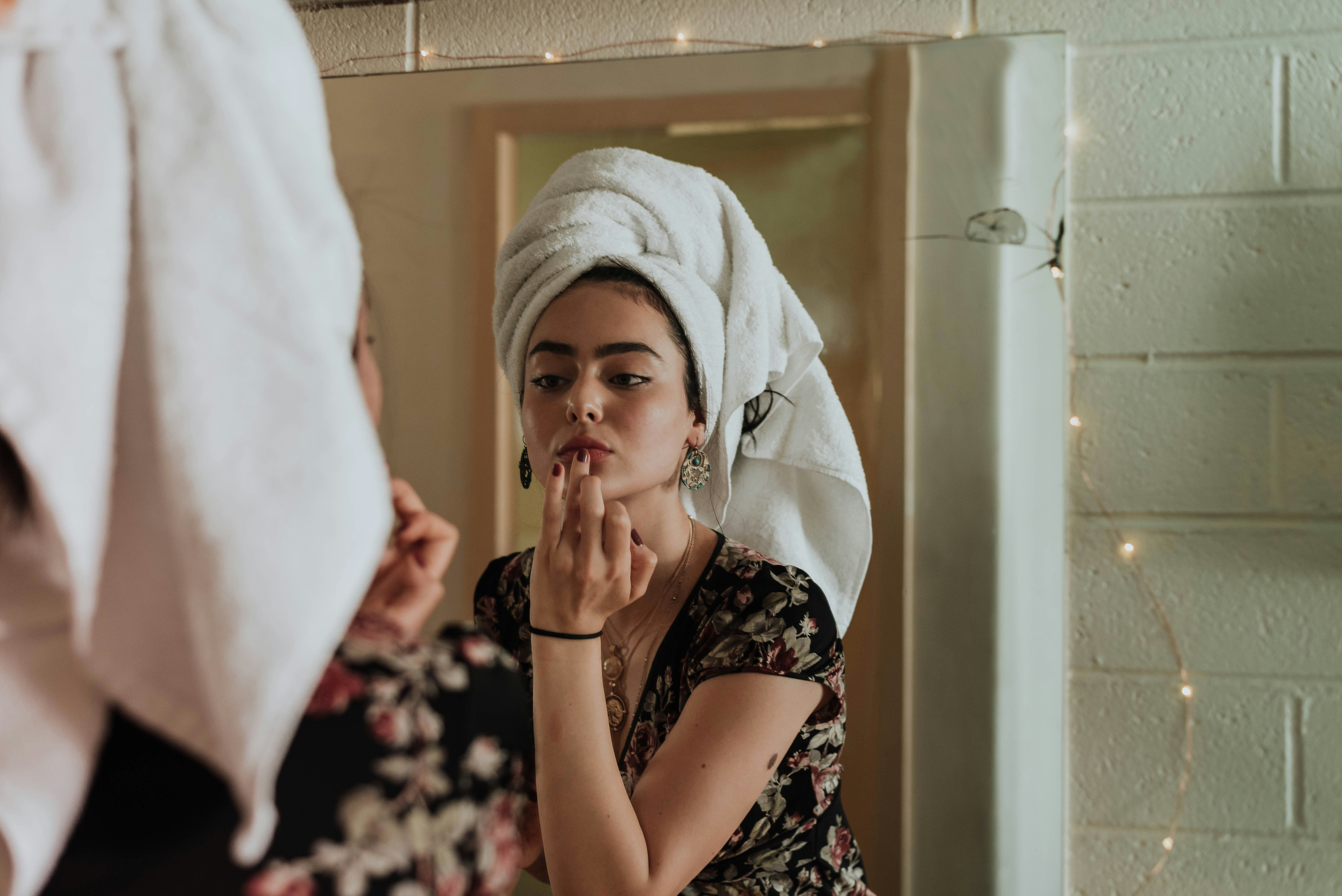
Panthenol, also known as provitamin B5, is a widely used ingredient in the cosmetics and personal care industry. It is valued for its moisturizing, soothing, and healing properties, making it a popular choice in skincare, haircare, and pharmaceutical products. As the demand for natural and sustainable ingredients continues to grow, panthenol has become a competitive market with several key industry players vying for market share.
Industry Players
1.1 BASF SE
BASF SE is a leading chemical company and a major player in the panthenol industry. The company offers panthenol under the brand name "Bepanthen" and caters to various end-use industries, including cosmetics, pharmaceuticals, and animal nutrition. With its strong research and development capabilities, BASF SE has been able to introduce innovative panthenol-based formulations, driving its growth in the market.
1.2 DowDuPont Inc.
DowDuPont Inc., a multinational conglomerate, is another prominent player in the panthenol industry. The company's panthenol products, marketed under the trade name "Pantothenic Acid," find applications in pharmaceuticals, personal care, and food industries. Leveraging its extensive distribution network and global presence, DowDuPont Inc. has established itself as a reliable source for panthenol products in various regions.
1.3 DSM Nutritional Products
DSM Nutritional Products is a subsidiary of Royal DSM, a global science-based company. DSM offers panthenol under the brand name "Vitamin B5 Panthenol" for use in personal care, pharmaceuticals, and animal nutrition. The company focuses on product innovation and sustainability, ensuring high-quality panthenol solutions that meet customer requirements. DSM's commitment to sustainable practices has resonated well with environmentally conscious consumers, giving them a competitive advantage.
Competition
The panthenol industry faces intense competition as players strive to differentiate themselves and capture market share. Some key factors driving competition in the industry include:
2.1 Product Quality and Efficacy
As panthenol is a widely used ingredient, manufacturers must demonstrate the quality and efficacy of their products to gain a competitive edge. Providing scientific evidence, conducting clinical studies, and obtaining certifications can help companies establish the superiority of their panthenol formulations.
2.2 Price Competitiveness
Price is a significant factor influencing consumer preferences and purchase decisions. To remain competitive, industry players need to offer competitive pricing while maintaining profitability. Manufacturers often adopt cost optimization strategies, streamline production processes, and explore economies of scale to achieve competitive pricing.
2.3 Sustainability Focus
With growing consumer awareness about sustainable and eco-friendly products, companies need to incorporate sustainability practices into their panthenol production. Adopting environmentally friendly manufacturing processes, sourcing raw materials responsibly, and offering sustainable packaging solutions can give companies a competitive advantage in the market.
2.4 Technological Innovations
Continuous innovation and development of new panthenol formulations are crucial for gaining a competitive edge. Industry players invest in research and development efforts to create novel applications and improve product performance. Leveraging technological advancements such as encapsulation techniques and nanotechnology can provide companies with a unique selling proposition.
In the highly competitive panthenol industry, companies like BASF SE, DowDuPont Inc., and DSM Nutritional Products have emerged as key players. These industry leaders excel in product quality, pricing strategies, sustainability focus, and technological innovations. As consumer demand for panthenol-based products continues to rise, new players may enter the market, intensifying the competition further. Staying abreast of industry trends and meeting consumer expectations will be crucial for companies vying for success in this dynamic market.
The Technological Innovation of Panthenol: Revolutionizing the Skincare Industry

Panthenol, also known as provitamin B5, is a popular ingredient in skincare products due to its moisturizing and healing properties. While it has been used for decades in the cosmetic industry, recent technological innovations have further enhanced its efficacy and functionality, making panthenol a game-changer in the skincare industry. In this section, we will explore some of the key technological advancements associated with panthenol and how they are revolutionizing skincare.
- Encapsulation Technology: Encapsulation technology has revolutionized the way panthenol is delivered to the skin. Traditionally, panthenol was used in its raw form, which had limited penetration into the skin layers. However, with the advent of encapsulation techniques, such as liposomes and nanoparticles, panthenol can be effectively delivered to the deeper layers of the skin, providing enhanced moisturization and healing benefits.
- Microencapsulation: Microencapsulation is another technological innovation that has significantly improved the functionality of panthenol. It involves encapsulating panthenol molecules in small capsules, which protect the ingredient from degradation and enhance its stability. This technology allows for a controlled release of panthenol over an extended period, ensuring long-lasting hydration and skin nourishment.
- Formulation Advancements: Technological advancements have also paved the way for panthenol to be incorporated into various skincare formulations, expanding its versatility. Enhanced solubility techniques, such as micronization and nanoemulsion, allow panthenol to be easily incorporated into different cosmetic products, including creams, serums, lotions, and even cleansers. This enables consumers to benefit from panthenol's moisturizing properties in a wide range of skincare products.
- Combination with Other Ingredients: Additionally, innovative formulations have combined panthenol with other ingredients to create synergistic effects and maximize skincare benefits. For example, the combination of panthenol with hyaluronic acid, vitamin E, and antioxidants can result in a powerful formula that promotes hydration, nourishment, and skin rejuvenation. These combinations not only enhance the effectiveness of panthenol but also cater to specific skincare needs.
Technological innovations have propelled panthenol to new heights in the skincare industry. The introduction of encapsulation technology, microencapsulation, formulation advancements, and innovative ingredient combinations have improved the effectiveness, stability, and versatility of panthenol-based skincare products. As a result, consumers can experience enhanced moisturization, healing, and rejuvenation benefits. With ongoing research and development, the future holds even more potential for exciting technological advancements in panthenol-based skincare products.
Panthenol: Unveiling Regional Trends and Cultural Influences

Panthenol, also known as pro-vitamin B5, has gained significant popularity in the beauty and personal care industry for its beneficial properties. As a moisturizer and skin conditioner, it has various applications, including skincare, haircare, and pharmaceuticals. However, despite its wide range of uses, the regional trends and cultural influences surrounding the adoption of panthenol vary across different parts of the world. This article explores the regional nuances and cultural influences that impact the popularity and utilization of panthenol in various markets.
Asia-Pacific: Embracing Panthenol in Beauty Rituals
The Asia-Pacific region, known for its extensive skincare routines and beauty rituals, has witnessed a significant surge in the adoption of panthenol-infused products. Particularly in countries like South Korea and Japan, where skincare is deeply rooted in culture, panthenol is highly regarded for its hydrating and soothing properties. The popularity of K-beauty and J-beauty has further propelled the use of panthenol in skincare products, such as sheet masks, essences, and moisturizers.
Europe: Utilizing Panthenol in Haircare and Pharmaceuticals
In Europe, panthenol finds its prominence primarily in the haircare industry. From shampoos and conditioners to styling products, panthenol's ability to improve the strength and moisture content of hair fibers has made it a sought-after ingredient among European consumers. Moreover, panthenol has also found its way into pharmaceutical formulations, particularly in countries like Germany, where it is extensively utilized in wound healing creams and topical treatments.
North America: Incorporating Panthenol in Clean and Natural Products
As the clean and natural beauty movement gains traction in North America, consumers are increasingly demanding products with proven efficacy and safe ingredients. Panthenol fits this narrative perfectly, as it offers hydration and nourishment without the potentially harmful additives found in other products. Additionally, the rising popularity of reusable and sustainable packaging aligns with the environmentally conscious mindset of North American consumers and further boosts the demand for panthenol-infused products.
Latin America: Panthenol for Haircare and Sun Protection
In Latin America, the utilization of panthenol is closely tied to haircare products and sun protection formulations. With a focus on maintaining luscious and healthy hair, panthenol-rich shampoos, conditioners, and styling products are widely embraced by consumers across the region. Additionally, given the high sun exposure in many Latin American countries, panthenol's ability to protect and repair skin damage caused by UV radiation has led to its inclusion in sunscreens and after-sun care products.
Panthenol's regional trends and cultural influences highlight the diverse consumer preferences and demands across different markets. From skincare to haircare and even pharmaceuticals, the versatility and beneficial properties of panthenol have found applications in various industries worldwide. Understanding these regional nuances is crucial for businesses to effectively market panthenol-infused products and cater to the specific needs and desires of consumers in each region. By recognizing the cultural influences and regional trends surrounding panthenol, companies can better target their products and tap into the growing demand for this versatile ingredient.
The Rise of Panthenol: Exploring the Influence of Social Media and Influencers

In recent years, the beauty and skincare industry has witnessed the exponential growth of social media and influencer marketing. One ingredient that has gained significant attention in these realms is panthenol. With its numerous benefits and multi-functionality, panthenol has become a favorite among beauty enthusiasts and professionals alike. Social media and influencers have played a pivotal role in popularizing this ingredient and creating a demand for products that contain it.
Panthenol, also known as pro-vitamin B5, is a naturally derived ingredient that offers a multitude of benefits for the skin and hair. It acts as a humectant, attracting and retaining moisture, which results in hydrated and plump skin. Panthenol also helps in improving the skin's elasticity, reducing inflammation, and promoting wound healing. In hair care, it provides deep hydration, helps to strengthen the hair shaft, and prevents breakage.
Social media platforms like Instagram, YouTube, and TikTok have become powerful tools for beauty influencers to share their beauty routines, product reviews, and skincare tips. Influencers with a large following often become trusted sources of information and recommendations for their audience. They have the ability to shape trends and drive consumer behavior, particularly within the beauty and skincare industry.
Panthenol's popularity on social media can be attributed to several factors. Firstly, influencers often feature panthenol-containing products in their skincare and haircare routines, highlighting the ingredient's benefits. They may share before-and-after photos or provide personal testimonials, showcasing the positive impact of panthenol on the skin and hair.
Secondly, influencers regularly collaborate with brands to create and promote products that contain panthenol. This helps in raising awareness about the ingredient and its potential benefits. These collaborations often involve sponsored posts or videos, where the influencer discusses the product's formulation, ingredients, and their personal experience using it.
Lastly, the use of hashtags such as #panthenol or #provitaminB5 allows users to easily discover and explore content related to this ingredient. This helps in creating a sense of community among beauty enthusiasts who share a common interest in panthenol and its applications.
The impact of social media and influencers on the popularity of panthenol cannot be underestimated. The widespread reach of these platforms, combined with the credibility and influence of beauty influencers, has resulted in increased consumer awareness and demand for panthenol-infused products. Brands recognize the potential of influencers to drive sales and often collaborate with them to create targeted marketing campaigns.
In conclusion, social media and influencers have played a pivotal role in the rise of panthenol. By leveraging their platforms and influence, beauty influencers have brought attention to the numerous benefits of this ingredient and created a demand for panthenol-infused skincare and haircare products. As the influence of social media continues to grow, it is likely that we will continue to see the popularity of panthenol expand within the beauty industry.
The Future Outlook of Panthenol: A Rising Trend with Promising Forecast

Panthenol, also known as pro-vitamin B5, has been gaining significant attention in the beauty and personal care industry in recent years. Due to its versatility and numerous benefits, panthenol is increasingly being incorporated into a wide range of products, such as skincare, haircare, and cosmetics. In this section, we will explore the future outlooks and forecasts for this trending ingredient.
- Growing Demand and Market Potential The global demand for panthenol is projected to witness substantial growth in the coming years. According to market reports, the panthenol market is expected to register a compound annual growth rate (CAGR) of over 5% between 2021 and 2026. This growth can be attributed to factors such as increasing consumer awareness about skincare and haircare, the rising popularity of natural and organic beauty products, and the growing emphasis on personal grooming.
- Expansion into Emerging Markets Panthenol is experiencing significant demand not only in developed regions like North America and Europe but also in emerging markets, such as Asia-Pacific and Latin America. These regions are witnessing a surge in disposable incomes, changing consumer lifestyles, and an increasing preference for quality beauty and personal care products. As the awareness and adoption of panthenol-based products continue to rise in these markets, the future looks promising for manufacturers, suppliers, and brands.
- Diverse Applications and Product Innovations Panthenol is known for its multifunctional properties, making it a versatile ingredient for various applications. In skincare, it is widely used for its moisturizing, soothing, and healing properties, making it suitable for creams, lotions, and serums. In haircare, panthenol is acknowledged for its ability to enhance hair strength, improve shine, and reduce breakage, leading to a surge in panthenol-infused shampoos, conditioners, and hair treatments. The utilization of panthenol in cosmetics, such as foundations, lip balms, and mascaras, is also on the rise. With ongoing research and development, we can expect further innovations and new product launches incorporating panthenol in the future.
- Focus on Sustainability and Clean Beauty As consumer preferences shift towards sustainability and clean beauty, there is a growing demand for natural and eco-friendly ingredients like panthenol. This trend is driving manufacturers and brands to develop formulations that are free from harsh chemicals, allergens, and animal-derived ingredients. Panthenol, derived from plant sources or synthesized using sustainable manufacturing processes, aligns with these requirements. As the demand for sustainable products continues to grow, panthenol can potentially play a significant role in the future of sustainable beauty.
- Rising Consumer Awareness and Education With the influence of social media, beauty influencers, and online communities, consumers are becoming more knowledgeable and conscious about the ingredients in their skincare and haircare products. Panthenol, being a prominent ingredient associated with numerous benefits, enjoys positive consumer sentiment. This growing awareness is likely to create more opportunities for panthenol-based products in the market.
In conclusion, the future outlook for panthenol appears optimistic, with a projected rise in demand, expansion into emerging markets, diverse applications, sustainability focus, and increasing consumer awareness. The incorporation of panthenol in beauty and personal care products is likely to continue on an upward trajectory, making it a trend worth watching for industry players and consumers alike.
Panthenol: The Rising Star in Skincare and Haircare

Key Findings:
- Growing Demand: Panthenol, a derivative of vitamin B5, has gained significant popularity in the skincare and haircare industries. The global market for panthenol is projected to experience strong growth in the coming years.
- Versatile Benefits: Panthenol offers a wide range of benefits for both skincare and haircare products. It acts as a humectant, attracting and retaining moisture in the skin and hair, making it an excellent ingredient for moisturizing and hydrating formulations. Its anti-inflammatory properties make it effective in soothing and calming the skin, promoting skin healing, and reducing redness and irritation. Panthenol is also known for its hair-strengthening properties, aiding in hair growth, and enhancing the overall health and appearance of hair.
- Expanding Application: Panthenol has found its way into various skincare and haircare products, including moisturizers, serums, lotions, creams, shampoos, conditioners, and hair masks. It is often included in anti-aging products, acne treatments, sunscreens, and hair growth formulations due to its numerous benefits.
- Increasing Consumer Awareness: Consumers are becoming more knowledgeable about the ingredients used in their skincare and haircare products. As a result, the demand for natural and efficacious ingredients like panthenol has surged. With an emphasis on sustainability and clean beauty, consumers are seeking products that are free from harmful chemicals and provide multiple benefits without compromising their health or the environment.
Insights:
- Solution for Common Concerns: Panthenol addresses several common skincare concerns, such as dryness, sensitivity, and inflammation, making it a sought-after ingredient across all age groups and skin types. Its ability to improve the moisture content of the skin and strengthen the skin barrier function makes it particularly beneficial for individuals with dry or compromised skin conditions.
- The Rise of Haircare: The haircare industry has witnessed significant growth, driven by the rising demand for hair-strengthening and hair growth solutions. Panthenol's ability to nourish and strengthen hair strands has made it a popular ingredient in a variety of haircare products. As people become more conscious of the health and appearance of their hair, the demand for panthenol-infused shampoos, conditioners, and hair treatments will continue to rise.
- Clean, Sustainable Beauty: The clean beauty movement is gaining momentum, with consumers seeking transparent, sustainably sourced, and non-toxic products. Panthenol aligns well with this trend as it is derived from natural sources and offers multiple benefits without the harsh side effects associated with some synthetic ingredients. Brands that incorporate panthenol into their formulations can cater to this growing consumer demand and position themselves as clean and eco-friendly.
- Market Opportunities: The increasing popularity of panthenol offers lucrative opportunities for skincare and haircare brands. By incorporating panthenol into their products and highlighting its benefits, companies can attract health-conscious consumers looking for effective, multi-purpose solutions. Additionally, consumer education and awareness about the advantages of using panthenol can further drive its demand and overall market growth.