
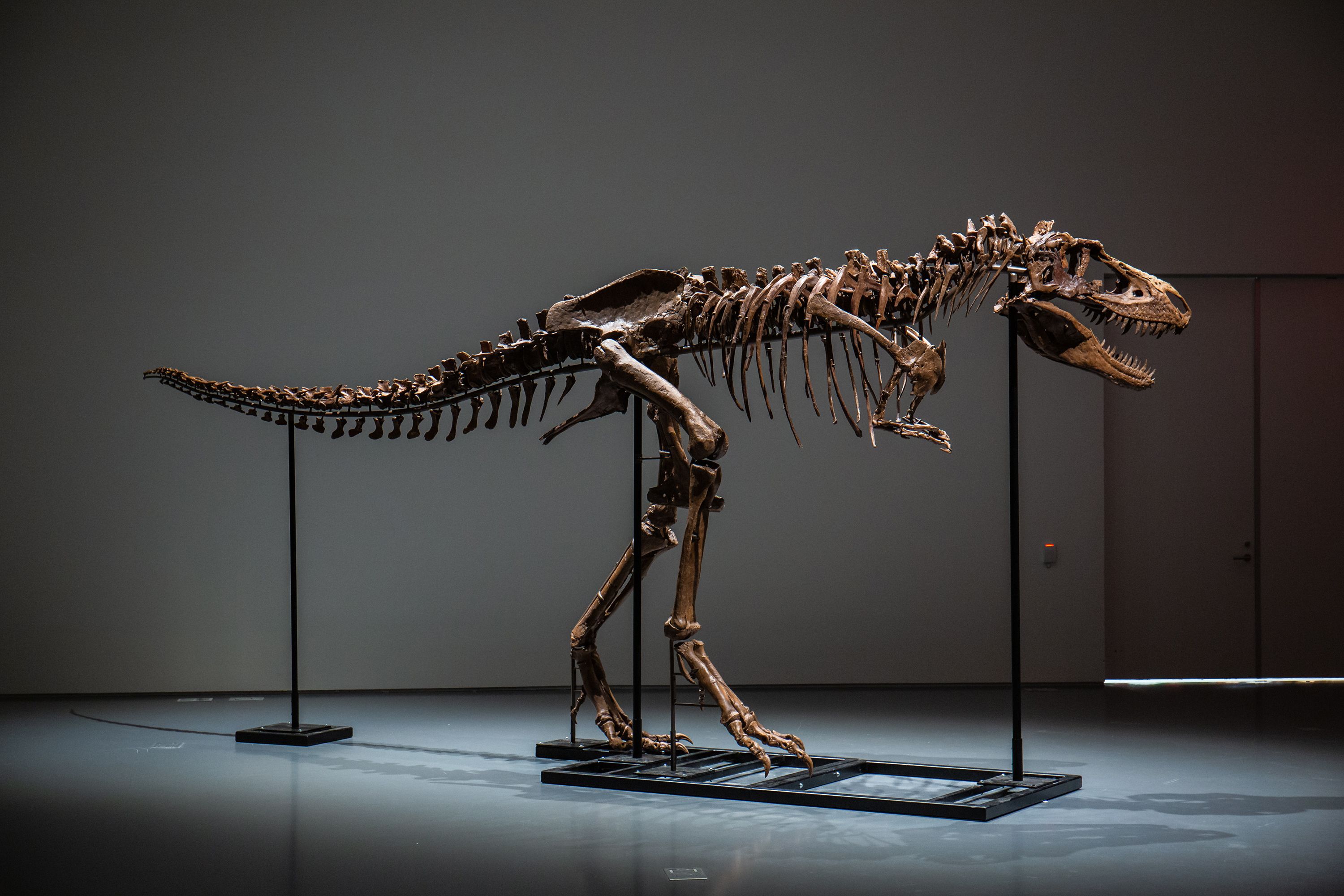
Unearthing the Roaring Trend: Exploring the Surging Popularity of Dinosaur Bone Collecting

Unearthing the Fascination with Dinosaur Bones: A Resurgent Popularity

Dinosaur bones, remnants of the prehistoric creatures that once roamed the Earth millions of years ago, have captivated the imagination of people of all ages. These ancient fossils hold crucial clues about the history and evolution of life on our planet. In recent years, dinosaur bones have experienced a significant resurgence in popularity, captivating both scientific researchers and the general public alike.
Exploring the Origin and Significance of Dinosaur Bones:
Dinosaur bones are the preserved skeletal remains of dinosaurs, the ancient reptiles that thrived during the Mesozoic Era. Fossils provide a glimpse into the astonishing diversity and size of these long-extinct creatures, ranging from towering giants like the Brachiosaurus to the swift and nimble Velociraptor. The study and analysis of these ancient bones enable scientists to reconstruct the anatomy, behavior, and ecology of dinosaurs.
The Popularity of Dinosaur Bones:
Dinosaur bones have garnered immense popularity across various demographics, owing to several factors:
- Intrinsic Fascination: The existence of colossal creatures that once walked the Earth has always fascinated humans. The discovery and examination of dinosaur bones allow people to connect with these ancient beings in a tangible and awe-inspiring manner.
- Scientific Significance: Paleontologists and researchers rely on the extensive study of dinosaur bones to gain a better understanding of Earth's history and the evolutionary processes that shaped life on our planet. New discoveries and advancements in technology have resulted in deeper insights into the lives of dinosaurs, leading to a resurgence of fascination among scientific communities.
- Pop Culture and Media: Dinosaur bones have become a popular subject in pop culture, appearing in movies, books, and documentaries that appeal to audiences of all ages. Blockbuster films like Jurassic Park have reignited the public's curiosity and imagination about these ancient creatures.
- Educational Outreach: The educational sector has embraced the allure of dinosaurs, incorporating their study into school curriculums at various levels. Museums and interactive exhibitions dedicated to dinosaurs and their fossils have become popular attractions worldwide.
- Social Media and Online Platforms: The digital era has enabled the widespread dissemination of awe-inspiring dinosaur bone discoveries. Social media platforms, educational websites, and paleontology enthusiast communities share captivating images, videos, and information instantaneously, sparking interest and fueling the popularity of these ancient fossils.
The resurgent popularity of dinosaur bones can be attributed to their intrinsic fascination, the scientific significance they hold, their integration into pop culture, outreach efforts in education, and the power of social media in connecting people to these awe-inspiring remnants from the past. As technological advancements and new discoveries continue to shed light on the secrets of dinosaurs, the popularity and appreciation for their bones are expected to endure.
The Growing Market Size and Promising Growth of Dinosaur Bones
The market for dinosaur bones has witnessed significant growth over the years, attracting the attention of both fossil collectors and investors alike. This article aims to explore the current market size and projected growth of dinosaur bones, highlighting the factors driving this upward trend.
Market Size: The market size of dinosaur bones is difficult to pinpoint with precision due to the private nature of many sales. However, rough estimates suggest that the global market for dinosaur fossils is valued in the millions of dollars annually. Rarity and scientific significance heavily influence the demand and ultimately the prices of these prehistoric treasures.
Factors Driving Market Growth:
- Increasing Interest in Paleontology: With popular culture, documentaries, and movies featuring dinosaurs continuously captivating the public's imagination, interest in paleontology has seen a remarkable surge. This growing curiosity surrounding these ancient creatures has been a catalyst for the market's expansion.
- Expanding Private Collectors' Base: Dinosaur bones are highly sought after by private collectors, museums, and educational institutions. As more individuals foster a passion for paleontology and seek to own a piece of natural history, the market for dinosaur bones experiences steady growth.
- Rising Demand from Museums and Educational Institutions: Museums and educational institutions play a significant role in driving the market for dinosaur bones. These organizations are in constant pursuit of significant fossils to expand their exhibits, enhance scientific research, and facilitate educational programs. The demand from museums and educational institutions continues to contribute to the overall growth of the market.
- Investment Potential: Dinosaur bones have also become an appealing alternative investment option for those looking to diversify their portfolios. As these fossils tend to appreciate in value over time, investors recognize the potential for substantial returns. The rarity and uniqueness of fossil specimens make them an attractive asset for collectors and investors alike.
Projected Growth: The market for dinosaur bones is expected to continue its growth trajectory in the coming years. The ongoing interest in paleontology, coupled with the expanding base of private collectors and the demand from museums and educational institutions, will likely drive the market's expansion even further.
Additionally, advancements in fossil preservation techniques, excavation technology, and dinosaur-related research are expected to uncover new specimens, stimulating further demand. With awareness about the scientific and historical significance of dinosaur bones increasing, the potential for growth in the market remains promising.
The market for dinosaur bones is poised for continued growth, driven by the increasing interest in paleontology, expanding base of private collectors, demand from museums and educational institutions, and investment potential. As the fascination with these ancient creatures prevails, the market for dinosaur bones presents lucrative opportunities for collectors, investors, and businesses involved in fossil acquisition and preservation.
Unearthing Consumer Demand: Exploring Preferences for Dinosaur Bones

Dinosaur bones continue to capture the fascination of people across all ages, sparking curiosity about the prehistoric world and the creatures that once roamed the Earth. As interest in dinosaurs remains steadfast, understanding consumer demand and preferences for dinosaur bones becomes crucial for businesses operating in the paleontology and educational sectors. In this section, we delve into the factors driving consumer demand for dinosaur bones and uncover the preferences that shape purchasing decisions.
Growing Demand for Authenticity:
Consumer demand for dinosaur bones is driven by a desire for authenticity and the opportunity to own a genuine piece of the past. Dinosaur fossils, particularly bones, hold immense value for enthusiasts, collectors, and educational institutions. These stakeholders seek fossils that are well-preserved and authenticated by experts, ensuring the accuracy and historical significance of the specimens. As a result, consumers are willing to invest significant resources in acquiring dinosaur bone specimens that meet these criteria.
Educational and Scientific Value:
The educational and scientific value associated with dinosaur bones plays a significant role in driving consumer demand. With the ever-growing interest in STEM education and the inclusion of dinosaurs in school curricula, dinosaur bones have become valuable teaching tools. Educational institutions, such as museums and schools, are actively seeking well-preserved, authentic dinosaur bones to enhance their displays and educational programs. Consequently, the demand for dinosaur bones has expanded beyond individual consumers to include institutional buyers.
Rarity and Exclusivity:
The rarity and exclusivity of dinosaur bones contribute to their desirability among collectors and enthusiasts. The limited supply of dinosaur bones, especially those belonging to unique or well-known species, drives up their market value. Buyers often perceive rarer specimens as investments, anticipating potential appreciation in value over time. The exclusivity associated with owning dinosaur bones, particularly those from iconic dinosaurs like Tyrannosaurus rex or Triceratops, adds a sense of prestige and allure to the purchase.
Ethical Sourcing and Legal Compliance:
Consumer preferences for dinosaur bones are increasingly influenced by ethical sourcing and legal compliance. Concerns over the ethical excavation and acquisition of dinosaur bones have prompted consumers to seek specimens that have been legally obtained and ethically sourced. Buyers are more inclined to support reputable sellers and institutions that adhere to rigorous standards and transparent practices, ensuring the responsible preservation and trade of dinosaur bones.
Aesthetics and Display Potential:
The aesthetic appeal and display potential of dinosaur bones influence consumer purchasing decisions. The visual impact and size of dinosaur bone specimens can greatly enhance their attractiveness. Buyers often look for well-preserved bones that display unique characteristics, such as exceptional patterns or colors. Additionally, the ability to showcase dinosaur bones in an eye-catching manner, whether through mounted displays or artistic installations, adds to their desirability.
Consumer demand for dinosaur bones is fueled by a combination of factors, including the desire for authenticity, educational and scientific value, rarity and exclusivity, ethical sourcing, and aesthetic appeal. Understanding these preferences enables businesses in the paleontology and educational sectors to better cater to the needs of consumers seeking dinosaur bones. By addressing these factors, businesses can tap into the growing market and provide captivating fossils to enthusiasts, collectors, and educational institutions alike.
Industry Players and Competition in the Dinosaur Bones Market

The market for dinosaur bones is a fascinating industry that attracts both scientific researchers and avid collectors alike. The industry revolves around the excavation, collection, preparation, and sale of dinosaur fossils and bones. As interest in paleontology and dinosaurs continues to rise, several key players have emerged in the market, leading to intense competition.
Paleontological Institutes and Museums
Paleontological institutes and museums are among the most significant players in the dinosaur bones industry. These institutions play a pivotal role in conducting scientific research, preserving fossils, and showcasing them to the public. As custodians of valuable specimens, they often collaborate with universities and research organizations to conduct excavations and field expeditions, expanding their collection of dinosaur bones.
Prominent examples include the American Museum of Natural History (AMNH) in New York City, the Natural History Museum in London, and the Royal Tyrrell Museum in Alberta, Canada. These institutions continuously seek to enhance their collections by acquiring new specimens through partnerships, donations, and sometimes even auctions.
Private Collectors and Auction Houses
Private collectors and auction houses are important players in the dinosaur bones market. With a keen interest in paleontology, these individuals actively seek to add rare and valuable fossil specimens to their collections. Some collectors may even invest substantial resources in procuring these artifacts, driving up the prices in the market.
Well-known private collectors like Nicolas Cage and Leonardo DiCaprio have made headlines for their passion for dinosaur bones. Additionally, auction houses like Sotheby's and Christie's have conducted high-profile auctions where dinosaur fossils command sky-high prices. These private collectors and auction houses create competition in the market, bidding against museums and institutions to acquire highly coveted specimens.
Licensed Dealers and Fossil Suppliers
Licensed dealers and fossil suppliers serve as intermediaries in the dinosaur bones market. These businesses typically source fossilized remains from field excavations, private collections, or partnerships with paleontologists. They play a vital role in connecting collectors, museums, and researchers with suitable dinosaur bone specimens.
Companies like The Fossil Outlet, Buried Treasure Fossils, and The Evolution Store operate as fossil suppliers and dealers, providing a wide range of dinosaur bones and fossils to interested buyers. They often compete with each other to secure exclusive rights to sell rare specimens or to offer the most extensive selection of fossils.
Rarity and Legal Challenges
Competition in the dinosaur bones market is also influenced by the rarity and legality of the specimens. Since the discovery of dinosaur fossils is a chance occurrence, truly exceptional specimens are incredibly rare, intensifying competition among collectors and institutions.
The legal framework surrounding the acquisition and ownership of dinosaur bones also affects the market dynamics. Laws vary between countries, and regulations exist to prevent illegal excavation and trade of these artifacts. For example, the United States has laws in place, such as the Paleontological Resources Preservation Act, to protect these fossils and regulate their collection. Such regulations can create additional challenges for players in the market and influence competition dynamics.
In conclusion, the dinosaur bones market features a diverse range of industry players, including paleontological institutes, museums, private collectors, auction houses, licensed dealers, and fossil suppliers. These players engage in intense competition to add rare specimens to their collections or offer unique fossils to buyers. The rarity of these artifacts and legal challenges associated with their acquisition further impact the competition within the market.
Technological Innovations Unveiling Dinosaur Fossils' Secrets

In recent years, technological advancements have revolutionized the way we explore and understand the world's past, including the study of dinosaur bones. Paleontologists have been able to extract invaluable insights from these ancient relics that once seemed out of reach, thanks to cutting-edge technologies and inventive techniques. Let's delve into some of the remarkable technological innovations that have transformed the field of dinosaur paleontology.
Digital Paleontology: Unleashing the Potential of 3D Scanning
One groundbreaking innovation that has significantly influenced the study of dinosaur bones is 3D scanning technology. Highly accurate and non-invasive, 3D scanning allows researchers to create detailed digital replicas of dinosaur fossils. By capturing millions of data points, 3D scanners create comprehensive, high-resolution models, which preserve every intricate detail of these specimens without causing any harm.
These 3D models have opened up unprecedented opportunities for scientific research. Paleontologists can closely examine fossils without having to physically handle them, as examining fragile or valuable specimens can be highly risky. Additionally, 3D scanning makes it possible to analyze fossils from different angles, revealing new details that were previously hidden from view.
Moreover, the digitization of dinosaur fossils enables virtual paleontology labs and museums to offer interactive experiences to the public. Museums can now display accurate, life-sized 3D replicas that visitors can explore, creating a more immersive and engaging educational experience.
CT Scans: Peering Inside Ancient Bones
X-ray Computed Tomography (CT) scanning, commonly used in medical imaging, has also become a game-changer for dinosaur paleontology. CT scanning enables researchers to peer inside fossilized bones without the need for destructive or time-consuming procedures.
CT scans create cross-sectional images of fossils, providing paleontologists with detailed insights into their internal structures. These scans allow scientists to study the intricate anatomy, identify potential pathologies, and even explore the fossilized soft tissues that may have otherwise deteriorated over millions of years.
By applying advanced imaging software, researchers can reconstruct and visualize the internal structures in 3D, shedding light on the biology, locomotion, and physiology of extinct dinosaurs. This technology has revealed new information about dinosaur growth patterns, respiratory systems, and even the presence of tumors or injuries in ancient creatures.
Isotope Analysis: Unraveling the Ancient Environment
Another innovative application that has influenced dinosaur paleontology is stable isotope analysis. By examining the isotopic composition of dinosaur bones and teeth, scientists can gather valuable clues about ancient environments, diet, migration patterns, and overall ecosystem dynamics.
Stable isotope analysis involves isotopic analysis of elements such as carbon, oxygen, and nitrogen present in the fossils. These isotopes can provide information about the types of vegetation available, the water sources used by dinosaurs, and even their position in the food chain.
This technological innovation has allowed paleontologists to make inferences about dinosaur behavior, migration routes, and adaptations to different environments. By linking this information with paleoclimate and geological data, scientists can construct a more comprehensive picture of the world these creatures once dominated.
With these technological innovations, researchers can now unearth a wealth of information from dinosaur bones that might have otherwise been lost to time. The continued integration of technology in the field of paleontology promises exciting discoveries and a deeper understanding of Earth's prehistoric past.
References:
Unearthing Cultural Nuggets: Regional Trends and Cultural Influences on Dinosaur Bones

Dinosaur bones have captivated the imaginations of people worldwide, providing a glimpse into Earth's ancient history. Regional trends and cultural influences play a significant role in shaping the way people perceive and interact with these prehistoric remains. From scientific research and exhibition approaches to artistic representations and folklore, the cultural nuances of different regions shed light on how dinosaur bones have become embedded within specific societies.
Scientific Approach and Research
Different regions have distinct scientific approaches to studying and researching dinosaur bones. For example, North America has been a prominent hub for dinosaur excavations and paleontological research. This region boasts rich dinosaur fossil sites, including the world-famous Dinosaur National Monument, the Hell Creek Formation, and the Badlands of South Dakota. The discovery of iconic dinosaurs, such as Tyrannosaurus rex and Triceratops, has shaped the scientific discourse surrounding dinosaurs.
Other regions, such as Asia and South America, have also contributed significantly to the study of dinosaurs. China, for instance, has witnessed remarkable dinosaur discoveries, including feathered dinosaurs like Sinosauropteryx and the feathered carnivorous dinosaur called Velociraptor. South America, particularly Argentina, is known for its vast dinosaur record, with notable finds like Argentinosaurus, one of the largest known dinosaurs ever.
Exhibition Approaches and Museums
The way dinosaur bones are exhibited and presented to the public is influenced by cultural factors. Museums worldwide attempt to engage visitors and provide an educational experience tailored to their cultural background.
In North America, museums like the American Museum of Natural History (AMNH) in New York display complete dinosaur skeletons to awe-inspiring effect. These exhibitions often highlight the scientific research conducted in the region, reflecting the significance of North America as a center for paleontological discovery.
In contrast, Asia has seen a rise in modern and interactive approaches to dinosaur exhibitions. Museums like the Zigong Dinosaur Museum in China embrace animatronics, virtual reality, and 3D models to create a more immersive experience for visitors, reflecting the region's tech-savvy culture and fascination with advanced technologies.
Artistic Representations and Pop Culture
Dinosaur bones not only inspire scientific studies and museum exhibits but have also permeated various art forms and popular culture. Artists around the world have incorporated dinosaur imagery into their works, infusing their unique regional influences.
In North America, dinosaur-themed artwork often reflects the wild and rugged landscapes associated with the continent, showcasing dinosaurs in vivid desert scenes or lush forests. The ubiquity of dinosaurs in popular culture can be seen in movies like Jurassic Park and in children's books, comics, and toys.
In Asia, particularly Japan, dinosaur imagery is infused with cultural context, leading to the creation of kaiju monsters like Godzilla, inspired by dinosaur-like creatures and the nation's history of atomic devastation. These artistic representations reflect how cultural perspectives shape the interpretation of dinosaur bones.
Dinosaur Bones in Folklore and Mythology
Dinosaur bones have occasionally entered the realm of folklore and mythology, interweaving with local legends and beliefs. Some cultural traditions interpret dinosaur fossils as remnants of mythical creatures or significant events in their historical narratives.
For instance, in the American Southwest, various Native American tribes have incorporated dinosaur fossils into their creation stories, viewing them as evidence of ancient beings that existed before humans. Similarly, in China, some folklore and legends attribute dragon mythology to the discoveries of dinosaur bones.
In conclusion, regional trends and cultural influences have a profound impact on the perception and interpretation of dinosaur bones. These influences shape the scientific research conducted, the approach taken by museums, artistic representations, and even how folklore and mythology are intertwined with the ancient remains. Understanding these cultural nuances adds an extra layer of richness to the fascination and understanding of dinosaurs and their bones across the globe.
Unearthing the Power of Social Media and Influencers in the World of Dinosaur Bones

Dinosaur bones have long captivated the imaginations of people around the world. The study of paleontology has allowed us to unlock the secrets of our prehistoric past, but the fascination with dinosaurs extends far beyond the scientific community. In today’s digital age, social media and influencers are playing a significant role in not only popularizing dinosaur bones but also shaping the way we perceive and interact with these ancient relics.
The Rise of Social Media
Social media platforms such as Instagram, Twitter, and TikTok have become powerful vehicles for sharing information, sparking conversations, and shaping trends. When it comes to dinosaur bones, social media has provided a platform for both experts and enthusiasts to showcase their discoveries, knowledge, and experiences.
Paleontologists, museums, and research institutions have embraced social media as a means to reach a wider audience and engage with the public. They share captivating photos, videos, and educational content about dinosaur bone findings, replication techniques, and exciting new research. This digital presence has not only created a buzz around dinosaur bones but has also contributed to the democratization of knowledge, making this once niche field more accessible to the general public.
The Influencer Effect
In recent years, influencers have emerged as a driving force on social media, shaping consumer behavior and influencing trends across various industries. In the realm of dinosaur bones, influencers with a passion for paleontology have gained significant followings, leveraging their platforms to share their love for dinosaurs and educate their audiences about these ancient creatures.
These influencers, often with backgrounds in paleontology or related fields, use their expertise and creativity to bring dinosaurs to life for their followers. They may create engaging videos showcasing their own fossil collections, conduct interviews with leading paleontologists, or even offer virtual tours of dinosaur bone exhibits. By doing so, they inspire curiosity and cultivate a sense of wonder among their audiences, encouraging them to delve deeper into the world of dinosaur bones.
The Power of Collaboration
Social media and influencers have also facilitated collaborations between paleontologists, museums, and influencers. Influencers can amplify the work of paleontologists by sharing their finds, museum exhibits, or fundraising campaigns with their large and engaged audiences. Meanwhile, influencers gain access to exclusive information and opportunities, which enables them to provide unique content and insights to their followers.
These collaborations not only enhance the visibility of dinosaur bones but also pique the interest of new audiences who may not have previously been engaged with paleontology. By breaking down barriers and making dinosaur bones more relatable and accessible, social media and influencers are contributing to the continued growth of interest in this field.
Looking Forward
As social media and influencers continue to evolve, their impact on the world of dinosaur bones is likely to expand and diversify. New platforms, technologies, and trends will emerge, presenting exciting opportunities for paleontologists, museums, and influencers alike.
By harnessing the power of social media and influencers, the study of dinosaur bones can reach a broader audience, inspire future generations of paleontologists, and contribute to our collective understanding of Earth's prehistoric past. So, whether you're a dinosaur enthusiast or simply curious about the mysteries of ancient life, be sure to follow some influential social media accounts for the latest bone-shaking discoveries!
Sources:
- Ten Paleontology Twitter Accounts to Follow by ThoughtCo.
- Influencers in Natural Sciences by Nature Communications.
The Future Outlook and Forecast for Dinosaur Bones

As an enduring fascination with prehistoric creatures and the study of paleontology, dinosaur bones have captured the imagination of people for centuries. The discovery and excavation of these ancient fossils have provided invaluable insights into Earth's history and the evolution of life. While the interest in dinosaur bones seems timeless, it is essential to explore the future outlook and forecast for this trend.
Growing Popularity and Demand
Dinosaur bones continue to captivate the public's attention, and their popularity shows no signs of waning. Exhibitions featuring dinosaur fossils, such as those displayed in world-renowned museums like the American Museum of Natural History in New York City or the British Museum in London, consistently attract large crowds. These displays allow visitors to experience the awe-inspiring size and grandeur of these extinct creatures firsthand.
Additionally, the release of blockbuster movies such as the "Jurassic Park" franchise has contributed significantly to the resurgence of interest in dinosaurs and their fossils. These films not only entertain but also ignite curiosity and drive people to explore more about these ancient creatures.
Scientific Discoveries and Advancements
Advancements in scientific techniques and technologies are revolutionizing the study and understanding of dinosaur bones. Traditional methods, such as manual excavation and cleaning of fossils, are being complemented by cutting-edge tools like 3D scanning and imaging. These developments allow scientists to create precise digital models of fossils and even reconstruct the appearance and movement of dinosaurs with greater accuracy.
Furthermore, DNA sequencing and paleogenomics hold the potential to unlock new secrets hidden within dinosaur bones. Although extracting viable DNA from fossils remains extremely challenging, recent breakthroughs suggest that it might be within reach in the near future. This would provide unparalleled opportunities to gain insights into dinosaur biology and evolution, potentially revolutionizing our understanding of these ancient creatures.
Conservation and Ethical Considerations
The increasing demand for dinosaur bones has raised concerns about conservation and ethical considerations. It is crucial to ensure the responsible excavation and preservation of fossils to protect Earth's scientific heritage. Unethical practices, such as illegal excavations and smuggling of fossils, detract from the scientific value and can result in irreversible loss of important information.
Recognizing these concerns, governments and organizations are taking steps to regulate the trade of dinosaur fossils and establish stricter guidelines for excavation. Furthermore, the use of modern technology, such as 3D printing, allows for the creation of replicas, reducing the need for extensive handling and transport of delicate fossils.
The future outlook for dinosaur bones appears promising, driven by the enduring interest of the public and advancements in scientific techniques. The growing popularity of dinosaurs, both in popular culture and scientific communities, fuels continued exploration and research. However, it is essential to approach this fascination with a focus on conservation and ethical practices to ensure that these ancient treasures can be appreciated and studied for generations to come.
Recap of Key Findings and Insights: Unearthing the Fascinating World of Dinosaur Bones

Dinosaur bones have captivated the imagination of both scientists and the public, providing invaluable insights into the Earth's prehistoric history. This trend analysis aims to summarize the key findings and insights revealed through the study of dinosaur bones.
- Evolutionary Storytellers: Dinosaur bones have enabled scientists to construct a fascinating narrative of Earth's ancient ecosystems. By studying the size, shape, and structure of dinosaur bones, researchers can infer details such as locomotion, feeding habits, and even social behaviors of these long-extinct creatures. This offers an enticing glimpse into a world that existed millions of years ago.
- Paleontological Breakthroughs: Dinosaur bones have sparked numerous breakthroughs in paleontology, revolutionizing our understanding of the prehistoric world. These breakthroughs have provided evidence for significant scientific theories, such as the extinction of dinosaurs, the relationships between dinosaur species, and the evolution of birds from dinosaurs. Furthermore, dinosaur bones have helped in tracing the Earth's geological history, highlighting climatic changes and catastrophic events.
- Technological Advancements: Technological advancements in recent years, such as high-resolution imaging techniques and 3D printing, have enhanced the study of dinosaur bones. These technologies enable scientists to digitally reconstruct fossils, offering detailed views of intricate skeletal structures and facilitating further analysis without the risk of damaging the original specimen. Additionally, 3D printing allows researchers to create accurate replicas of dinosaur bones, making them more accessible to educational institutions and museums.
- Diverse Insights for Multiple Fields: The study of dinosaur bones extends beyond paleontology. By analyzing the mineral content within the bones, geologists gain insights into past environments and climate changes. Biologists and geneticists can even extract preserved DNA fragments from well-preserved dinosaur bones, shedding light on evolutionary relationships and potential genetic adaptations. Additionally, understanding the composition of dinosaur bones has implications for materials science, aiding in the development of stronger and lighter materials.
- Educational Potential: Dinosaur bones continue to captivate the public's imagination, making them an excellent tool for science education. Museum exhibits featuring dinosaur bones not only engage and inspire visitors of all ages but also provide accessible opportunities to learn about Earth's history, evolution, and the scientific process. The popularity of dinosaur bones also stimulates interest in STEM fields, encouraging younger generations to pursue careers in scientific research.