

Unlocking Success: The Rising Trend of Optimizing Employee Experience for Competitive Advantage

The Rising Significance of Employee Experience: A Path to Enhanced Organizational Performance

In recent years, the concept of employee experience has gained significant traction in the corporate world. Employee experience can be defined as the sum total of an employee's interactions, perceptions, and overall journey within an organization. It encompasses all the experiences an employee has, ranging from the recruitment process to onboarding, daily work activities, and career development opportunities.
Popularity and Demographics: The growing popularity of the employee experience can be attributed to several factors. Firstly, the shift in the employment landscape, with a greater focus on employee well-being and job satisfaction, has propelled organizations to recognize the importance of fostering positive experiences for their employees. Research suggests that organizations with a strong employee experience can foster a more engaged and productive workforce.
Moreover, the rise of technology and the proliferation of social media platforms have empowered employees to share their workplace experiences publicly, impacting employer branding and talent acquisition efforts. In an era defined by talent shortages and intense competition for skilled workers, a positive employee experience has become a crucial differentiating factor for attracting and retaining top talent.
The origins of the employee experience movement can be traced back to the customer experience (CX) revolution that began in the early 2000s. As organizations realized the impact of CX on business success, they started to draw parallels between customer satisfaction and employee satisfaction. This led to the notion that a positive employee experience translates into better customer experiences and ultimately drives organizational performance.
The popularity of the employee experience extends across various demographics, as employees of all generations value meaningful work, work-life balance, and a supportive work environment. However, it is particularly prominent among younger generations such as Millennials and Gen Z, who prioritize purpose-driven work and seek organizations that align with their values. Studies show that organizations with a strong employee experience are more likely to attract and retain Millennial employees, who are expected to form the majority of the global workforce by 2025.
As companies strive to optimize their employee experience, a growing body of research, frameworks, and best practices has emerged. Organizations are investing in employee feedback surveys, real-time performance management tools, employee well-being programs, and innovative workplace designs to create an environment that enhances the employee experience.
In conclusion, the rise of employee experience can be attributed to the transformation of the employment landscape, the power of social media, and the recognition of parallels between employee satisfaction and customer satisfaction. Its popularity spans a wide range of demographics, with younger generations particularly valuing organizations that prioritize employee well-being and a positive work environment. As organizations seek to unlock the benefits of an enhanced employee experience, it is crucial to explore the best practices and strategies that can drive optimal outcomes for both employees and organizations as a whole.
The Growing Market Size of Employee Experience
Employee experience has become a central focus for organizations in recent years, as companies recognize the significant impact it has on employee engagement, satisfaction, and productivity. As a result, the market for employee experience solutions and services has been rapidly expanding. This article explores the market size and growth potential of employee experience, highlighting its importance as a strategic priority for businesses.
Market Size and Potential:
The global employee experience market is experiencing steady growth, driven by the increasing recognition that creating a positive employee experience has a direct correlation to business success. According to a report by MarketsandMarkets, the employee experience market is projected to reach $11.63 billion by 2026, growing at a compound annual growth rate (CAGR) of 15.4% from 2021 to 2026.
Factors Driving Market Growth:
Several factors are contributing to the growth of the employee experience market. Here are some key drivers:
- Focus on Employee Well-being and Engagement: In today's competitive talent market, organizations understand the importance of attracting and retaining top talent. Creating a positive employee experience enhances employee well-being and engagement, leading to increased employee satisfaction, productivity, and lower turnover rates.
- Digital Transformation and Technology Adoption: Organizations are increasingly embracing digital transformation and leveraging technology to enhance the employee experience. Technologies such as employee engagement platforms, real-time feedback tools, and collaboration software enable seamless communication, recognition, and collaboration among employees, driving positive experiences.
- Shift to Remote and Hybrid Work Models: The COVID-19 pandemic has accelerated the adoption of remote and hybrid work models. As a result, organizations are seeking employee experience solutions that cater to the unique challenges of remote work, such as virtual onboarding, remote team collaboration, and digital employee recognition.
- Focus on Diversity, Equity, and Inclusion (DEI): Companies are placing greater emphasis on creating inclusive workplaces that value diversity and equity. Employee experience solutions that incorporate DEI principles are gaining traction as organizations strive to foster an inclusive and supportive work environment.
- Analytics and Data-driven Insights: The integration of analytics and data-driven insights has enabled organizations to measure and optimize the employee experience. Companies are leveraging employee data to identify areas for improvement, personalize employee experiences, and make informed decisions to enhance overall engagement.
The market size of employee experience is experiencing substantial growth as organizations recognize its significance in driving employee engagement, satisfaction, and productivity. The increasing adoption of digital tools, focus on remote work, and emphasis on diversity and inclusion are major factors driving market growth. As businesses continue to prioritize the employee experience, the market is expected to expand further, presenting significant opportunities for solution providers and services in this space.
Unleashing the Power of Employee Experience: Understanding Consumer Demand and Preferences

In today's competitive business landscape, organizations are increasingly recognizing the pivotal role of employee experience in driving success and growth. The concept of employee experience encompasses all aspects of an employee's journey within an organization, from recruitment and onboarding to ongoing engagement and development. Understanding consumer demand and preferences around employee experience has become essential for businesses to attract, retain, and empower their workforce effectively.
- The Shift in Consumer Demand: As consumers become more aware of the importance of employee experience, their expectations of workplaces are evolving. They now seek organizations that foster positive work environments, prioritize employee well-being, and provide ample opportunities for growth and development. Consumer demand is shifting towards workplaces that value work-life balance, promote flexible work arrangements, prioritize employee mental and physical wellness, and encourage diversity and inclusivity.
- Purpose-Driven Organizations: Consumers are increasingly drawn to purpose-driven organizations that align with their values and beliefs. They seek employers who prioritize social responsibility, sustainability, and ethical practices. Organizations that demonstrate a commitment to employee well-being and provide opportunities for individuals to make a positive impact tend to resonate with consumers, who are more likely to support their products and services.
- Personalization and Customization: Just as consumers appreciate personalized experiences in their interactions with brands, they now expect personalized employee experiences. Customization of work arrangements, career paths, and development opportunities is crucial to meet the expectations of today's workforce. Offering tailored benefits packages, career progression pathways, and training programs that cater to individual interests and aspirations can significantly enhance employee satisfaction and loyalty.
- Technology & Digital Transformation: Consumer demand for seamless digital experiences is equally relevant in the realm of employee experience. With the increasing integration of technology in workplaces, employees expect user-friendly digital tools and platforms that streamline their work processes, enhance communication, and foster collaboration. Organizations that embrace digital transformation and invest in cutting-edge technology are more likely to attract and retain top talent.
- Continuous Learning and Growth Opportunities: Consumer demand for continuous learning and growth opportunities is driving organizations to invest in robust learning and development programs. Employees expect access to relevant and engaging training programs, mentorship opportunities, and career advancement pathways. Organizations that prioritize individual growth and skill development are more likely to foster a motivated and engaged workforce.
Understanding consumer demand and preferences around employee experience is vital for organizations seeking to create an attractive workplace culture and ensure long-term employee satisfaction. By placing employee experience at the center of their strategies, businesses can unlock the potential for enhanced productivity, improved retention rates, and a competitive edge in the market. Embracing the evolving demands and preferences of consumers in relation to employee experience can pave the way for organizational success in the dynamic and ever-changing business landscape.
Understanding the Competitive Landscape in Employee Experience
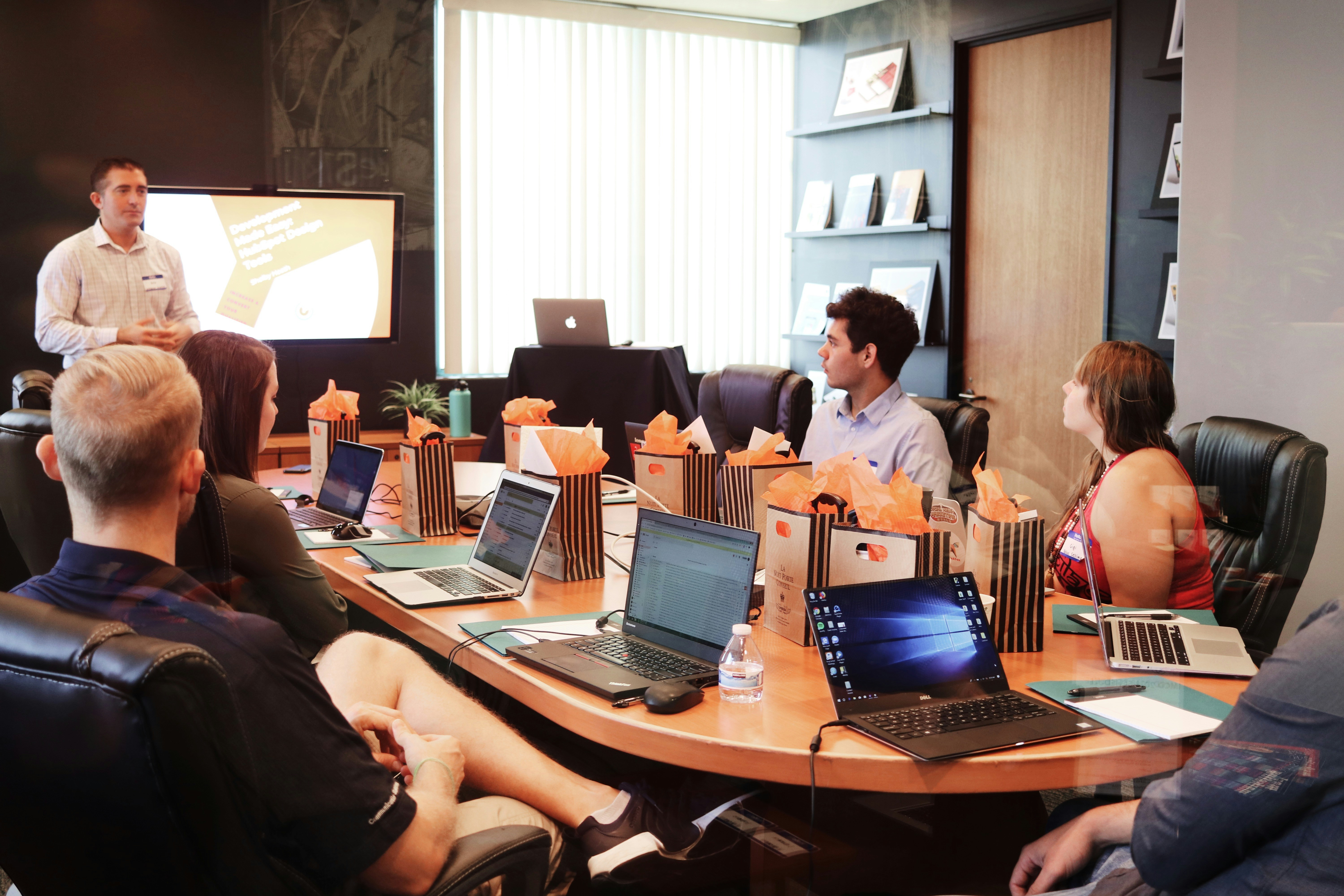
Employee experience has gained significant attention in recent years as companies strive to create a positive and engaging work environment. This focus on employee well-being has resulted in the emergence of several industry players who offer products and services to enhance the employee experience. Understanding the competitive landscape in this field is essential for businesses looking to improve their employee engagement and retention rates.
Key Industry Players:
- Qualtrics EmployeeXM: Qualtrics, a market leader in experience management, offers a specialized platform called EmployeeXM that helps organizations measure and improve employee experiences. Their comprehensive solution includes employee feedback surveys, real-time analytics, and actionable insights to enhance engagement and drive positive cultural changes.
- Glint: Glint, now owned by LinkedIn, provides an employee engagement platform that collects continuous feedback from employees. It uses AI-based analytics to identify patterns and trends, enabling organizations to take proactive steps to improve the employee experience. Glint's platform also offers managers personalized recommendations to enhance employee engagement and retention.
- Culture Amp: Culture Amp is an employee feedback and analytics platform that helps organizations understand their employees' experiences and take targeted actions toward improvement. Their platform enables organizations to collect feedback through surveys, analyze the results, and provide actionable insights to drive positive change and foster a thriving company culture.
- SAP SuccessFactors: SAP SuccessFactors provides a suite of human capital management solutions that include employee experience tools. Their platform combines employee feedback, performance management, and continuous learning to drive engagement and enhance the employee experience. SAP SuccessFactors' integrated approach helps organizations align their talent strategy with their business goals.
Competition and Challenges:
The employee experience market is becoming increasingly competitive as organizations recognize the importance of employee engagement and well-being. While the above-mentioned industry players dominate the market, there are several other competitors, including:
- Peakon: Peakon is an employee success platform that enables organizations to collect real-time feedback, measure employee engagement, and take data-driven actions to improve the employee experience.
- Workday: Workday offers a cloud-based human capital management system that includes tools to monitor and improve employee engagement, performance management, and career development.
- IBM Kenexa: IBM Kenexa provides an extensive range of solutions, including employee engagement surveys, 360-degree feedback assessments, and employee recognition programs, to optimize the employee experience.
Challenges in the employee experience industry include the need for organizations to establish a culture of continuous feedback, deliver personalized experiences at scale, and ensure that the voice of every employee is heard and considered. In addition, the industry players must constantly adapt to changing workplace dynamics and evolving employee expectations.
As more organizations prioritize the employee experience, the market for employee engagement and experience management tools continues to grow. Understanding the competitive landscape, key industry players, and emerging trends in this space is crucial for businesses aiming to attract, retain, and engage top talent. By leveraging these tools and services, organizations can enhance their employee experience and ultimately achieve greater productivity and success.
Revolutionizing the Employee Experience: Technological Innovations in the Workplace

The employee experience has become a top priority for organizations in recent years. With the awareness that employee satisfaction and engagement directly impact business outcomes, companies are embracing technological innovations to improve the overall employee experience. From enhanced collaboration tools to personalized employee development, technology is revolutionizing the way employees work and interact within their organizations.
Employee Engagement Platforms
Employee engagement platforms are emerging as a crucial tool for organizations to enhance the employee experience. These platforms incorporate various features such as surveys, pulse checks, feedback mechanisms, and recognition programs to measure and improve employee engagement. With real-time data analytics and comprehensive reporting capabilities, these platforms provide organizations with valuable insights into employee satisfaction and sentiment. By leveraging these insights, organizations can take proactive steps to address areas of concern and recognize high-performing employees.
Virtual Collaboration Tools
The rise of remote work and geographically dispersed teams has fueled the need for virtual collaboration tools. Innovative technologies such as virtual meetings, project management software, and team collaboration platforms have bridged the gap between physical and virtual workspaces. These tools enable seamless communication and collaboration, irrespective of employees' location or time zone. With features like document sharing, video conferencing, and instant messaging, employees can stay connected, work collaboratively, and overcome the challenges of remote work.
Artificial Intelligence and Machine Learning
Artificial intelligence (AI) and machine learning (ML) technologies are transforming various aspects of the employee experience. AI-powered chatbots and virtual assistants have become increasingly common in organizations, providing immediate support and answers to employees' queries. These technologies free up HR teams from handling repetitive tasks, allowing them to focus on more strategic and impactful initiatives.
Moreover, AI and ML are being utilized for talent acquisition and development. AI algorithms can analyze candidate resumes, shortlist qualified applicants, and even conduct preliminary interviews, saving valuable time for HR professionals. ML algorithms can identify skill gaps among employees, recommend personalized learning paths, and provide valuable insights into employee performance and development opportunities.
Wellness and Employee Experience Apps
Wellness and employee experience apps are gaining significant popularity in organizations. These apps offer a range of features such as wellness challenges, fitness trackers, mental health resources, and employee recognition programs. Organizations are investing in these apps to promote employee well-being, engagement, and work-life balance. Through gamification techniques, personalized content, and real-time feedback, these apps encourage employees to adopt healthy habits, stay motivated, and feel valued within the organization.
Technological innovations are revolutionizing the employee experience by providing organizations with the means to enhance engagement, improve collaboration, streamline processes, and prioritize employee well-being. By leveraging these cutting-edge technologies, organizations not only enhance the employee experience but also create a competitive advantage in attracting and retaining top talent. As the workplace continues to evolve, it is essential for organizations to keep up with these innovations and leverage technology to create a positive and productive employee experience.
Regional Trends and Cultural Influences on Employee Experience

The concept of employee experience has gained significant traction in recent years as organizations recognize the importance of creating a positive and fulfilling workplace environment. While employee experience is a universal concern, there are regional trends and cultural influences that shape how organizations approach and value employee well-being and satisfaction. This section explores some of these regional trends and cultural influences on employee experience.
- United States: In the United States, employee experience is highly influenced by the cultural value placed on individualism and work-life balance. Organizations often prioritize benefits like flexible working hours, paid time off, and personal development opportunities. Additionally, the rise of technology companies in Silicon Valley has led to the emergence of employee-centric perks such as nap rooms, game rooms, and gourmet cafeterias. However, the emphasis on individualism can sometimes lead to a competitive and high-stress work environment, impacting the overall experience for employees.
- Europe: In Europe, there is a strong focus on employee rights and work-life balance. Countries like the Netherlands and Denmark have strict labor laws that emphasize shorter working hours, generous paid leave, and strong social welfare systems. This emphasis on work-life balance and employee well-being contributes to a positive employee experience. Employers in Europe often invest in comprehensive employee benefits packages and prioritize employee development and training to enhance the overall experience.
- Asia: In Asian cultures, there is a traditional emphasis on hierarchy and respect for authority. This can influence the employee experience by shaping the communication style, decision-making processes, and hierarchical structures within organizations. For example, in Japan, employees often experience a high level of loyalty towards their organizations and long working hours due to the culture of "work first." In contrast, countries like South Korea and China have been witnessing an increasing demand for a better work-life balance, prompting employers to introduce flexible work arrangements and wellness programs.
- Latin America: In Latin American countries, like Brazil and Mexico, there is a strong sense of community and social connection. Employee experience is often influenced by a collective culture that values relationships, teamwork, and collaboration. Organizations prioritize team-building activities, open communication channels, and opportunities for social interaction to foster a positive work environment. Additionally, organizations in Latin America often place a high value on family and offer benefits such as extended parental leave and family-friendly policies.
Regional trends and cultural influences significantly impact the employee experience, shaping organizational priorities and practices. Understanding and adapting to these regional dynamics is crucial for organizations seeking to provide a positive and fulfilling work environment for their employees. Employers must balance the cultural context with global best practices, tailoring their approaches to meet the needs and expectations of their workforce. By doing so, organizations can enhance employee satisfaction, improve retention rates, and ultimately drive business success.
The Impact of Social Media and Influencers on Employee Experience

In the age of social media dominance, companies are increasingly turning to influencers to shape their messaging and brand image. While influencers have traditionally been associated with consumer-facing marketing efforts, their role is expanding into internal communication and shaping the employee experience. In this article, we will explore the impact of social media and influencers on employee experience and how companies can leverage these trends to create a more engaged and empowered workforce.
Building a Positive Employer Brand
Social media influencers have the power to amplify a company's employer brand and attract top talent. By partnering with relevant influencers in their industry, companies can showcase their unique employee experience and highlight their organizational culture. Millennials and Gen Z, in particular, are more likely to trust and be influenced by social media content. Therefore, an influencer's endorsement of a company as a great place to work has the potential to generate interest and enthusiasm among potential employees.
Enhancing Employee Engagement
Social media platforms provide employees with a voice and a platform to express themselves. When companies encourage their employees to share their experiences and opinions about work on social media, it can foster a sense of community and belonging. This type of engagement can have a positive impact on employee morale and job satisfaction, leading to increased productivity and potentially higher retention rates.
Showcasing Employee Advocacy
Employee advocacy is a powerful tool for companies, and social media platforms offer an effective way to showcase it. When employees actively promote their employer and share positive experiences on social media, it can enhance the company's reputation and attract potential customers, partners, and even new employees. Companies can encourage employee advocacy by providing training and guidelines for employees to share their experiences authentically and engagingly.
Leveraging Employee Influencers
In addition to partnering with external influencers, companies can identify and leverage their own employees as influencers. Offering opportunities for employees to become thought leaders and brand ambassadors on social media can boost their professional reputation while also enhancing the company's visibility and credibility. Employees who are seen as industry experts or advocates for their company can attract talent and positively influence public perception.
Addressing Challenges and Risks
While social media and influencers can have a positive impact on employee experience, there are also challenges and risks that companies need to be aware of. It is essential to strike a balance between encouraging employees to share their experiences and opinions and maintaining confidentiality and professionalism. Companies should establish clear guidelines and policies to prevent potential misuse of social media platforms and ensure that employees represent the organization appropriately.
In today's digital age, social media and influencers have a significant impact on shaping employee experience. By leveraging these trends, companies can build a positive employer brand, enhance employee engagement, showcase employee advocacy, and leverage employee influencers. However, it is crucial for organizations to strike a balance and address the potential challenges and risks associated with social media use. By effectively harnessing the power of social media and influencers, companies can create a more engaged and empowered workforce, leading to improved overall employee experience.
The Future Outlook of Employee Experience: A Revolution in Work Culture

The concept of employee experience has gained significant traction in recent years, and its future outlook appears highly promising. As organizations increasingly recognize the importance of employee well-being, engagement, and satisfaction, the focus on employee experience is set to revolutionize work culture.
A Shift towards Employee-Centric Cultures
In the coming years, we can expect a shift towards more employee-centric cultures, where organizations prioritize the well-being of their workforce. The traditional top-down approach to management will gradually give way to a more holistic approach that caters to the employee's overall experience throughout their journey with the company.
Recognizing that engaged and satisfied employees are more productive and likely to stay with the company, organizations will invest in creating a positive work environment, supportive leadership, and opportunities for growth and development. Companies that prioritize employee experience will have a competitive advantage in attracting and retaining top talent.
Technology Driving Personalization
Technology will play a crucial role in shaping the future of employee experience. As advancements in Artificial Intelligence (AI) and big data analytics continue to grow, organizations will have access to a wealth of data about their employees. This data can be utilized to create personalized experiences for each individual, tailoring work arrangements, learning opportunities, and career advancement paths to their unique needs and aspirations.
AI-powered tools can assist in automating administrative tasks, freeing up time for employees to focus on meaningful work and personal growth. Additionally, digital platforms and collaboration tools will facilitate better communication and collaboration, enabling remote work and flexible work arrangements.
Work-Life Integration as the New Norm
Another significant trend that will shape the future of employee experience is the increasing emphasis on work-life integration. With the rise of remote work and flexible working arrangements, employees are seeking greater balance and integration between their personal and professional lives.
Organizations will need to offer more flexible schedules and remote work options to meet these evolving expectations. They will also need to provide support and resources to help employees manage their well-being, such as mental health programs, wellness initiatives, and work-life balance training.
Measuring and Improving Employee Experience
As the importance of employee experience grows, organizations will need to focus on measuring and improving it systematically. Employee surveys, feedback mechanisms, and data analytics will play a vital role in understanding the factors that contribute to a positive experience and identifying areas for improvement.
Investing in employee-focused metrics, such as employee satisfaction, engagement, and retention rates, will become a key priority for businesses. Companies that proactively monitor and address their employees' experiences will be better equipped to adapt and thrive in an ever-changing work landscape.
The future outlook for employee experience is one of transformative change. As organizations recognize that their success is inherently tied to the well-being and satisfaction of their employees, they are shifting their focus towards creating positive work environments, personalizing experiences, and integrating work and life.
Advancements in technology will facilitate the customization of employee experiences, with AI, data analytics, and digital platforms playing key roles. The measurement and improvement of employee experience will become an essential part of business strategies, enabling organizations to attract and retain talent in an increasingly competitive marketplace.
Overall, the future of employee experience holds immense potential to reshape work cultures, enhance employee well-being, and drive organizational success.
Key Findings and Insights on the Employee Experience Trend

The employee experience trend has gained significant attention in recent years as organizations recognize the importance of creating a positive work environment for their employees. Here, we will recap the key findings and insights on this trend:
- Enhancing Employee Engagement: Research consistently shows that employees who have a positive experience at work are more engaged and motivated. This leads to higher levels of productivity, better customer service, and lower turnover rates. Therefore, organizations are focusing on ensuring that employees feel valued, supported, and connected to their work and the company's mission.
- Holistic Approach: The employee experience encompasses various aspects of an employee's journey within an organization, including recruitment, onboarding, development, well-being, and offboarding. Companies are adopting a holistic approach to create a seamless and positive experience throughout these different stages.
- Flexible Work Arrangements: The pandemic has accelerated the adoption of remote work and flexible work arrangements. Employers have realized the benefits of allowing employees to have more control over their schedules and work location. Organizations are investing in technologies and policies that enable employees to work remotely and collaborate effectively.
- Emphasis on Employee Well-being: Organizations are recognizing the importance of supporting employee well-being to enhance the overall employee experience. This includes initiatives such as mental health programs, flexible work hours, access to wellness resources, and work-life balance policies.
- Employee Feedback and Communication: Regular feedback and open communication channels are crucial for understanding employees' needs and concerns. Organizations are implementing feedback mechanisms such as surveys, town hall meetings, and one-on-one check-ins to gather employee opinions and make necessary improvements.
- Technology and Digital Tools: The employee experience is being shaped by innovative technologies and digital tools. Companies are investing in platforms that simplify administrative tasks, enhance collaboration, and enable continuous learning and development. Integrating these technologies seamlessly into the employee experience is crucial for success.
- Inclusive and Diverse Workplace: Creating an inclusive and diverse workplace is essential for a positive employee experience. Organizations are focusing on building diverse teams, promoting equality, incorporating diversity and inclusion training, and providing equal growth opportunities for all employees.
- Leadership and Management: Effective leadership and management play a significant role in shaping the employee experience. Organizations are investing in leadership development programs, promoting transparency, and fostering a culture of trust to create positive experiences for their employees.
