

Unlocking the Hidden Gem: Exploring the Soaring Popularity of Gran Canaria as the Ultimate Trendy Travel Destination

The Rising Allure of Gran Canaria: Exploring the Origins and Popularity of This Trending Destination
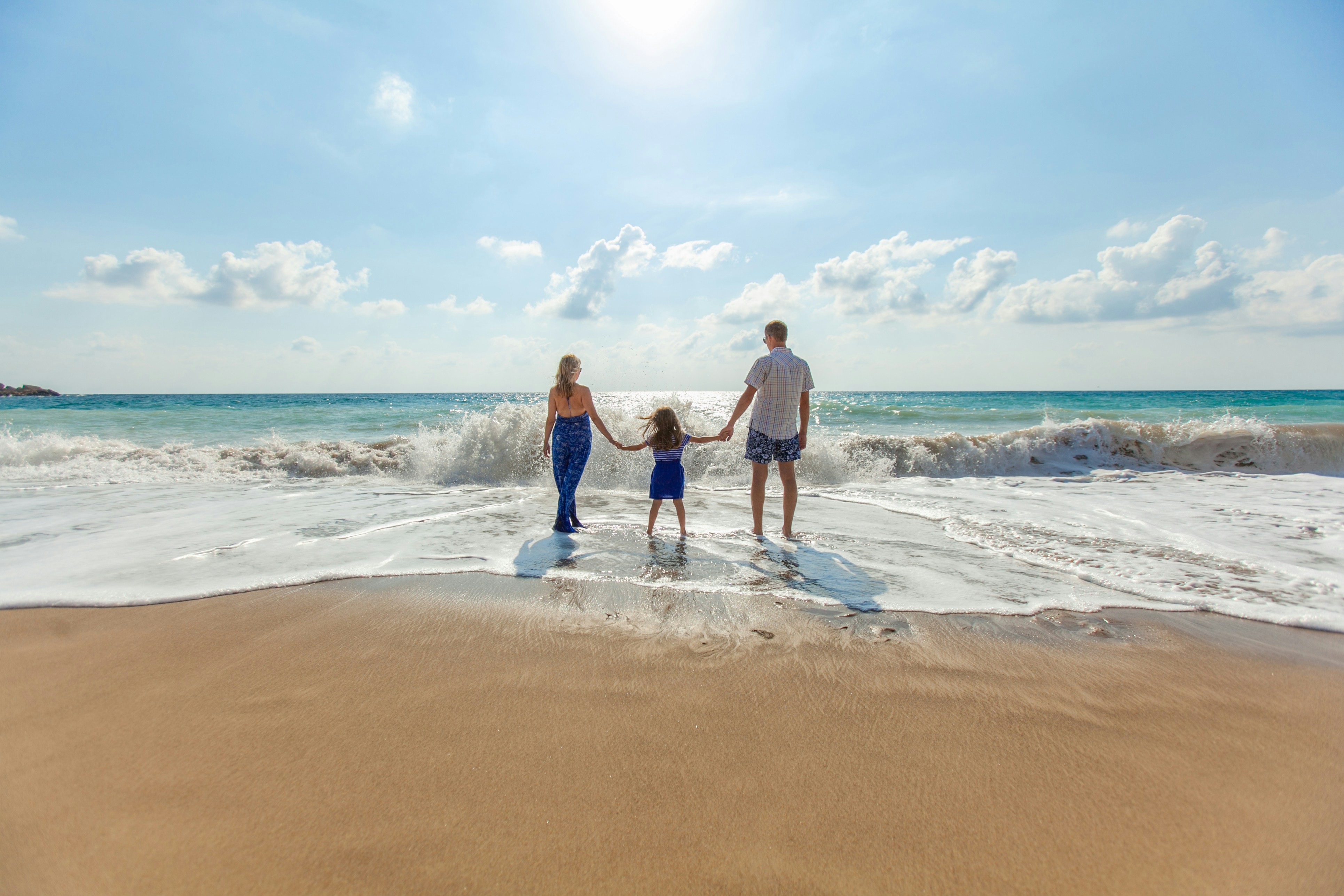
In recent years, Gran Canaria has emerged as an increasingly popular destination for travelers seeking a unique and captivating experience. This Spanish island, situated in the Atlantic Ocean, is part of the Canary Islands archipelago and has been gaining traction among diverse demographics. Its stunning landscapes, vibrant culture, and favorable climate have contributed to its growing popularity. In this article, we will delve into the origins of Gran Canaria, examine the factors that have led to its rise, and explore its appeal among various groups of travelers.
Origins of Gran Canaria: Gran Canaria has a rich history that dates back centuries. Discovered by the Genoese navigator Lancelotto Malocello in the 14th century, the island was subsequently colonized by Spain. Over the years, a blend of Spanish, African, and Latin American influences has shaped the island's culture, architecture, and traditions.
Factors Fueling Popularity: Several factors contribute to the increasing popularity of Gran Canaria as a travel destination:
- Natural Beauty and Varied Landscapes: With its picturesque coastline, vast sand dunes, volcanic landscapes, and lush green mountains, Gran Canaria offers a diverse range of natural wonders. Travelers can indulge in various outdoor activities such as hiking, surfing, and exploring unique flora and fauna.
- Favorable Climate: Gran Canaria boasts a mild and sunny climate throughout the year, making it an appealing getaway for those seeking respite from cold winters or rainy summers. The island's warm temperatures and pleasant weather are major draws for tourists.
- Cultural Heritage and Vibrant Festivals: The island's cultural heritage is showcased through its charming towns, colorful festivals, and historical landmarks. Gran Canaria is famous for its exuberant carnival celebrations, traditional music, and dance forms such as the folkloric Canarian Gofio dance.
- Accessibility and Amenities: Gran Canaria's well-developed infrastructure, including a modern international airport and a wide range of accommodations, caters to the needs of various travelers. Moreover, the island offers a host of entertainment options, fine dining experiences, and vibrant nightlife, ensuring a memorable stay for visitors.
Popularity Among Demographics: Gran Canaria appeals to a wide range of travelers, including:
- Beach Lovers: The island's stunning beaches, such as Playa de las Canteras and Maspalomas Beach, attract sunseekers and water sports enthusiasts from around the world.
- Nature Enthusiasts: Gran Canaria's diverse natural landscapes, including the impressive Maspalomas Sand Dunes, the verdant Agaete Valley, and the awe-inspiring Roque Nublo, provide ample opportunities for hiking, cycling, and exploring unique ecosystems.
- LGBTQ+ Community: Gran Canaria is known for being a LGBTQ+ friendly destination, particularly Playa del Inglés, where vibrant LGBTQ+ bars and clubs can be found.
- Family Vacationers: The island offers numerous family-friendly amenities, including water parks, animal parks, and adventure activities suitable for travelers of all ages.
As its popularity continues to soar, Gran Canaria has cemented its position as a trending travel destination. Its combination of natural beauty, cultural heritage, and favorable weather make it a captivating choice for diverse groups of travelers. Whether seeking relaxation, adventure, cultural exploration, or all of the above, Gran Canaria has something to offer to everyone.
Market Size and Growth of Gran Canaria
Gran Canaria, one of the Canary Islands located in Spain, has experienced significant growth in recent years, positioning itself as a popular tourist destination. With its stunning landscapes, favorable climate, and diverse attractions, Gran Canaria has become an attractive choice for both international and domestic travelers.
Market Size
The tourism industry in Gran Canaria has played a vital role in the island's economy. The market size of Gran Canaria's tourism sector has been steadily increasing year after year. According to the Canary Islands Statistics Institute, in 2019 alone, Gran Canaria received over 4 million visitors, a notable increase from the previous years.
As a result of the island's diverse offerings, the market size of Gran Canaria's tourism sector has seen significant growth across various segments. The island caters to a wide range of travelers, including beach lovers, adventure seekers, nature enthusiasts, and those seeking cultural experiences. This diversity attracts visitors from different age groups and backgrounds, contributing to the expansion of the market size.
Additionally, Gran Canaria's popularity as a holiday destination has led to the growth of the hotel industry and other related sectors. The number of accommodations, including hotels, resorts, and vacation rentals, has increased to meet the growing demand from tourists.
Market Growth
The tourism market in Gran Canaria has been experiencing steady growth, driven by several factors. Firstly, the increasing accessibility of the island through various transportation options, including direct flights from major cities, has made it more convenient for travelers to visit. This has significantly contributed to the growth of the market.
Furthermore, the island's efforts to promote sustainable tourism have played a crucial role in attracting more visitors. Gran Canaria has been focusing on preserving its natural beauty and cultural heritage, offering tourists an authentic experience while minimizing the impact on the environment. This sustainable approach has helped differentiate Gran Canaria from other tourist destinations and has led to an increase in visitor numbers.
Moreover, the promotion of Gran Canaria as a year-round destination has also contributed to its market growth. The island's mild climate makes it an ideal choice for travelers seeking warm weather throughout the year. This has expanded the market beyond the typical peak holiday seasons, attracting visitors during off-peak periods as well.
In conclusion, the market size and growth of Gran Canaria's tourism sector have been on an upward trajectory. The island's diverse attractions, accessibility, sustainable approach, and year-round appeal have positioned Gran Canaria as a sought-after destination for travelers from around the world. As the market continues to expand, stakeholders in the tourism industry can expect increased opportunities for growth and development.
Unveiling the Consumer Demand and Preferences for Gran Canaria
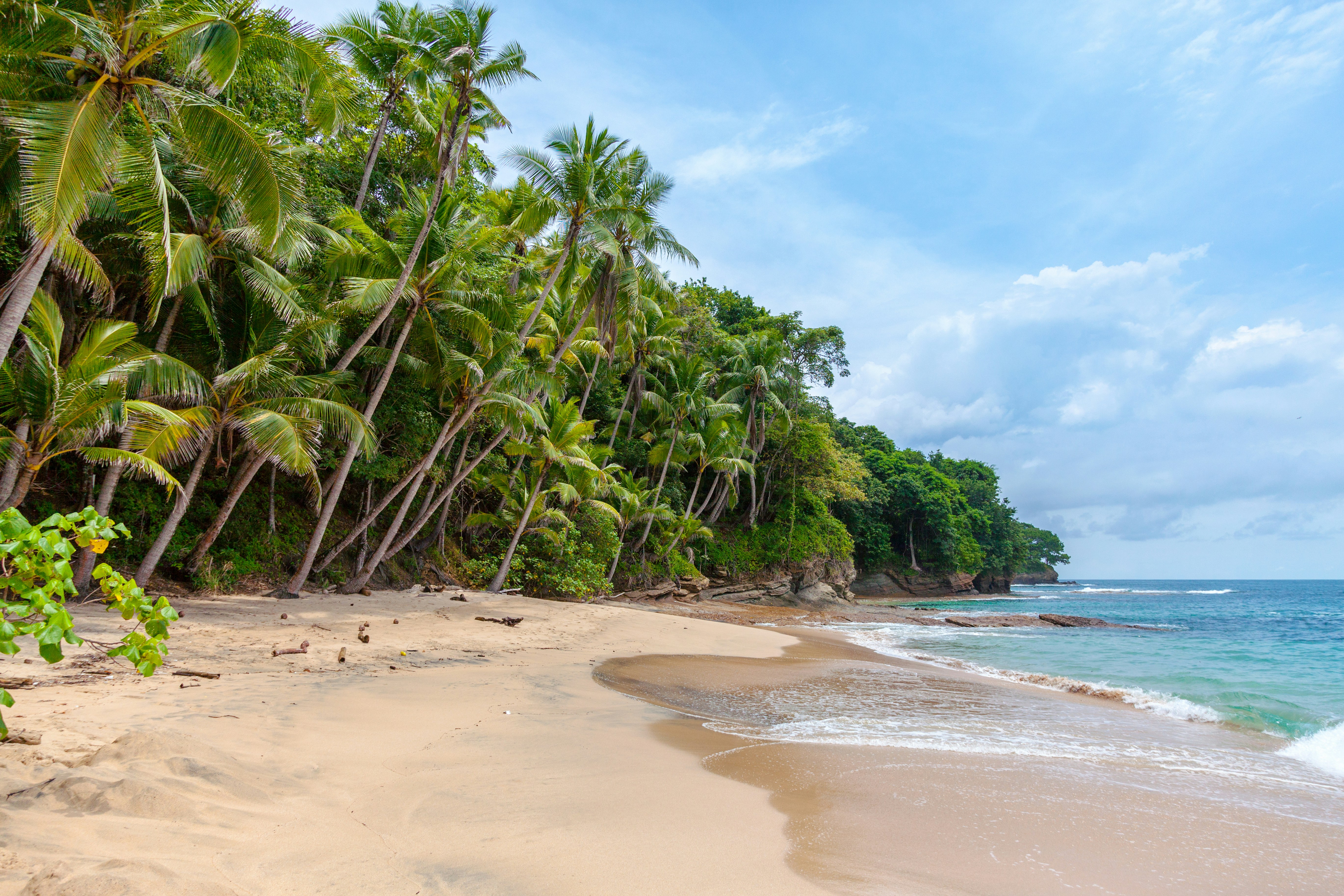
Gran Canaria, one of Spain's Canary Islands, has emerged as a sought-after tourist destination for travelers seeking sun, sand, and natural beauty. In recent years, the allure of this paradise in the Atlantic Ocean has grown significantly, attracting tourists from all corners of the globe. Understanding consumer demand and preferences for Gran Canaria can provide valuable insights for businesses and tourism authorities looking to tap into the potential of this rapidly growing market.
Exploring the Demand for Gran Canaria
Gran Canaria has witnessed a substantial increase in tourism, with a surge in the number of visitors choosing this island as their vacation destination. Understanding the reasons behind this demand is crucial for businesses and organizations involved in the tourism industry.
- Natural Beauty and Climate: Gran Canaria boasts stunning landscapes, including beautiful beaches, mountains, and rugged terrain. This natural beauty, combined with its year-round temperate climate, acts as a major draw for tourists seeking a sun-soaked escape.
- Diverse Activities: The island offers a wide range of activities to cater to different traveler preferences. From water sports like surfing, windsurfing, and scuba diving to hiking trails, golf courses, and wellness retreats, Gran Canaria appeals to adventure seekers, nature lovers, and those seeking relaxation.
- Cultural Attractions: Gran Canaria's rich cultural heritage and historical sites, such as the charming Old Town of Vegueta and the iconic Roque Nublo, offer a unique experience for tourists interested in exploring the island's heritage.
Consumer Preferences in Gran Canaria
To better cater to the needs and preferences of tourists, businesses in Gran Canaria must understand the key elements that influence consumer decision-making when choosing this holiday destination.
- Accommodation: Tourists value a wide variety of accommodation options, ranging from luxurious resorts and hotels to vacation rentals and boutique accommodations. The availability of diverse options ensures that tourists can find accommodations that suit their preferences and budgets.
- Sustainable Tourism: There is a growing trend of eco-conscious travelers who prioritize destinations that promote sustainable practices and preserve the environment. Businesses that adopt sustainable initiatives, such as renewable energy use, waste management systems, and support for local communities, may attract these environmentally conscious consumers.
- Local Cuisine and Gastronomy: Exploring the local flavors and culinary traditions is an essential aspect of many travelers' experiences. Restaurants and food establishments that offer traditional Canarian dishes, fresh seafood, and unique local delicacies can appeal to tourists looking for an authentic food experience.
- Accessibility and Connectivity: Easy accessibility to and from Gran Canaria via airports and well-connected transportation systems is crucial for attracting tourists. Additionally, having seamless internet connectivity in tourist areas allows visitors to stay connected and share their experiences, enhancing overall satisfaction.
Understanding and catering to these preferences can help businesses in Gran Canaria create tailored experiences that align with the needs and desires of potential visitors. By staying abreast of consumer demand and evolving trends, businesses can capitalize on the growing popularity of Gran Canaria as a preferred holiday destination.
Industry Players and Competition in Gran Canaria

Gran Canaria, one of the Spanish Canary Islands, is known for its stunning beaches, vibrant nightlife, and year-round pleasant climate. As a popular tourist destination, the island attracts millions of visitors each year and has a thriving tourism industry. In this section, we will explore the key industry players and the competitive landscape in Gran Canaria.
- Hotels and Resorts: Gran Canaria boasts a wide range of accommodation options, including luxury resorts, boutique hotels, and budget-friendly apartments. Some of the prominent hotel chains operating in the region include Lopesan, RIU Hotels & Resorts, and Meliá Hotels International. These industry leaders strive to offer high-quality facilities, personalized services, and unique experiences to cater to diverse customer preferences.
- Airlines and Travel Operators: Several airlines connect Gran Canaria with major cities across Europe and beyond, making it easily accessible for travelers. Leading airlines such as Ryanair, TUI Airways, and Norwegian offer regular flights to the island. Additionally, travel operators like TUI, Thomas Cook, and Jet2holidays provide package holidays and tours, further stimulating the tourism sector.
- Local Tour Operators: Numerous local tour operators offer a variety of excursions and activities to explore the natural beauty and cultural heritage of Gran Canaria. These operators specialize in activities such as sailing trips, hiking tours, camel rides, and visits to historical landmarks. Examples of popular tour operators include Top10 Gran Canaria and Canary Juice.
- Restaurants and Gastronomy: Gran Canaria is a haven for food lovers, with a diverse culinary scene that combines traditional Canarian cuisine with international flavors. From local tapas bars to fine dining establishments, there are countless options for visitors to indulge in. Some notable restaurants in Gran Canaria include Restaurante Casa Brito, Restaurante Oliva, and Restaurante Brisa Marina.
- Travel Booking Platforms: Online travel agencies (OTAs) play a significant role in the tourism industry, providing a platform for travelers to book hotels, flights, and activities in Gran Canaria. Popular OTAs such as Booking.com, Expedia, and Airbnb offer a wide selection of accommodations and travel services, facilitating the booking process for tourists.
Competition among industry players in Gran Canaria is fierce, with each player striving to differentiate themselves and attract travelers. Factors such as location, service quality, price offerings, and promotional activities contribute to the competitive advantage of businesses operating on the island. Additionally, sustainability practices and responsible tourism initiatives are gaining importance in the region, as visitors increasingly seek environmentally-friendly and socially-conscious experiences.
Understanding the key industry players and the competitive landscape in Gran Canaria is crucial for businesses aiming to thrive in the local tourism market. By constantly adapting to evolving trends, providing exceptional customer experiences, and leveraging digital marketing strategies, industry players can stay ahead of the competition and capitalize on the island's growing popularity as a tourist destination.
Technological Innovation in Gran Canaria: Paving the Way for a Smart Island

Gran Canaria, one of the beautiful islands in the Canary archipelago, is not only known for its natural landscapes but is also emerging as a hub for technological innovation. As the world becomes increasingly interconnected through technology, Gran Canaria is leveraging its resources to become a Smart Island, embracing innovation to enhance sustainability, improve quality of life, and boost economic development.
Smart City Initiatives
Among the many initiatives aimed at transforming Gran Canaria into a Smart Island, one of the most prominent is the development of Smart City projects. These projects focus on optimizing the use of resources and improving the efficiency of urban processes by integrating technology into various aspects of daily life.
One such project is the SmartCity Gran Canaria, which aims to create a more sustainable and connected city. It encompasses smart lighting, waste management systems, and efficient transportation networks. By implementing sensor technologies, data analysis, and communication platforms, this initiative aims to reduce energy consumption, improve waste management, and enhance the overall quality of life for residents and visitors alike.
Renewable Energy
Gran Canaria's commitment to sustainability extends to renewable energy production. With ample sunshine and wind resources, the island is taking advantage of its natural assets to promote clean energy solutions. The Technological Research Institute of the Canary Islands (ITC) has been actively involved in research and development of innovative technologies for renewable energy generation.
Examples of innovative projects include the integration of solar panels on rooftops and the utilization of wind power in remote areas that are not connected to the main power grids. These initiatives not only reduce reliance on non-renewable energy sources but also contribute to a more sustainable and greener future for Gran Canaria.
Digital Tourism
As a popular tourist destination, Gran Canaria is also making significant advancements in the digital tourism sector. The island is leveraging technology to enhance the overall visitor experience by providing innovative services and personalized recommendations.
For instance, the implementation of smart tourism information systems, interactive maps, and mobile applications allows tourists to easily navigate the island, access information about attractions, and discover hidden gems. By utilizing data analytics and artificial intelligence, Gran Canaria can better understand tourist preferences, optimize resources, and improve the overall tourism ecosystem.
Gran Canaria is not only a paradise for nature lovers but is also paving its way towards becoming a Smart Island through technological innovation. By investing in Smart City initiatives, renewable energy solutions, and digital tourism, Gran Canaria aims to enhance sustainability, improve quality of life, and drive economic growth. As the island continues to embrace technological advancements, it is likely to attract more attention as a vibrant hub of innovation in the Canary Islands and beyond.
Exploring the Cultural Influences and Regional Trends in Gran Canaria

Gran Canaria, an enchanting island nestled within the Canary Islands archipelago, is renowned for its breathtaking landscapes, vibrant culture, and inviting climate. Delving into the regional trends and cultural influences of Gran Canaria provides valuable insights into the unique characteristics that shape this captivating destination.
Embracing Traditional Canarian Cuisine
One of the notable cultural influences in Gran Canaria is its cuisine, which showcases a blend of Spanish, African, and Latin American flavors. The island's local dishes incorporate an abundance of fresh seafood, such as grilled fish known as "pescado a la sal" or "fish in salt." Other traditional delicacies include "papas arrugadas" (wrinkled potatoes) served with "mojo" sauce, a vibrant blend of garlic, peppers, and spices.
Celebrating Canarian Festivals
Festivals play an essential role in the cultural fabric of Gran Canaria, showcasing the island's traditions, customs, and religious beliefs. One such festival is the "Carnaval de Las Palmas de Gran Canaria," an annual event celebrated with colorful parades, music, dancing, and elaborate costumes. This carnival is hailed as one of the largest and most spirited in the world, drawing both locals and tourists alike.
Preserving Indigenous Heritage
Gran Canaria boasts a rich indigenous heritage, with the native Guanche people contributing to the island's cultural identity. To honor this heritage, various museums and archaeological sites have been established to preserve and showcase their artifacts and history. The Cueva Pintada Museum in Gáldar, for example, houses ancient cave paintings that shed light on the Guanche civilization and their artistic expression.
Engaging in Watersports and Outdoor Activities
Due to its stunning coastline and natural landscapes, Gran Canaria has become a haven for outdoor enthusiasts and watersport lovers. Visitors can enjoy a multitude of activities like surfing, snorkeling, trekking, and mountain biking. The diverse topography of the island, including stunning sand dunes, lush forests, and rugged mountains, provides a unique playground for adventure seekers.
Stylish Architecture and Urban Renaissance
In recent years, the urban landscape in Gran Canaria has witnessed a fascinating transformation, with communities embracing architectural innovation and urban revitalization projects. The Las Palmas de Gran Canaria neighborhood of Vegueta, for instance, boasts narrow alleys adorned with colorful buildings, paving the way for stylish boutiques, art galleries, and trendy cafes. This revival of the urban scene has added a contemporary touch to the island's cultural fabric.
Exploring the regional trends and cultural influences in Gran Canaria reveals a fascinating tapestry of culinary delights, traditional celebrations, indigenous heritage, enticing outdoor activities, and urban renaissance. By recognizing and embracing these distinctive characteristics, visitors and locals alike can immerse themselves in the captivating allure of this enchanting island.
The Rise of Social Media Influencers in Promoting Gran Canaria: A Growing Trend
In recent years, the influence of social media has grown tremendously, shaping consumer behavior and promoting destinations worldwide. This phenomenon is no exception for popular vacation spots like Gran Canaria. The emergence of social media influencers has provided a unique platform for showcasing and promoting the beauty and attractions of this Canary Island paradise.
Social media influencers are individuals who have established a significant following on platforms like Instagram, YouTube, and TikTok. They have the power to shape opinions and inspire their followers' travel choices through compelling content and visually stunning imagery.
Gran Canaria, with its breathtaking landscapes, pristine beaches, and vibrant cultural scene, is highly appealing to travelers. Recognizing this, many influencers have flocked to the island to capture its beauty and promote it to their enthusiastic followers.
One such influencer is Gypsea Lust (@gypsea_lust), a travel blogger and photographer with over 2.2 million followers on Instagram. Her stunning photos of Gran Canaria's towering dunes of Maspalomas, hidden coves, and colorful streets have showcased the island's diverse natural beauty to a global audience. The enchanting visuals and personal experiences she shares have left her followers yearning to experience Gran Canaria for themselves.
In addition to traditional social media influencers, micro-influencers have also played a significant role in promoting Gran Canaria. These influencers have smaller followings but possess a more engaged and niche audience. For instance, Derwin Joy (@derwinism) is a micro-influencer who focuses on adventure travel and actively promotes Gran Canaria as a fantastic destination for thrill-seekers. Sharing his exhilarating experiences, such as hiking to Roque Nublo and exploring the island's rugged coastline, Derwin Joy has effectively showcased the adrenaline-pumping activities that Gran Canaria has to offer.
The impact of social media influencers on travel decisions is undeniable. A study by Expedia revealed that 49% of travelers in the United States consider social media as an influential source when choosing their next vacation destination. This trend is consistent globally, making social media platforms a powerful marketing tool for tourist destinations like Gran Canaria.
The collaboration between influencers and tourism boards has also become more prevalent. Recognizing the potential of influencer marketing, local tourism boards in Gran Canaria have partnered with influencers to showcase the island's unique offerings. This approach benefits both parties, as influencers gain exposure and sponsorship while Gran Canaria gains increased visibility to a wider audience.
However, it is crucial for both influencers and the tourism industry to ensure responsible and sustainable tourism practices. Gran Canaria, like many other popular destinations, faces challenges such as overcrowding, strain on resources, and negative environmental impacts. Through careful planning and collaboration with influencers, sustainable tourism practices can be highlighted and promoted to ensure the long-term preservation of the island's natural beauty.
In conclusion, social media influencers have played a significant role in promoting Gran Canaria to a global audience. With their compelling content and personal experiences, they have effectively captured the essence of the island, inspiring travelers to visit and explore its wonders. By leveraging the power of social media, Gran Canaria has witnessed a rise in visitors eager to experience the allure that influencers have showcased. As this trend continues to grow, it is increasingly important for influencers and the tourism industry to work together to prioritize sustainability and responsible tourism practices.
The Future Outlook of Gran Canaria: A Rising Trend in Tourism

Gran Canaria, one of Spain's Canary Islands, has been a popular holiday destination for many years. Known for its stunning beaches, diverse landscapes, and favorable climate, the island attracts millions of tourists annually. However, the future outlook for Gran Canaria is not just about maintaining its current status as a tourist hotspot. Instead, it is marked by the potential for growth, innovation, and sustainability, making it an exciting trend to watch in the coming years.
A Growing Tourist Industry:
The tourism industry in Gran Canaria has shown remarkable growth over the years, with visitor numbers consistently rising. According to statistics from the local government, the island welcomed over 4 million tourists in 2019, an increase of 4.4% compared to the previous year.
As the world slowly recovers from the impact of the COVID-19 pandemic, Gran Canaria is well-positioned to bounce back. With its accessibility, relative affordability, and an array of attractions, the island is expected to continue attracting a considerable number of international tourists, particularly from Europe.
Diversification of Offerings:
Gran Canaria's future outlook also involves diversifying its tourism offerings to appeal to a wider range of visitors. While the island is known for its beautiful beaches, it also boasts stunning natural landscapes, charming villages, and a rich cultural heritage. Efforts are being made to promote these lesser-known aspects of the island to visitors, creating new opportunities for exploration and discovery.
Moreover, Gran Canaria is increasingly positioning itself as a destination for adventure tourism. The island's rugged terrain, ideal for hiking and biking, combined with its impressive network of trails, is drawing outdoor enthusiasts seeking active and nature-oriented experiences. Additionally, water sports such as surfing, windsurfing, and diving are thriving as visitors take advantage of the island's excellent conditions.
Promoting Sustainability:
Sustainability is a key focus for the future of Gran Canaria's tourism industry. Recognizing the importance of preserving its natural resources and cultural heritage, the island is actively implementing measures to reduce its environmental impact. This includes promoting eco-friendly accommodation options, encouraging responsible tourism practices, and investing in renewable energy sources.
Furthermore, Gran Canaria is embracing technology to enhance its sustainability efforts. Smart tourism initiatives are being developed to manage visitor flows, reduce congestion, and minimize the impact on sensitive areas. These innovations enable tourists to have a seamless and sustainable experience while enjoying all that the island has to offer.
Gran Canaria's future outlook in the tourism industry is promising. With continuous growth, diversification of offerings, and a strong focus on sustainability, the island is set to thrive as a sought-after destination. By embracing innovation, preserving its natural beauty, and adapting to changing visitor preferences, Gran Canaria has the potential to secure its position as a leading tourist hotspot in the coming years. As travelers seek unique and eco-friendly experiences, Gran Canaria is poised to meet their desires and become an even more popular destination in the global tourism landscape.
Exploring the Allure of Gran Canaria: Key Findings and Insights

Gran Canaria, an enchanting island nestled in Spain's Canary Islands archipelago, has emerged as a trending destination for travelers seeking the perfect blend of pristine beaches, stunning landscapes, and vibrant cultural experiences. Let's dive into the key findings and insights that make Gran Canaria an appealing trend worth exploring.
- Natural Beauty and Diverse Landscapes: Gran Canaria boasts a remarkable landscape with diverse topography, including stunning beaches, dramatic mountain ranges, deep gorges, and picturesque valleys. The island's nature reserves and national parks, such as Maspalomas Dunes and Roque Nublo, provide opportunities for outdoor enthusiasts to embark on hiking trails, enjoy breathtaking views, and immerse themselves in the island's natural beauty.
- Year-round Pleasant Climate: One of the undeniable characteristics that sets Gran Canaria apart from other destinations is its year-round mild and pleasant climate. With an average temperature ranging from 20°C to 27°C (68°F to 81°F), the island offers an ideal escape from colder climates, attracting tourists seeking sun, warmth, and relaxation throughout the year.
- Beaches for Every Preference: Gran Canaria is famed for its pristine beaches that cater to various preferences. From the bustling and vibrant shores of Playa del Inglés and Puerto Rico to the tranquil and secluded beaches like Playa de Güigüi, there is a beach for every type of traveler. The stunning coastline offers opportunities for sunbathing, water sports, and rejuvenating beachside experiences.
- A Haven for Water Sports Enthusiasts: For adventure seekers, Gran Canaria's crystal-clear waters and favorable wind conditions present an endless playground for water sports. The island is renowned for activities such as surfing, windsurfing, kiteboarding, scuba diving, and deep-sea fishing. Consequently, it attracts a growing community of thrill-seekers and sports enthusiasts from around the world.
- Cultural Heritage and Historic Towns: Gran Canaria showcases a rich cultural heritage with its historic towns and villages. The capital city, Las Palmas de Gran Canaria, offers a fusion of old-world charm and modern sophistication, boasting a UNESCO-listed historical district, Vegueta. Visitors can wander through narrow streets lined with colonial-style buildings, visit museums and galleries, and immerse themselves in the vibrant local atmosphere.
- Culinary Delights and Vibrant Nightlife: The island's culinary scene is a delightful fusion of traditional Spanish flavors and international influences, catering to all tastes and preferences. Gran Canaria offers an array of restaurants, tapas bars, and local markets where visitors can sample local delicacies and fresh seafood. Additionally, the island embraces a vibrant nightlife, with diverse entertainment options ranging from beachfront clubs to cozy bars and live music venues.