
Unveiling Neurodiversity: Fueling the Rising Demand for Neurodivergent-Friendly Workspace Design

The Rise of Neurodiversity: Embracing Cognitive Differences

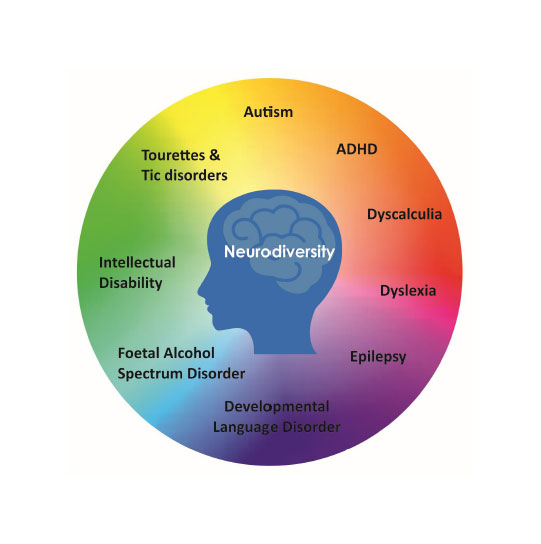
In recent years, neurodiversity has emerged as a powerful and significant trend, reshaping the way society views and embraces cognitive differences. Neurodiversity is a concept that recognizes and celebrates the natural variation of human brains and minds, acknowledging that neurological differences, such as autism, ADHD, dyslexia, and others, are simply variations of the human experience rather than disorders to be fixed or cured.
The origins of the neurodiversity movement can be traced back to the late 1990s, when Australian sociologist Judy Singer coined the term. Singer's intention was to shift the focus from a medical model of viewing neurological conditions as deficiencies or disorders to a social model that appreciates and values the unique strengths and perspectives of neurodiverse individuals. The movement gained momentum through social media, as a growing number of individuals, advocates, and organizations began championing the rights and potential of neurodiverse individuals.
So why is neurodiversity gaining popularity? The answer lies in the growing recognition of the immense contributions that neurodiverse individuals make to society. Rather than seeing these cognitive differences as limitations, the neurodiversity movement highlights the positive aspects and potential of diverse neurotypes. Neurodiverse individuals often possess exceptional talents and abilities in areas such as pattern recognition, analytical thinking, creativity, and innovative problem-solving.
Furthermore, neurodiversity has gained significant traction among various demographics, including educators, employers, parents, and even policymakers. In education, there is a growing emphasis on creating inclusive classrooms that accommodate and support students with diverse learning styles and cognitive profiles. Companies are also realizing the benefits of embracing neurodiversity in the workplace, as it can lead to enhanced productivity, creativity, and a broader range of perspectives.
Notably, the popularity of neurodiversity extends beyond the neurodiverse community itself, attracting support from individuals who want to foster a more compassionate and inclusive society. By embracing neurodiversity, society can create an environment that values and supports the inherent worth and potential of every individual, regardless of their cognitive makeup.
As neurodiversity gains momentum, its influence is likely to continue to grow, transforming the way we perceive and accommodate cognitive differences. It challenges the traditional medical model of viewing neurodivergent individuals as individuals in need of fixing, promoting a paradigm shift towards acceptance, understanding, and celebration of neurodiversity.
The Market Size and Growth of Neurodiversity: Unleashing the Potential
Understanding Neurodiversity
Neurodiversity refers to the concept that neurological differences, such as autism, ADHD, dyslexia, and other related conditions, are simply natural variations of the human brain. Over the past few years, there has been a growing acceptance and recognition of neurodiversity, leading to increased awareness and support for individuals with these conditions.
Market Size and Potential
The neurodiversity market encompasses a wide range of products, services, and support systems aimed at addressing the unique needs and talents of neurodivergent individuals. According to the World Health Organization, approximately 1 in 7 people globally is neurodivergent, indicating a substantial market size and untapped potential.
The economic impact of neurodiversity is immense, with estimates suggesting that neurodivergent individuals and their families contribute significantly to the global economy. However, the market remains largely untapped, with many companies and organizations realizing the importance of embracing neurodiversity and harnessing the strengths of these individuals.
Employment and Workforce Opportunities
One area where the market size of neurodiversity is gaining attention is in the realm of employment and workforce opportunities. Neurodivergent individuals possess a wide range of unique skills, including exceptional pattern recognition, analytical thinking, and attention to detail, making them valuable assets in certain industries.
Companies across various sectors, including technology, finance, and healthcare, are recognizing the benefits of neurodiversity in driving innovation and creativity within their organizations. These companies are actively seeking ways to tap into this talent pool and create inclusive workplaces that cater to the needs of neurodivergent employees. This demand is driving the growth of specialized job placement agencies, training programs, and support services aimed at facilitating the integration of neurodivergent individuals into the workforce.
Education and Support Services
Another significant aspect within the neurodiversity market is education and support services. As awareness and understanding of neurodiversity increase, there is a growing need for specialized educational programs and resources that cater to the unique learning needs of neurodivergent individuals. This encompasses everything from early intervention services for children to vocational training and post-secondary education for adults.
The demand for these services has led to the emergence of innovative educational models, such as neurodiverse-focused schools, online learning platforms, and learning materials designed specifically for neurodivergent individuals. The market size for these education and support services is expected to grow as more individuals and families seek effective strategies to support neurodivergent learners.
Technology and Assistive Devices
Technology and assistive devices play a crucial role in addressing the challenges faced by neurodivergent individuals and optimizing their abilities. The market for assistive technologies and adaptative devices tailored to the needs of neurodivergent individuals is continually expanding.
From communication apps that aid those with speech impairments to wearable devices that support sensory regulation, the demand for these technologies is growing rapidly. Moreover, advancements in artificial intelligence and virtual reality have the potential to revolutionize the way neurodivergent individuals learn, communicate, and thrive in various environments. Companies investing in research and development in this area are well-positioned to tap into the growing market.
As society becomes more inclusive and embraces the concept of neurodiversity, the market size and growth of products, services, and support systems catering to neurodivergent individuals are set to expand. Companies across industries are awakening to the potential of this untapped talent pool, leading to increased demand for specialized employment services, education programs, and assistive technologies. By recognizing and supporting neurodiversity, society can unleash the unique talents and contributions of neurodivergent individuals, benefiting both individuals and the economy as a whole.
Understanding Consumer Demand and Preferences: Exploring the Neurodiversity Movement

Introduction: The Neurodiversity Movement has gained significant attention in recent years, advocating for the acceptance and inclusion of individuals with neurodevelopmental differences such as autism, ADHD, dyslexia, and others. This movement recognizes and values the unique strengths and perspectives that neurodiverse individuals bring to society. In this section, we will explore the consumer demand and preferences surrounding the concept of neurodiversity and how it influences industries and businesses.
Shifting Attitudes and Awareness:
As society becomes more aware of neurodiversity, consumer attitudes are evolving. Consumers are actively seeking products and services that demonstrate a commitment to inclusivity and support for neurodiverse individuals. Companies that promote neurodiversity and create accessible solutions are likely to gain favor among consumers who prioritize diversity and inclusion.
Accessible and Inclusive Design:
One key aspect of neurodiversity consumer preferences is the demand for accessible and inclusive design. Neurodiverse individuals may have unique sensory, cognitive, or motor processing differences that impact their interaction with products and services. Meeting this demand involves considering elements such as simplified interfaces, visual clarity, noise reduction, and assistive technologies. Companies that embrace universal design principles and prioritize accessibility are likely to attract a broader customer base.
Employment and Workplace Culture:
A growing number of consumers also place importance on a company's commitment to neurodiversity in their employment practices. Businesses that actively promote inclusion, provie reasonable accommodations, and create supportive workplace cultures for neurodiverse individuals are seen favorably by consumers. Companies that demonstrate a commitment to neurodiversity and employ neurodiverse individuals may benefit from increased consumer loyalty and a positive brand image.
Advocacy and Education:
Consumers interested in neurodiversity often seek organizations and brands that actively advocate for the rights and well-being of neurodiverse individuals. They value companies that invest in education and awareness programs to foster a more inclusive society. Brands that align themselves with neurodiversity advocacy and support initiatives are likely to attract socially conscious consumers who value their corporate social responsibility efforts.
Authentic Representation and Marketing:
Effective marketing efforts targeted at a neurodiversity-aware audience must prioritize authentic representation. Rather than tokenistic gestures, consumers appreciate campaigns that accurately portray the experiences and perspectives of neurodiverse individuals. Companies that engage in inclusive marketing by involving neurodiverse individuals in advertising and product development are likely to resonate with consumers who prioritize authenticity and representation
Consumer demand and preferences surrounding the concept of neurodiversity are evolving rapidly. Consumers are increasingly seeking products, services, and companies that demonstrate a commitment to inclusivity, accessibility, and workplace support for neurodiverse individuals. As society progresses toward a more accepting and inclusive future, it is crucial for businesses to understand and respond to these evolving consumer preferences to remain competitive and socially responsible.
Exploring Industry Players and Competitive Landscape in the Neurodiversity Movement

The neurodiversity movement, which promotes the understanding and acceptance of neurological differences such as autism, ADHD, dyslexia, and other conditions, has rapidly gained attention and support in recent years. As this movement continues to grow, several key industry players have emerged, contributing to both its development and promotion. This article highlights some of the prominent organizations and individuals involved in the neurodiversity space, providing insight into the competitive landscape they navigate.
Key Industry Players
- Autism Speaks: Established in 2005, Autism Speaks is one of the most recognized and influential organizations in the field of autism advocacy. Initially focusing on autism research and awareness, they have also faced criticism from self-advocacy groups for their approach to autism as a disorder to be cured rather than a neurodivergent trait to be accepted.
- Neurodiversity.com: A website founded by sociologist Judy Singer in 1998, Neurodiversity.com played an essential role in popularizing the concept of neurodiversity and promoting the rights of neurodivergent individuals. The website features a wealth of resources, including personal narratives and academic articles, contributing to the understanding of neurodiversity.
- Autistic Self Advocacy Network (ASAN): ASAN is a nonprofit organization operated by and for autistic individuals. They advocate for acceptance, rights, and inclusion of autistic people through public policy advocacy, community engagement, and raising awareness. ASAN is known for its focus on self-advocacy and promoting a shift in society's perception of autism.
- Neurodiversity Hub: The Neurodiversity Hub is an online platform that aims to provide a comprehensive resource center for individuals, families, and communities affected by neurodivergent conditions. The organization offers support, information, and resources to help promote greater understanding and acceptance of neurodiversity.
- Neurodiversity Media: Neurodiversity Media is a publication focusing on neurodivergent voices, with a specific emphasis on autism. The platform provides a space for personal stories, educational content, and interviews, creating a community-driven approach to understanding and embracing neurodiversity.
The Competitive Landscape
Within the neurodiversity movement, competition primarily revolves around resource availability, funding, and differing ideological approaches. Some organizations may face criticism or compete for influence due to distinct perspectives on neurodiversity and its implications. For example, while Autism Speaks has played a prominent role in raising awareness and funds for autism research, it has been a subject of controversy for its language, lack of autistic representation, and focus on finding a cure rather than promoting acceptance.
In contrast, organizations like ASAN and Neurodiversity.com emphasize self-advocacy, society-wide acceptance, and challenging traditional notions of "normal." These organizations strive to empower neurodivergent individuals, providing platforms to share their perspectives and combat stigmas associated with their conditions.
Additionally, the competitive landscape within the neurodiversity movement is shaped by shifts in public opinion, evolving research, and changing societal attitudes towards neurological differences. Understanding the diverse perspectives and approaches of industry players can help shape the future trajectory of the neurodiversity movement and foster a more inclusive society.
In conclusion, several key industry players contribute to the development and promotion of the neurodiversity movement. Organizations such as Autism Speaks, Neurodiversity.com, ASAN, Neurodiversity Hub, and Neurodiversity Media play significant roles in advocating for greater understanding and acceptance of neurodivergent individuals. The competitive landscape is characterized by varying approaches, controversies, and evolving societal attitudes, all of which shape the future trajectory of the neurodiversity movement.
Exploring Technological Innovations in Neurodiversity

Neurodiversity is a concept that recognizes and celebrates the natural variations in human neurological traits, especially focusing on conditions such as autism, ADHD, dyslexia, and others. As society becomes increasingly aware of the unique strengths and perspectives of neurodivergent individuals, technological innovations are emerging to support and empower this diverse population. This article explores some of the notable technological advancements making an impact in the field of neurodiversity.
Assistive Technologies
Assistive technologies play a crucial role in improving the lives of neurodivergent individuals. These technologies effectively bridge the gap between the individual's abilities and the demands of their environment. For instance, communication devices, such as augmentative and alternative communication (AAC) tools, enable those with language impairments to express themselves effectively. These devices range from simple picture-based systems to advanced text-to-speech programs.
Virtual Reality (VR) and Augmented Reality (AR)
Virtual Reality (VR) and Augmented Reality (AR) technologies offer promising possibilities for supporting neurodivergent individuals. VR environments can provide safe and controlled settings to help individuals with autism practice social interactions, develop real-world skills, and manage sensory sensitivities in a comfortable space.
AR applications, on the other hand, can enhance learning experiences for neurodivergent individuals by overlaying visual cues and instructions in real-world environments. Tasks that might typically be overwhelming or confusing can be broken down into more manageable steps through AR enhancements.
Sensory Technologies
Sensory technologies have immense potential in aiding individuals with sensory processing difficulties, which are often associated with conditions like autism. These technologies focus on managing sensory inputs to reduce stress and encourage focus. For example, noise-canceling headphones can help individuals with auditory sensitivity filter out overwhelming sounds, while wearable devices can provide gentle vibrations as a sensory alert system.
Machine Learning and Artificial Intelligence (AI)
Machine Learning (ML) and Artificial Intelligence (AI) technologies have revolutionized many fields, including neurodiversity. These technologies can be used to develop personalized learning platforms that adapt to the unique needs and preferences of neurodivergent individuals. AI-powered assessment tools can advance early diagnosis and identification of certain conditions, leading to early intervention and support.
Furthermore, AI-based virtual coaches can help individuals with neurodiverse characteristics enhance their social and emotional skills through personalized feedback and interaction. This technology offers a safe and non-judgmental environment for skill development.
Empowering Applications and Tools
Various apps and tools have been developed to aid neurodivergent individuals across different domains. These range from time management and organizational tools that assist with executive functioning challenges, to apps that promote emotional regulation and stress management. Additionally, social skills training apps provide guidance and practical exercises for improving social interactions, often incorporating multimedia elements for enhanced engagement.
In conclusion, technological innovations in neurodiversity are transforming the lives of neurodivergent individuals by providing tools, support, and opportunities for growth. These advancements help bridge skill gaps, promote independence, and foster inclusion. As society continues to embrace neurodiversity, it is essential to continue exploring and investing in technological solutions that empower and amplify the unique strengths of every individual, regardless of their neurological profile.
Neurodiversity: Regional Trends and Cultural Influences

Neurodiversity is a concept that recognizes and celebrates the natural variations in human brain functioning. It promotes the idea that neurological differences, such as autism, ADHD, dyslexia, and others, are not deficits but rather unique types of cognitions that should be respected and valued. While the understanding and acceptance of neurodiversity have gained traction globally, there are regional trends and cultural influences that shape the way neurodiversity is perceived and accommodated across different countries and communities.
North America: Pioneering Neurodiversity Advocacy
In North America, neurodiversity advocacy has gained significant momentum. The region is known for pioneering efforts in promoting inclusive practices and support for individuals with neurodivergent conditions. Organizations such as Autism Canada and the Autism Society of America have played crucial roles in raising awareness, improving support systems, and influencing policy changes. As a result, there has been a growing emphasis on inclusive education and employment opportunities, with companies implementing neurodiversity hiring programs to tap into the unique talents of neurodivergent individuals.
Europe: Balancing Medical and Social Models
In Europe, the perception of neurodiversity often involves balancing the medical and social models of understanding and accommodating neurodivergent individuals. Countries like the United Kingdom have made strides in recognizing neurodiversity as a social construct, influencing support services and employment policies. For instance, the United Kingdom's Autism Act of 2009 mandated the development of services to cater to the specific needs of individuals on the autism spectrum.
Asia: Cultural Influences and Unique Challenges
In many Asian countries, cultural influences and societal expectations can present unique challenges in embracing neurodiversity. For example, collectivist cultures like Japan and South Korea often prioritize conformity and social harmony, which may lead to stigmatization and limited support for neurodivergent individuals. However, there is a growing recognition of neurodiversity in some Asian countries. For instance, Singapore has implemented initiatives to create a more inclusive society by providing equal educational opportunities and promoting acceptance.
Oceania: Indigenous Perspectives and Inclusion
In Oceania, indigenous perspectives play an important role in shaping the understanding and acceptance of neurodiversity. The cultural values and practices of Indigenous communities often appreciate and celebrate diverse ways of thinking and being. For instance, Aboriginal and Torres Strait Islander communities in Australia emphasize the strengths and talents of neurodivergent individuals, recognizing their unique contributions to society. Efforts are being made to implement culturally sensitive support services to better serve Indigenous populations.
Africa: Limited Awareness and Resources
Awareness and support for neurodiversity in many African countries are still at a nascent stage. Limited resources, stigma, and a lack of understanding contribute to the challenges faced by neurodivergent individuals and their families. However, some organizations, such as the African Autism Network, are working towards raising awareness, reducing stigma, and improving access to appropriate support services across the continent.
Understanding the regional trends and cultural influences on neurodiversity is crucial for developing inclusive policies, support systems, and advocating for acceptance worldwide. By recognizing these factors, societies can work towards creating environments that embrace neurodiversity and provide equal opportunities for all individuals, regardless of their neurological differences.
The Rise of Neurodiversity Advocacy on Social Media: Influencers Driving Change

Neurodiversity, a concept that recognizes and celebrates neurological differences in individuals, has gained significant traction in recent years. As this movement gains momentum, social media platforms have become vital channels for spreading awareness, fostering understanding, and advocating for the rights of neurodivergent individuals. Influencers, with their ability to captivate and engage audiences, are playing a crucial role in driving change within this space.
Amplifying Voices Through Authentic Experiences
Influencers specializing in neurodiversity are using social media platforms to share their personal stories and shed light on the challenges and triumphs of living with neurodivergent conditions such as autism, ADHD, dyslexia, and more. By doing so, they provide a platform for individuals with similar experiences to find solace, connection, and a sense of belonging.
These influencers leverage video content, blog posts, and podcasts to showcase their authentic experiences, breaking the stereotypes and misconceptions surrounding neurodivergent individuals. They often discuss topics such as coping strategies, self-advocacy, navigating school or work environments, and finding support systems. Through their storytelling, they offer valuable insights to their followers, fostering understanding and empathy while empowering others to embrace their neurodiversity.
Bridging Gaps in Education and Awareness
Social media influencers have been instrumental in bridging the gaps in education and awareness surrounding neurodiversity. With their engaging content, they provide accessible information about various neurodivergent conditions, debunk myths, and address common misconceptions. By breaking down complex topics into bite-sized, relatable content, they make it easier for their followers to understand and appreciate the diverse neurological spectrum.
Furthermore, these influencers actively collaborate with healthcare professionals, researchers, and organizations to disseminate evidence-based information and resources. They often recommend books, articles, podcasts, and online courses to empower their followers with knowledge about neurodiversity. By combining their lived experiences with expert insights, they present a well-rounded perspective to their audience, encouraging further exploration and understanding of neurodivergent conditions.
Advocacy and Activism
In addition to sharing personal stories and educational content, influencers are increasingly using social media as a platform for advocacy and activism. They raise awareness about issues such as neurodivergent inclusion in education, employment, and public spaces. Influencers shine a light on barriers faced by neurodivergent individuals, such as sensory overload, discrimination, and limited access to support systems.
By amplifying these challenges, influencers encourage their followers to take action and support neurodiversity-focused initiatives. They promote petitions, organize fundraisers, and collaborate with organizations striving to improve the lives of neurodivergent individuals. Through their collective efforts, influencers are driving positive change and ensuring that the neurodiversity movement continues to gain momentum.
The Power of Social Media
Social media platforms have proven to be invaluable in giving a voice to neurodivergent individuals and amplifying the neurodiversity movement. Influencers, with their ability to foster connections, educate, and drive action, are at the forefront of this movement. By leveraging their personal experiences, knowledge, and platforms, these influencers are transforming lives, challenging societal norms, and creating a more inclusive world for neurodivergent individuals.
The influence of social media and its potential to shape societal views on neurodiversity cannot be underestimated. As we move forward, it is essential to continue supporting and uplifting the voices of neurodiverse influencers, ensuring that their messages reach wider audiences. Through collective efforts, we have the power to foster empathy, understanding, and inclusivity for neurodivergent individuals across the globe.
Further reading:
Neurodiversity: Embracing the Future of Brain Differences

In recent years, there has been an increased focus on the concept of neurodiversity and its potential to reshape the way we perceive and accommodate individuals with neurological differences. Neurodiversity refers to the idea that neurological conditions such as autism, ADHD, dyslexia, and others are simply natural variations of the human brain, rather than medical disorders that need to be "fixed" or cured.
As society becomes more inclusive and accepting, the future outlook for neurodiversity looks promising. Here are some key forecasts and trends related to the neurodiversity movement:
- Shifting societal perceptions One of the significant changes we can expect in the future is a broader recognition of the value and contributions of neurodivergent individuals. As awareness and understanding of neurodiversity grow, there will be a shift in societal perceptions from viewing neurodivergent individuals as "disabled" or "abnormal" to recognizing their unique strengths and abilities. This shift in perception will contribute to increased acceptance, reducing stigma, and fostering a more inclusive society.
- Workplace accommodations The neurodiversity movement has gained traction in the workplace, with an increasing number of companies recognizing the benefits of a neurodivergent workforce. Neurodivergent individuals often possess valuable qualities such as exceptional attention to detail, pattern recognition, problem-solving skills, and creative thinking. As a result, more companies are implementing inclusive hiring practices and providing accommodations to create a neurodiverse and supportive work environment. In the future, we can expect to see a continued rise in the number of companies actively embracing and leveraging neurodiversity to their advantage.
- Educational reforms Education plays a crucial role in supporting neurodivergent individuals and fostering their potential. In the future, we can anticipate significant reforms in educational systems to better cater to the diverse learning needs of neurodivergent students. This might include the implementation of personalized learning approaches, sensory-friendly environments, and the integration of assistive technologies. Additionally, there will likely be an increased emphasis on embracing neurodiversity in educational curricula, promoting empathy, and reducing bullying or discrimination.
- Advocacy and policy changes As neurodiversity gains momentum, there will be a greater focus on advocating for the rights and well-being of neurodivergent individuals. This could lead to changes in policies and legislation to ensure equal opportunities, access to services, and accommodations for neurodivergent individuals. Moreover, we can expect increased investment in research and resources aimed at improving the quality of life and support available to all individuals on the neurodivergent spectrum.
- Further research and understanding The field of neurodiversity is still relatively new, and there is much more to learn about the various neurological conditions that fall under its umbrella. In the future, we can expect continued research and advancements in understanding the complexities of neurodivergent brains. This knowledge will contribute to the development of better interventions, therapies, and support systems tailored to the unique needs of neurodivergent individuals.
In conclusion, the future outlook for the neurodiversity movement is promising. Society's growing recognition of the value and diversity of neurodivergent individuals will lead to increased acceptance, accommodations, and opportunities. With continued efforts in education, employment, advocacy, and research, the future holds great potential for a more inclusive and supportive world for individuals with neurological differences. So, let's embrace the future of neurodiversity and celebrate the diversity found in every human brain.
Understanding Neurodiversity: Key Insights and Findings

Neurodiversity is an emerging trend that encompasses the concept of recognizing and respecting the diverse range of neurological differences in individuals. As more people embrace this perspective, it becomes crucial to explore the key findings and insights surrounding this trend.
- Shifting the Focus from Deficits to Strengths: Neurodiversity challenges the traditional model that perceives neurological differences such as autism, ADHD, dyslexia, and others as deficits or disorders that need to be fixed. Instead, it embraces an approach that highlights the unique strengths and abilities that individuals with these differences possess. By shifting the focus towards strengths, it promotes inclusivity and allows neurodivergent individuals to thrive.
- Enhancing Workplace Diversity and Inclusion: Organizations are recognizing the value of neurodiversity in the workplace. Many neurodivergent individuals exhibit exceptional skills in areas such as pattern recognition, problem-solving, attention to detail, and creativity. Companies are now actively creating inclusive environments and implementing neurodiversity hiring programs to tap into this pool of talent, fostering innovation and team dynamics.
- Advocating for Equal Opportunities in Education: The neurodiversity movement advocates for inclusive education, ensuring that students with different neurological profiles receive appropriate support to reach their potential. It emphasizes accommodations and individualized learning approaches to address diverse learning styles, embracing neurodivergent voices in educational policy-making and prioritizing holistic support.
- Promoting Mental Health and Well-being: Encouraging a neurodiversity perspective can contribute to better mental health outcomes. By reducing stigma and understanding that neurological differences are a natural part of humanity, it helps individuals develop a positive self-image, self-acceptance, and improved overall well-being. Acceptance and support from society are integral to ensuring neurodivergent individuals lead fulfilling lives.
- Raising Awareness and Challenging Stereotypes: Increased awareness and understanding of neurodiversity have been instrumental in challenging stereotypical beliefs and misconceptions surrounding neurological differences. By sharing personal stories and experiences, the neurodiversity movement contributes to greater acceptance and inclusion, paving the way for a more compassionate society.
- Neurodiversity in Technology and Innovation: The field of technology and innovation has embraced the potential of neurodiversity. Many tech companies recognize the unique perspectives and problem-solving abilities of neurodivergent individuals. These companies actively seek to create an inclusive environment and develop assistive technologies that support a range of neurodivergent needs, further driving innovation and accessibility.