

A New Paradigm: Exploring the Surging Popularity of Intuitive Eating for Holistic Wellness

Embracing Intuitive Eating: Discover the Rise of a Holistic Approach to Nutrition

In recent years, the concept of intuitive eating has gained considerable traction, becoming increasingly popular as a holistic approach to nutrition and overall well-being. Intuitive eating emphasizes tuning into our body's internal cues, honoring our hunger and fullness signals, and cultivating a healthier relationship with food that goes beyond strict diet rules. This trend has garnered attention across various demographics, including individuals seeking sustainable weight management, improved mental health, and a departure from the restrictive diet culture.
Understanding Intuitive Eating:
Intuitive eating is a philosophy developed by dietitians Evelyn Tribole and Elyse Resch in the mid-1990s as an alternative to traditional dieting. It encourages individuals to listen to their bodies and cultivate a positive and nurturing relationship with food, free from rigid rules and restrictions. Rather than focusing on external factors such as calorie counting or specific food restrictions, intuitive eating emphasizes internal cues such as hunger, fullness, and satisfaction.
The Principles of Intuitive Eating:
Intuitive eating is guided by ten fundamental principles that help individuals reestablish a healthier and more intuitive approach to eating. These principles include:
- Rejecting the diet mentality: Intuitive eating promotes a shift away from strict diets and encourages individuals to let go of the constant pursuit of weight loss.
- Honoring hunger: Tuning into the body's natural signals of hunger and nourishing it with adequate and satisfying food.
- Making peace with food: Allowing all foods to be part of the diet without guilt or judgment.
- Challenging the food police: Overcoming diet culture's rigid rules and negative thoughts about food and body image.
- Discovering emotional satisfaction: Exploring ways to find satisfaction in eating beyond physical hunger, while also addressing emotional and psychological needs.
- Respecting your body: Cultivating self-acceptance by embracing diverse body shapes and sizes.
- Exercise - feel the difference: Focusing on joyful movement and finding ways to connect with physical activity that brings pleasure rather than punishment.
- Honoring your body’s wisdom: Trusting the body's innate ability to regulate food intake and weight.
- Coping with emotions without using food: Developing alternative coping mechanisms for emotional and stress-related situations.
- Respect for your health: Emphasizing overall well-being instead of pursuing a specific weight or physical appearance.
Popularity Across Demographics:
Intuitive eating has gained popularity among individuals of all ages and backgrounds. It resonates with people who are looking for a sustainable and flexible approach to their relationship with food. Athletes seeking a healthier mindset around nutrition, individuals in eating disorder recovery, and those facing chronic dieting failures are also embracing this trend.
The rising popularity of intuitive eating can be attributed to the increased awareness of the harmful effects of diet culture, the focus on mental health and self-care, and the desire for long-term, sustainable lifestyle changes.
As we delve further into the realm of intuitive eating, it is essential to explore the benefits, potential challenges, and ways to incorporate this approach into our daily lives to foster a healthier relationship with food and ourselves.
The Market Size and Growth of Intuitive Eating
Intuitive eating has emerged as a popular approach to health and wellness in recent years, as people seek an alternative to restrictive diets and promote a more balanced and intuitive relationship with food. This article explores the market size and growth potential of intuitive eating.
Market Size
While it can be difficult to measure the exact size of the intuitive eating market, the demand for alternative approaches to dieting is undoubtedly on the rise. According to a survey conducted by the International Food Information Council in 2021, 61% of American consumers reported trying to eat more intuitively or mindfully, compared to 41% in 2018. This increase highlights a significant shift in consumer behavior towards embracing intuitive eating principles.
In addition to growing consumer interest, the intuitive eating market is supported by the increasing availability of resources, such as books, courses, and online communities, that help individuals understand and practice this approach. The market is also benefiting from the endorsements of influential personalities and health professionals who advocate for intuitive eating.
Growth Potential
The growth potential of intuitive eating is substantial, as it aligns with broader societal shifts towards prioritizing mental health, body positivity, and self-care. As more individuals become disillusioned with traditional dieting and its short-term results, they are seeking sustainable and long-lasting alternatives like intuitive eating.
The COVID-19 pandemic further accelerated the demand for intuitive eating. A study published in the International Journal of Eating Disorders in 2021 reported an increase in disordered eating behaviors during the pandemic, emphasizing the need for a more holistic approach to food and emotional well-being. This increased awareness of mental health and the negative impact of diet culture is likely to drive the growth of the intuitive eating market.
Furthermore, the intuitive eating philosophy transcends demographics, making it applicable to a wide-ranging audience. It appeals to people of all ages, genders, and body types who strive for a healthier relationship with food and their bodies. This inclusivity allows the market to reach a large and diverse consumer base.
As consumers become increasingly skeptical of restrictive diets and seek a sustainable, flexible approach to eating, the market for intuitive eating continues to expand. With a growing demand for resources supporting intuitive eating principles and a societal shift towards holistic well-being, there is tremendous growth potential in this market. Entrepreneurs and professionals in the health and wellness industry should keep a close eye on the intuitive eating trend and consider tapping into this burgeoning market.
Understanding Consumer Demand and Preferences for Intuitive Eating
Consumer Demand for Intuitive Eating
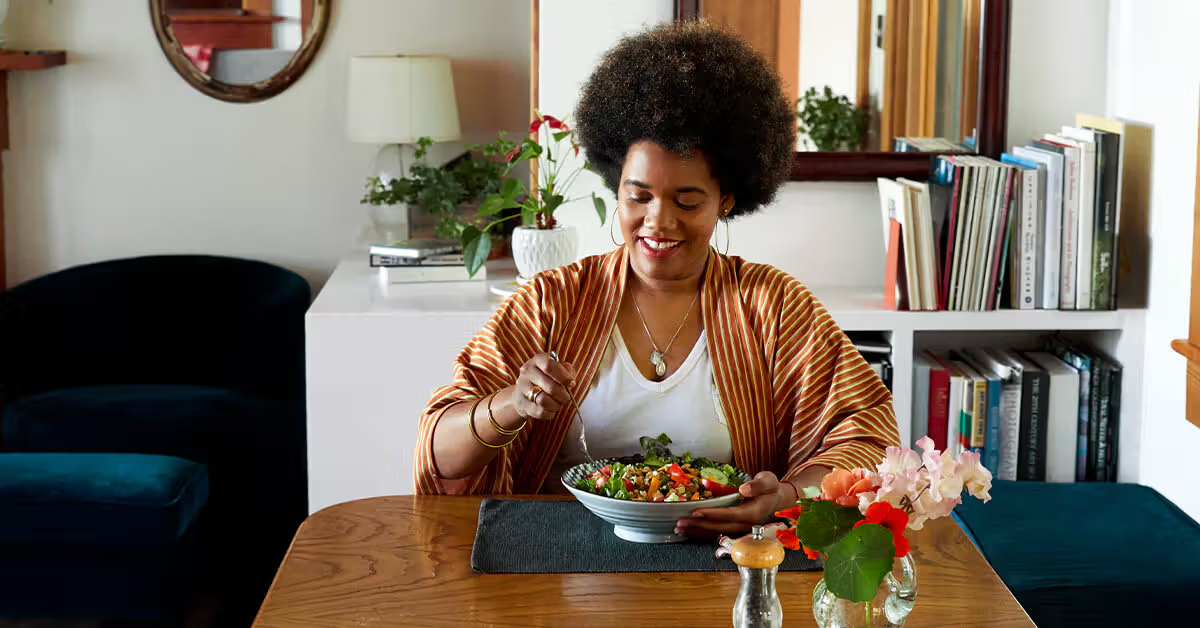
Intuitive eating is a concept that promotes a healthy and balanced approach to eating, focusing on internal cues rather than external rules or restrictions. It emphasizes listening to one's body and honoring hunger and fullness signals, as well as enjoying all types of foods without guilt. As more individuals seek to develop a healthier relationship with food and their bodies, the demand for intuitive eating has been steadily increasing.
- Shifting Attitudes towards Health and Wellness: One driving force behind the consumer demand for intuitive eating is the shifting attitudes towards health and wellness. Instead of strictly following traditional diet plans or calorie counting, consumers are seeking more sustainable and flexible approaches to nourishing their bodies. Intuitive eating aligns with these evolving attitudes by promoting self-care, body positivity, and mental well-being as integral components of a healthy lifestyle.
- Rejecting Diet Culture and Restrictive Eating: Another factor contributing to the popularity of intuitive eating is the growing rejection of diet culture and restrictive eating behaviors. Many consumers are becoming aware of the negative consequences associated with constant dieting and the negative impact on mental and physical health. Intuitive eating offers an alternative by encouraging individuals to focus on their own inner wisdom, fostering a healthier relationship with food.
Consumer Preferences for Intuitive Eating
Understanding consumer preferences is crucial for businesses seeking to cater to the rising demand for intuitive eating. By identifying and addressing these preferences, brands and food-related businesses can better position themselves in the marketplace.
- Education and Resources: Consumers who embrace intuitive eating often seek educational resources and support to learn and implement this approach successfully. They look for content in the form of books, online courses, podcasts, and social media accounts that provide guidance on the principles of intuitive eating, practical tips, and expert advice. Brands that can offer trustworthy and insightful materials on intuitive eating stand to resonate with these consumers.
- Healthy and Diverse Food Options: While intuitive eating promotes the idea of enjoying all types of foods without guilt, consumers following this approach still prioritize nutritious and diverse food options. They seek products that suit their individual dietary needs, including plant-based, gluten-free, or allergen-friendly options. Brands that offer a wider variety of healthy food choices, while respecting intuitive eating principles, are likely to appeal to these consumers.
- Authenticity and Trust: Intuitive eaters value authenticity and transparency from the brands they engage with. They tend to support businesses that prioritize ethical sourcing, sustainable practices, and honest communication. Building trust through consistent messaging and demonstrating a genuine commitment to the values of holistic well-being can strengthen the connection between intuitive eaters and brands.
As the demand for intuitive eating grows, businesses have an opportunity to adapt and cater to the needs and preferences of this consumer segment. By providing educational resources, offering diverse and healthy food options, and demonstrating authenticity, brands can effectively position themselves in the intuitive eating marketplace. Understanding and responding to consumer demand will be key in capturing the attention and loyalty of intuitive eaters.
Industry Players and Competition in the Intuitive Eating Market

Intuitive eating, a philosophy that promotes listening to one's body cues to make food choices, has gained significant popularity in recent years. As people reject traditional diet culture and embrace a more mindful approach to eating, the intuitive eating market has seen the emergence of several industry players and increased competition. Let's take a look at some of the key players and the competitive landscape in this growing market.
- Health and Wellness Experts: Many health and wellness experts have embraced intuitive eating as a means to improve overall well-being. They offer personalized guidance and support to individuals looking to develop a healthier relationship with food. These experts may operate as independent practitioners, wellness coaches, or nutritionists, providing education, workshops, and one-on-one consultations to promote intuitive eating practices.
- Online Platforms and Apps: The digital space has witnessed the rise of intuitive eating platforms and apps, providing accessible tools for individuals seeking support and guidance. These platforms often offer resources such as meal planning, recipe ideas, mindfulness exercises, and community support. Intuitive eating apps may also include features like food diaries, habit tracking, and progress monitoring to help individuals on their intuitive eating journey.
- Publishers and Authors: Intuitive eating has spawned a range of bestselling books and publications, written by industry experts and influential figures. These authors provide insights into the principles and practices of intuitive eating, making it accessible to a wider audience. Books like "Intuitive Eating" by Evelyn Tribole and Elyse Resch have become highly recommended resources for individuals looking to understand and implement intuitive eating principles.
- Dietary Supplement Companies: As intuitive eating gains popularity, certain dietary supplement companies have positioned themselves in the market to cater to individuals pursuing this lifestyle. These companies create and market products that align with the principles of intuitive eating, such as plant-based protein powders, natural health supplements, and nourishing snacks.
- Health and Fitness Industry: While some segments of the health and fitness industry have traditionally focused on restrictive diets and quick fixes, there has been a growing movement towards embracing holistic wellness practices. The industry has responded by incorporating intuitive eating into wellness programs, gym memberships, and fitness classes. Health and fitness professionals are increasingly being trained to incorporate intuitive eating principles into their coaching services.
In this competitive landscape, industry players need to differentiate themselves by offering unique value propositions. This includes providing personalized support, user-friendly digital platforms, evidence-based content, specialized products, and comprehensive programs that aid in adopting and sustaining the principles of intuitive eating. Staying up to date with research and understanding the evolving needs and preferences of consumers is crucial for industry players looking to thrive in this market.
While the intuitive eating market offers ample opportunities for growth and innovation, it is essential for industry players to maintain the integrity of the philosophy and not dilute its core principles. By doing so, they can cultivate trust, credibility, and long-term customer loyalty in the increasingly crowded market of intuitive eating.
The Role of Technological Innovation in Intuitive Eating

The concept of intuitive eating has gained significant attention in recent years as a way to promote a healthy relationship with food and a mindful approach to eating. Rooted in the belief that individuals should trust their body's internal signals to guide their eating habits, intuitive eating encourages listening to hunger and fullness cues rather than adhering to strict diets or external rules.
While intuitive eating primarily focuses on the psychological and emotional aspects of food consumption, technology has started to play a role in supporting individuals on their intuitive eating journey. Technological innovations are being leveraged to enhance awareness, provide resources, and encourage mindfulness when it comes to food choices.
Food Tracking Apps:
Mobile applications that enable food tracking can be utilized to support intuitive eating. These apps allow individuals to log their food intake, providing a visual representation of the types and quantities of foods they consume. By having a record of their eating habits, users can reflect on patterns, identify triggers for emotional eating, and make adjustments to align with intuitive eating principles. Some popular food tracking apps include MyFitnessPal, Lose It!, and Cronometer.
Mindful Eating Apps:
Mindful eating apps help individuals develop a deeper awareness of their food choices and eating behaviors. These apps often provide features such as guided meditations, eating exercises, and prompts to encourage mindful eating practices. By incorporating mindfulness into meal times, individuals can better connect with their body's signals and make informed choices based on hunger and satiety cues. Examples of mindful eating apps include Headspace, Calm, and Mindful Eating Tracker.
Wearable Devices:
Wearable devices, like fitness trackers and smartwatches, are another technological innovation that can support intuitive eating. These devices can help individuals track their physical activity levels, sleep patterns, and even stress levels. By having a comprehensive understanding of their overall well-being, individuals can better recognize how these factors may influence their eating behaviors. Wearable devices can also provide gentle reminders for individuals to be more mindful of their food choices or take breaks when they need nourishment.
Virtual Communities and Social Media:
Online platforms, virtual communities, and social media play a crucial role in the intuitive eating movement. These platforms allow individuals to connect with like-minded people, access support, and share experiences related to intuitive eating. Online communities provide a sense of belonging and accountability, fostering a supportive environment for intuitive eating practices to thrive.
Technological innovation has introduced a range of tools and resources that can support individuals on their intuitive eating journey. From food tracking apps to mindful eating apps, wearable devices, and virtual communities, technology is making it easier for individuals to connect with their body's needs and develop a healthier relationship with food. As intuitive eating continues to gain recognition, it is likely that technological advancements will continue to play a significant role in promoting mindful eating habits and empowering individuals to make informed choices about their nutrition.
Regional Trends and Cultural Influences on Intuitive Eating

Intuitive eating, as a concept and approach to food, is gaining traction worldwide as people seek a healthier and more mindful relationship with what they eat. While the principles of intuitive eating are universal, there are certain regional trends and cultural influences that shape how this practice is interpreted and adopted in different parts of the world.
North America: Embracing Body Positivity
In North America, intuitive eating is often strongly intertwined with the body positivity movement. A combination of factors, including media influence and cultural norms, has led many communities in the region to place a greater emphasis on body acceptance and self-love. Consequently, the idea of intuitive eating in North America often extends beyond nutritional choices to encompass body image and self-esteem.
Europe: A Focus on Quality and Pleasure
Europeans have a long-standing tradition of savoring food and taking pleasure in the act of eating. Intuitive eating in European cultures often emphasizes the quality and enjoyment of food. The Mediterranean diet, for example, is known for its focus on fresh, locally sourced ingredients, and the pleasure derived from shared meals and social interactions. European interpretations of intuitive eating often prioritize the mental and emotional aspects of eating alongside nutritional considerations.
Asia: Balancing Tradition and Modernization
Asia's diverse cultures and rich culinary traditions have a significant influence on how intuitive eating is approached in the region. For instance, countries like Japan and China have a strong cultural belief in eating a balanced and varied diet. Traditional approaches to intuitive eating in Asia often emphasize mindfulness and the importance of incorporating local ingredients and cooking techniques. However, globalization and urbanization have led to the adoption of more Westernized eating habits in some urban areas. This shift has prompted a blend of traditional and modern approaches to intuitive eating, where cultural values are harmonized with contemporary nutrition knowledge.
Latin America: Celebrating Food and Family
In Latin America, intuitive eating is strongly influenced by the region's vibrant culinary traditions and strong family ties. Meals are often seen as an opportunity for connection, celebration, and joy. Traditional Latin American cuisine, with its emphasis on fresh produce, whole grains, and legumes, aligns well with the principles of intuitive eating. Cultural influences such as communal eating and the availability of tropical fruits contribute to a strong sense of connection to food and a focus on nourishment and pleasure.
Africa: Embracing Traditional Diets and Sustainable Practices
Africa's diverse cultures and cuisines, shaped by both traditional practices and global influences, play a role in how intuitive eating is perceived on the continent. Many African communities have a deep-seated connection to their traditional diets, which often consist of locally available whole foods, herbs, and spices. Intuitive eating in Africa frequently involves a return to these traditional diets, which are not only nutritious but also environmentally sustainable.
It is important to note that these regional trends are generalizations, and individual experiences and practices may vary within each region. Cultural influences on intuitive eating demonstrate the profound ways in which food choices and eating habits are shaped by historical, social, and cultural contexts worldwide.
By understanding and appreciating these regional trends and cultural influences, individuals and communities can further enrich their own intuitive eating journeys by incorporating elements that resonate with their unique traditions and values.
The Rise of Intuitive Eating: How Social Media Influencers are Shaping the Movement

In recent years, there has been a significant shift in the way we approach our relationship with food and our bodies. One of the emerging trends in this movement is intuitive eating, a philosophy that encourages listening to internal cues to guide food choices rather than strict diets or rules. As with many social and cultural shifts, social media has played a pivotal role in popularizing and shaping the intuitive eating movement. In this article, we will explore how social media influencers have contributed to the rise of intuitive eating and its impact on society.
Introducing Intuitive Eating on Social Media:
Social media platforms such as Instagram, YouTube, and TikTok have become spaces for influencers to share their personal experiences and knowledge about intuitive eating. These influencers often have a significant following and a powerful platform to promote the principles and benefits of intuitive eating.
Promoting Body Positivity and Acceptance:
One of the key aspects of intuitive eating is embracing and accepting our bodies as they are. Social media influencers in the body positivity movement have used platforms such as Instagram to show diverse bodies and share their personal journeys towards self-acceptance. By promoting body positivity, these influencers have helped to break down societal beauty standards and create a more inclusive environment for everyone.
Sharing Personal Experiences and Success Stories:
Social media influencers who have embraced intuitive eating often share their personal experiences and success stories with their followers. They discuss how they have adopted intuitive eating practices to improve their relationship with food, overcome disordered eating patterns, and achieve better mental and physical health. These personal narratives resonate with many individuals who are tired of traditional restrictive diets.
Educating and Informing:
In addition to personal experiences, influencers often provide educational content on intuitive eating. They may share tips, resources, and tools that can help their followers better understand and implement intuitive eating principles in their own lives. This educational content helps to debunk myths around dieting, challenge harmful diet culture, and empower individuals to listen to their bodies.
Building a Community and Support Network:
Social media has the power to create a sense of community and connect people who share common interests. Intuitive eating influencers have used this platform to build supportive communities where individuals can seek guidance, share their struggles, and find encouragement. This sense of community helps individuals feel less alone in their journey towards intuitive eating and provides a space for ongoing support.
Social media influencers have played a crucial role in popularizing and shaping the intuitive eating movement. By sharing personal experiences, promoting body positivity, educating their followers, and creating supportive communities, these influencers have empowered individuals to break free from restrictive diets and embrace a healthier relationship with food. As intuitive eating continues to gain traction, it is important to recognize the positive impact that social media influencers have had on raising awareness and driving this movement forward.
The Future Outlook for Intuitive Eating: Embracing a Nourishing Relationship with Food

Intuitive eating is a philosophy that encourages individuals to listen to their bodies and trust their internal cues when it comes to eating. Rather than relying on strict diets or external rules, intuitive eating focuses on cultivating a healthy and balanced relationship with food. As this trend continues to gain traction, it is essential to explore the future outlook and forecast for intuitive eating.
The Growing Demand for a Holistic Approach to Health
With a greater emphasis on holistic well-being, intuitive eating aligns perfectly with the evolving needs and desires of consumers today. People are increasingly seeking alternatives to traditional weight-loss programs and strict dieting regimens, as they recognize the potential harm that can arise from these approaches. Intuitive eating offers a refreshing perspective that prioritizes mental and emotional health alongside physical well-being. This demand for a more balanced and sustainable approach to health will only continue to grow in the future.
A Shift in Dietary Culture
Intuitive eating challenges the prevailing diet culture that emphasizes external rules and restrictions. Instead, it promotes a mindful and flexible approach to eating, which includes enjoying a wide variety of foods without guilt or judgment. As more individuals adopt this approach and experience its benefits, we can expect to see a shift in the larger dietary culture. This shift may involve a decrease in the popularity of fad diets and a greater emphasis on tuning into one's body and its unique needs.
Increased Awareness and Accessibility
As intuitive eating gains momentum, there is a growing awareness of its principles and benefits. Professionals in the fields of nutrition, psychology, and wellness are recognizing the value of incorporating intuitive eating principles into their practice. This has led to an increase in resources, workshops, and educational materials focused on helping individuals discover and embrace intuitive eating. With greater accessibility to information and support, more people will be able to embark on their intuitive eating journey.
Potential Challenges
While the future looks promising for intuitive eating, there may be a few challenges along the way. One of the primary hurdles is dismantling deeply ingrained diet culture and societal norms around food, weight, and appearance. This process requires ongoing education and advocacy to counteract the pervasive influence of marketing messages that promote unrealistic body ideals and quick-fix diets. Additionally, there may be skepticism and resistance from those who still view intuitive eating as a "free pass" to eat whatever one wants without considering nutritional balance.
The future outlook for intuitive eating is bright, as more individuals seek a sustainable and healthy relationship with food. With a shift in dietary culture, increased accessibility to resources, and a growing emphasis on holistic well-being, intuitive eating is poised to become a mainstream approach to eating. While challenges remain, the benefits of intuitive eating are becoming more widely recognized and supported. By promoting a nourishing relationship with food, intuitive eating embraces the individuality of each person's nutritional needs and fosters a positive and empowering approach to health and well-being.
Key Findings and Insights: The Rise of Intuitive Eating

Intuitive eating, a concept that promotes a mindful and instinctive approach to food and eating, has gained substantial traction in recent years. With a growing emphasis on holistic well-being and body positivity, many individuals are seeking alternative approaches to traditional dieting and restrictive eating patterns. Here are the key findings and insights on the trend of intuitive eating:
- Rejecting the Diet Culture Paradigm: Intuitive eating is fundamentally rooted in the notion of rejecting diet culture and moving away from restrictive eating patterns. Instead of adhering to rigid meal plans or counting calories, intuitive eating focuses on nurturing a healthy relationship with food by listening to one's own body cues.
- Listening to Hunger and Fullness: A core principle of intuitive eating is the recognition and response to internal cues of hunger and fullness. By relearning to trust their bodies, individuals embrace the idea of eating when they are hungry and stopping when they are satisfied.
- Embracing All Foods: Intuitive eating encourages the practice of unconditional permission to eat all types of food without labeling them as "good" or "bad." Instead of feeling guilty about indulging in certain foods, individuals recognize that no food should be off-limits, leading to a more positive and balanced relationship with food.
- Mindful Eating Practices: Mindfulness plays a significant role in intuitive eating. By focusing on the present moment and experiencing each bite with full awareness, individuals can better detect their body's responses to different foods and make conscious eating choices.
- Enhanced Body Positivity and Self-Acceptance: Intuitive eating advocates for body positivity and self-acceptance, challenging societal standards of beauty and weight. It emphasizes that true well-being is not solely determined by body size or weight, and encourages individuals to place their focus on self-care and self-love.
- Improvements in Mental and Emotional Well-being: Intuitive eating has shown promise in promoting improvements in mental and emotional well-being. By reducing feelings of guilt and shame associated with food, individuals can develop a healthier relationship with their bodies and improve their overall mental health.
- Stepping Away from External Influences: Intuitive eating encourages individuals to distance themselves from external influences such as diet trends, societal pressures, and media messages that perpetuate unrealistic body ideals. Instead, they are urged to trust their own internal wisdom and instincts to guide their eating patterns.