

Accelerating Shift: Unveiling the Surging Demand for Luxury Electric SUVs in 2022

In recent years, the world has witnessed a rapid increase in the popularity of electric vehicles (EVs). An electric vehicle is any vehicle that is partially or fully powered by electricity and has an electric motor rather than an internal combustion engine. Unlike traditional vehicles that rely on fossil fuels, EVs draw energy from rechargeable lithium-ion batteries or other energy storage systems. The origins of electric vehicles can be traced back to the mid-19th century when inventors like Thomas Davenport and Robert Anderson pioneered the development of electric-powered transportation. However, it wasn't until the 21st century, with advancements in battery technology and environmental concerns, that electric vehicles gained significant traction.

Why are electric vehicles becoming increasingly popular?
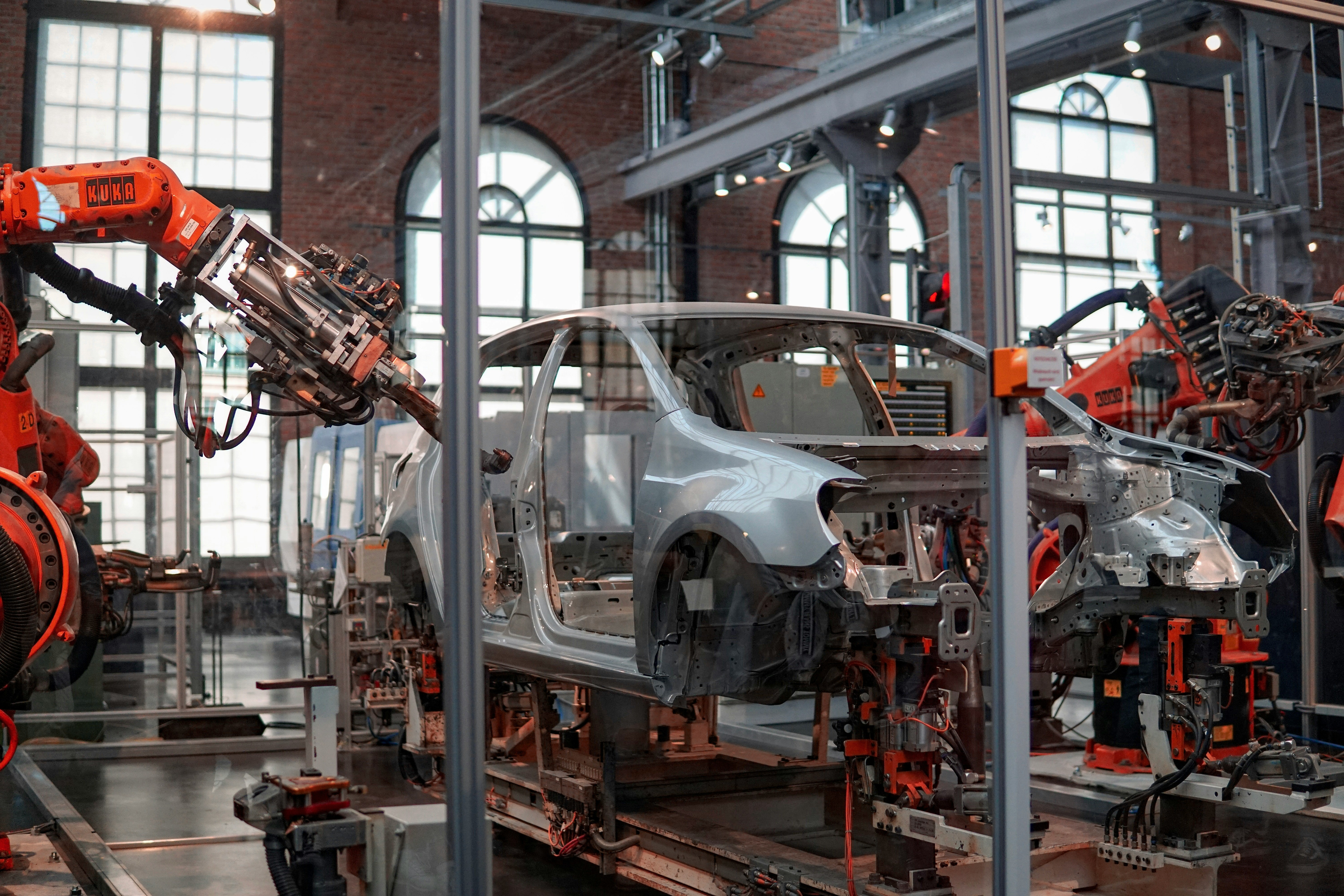
There are several factors driving their rise. 1. Environmental Benefits: Electric vehicles produce zero tailpipe emissions, significantly reducing greenhouse gas emissions and air pollution. With growing concerns about climate change and the need to transition to sustainable transportation, electric vehicles present an attractive solution. 2. Favorable Government Policies: Governments around the world are actively encouraging the adoption of electric vehicles through various incentives. These include tax credits, subsidies, and grants that make EVs more affordable for consumers. Additionally, some cities are implementing measures such as preferential parking and access to restricted areas, further promoting the adoption of EVs. 3. Technological Advancements: With advancements in battery technology, electric vehicles now have longer ranges and can be recharged more quickly than ever before. Improvements in infrastructure, such as the expansion of charging stations, have also contributed to the increased appeal of EVs. 4. Lower Operating Costs: Electric vehicles have lower operating costs compared to gasoline-powered vehicles. The cost of electricity for charging an EV is generally cheaper than gasoline, and they require less maintenance due to fewer moving parts. The popularity of electric vehicles extends across various demographics. Initially, early adopters tended to be environmentally conscious individuals and tech enthusiasts. However, as electric vehicles become more mainstream and affordable, they are appealing to a wider audience. Today, EVs are favored by individuals seeking a greener alternative, those looking to save money in the long run, and even fleet operators aiming to reduce their carbon footprint. With the ever-growing charging infrastructure and expanded model offerings from automakers, electric vehicles are poised to become a common sight on roads worldwide. As the world gravitates towards a more sustainable future, the rise of electric vehicles presents an exciting opportunity to revolutionize the transportation industry. With their growing popularity driven by environmental awareness, favorable policies, technological advancements, and cost savings, electric vehicles are poised to shape the way we travel for years to come.
The Rising Tide of Electric Vehicles: Exploring Market Size and Growth

The electric vehicle (EV) market has been experiencing remarkable growth in recent years, driven by a combination of factors such as technological advancements, governmental incentives, and increasing environmental awareness. As a result, the market size for electric vehicles has been expanding rapidly, with projections indicating continued growth in the coming years.
Current Market Size
The global market for electric vehicles has witnessed a significant surge in recent times. According to a report by Allied Market Research, the global electric vehicle market was valued at $162.34 billion in 2019, and it is expected to reach a staggering $802.81 billion by 2027, growing at a compound annual growth rate (CAGR) of 22.6% during the forecast period. These figures clearly demonstrate the substantial market size that electric vehicles have already reached and the immense potential for further growth.
Factors Driving Market Growth
1. Governmental Support and Regulations: Governments around the world are increasingly recognizing the environmental benefits of electric vehicles. As a result, they are implementing various measures to boost the adoption of EVs, such as providing subsidies, tax incentives, and favorable regulations. These policies have a direct impact on driving market growth by creating a more favorable environment for consumers to switch to electric vehicles. 2. Technological Advancements: Continuous advancements in battery technology and improvements in charging infrastructure have been pivotal in boosting the market for electric vehicles. Lithium-ion batteries, which power most electric vehicles, have become more efficient and cost-effective over the years. Moreover, the development of fast-charging networks has also addressed one of the major concerns of electric vehicle adoption - range anxiety. 3. Growing Environmental Awareness: With increasing concerns about climate change and air pollution, consumers are becoming more environmentally conscious. Electric vehicles offer a cleaner and greener alternative to traditional internal combustion engine vehicles, making them an attractive choice for those looking to reduce their carbon footprint. 4. Lower Operating Costs: Electric vehicles offer significant cost savings in terms of fuel and maintenance. Compared to gasoline or diesel vehicles, EVs have lower fuel costs due to the lower price of electricity. Additionally, electric vehicles have fewer moving parts, resulting in reduced maintenance and repair expenses over the vehicle's lifespan.
Future Growth Prospects
The future prospects for electric vehicles appear highly promising. As governments worldwide tighten regulations on vehicle emissions and strive to meet climate change targets, the demand for electric vehicles is anticipated to soar. Furthermore, major automobile manufacturers are making substantial investments in electric vehicle research and development, signaling their commitment to transitioning from traditional internal combustion engine vehicles to electric vehicles. This investment will likely lead to further technological advancements, improved infrastructure, and increased consumer awareness, all of which will contribute to the continued growth of the electric vehicle market. In conclusion, the electric vehicle market has witnessed impressive growth and holds significant potential for the future. As consumers increasingly seek sustainable and cost-effective transportation options, electric vehicles are well-positioned to become the preferred choice in the coming years.
Unveiling the Consumer Demand and Shifting Preferences in the Electric Vehicle Market

The global electric vehicle (EV) market has witnessed significant growth over the past decade as consumers increasingly prioritize sustainable transportation options. As concerns about climate change and environmental impact continue to rise, consumers are actively seeking out alternatives to traditional gasoline-powered vehicles. Advancements in technology, government incentives, and a growing awareness of the benefits of EVs have fueled the shift toward electric vehicles.
Consumer Demand for Electric Vehicles
Consumer demand for electric vehicles has been on the rise, with a growing number of individuals expressing interest in switching to electric-powered transportation. This surge in demand can be attributed to several factors: 1. Environmental Consciousness: As climate change becomes a pressing concern, consumers are looking for ways to reduce their carbon footprint. Electric vehicles produce zero tailpipe emissions, making them a greener alternative to conventional gasoline-powered cars. 2. Advancements in EV Technology: Electric vehicles are now more reliable, efficient, and affordable than ever before. With improved battery technology, longer driving ranges, and more charging options, concerns regarding EV performance and range anxiety have significantly diminished. 3. Government Incentives: Governments worldwide have been implementing various policies and
subsidies to promote the adoption of electric vehicles. These incentives range from tax credits and rebates to exemptions from congestion charges and lower registration fees. Such favorable regulatory measures have played a critical role in boosting consumer demand for EVs.
Preferences in the Electric Vehicle Market

Alongside the increasing demand for electric vehicles, consumer preferences within the EV market have also evolved. Understanding these preferences is crucial for automakers and industry stakeholders to develop targeted strategies. Here are some key factors influencing consumer preferences in the electric vehicle market: 1. Price and Affordability: Price remains a significant barrier to widespread EV adoption. While the cost of electric vehicles has been declining, it remains higher than that of traditional combustion engine vehicles. Consumers are keenly interested in affordable electric models with competitive pricing and long-term cost savings, including lower maintenance and fuel costs. 2. Driving Range and Charging Infrastructure: Range anxiety, the fear of running out of electric charge before reaching a charging point, remains a concern for potential EV buyers. Consumers look for electric vehicles with longer driving ranges to alleviate this worry. Additionally, the availability and accessibility of charging infrastructure play a crucial role in their preference for EVs. 3. Vehicle Performance: Consumers expect electric vehicles to match or exceed
the performance capabilities of their gasoline counterparts. Factors such as acceleration, speed, and handling impact consumer choices. The push for performance-oriented EVs has also contributed to the emergence of luxury electric vehicles. 4. Aesthetics and Design: Electric vehicles are no longer seen solely as eco-friendly options; they are becoming status symbols. Aesthetics and design play a crucial role in consumer decisions. Automakers are incorporating sleek and futuristic designs into their EV models to attract buyers. 5. Brand Reputation and Trust: The reputation of automakers in terms of quality, reliability, and commitment to electric vehicles significantly influences consumer choices. Established automakers with a strong track record in EV technology and infrastructure development tend to gain consumer trust more easily.
Industry Players and Competition in the Electric Vehicle Market
The electric vehicle (EV) market has been experiencing significant growth in recent years. As governments and consumers prioritize sustainability and reducing carbon emissions, the demand for EVs has surged. This has led to the emergence of several key industry players and intense competition within the market. Tesla Inc.: As a pioneer in the EV industry, Tesla Inc. stands out as a dominant player. With its innovative approaches and cutting-edge technology, Tesla has propelled EVs into the mainstream. The company's flagship models such as the Model S, Model 3, and Model X have gained popularity globally. Tesla's Supercharger network has also positioned the company as a leader in charging infrastructure. Additionally, the recent introduction of its Cybertruck and the widely anticipated Model Y has further solidified Tesla's position in the market. General Motors Company: General Motors (GM) is another significant player in the EV market, aiming to be a leader in the transition to electric mobility. The company's iconic Chevrolet Bolt EV has gained recognition for its affordability and impressive range, making it a direct competitor to Tesla's Model 3. GM has announced ambitious plans to invest $27 billion in electric and autonomous vehicle development through 2025, including the launch of 30 new EV models globally. Volkswagen Group: Volkswagen Group has made notable strides in the EV market, driven by its commitment to electric mobility following the "Dieselgate" scandal. The company has launched its Volkswagen ID.3 and ID.4 models, positioning them as accessible and highly competitive options. Furthermore, Volkswagen has heavily invested in infrastructure, aiming to establish an extensive charging network in Europe. The company has set a target of selling 1.5 million electric vehicles globally by 2025. Toyota Motor Corporation: Toyota, known for hybrid vehicle technology, has also joined the EV race. The company has introduced the Toyota Prius Prime, an electric hybrid, and plans to develop solid-state batteries for its future EVs. Toyota has emphasized its focus on improving battery technology to enhance performance, range, and charging time. The company aims to launch 15 new battery-electric models globally by 2025. In addition to these major players, other automakers such as Nissan, Ford, BMW, and Mercedes-Benz have also made substantial investments in the EV market, expanding their product portfolios and infrastructure initiatives. The competition in the EV market extends beyond traditional automakers. Tech giants like Apple and Google have shown interest in EV technology, with Apple rumored to be developing an electric vehicle of its own. Established automakers need to be mindful of potential entrants from the tech industry, as they bring their expertise in software, connectivity, and autonomous technology. Furthermore, the Chinese market plays a crucial role in EV adoption, with several domestic manufacturers like NIO, BYD, and Xpeng Motors enjoying significant market share, especially within the Chinese market. These companies benefit from government support and incentives, enabling them to rapidly expand their EV portfolios. With increasing consumer demand, incentives, and stricter regulations, the competitive landscape in the EV market is bound to become more intense. As technology advances and costs decrease, it is anticipated that new players will enter the market, intensifying competition and spurring further innovation in the electric vehicle industry.
The Future of Electric Vehicles: Innovations Driving the Green Revolution

The world is at a critical juncture in combating climate change, and the transportation sector is a major contributor to greenhouse gas emissions. Electric vehicles (EVs) present a sustainable alternative to traditional internal combustion engine (ICE) vehicles, and the ongoing technological innovations in this space are transforming the automotive industry. In this section, we will explore some of the key innovations driving the electric vehicle revolution. 1. Advancements in Battery Technology: One of the most critical aspects of electric vehicle development is the continuous improvement in battery technology. Automakers and battery manufacturers are investing heavily in research and development to enhance the energy density, charging speed, and overall performance of EV batteries. From lithium-ion to solid-state batteries, breakthroughs in chemistry and materials are set to revolutionize the range and longevity of electric vehicles, addressing one of the key barriers to their wider adoption. 2. Wireless Charging Systems: One of the challenges of electric vehicle ownership is the need for charging infrastructure. To overcome this, companies are working on wireless charging systems that can seamlessly charge EVs while parked or even on the move. This technology relies on electromagnetic induction or energy transfer through a resonant inductive coupling to transmit power from charging pads on the ground to receivers on the vehicle. By simplifying the charging process, wireless charging systems have the potential to make owning an electric vehicle even more convenient. 3. Vehicle-to-Grid (V2G) Integration: Electric vehicles have the potential to do more than just transport people from one place to another. V2G integration allows electric vehicles to serve as energy storage devices and contribute back to the grid when not in use. Through bidirectional charging, EV owners can sell excess energy stored in their vehicle batteries back to the grid during peak demand or when renewable energy sources are not generating enough power. This technology not only improves grid stability but also creates economic incentives for EV owners. 4. Autonomous Driving and Connected Features: The convergence of electric vehicles with autonomous driving technologies is set to redefine mobility in the future. As autonomous driving becomes more mainstream, electric vehicles will benefit from increased energy efficiency and optimized driving patterns. Additionally, connectivity features such as over-the-air software updates, vehicle-to-vehicle communication, and smart charging algorithms will further enhance the performance and overall experience of electric vehicles. 5. Recyclability and Sustainability: As the popularity of electric vehicles increases, ensuring their end-of-life sustainability becomes crucial. Innovations in recycling technologies are being developed to efficiently recover valuable materials from spent EV batteries. By responsibly managing the recycling process and adopting circular economy principles, the environmental footprint of electric vehicles can be significantly reduced. With these technological innovations, electric vehicles are rapidly evolving, driving the green revolution forward. As governments, automakers, and consumers embrace sustainable transportation alternatives, the future of electric vehicles appears promising. By addressing range anxiety, improving charging infrastructure, and optimizing vehicle performance, these innovations are paving the way toward a cleaner and more sustainable future.
Regional Trends and Cultural Influences Shaping the Electric Vehicle Market

The global electric vehicle (EV) market is experiencing exponential growth, with technological advancements and environmental concerns driving widespread adoption of electric cars. However, regional trends and cultural influences play a significant role in shaping the EV industry, leading to variations in market dynamics, consumer preferences, and government policies across different parts of the world. Let's explore some key regional trends and cultural influences that impact the electric vehicle market. 1. North America: Technological Innovation and Environmental Consciousness North America, particularly the United States and Canada, is one of the major markets for electric vehicles. Technological innovation and environmental consciousness are major driving forces in this region. Consumers in North America are early adopters of EVs, influenced by the region's commitment to reducing greenhouse gas emissions and dependence on fossil fuels. The presence of leading electric vehicle manufacturers, such as Tesla, has also played a crucial role in shaping the market. In addition, government initiatives, such as tax incentives and investment in charging infrastructure, have further contributed to the growth of the EV market in North America. 2. Europe: Regulatory Support and Urbanization Europe has emerged as a global leader in the electric vehicle industry, driven by supportive government regulations, stringent emission standards, and a robust infrastructure for charging stations. The European Union has set ambitious targets to reduce carbon emissions, with many countries implementing bans on internal combustion engine (ICE) vehicles in the near future. Cultural factors, such as high levels of environmental awareness, sustainable lifestyles, and a preference for urban living, have also fuelled the demand for electric vehicles in Europe. Moreover, European automakers have been proactive in developing EV models to cater to the growing consumer interest. 3. Asia-Pacific: Economic Growth and Government Incentives The Asia-Pacific region, including China, Japan, and South Korea, presents a unique landscape for electric vehicles. Rapid economic growth, coupled with concerns over air pollution, has led to increased government support and incentives for electric vehicles. China is the world's largest electric vehicle market, driven by factors such as rising middle-class income, favorable government policies, and investments in charging infrastructure. Japan and South Korea, known for their technological prowess, have also made significant progress in the EV market, with leading automakers like Nissan and Hyundai making substantial contributions. 4. Emerging Markets: Infrastructural Challenges and Affordability In emerging markets such as India, Brazil, and certain African countries, electric vehicle adoption faces several challenges. Limited charging infrastructure, affordability issues, and concerns over battery range and durability are some of the key obstacles hindering widespread acceptance. However, several governments are actively promoting electric vehicles through incentives, tax benefits, and investments in charging infrastructure. These efforts, combined with increasing environmental awareness and the potential for reducing dependence on imported fuel, are expected to drive the growth of electric vehicles in these regions. In conclusion, the electric vehicle market is influenced by a variety of regional trends and cultural factors. While technological innovation, governmental support, and environmental concerns are common drivers across regions, their relative importance varies. Understanding these influences is crucial for businesses and policymakers to effectively navigate and capitalize on the opportunities presented by the global electric vehicle market.
Driving the Buzz: How Social Media Influencers are Revolutionizing the Electric Vehicle Market

In recent years, social media has become an influential platform for brands to promote their products and engage with consumers. One market that has seen a significant impact from social media is the electric vehicle (EV) industry. As the push for sustainable transportation grows stronger, EVs have emerged as a popular choice among environmentally conscious consumers. And thanks to the power of social media influencers, the adoption of electric vehicles has gained even more momentum.
The Rise of Social Media Influencers in the Electric Vehicle Market
Social media influencers are individuals who have built a substantial online following and have the ability to sway the opinions, behaviors, and purchase decisions of their audience. These influencers leverage their online platforms, such as YouTube, Instagram, and Twitter, to create content surrounding various topics, including electric vehicles. With their ability to captivate and engage their followers, influencers have become a driving force in shaping consumer perceptions of electric vehicles. By sharing their personal experiences, providing honest reviews, and offering valuable insights into EV ownership, influencers have managed to bridge the gap between potential buyers and the often unfamiliar world of electric vehicles.
The Benefits of Influencer Marketing for Electric Vehicle Brands
Partnering with social media influencers has proven to be a successful marketing strategy for electric vehicle brands. Here are a few benefits that this collaboration brings: 1. Increased Awareness: Influencers have the power to reach a broad and diverse audience, many of whom may not have considered electric vehicles before. Their engaging content educates and familiarizes viewers with the benefits and features of EVs, ultimately increasing the overall awareness of the market. 2. Authenticity and Trust: One of the key strengths of influencers is their ability to build trust and authenticity with their followers. As they often share personal experiences, opinions, and recommendations, consumers feel a stronger connection to the influencer's perspective, which can influence their purchasing decisions. 3. Engagement and Interaction: Social media has fostered a culture of engagement, allowing consumers to interact directly with both influencers and brands. This direct communication creates an opportunity for EV brands to address potential concerns, answer questions, and showcase the unique aspects of their vehicles. 4. Positive Association: When social media influencers align themselves with electric vehicle brands, they create a positive association between their own personal brand and the sustainability and innovation that EVs represent. This association can help to improve the public perception of electric vehicles and encourage more people to consider making the switch.
Harnessing the Power of Influencers to Drive EV Adoption
To effectively leverage social media influencers in the electric vehicle market, brands should
consider the following strategies: 1. Identify Relevant Influencers: Look for influencers who have a genuine interest in electric vehicles and align with the brand's values. Authenticity is crucial, so partnering with influencers who are passionate about sustainability and green living can result in more impactful content. 2. Engage in Long-term Partnerships: Rather than one-off collaborations, brands and influencers should explore long-term partnerships for a continuous presence in the influencer's content. This allows for a deeper connection to be established and further supports brand loyalty and consumer trust. 3. Encourage User-generated Content: Brands can encourage their customers and fans to create and share their own content about their experiences with EVs. This user-generated content can be a valuable asset in spreading awareness and credibility through social media platforms. 4. Monitor and Measure Impact: Tracking the success and impact of influencer campaigns is crucial. Brands should monitor engagement metrics, website traffic, and overall sentiment to understand the effectiveness of their influencer partnerships and identify areas for improvement.
The Future Outlook and Forecast for Electric Vehicles:

The electric vehicle (EV) industry has been gaining significant momentum over the past decade as concerns about climate change and sustainable transportation options continue to rise. As technology advances and the demand for cleaner mobility options increases, the future outlook for electric vehicles appears highly promising.
Market Forecast:
According to a report by BloombergNEF, sales of electric vehicles are projected to reach 10 million units per year by 2025, and by 2040, it is estimated that EVs will account for a staggering 57% of all new passenger car sales worldwide. This forecast suggests that EVs have the potential to revolutionize the automotive industry in the coming years.
Government Support and Policies:
Governments worldwide are introducing various incentives and policies to encourage the adoption of electric vehicles. Some countries have set ambitious targets for phasing out internal combustion engine vehicles entirely, while others offer tax incentives, rebates, and subsidies for purchasing an EV. For example, Norway has set a goal to ban the sale of new gasoline and diesel-powered cars by 2025.
Technological Advancements:
Technological advancements in battery technology and charging infrastructure are major contributors to the growth of the EV industry. The continuous development of high-energy density batteries is extending the range of electric vehicles, reducing charging times, and increasing overall efficiency. Additionally, the expansion of charging networks, including fast-charging stations, is alleviating concerns related to range anxiety and making EV ownership more convenient.
Cost Reduction:
As the production of EVs increases and economies of scale are realized, the price of electric vehicles is expected to decrease. The falling costs of battery production and advancements in manufacturing processes are driving prices down and making electric vehicles more accessible to a broader range of consumers. In fact, BloombergNEF predicts that electric vehicles will become cost-competitive with traditional internal combustion engine vehicles as early as 2024.
Consumer Demand:
Consumer attitudes towards electric vehicles have been evolving positively. Growing environmental consciousness, coupled with the desire for technology-driven vehicles that offer a seamless driving experience, is driving the demand for EVs. Increasing awareness about the environmental benefits, lower total ownership costs, and improved charging infrastructure are influencing consumers to consider electric vehicles as a viable alternative to traditional cars.
Challenges and Opportunities:
Despite the optimistic outlook, the electric vehicle industry still faces a few challenges. The limited availability of charging infrastructure and range anxiety concerns are perceived barriers to adoption. However, these challenges also present significant opportunities for businesses and entrepreneurs to invest in expanding the charging network and developing innovative solutions to address consumer concerns.
Key Findings and Insights of the Electric Vehicle Trend

As the world moves towards a more sustainable and eco-friendly future, the electric vehicle (EV) trend has emerged as a major disruptor in the automotive industry. Here are the key findings and insights regarding this fast-growing trend: 1. Rapid Growth: Electric vehicles have gained significant momentum in recent years, with global EV sales growing at an impressive rate. According to the International Energy Agency (IEA), sales of electric cars increased by 43% in 2020, despite the challenges posed by the COVID-19 pandemic. This growth is projected to continue, driven by factors such as government subsidies, technological advancements, and increased environmental awareness. 2. Environmental Benefits: The shift towards electric vehicles is largely fueled by the desire to reduce carbon emissions and combat climate change. EVs produce zero direct emissions, unlike conventional gasoline-powered vehicles that contribute to air pollution and greenhouse gas emissions. As countries strive to meet their climate targets and reduce their reliance on fossil fuels, governments are incentivizing the adoption of electric vehicles through policies like tax credits, grants, and the development of charging infrastructure. 3. Lower Operating Costs: Electric vehicles offer lower operating costs compared to gasoline-powered cars. EVs have fewer moving parts and require less maintenance, resulting in reduced long-term expenses. Additionally, the cost of charging an electric vehicle is significantly lower than refueling a gasoline vehicle. The price of electricity remains more stable than gasoline prices, providing EV owners with a certain level of financial predictability. 4. Technological Advancements: The advent of electric vehicles has spurred technological advancements in areas such as battery technology, charging infrastructure, and autonomous driving. The development of more efficient batteries with longer ranges has alleviated range anxiety concerns among potential EV buyers. Moreover, the expansion of charging networks, including fast-charging stations, has addressed the issue of limited infrastructure and improved convenience for EV owners. With advancements in autonomous driving, electric vehicles are set to provide safer and more efficient transportation in the coming years. 5. Impact on Related Industries: The rise of electric vehicles has far-reaching implications for industries beyond automotive. The demand for lithium-ion batteries, which power EVs, has skyrocketed, driving growth in the battery manufacturing industry. Additionally, the electric vehicle charging infrastructure market is experiencing significant expansion, as companies invest in building charging stations to cater to the growing EV population. The rise of electric vehicles also presents opportunities for renewable energy integration, as EV charging can be powered by clean sources such as solar or wind farms. In summary, the electric vehicle trend is witnessing rapid growth driven by environmental concerns, lower operating costs, and technological advancements. As the world transitions to a more sustainable future, electric vehicles are poised to play a pivotal role in reshaping the automotive industry, while also influencing other sectors through technological innovation and increased demand for supporting infrastructure.