
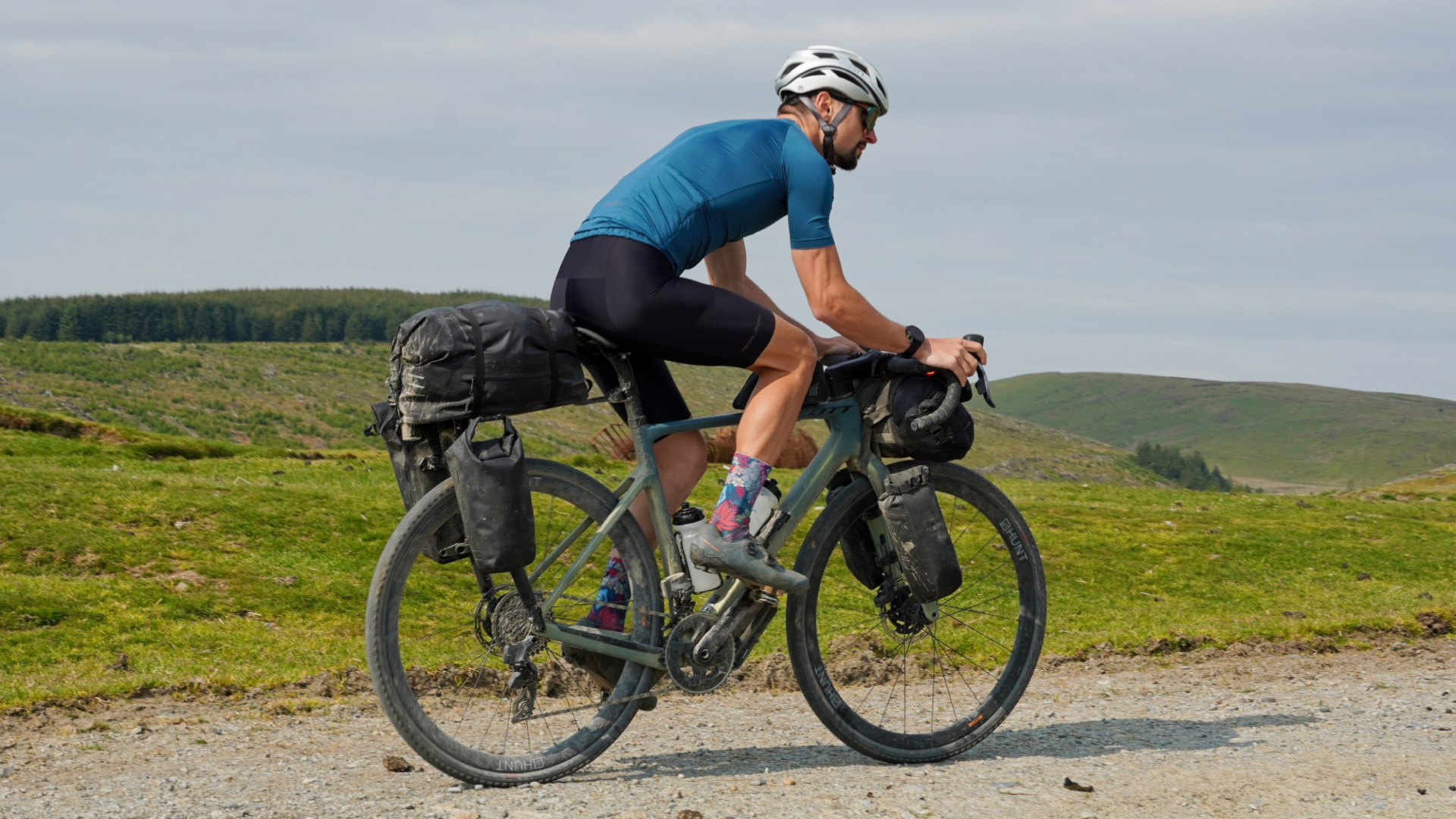
Bikepacking: The Fast-Growing Outdoor Adventure Trend Taking the Travel World by Storm

Exploring the Adventurous Trend of Bikepacking: A Growing Passion for Cycling and Exploration
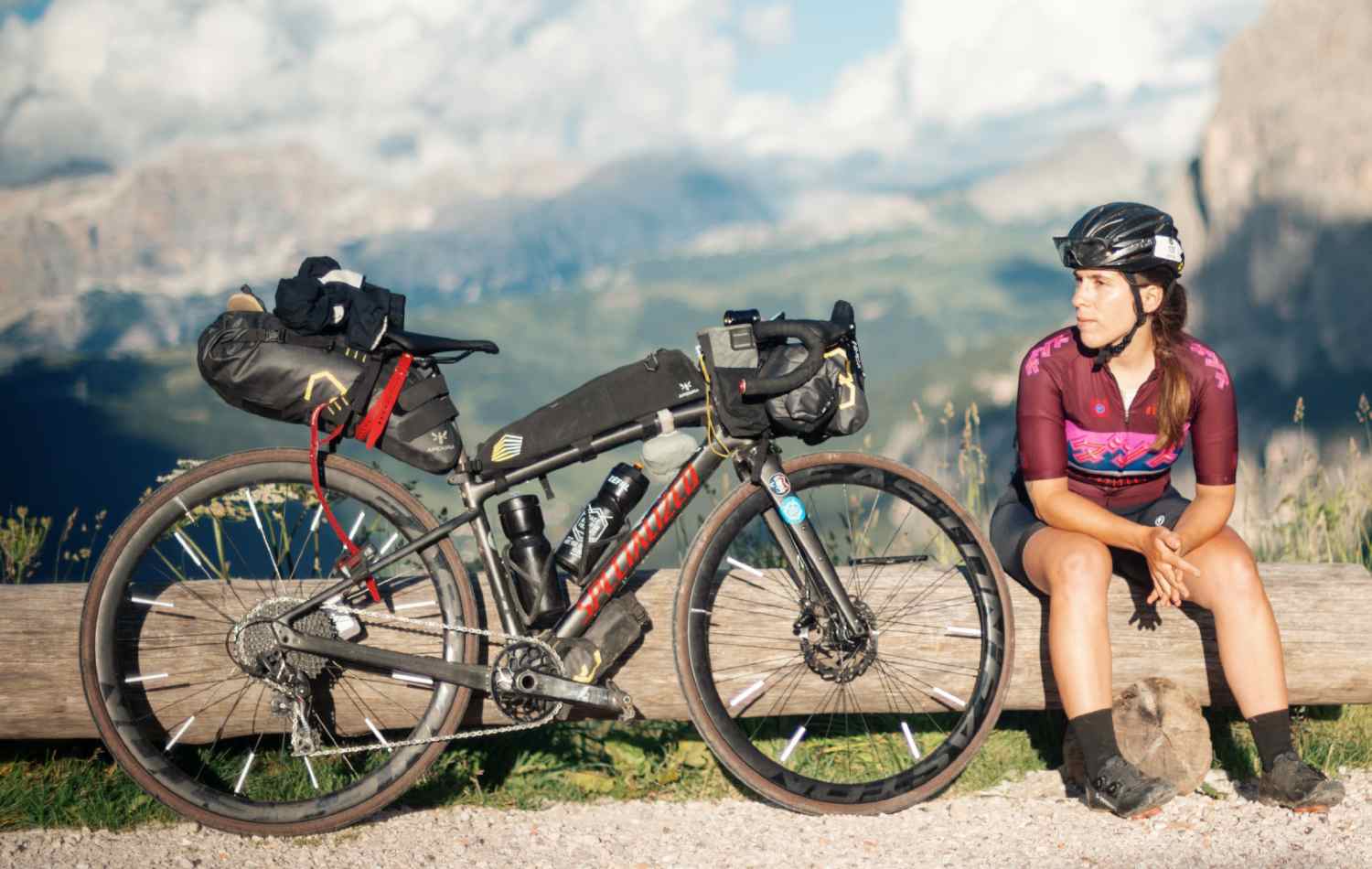
In recent years, a new trend has been rapidly gaining traction among outdoor adventurers and cycling enthusiasts – bikepacking. Combining the thrills of biking and the freedom of backpacking, bikepacking is an increasingly popular activity that allows individuals to explore the great outdoors, carrying their gear on their bikes for multi-day or even multi-week adventures. As more people seek unique ways to connect with nature and push their boundaries, bikepacking has emerged as a favored choice for those looking to embark on memorable journeys. In this article, we will provide a brief explanation of what bikepacking is, touch upon its origins, discuss its growing popularity across various demographics, and explore the factors that contribute to its appeal.
Explanation of Bikepacking:
Bikepacking, as the name suggests, is a blend of biking and backpacking. It involves traveling long distances on a bicycle while carrying all essential equipment and supplies needed for overnight stays in remote locations. Unlike traditional cycling where riders typically stick to roads or designated trails, bikepacking allows individuals to venture off-road, exploring rough terrains, gravel roads, single tracks, and even backcountry trails.
Origin and Evolution of Bikepacking:
While the exact origins of bikepacking are difficult to pinpoint, it can be traced back to the early days of touring cyclists seeking greater exploration and self-sufficiency. Over time, advancements in lightweight gear, bike components, and a shift towards minimalist travel inspired the development of modern bikepacking. Bikepacking embraces the principles of minimalism, focusing on carrying only essential belongings and prioritizing efficiency and endurance.
Popularity Across Demographics:
Bikepacking appeals to a diverse range of individuals, making it a trend that is not limited to a particular age group or demographic. Adventure-seekers, outdoor enthusiasts, cyclists, and backpackers alike are drawn to the unique experience that bikepacking offers. Younger generations, such as millennials and Gen Z, have embraced bikepacking as a way to unplug from digital distractions, connect with nature, and satisfy their thirst for adventure. Families have also started to discover the joys of bikepacking, as it provides an opportunity for memorable shared experiences and quality time spent in the outdoors.
Factors Driving the Popularity:
Several factors contribute to the growing popularity of bikepacking:
- Sense of Adventure: Bikepacking offers a sense of freedom, allowing individuals to explore remote and less-traveled areas that may not be accessible by other means. It provides a unique opportunity to discover breathtaking landscapes, encounter wildlife, and experience the thrill of self-supported expeditions.
- Health and Well-being: Bikepacking offers physical health benefits, combining cardiovascular exercise with the enjoyment of outdoor activities. The mental health benefits of spending time in nature and disconnecting from the stresses of everyday life also contribute to its appeal.
- Minimalistic and Sustainable: Bikepacking encourages a minimalistic lifestyle, urging individuals to carry only what is necessary. With a focus on sustainability, bikepackers strive to minimize their impact on the environment through Leave No Trace principles, reducing waste, and promoting eco-friendly practices.
Bikepacking, a captivating blend of biking and backpacking, has gained popularity among outdoor enthusiasts and cycling aficionados of all ages and backgrounds. Its ability to combine adventure, exploration, and self-sufficiency resonates with those seeking unique experiences and a deeper connection with nature. As more people discover the joys of bikepacking and share their experiences, we can expect this trend to continue growing in the coming years.
The Expanding Market Size and Promising Growth of Bikepacking
Bikepacking, a unique combination of adventure cycling and minimalist camping, has witnessed a surge in popularity in recent years. This niche activity appeals to outdoor enthusiasts who seek a more immersive and sustainable way of exploring the world. In this section, we will delve into the market size and growth of bikepacking, highlighting its rising demand and future prospects.
Market Size:
The market for bikepacking has experienced substantial growth, driven by several converging factors. According to various reports, the global bicycle market is projected to reach a value of $62.4 billion by 2027, with a compound annual growth rate (CAGR) of 6.1% from 2020 to 2027. This growth has not only been attributed to traditional cycling segments but also to the emerging bikepacking sector.
The specific market size for bikepacking is more challenging to quantify as it falls within the broader cycling industry. However, the increasing number of bikepacking-specific brands, dedicated gear, and cycle touring accessories indicates a growing demand for bikepacking-related products, services, and experiences. Many established cycling gear manufacturers have introduced bikepacking-specific lines, reflecting the market's potential and the industry's response to this unique segment.
Growth Factors:
Several factors contribute to the positive growth trajectory of bikepacking:
- Outdoor Recreation Boom: In recent years, there has been a surge in interest in outdoor activities, driven by the increasing desire for adventure, health and wellness, and an escape from urban environments. Bikepacking aligns well with these trends, offering an authentic and sustainable way to explore natural landscapes.
- Rise in Active Tourism: Bikepacking aligns perfectly with the growing trend of active tourism. Travelers seek unique and immersive experiences that allow them to connect with nature, experience local cultures, and create lasting memories. Bikepacking provides the opportunity to discover off-the-beaten-path destinations and enjoy the journey at a deeper level.
- Sustainable and Eco-friendly Travel: As environmental concerns grow, individuals are increasingly seeking eco-friendly travel options. Bikepacking offers a low-impact, carbon-neutral mode of transportation, appealing to environmentally conscious travelers.
- Social Media Influence: Social media platforms have played a significant role in popularizing bikepacking, allowing enthusiasts to showcase their adventures and inspire others to join in. Influencers and content creators sharing their bikepacking journeys on platforms like Instagram and YouTube have contributed to the growth and visibility of the activity.
Future Prospects:
The future prospects for bikepacking are highly promising. As more people prioritize outdoor experiences, sustainability, and adventure, the demand for bikepacking adventures, gear, and accessories is expected to continue growing. The COVID-19 pandemic, which highlighted the value of outdoor activities, may further accelerate the growth of bikepacking as individuals seek safe and physically distanced travel options.
Additionally, with ongoing technological advancements and innovation in bikepacking gear, the barriers to entry are gradually diminishing. This allows a wider range of individuals, from beginners to seasoned cyclists, to participate in bikepacking adventures, further fueling its growth.
Bikepacking is riding the wave of the growing outdoor recreation trend and the demand for sustainable travel experiences. As part of the larger cycling industry, bikepacking has a bright future ahead, with an expanding market size and numerous growth opportunities. Whether it's an adventurous escape or a wellness-oriented exploration, bikepacking offers a unique way to connect with nature and embark on unforgettable journeys.
Understanding the Consumer Demand and Preferences of Bikepacking
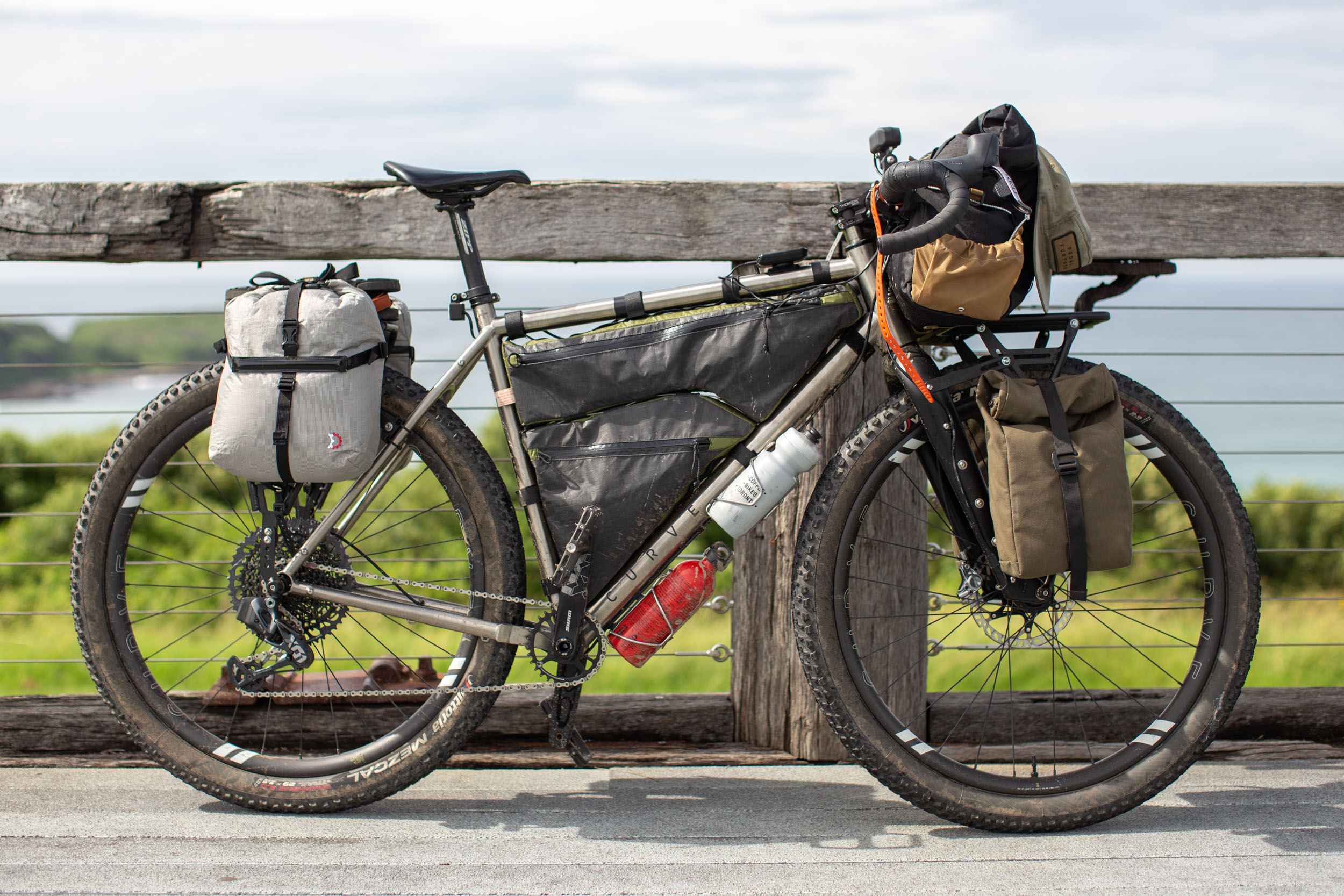
Bikepacking, a combination of cycling and camping, is gaining popularity among outdoor enthusiasts as a unique way to explore the great outdoors. As more people seek adventure and an escape from their daily routines, the demand for bikepacking experiences has grown significantly in recent years. In this article, we will delve into the consumer demand and preferences surrounding bikepacking.
Rising Demand for Bikepacking Adventures
The increasing popularity of bikepacking can be attributed to several factors. Firstly, more individuals are seeking alternative travel experiences that allow them to connect with nature and enjoy physical activity simultaneously. Bikepacking offers a perfect opportunity to explore remote locations, take in breathtaking scenery, and immerse oneself in the natural surroundings.
Secondly, the rise of social media platforms has played a significant role in fueling the growth of bikepacking. The ability to share captivating images and exhilarating stories of bikepacking adventures has created a sense of aspiration and inspiration among potential newcomers. Through digital platforms, individuals can witness the freedom, thrill, and sense of accomplishment that bikepacking offers, motivating them to embark on their own journeys.
Consumer Preferences in Bikepacking Gear
As bikepacking continues to capture the interest and imagination of outdoor enthusiasts, there are specific consumer preferences when it comes to the gear and equipment required for this activity.
- Lightweight and Versatile Gear: One of the key considerations for bikepackers is the weight and versatility of their gear. Since riders must carry all their camping equipment on their bikes, lightweight gear is essential to ensure a comfortable ride and prevent excessive strain. Multi-purpose gear that serves several functions, such as tents that convert to hammocks or backpacks that double as dry bags, are also highly sought after.
- Durable and Waterproof Equipment: Bikepackers often encounter challenging terrain and unpredictable weather conditions. Therefore, they prefer gear that is durable, waterproof, and able to withstand the demands of rugged trails and inclement weather. This includes waterproof panniers, sturdy tents, and high-quality sleeping bags.
- Compact and Packable: Due to limited space on their bikes, bikepackers tend to prioritize gear that is compact and easily packable. Backpacks with compressible designs, collapsible cookware, and foldable camping chairs are all popular choices among bikepackers, as they help optimize space without compromising on functionality.
- Technology Integration: With the advancement of technology, bikepackers are increasingly relying on gadgets and devices to enhance their experiences. From GPS devices for navigation to solar-powered charging stations, bikepackers appreciate gear that integrates technology seamlessly, providing convenience and reliability during their journeys.
Bikepacking has emerged as an exciting and adventurous way for individuals to explore the outdoors while indulging their passion for cycling. As the demand for bikepacking experiences continues to rise, understanding consumer preferences in terms of gear and equipment is crucial for manufacturers and retailers in the outdoor industry. Lightweight, versatile, durable, waterproof, compact, and technology-integrated gear are all highly valued by bikepackers who seek to embark on thrilling journeys while enjoying the simplicity and freedom that this unique activity offers.
Industry Players and Competition in the Bikepacking Market
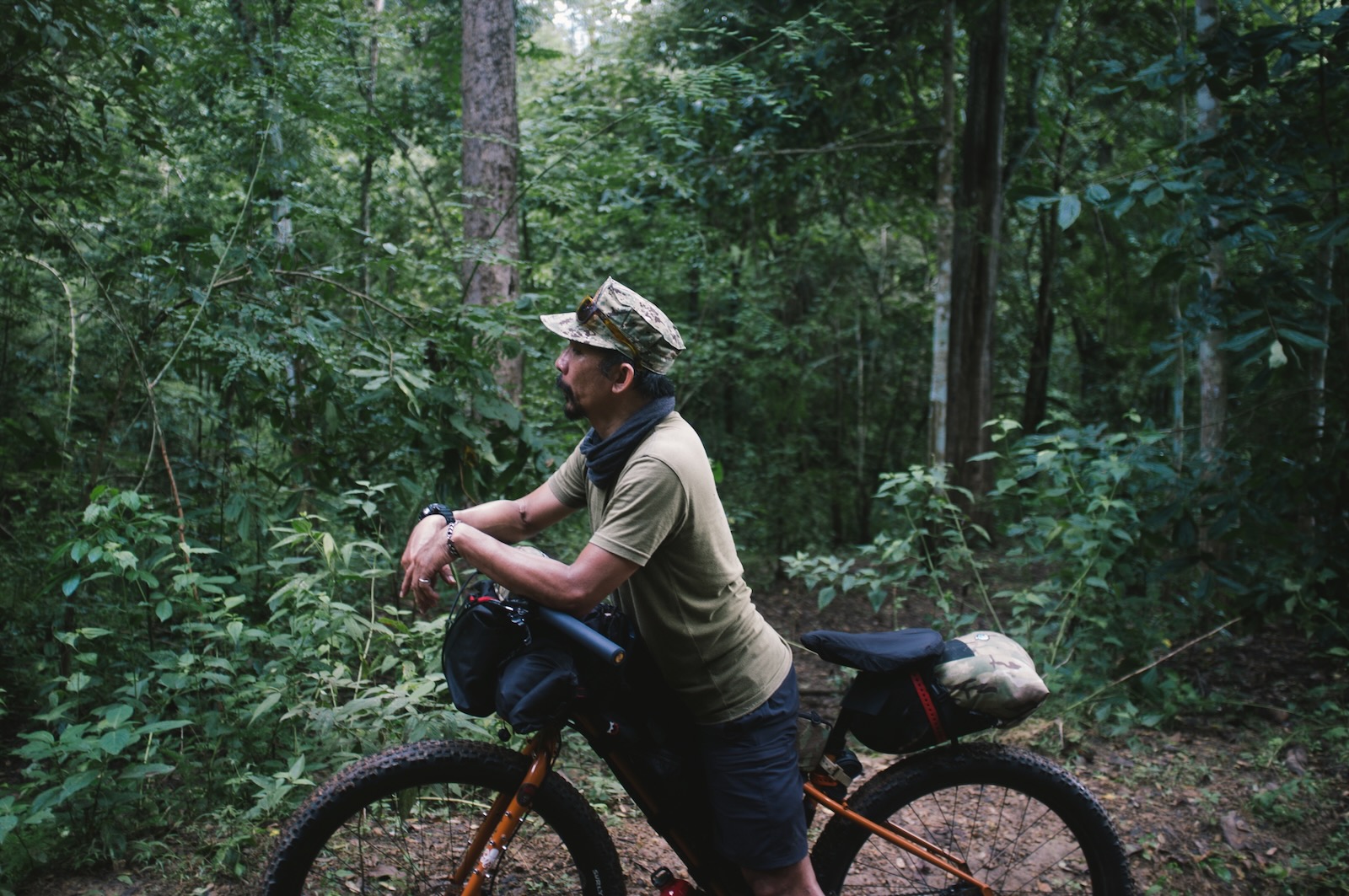
Bikepacking, the combination of cycling and backpacking, has gained significant popularity in recent years. Bikepacking provides outdoor enthusiasts with a unique way to explore nature and go on adventurous trips. As the interest in bikepacking continues to grow, industry players and competition have emerged in the market to cater to the needs of this niche segment.
Key Industry Players:
- Surly Bikes: Surly Bikes, a renowned bicycle manufacturer, has been a key player in the bikepacking market. They offer a range of specialized bikes designed specifically for bikepacking adventures. Their bikes are known for their durability, ability to carry heavy loads, and provision of stable rides on various terrains.
- Revelate Designs: Revelate Designs is a prominent player in the bikepacking gear industry. They specialize in manufacturing high-quality bikepacking bags and accessories. Their products, including frame bags, handlebar bags, and seat packs, are designed to optimize space and weight distribution, enabling cyclists to carry essential items during their trips.
- Blackburn Design: Blackburn Design is another major player in the bikepacking market. They offer a comprehensive range of bikepacking equipment, including bags, racks, and bike lights. With focus on functional design and durability, Blackburn Design caters to the needs of both beginner and experienced bikepackers.
Growing Competition:
While the bikepacking market is relatively niche, competition is increasing as more companies recognize the potential of this outdoor activity. Some notable competitors include:
- Ortlieb: Ortlieb, known for its high-quality waterproof bags, has entered the bikepacking market with a range of durable and waterproof options. Their roll-top bags and panniers are favored by many bikepackers due to their reliability, even in unfavorable weather conditions.
- Topeak: Topeak, a well-established cycling accessories brand, has introduced bikepacking-specific products to meet the growing demand. They offer various bag options, bike racks, and multi-tools designed for bikepacking adventures. Topeak's reputation for quality and versatility enhances their competitiveness in this market.
- Apidura: Apidura is a relatively new player in the bikepacking market, but they have quickly gained recognition for their ultralight and minimalist designs. Their range of frame packs, handlebar packs, and saddle packs are specifically tailored for long-distance bikepacking, providing cyclists with efficient and aerodynamic storage solutions.
The bikepacking market is experiencing a surge in interest, attracting both established players and new entrants. Surly Bikes, Revelate Designs, and Blackburn Design are among the industry leaders, with their specialized bikes and bikepacking gear. However, competitors like Ortlieb, Topeak, and Apidura are challenging the status quo with their innovative products that cater to different preferences and needs. This increasing competition brings a wider choice of products and continuous innovation to meet the ever-growing demand of bikepackers around the world.
Technological Innovation Revolutionizes Bikepacking
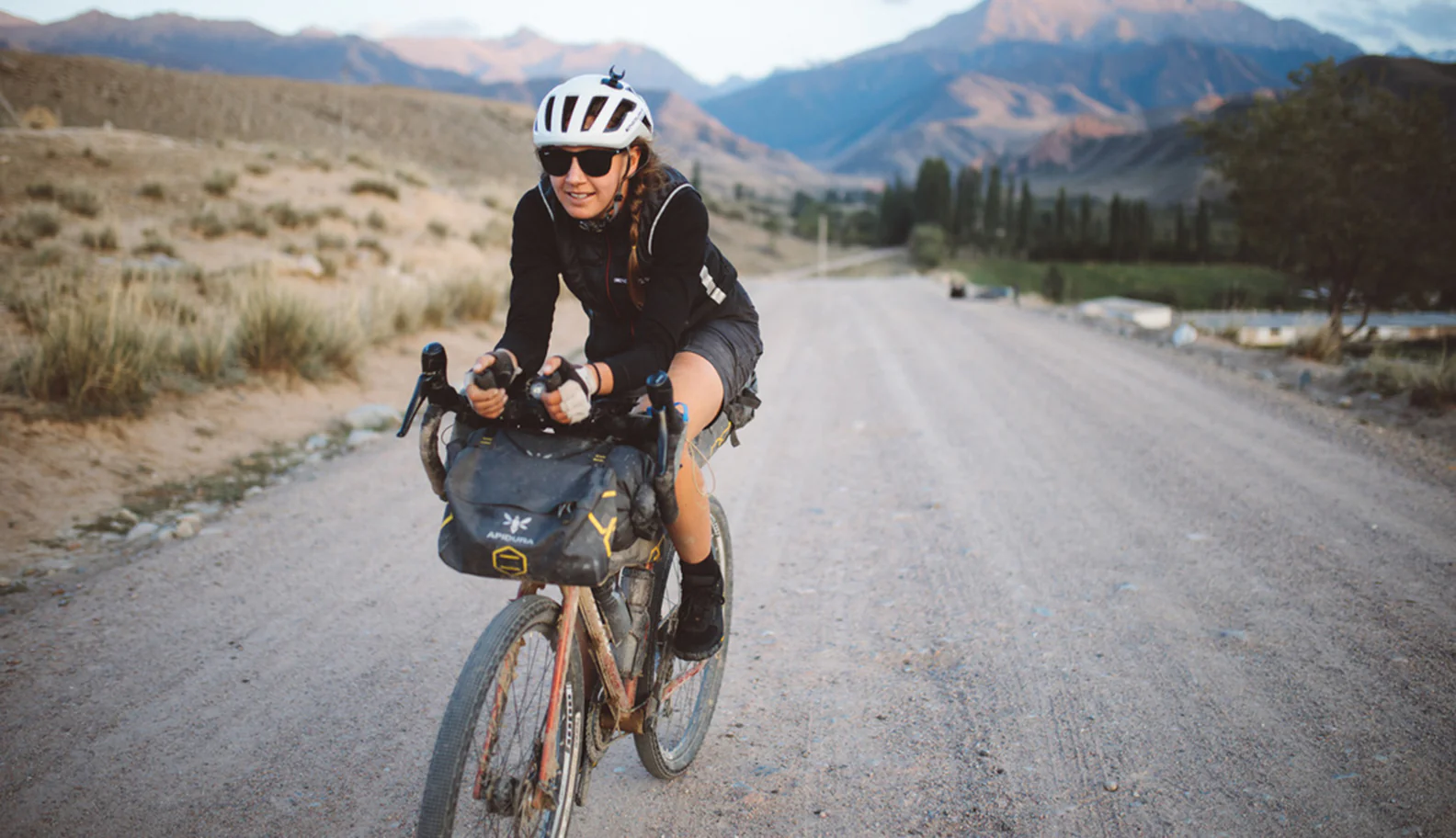
Bikepacking, the adventurous combination of biking and camping, has gained significant popularity over the years. This outdoor activity combines the freedom and thrill of cycling with the tranquility and exploration of camping, offering a unique way to experience nature. While bikepacking originally involved improvisation and carrying heavy loads, technological innovation has revolutionized the way enthusiasts approach this endeavor, making it more accessible, convenient, and enjoyable for all. In this article, we will explore some of the remarkable technological advancements that have transformed the world of bikepacking.
- Lightweight and Durable Gear: One of the key aspects of bikepacking is the ability to carry essential gear without compromising the riding experience. Traditional camping gear can be bulky and heavy, but today's bikepackers benefit from lightweight and durable equipment. Innovative materials, such as lightweight fabrics and carbon fiber, have led to the development of lightweight tents, sleeping bags, and cooking equipment specifically designed for bikepacking. These advancements allow cyclists to pack efficiently and comfortably for longer trips, without sacrificing comfort or safety.
- Bikepacking-Specific Bicycles: In the past, bikepacking often required adapting traditional touring or mountain bikes to carry gear, which limited the capacity and handling of the bike. However, manufacturers now produce bicycles specifically tailored for bikepacking. These bikes feature robust frames with ample clearance for wider tires, allowing for better stability and control on uneven terrain. Additionally, they include frame attachments and racks designed to efficiently carry gear, ensuring a more balanced load distribution and reducing the risk of accidents.
- GPS Navigation Systems: Navigating through unfamiliar terrains is a crucial aspect of bikepacking. While maps and compasses are still reliable tools, bikepackers now benefit from the convenience and accuracy of GPS navigation systems. Dedicated cycling GPS units provide detailed maps, route planning, and turn-by-turn directions, allowing cyclists to explore new trails with confidence. Some devices are also equipped with advanced features like route tracking, elevation profiles, and real-time weather updates to enhance the overall experience.
- Bikepacking Apps and Online Platforms: With the rise of smartphones, bikepacking apps and online platforms have become valuable resources for enthusiasts. These apps offer a wide range of features such as route planning, trail recommendations, gear suggestions, and community forums. They enable cyclists to connect with fellow bikepackers, share experiences, and discover new trails around the world. Additionally, some apps provide offline map capabilities, ensuring that riders can navigate even in areas with limited or no cellular connectivity.
- Ultralight Bikepacking Bags: Traditional panniers, which are bags that attach to the front and rear racks of bicycles, have been the primary means of carrying gear in bikepacking. However, advancements in bag design now offer ultralight alternatives. Bikepacking bags, including frame bags, handlebar bags, and seat packs, are specifically tailored to fit within the contours of the bike frame, reducing wind resistance and enhancing overall handling. These bags provide ample storage space while maintaining stability and agility during the ride.
In conclusion, technological innovations have revolutionized the world of bikepacking, making it more accessible, efficient, and enjoyable. From lightweight gear and specialized bicycles to advanced navigation systems and online resources, these advancements have significantly improved the bikepacking experience. As technology continues to evolve, we can expect further innovations that will enhance and redefine the way bikepackers explore the great outdoors.
Exploring Regional Trends and Cultural Influences in Bikepacking
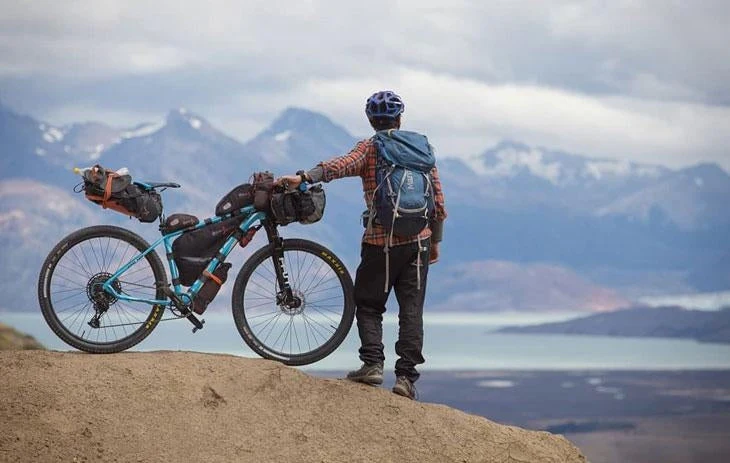
Bikepacking, a combination of cycling and backpacking, has gained significant popularity in recent years as a way to explore the great outdoors while immersing oneself in nature. This adventure-filled activity allows cyclists to explore remote areas, often covering long distances across varying terrains with their essential gear strapped to their bicycles. While bikepacking is a global trend, there are regional differences and cultural influences that shape the way it is practiced and perceived in different parts of the world. Let's explore some of these regional trends and cultural influences on bikepacking.
North America: The Birthplace of Bikepacking
North America, particularly the United States, is often considered the birthplace of bikepacking. With its vast network of wilderness areas and long-distance trails such as the Great Divide Mountain Bike Route and the Pacific Crest Trail, bikepacking has flourished in this region. The North American bikepacking culture emphasizes self-sufficiency, exploration, and endurance. Many bikepackers in this region opt for custom-built rigs, utilizing lightweight materials and bikepacking-specific gear to tackle long, demanding routes.
Europe: Bikepacking as a Mode of Exploration
In Europe, bikepacking is often seen as a mode of exploration and a way to connect with local cultures and history. Cyclists here tend to focus on traversing ancient paths, rural landscapes, and historical landmarks. Bikepacking routes like the Camino de Santiago in Spain, the Via Claudia Augusta in Germany, and the Transylvania Mountain Bike Trail in Romania offer unique opportunities to explore centuries-old European history and customs. European bikepackers often prioritize interaction with locals, savoring regional gastronomy and immersing themselves in the diverse cultures found throughout the continent.
Asia: The Spirit of Adventure and Connection
Bikepacking is gaining momentum in Asia, particularly in countries like Japan, Taiwan, and Thailand. In this region, bikepacking is closely tied to the spirit of adventure and connection with nature. Cyclists in Japan, for example, often embark on multi-day cycling adventures known as "bike touring," exploring remote mountains, coastal routes, and countryside landscapes. Traditional practices such as camping and onsen (hot springs) visits are often integrated into bikepacking itineraries, highlighting the fusion of outdoor activity with cultural experiences.
South America: Epic Landscapes and Exploration
South America offers breathtaking landscapes and unique routes for bikepacking enthusiasts. The Andean region, including countries like Peru, Bolivia, and Ecuador, attracts adventure-seekers with its high-altitude mountain passes, stunning valleys, and ancient ruins. Bikepacking in South America often revolves around epic journeys, such as crossing the Andes or exploring the vast Patagonian wilderness. This region's cultural influences can be seen in the celebration of local music, traditional foods, and indigenous communities encountered along the way.
Bikepacking transcends geographical boundaries, connecting enthusiasts worldwide through a shared love for exploration and adventure. However, regional trends and cultural influences play a significant role in shaping the way bikepacking is practiced and experienced. Whether it's North America's emphasis on self-sufficiency, Europe's focus on historical paths, Asia's fusion of adventure and cultural immersion, or South America's epic landscapes, each region offers unique perspectives and experiences for bikepackers to enjoy.
Tapping into the Bikepacking Trend: The Rise of Social Media and Influencers
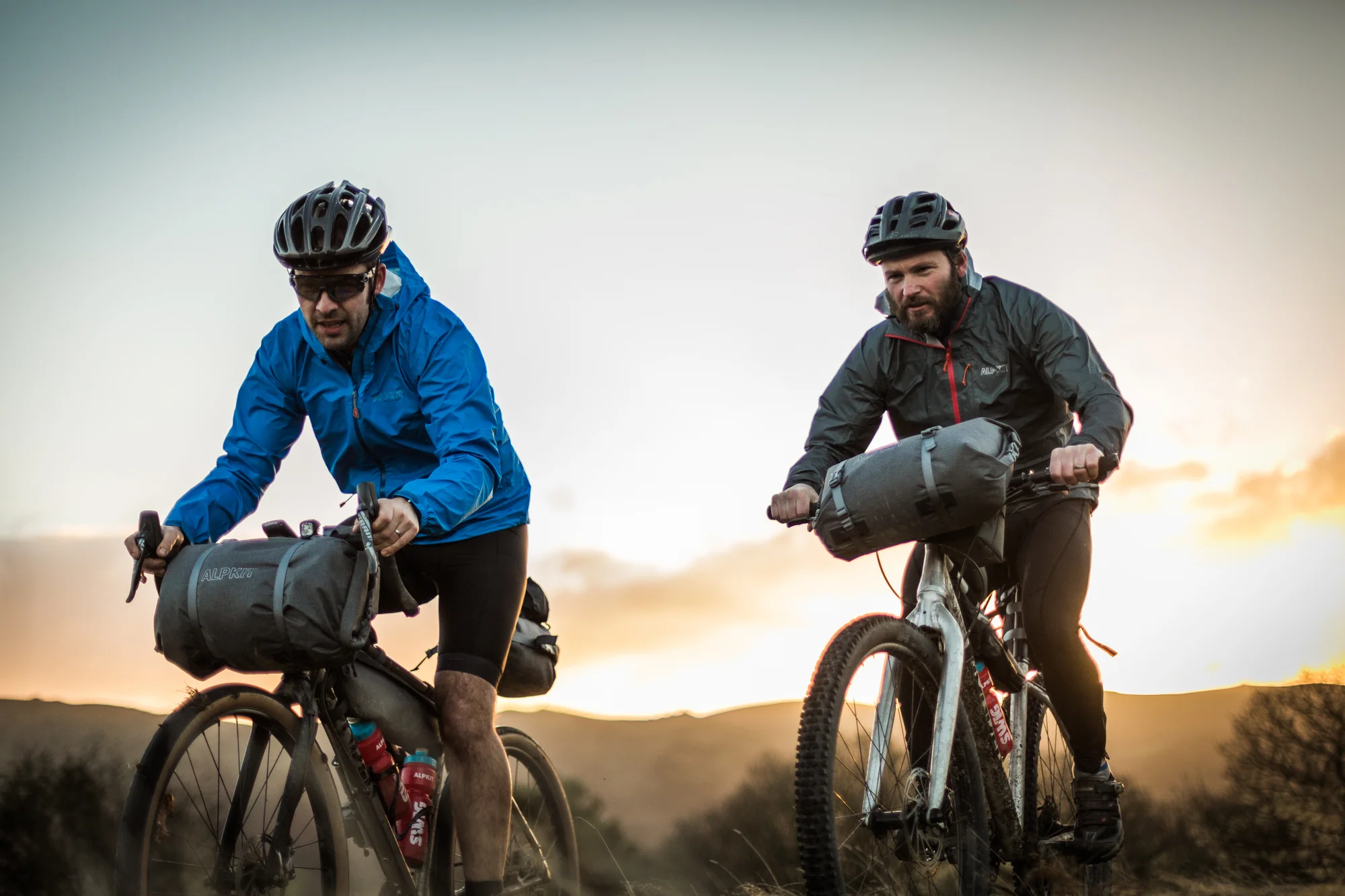
In recent years, bikepacking has emerged as a popular outdoor activity, combining the thrill of cycling with the adventure of camping and exploration. This unique form of backpacking on a bicycle has captured the attention of outdoor enthusiasts, and social media has played a significant role in its rise in popularity. Today, bikepacking influencers are leveraging their online presence to share their experiences, inspire others, and promote the sport.
Social Media: A Catalyst for Bikepacking
Social media platforms such as Instagram, YouTube, and Facebook have become powerful tools for sharing experiences with like-minded individuals and building a community around a niche interest. Bikepacking has found a foothold in the digital realm, allowing enthusiasts to connect, exchange ideas, and learn from one another.
Influencers in the Bikepacking Community
Influencers have played a crucial role in popularizing bikepacking among outdoor enthusiasts. These individuals have established themselves as authorities in the space and gained a significant following on social media platforms. They document their bikepacking adventures through captivating photos, engaging videos, and compelling storytelling, offering a glimpse into the thrilling world of bikepacking.
The Impact of Bikepacking Influencers
Through their captivating content, bikepacking influencers not only inspire but also educate their followers about this sport. By sharing their equipment choices, route planning tips, and personal experiences, they provide valuable insights and guidance to those interested in venturing into the world of bikepacking.
Moreover, these influencers collaborate with brands and sponsors to showcase their products to their followers. By incorporating sponsored content, they help promote bikepacking-related gear and accessories, contributing to the growth of the industry. This mutually beneficial relationship enables influencers to access new equipment and funding, while brands receive exposure to a targeted audience.
The Future of Bikepacking and Influencers
As bikepacking continues to gain traction as a popular outdoor activity, it is expected that social media and influencer marketing will play an even more significant role in shaping the industry. Influencers will continue to drive interest and engagement through their captivating content, inspiring aspiring bikepackers to embark on their own adventures.
To capitalize on this growing trend, brands and businesses can collaborate with bikepacking influencers to reach their target audience effectively. By tapping into the influence and reach of these individuals, companies can promote their products in an authentic way, creating brand awareness and driving sales.
In conclusion, social media and influencers have played a pivotal role in the rise of bikepacking. Through captivating content creation and engaging storytelling, influencers have inspired and educated a growing community of bikepacking enthusiasts. As this trend continues to gain momentum, the influence of social media and influencers is bound to further shape the bikepacking industry.
The Future Outlook of Bikepacking: Exploring the Rising Trend
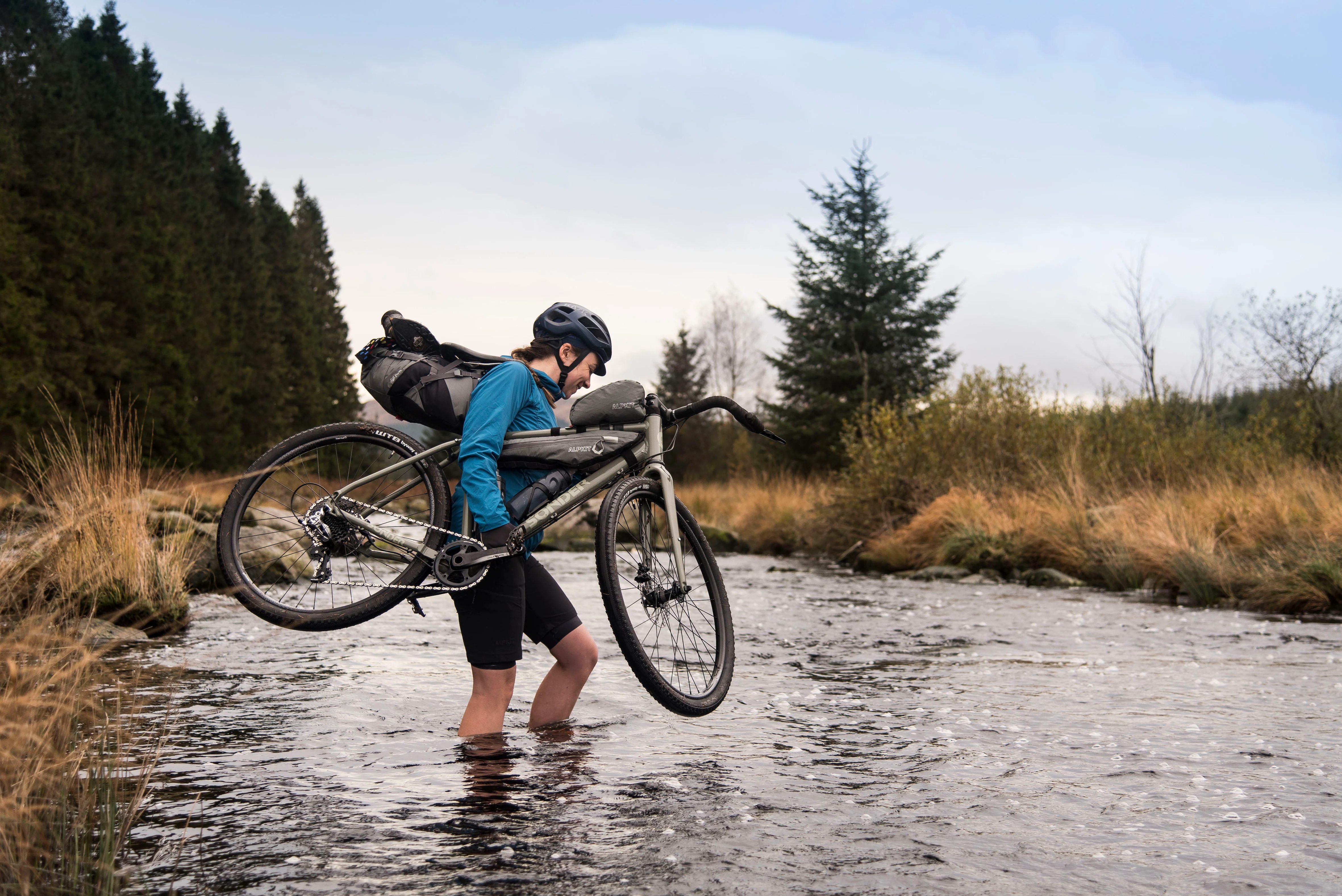
Bikepacking, the combination of backpacking and cycling, has gained significant popularity over the years as an adventurous and sustainable way to explore the outdoors. As we look into the future, it is evident that bikepacking will continue to grow and evolve, driven by various factors that contribute to its increasing appeal.
Expanding Interest in Sustainable Tourism
One of the key driving forces behind bikepacking's future prominence is the growing interest in sustainable tourism. Sustainable travel has become a significant trend, with more people seeking opportunities to explore nature while minimizing their environmental impact. Bikepacking aligns perfectly with this ethos, as it allows individuals to immerse themselves in the environment while leaving behind a minimal carbon footprint. As global awareness about sustainability continues to rise, it is likely that bikepacking will attract even more enthusiasts.
Health and Wellness Benefits
Another factor contributing to bikepacking's future growth is the increasing emphasis on health and wellness. With modern lifestyles often characterized by sedentary behavior, more individuals are seeking ways to incorporate physical activity into their lives. Bikepacking not only provides a great cardiovascular workout but also offers the mental and emotional benefits of being in nature. As people prioritize their well-being, bikepacking will continue to be seen as an attractive option for adventure and fitness enthusiasts alike.
Technological Advancements and Gear Innovation
As technology continues to advance, we can expect to see various innovations in bikepacking equipment. Manufacturers will likely develop lighter, more durable, and technologically advanced gear to enhance the overall biking experience. For instance, there may be advancements in bike frames, storage solutions, navigation systems, and energy-efficient lighting. These developments will attract both seasoned bikepackers and casual adventurers, further fueling the growth of this trend.
Community and Social Media Influence
The bikepacking community plays a crucial role in shaping the trend's future trajectory. Online communities, forums, and social media platforms like Instagram have facilitated the sharing of experiences and inspiration, giving rise to a supportive network of like-minded individuals. This community spirit will continue to flourish, encouraging more people to participate in bikepacking and share their journeys. The power of social media will undoubtedly contribute to bikepacking's increasing popularity and expose it to a wider audience.
Rise in Bikepacking Infrastructure
As bikepacking gains more recognition, there will likely be an increase in bike-friendly infrastructure around the world. Governments and local authorities will recognize the economic potential of bikepacking and invest in developing dedicated routes, amenities, and services to cater to bikepackers. This infrastructure development will provide a safe and convenient environment for individuals to embark on their bikepacking adventures, further augmenting its appeal.
Overall, the future outlook for bikepacking appears promising. With its alignment with sustainable tourism, health and wellness benefits, technological advancements, strong community support, and the potential for improved infrastructure, bikepacking is set to see continued growth in the years to come. As more people seek unique experiences that allow them to connect with nature, bikepacking offers an alluring escape and an alternative way to explore the world on two wheels.
Bikepacking: Exploring the World on Two Wheels
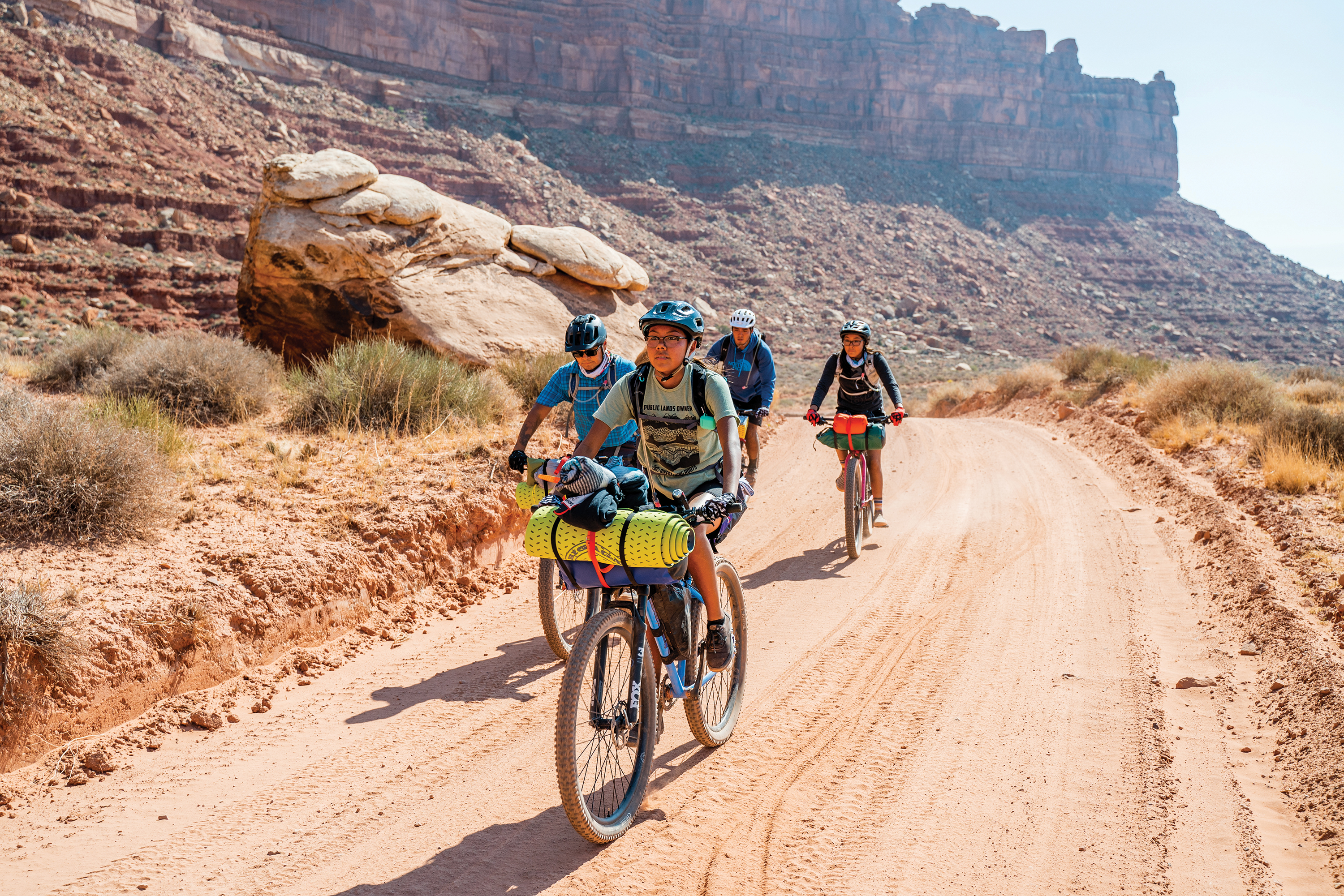
Bikepacking has emerged as a popular trend among outdoor enthusiasts and adventure seekers as a unique way to explore the world on two wheels. This increasingly popular activity combines the freedom of cycling with the excitement of overnight camping, allowing cyclists to venture off the beaten path and discover new destinations in a sustainable and immersive way.
Here are some key findings and insights about the bikepacking trend:
- Rise in popularity: Bikepacking has gained significant traction in recent years, with more and more people opting for this adventurous mode of travel. The trend is driven by a desire for authentic experiences, a connection with nature, and a sense of adventure.
- Freedom and flexibility: Bikepacking offers a high level of freedom and flexibility. With a fully-loaded bike, riders can venture into remote areas, access trails inaccessible to larger vehicles, and forge their own routes. This sense of independence and self-sufficiency is a major draw for bikepacking enthusiasts.
- Sustainable travel: As sustainability and eco-tourism become more significant considerations, bikepacking offers a low-impact alternative to traditional modes of travel. With minimal carbon footprint and reduced reliance on fuel, it aligns with the increasing global emphasis on sustainable transportation.
- Multi-day adventures: Bikepacking is not limited to short excursions. It often involves multi-day or even multi-week expeditions, allowing cyclists to explore vast landscapes and immerse themselves completely in their surroundings. This trend aligns with the growing demand for immersive travel experiences and digital detox.
- Gear and equipment: Bikepacking gear has evolved to cater to the specific needs of adventure cyclists. Lightweight, compact, and durable equipment, such as specially designed bike frames, handlebar bags, and saddlebags, have become widely available. This allows riders to carry essential supplies, equipment, and camping gear while maintaining a streamlined and efficient setup.
- Community and social sharing: The bikepacking community is thriving, with a strong sense of camaraderie and shared experiences. Social media platforms have played a significant role in enabling adventurers to share their journeys, exchange tips, and form connections with like-minded individuals worldwide. This sense of community adds to the appeal and encourages more people to embark on their own bikepacking adventures.
- Economic impact: The bikepacking trend has also provided economic opportunities for various industries, such as gear manufacturers, bike retailers, outdoor equipment suppliers, and local businesses in bikepacking hotspots. This trend is likely to continue as more people embrace bikepacking as a preferred way to explore new destinations.