

Blazor: Unleashing the Future of Web Development with Revolutionary Trend-Setting Capabilities

The Rising Popularity of Blazor: A Revolution in Web Development

In the dynamic world of web development, new technologies and frameworks emerge regularly, each aiming to enhance the user experience and simplify the development process. One such emerging trend gaining traction is Blazor. Blazor is an open-source web framework developed by Microsoft that enables the creation of interactive web applications using C# and Razor syntax. With its ability to create client-side web UIs with .NET, Blazor has been making waves in the development community and gaining popularity among various demographics.
Blazor: Origins and Explanation:
Blazor originated from Steve Sanderson of Microsoft, who introduced the concept in 2017 as an experimental project. Initially, it was called "Razor Components" and was aimed at providing a solution to the performance limitations of JavaScript frameworks. The project eventually evolved into Blazor, which allowed developers to build interactive web applications using C# instead of JavaScript.
Blazor utilizes WebAssembly, a binary instruction format that runs in web browsers, to execute the C# code directly on the client-side. This eliminates the need for JavaScript and enables developers to use the powerful features and ecosystem of .NET within a web application context. It utilizes Razor syntax, similar to ASP.NET, which simplifies the development process for those already familiar with the framework.
The Growing Popularity:
Blazor's popularity stems from several factors that appeal to different demographics within the development community.
Firstly, for .NET developers, Blazor offers a seamless transition from building server-side applications to creating interactive client-side web applications. It leverages existing C# skills, libraries, and expertise, allowing developers to reuse code and logic effortlessly. This integration enables enhanced productivity and efficiency.
Secondly, for JavaScript developers, Blazor offers an alternative to JavaScript frameworks. Although JavaScript continues to dominate web development, Blazor provides a compelling option for developers seeking to leverage their existing knowledge of C#. With Blazor, JavaScript can be utilized when necessary, but a significant portion of the development can be done using C# syntax, making it an appealing option for those looking to expand their skills or streamline their development process.
Thirdly, for companies, Blazor can be an attractive solution due to its potential for better performance and security. By eliminating the overhead of JavaScript, Blazor can deliver faster loading times and provide a smoother user experience. Additionally, given that the C# code is executed on the client-side, companies can take advantage of the serverless architecture, reducing server costs and improving scalability.
Lastly, for developers in general, Blazor facilitates the creation of single-page applications (SPA) and progressive web applications (PWA) without the need for separate server-side APIs or third-party libraries. This unifies the application stack and simplifies the development process, resulting in reduced code complexity and faster time-to-market.
In conclusion, Blazor's popularity can be attributed to its ability to offer a familiar and efficient development experience for .NET developers, an alternative for JavaScript developers, enhanced performance and security for companies, and overall simplification of the development process. As this trend continues to grow, more developers and organizations are recognizing the potential of Blazor in revolutionizing web development.
The Rising Market Size and Growth of Blazor
Blazor, a framework developed by Microsoft, has been steadily gaining popularity in recent years. Combining the flexibility and power of .NET with the simplicity and familiarity of web development, Blazor has emerged as a strong contender in the market. Its unique ability to create rich interactive web applications using C# and .NET has attracted the attention of developers and businesses alike.
Market Size
The market size for Blazor is constantly expanding, with an increasing number of developers and organizations adopting this technology. According to a report by Stack Overflow, Blazor was among the top three most loved frameworks in 2021, indicating its growing popularity within the development community. This growing interest is reflected in the rising number of contributors, libraries, and extensions specific to Blazor.
Blazor's integration with the .NET ecosystem has also contributed to its market size. As of 2021, .NET is estimated to have over 1.6 million active developers worldwide. This massive developer base provides a strong foundation for Blazor's growth, as it attracts developers already familiar with the .NET framework, eager to leverage their existing knowledge and skills.
Growth Potential
Blazor's growth potential is further amplified by its cross-platform capabilities. With Blazor WebAssembly, developers can create web applications that run directly in the browser, giving them the ability to reach a wide audience across different devices and platforms. This flexibility positions Blazor as an attractive option for businesses looking to develop modern, responsive, and scalable web applications.
Furthermore, the Continuous integration and continuous deployment (CI/CD) capabilities of Blazor enable developers to deliver updates and improvements rapidly. This agile development process allows businesses to respond quickly to user feedback and market demands, leading to accelerated growth and enhanced user experiences.
Rising Adoption
The adoption of Blazor has been gaining momentum in various industries. From e-commerce platforms to enterprise software, Blazor's versatility has made it suitable for a wide range of applications. The flexibility of being able to reuse existing .NET components and libraries enables businesses to leverage their existing codebase and infrastructure, reducing development time and costs.
Additionally, the integration of Blazor with popular cloud platforms such as Azure further increases its adoption potential. The ability to seamlessly deploy Blazor applications on cloud infrastructure provides scalability, reliability, and cost-efficiency, making it an attractive choice for businesses of all sizes.
Overall, the market size of Blazor is expected to continue growing rapidly as more developers and organizations recognize its potential for creating powerful and cross-platform web applications. Its integration with the .NET ecosystem, coupled with its flexibility and ease of use, positions Blazor as a formidable competitor in the web development market.
To stay ahead of the curve and be informed about the latest trends and market insights, Treendly offers real-time data and analytics that can help you uncover emerging technologies like Blazor before they become mainstream.
Understanding Consumer Demand and Preferences for Blazor
As the digital landscape continues to evolve, developers are constantly on the lookout for innovative tools and frameworks to build powerful applications. One such framework that has gained significant attention in recent years is Blazor. Blazor is an open-source web framework developed by Microsoft that allows developers to build interactive web user interfaces using C# instead of JavaScript.
Exploring the Rise in Popularity
Blazor's popularity has grown rapidly since its release, with developers praising its ability to streamline web development and leverage the power of C#. By allowing developers to use a familiar programming language, Blazor eliminates the need to switch between different languages, simplifying the development process and reducing the learning curve.
Developer-Friendly Features
One of the primary reasons behind Blazor's increasing consumer demand is its developer-friendly features. Blazor offers a component-based architecture, which enables developers to create reusable UI components, resulting in enhanced productivity and code maintainability. Additionally, Blazor's tight integration with popular development tools such as Visual Studio and Visual Studio Code makes it an attractive choice for many developers.
Cross-Platform Compatibility
Another significant advantage of Blazor that sparks consumer demand is its cross-platform compatibility. With Blazor, developers can build web applications that can run on any modern browser without requiring any plugins or server-side rendering. This unique capability makes Blazor an ideal choice for creating responsive web applications that can be easily accessed across various devices and platforms.
Performance and Security
Blazor's ability to deliver high-performance web applications also contributes to its rising consumer demand. Since Blazor runs entirely in the browser, it eliminates the need for round trips to the server for every user action, resulting in faster response times and a more seamless user experience. Additionally, Blazor follows strict security practices, preventing common web vulnerabilities such as cross-site scripting (XSS) and cross-site request forgery (CSRF), further attracting developers who prioritize application security.
Community Support and Ecosystem
One crucial aspect that drives consumer demand and preferences for any technology is the availability of a strong community and ecosystem. Blazor benefits greatly from Microsoft's backing and the growing community of developers who actively contribute to its development and share their knowledge, providing valuable resources, tutorials, and support to fellow developers.
Blazor has quickly gained popularity in the developer community due to its ability to combine the power of C# with the flexibility of web development. With its developer-friendly features, cross-platform compatibility, performance, and security, Blazor has emerged as a sought-after framework for building modern web applications. As consumer demand for Blazor continues to grow, the ecosystem around it will likely expand, providing developers with more tools, libraries, and resources to utilize in their projects.
Industry Players and Competition in the Blazor Space

Blazor, a web framework developed by Microsoft, has gained significant traction in recent years as a popular choice for building interactive web applications. As the framework continues to evolve and mature, several industry players and competitors have emerged, each offering their unique features and capabilities.
Microsoft Blazor
Microsoft Blazor is the original and official implementation of the Blazor framework. It enables developers to build interactive web UIs using C# instead of JavaScript. With Blazor, developers can create web applications that run on the client side, as well as server-side rendering, depending on their requirements. As the creators and maintainers of the framework, Microsoft plays a crucial role in driving the development and advancement of Blazor. Their strong presence in the software industry and extensive developer support make Microsoft Blazor a dominant player in the space.
Telerik UI for Blazor
Telerik, a well-known provider of UI components and developer tools, offers Telerik UI for Blazor. This suite of pre-built UI components provides developers with a wide range of ready-to-use and customizable elements to enhance their Blazor applications' look and feel. Telerik UI for Blazor extends the capabilities of the Blazor framework, allowing developers to create visually appealing and feature-rich applications more efficiently. With its strong focus on UI components and extensive documentation, Telerik has become a popular choice among developers looking to boost productivity and improve the user experience of their Blazor applications.
Syncfusion Blazor
Syncfusion is another major player in the Blazor ecosystem, offering a comprehensive set of UI components, reporting tools, and business frameworks for Blazor development. Syncfusion Blazor provides a rich collection of over 70 UI components that can be easily integrated into Blazor applications, along with built-in support for data binding, validation, and localization. Syncfusion's extensive range of features and functionalities appeals to developers seeking a robust and comprehensive toolkit for their Blazor projects.
Radzen Blazor
Radzen is a low-code Blazor development tool that empowers developers to create WebAssembly-based applications using a visual interface. With Radzen, developers can rapidly build Blazor applications by leveraging drag-and-drop functionalities and visual editors, reducing the need for manual coding. Radzen's focus on low-code development makes it an attractive option for developers who want to expedite the application development process and prioritize ease of use.
Other Competitors
While Microsoft Blazor and the aforementioned players dominate the Blazor space, there are several other platforms and frameworks that offer competition and alternatives:
- MatBlazor: MatBlazor is an open-source component library that brings Google's Material Design to Blazor applications. It offers a wide range of customizable components and supports both client-side and server-side rendering.
- Blazorise: Blazorise is a component library that helps developers create responsive and beautiful web applications using Blazor. It provides a robust set of UI components and utilities.
- Blazor Extensions: Blazor Extensions is a collection of additional functionalities and utilities for Blazor applications. It offers a range of extensions, including local storage, indexed DB, and geolocation.
In conclusion, the Blazor landscape offers a variety of industry players and competitors catering to different needs and preferences. Whether developers require enhanced UI components, low-code development tools, or specific functionalities, they can choose from an array of options to leverage the power of Blazor in their web application development journey.
The Rise of Blazor: Revolutionizing Web Development with .NET

Blazor, a relatively new web framework developed by Microsoft, is gaining significant attention and popularity in the realm of web development. Powered by .NET, Blazor allows developers to build interactive web applications using C# and Razor syntax. With its ability to combine the power of backend development with the flexibility of front-end interactivity, Blazor promises to revolutionize the way web applications are built.
Blazor follows the revolutionary concept of WebAssembly, a binary code format that enables high-performance applications to run directly in web browsers. By leveraging WebAssembly, Blazor eliminates the need for JavaScript for client-side application development, enabling developers to write applications entirely in C#. This paradigm shift provides a seamless integration between the front-end and the back-end, allowing developers to have full control over the entire application stack.
One of the key advantages of using Blazor is the increased productivity it offers. Since developers can write both client-side and server-side code in one language (C#), it eliminates the need for context switching and reduces the learning curve associated with using multiple frameworks and languages. This unified development experience allows developers to code more efficiently, leading to faster application development and reduced maintenance costs.
Blazor also improves the performance and responsiveness of web applications. Traditionally, web applications relied on JavaScript for client-side interactivity, which often resulted in slower performance and less smooth user experiences. However, with Blazor's server-side rendering and WebAssembly, the application logic can execute on the server while the UI updates in real-time on the client-side. This approach drastically reduces the amount of JavaScript required, resulting in faster load times and better overall performance.
Moreover, Blazor's compatibility with the existing .NET ecosystem further adds to its appeal. Developers familiar with .NET can easily leverage their existing skills and libraries to build Blazor applications. This compatibility also means that developers can reuse existing code and libraries, saving time and effort in the development process.
As Blazor continues to gain traction, the community around it is growing rapidly. This growing community leads to increased support, contributions, and the availability of various resources, such as tutorials, documentation, and third-party libraries. The expansion of the Blazor ecosystem makes it easier for developers to adopt and explore new possibilities with the framework.
In conclusion, Blazor's arrival marks a significant milestone in web development, offering a new and streamlined approach to building web applications. By leveraging the power of .NET and WebAssembly, Blazor combines the best of both worlds, enabling developers to write full-stack applications using a single language. With its productivity benefits, improved performance, and compatibility with the .NET ecosystem, Blazor is set to revolutionize the way developers create web applications. As the framework continues to evolve and gain momentum, it is undoubtedly a technological innovation worth keeping an eye on.
Regional Trends and Cultural Influences: The Rise of Blazor

Blazor, a popular open-source web framework developed by Microsoft, has been making waves in the tech community in recent years. This powerful framework allows developers to build interactive and dynamic web applications using C#, a language traditionally associated with backend development. While the adoption of Blazor is on the rise globally, there are also distinctive regional trends and cultural influences contributing to its growth in specific areas.
Blazor in North America: The Heart of Innovation
North America, known for being a hub of technological innovation, has been quick to embrace Blazor. This region houses some of the biggest tech companies and attracts top tech talents from around the world. Given its close ties to Microsoft, the birthplace of Blazor, it is no surprise that North America is a frontrunner in adopting this framework.
Developers in North America appreciate Blazor's ability to use C#, a widely-used language in the region. The familiarity with C# and the seamless integration with Microsoft technologies, such as Azure cloud services and Visual Studio, make Blazor an attractive option for many organizations.
Blazor in Europe: The Diverse Landscape of Tech Adoption
Europe is known for its diverse tech landscape, with various countries and regions having their own preferences and trends. However, Blazor has managed to gain attention across the European continent due to its versatility and performance.
In countries like Germany and the Netherlands, where C# has a solid developer community, Blazor has gained substantial traction. Developers in these regions value the ability to leverage their existing C# skills to create dynamic web applications without the need to switch to JavaScript or other front-end technologies.
Furthermore, the high standards for software quality and security in Europe align well with Blazor's robustness, making it an attractive choice for organizations that prioritize these aspects.
Blazor in Asia: The Rising Star of Web Development
Asia, home to a rapidly growing and highly skilled tech workforce, has seen a surge in Blazor adoption in recent years. In countries like India and China, where there is a strong emphasis on learning modern web development technologies, Blazor offers an enticing alternative to traditional JavaScript frameworks.
One factor influencing Blazor's popularity in Asia is the widespread interest in cross-platform development. Blazor's ability to deliver both web and mobile experiences through frameworks like Blazor Mobile is of significant interest to developers in Asia. This aligns well with the growing demand for mobile applications in the region, where smartphones are an integral part of daily life.
Blazor: Bridging Cultures and Driving Innovation
Blazor's rise as a prominent web framework is not limited to a specific region. Its appeal can be attributed to its ability to bridge cultural boundaries and cater to diverse developer communities. Whether it's the familiarity with C#, the desire for cross-platform development, or the need for robust and secure web applications, Blazor has managed to make its mark in different parts of the world.
Understanding the regional trends and cultural influences surrounding Blazor can help organizations tailor their strategies and offerings to specific markets. As Blazor continues to evolve and gain popularity, it is essential to stay attuned to these trends to maximize its potential and stay ahead in the rapidly changing world of web development.
The Emergence of Blazor: A Social Media Perspective

As the world becomes more interconnected, social media platforms have evolved to become powerful tools that shape popular culture and influence consumer behavior. In recent years, a new trend has emerged on these platforms with the rise of Blazor. Blazor, an open-source web framework developed by Microsoft, has gained attention not only from developers but also from influencers in the tech community.
Social media platforms such as Twitter, LinkedIn, and YouTube have become a breeding ground for discussions and debates about the latest technologies. Blazor is no exception to this trend. With its ability to create interactive web applications using C#, a popular programming language, Blazor has captured the interest of many developers and tech enthusiasts. As a result, influencers have taken notice and are actively engaging with this technology on social media.
Twitter has been a particularly impactful platform for discussions around Blazor. Many influential developers and industry experts actively share their thoughts, experiences, and concerns about Blazor through Twitter threads, live-tweeting conferences, and engaging in conversations with their peers. These influencers have created a vibrant community where developers can learn from one another, get support, and stay up-to-date with the latest developments in Blazor.
Similarly, LinkedIn has become a hub for professionals and companies to showcase their expertise and knowledge about Blazor. Influencers often publish articles, share tutorials, and provide insights into how Blazor can revolutionize web development. Through these platforms, developers can get inspiration, learn best practices, and even find job opportunities related to Blazor.
YouTube, the popular video-sharing platform, has also played a crucial role in spreading awareness and knowledge about Blazor. Influencers create video tutorials, code demonstrations, and online courses that help developers understand the fundamentals of Blazor and take their skills to the next level. These videos not only educate viewers but also generate discussions and engage the community through comments and likes.
The influence of social media and influencers on the adoption and awareness of Blazor cannot be underestimated. By leveraging their reach and credibility, influencers introduce Blazor to a wider audience, thus accelerating its growth and adoption. Their constant engagement with the technology helps developers stay informed and get a sense of the emerging trends, best practices, and future possibilities associated with Blazor.
In conclusion, social media has become a catalyst for the popularization of technologies like Blazor. Platforms like Twitter, LinkedIn, and YouTube provide a space where influencers, developers, and tech enthusiasts can connect, share knowledge, and shape the future of web development. As Blazor continues to gain momentum, it will be intriguing to see how social media and influencers further contribute to its success and application in the tech industry.
The Future Outlook of Blazor: A Promising Trend in Web Development

As web development continues to evolve, developers are constantly seeking new technologies and frameworks to enhance user experiences and streamline development processes. One such trend that has been gaining significant traction is Blazor. Blazor is an open-source web framework developed by Microsoft that enables developers to build interactive web applications using C# instead of JavaScript. It allows for the creation of web applications that run on the server and client-side, providing a seamless and consistent development experience.
Growing Popularity and Adoption
Since its release as an experimental project in 2018, Blazor has garnered increasing attention from the developer community. Its popularity is driven by its ability to leverage existing .NET skills and frameworks, making it easier for developers to transition from traditional server-side development to web development. The use of C# also offers inherent advantages such as type safety, debugging capabilities, and a mature ecosystem, which further contribute to the rising adoption of Blazor.
Advancements in WebAssembly
One of the key factors driving the future outlook of Blazor is the advancement of WebAssembly (Wasm). Blazor relies heavily on Wasm, a binary format for executing code on the web, to run .NET applications in the browser. As browser support for Wasm improves and performance optimizations continue, the potential of Blazor expands exponentially. With the recent announcement of Blazor WebAssembly becoming officially released in May 2020, developers can now build client-side web applications entirely in C#, further enhancing the prospects of Blazor.
Increased Productivity and Development Efficiency
Blazor offers several notable benefits that contribute to its promising future outlook. By leveraging shared code and reuse of existing .NET libraries, developers can significantly increase productivity and reduce development time. The ability to write code in a single language (C#) for both the server and client-side simplifies the development process and avoids context switching between different languages or frameworks. Moreover, the Blazor component model encourages the separation of concerns, resulting in more modular and maintainable codebases.
Support from Microsoft and Growing Community
The support and commitment from Microsoft further reinforce the future prospects of Blazor. As an integral part of the ASP.NET Core framework, Microsoft actively develops and maintains the Blazor ecosystem, providing regular updates, improvements, and bug fixes. The backing of a tech giant like Microsoft adds credibility and confidence for developers considering Blazor as their go-to web development solution. Additionally, the growing community behind Blazor fosters knowledge sharing, offers community-driven libraries and tools, and realizes the platform's potential for innovation and improvement.
Blazor presents a promising future outlook in the realm of web development. Its seamless integration with the existing .NET ecosystem, increased productivity, and ability to leverage modern web standards and technologies make it an attractive choice for developers seeking a flexible and efficient framework. With advancements in WebAssembly and ongoing support from Microsoft, Blazor is positioned to further mature and gain wider adoption in the coming years. As developers continue to explore the capabilities of Blazor and contribute to its growth, we can expect this trend to shape the web development landscape significantly.
Blazor: The Future of Web Development
Key Findings and Insights:
- Blazor is a game-changing web development framework: Blazor is an open-source web framework developed by Microsoft that allows developers to build interactive web user interfaces using C# instead of JavaScript. It combines the ease and familiarity of C# with the power and flexibility of web development, enabling a seamless development experience.
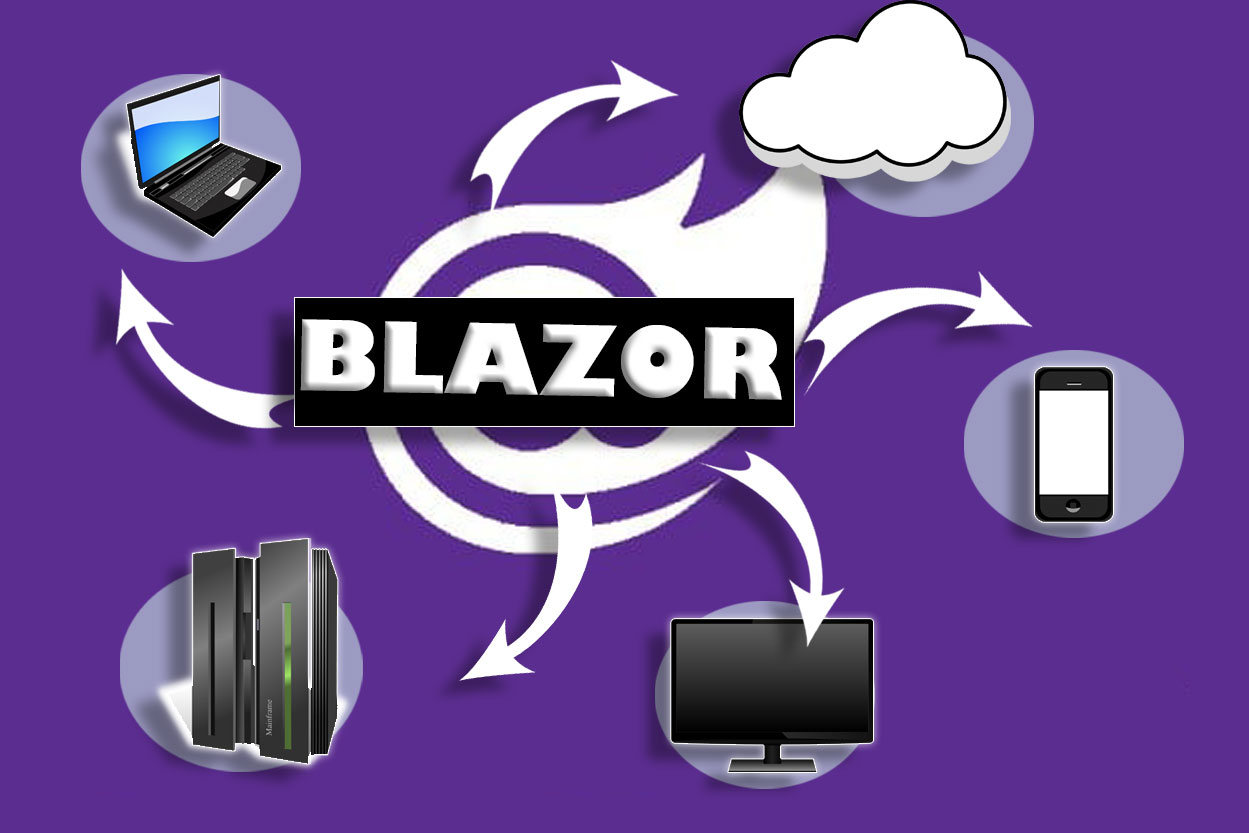
- Blazor delivers server-side and client-side interactivity: Blazor provides developers with the ability to create dynamic web applications that can run both on the server and in the client's browser. Server-side Blazor, also known as Razor Components, executes the application logic on the server, while Client-side Blazor, also known as WebAssembly, runs the application in the browser using the .NET runtime.
- Increased developer productivity: With Blazor, developers can now use a single language (C#) for both client-side and server-side code, eliminating the need to switch between different languages or frameworks. This promotes code reuse, simplifies maintenance, and enhances developer productivity, ultimately leading to faster application development.
- Elimination of JavaScript: One of the most significant advantages of Blazor is that it reduces the reliance on JavaScript. This can be appealing to developers who are more comfortable with C# or have limited knowledge of JavaScript. By removing the need for JavaScript, Blazor streamlines the development process and reduces the potential for cross-browser compatibility issues.
- Strong community support and growing ecosystem: Blazor has gained significant traction in the web development community since its initial release in 2018. With a growing number of developers adopting Blazor, an enthusiastic community has formed around it. This has led to the emergence of various third-party libraries, tools, and resources that enhance the capabilities of Blazor, making it a robust and well-supported framework.
- Performance and size considerations: While Blazor offers a promising and innovative approach to web development, there are performance and size considerations to take into account. Client-side Blazor, which relies on WebAssembly, can have a larger initial load size compared to traditional JavaScript frameworks. However, Microsoft is actively working on improving the performance and reducing the size of Blazor applications.
- Compatibility with existing .NET libraries and frameworks: Blazor is built on the .NET Core runtime and can leverage existing .NET libraries and frameworks, enabling developers to reuse their existing skills and code. This compatibility makes it easier to integrate Blazor into existing projects or migrate from other .NET frameworks, providing a smooth transition and reducing the learning curve.