

Discovering the Emergence of Toothache Relief: Uncovering the Trending Solutions for Dental Pain

The Growing Trend of Toothache: Exploring its Origins and Popularity

Toothache, also known as dental pain, refers to the discomfort and pain experienced in or around the teeth and jaws. It is one of the most common oral health issues and can be caused by a variety of factors, including dental decay, gum disease, tooth infection, tooth trauma, or even sinus problems.
Exploring the Origins of Toothache:
Toothache has been a long-standing concern for individuals spanning various cultures and time periods. It is interesting to note that even ancient civilizations recognized and sought remedies for dental pain. For instance, the ancient Egyptians used a blend of various herbs, such as myrrh and thyme, to alleviate toothache symptoms. Similarly, Chinese medicine documented the use of herbal mixtures to address dental pain dating back thousands of years.
The Popularity of Toothache:
While toothache is not a new phenomenon, its popularity has increased in recent years for several reasons.
- Rising Awareness of Dental Health: With advancements in medical research and increased public education about dental health, people are becoming more conscious of the importance of maintaining good oral hygiene and seeking prompt treatment for dental issues.
- Changing Lifestyles and Diets: Modern lifestyles, including the consumption of sugary and acidic foods, can contribute to a higher prevalence of tooth decay, leading to an increase in toothache cases.
- Aging Population: The global population is aging, and older adults are more susceptible to dental problems, including toothache. As the number of older individuals increases, so does the likelihood of toothache becoming a prominent issue.
- Access to Dental Care: Greater access to dental care services, either through insurance coverage or affordable healthcare options, allows individuals from diverse demographics to seek treatment for toothache. This has led to a rise in reported cases and discussions surrounding toothache on various platforms, including social media and online health forums.
As toothache continues to gain popularity, it is crucial to address the underlying causes and promote effective preventive measures to alleviate this issue. By understanding the origins of toothache and its rising prominence, we can better cater to the needs of those affected, encourage oral health education, and focus on preventive care to help individuals live pain-free lives.
The Growing Market Size of Toothache: A Boon for Dental Care Providers
Toothache is a common ailment that affects individuals of all ages, making it a significant concern for dental care providers and patients alike. The global toothache market has witnessed substantial growth in recent years, driven by various factors like changing lifestyles, increasing awareness about dental health, and improved accessibility to dental care services.
The market size of toothache is difficult to ascertain accurately due to the lack of precise statistical data. However, a report by Global Industry Analysts estimated that the global dental hygiene products market, which includes toothache remedies, will reach a staggering $21.8 billion by 2027. This indicates the growing demand for products that provide relief from toothache symptoms.
The growing prevalence of dental caries, periodontal diseases, and other dental problems globally contributes to the expansion of the toothache market. Unhealthy dietary habits, poor oral hygiene practices, and lack of regular dental check-ups are some of the leading causes of toothache, driving the need for effective treatment options.
Furthermore, the increasing disposable income among the urban population is boosting the demand for dental care services, including toothache treatment. Improved healthcare infrastructure, especially in emerging economies, has resulted in better accessibility to dental clinics and specialists, thereby encouraging more individuals to seek professional dental care for toothache relief.
The COVID-19 pandemic has also had a significant impact on the toothache market. The restrictions imposed during the global health crisis led to a decline in routine dental visits, causing dental conditions to worsen in some cases. As a result, the need for toothache remedies has increased, driving the market growth.
In response to the growing market size of toothache, dental care providers and pharmaceutical companies are innovating and introducing advanced toothache relief products. These products range from over-the-counter pain relievers and gels to natural remedies and specialized dental treatments. The advent of technological advancements, such as laser dentistry and minimally invasive procedures, has further propelled the growth of the dental care industry.
Overall, the toothache market shows promising growth prospects, driven by factors like increasing awareness, expanding urban population, improving healthcare infrastructure, and technological advancements in dental treatments. Dental care providers and manufacturers of toothache remedies must continue to adapt and innovate to meet the rising demand for effective toothache relief solutions.
Consumer Demand and Preferences: Understanding the Painful Reality of Toothaches

Toothaches are a common dental problem that affects consumers of all ages and backgrounds. Understanding consumer demand and preferences in relation to toothache relief and treatment is crucial for dental professionals and product manufacturers alike. By examining the key factors that influence consumer behavior in this area, we can gain valuable insights into the needs and preferences of individuals suffering from toothache.
Immediate Relief
One of the primary concerns for consumers dealing with a toothache is finding immediate relief from the pain. People often turn to over-the-counter painkillers and natural remedies, such as clove oil or saltwater rinses, for temporary relief until they can see a dentist. Consumer demand is high for products that provide quick and effective pain relief, enabling them to resume their daily routines without discomfort. Manufacturers of toothache relief products should consider developing fast-acting solutions that address this critical consumer need.
Professional Dental Care
While temporary relief is sought after, consumers ultimately understand the importance of seeking professional dental care to address the underlying cause of their toothache. Consumers often prioritize finding a dental professional who can provide a prompt appointment and effective treatment. Factors such as the reputation of the dental practice, accessibility, and affordability play a significant role in their decision-making process. Dental professionals should focus on creating a positive patient experience by providing clear communication, high-quality treatment, and a comfortable environment.
Preventative Measures
Prevention is key when it comes to toothaches, and consumers are becoming increasingly proactive in maintaining good oral health to prevent dental problems. Demand for preventative measures such as regular dental check-ups, proper brushing and flossing techniques, and the use of mouthwashes and dental products with added benefits (e.g., cavity prevention, enamel strengthening) is on the rise. Consumers are eager to take control of their oral health and seek products and services that enable them to do so effectively.
Natural and Holistic Approaches
In recent years, there has been a growing interest in natural and holistic approaches to healthcare, including dental care. Consumers who prioritize natural remedies and alternative treatments are seeking toothache relief options that align with their lifestyle choices. This includes products containing natural ingredients, organic dental care products, or seeking alternative therapies like acupuncture or herbal remedies. Manufacturers of toothache relief products should consider catering to this segment of consumers by offering natural and holistic options.
Understanding consumer demand and preferences surrounding toothaches is essential for dental professionals and manufacturers. By addressing the immediate relief needs, prioritizing professional dental care, promoting prevention, and offering natural and holistic approaches, dental professionals and manufacturers can meet consumer expectations and provide effective solutions for those suffering from toothaches. By staying attuned to consumer preferences, the dental industry can better serve their patients and adapt to evolving trends in oral health care.
Industry Players and Competition in the Toothache Market
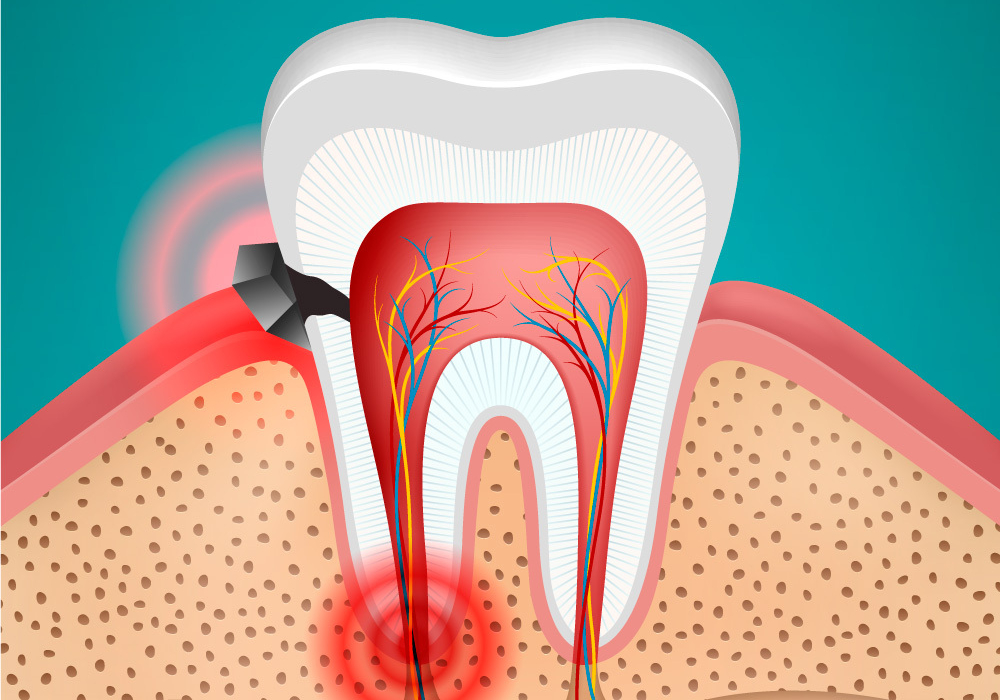
Toothache is a common dental problem that affects millions of people worldwide. It is characterized by pain or discomfort in and around the tooth, often caused by dental decay, infection, or injury. As this issue continues to impact individuals of all ages, the toothache market has seen significant growth, attracting several industry players and creating a competitive landscape.
Industry Players:
- Dentists and Dental Clinics: Dentists and dental clinics play a pivotal role in treating and diagnosing toothaches. They provide professional services such as dental examinations, cleanings, fillings, root canals, and extractions. These practitioners have an in-depth understanding of toothaches and serve as primary points of contact for patients seeking relief.
- Pharmaceutical Companies: Pharmaceutical companies are actively involved in the toothache market by developing and producing various over-the-counter (OTC) and prescription products to alleviate toothache symptoms. These products range from pain relievers (such as acetaminophen and ibuprofen) to topical treatments (like benzocaine-based gels) that numb the affected area.
- Oral Care Brands: Many oral care brands offer toothache-specific products, including toothpaste and mouthwashes formulated to provide relief from toothache symptoms. These brands often leverage their expertise in dental care to develop innovative products that address the underlying causes of toothaches, such as tooth decay and gum disease.
- Home Remedies and Natural Products: There is a growing market for natural and home remedies to manage toothaches. This includes herbal-based products, essential oils, saltwater rinses, and other DIY solutions. Some individuals prefer these alternatives due to concerns about potential side effects or as an initial approach before seeking professional dental care.
Competition:
Competition in the toothache market is fierce, with industry players vying to attract customers and gain market share. Several factors contribute to the competitive landscape, including:
- Product Efficacy: The effectiveness of products in relieving toothache symptoms is a significant factor for consumers when choosing between different options. Industry players invest in research and development to improve their products and ensure they provide fast and long-lasting relief.
- Brand Recognition and Reputation: Established dental clinics, pharmaceutical companies, and oral care brands often enjoy an advantage due to their recognizable names and positive reputation. Consumers tend to have more trust in well-known brands, leading to increased market demand.
- Pricing and Affordability: Toothache products and dental services can vary significantly in price, which influences consumer choices. Some individuals may prioritize affordability, especially when seeking OTC solutions or considering dental insurance coverage.
- Marketing and Promotion: Effective marketing strategies, including educational campaigns, advertisements, and endorsements by dental professionals, can significantly influence consumer perceptions and drive market demand for particular toothache products or services.
- Technological Innovations: Advancements in dental technology, such as laser therapy for pain relief or digital dentistry, can differentiate industry players and provide a competitive edge. Companies that invest in and adopt these innovations can offer unique solutions to customers, thereby gaining a competitive advantage.
Overall, the toothache market is robust and diverse, with various industry players striving to address the needs of individuals suffering from toothaches. The competition within the market drives innovation, product development, and improved services, ultimately benefiting consumers seeking relief from this common dental ailment.
Technological Innovations Revolutionizing Toothache Relief

Toothaches are a common and often excruciating dental problem that affects people of all ages. The pain and discomfort caused by toothaches can significantly impact daily life activities, making it difficult to eat, speak, and concentrate. However, with advancements in technology, innovative solutions have emerged to provide effective relief and long-term remedies for toothaches.
- Laser Dentistry: Laser technology has revolutionized various industries, and dentistry is no exception. Laser dentistry is a minimally invasive procedure that uses intense beams of light to treat toothache-related issues. By precisely targeting affected areas, lasers can remove decayed tissue, desensitize nerves, and even perform painless cavity fillings. Laser-assisted treatments offer a more comfortable experience with reduced pain, swelling, and bleeding compared to traditional methods.
- 3D Printing in Dentistry: 3D printing has become an integral part of many industries, including healthcare. In dentistry, it has opened up new possibilities for personalized and precise treatments for toothaches. Dentists can now use 3D printers to produce custom dental implants, crowns, and bridges that seamlessly fit a patient's tooth structure. This technology not only improves the effectiveness of treatment but also reduces the time required for fabrication, easing the patient's discomfort.
- Tele-Dentistry: The rise of telemedicine has brought significant benefits to the field of dentistry as well. Tele-dentistry allows patients to receive remote consultations and advice from dental professionals without physically visiting a dental clinic. Through video calls, patients can discuss their symptoms and receive guidance on managing their toothaches, such as home remedies or scheduling an in-person appointment for further examination. This technology has been especially useful in providing accessible dental care to remote areas where dental services may be limited.
- Electronic Pain Relief Devices: Electronic pain relief devices have shown promise in alleviating toothache discomfort. These portable devices use electrical impulses to stimulate nerves, providing pain relief without the need for medication. With adjustable settings, patients can customize the intensity and duration of electrical stimulation based on their pain levels and preferences. These devices provide a non-invasive and drug-free alternative for managing toothache pain.
- Virtual Reality Distraction: Dental anxiety is a common concern for many individuals, making toothache treatments a daunting experience. Virtual Reality (VR) has emerged as a potential solution to ease anxiety and distract patients during dental procedures. By immersing patients in an interactive and engaging virtual environment, VR headsets divert attention away from the dental treatment, reducing stress and discomfort associated with toothaches. This innovative approach promotes relaxation and enhances the overall dental experience.
Technological innovations in dentistry are transforming the way toothaches are diagnosed, treated, and managed. From laser dentistry and 3D printing to tele-dentistry and electronic pain relief devices, these advancements are empowering dental professionals to provide more efficient, precise, and patient-centered care. As technology continues to evolve, we can expect further breakthroughs in toothache relief, ultimately improving oral health and enhancing the overall well-being of individuals worldwide.
Regional Trends and Cultural Influences on Toothache

Toothache is a common dental problem experienced by people across the globe. While the causes and treatments for toothache are universal, there are regional trends and cultural influences that can shape how individuals address and manage this issue. These factors include traditional remedies, dietary habits, oral hygiene practices, and healthcare accessibility. Understanding these regional trends and cultural influences can provide valuable insights into how toothache is perceived and managed in different parts of the world.
Traditional Remedies
In many regions, traditional remedies play a significant role in addressing toothache. These remedies often vary greatly depending on cultural beliefs and practices. For example, in certain Asian countries, herbal remedies such as cloves, ginger, and garlic are commonly used to alleviate toothache. Traditional Chinese medicine employs the use of herbal formulas and acupuncture techniques to treat dental pain. In contrast, some African cultures rely on the application of various plant extracts and oils to alleviate toothache. These traditional remedies are deeply rooted in cultural practices and are passed down through generations.
Dietary Habits
Dietary habits also have an impact on toothache trends. In regions where diets are high in sugar and carbohydrates, such as Western countries, there is a higher prevalence of dental cavities and tooth decay, leading to toothache. Conversely, in regions where diets are primarily composed of fresh fruits and vegetables, there may be a lower incidence of toothache. Cultural dietary habits can influence individuals' susceptibility to toothache and the overall prevalence of dental diseases in a given region.
Oral Hygiene Practices
Variations in oral hygiene practices can contribute to regional trends in toothache. Some cultural practices may promote good oral hygiene, reducing the risk of toothache. For instance, in Japan, meticulous oral hygiene routines, including regular brushing, flossing, and the use of mouthwash, are ingrained in daily life, resulting in lower rates of dental problems. In contrast, regions with limited access to oral healthcare and inadequate oral hygiene education may witness a higher incidence of toothache due to poor oral hygiene practices.
Healthcare Accessibility
Differences in healthcare accessibility can greatly influence regional trends concerning toothache. In developed countries with robust healthcare systems, individuals have easier access to dental care, allowing for timely diagnosis and treatment of toothache. However, in more rural or underdeveloped regions, limited access to dental services can result in delayed or inadequate treatment. This can exacerbate toothache and lead to more severe complications. Cultural and socioeconomic factors also play a role in determining who has access to healthcare resources, which can further shape toothache trends within a specific region.
By examining regional trends and cultural influences, we gain valuable insights into how toothache is perceived and managed in different parts of the world. This knowledge can help dental professionals, researchers, and policymakers develop targeted strategies to address oral health issues and improve dental care accessibility worldwide.
The Impact of Social Media Influencers on the Discussion of Toothaches

Toothaches are a common dental problem that can cause significant discomfort and pain. In recent years, the rise of social media and the influential power of online personalities have transformed the way people seek information and share experiences about various topics, including dental issues. As a result, social media influencers have begun to play a significant role in shaping the discussion around toothaches, providing both advantages and challenges for individuals seeking reliable information and guidance.
Social media platforms such as Instagram, YouTube, and TikTok have become popular channels for influencers to showcase their lifestyles, expertise, and recommendations. This has led to the emergence of numerous dental influencers, who share their knowledge and experiences related to dental health, including toothache relief.
One advantage of social media influencers in the context of toothaches is the accessibility of information. Influencers often provide tips, home remedies, and advice on how to alleviate toothache pain, making it easier for individuals to seek temporary relief before they can visit a dentist. By sharing personal experiences and recommended products, influencers can help individuals make informed choices about temporary remedies or self-care practices that could potentially provide temporary relief until professional dental treatment is sought.
Furthermore, dental influencers can also raise awareness about the importance of oral health and the need for regular dental check-ups to prevent toothaches. Their engaging content and relatable experiences can inspire followers to prioritize dental care and seek professional help when necessary.
However, it is important to approach information shared by social media influencers with caution. While influencers may offer valuable insights based on their personal experiences, preferences, and opinions, their advice may not always be supported by scientific evidence or approved by dental professionals. This can lead to misinformation and potential harm if individuals solely rely on influencers' recommendations without consulting dental experts.
Moreover, the commercial nature of influencer marketing must be acknowledged. Some influencers may partner with dental brands or receive compensation for endorsing specific products, leading to potential bias in their recommendations. It is crucial for individuals to question the motives behind influencer endorsements and conduct their own research or consult with dental professionals before trying any recommended products or treatments.
In conclusion, social media influencers have had a significant impact on the discussion surrounding toothaches. Their accessibility, relatability, and personal experiences provide advantages by offering tips and raising awareness about dental health. However, caution must be exercised when relying solely on influencer recommendations, as misinformation and potential bias may exist. It is always recommended to consult with dental professionals for accurate diagnosis, treatment, and guidance for toothache relief.
Note: For additional context on the influence of social media influencers, readers may find the blog article The Power of Social Media Influencers relevant and informative.
Future Outlook and Forecast: Toothache

Toothaches are a common dental problem experienced by people of all ages. They can be caused by several factors, including tooth decay, gum disease, dental trauma, or even sinus infections. While toothaches have been a prevalent issue for centuries, advancements in dental care and technology have significantly improved treatment options and prevention methods.
Looking ahead, the future outlook for dealing with toothache is promising. Here are some key trends and developments to watch out for:
- Advancements in pain relief: Toothaches can be excruciating, causing discomfort and affecting daily activities. The development of advanced pain relief techniques and medications will likely continue to improve, providing faster and longer-lasting relief for those suffering from toothache. This includes the use of local anesthetics, analgesics, and non-opioid pain relievers, which can help manage pain effectively while minimizing side effects.
- Growth in preventive dentistry: Prevention is always better than cure, and this principle remains true for toothache. The focus on preventive dentistry is expected to grow further in the future, with an emphasis on good oral hygiene practices, regular dental check-ups, and early detection of potential problems. This includes the use of advanced diagnostic tools such as digital X-rays, intraoral cameras, and chairside computer systems to detect dental issues before they escalate into painful toothaches.
- Technological advancements: The dental industry continues to witness technological advancements that can revolutionize the way toothaches are treated. For example, the use of lasers for dental procedures is becoming more common, offering precise and minimally invasive treatment options. Additionally, 3D printing technology may enable faster and more accurate production of dental prosthetics and implants, reducing the risk of future toothaches due to ill-fitting restorations.
- Telehealth and virtual consultations: The COVID-19 pandemic has accelerated the adoption of telehealth services, including virtual consultations with dental professionals. This trend is likely to continue, offering convenience and accessibility to individuals seeking advice about toothaches or other dental concerns. Through virtual visits, patients can receive preliminary assessments, recommendations, and prescriptions remotely, reducing unnecessary physical visits and waiting times.
- Focus on holistic oral health: The future of dental care is expected to place an increased emphasis on holistic oral health, considering the interconnections between oral health and overall well-being. As research continues to demonstrate the link between gum disease, heart health, diabetes, and other systemic conditions, dental professionals are likely to adopt a more comprehensive approach to address toothaches and other dental problems. This may involve collaborations with other healthcare providers and the integration of preventive strategies into overall healthcare routines.
Overall, the future of addressing toothaches appears promising, with a focus on pain relief advancements, preventive dentistry, technological innovations, telehealth, and a holistic approach to oral health. These developments aim to improve patient experiences, reduce pain and discomfort, and enhance the overall quality of dental care.
Unveiling the Truth behind Toothache: Key Findings and Insights

Toothache is an ailment that has plagued humanity for centuries, causing discomfort and distress to individuals of all ages. As millions of people seek relief from this dental issue, understanding the key findings and insights surrounding toothaches can provide valuable knowledge to help effectively manage and prevent them. In this article, we delve into recent research and market trends to uncover the truth behind toothache.
- Prevalence of Toothache: Toothache is a widespread problem, affecting a significant portion of the global population. According to the World Health Organization (WHO), dental diseases, including toothache, affect nearly 3.5 billion people worldwide. This staggering number highlights the urgent need for preventative measures and improved dental care practices.
- Common Causes: Toothaches can have various causes, with tooth decay and dental cavities being the leading culprits. Poor oral hygiene, improper brushing techniques, and a diet high in sugary foods contribute to the development of these issues. Other common causes of toothache include gum disease, cracked or fractured teeth, tooth sensitivity, and temporomandibular joint (TMJ) disorders.
- Impact on Quality of Life: Toothache can significantly diminish an individual's quality of life. The pain and discomfort associated with toothache often lead to difficulty eating, speaking, and sleeping, ultimately affecting overall well-being. Moreover, dental issues can have psychological effects, causing individuals to feel self-conscious about their smile or experience feelings of embarrassment.
- Seeking Professional Care: Though temporary relief measures like painkillers and home remedies may alleviate toothache to some extent, seeking professional dental care is crucial for long-term management and prevention. Regular dental check-ups, thorough oral hygiene practices, and addressing dental issues promptly are essential for maintaining oral health and preventing toothache.
- Technological Innovations: The dental industry continuously evolves to develop innovative solutions for preventing and treating toothaches. Technological advancements such as laser dentistry, digital imaging, and 3D printing are revolutionizing dental procedures, providing more precise diagnoses and efficient treatment options.
- Growing Demand for Natural Remedies: As individuals increasingly seek natural and holistic approaches to healthcare, there is a rising demand for dental products and remedies that provide relief from toothache using natural ingredients. This trend aligns with the broader consumer shift towards a more sustainable and environmentally-friendly lifestyle.