
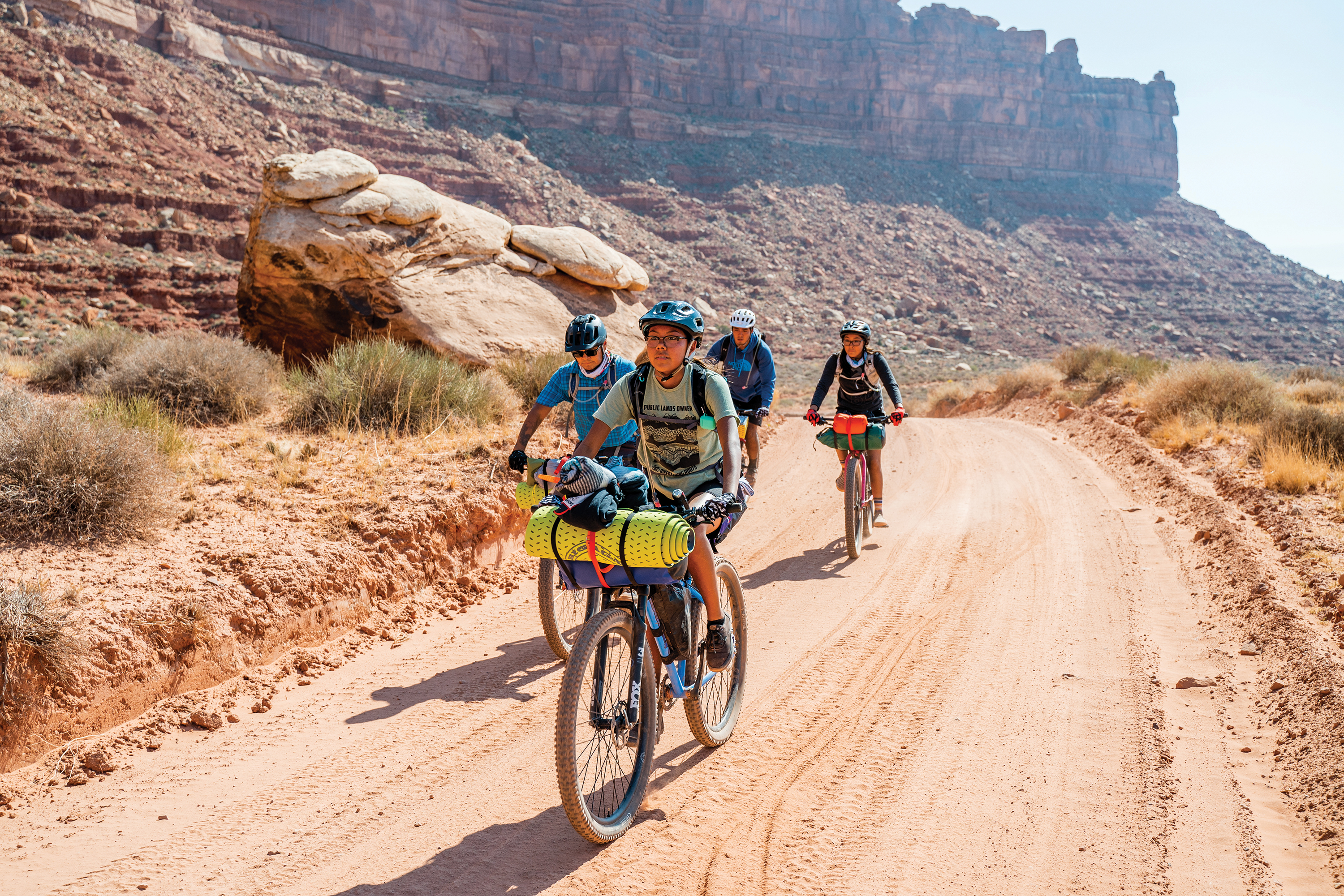
Exploring the Adventurous World of Bikepacking: A Rising Trend for Adventurers and Outdoor Enthusiasts

Bikepacking: Exploring the World on Two Wheels
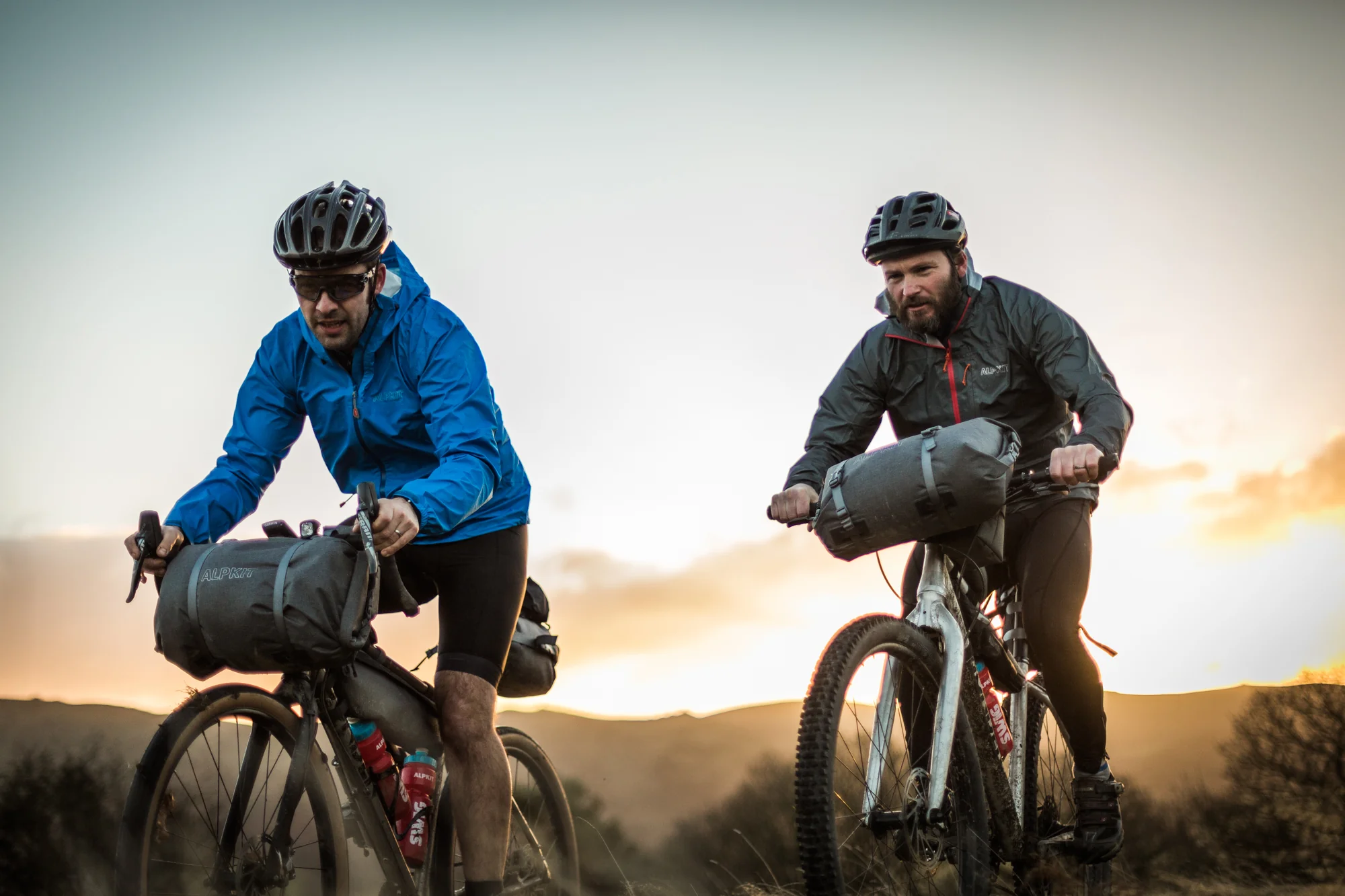
Bikepacking has rapidly gained popularity as a thrilling adventure that offers a unique way to explore the world. Combining the simple joy of cycling with the freedom of self-supported remote travel, bikepacking allows enthusiasts to traverse terrains that are beyond the reach of traditional cycling tours. This trend has captured the attention of outdoor enthusiasts, nature lovers, and thrill-seekers alike, leading to a significant rise in its popularity. In this article, we will delve into the essence of bikepacking, its origins, and the key reasons behind its growing appeal among diverse demographics.
Bikepacking - An Overview:
Bikepacking can be defined as a fusion of cycling, camping, and backpacking, where riders venture long distances over various terrains to explore new places and experience the great outdoors. Instead of relying on traditional road touring gear, bikepacking enthusiasts utilize lightweight equipment, which can be easily loaded onto their bicycles, allowing them to go beyond paved roads into remote and rugged areas.
Origins and Evolution:
While the concept of bikepacking has been around for decades, it began to gain mainstream recognition in the early 2000s. The pioneering efforts of adventure cyclists, such as Nicholas Carman and Lael Wilcox, who embarked on long-distance self-supported bike journeys across continents, helped popularize bikepacking as a distinct outdoor activity.
Initially, bikepacking was closely associated with ultralight backpacking, where riders would carry minimalistic gear to reduce weight and increase their range. However, as bikepacking gained traction, the sport evolved, giving rise to specialized equipment, purpose-built bikes, and a vibrant community passionate about exploring uncharted territories on two wheels.
Popularity Among Various Demographics:
Bikepacking's appeal transcends age, gender, and experience level, making it accessible to a wide range of individuals seeking unique outdoor experiences. Here are a few reasons why bikepacking has gained popularity among various demographics:
- Adventure and Freedom: Bikepacking offers an adrenaline rush and a sense of exploration unmatched by other modes of travel. It provides an escape from mundane routines, allowing enthusiasts to embrace the thrill of unplanned adventures and the freedom to choose their own path.
- Immersive Nature Experience: Bikepacking allows riders to immerse themselves in nature, explore remote areas, and discover untouched landscapes that are often inaccessible by traditional means. It provides a closer connection to the natural environment and the ability to witness breathtaking vistas while pedaling through scenic routes.
- Physical and Mental Challenge: Bikepacking requires endurance, self-reliance, problem-solving skills, and mental resilience. The physical challenges associated with long-distance rides and the solitude of extended journeys can be deeply rewarding and provide an avenue for personal growth.
- Minimalistic Lifestyle: Bikepacking promotes a minimalist approach to living, encouraging riders to carry only essential gear and leave behind the complexities of modern life. This appeals to individuals seeking simplicity, self-sufficiency, and a break from materialistic concerns.
As bikepacking continues to grow in popularity, it has fostered a supportive and diverse community of riders worldwide. Cyclists with different backgrounds, motivations, and levels of experience come together to share stories, advice, and routes, further fueling the passion for this exciting outdoor pursuit.
In the following sections, we will further explore the essential gear required for bikepacking, popular destinations, and emerging trends in the bikepacking world. Stay tuned for more insights on this fascinating trend that is taking the adventure community by storm.
The Rapidly Growing Market Size of Bikepacking
In recent years, bikepacking has emerged as an exciting adventure sport and a popular form of travel, combining the thrills of cycling with the freedom of backpacking. With its focus on long-distance off-road cycling trips, bikepacking has attracted a growing number of outdoor enthusiasts looking for new and unique experiences. As a result, the market size of bikepacking has been steadily growing, offering significant growth opportunities for businesses in the cycling and outdoor recreation industries.
Market Size and Potential
The global bikepacking market has witnessed a remarkable surge in popularity, driven by several factors. One key driver is the growing trend of seeking authentic and immersive travel experiences. Traditional backpacking and cycling vacations are now being replaced by bikepacking trips, which allow adventurers to explore stunning landscapes, connect with nature, and experience the local culture up close.
Furthermore, the rise of social media and online platforms has played a crucial role in popularizing bikepacking. Avid bikepackers often share their journeys and experiences through blogs, videos, and social media platforms, inspiring others to embark on their own cycling adventures. This visibility and word-of-mouth promotion have contributed to the widespread adoption of bikepacking, fueling its market growth.
Market Growth and Trends
The market for bikepacking has been witnessing steady growth, with no signs of slowing down. According to a report by Allied Market Research, the global bikepacking market was valued at $92.46 million in 2019 and is projected to reach $142.59 million by 2027, growing at a CAGR of 5.9% from 2020 to 2027.
Several key trends have been shaping the growth of the bikepacking market. Firstly, the rise in eco-tourism and sustainable travel has contributed to the increased interest in bikepacking. More travelers are opting for environmentally friendly modes of transport, and bikepacking perfectly aligns with this trend. The minimal carbon footprint and reduced impact on the environment make bikepacking an attractive choice for eco-conscious adventurers.
Additionally, advancements in bikepacking gear and equipment have made the activity more accessible to a wider range of cyclists. Lightweight, durable, and compact gear such as bike bags, shelters, and cooking equipment have improved the overall experience, enabling bikepackers to carry their essentials comfortably while tackling challenging terrains.
With its unique blend of adventure, freedom, and immersion in nature, bikepacking has captured the imagination of outdoor enthusiasts worldwide. As the market continues to grow steadily, driven by the increasing desire for authentic travel experiences and sustainable tourism, businesses in the cycling and outdoor recreation sectors have an opportunity to tap into this emerging trend. As more people discover the joys and challenges of bikepacking, the market size is expected to expand further, presenting exciting possibilities for innovation and growth.
Unveiling the Growing Consumer Demand and Preferences for Bikepacking
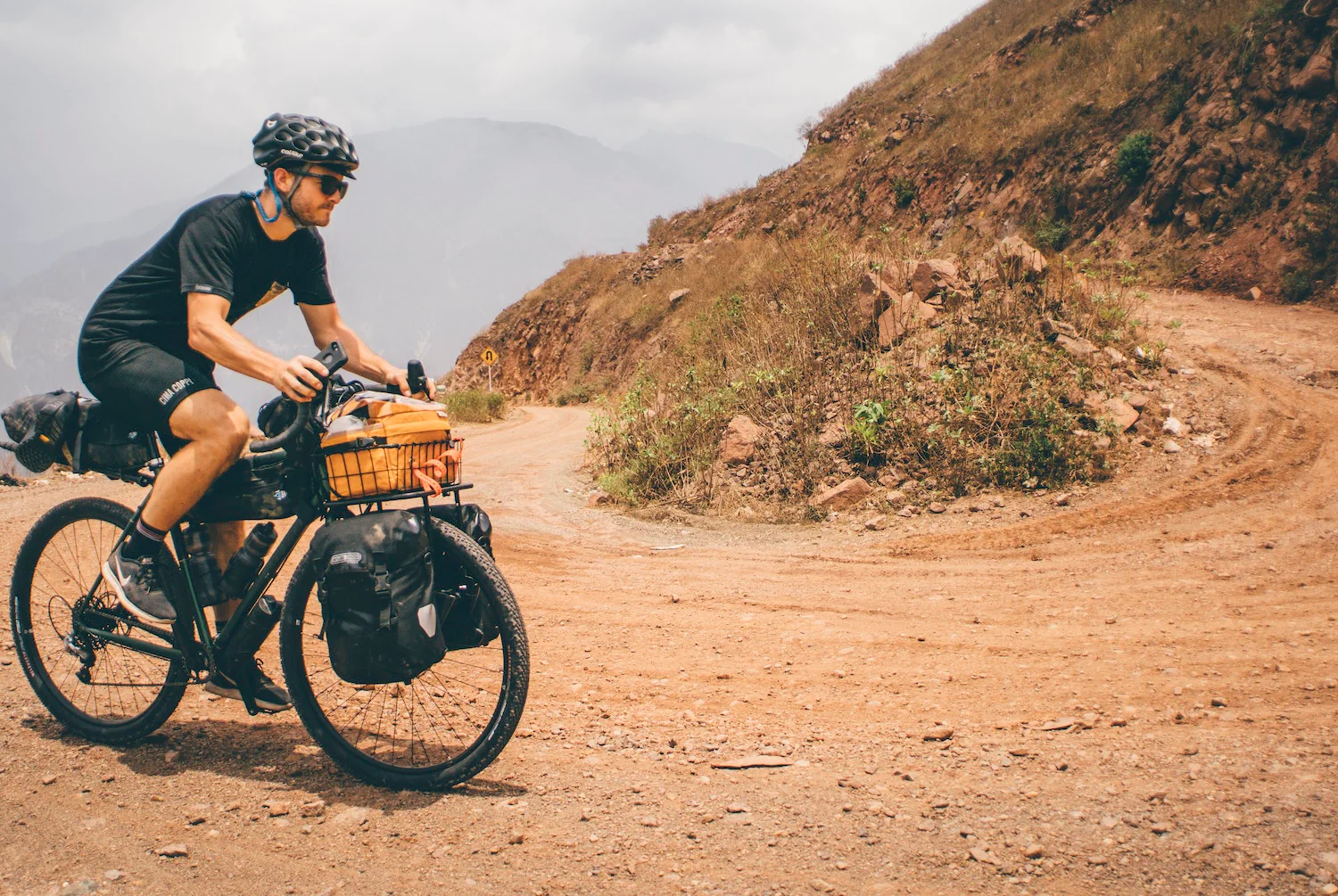
Bikepacking, the combination of cycling and camping, has gained significant popularity among outdoor enthusiasts in recent years. This adventurous activity involves traveling long distances on a bike while carrying camping gear and supplies. As more people seek unique and immersive travel experiences, bikepacking has emerged as a trending activity around the world. In this section, we will explore the consumer demand and preferences of bikepacking, shedding light on the factors driving its growth and the evolving preferences of bikepacking enthusiasts.
Understanding the Rising Consumer Demand for Bikepacking:
- Adventure and Exploration: Bikepacking provides individuals with a thrilling way to explore scenic routes, venture off the beaten path, and discover new destinations. It offers a sense of freedom, allowing cyclists to immerse themselves in nature and experience breathtaking landscapes.
- Sustainable Tourism: The increasing focus on sustainable tourism has led consumers to opt for more eco-friendly travel options. Bikepacking aligns with this trend as it promotes low-impact travel, minimizing the carbon footprint compared to traditional modes of transportation.
- Health and Wellness Benefits: Bikepacking combines physical activity with nature immersion, offering individuals a chance to stay active and improve their physical and mental well-being. The opportunity to escape from the hustle and bustle of daily life and connect with nature appeals to health-conscious consumers seeking a holistic travel experience.
Preferences of Bikepacking Enthusiasts:
- Gear Versatility and Storage Solutions: Bikepacking enthusiasts require specialized gear that is lightweight, compact, and offers ample storage options. Popular gear includes frame bags, handlebar bags, and seat packs. The preference for versatile, durable, and easily accessible equipment is crucial in ensuring a comfortable and efficient bikepacking experience.
- Route Selection and Scenic Beauty: Bikepackers prioritize cycling routes that provide awe-inspiring landscapes, diverse terrains, and cultural attractions. The ability to combine challenging trails with rewarding views acts as a major incentive for individuals when planning their bikepacking trips.
- Community Engagement and Sharing Experiences: Bikepacking fosters a strong sense of community among cyclists. Bikepacking enthusiasts often gather in online forums, social media groups, and organized events to share their experiences, exchange knowledge, and seek advice. This community engagement aspect enhances the overall appeal of bikepacking as individuals seek to connect with like-minded individuals and gain inspiration for their own adventures.
Bikepacking is witnessing a burgeoning consumer demand as individuals seek unique travel experiences that combine adventure, sustainability, and wellness. Understanding the preferences of bikepacking enthusiasts is crucial for companies and service providers aiming to cater to this growing market. By aligning with consumer preferences such as gear versatility, scenic routes, and community engagement, businesses can appeal to the desires and aspirations of bikepacking enthusiasts, ensuring they can fully immerse themselves in this exhilarating outdoor activity.
Industry Players and Competition in the Bikepacking Market
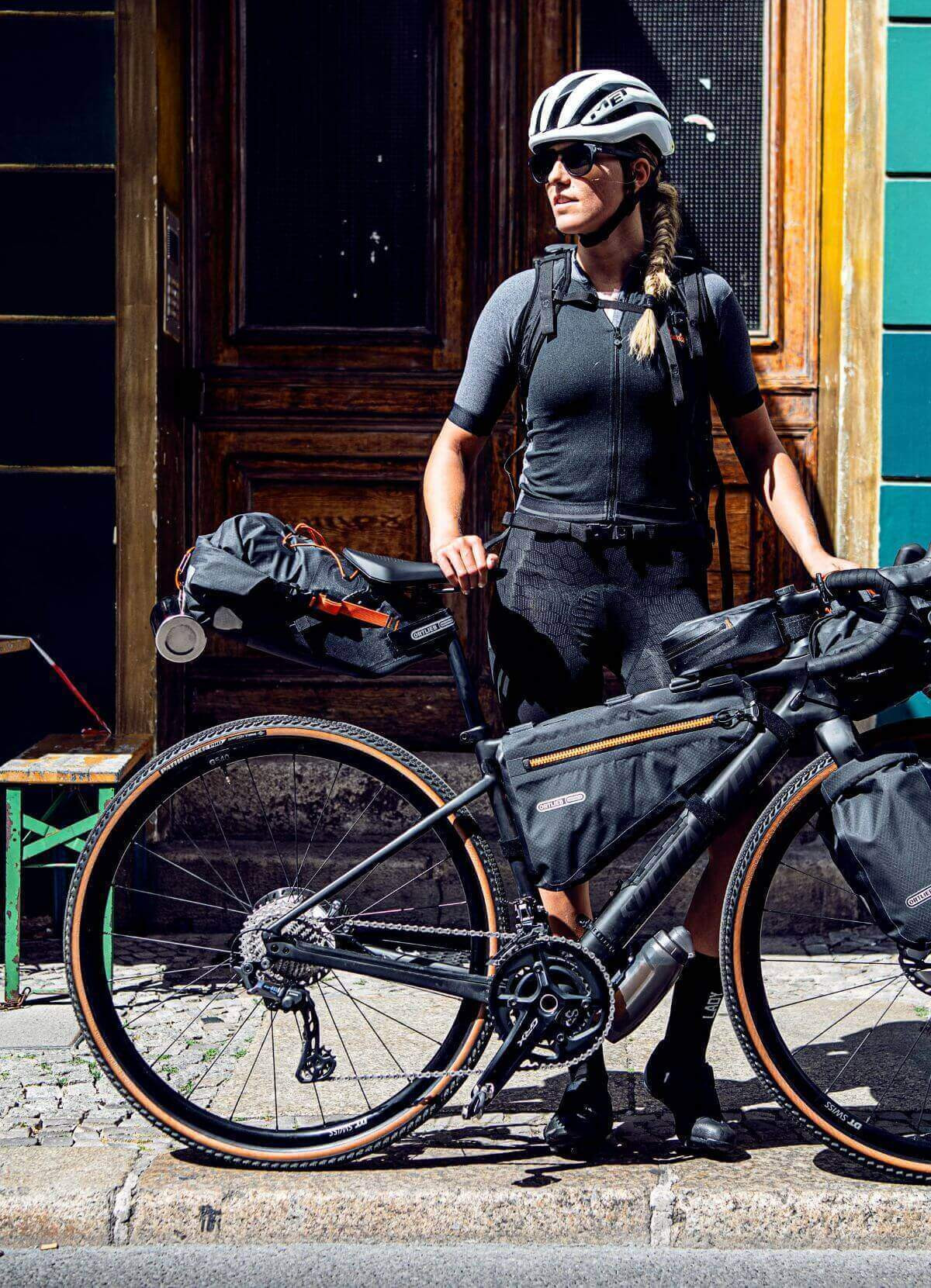
Bikepacking, a combination of mountain biking and backpacking, has gained significant popularity in recent years. This adventurous outdoor activity involves exploring remote areas on a bicycle, carrying all necessary gear, and camping along the way. As the demand for bikepacking experiences continues to grow, several industry players have emerged to cater to this niche market.
Bike Manufacturers
Bike manufacturers play a crucial role in the bikepacking industry by providing specialized bikes designed for off-road adventures. Many leading bicycle companies have recognized the potential for bikepacking and have developed dedicated models to meet the specific needs of bikepackers. These bikes typically feature rugged frames, wide tires for increased stability and durability, and extra mounts for carrying gear.
Notable industry players in bike manufacturing include Trek, Salsa Cycles, Specialized, and Surly. Each of these companies offers a range of bike models suitable for bikepacking, catering to different budgets and preferences. They continue to innovate and make improvements to their bikes to enhance the bikepacking experience.
Outdoor Gear Brands
In addition to bikes, bikepackers require specialized gear that combines lightweight properties, versatility, and durability. Outdoor gear brands have recognized the demand for bikepacking-specific equipment and have begun producing products tailored to meet the needs of bikepackers.
Industry leaders such as REI Co-op, Patagonia, Osprey, and Big Agnes have introduced a range of bikepacking gear including lightweight tents, sleeping bags, cooking utensils, clothing, and packs. These brands focus on incorporating features that are specifically designed for bikepackers, such as compactness, waterproofing, and ease of attachment to bike frames.
Tour Operators and Guides
For those new to bikepacking or those seeking a guided experience, tour operators and guides provide valuable services. These companies organize bikepacking trips, provide equipment rentals, and offer expert guides who lead groups on carefully curated routes.
Notable tour operators and guides in the bikepacking industry include Pure Cycles, Backroads, and Apidura. These companies offer a variety of pre-planned bikepacking trips, catering to different skill levels and desired destinations. They provide a comprehensive experience, taking care of logistics, route planning, and offering professional guidance to ensure a safe and enjoyable adventure.
Online Communities and Resources
The bikepacking community is vibrant and highly engaged, leading to the emergence of various online resources and platforms dedicated to sharing information, tips, and experiences. These platforms foster a sense of community and provide valuable insights for both beginners and experienced bikepackers.
Websites and online communities such as Reddit's r/bikepacking, and The Bikepacking Journal offer a wealth of information on gear reviews, route suggestions, and firsthand accounts of bikepacking trips. These platforms have become valuable resources for bikepackers to connect, learn, and stay up to date with the latest trends and developments in the industry.
Competition in the Bikepacking Market
With the increasing popularity of bikepacking, competition within the industry has grown significantly. Established players in the bike manufacturing and outdoor gear sectors cater to the bikepacking market alongside newer specialized brands that focus solely on bikepacking gear. This competition drives innovation, as companies strive to develop new products, improve existing offerings, and capture a larger share of the bikepacking market.
Moreover, the rise of tour operators and guides in the bikepacking industry has intensified competition in terms of creating unique and appealing bikepacking experiences. By offering well-curated routes, knowledgeable guides, and exceptional customer service, these operators distinguish themselves from their competitors and vie for a larger market share.
Overall, the bikepacking industry is experiencing healthy competition, with a range of industry players striving to meet the unique needs of bikepackers. As this outdoor activity continues to gain momentum, it is likely that competition will further intensify, driving innovation and diversification within the market.
Exploring the Future: Technological Innovations in Bikepacking
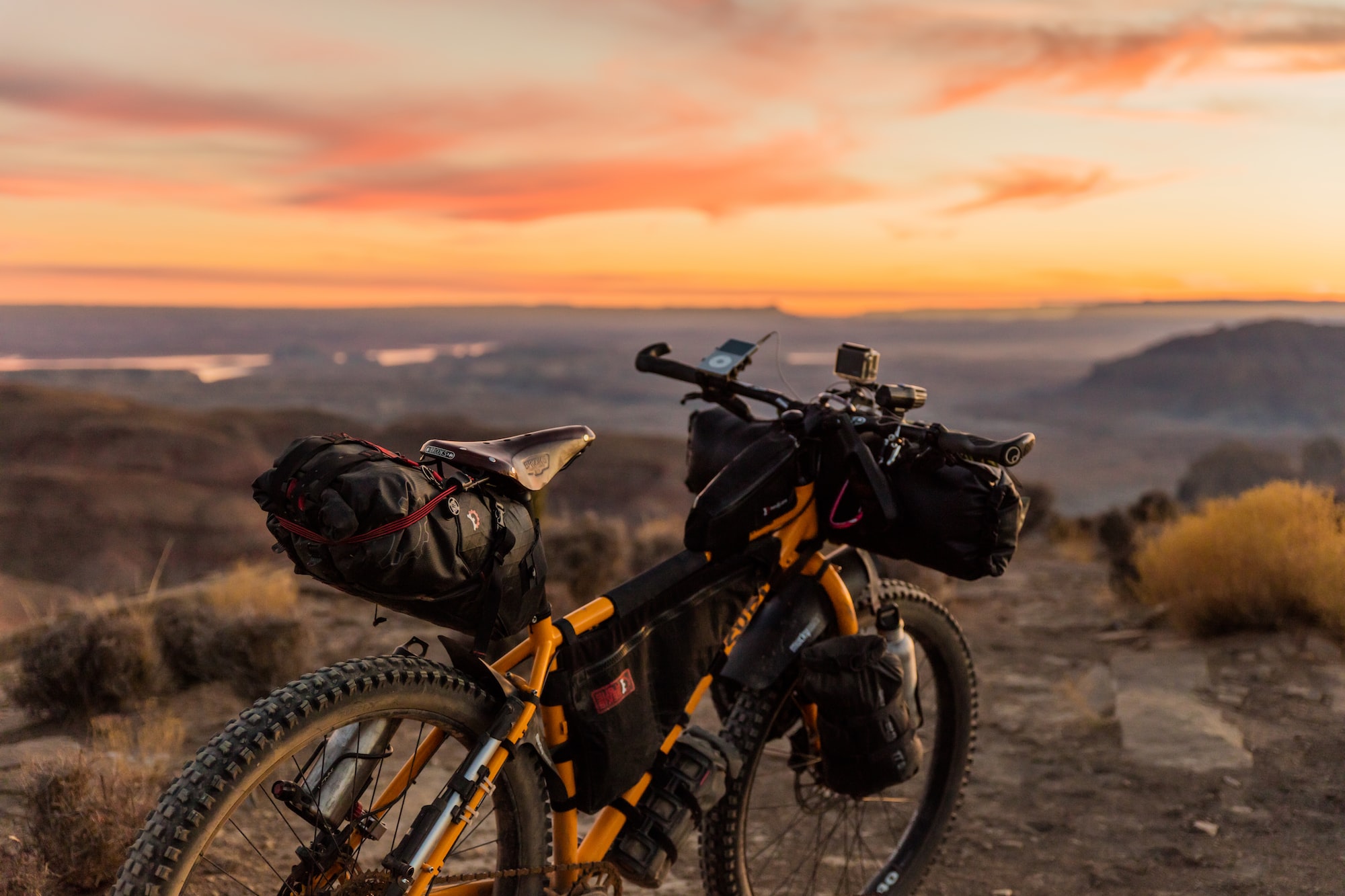
Bikepacking, a combination of mountain biking and minimalist camping, has gained popularity in recent years as more people seek out outdoor adventures. This emerging outdoor activity appeals to those who are looking for a way to explore the great outdoors while enjoying the thrill of biking across rugged terrains. As bikepacking continues to grow in popularity, technological innovations have emerged to enhance the experience and make it more enjoyable for enthusiasts. In this article, we will delve into some of the technological innovations that are shaping the world of bikepacking.
Lightweight and Durable Bikepacking Gear
One of the key elements of bikepacking is having lightweight and durable gear that can withstand the rigors of off-road and long-distance cycling. Innovations in materials and manufacturing techniques have allowed manufacturers to produce bikepacking-specific gear that is both lightweight and robust. From lightweight tent materials to compact cooking stoves, bikepackers can now carry efficient gear that takes up less space and adds less weight to their bikes, ultimately enhancing their riding experience.
GPS and Navigation Systems
Navigation is crucial for bikepackers, as they often venture into remote areas with little to no cellular reception. To address this challenge, GPS and navigation systems have become essential tools for bikepackers. These devices allow cyclists to plan their routes, track their progress, and explore new trails with confidence. Advanced GPS technology, such as reliable satellite tracking and route planning features, ensures that bikepackers can navigate accurately even in the most challenging terrains.
Bikepacking-Specific Bike Designs
With the rise in bikepacking popularity, bicycle manufacturers have started designing bikes specifically tailored to the needs of bikepackers. These specialized bikepacking bikes are equipped with features such as mounting points for attaching bags and racks, increased tire clearance for handling rough terrains, and optimized geometry for stability and comfort during long rides. These innovations ensure that bikepackers can enjoy a smoother and more efficient cycling experience, enabling them to conquer varied landscapes with ease.
Solar-Powered Gear
As bikepackers often spend extended periods in the outdoors, recharging equipment such as lights, GPS devices, and smartphones can become a challenge. To address this issue, solar-powered gear has emerged as a practical solution. Solar panels can be attached to bikepacker's bags or directly on their bikes, allowing them to harness the power of the sun to recharge their electronic devices. This innovation enables bikepackers to stay connected and powered up during their adventures without relying on traditional power sources.
Bikepacking Apps
In our technologically-driven world, bikepacking enthusiasts can turn to various apps to enhance their experience. These apps offer features such as route planning, tracking, trail recommendations, weather updates, and even community forums to connect with other bikepackers. By leveraging these apps, riders can access valuable information that can optimize their overall experience, making it easier to discover new trails and connect with fellow adventurers.
In conclusion, bikepacking is not just a physical activity but also a realm where technology plays a vital role in enhancing the overall experience. From lightweight and durable gear to advanced navigation systems and specialized bike designs, technological innovations are shaping the future of bikepacking. As more enthusiasts embark on adventures in the great outdoors, we can expect further advancements in technology that cater specifically to the needs of bikepackers, making this thrilling activity even more accessible and enjoyable.
Exploring the World on Two Wheels: Bikepacking Trends and Cultural Influences
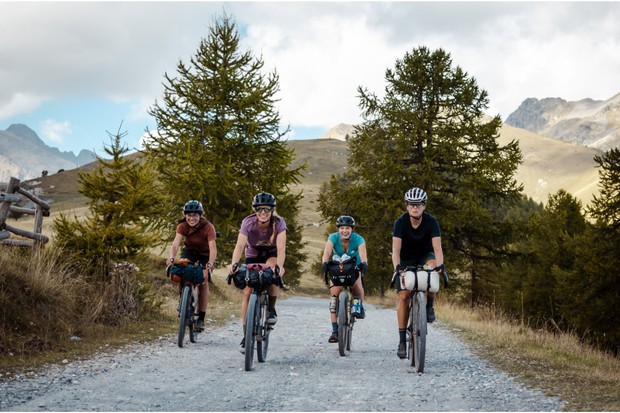
In recent years, bikepacking has emerged as a popular outdoor activity that combines the thrill of long-distance cycling with the adventure of backpacking. This unique way of traveling has not only captivated enthusiasts around the world but also showcases regional trends and cultural influences. Let's delve into some of the key regional trends and cultural factors that shape the world of bikepacking.
North America: Pioneering Bikepacking Culture
North America, particularly the United States, is often credited as the birthplace of modern bikepacking. The vast landscapes and extensive trail networks in regions like the Rocky Mountains, Pacific Northwest, and Southwest have sparked a growing interest in bikepacking adventures. The culture surrounding bikepacking in North America is characterized by self-sufficiency, exploration, and a strong emphasis on "ultralight" gear and minimalist packing techniques. Many bikepacking events, such as the Tour Divide and the Arizona Trail Race, attract cyclists from all over the world who aim to challenge themselves and connect with the rugged beauty of the continent.
Europe: Embracing Heritage and Accessibility
In Europe, bikepacking traditions are heavily influenced by the continent's rich cycling culture and extensive network of bike routes. European bikepackers place a strong emphasis on combining long-distance rides with cultural and historical exploration. The EuroVelo network, which consists of 17 long-distance cycling routes crossing the entire continent, provides a framework for planning bikepacking trips that traverse multiple countries and offer diverse cultural experiences. European bikepacking events often focus on connecting with local communities and celebrating regional food, wine, and heritage along the route.
Asia: Exploring Vast Landscapes and Spiritual Journeys
Asia offers a breathtaking backdrop for bikepacking adventures, encompassing majestic mountain ranges, ancient temples, and diverse cultures. Bikepacking in Asia is often associated with spiritual journeys and personal exploration. In countries like Nepal, Bhutan, and India, bikepackers are drawn to the challenge of high-altitude passes and the opportunity to immerse themselves in the local customs and traditions. The Himalayas, the Pamir Highway, and the Silk Road represent iconic routes that attract adventurers seeking both physical and spiritual enlightenment.
South America: Adventurous Routes and Cultural Diversity
South America presents an ideal playground for bikepacking enthusiasts with its diverse landscapes, adventurous routes, and vibrant cultures. From the rugged beauty of Patagonia to the ancient history of the Inca Trails, South America offers a plethora of trails for intrepid bikepackers. The region's strong indigenous heritage, combined with lively music, art, and culinary traditions, creates a dynamic cultural backdrop for bikepacking experiences. The diversity of ecosystems and climates in countries like Argentina, Chile, Peru, and Colombia allows for year-round bikepacking opportunities and the chance to explore colonial towns, remote villages, and natural wonders.
Oceania: Remote Landscapes and Island Hopping
In Oceania, bikepacking is closely associated with the region's remote landscapes, pristine coastal routes, and opportunities for island hopping. Australia, New Zealand, and the Pacific Islands offer a unique blend of rugged wilderness, coastal beauty, and island-hopping adventures. Bikepackers in this region often embrace a relaxed and laid-back approach, taking their time to connect with nature and local communities along the way. Bikepacking events such as the Munda Biddi Trail in Western Australia and the Old Ghost Road in New Zealand showcase the breathtaking landscapes and the sense of freedom that characterizes bikepacking in Oceania.
Bikepacking is more than just a recreational activity; it represents a way to connect with regional trends and cultural influences while exploring the world on two wheels. From the pioneering spirit of North America to the rich heritage of Europe, the spiritual journeys of Asia, the adventurous routes of South America, and the island-hopping experiences of Oceania, bikepackers can embark on unique journeys that reflect the diverse cultures and landscapes of each region. By understanding the regional trends and cultural influences on bikepacking, enthusiasts can further enrich their experiences and discover new opportunities for exploration.
The Rise of Bikepacking: Influencers and Social Media
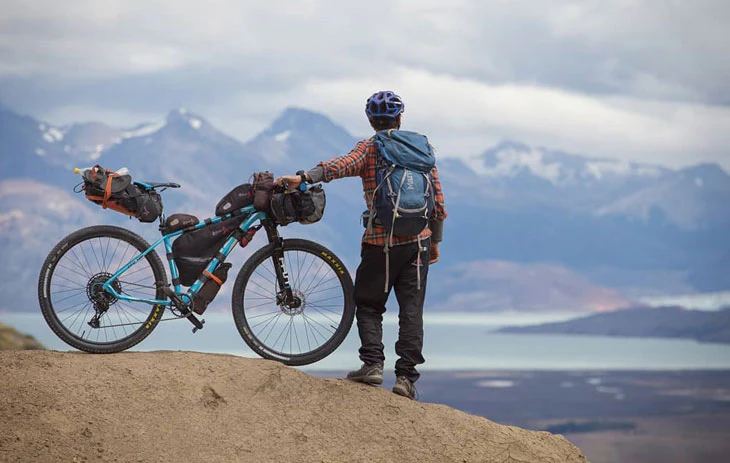
In recent years, bikepacking has emerged as a popular outdoor adventure trend, combining the freedom of cycling with the excitement of backpacking. This unique activity has gained a significant following, attracting adventure-seekers and nature enthusiasts from all walks of life. With the help of social media and influential figures, bikepacking has experienced a surge in popularity and has become a sought-after trend for many travelers and outdoor enthusiasts.
The Role of Social Media in Bikepacking
Social media platforms such as Instagram, YouTube, and Facebook have played a crucial role in bringing bikepacking into the spotlight. These platforms provide a space for bikepacking enthusiasts to connect, share their experiences, and showcase their adventures. Through captivating photos, videos, and personal stories, bikepackers have been able to inspire others and ignite interest in this dynamic sport.
Social media platforms not only allow bikepacking enthusiasts to share their journeys but also provide valuable information and resources for those looking to embark on their own adventures. Dedicated bikepacking groups and communities on Facebook allow riders to connect with like-minded individuals, share tips and tricks, and even plan group trips. Instagram accounts dedicated to bikepacking offer stunning visuals and stories, motivating followers to explore and engage in this exciting outdoor pursuit.
The Power of Influencers in Bikepacking
Influencers, with their significant following and engaging content, have helped accelerate the popularity of bikepacking. These individuals, whether professional athletes, experienced adventurers, or passionate cyclists, use their influence and expertise to inspire and inform others about bikepacking.
Top influencers in the bikepacking community often document their trips, sharing photos, videos, and insights into their experiences. By doing so, they help potential bikepackers visualize what it's like to embark on these journeys and make it more accessible to a wider audience. These influencers offer valuable advice on gear, route planning, and bike maintenance, helping newcomers feel more prepared and confident to hit the trails.
The partnership between influential figures and brands within the bikepacking industry has also contributed to the sport's growth. Influencers often collaborate with gear manufacturers, outdoor retailers, and bikepacking-specific companies to introduce their audience to the latest equipment and products. The endorsement of an influencer can carry significant weight when it comes to purchasing decisions and can contribute to the overall visibility and adoption of bikepacking.
Thanks to social media and the power of influencers, bikepacking has rapidly gained popularity across the globe. Platforms such as Instagram, YouTube, and Facebook have provided a space for bikepacking enthusiasts to share their adventures, connect with fellow riders, and inspire others to explore this exciting outdoor pursuit. The collaboration between influential figures and brands has further fueled the growth of bikepacking, making it more accessible and appealing to a wider audience. As social media continues to evolve, it is likely that bikepacking will continue to thrive, attracting more people to experience the freedom and thrill of this unique adventure sport.
Bikepacking: A Growing Trend with a Promising Future
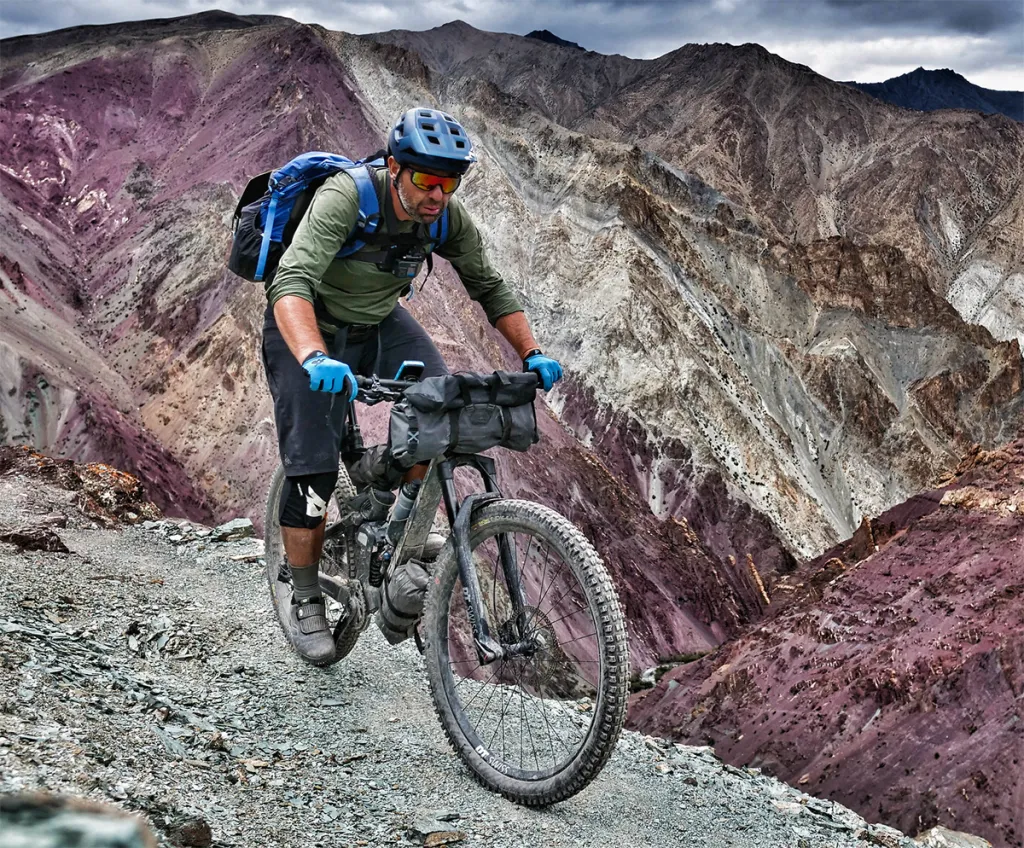
Bikepacking, a fusion of biking and backpacking, has gained significant popularity in recent years as outdoor enthusiasts seek new adventures and a closer interaction with nature. This trend involves using lightweight gear and specially designed bicycles to embark on multi-day or extended journeys, combining the thrill of cycling with the freedom of exploring off-road trails. With its unique blend of physical challenge, minimalist travel, and outdoor exploration, bikepacking has captured the attention of adventurers worldwide. In this section, we will explore the future outlooks and forecasts for this emerging trend.
- Increasing Adoption of Sustainable Travel: As people become more environmentally conscious, there has been a growing interest in sustainable and eco-friendly travel options. Bikepacking aligns with this shift towards green travel by reducing carbon emissions and minimizing the use of fossil fuels. As a result, this trend is likely to further attract individuals who prioritize sustainable and low-impact forms of travel.
- Expansion of Bikepacking Infrastructure: The development of bikepacking-specific infrastructure and routes is crucial for the growth and accessibility of this trend. Many regions and organizations are recognizing the economic potential and tourism benefits that bikepacking can bring to their areas. Consequently, we can expect the creation of more dedicated bikepacking trails, services, and accommodations, making it easier for enthusiasts to engage in bikepacking adventures. This expansion will likely attract both seasoned bikepackers and those new to the trend.
- Technological Innovations in Gear and Equipment: The rapid advancement of technology will continue to contribute to the growth and improvement of bikepacking gear and equipment. As the popularity of this trend increases, manufacturers are likely to invest in research and development to create lighter, more durable, and technologically advanced gear. This includes innovations in bike frames, bags, navigation devices, and lightweight camping equipment designed specifically for long-distance biking trips. These advancements will enhance the overall experience for bikepackers and further propel the trend forward.
- Rise of Bikepacking Tourism: The allure of off-the-beaten-path adventures and immersive travel experiences has led to a surge in bikepacking tourism. Many destinations are now catering to this demand by promoting bikepacking routes and organizing guided trips for interested travelers. Bikepacking tourism provides an opportunity for economic growth in these regions while offering visitors a unique way to explore unfamiliar landscapes. This sector is expected to expand as more destinations recognize the potential bikepacking holds in attracting adventure-seeking travelers.
Bikepacking shows immense potential for growth in the coming years, driven by increasing interest in sustainable travel, the development of dedicated infrastructure, technological innovations in gear, and the rise of bikepacking tourism. As more people seek memorable experiences, physical challenges, and eco-friendly travel options, bikepacking is likely to become even more mainstream. With the right support and investment, this trend has the potential to transform the way we explore and interact with our natural surroundings.
Bikepacking: Exploring the World on Two Wheels
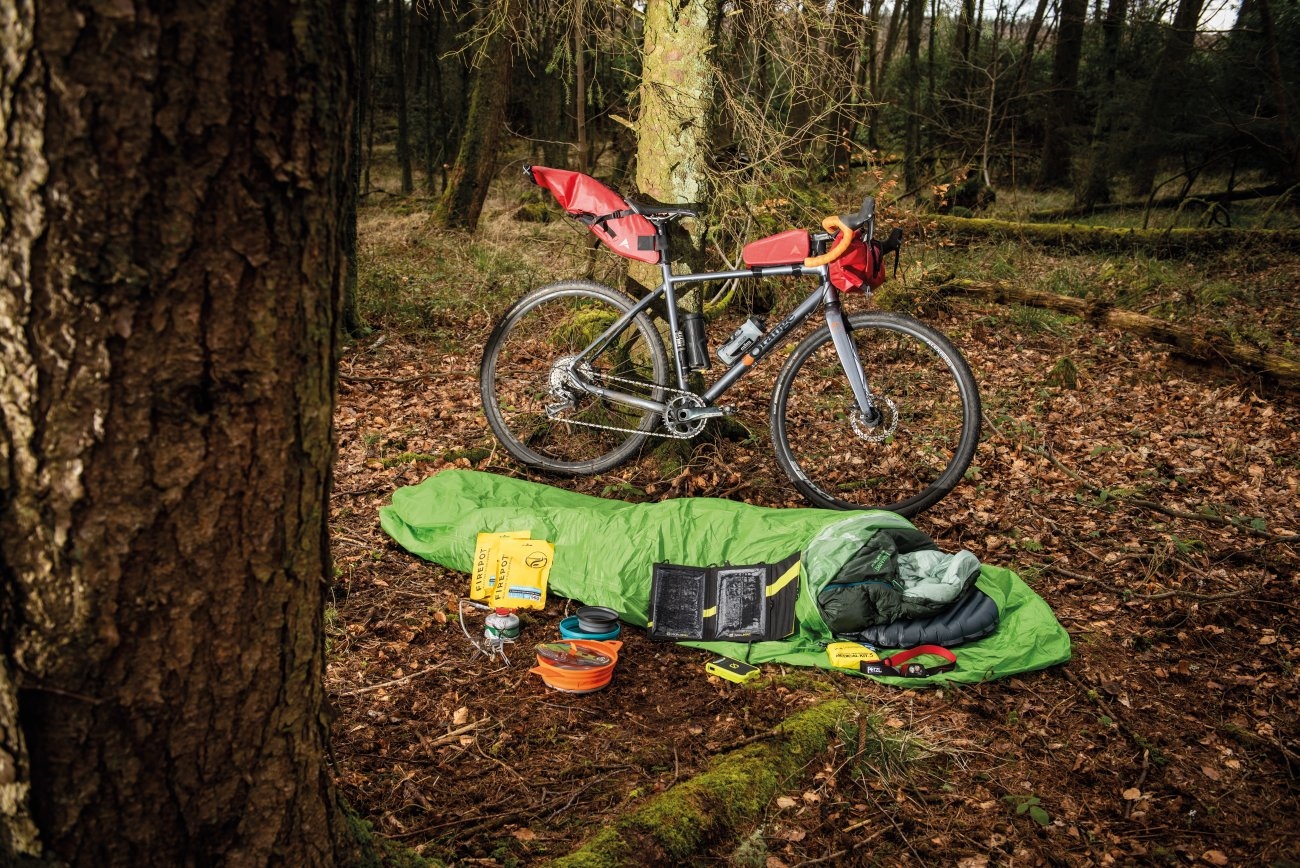
Key Findings and Insights on the Trend of Bikepacking
Bikepacking has emerged as a popular outdoor adventure activity that combines cycling and backpacking, allowing individuals to explore the world on two wheels. This trend has gained significant traction in recent years, with more people seeking unique and immersive travel experiences. In this section, we will recap the key findings and insights on the trend of bikepacking.
- Rising Popularity: Bikepacking has seen a substantial increase in popularity, as it offers a refreshing alternative to traditional modes of travel. The trend appeals to individuals seeking a more intimate connection with nature, open-air exploration, and the freedom to discover remote places that are inaccessible by other means. The simplicity and affordability of this activity also contribute to its growing appeal.
- Health and Wellbeing Benefits: Bikepacking not only offers an opportunity for travel and adventure but also provides numerous health benefits. By combining cycling with backpacking, individuals engage in physical activities that improve cardiovascular health, boost endurance, and strengthen muscles. Moreover, spending time in nature can positively impact mental wellbeing, reducing stress levels and promoting mindfulness.
- Sustainable Tourism: Bikepacking aligns with the principles of sustainable tourism, promoting a lower carbon footprint and reducing the environmental impact of travel. Unlike motorized vehicles, bikes emit no greenhouse gases and contribute to a quieter and less disruptive travel experience. This makes bikepacking an appealing choice for eco-conscious travelers who wish to explore the world responsibly.
- Gear and Equipment: The bikepacking trend has given rise to a variety of specialized gear and equipment designed specifically for this activity. Innovations in bike design, lightweight camping gear, and bike cargo systems have made it easier for individuals to embark on long-distance bikepacking trips. Companies catering to this trend offer a range of products, including frame bags, handlebar bags, and seat packs, to optimize storage and weight distribution.
- Social Networks and Ecosystem: Bikepacking enthusiasts have formed thriving online communities and social networks, connecting like-minded individuals and facilitating the exchange of information and experiences. These networks provide opportunities for collaboration, advice sharing, and planning group trips. Moreover, bikepacking has spurred the growth of a broader ecosystem, with businesses offering specialized services such as bikepacking-friendly accommodation, repair shops, and guided tours.