

Micro Living: Unveiling the Rapidly Rising Trend of Tiny Homes

The Rising Popularity of Tiny Homes: Compact Living on the Rise
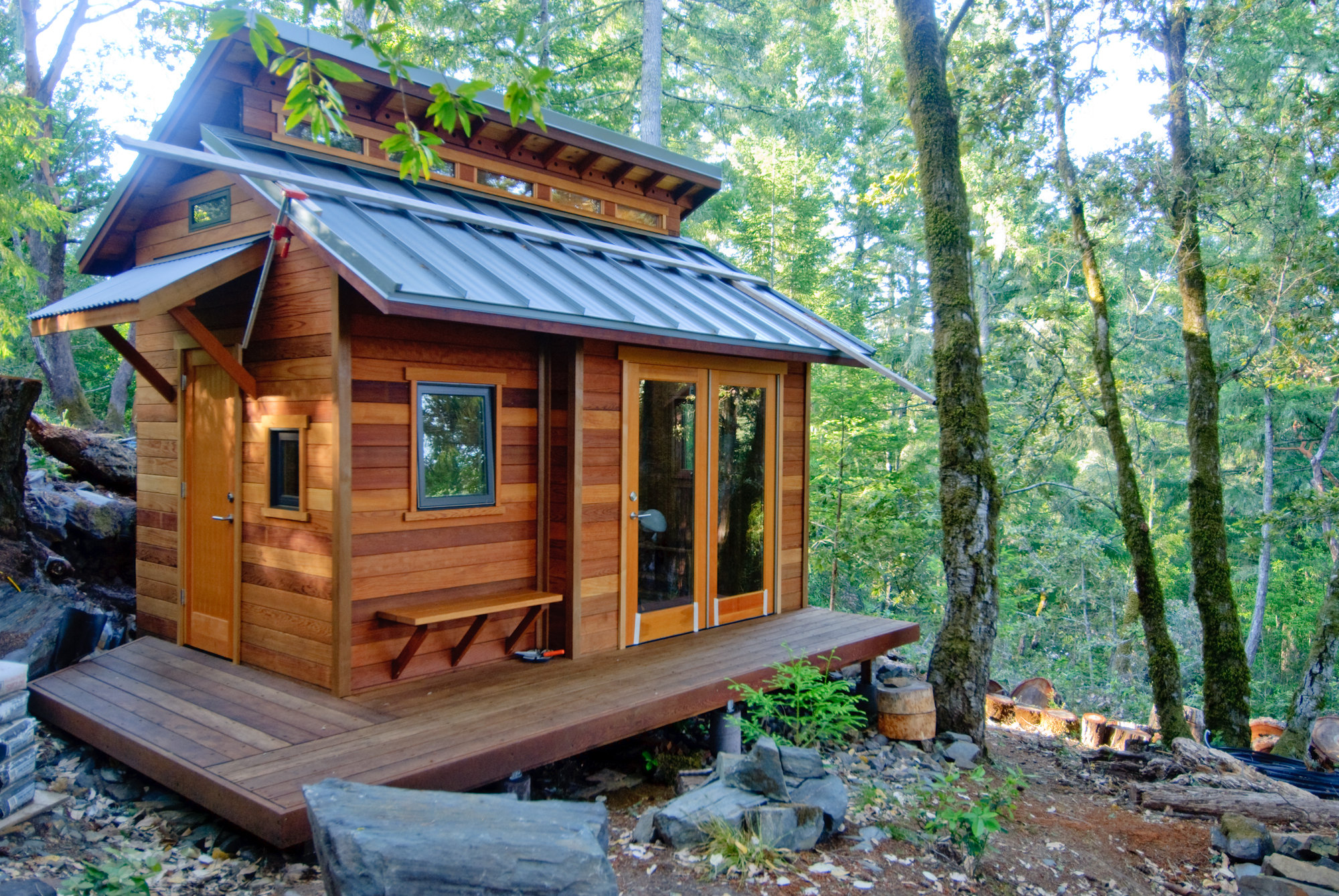
In recent years, the trend of tiny homes has been steadily gaining popularity as people seek alternatives to traditional housing. These compact living spaces, typically measuring under 500 square feet, offer a simple, minimalist lifestyle and a more affordable way to own a home. The tiny home movement has been embraced by various demographics, spanning from young professionals seeking financial freedom to retirees looking to downsize. In this article, we will delve into the origins of the tiny home movement and explore the reasons behind its growing popularity.
Origins of Tiny Homes:
The concept of tiny homes has been around for centuries, dating back to small dwellings in ancient civilizations such as yurts and cabins. However, the current tiny home movement gained momentum in the early 2000s as a response to rising housing costs, increasing environmental concerns, and a desire for a simpler lifestyle. Pioneered by architects such as Jay Shafer, who founded the Tumbleweed Tiny House Company, the movement gained traction and inspired many to downsize their living spaces and embrace the benefits of tiny living.
Factors Driving the Popularity of Tiny Homes:
- Affordability: One key factor driving the trend of tiny homes is the significantly lower cost compared to traditional houses. With skyrocketing housing prices in many parts of the world, owning a home has become increasingly challenging for young adults and those seeking financial stability. Tiny homes offer a more affordable alternative, allowing individuals to fulfill their dream of homeownership without the burden of a substantial mortgage.
- Minimalistic Lifestyle: The appeal of simplified living has also fueled the growing popularity of tiny homes. In a world where material possessions often accumulate excessively, living in a compact space encourages individuals to declutter and prioritize experiences over possessions. The limited square footage encourages creative storage solutions and forces residents to focus on what truly matters, leading to a more deliberate and intentional way of life.
- Environmental Sustainability: As concerns about the environment and the impact of housing on the planet continue to rise, tiny homes present an eco-friendly solution. These compact spaces require fewer building materials, consume less energy for heating and cooling, and have a smaller ecological footprint overall. Many tiny home dwellers also adopt sustainable practices such as composting, rainwater harvesting, and utilizing renewable energy sources, further reinforcing the trend's "green" appeal.
Popularity Across Demographics:
Tiny homes have gained popularity among diverse demographics, showcasing the versatility of this housing trend. Young adults, burdened by high student loan debt and looking for financial freedom, are drawn to the affordability and flexibility of tiny homes. Retirees looking to downsize and simplify their lives, as well as empty-nesters seeking a change from their larger homes, also find tiny homes to be an attractive downsizing option. Additionally, individuals interested in off-grid living, sustainable living, or simply adventure enthusiasts looking for a mobile lifestyle find tiny homes to be a perfect fit.
The rising popularity of tiny homes stems from the desire for financial freedom, a simpler and more intentional lifestyle, as well as environmental consciousness. As the cost of housing remains high and society embraces a more sustainable mindset, the tiny home movement is likely to continue its upward trajectory, meeting the evolving needs and aspirations of people across the globe.
The Growing Market Size of Tiny Homes: A New Trend in Sustainable Living
The market for tiny homes has experienced significant growth in recent years, as more individuals are opting for minimalist and sustainable living. These compact dwellings, characterized by their reduced size ranging from 100 to 400 square feet, are designed to maximize space utilization while minimizing environmental impacts. This article delves into the market size and growth of tiny homes, highlighting the factors driving this trend.
Market Size
The global market for tiny homes has witnessed remarkable expansion, driven by various factors such as rising housing costs, a desire for mobility, and the growing interest in environmentally friendly alternatives. According to a report by Grand View Research, the global tiny homes market size was valued at $2.9 billion in 2020 and is expected to reach $3.7 billion by 2027, growing at a compound annual growth rate (CAGR) of 4.6% during the forecast period.
North America has emerged as the dominant market for tiny homes, accounting for the largest share in terms of revenue. The region's increasing focus on sustainable living, coupled with a desire for affordable housing solutions, has propelled the demand for tiny homes. Additionally, Europe, especially countries like Germany and the Netherlands, has witnessed significant adoption of tiny homes, as the concept aligns with their commitment to ecological sustainability.
Growth Factors: Affordability
With skyrocketing housing prices in many regions, tiny homes provide an attractive and affordable alternative for prospective homeowners. These dwellings have lower upfront costs, lower utility bills, and reduced maintenance expenses compared to traditional homes, making them an economical choice for individuals seeking home
Consumer Demand and Preferences: Exploring the Popularity of Tiny Homes
In recent years, there has been a significant surge in interest and consumer demand for tiny homes. These compact and minimalist dwellings have captured the imagination of a wide range of individuals, from young professionals looking for affordable housing options, to retirees seeking a simpler and more sustainable lifestyle. Let's delve into the reasons behind the growing trend of tiny homes and the preferences of those who are drawn to this unique housing phenomenon.
Affordability and Financial Freedom
One of the key driving factors behind the increased consumer demand for tiny homes is their affordability. In a world where traditional housing costs are skyrocketing, many individuals are seeking alternative ways to achieve homeownership and financial independence. Tiny homes offer an attractive solution, allowing people to reduce their expenses, save money on utilities, and often eliminate or significantly reduce their mortgage payments. This financial freedom appeals to a wide range of people, including millennials burdened with student loan debt and retirees looking to downsize.
Sustainable and Eco-Friendly Living
As the global focus on environmental sustainability intensifies, more individuals are seeking ways to reduce their carbon footprint and live in a more environmentally friendly manner. Tiny homes are often built using eco-friendly materials, designed with energy efficiency in mind, and equipped with renewable energy sources such as solar panels. Their compact size also encourages a simpler and more minimalist lifestyle, reducing the consumption of resources and promoting sustainable living practices.
Mobility and Flexibility
Another appealing aspect of tiny homes is their mobility and flexibility. Many tiny homes are built on trailers, allowing owners to easily relocate and travel while still having a place to call home. This mobility can be particularly attractive to individuals who enjoy exploring different places or have a job that requires frequent moves, such as digital nomads or seasonal workers. The ability to have a comfortable and personal space wherever their adventures take them is a major draw for those seeking a more flexible lifestyle.
Customization and Creativity
Tiny homes offer a unique opportunity for homeowners to express their creativity and tailor their living spaces to their individual needs and preferences. Despite their small footprint, tiny homes can be designed in a way that maximizes functionality and optimizes storage, thanks to innovative space-saving techniques. Additionally, owners have the freedom to personalize their homes with unique decor, furnishings, and layouts that reflect their personality and lifestyle. This level of customization fosters a sense of ownership and pride, making tiny homes an appealing option for those seeking a truly personalized living experience.
Simplification and Reduced Clutter
In today's fast-paced world, many people are looking for ways to simplify their lives and escape the burden of excessive material possessions. Tiny homes promote a minimalist lifestyle by necessitating a more intentional approach to belongings and encouraging individuals to prioritize what truly matters to them. With limited space, owners are forced to declutter and reevaluate their possessions, leading to a more streamlined and organized living environment. This focus on simplicity and reduced clutter resonates with those seeking a more meaningful and less materialistic way of life.
As the demand for tiny homes continues to grow, it is clear that they are more than just a passing trend. The combination of affordability, sustainability, flexibility, customization, and simplification makes tiny homes an appealing choice for a diverse range of consumers. Whether it's for financial reasons, environmental concerns, or a desire for a more intentional lifestyle, it seems that tiny homes are here to stay as a viable and attractive housing option for the future.
Industry Players and Competition in the Tiny Home Market
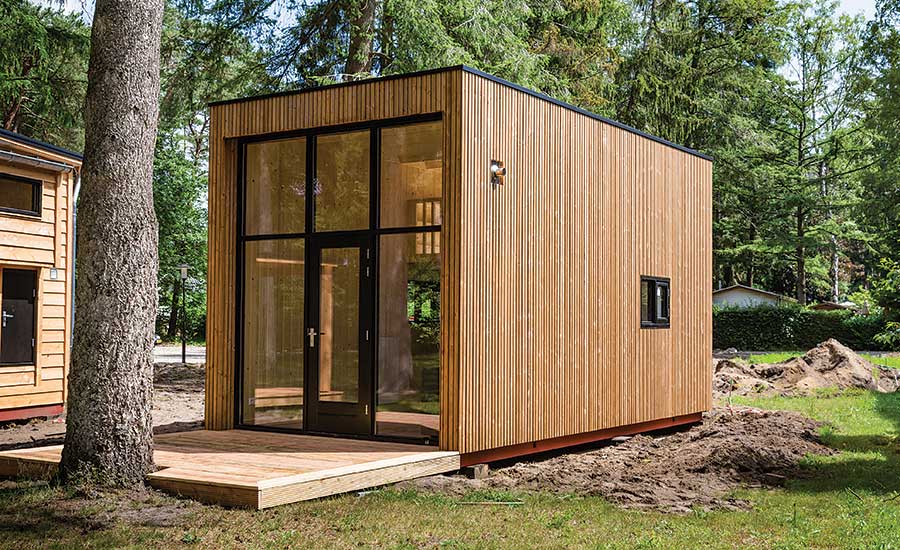
The tiny home movement has gained significant momentum in recent years, with an increasing number of individuals and families embracing the idea of downsizing and living in smaller, more sustainable spaces. This growing trend has led to the emergence of several key industry players and increased competition in the tiny home market. Here, we discuss some of the major players and highlight the competitive landscape within this industry.
Major Players in the Tiny Home Industry
- Tumbleweed Tiny House Company: As one of the pioneers of the modern tiny home movement, Tumbleweed has played a crucial role in popularizing the concept of living in compact spaces. Their homes are known for their high-quality craftsmanship and customizable designs, ranging from rustic to modern.
- Escape Tiny Homes: Escape Tiny Homes is another prominent player in the industry, known for their innovative designs and use of sustainable materials. They offer a range of tiny homes, including off-grid options, and have gained a reputation for their attention to detail and commitment to providing a comfortable living experience.
- Tiny Heirloom: Tiny Heirloom is a luxury tiny home builder that focuses on creating unique, customized homes for their clients. They offer a wide range of styles, from sleek modern designs to vintage-inspired aesthetics. Their emphasis on customization and craftsmanship has made them a sought-after choice for those seeking a more personalized tiny home experience.
- Wheelhaus: Wheelhaus specializes in building small, modular homes that blend luxury and mobility. Their homes feature high-end finishes and unique floor plans, making them popular options for those looking for a permanent residence or vacation home.
Competition in the Tiny Home Market
The tiny home market has become increasingly competitive as more companies enter the industry to meet the rising demand. Here are some key factors driving competition among industry players:
- Price: Affordability is a crucial factor when choosing a tiny home. Companies that can provide cost-effective solutions without compromising quality or design have an edge over their competitors. Additionally, offering flexible financing options can attract a wider customer base.
- Customization: Personalization is an essential aspect of the tiny home experience. Builders that offer a wide range of design options and allow customers to tailor their homes to their specific needs and preferences have an advantage in the market.
- Sustainability: With the tiny home movement rooted in the idea of minimalism and sustainable living, companies that prioritize eco-friendly materials, energy-efficient systems, and off-grid capabilities are gaining traction. Integrating sustainable practices throughout the construction and operation of tiny homes can set companies apart.
- Marketing and Branding: Effective marketing strategies and strong branding play a significant role in standing out in the competitive market. Companies that effectively communicate their unique selling points, showcase their portfolio, and provide educational resources about tiny home living tend to attract more customers.
- Expansion into New Markets: As the tiny home movement expands, there is an opportunity for industry players to target specific niche markets. For example, targeting retirees or eco-conscious individuals seeking alternative housing options can help companies establish a competitive advantage in these segments.
In conclusion, the tiny home industry has attracted several prominent players, each offering distinct design styles, customization options, and price points. For those entering the market, focusing on affordability, customization, sustainability, marketing, and targeting specific niche markets can help carve out a competitive edge in the rapidly growing tiny home market.
Technological Innovations Shaping the Future of Tiny Homes

The Tiny Home movement has gained significant traction in recent years as an alternative to larger, more conventional housing options. With their small footprint, affordability, and eco-friendly nature, tiny homes offer an enticing solution for individuals seeking a simpler and more sustainable lifestyle.
While the essence of tiny homes lies in their minimalist design and efficient use of space, technological innovations are playing an increasingly important role in making these homes even more livable and comfortable. Here, we explore several notable technological advancements that are shaping the future of tiny homes.
Smart Home Automation
In the era of the Internet of Things (IoT), it's no surprise that smart home automation has found its way into the tiny house movement. Integrating smart devices and systems allows homeowners to control various functions of their tiny homes remotely and improve overall comfort and convenience. Voice-controlled assistants like Amazon's Alexa or Google Home can manage lighting, temperature, entertainment, and security systems with simple voice commands. Additionally, automated systems for water management, energy usage monitoring, and solar panel optimization help tiny home dwellers live sustainably while reducing their carbon footprint.
Compact and Efficient Appliances
Space is at a premium in tiny homes, so the size and efficiency of appliances are of utmost importance. Technological advancements have led to the development of compact appliances that are designed specifically for smaller living spaces. Companies like Furrion offer all-in-one kitchen units that combine a stove, oven, sink, and dishwasher into a single compact unit. Similarly, Washer/Dryer Combo units now come in space-saving designs that can fit seamlessly into tiny home layouts without sacrificing functionality.
Off-Grid Power Solutions
Many tiny home dwellers seek to live off the grid and reduce reliance on traditional energy sources. To meet this demand, innovative energy solutions are emerging. Solar power is a popular choice, with solar panels becoming increasingly affordable and efficient. Advancements in battery technology also allow for better energy storage, ensuring a continuous power supply even during periods of low sunlight. Additionally, smart energy management systems can optimize energy usage and decrease reliance on the electrical grid by automatically diverting excess energy to power appliances or saving it for later use.
Modular and Expandable Designs
While tiny homes are known for their compact size, the desire for flexibility and scalability has led to the development of modular and expandable designs. Through the use of intelligent engineering and lightweight materials, tiny homes can now incorporate slide-out rooms, foldable structures, or modular components that can be easily expanded or reconfigured as needed. These technological advancements enable homeowners to adapt their living space to suit changing needs without compromising the core principles of tiny home living.
Innovative Building Materials
Innovation in building materials is crucial for tiny home builders seeking eco-friendly and sustainable options. Technological advancements have facilitated the development of materials like cross-laminated timber (CLT), which provides strength and durability while reducing environmental impact. Additionally, 3D printing is being explored as a viable construction method for tiny homes, with companies experimenting with printing entire houses using sustainable materials.
As the tiny home movement continues to grow, these technological innovations will undoubtedly play an essential role in shaping the future of tiny homes. From smart home automation to off-grid power solutions and modular designs, technology is offering new possibilities for tiny home dwellers to live comfortably and sustainably in their small yet functional abodes.
Regional Trends and Cultural Influences on the Growing Popularity of Tiny Homes
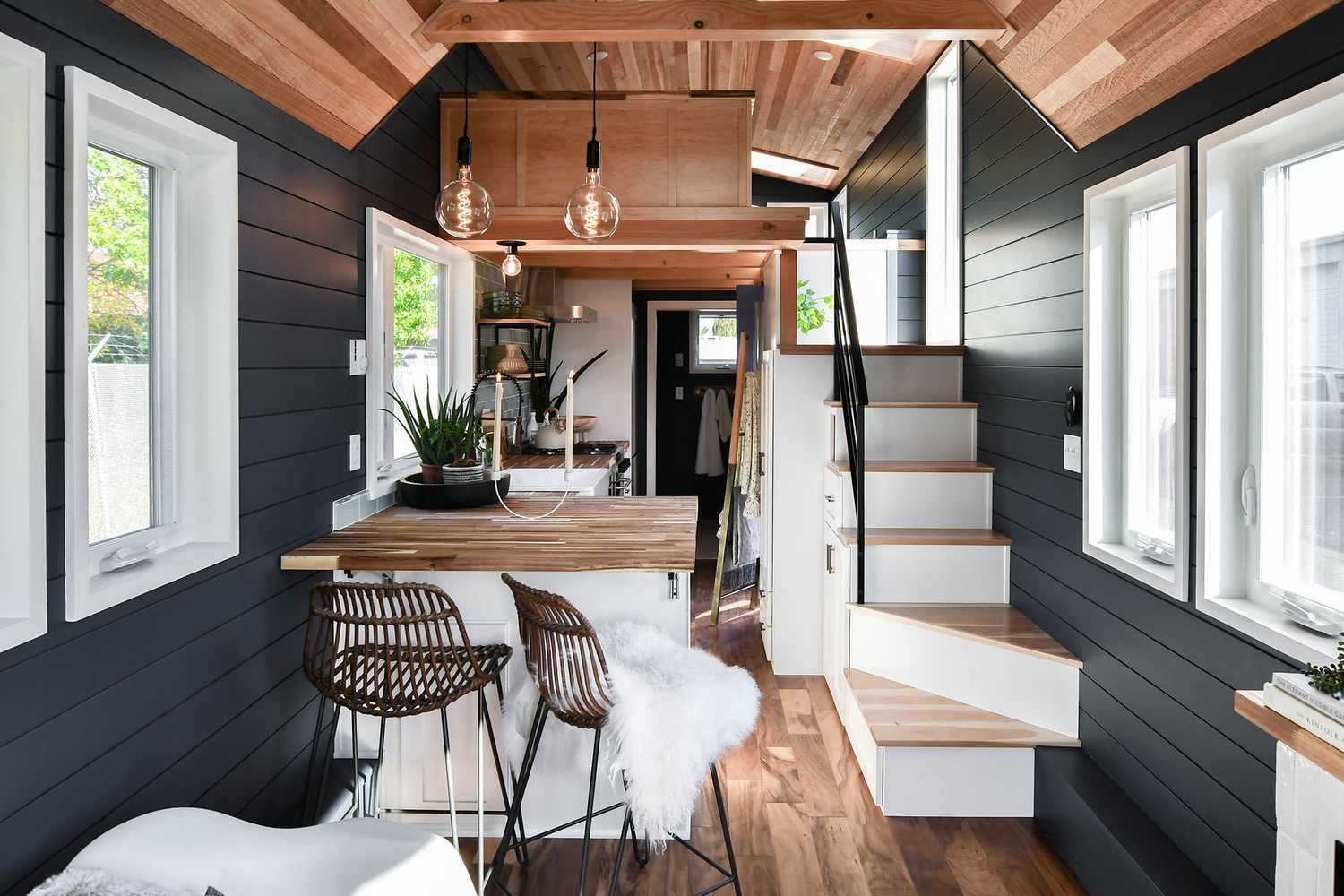
The tiny home movement has gained significant traction globally, with people embracing smaller, more efficient living spaces. While the concept of tiny homes may seem universal, regional trends and cultural influences play a substantial role in shaping its popularity. Let's delve into these factors and understand how they shape the tiny home movement in different parts of the world.
- United States: Pursuit of Minimalism and Financial Freedom In the United States, the tiny home movement can be attributed to multiple factors. One of the primary drivers is the pursuit of minimalism and financial freedom. As housing costs continue to rise, especially in urban areas, many Americans are opting for smaller and more affordable living spaces. Additionally, the desire for a simpler lifestyle coupled with a greater focus on sustainability propels the tiny home trend.
- Scandinavian Countries: Functional Aesthetics and Nature Connection In Scandinavia, known for its minimalist design and strong connection with nature, the tiny home trend aligns well with the region's cultural values. Scandinavian countries emphasize functional aesthetics and appreciate well-designed, compact spaces. Tiny homes in Scandinavia often feature large windows, allowing residents to enjoy nature from the comfort of their homes.
- Japan: Efficient Use of Space and Innovative Design In densely populated Japan, where space is at a premium, tiny homes offer an effective solution for housing. The cultural concept of "ma" (the appreciation of empty space) and the Japanese design philosophy of "wabi-sabi" (embracing imperfections) influence the tiny home movement. Innovations such as multi-functional furniture, sliding partitions, and optimized storage solutions are commonly found in Japanese tiny homes.
- Netherlands: Sustainable Living and Mobility The Netherlands has embraced the tiny home movement, driven by a strong focus on sustainability and mobility. Dutch tiny homes often emphasize eco-friendly materials, renewable energy sources, and initiatives like rainwater harvesting. Furthermore, the Dutch culture of prioritizing cycling and public transportation encourages mobility in tiny home communities located in more rural areas.
- Australia: Off-Grid Living and Rural Retreats In Australia, the tiny home movement is closely associated with off-grid living and rural retreats. With vast stretches of uninhabited land and a love for the great outdoors, Australians are drawn to tiny homes as a way to experience nature without sacrificing comfort. Many Australian tiny homes incorporate sustainable features, such as solar panels and composting toilets, to enable self-sufficient living in remote areas.
Regional trends and cultural influences inevitably shape the tiny home movement, making it unique to each location. Understanding these factors helps identify the driving forces behind the growing popularity of tiny homes and offers insights into how this trend will evolve in the future.
The Rising Influence of Social Media in the Tiny Home Movement
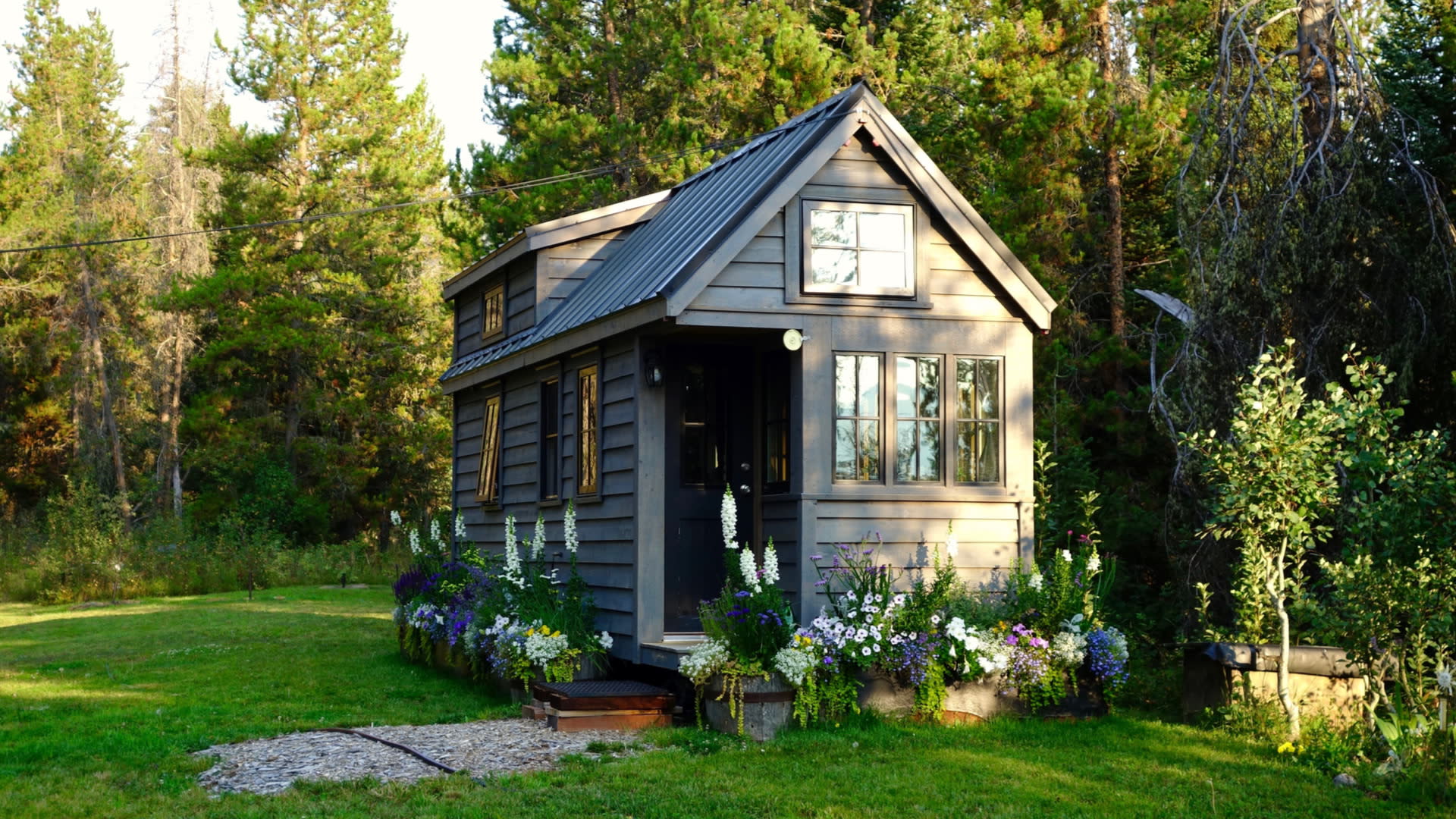
In recent years, the tiny home movement has gained significant popularity, and social media has played a crucial role in this rise. With the power to connect, inspire, and influence, social media platforms have become integral in spreading awareness and driving the growth of the tiny home industry.
Instagram: The Visual Inspiration
Instagram, in particular, has become a hub for tiny home enthusiasts and aspiring homeowners. The platform's emphasis on visual content makes it an ideal platform for showcasing the unique and creative designs of tiny homes. From stunning interior features to innovative space-saving solutions, Instagram provides a visual experience that inspires and captivates its audience.
Influencers who are passionate about the tiny home movement have established large followings on Instagram by sharing their journeys, tips, and insights. These influencers, often living in their own tiny homes, are seen as authorities in the industry and have the power to influence their followers' lifestyle choices and purchasing decisions.
YouTube: Capturing the Journey
YouTube has also become a popular medium for documenting the tiny home journey. Many individuals who have built or are in the process of building their tiny homes share their experiences, challenges, and triumphs through video content. These videos not only entertain and educate viewers but also serve as a valuable resource for those considering the tiny home lifestyle.
Similarly, YouTube influencers who specialize in tiny homes have garnered large subscriber bases. Their videos showcase the process, from planning and construction to living in a tiny home. By sharing their personal stories and providing practical advice, these influencers have established themselves as trustworthy sources for information and inspiration.
Blogging: A Wealth of Information
Blogging remains an influential medium in the tiny home community. Many bloggers share their experiences, tips, and expert advice on everything from finding land to maximizing storage in a tiny home. Bloggers provide in-depth information and resources that go beyond the limitations of social media platforms.
The collaborative nature of the tiny home movement means that bloggers often share their knowledge and expertise freely, making it easier for newcomers to navigate the challenges of building and living in a tiny home. The exchange of information through blogs has cultivated a knowledgeable and supportive community that continues to draw more individuals to the tiny home lifestyle.
Influencers: The Voices Behind the Movement
Influencers play a vital role in the growth of the tiny home movement on social media. Their ability to connect with their audience and convey the benefits and appeal of tiny homes has significantly contributed to the rise in interest and demand.
These influencers often collaborate with tiny home builders and businesses, promoting their products and services to their followers. This symbiotic relationship helps influencers monetize their platforms while providing exposure for brands within the tiny home industry.
In conclusion, social media platforms and influencers have greatly impacted the tiny home movement. Instagram's visual appeal, YouTube's storytelling capabilities, and blogging's wealth of information have all contributed to the increasing interest in and prevalence of tiny homes. Influencers have successfully leveraged their platforms to educate, inspire, and connect with individuals looking to embrace the tiny home lifestyle. As the tiny home movement continues to grow, the role of social media and influencers will remain crucial in its expansion.
The Future Outlook of the Tiny Home Trend

Tiny homes, compact living spaces typically measuring under 400 square feet, have gained significant popularity in recent years. As people increasingly embrace minimalism, sustainability, and the desire for affordable housing options, the tiny home trend is expected to continue its growth trajectory in the coming years.
Rising Interest in Sustainable Living
One of the driving factors behind the tiny home movement is the increasing interest in sustainable living. With a smaller footprint and reduced resource consumption, tiny homes align with the principles of environmental responsibility. As societies become more conscious of the impact of overconsumption and carbon emissions, the tiny home trend is likely to gather steam.
Furthermore, governments and organizations are acknowledging the importance of sustainable housing solutions. In some regions, regulations are being revised to allow for the construction of tiny homes or to support alternative housing options. These measures contribute to the positive outlook for the tiny home trend and will likely encourage further growth.
Affordability and Financial Freedom
The affordability of tiny homes is another factor contributing to their popularity. Rising housing costs and limited availability of affordable housing have left many individuals and families searching for alternative options. Tiny homes provide a more attainable entry point into the housing market and a chance to escape the burden of mortgage debt.
Additionally, tiny homes offer financial freedom by reducing monthly expenses. With lower utility bills, fewer maintenance needs, and often lower property taxes, tiny homeowners can allocate their money towards experiences, travel, or other personal goals. This financial freedom is an appealing aspect of the tiny home lifestyle, driving its continued adoption.
Shifts in Homeownership Patterns
Another key aspect contributing to the future outlook of the tiny home trend is the changing attitudes towards homeownership. Younger generations, specifically millennials and Generation Z, are reevaluating the traditional path of homeownership. Factors such as financial constraints, nomadic lifestyles, and a desire for flexibility have led many to explore alternative housing options like tiny homes.
As these generations continue to enter the housing market, they are likely to influence the demand for smaller, more affordable homes. With their preferences shifting towards minimalistic living and experiences, the tiny home trend is likely to thrive.
Challenges and Considerations
While the future outlook for the tiny home trend is promising, there are several challenges and considerations that warrant attention. Zoning regulations, building codes, and the availability of suitable land are potential barriers to the widespread adoption of tiny homes. Overcoming these challenges will require collaborative efforts from individuals, communities, and policymakers.
Furthermore, the tiny home movement still faces some skepticism and resistance from those who question its long-term viability as a housing solution. However, as the trend continues to gain momentum and more success stories emerge, these concerns may gradually diminish.
In conclusion, the tiny home trend shows great promise for the future. With its alignment with sustainable living, affordability, financial freedom, and shifting attitudes towards homeownership, the trend is expected to continue growing. As challenges are addressed and awareness increases, the tiny home movement has the potential to shape the future of housing in a meaningful way.
Recap: Key Findings and Insights on the Tiny Home Trend
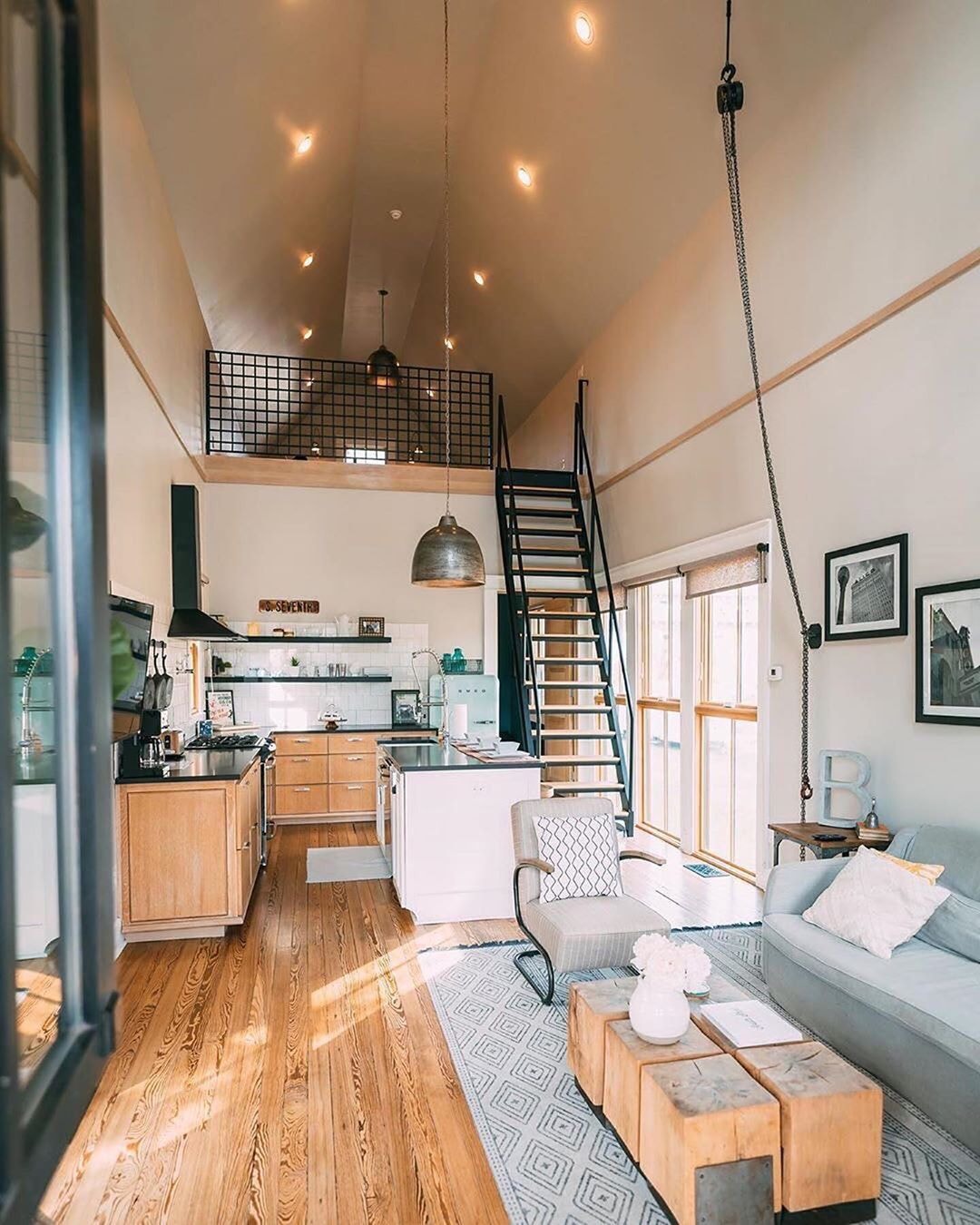
In recent years, the tiny home trend has gained significant attention and popularity globally. These dwellings, typically ranging between 100 and 400 square feet, offer compact and minimalist living solutions for those seeking financial freedom, environmental sustainability, and a simplified lifestyle. Here are the key findings and insights derived from market research on the tiny home trend:
- Affordability and Financial Freedom: One of the primary drivers of the tiny home trend is the desire for affordability and reducing financial burdens. The lower cost of construction, maintenance, and utilities associated with tiny homes has attracted a wide range of individuals, including millennials, retirees, and those looking to downsize.
- Minimalist and Sustainable Living: Tiny homes focus on minimalist living and offer an eco-friendly approach to housing. With a smaller environmental footprint, these homes foster sustainable practices by utilizing renewable energy sources, composting toilets, rainwater harvesting systems, and efficient insulation. This alignment with environmental consciousness has fueled interest among environmentally-minded consumers.
- Flexibility and Mobility: Tiny homes provide unparalleled flexibility as they are often built on wheels, allowing owners to easily relocate and explore new destinations. This aspect appeals to nomadic individuals, adventurous couples, and digital nomads who are attracted to a lifestyle that allows them to travel while still having a comfortable home base.
- Innovations in Design and Technology: The tiny home trend has sparked innovation in architectural design and construction materials. Adaptable layouts, clever storage solutions, and multifunctional furniture are frequently employed to maximize space utilization. Furthermore, advancements in solar technology, portable appliances, and off-grid systems have made tiny homes more self-sufficient and functional.
- Escape from Mortgage and Debt: Rising housing costs and the burden of mortgage debt have motivated many individuals to embrace the tiny home lifestyle. Tiny homes offer an opportunity to escape the traditional mortgage cycle, providing financial freedom and reducing the stress of long-term debt.
- Minimalism as a Mindset: The tiny home trend reflects a broader social shift towards minimalism. Many individuals are adopting the philosophy of owning less, reducing clutter, and focusing on experiences rather than material possessions. Tiny homes serve as physical manifestations of this mindset, highlighting the desire for a simpler, more intentional way of life.
- Challenges and Regulatory Hurdles: Despite the growing popularity of tiny homes, they still face challenges in terms of zoning and building regulations in many regions. The lack of standardized codes specific to tiny homes often creates barriers for those wanting to legally live in these dwellings. However, organizations and advocates are working towards legalizing and integrating tiny homes into housing policies.