
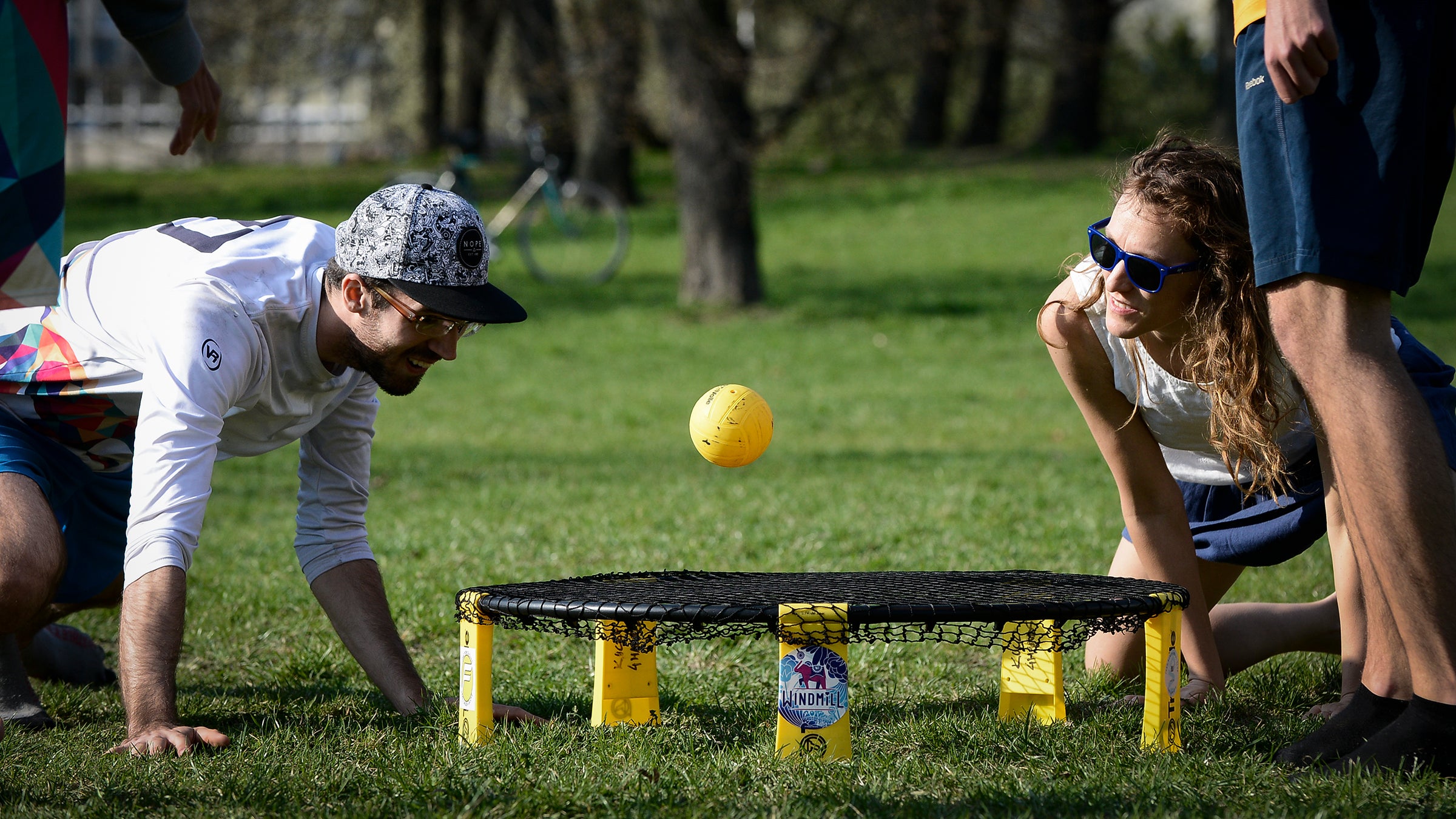
Spiking Up the Trend: Uncovering the Soaring Popularity of Spikeball in Competitive Sports

The Rise of Spikeball: A Game Changers in Outdoor Recreation
In recent years, a new game has been grabbing the attention of outdoor enthusiasts across the globe - Spikeball. This fast-paced and energetic sport is quickly gaining popularity and capturing the hearts of both casual players and competitive athletes alike. In this section, we will delve into what Spikeball is, explore its origins, and analyze the factors behind its growing popularity among various demographics.
Overview of Spikeball:
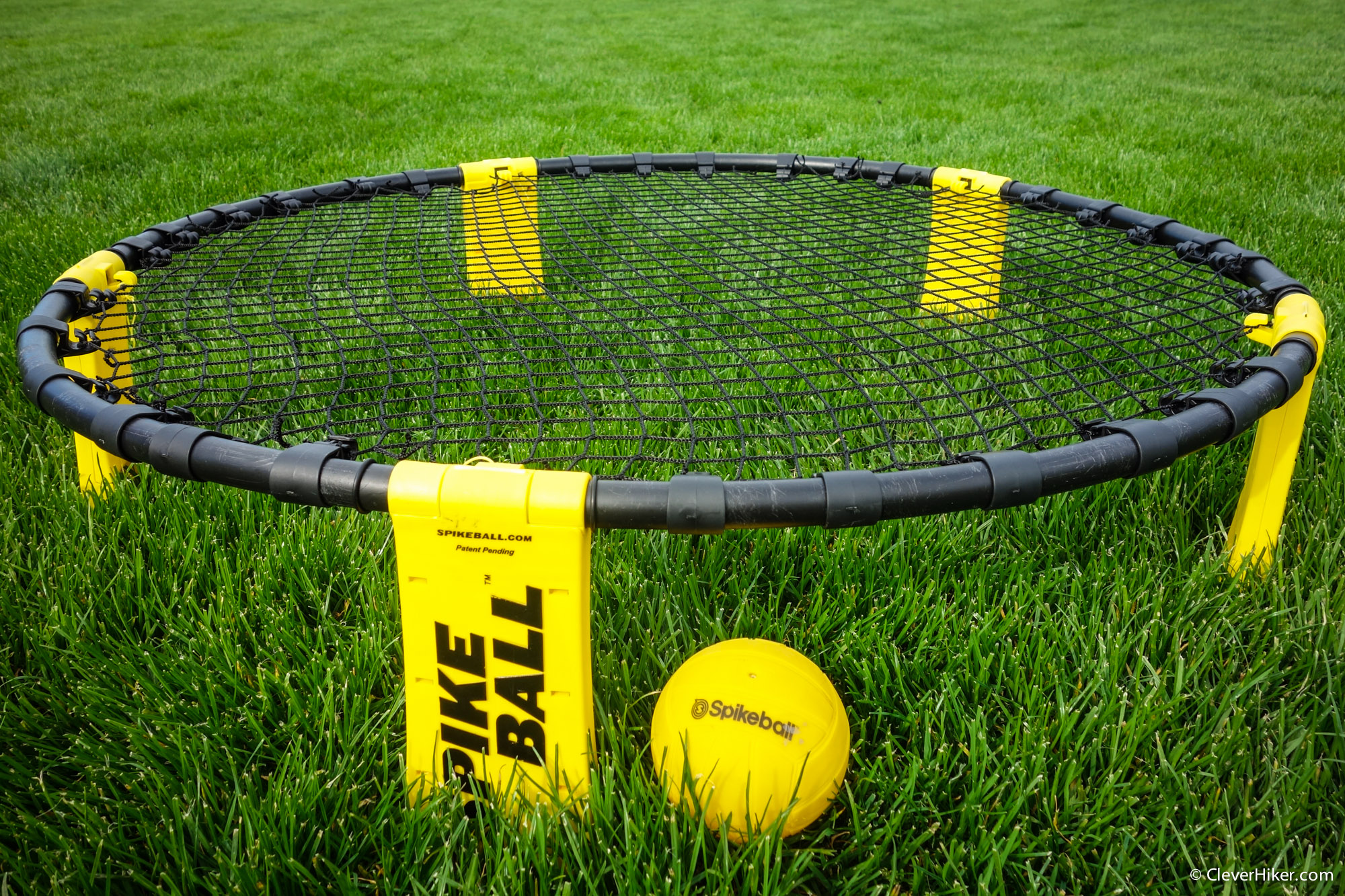
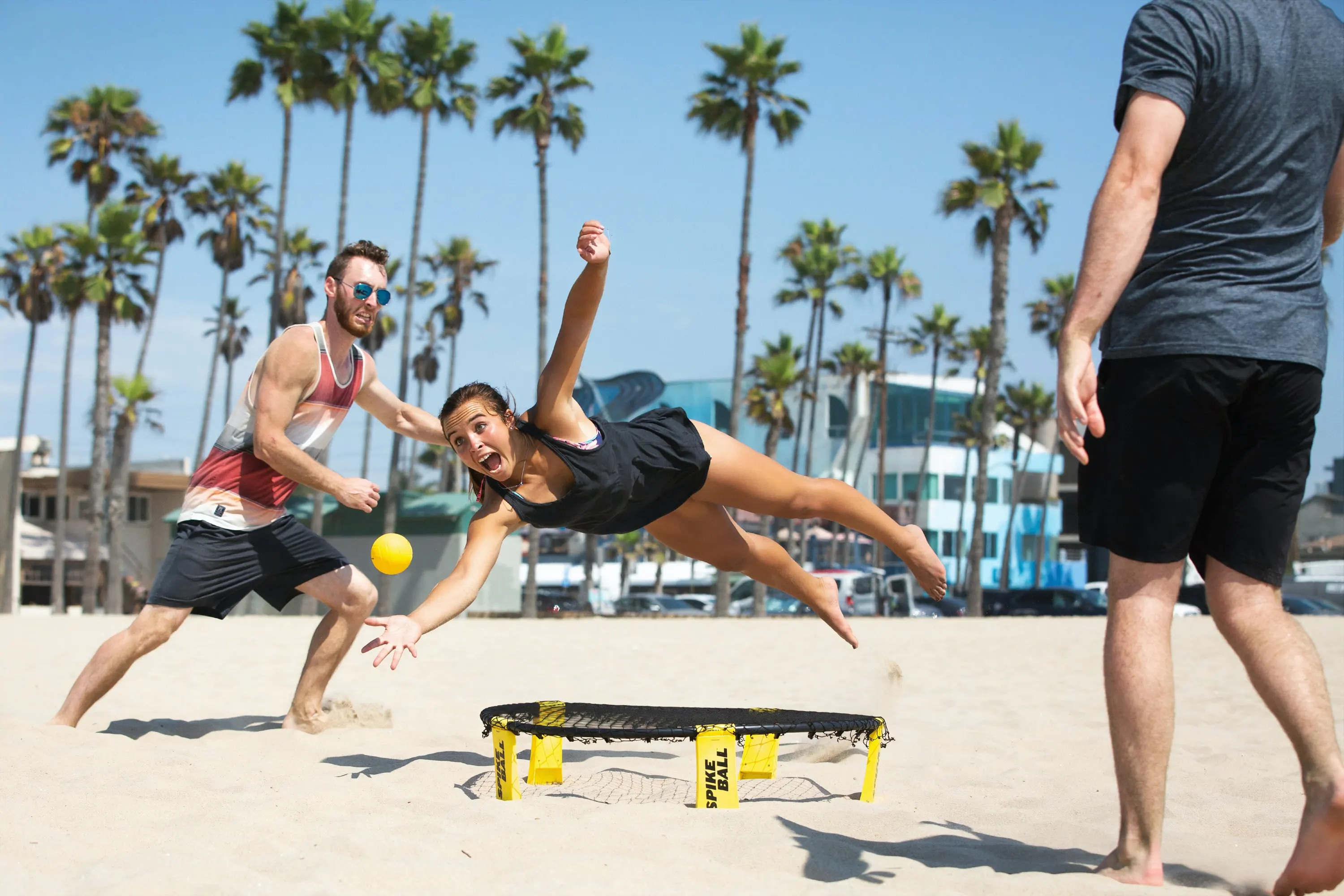
Spikeball is a unique sport that combines elements of volleyball and four square. The game is played using a small circular net, similar to a mini trampoline, which is placed on the ground. The objective of the game is to hit the ball onto the net in a way that makes it challenging for the opposing team to return. The game is typically played with teams of two.
Origins of Spikeball:
Spikeball, often referred to as "roundnet," was invented by Jeff Knurek and Chris Ruder in the late 1980s. Initially marketed as "Spikeball Inc.," the game gained some popularity but didn't truly take off until a rebranding effort in 2008. The creation of the National Spikeball Association (now known as the Spikeball Roundnet Association) in 2012 further solidified its place in the sports landscape.
Factors Driving Spikeball's Popularity:
- Social Media Exposure: One of the primary factors fueling Spikeball's popularity is its presence on social media platforms. Videos and images showcasing intense gameplay, incredible athletic feats, and spirited camaraderie have gone viral, attracting millions of views and sparking interest among a broad demographic audience.
- Accessibility and Ease of Play: Unlike many traditional sports, Spikeball can be played in various settings, including beaches, backyards, parks, and gyms. The game is relatively easy to learn, allowing players of all skill levels to participate. Its simplicity and inclusive nature have made it appealing to individuals looking for a fun and inclusive outdoor activity.
- Thrill of Competition: Spikeball combines elements of strategy, quick thinking, and athleticism, making it exhilarating to play and watch. The fast-paced nature of the game and the ability to perform powerful spikes and spectacular defensive moves add an extra layer of excitement, drawing in competitive athletes and casual players alike.
- Community and Social Aspect: Spikeball has developed a strong sense of community, both online and offline. Tournaments, leagues, and social events organized by the Spikeball Roundnet Association and local clubs have contributed to the game's growth. The friendly and cooperative atmosphere surrounding the sport encourages players to connect, network, and build long-lasting friendships.
Popularity Among Various Demographics:
Spikeball's appeal extends across a wide range of demographics. Its competitive nature and athletically demanding aspects attract active individuals seeking a dynamic outdoor experience. Additionally, the game's versatility and low equipment requirements make it accessible to people of all ages and skill levels. Spikeball has found particular popularity among college students, young professionals, and families, who value its inclusive and interactive nature.
Spikeball's rise in popularity can be attributed to a combination of factors, including its social media exposure, accessibility, competitive nature, and sense of community. The game's ability to engage a diverse range of individuals, from college students to families, highlights its broad appeal. As the sport continues to gain momentum, it is no longer just a backyard game but rather a dynamic and exciting activity that is here to stay.
The Market Size and Growth of Spikeball
Spikeball, a popular outdoor sport, has witnessed significant growth in recent years, capturing the attention of enthusiasts and casual players alike. With its rapidly expanding player base and increasing popularity, Spikeball has transformed from a niche recreational activity into a mainstream sport.
Market Size:
The market size of Spikeball can be estimated by analyzing the number of players, sales revenue, and overall demand for the product. While precise figures may be challenging to ascertain, the growth rate and market indicators provide valuable insights.
According to the Spikeball Inc. website, the company has sold over three million sets since 2008. This figure provides a glimpse into the scale of the market, as it represents a substantial number of players and indicates the demand for Spikeball sets. Moreover, the game has a strong presence in North America, with tournaments, leagues, and organized events held regularly.
Furthermore, the increasing popularity of Spikeball is evident through social media engagement and online communities. The official Spikeball Facebook page has a large following, with thousands of users actively participating in discussions and sharing their experiences. This level of engagement illustrates the widespread adoption of the sport and the potential market size.
Market Growth:
The growth of Spikeball can be attributed to various factors, including effective marketing campaigns, positive word-of-mouth, and increased visibility through professional sporting events. Additionally, the game's low barrier to entry and its ability to be played in various settings have contributed to its rapid expansion.
The sport has gained significant traction among younger demographics, including millennials and Gen Z, due to its fast-paced and competitive nature. The rise of social media influencers has also played a role in the sport's growth, as their endorsements and videos showcasing Spikeball have reached a wide audience. Furthermore, organized tournaments and championships, such as the Spikeball Roundnet Association and other regional leagues, have provided a platform for players to compete and showcase their skills, garnering further attention and participation.
Moreover, the inclusive nature of Spikeball, where players of all genders and ages can compete together, has contributed to its appeal and continuous growth. The game's adaptability for both casual play and competitive matches has attracted a diverse community of players, further expanding the market.
In conclusion, the market size of Spikeball has grown substantially, with millions of sets sold and a thriving community of players and enthusiasts. The sport's increasing popularity can be attributed to effective marketing strategies, social media engagement, professional events, and its inclusive nature, allowing players of all backgrounds to participate. As Spikeball continues to gain traction, its market size and growth potential are expected to remain strong.
The Rising Consumer Demand and Preferences of Spikeball
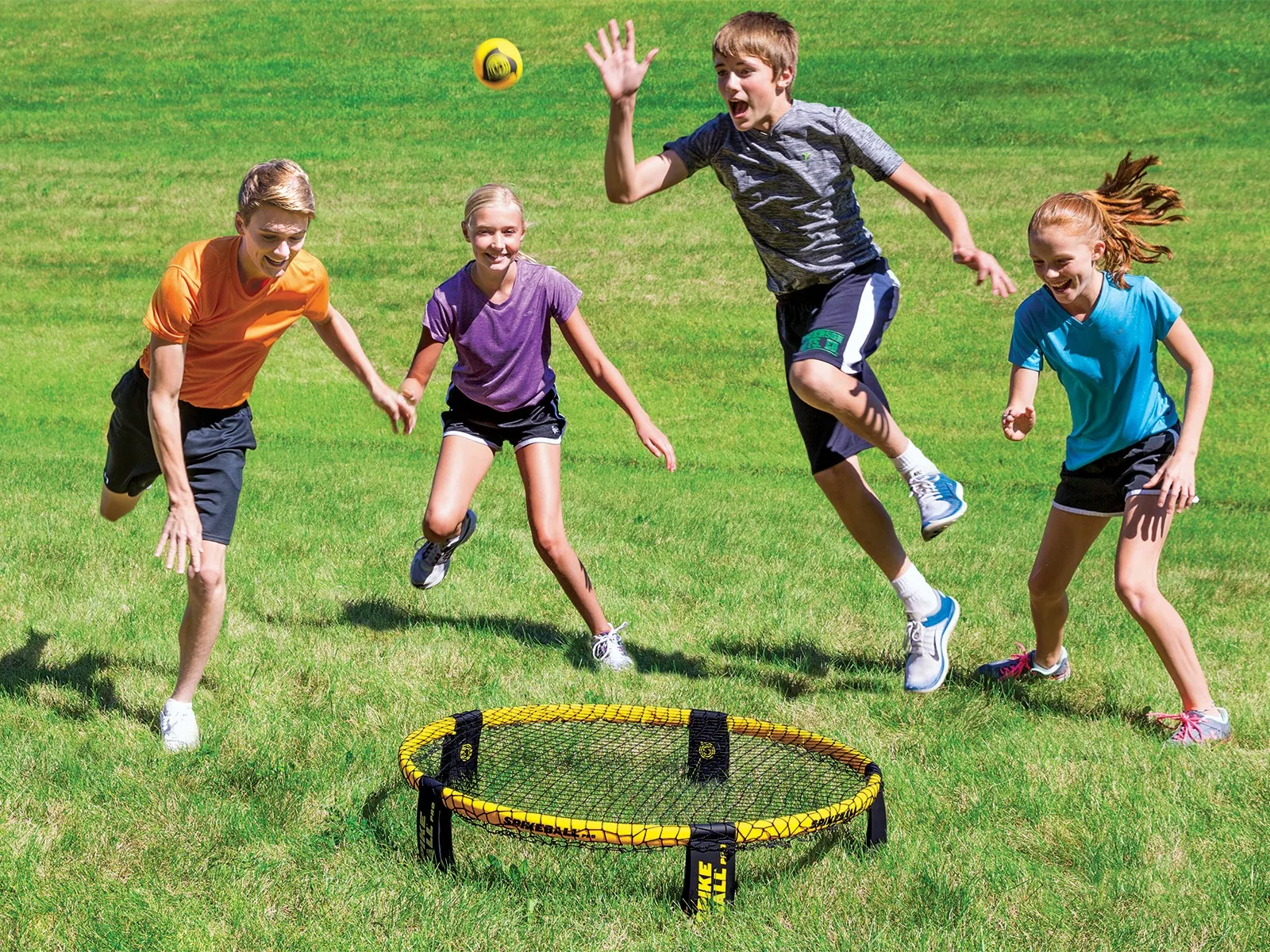
Spikeball, a fast-paced and energetic sport that combines elements of volleyball and four-square, has gained significant popularity in recent years. Its demand among consumers has been on the rise, reflecting a shift in preferences towards more engaging and interactive recreational activities. In this article, we will delve into the consumer demand and preferences of Spikeball, exploring why it has become a favorite choice among people of all ages.
Understanding the Consumer Demand
The increasing consumer demand for Spikeball can be attributed to several key factors. Firstly, its easy-to-learn nature makes it accessible to a wide range of individuals, regardless of their age or athletic abilities. Unlike traditional sports that often require years of training to master, Spikeball can be picked up by beginners in a matter of minutes. This simplicity has fueled its popularity, particularly among casual players and families looking for an inclusive and enjoyable activity.
Secondly, the fast-paced and competitive gameplay of Spikeball appeals to those seeking a challenging and adrenaline-pumping experience. The sport's unique rules and strategies create an intense atmosphere, fostering a sense of excitement and teamwork among players. As a result, Spikeball has become a popular choice for organized events, tournaments, and social gatherings.
Consumer Preferences in Spikeball Equipment
Spikeball enthusiasts not only crave the sport itself but also seek high-quality equipment that enhances their gaming experience. Consumer preferences in Spikeball equipment can be categorized into three main areas: durability, portability, and aesthetics.
Durability is a crucial consideration for consumers investing in Spikeball sets. Players expect the equipment to withstand rigorous gameplay, especially during intense spikes and dives. Manufacturers have responded to this demand by utilizing robust materials for their equipment, ensuring longevity and minimizing the need for frequent replacements.
Portability is another key factor influencing purchasing decisions. Consumers appreciate Spikeball's ability to be played both indoors and outdoors, making portability a desirable feature. Manufacturers have introduced collapsible and easily transportable sets, allowing players to enjoy the sport wherever they go. This aspect has made Spikeball a popular choice for beach trips, picnics, and outdoor adventures.
Lastly, the aesthetic appeal of Spikeball equipment influences consumer preferences. From vibrant and eye-catching net designs to stylish carrying bags, manufacturers have recognized the importance of visually appealing products. This focus on aesthetics appeals to consumers who value not only the functionality of the equipment but also its overall visual appeal.
Spikeball's rising consumer demand can be attributed to its accessibility, engaging gameplay, and inclusivity. The sport's simplicity makes it appealing to a wide audience, and its competitive nature offers an exhilarating experience. Consumer preferences in Spikeball equipment revolve around durability, portability, and aesthetics, reflecting the desire for high-quality products that enrich the overall gaming experience. As Spikeball continues to gain popularity, it is expected to further adapt to consumer expectations, ensuring its place as a leading sport in the recreational landscape.
Industry Players and Competition: Spikeball
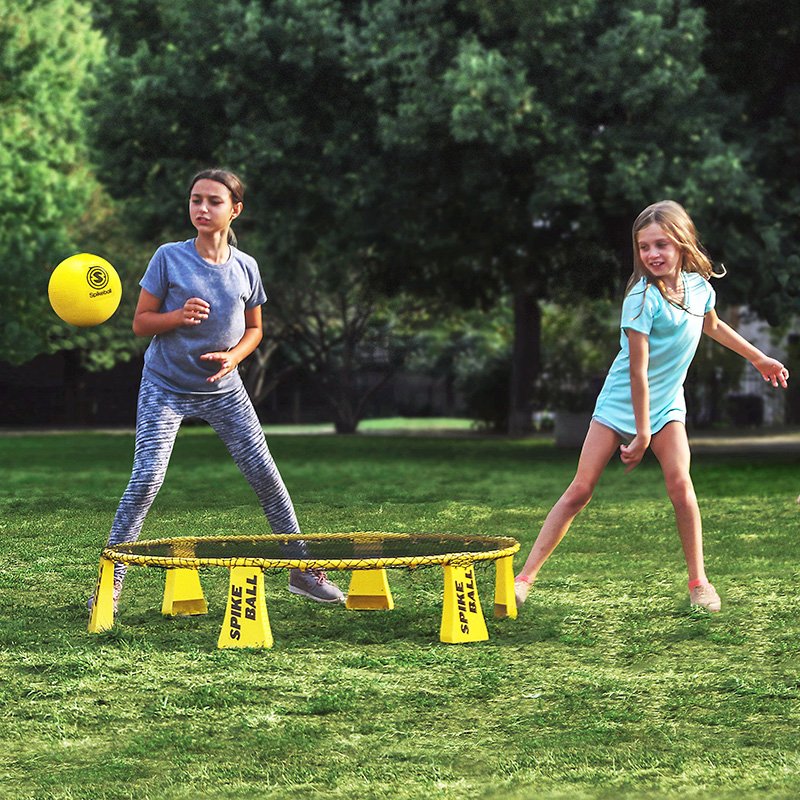
Spikeball, a fast-paced and highly engaging sport, has gained significant popularity in recent years. As the interest in Spikeball continues to grow, numerous industry players have emerged, each offering their unique products and services to cater to this expanding market.
- Spikeball Inc.: Spikeball Inc. is the company that pioneered the game of Spikeball and is considered the leader in the industry. They were founded in 2008 and introduced the game to the masses through their high-quality Spikeball sets. The company focuses on providing durable and well-designed equipment for players at all skill levels. Their products are known for their durability and have helped establish Spikeball as a widely recognized sport.
- GoSports: GoSports is another notable player in the Spikeball industry. They offer a range of Spikeball sets for both casual players and serious competitors. GoSports targets the budget-conscious market segment by providing affordable options without compromising on quality. They also offer various accessories such as replacement balls and carrying bags.
- Franklin Sports: Franklin Sports, a well-established sports equipment manufacturer, has also entered the Spikeball market. They leverage their expertise in creating popular sports products to offer their own line of Spikeball sets. Franklin Sports provides a range of options, catering to both recreational players and those looking for professional-grade equipment.
- Rally: Rally is a relatively new player in the Spikeball industry, but they have quickly gained recognition for their innovative approach. Rally focuses on creating sustainable and eco-friendly products, appealing to players who prioritize environmental responsibility. They offer Spikeball sets made from recycled materials and promote eco-conscious practices.
- Local and Regional Brands: In addition to the major industry players, numerous local and regional brands have emerged, offering their Spikeball sets and services to cater to specific markets. These brands often specialize in customizing Spikeball sets with local team logos or unique designs, appealing to passionate fans and enthusiasts.
Competition in the Spikeball industry is intensifying as more players enter the market. The key areas of competition include product quality, innovation, pricing, and brand recognition. As the industry grows, each player will need to differentiate themselves through these factors to establish a competitive edge.
To stand out, some companies focus on product differentiation by introducing innovative features or materials, while others target specific market segments with affordable options or sustainable products. Establishing a strong brand presence and investing in marketing efforts are also crucial to gain recognition and customer loyalty.
As the popularity of Spikeball continues to rise, it is expected that new industry players will emerge, providing opportunities for further competition and innovation. Ultimately, this competition benefits the consumers, as it leads to improved products, better prices, and a wider selection of Spikeball-related offerings.
Technological Innovations in the World of Spikeball
Spikeball, a popular outdoor sports game, has gained significant traction in recent years. As with any sport, technological innovations play a crucial role in enhancing gameplay, improving equipment, and providing a better overall experience for players. Let's explore some of the key technological advancements that have impacted the world of Spikeball.
- Sports Performance Analytics In recent years, technology has made its way into the world of sports performance analytics, and Spikeball is no exception. With the help of specialized sensors and tracking devices, players can now monitor various aspects of their performance, such as power, accuracy, and reaction time. The data collected from these devices can be analyzed to identify areas for improvement, optimize training routines, and enhance overall gameplay.
- Advanced Spikeball Equipment While the core concept of Spikeball remains the same, advancements in materials and design have made the equipment more durable, efficient, and user-friendly. Companies have introduced innovative designs that allow for better bounce and control, ensuring an exciting and competitive game. Additionally, materials like reinforced rubber and sturdy frames contribute to increased durability, making equipment long-lasting and capable of withstanding intense play.
- Mobile Applications and Online Communities Technology has also played a significant role in creating an online community of Spikeball enthusiasts. Dedicated mobile applications and online platforms have emerged, providing players with easy access to rules, tutorials, and strategy guides. These platforms also allow players to connect and form communities, organizing tournaments and sharing their experiences. The ability to connect with fellow players globally has broadened the game's reach and contributed to its increasing popularity.
- Live Streaming and Media Exposure Advancements in live streaming technology have given Spikeball a broader platform to showcase the game to the world. With the help of platforms like Twitch and YouTube, Spikeball tournaments, matches, and highlights can be broadcasted live, attracting a larger audience. This exposure not only helps in promoting the game but also provides opportunities for players to gain recognition and sponsorship deals.
- Virtual Reality and Augmented Reality While still in the testing phase, virtual reality (VR) and augmented reality (AR) technologies have the potential to revolutionize the way Spikeball is experienced. Imagine being able to immerse yourself in a virtual Spikeball match or having holographic players join the game. These emergent technologies have the ability to take gameplay to a whole new level, providing a more interactive and immersive experience for both players and spectators.
In conclusion, technological innovations have significantly impacted the world of Spikeball. From advanced equipment to performance analytics, online communities, live streaming, and the potential for VR and AR integration, these advancements contribute to enhancing gameplay, promoting the sport, and providing a better experience for Spikeball enthusiasts worldwide. With technology constantly evolving, we can expect even more exciting developments in the future of Spikeball.
Regional Trends and Cultural Influences on the Popularity of Spikeball
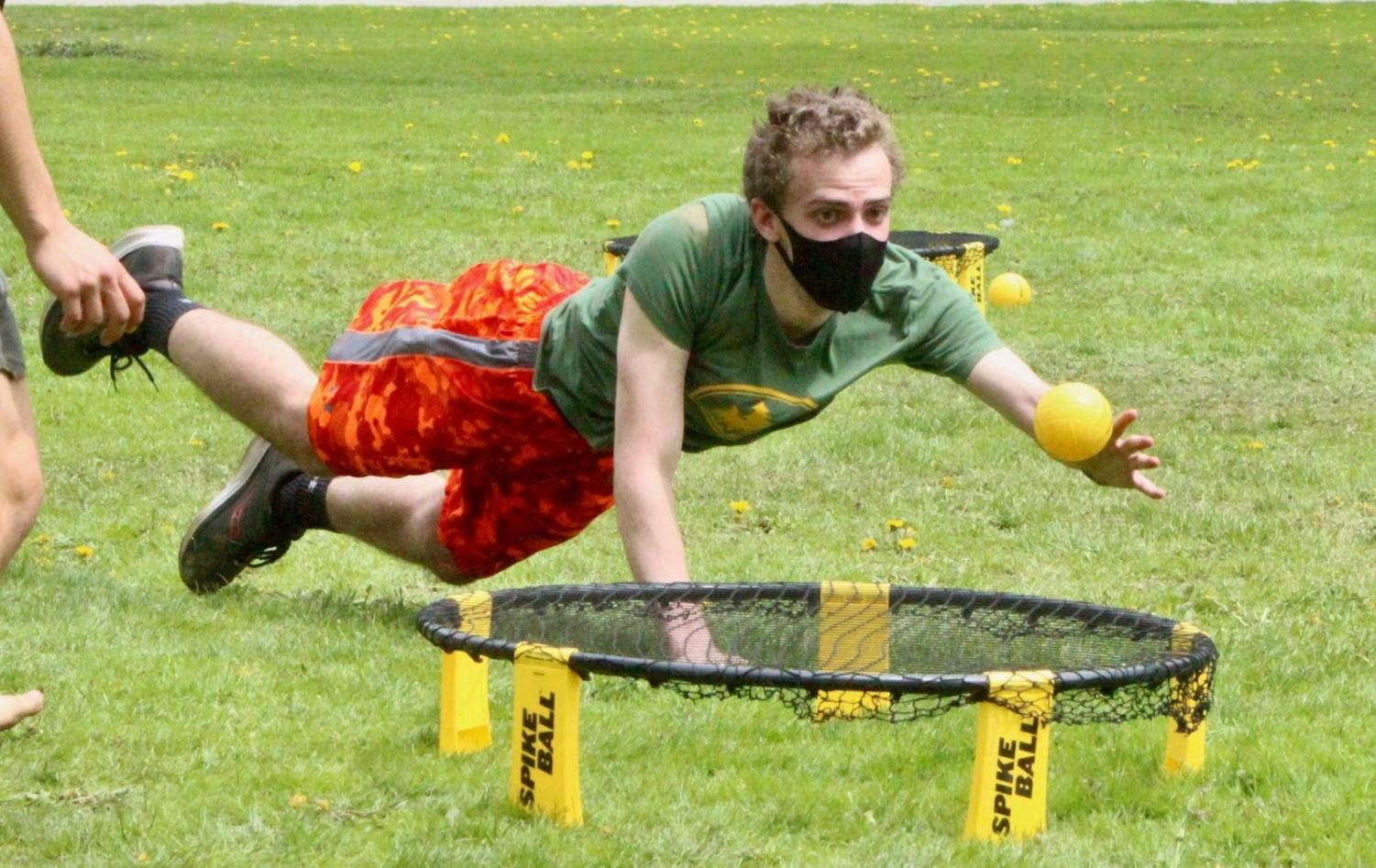
Spikeball, a fast-paced and competitive game that combines elements of volleyball and foursquare, has gained significant popularity in recent years. While the game's appeal lies in its simplicity and portability, regional trends and cultural influences have played a significant role in its rise to prominence.
College Campuses and Urban Areas - The Original Hotspots
Spikeball's origins can be traced back to college campuses, where it gained an enthusiastic following among students. The game's fast-paced and competitive nature resonated particularly well with younger individuals seeking exciting alternatives to traditional sports and recreational activities. As a result, college students and urban dwellers were among the first to embrace Spikeball, leading to a surge in popularity in these areas.
West Coast and Beach Communities - Embracing the Outdoor Lifestyle
Spikeball's accessibility and popularity among beachgoers have made coastal communities, especially those along the West Coast, a hotbed for the game. The West Coast's affinity for outdoor activities and beach culture has contributed to the regional trends seen in Spikeball's rise. The game's portability, coupled with its ability to be played on different surfaces, has made it a popular choice for beachgoers and outdoor enthusiasts looking for a fun, competitive activity to enjoy in the sun.
Influencer Endorsements and Social Media
The cultural influence of social media and influencer marketing cannot be overstated when discussing the popularity of Spikeball. The game has garnered significant attention on platforms like Instagram, TikTok, and YouTube, where influencers have showcased their skills and shared highlights from intense Spikeball matches. By featuring the game in their content, these influencers have spread awareness and generated enthusiasm among their followers, leading to a wider adoption of the game across different regions and cultural contexts.
International Adaptation and Global Appeal
Beyond its domestic success, Spikeball has seen notable growth internationally, showcasing its global appeal. The game's flexibility allows for adaptation to various cultural preferences and playing styles, making it popular in different regions around the world. For example, in Europe, where beach volleyball has a strong following, Spikeball has found a natural fit and gained popularity as an alternative or complementary game. Additionally, international tournaments and collaborations with players from different countries have further solidified the game's global appeal and contributed to the diversification of the Spikeball community.
In conclusion, regional trends and cultural influences have undoubtedly played a crucial role in Spikeball's rapid rise in popularity. College campuses and urban areas were instrumental in establishing its initial following, while coastal communities and the outdoor lifestyle prevalent on the West Coast helped solidify its popularity. The cultural influence of social media and influencer marketing has propelled Spikeball's reach even further, introducing the game to new audiences worldwide. As Spikeball continues to evolve and integrate into various cultural contexts, its growth and appeal are likely to continue expanding.
The Impact of Social Media and Influencers on the Spikeball Phenomenon
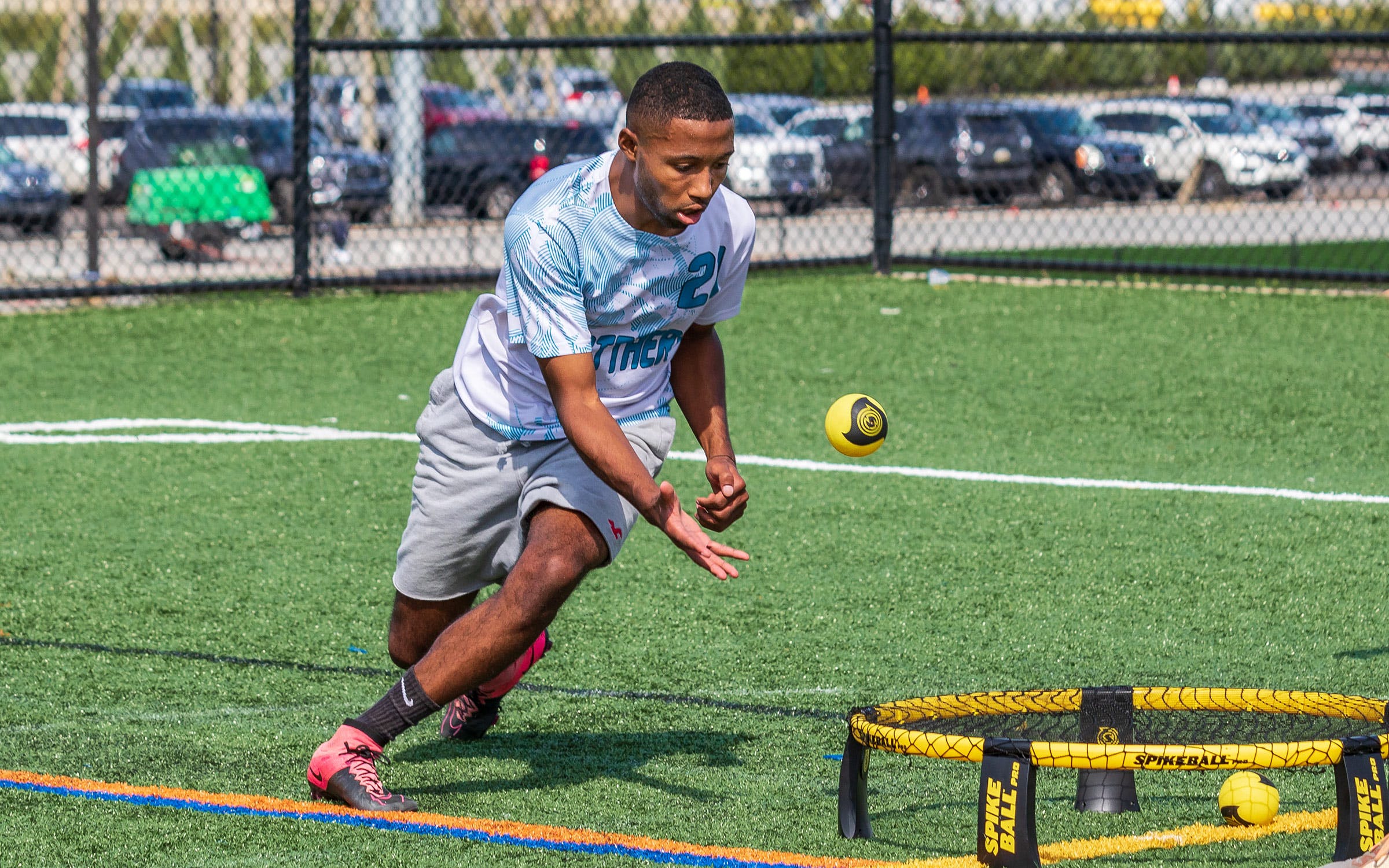
Social media and influencers have revolutionized the way trends spread and gain popularity. One such trend that has been amplified through these channels is the sport of Spikeball. This article will explore the impact of social media and influencers on the Spikeball phenomenon, diving into how these platforms have contributed to its rapid growth and increasing popularity.
Social Media as a Catalyst for Spikeball's Rise
Social media platforms, such as Instagram, YouTube, and TikTok, have played a pivotal role in spreading awareness about Spikeball. These platforms provide a space where users can easily share, discover, and engage with content related to this sport.
- Instagram: The hashtag #Spikeball on Instagram has exploded in popularity, with thousands of posts showcasing the sport's excitement and energy. Spikeball enthusiasts share pictures and videos of their gameplay, tournaments, and trick shots, creating a visually appealing and engaging feed that attracts more users to the sport.
- YouTube: YouTube has become a hub for Spikeball-related content. Channels dedicated to Spikeball, such as "Spikeball Chris" and "Spikeball Central," provide tutorials, game highlights, and entertaining challenges. These videos not only educate viewers about Spikeball but also entertain and inspire them to try the sport themselves.
- TikTok: Known for its viral nature, TikTok has played a significant role in popularizing Spikeball among younger audiences. Short, engaging videos showcasing impressive Spikeball plays, comedic moments, and trick shots have taken the platform by storm. The contagious nature of these videos has led to a surge in interest, with users eager to join the Spikeball community.
The Influence of Spikeball Influencers
Influencers are individuals who have established credibility and a significant following within a particular niche. In the case of Spikeball, influencers have played a pivotal role in shaping and driving the sport's growth through their engaging content and authority in the community.
- Riley Currin: One notable influencer in the Spikeball community is Riley Currin. With a considerable following on Instagram and TikTok, Riley shares his passion for Spikeball and showcases his impressive gameplay. His skill, combined with an authentic personality, has attracted many new enthusiasts to the sport.
- Sam Showell: Another influential figure in the Spikeball community is Sam Showell, popularly known as "Spikeball Sam." Sam has built a strong following on TikTok and Instagram through his entertaining trick shots and engaging content centered around Spikeball. His creativity and dedication have inspired countless individuals to pick up a Spikeball set and join the growing community.
Facilitating Community Building and Engagement
Social media platforms have provided Spikeball enthusiasts with spaces to connect, share their experiences, and build a tight-knit community. These digital communities foster engagement, collaboration, and the opportunity for individuals to participate in virtual tournaments and challenges.
- Facebook Groups: Facebook groups centered around Spikeball have become a go-to place for enthusiasts to connect, seek advice, and organize meetups. These groups facilitate conversation, allow users to share resources, and nurture a sense of belonging within the Spikeball community.
- Virtual Tournaments and Challenges: Social media platforms have been instrumental in organizing virtual Spikeball tournaments and challenges. Platforms like Instagram and TikTok have enabled individuals to compete, showcase their skills, and create engaging content that strengthens the sense of community and drives the popularity of Spikeball further.
Social media and influencers have played a crucial role in the rapid ascent of Spikeball's popularity. These channels have provided the opportunity for enthusiasts to connect, share, and discover engaging content, driving interest and participation in the sport. The Spikeball community owes its growth to the power of social media and the influencers who have embraced the sport and shared their passion with the world.
The Promising Future Outlook for Spikeball: A Growing Trend
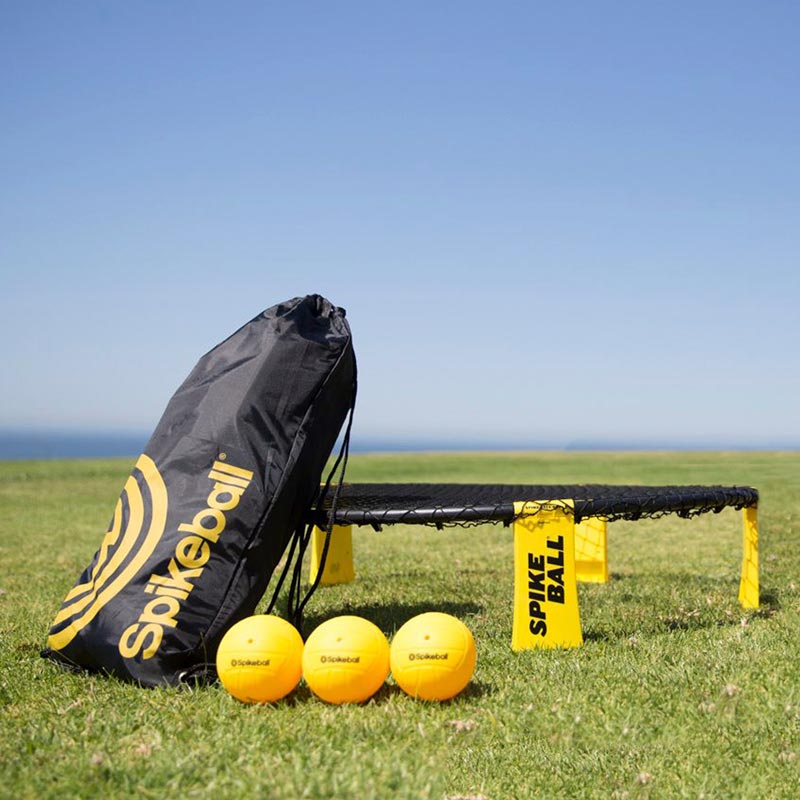
In recent years, Spikeball has emerged as a popular lawn game that has captured the attention and enthusiasm of players across the globe. This fast-paced and dynamic sport has gained significant traction, creating a strong following and raising curiosity about its future outlook. In this section, we will explore the potential forecast and future prospects for Spikeball.
Increasing Popularity and Market Demand
Spikeball's popularity has skyrocketed since its inception, thanks to its accessibility, thrilling gameplay, and vibrant community. The game's simplicity and portability make it easy to set up, learn, and play, attracting players of all ages and skill levels. Social media platforms and sporting events have played a crucial role in promoting the game, contributing to its exponential growth.
The surge in market demand for Spikeball products, including the equipment and accessories required to play the game, is another indicator of its promising future. Many companies have capitalized on this demand, offering various product options, tournaments, and related merchandise to cater to the growing Spikeball community.
Expansion into Competitive Sports
As Spikeball gains wider recognition, there are signs of its transition into a more organized and competitive sport. Tournaments and leagues dedicated to Spikeball have been established, providing opportunities for skilled players to compete at higher levels. The Spikeball Roundnet Association (SRA) serves as the governing body for competitive Spikeball and has been actively organizing events, setting rules, and engaging in promotional activities to elevate the sport.
The introduction of Spikeball in universities and schools as an intramural or extracurricular activity is yet another positive indication of its future as a recognized sport. As more institutions embrace it, the trajectory of Spikeball's growth will likely continue on an upward trend.
Potential Global Expansion
While Spikeball has already seen remarkable success in North America, its potential for global expansion is gaining momentum. The sport has reached international markets, with passionate communities emerging in Europe, Asia, Australia, and beyond. As Spikeball gains exposure and popularity in these regions, it is expected that the sport will grow further, creating an even more diverse and global community of players.
Innovation and Evolution
Innovation and the introduction of new variants of the game may drive Spikeball's future growth. Manufacturers are constantly seeking ways to improve equipment, such as ball design or net modifications, to enhance gameplay and appeal to a broader audience. Companies like Spikeball Inc, the original creators of the game, have also introduced additional products, such as the Spikeball Pro Kit, to cater to the demands of more advanced players.
Furthermore, advancements in technology, such as virtual reality and augmented reality, may provide opportunities for Spikeball enthusiasts to experience the game in new and exciting ways. Such innovations could attract a wider audience and propel the growth of the sport.
Based on its current trajectory, Spikeball's future outlook appears promising. The sport's increasing popularity, the expanding competitive landscape, potential global expansion, and ongoing innovations indicate a bright future for Spikeball. As it continues to captivate players of all ages and garner support from a dedicated community, Spikeball seems poised for even greater heights in the coming years.
Key Findings and Insights: Spikeball
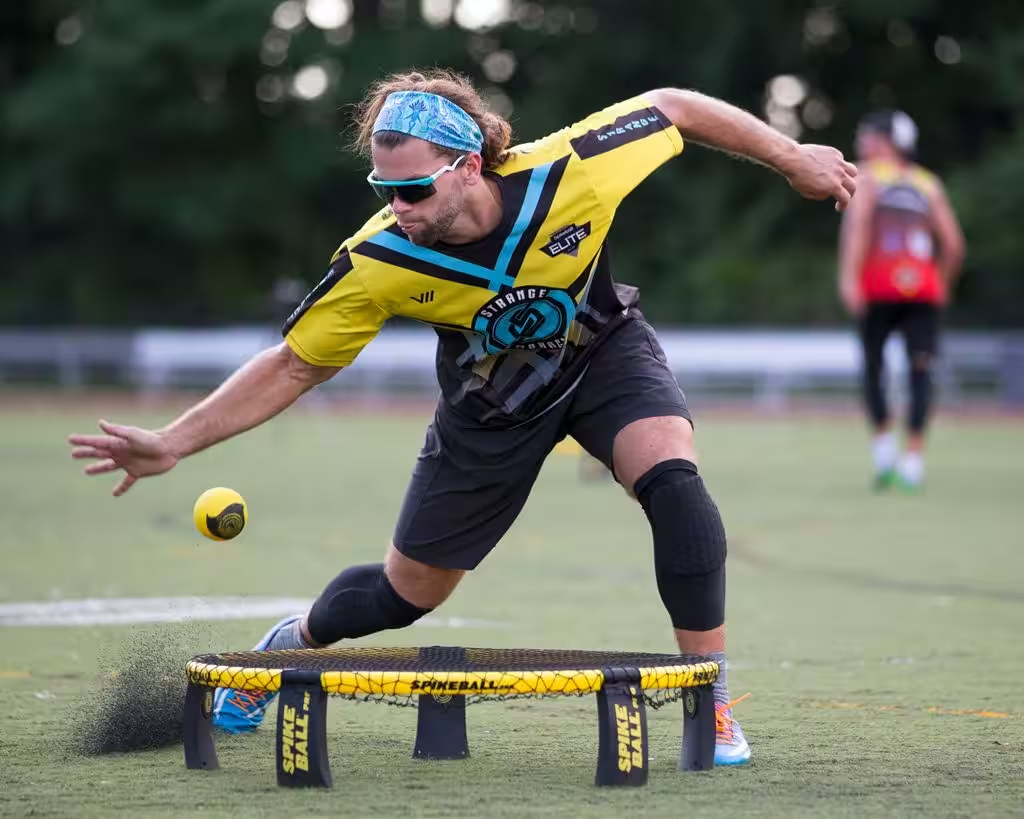
Spikeball is a rapidly growing trend that has gained significant popularity in recent years. This recreational sport, also known as roundnet, is played with two teams of two players each, aiming to bounce a small ball off a net and prevent the opposing team from returning it. The key findings and insights regarding the Spikeball trend are as follows:
- Explosive Growth in Popularity: One of the key findings of the Spikeball trend is its explosive growth in popularity. Over the past few years, Spikeball has seen a surge in participation, with an increasing number of enthusiasts of all ages and skill levels joining in. This growth can be attributed to its accessibility, fun gameplay, ease of setup, and social nature.
- Engaging Younger Audience: Another important insight is the ability of Spikeball to captivate a younger audience. This trend has gained traction among teenagers and college students, who are attracted to the fast-paced, energetic gameplay and the social aspect of the sport. The appeal to this demographic is further heightened by the engaging online communities, tournaments, and events that revolve around Spikeball.
- Fitness and Health Benefits: Spikeball offers several fitness and health benefits. The game involves constant movement, agility, and reflexes, making it an effective way to improve cardiovascular fitness and hand-eye coordination. Additionally, since Spikeball can be played on various surfaces, it encourages players to get active outdoors, fostering physical well-being.
- Expanding Competitive Scene: The competitive scene surrounding Spikeball is expanding rapidly. Professional Spikeball tournaments have emerged, attracting top players from around the world. This growth in the competitive side of the sport has led to increased media coverage, sponsorships, and participation, creating opportunities for players to showcase their skills and establish themselves in the sport.
- Marketing Opportunities: As the Spikeball trend continues to gain momentum, various marketing opportunities have emerged. Brands are recognizing the potential of aligning themselves with the sport, especially due to its association with health, fitness, and an active lifestyle. Collaborations with players, event sponsorships, and product placements are some of the avenues that companies are exploring to tap into the Spikeball market.