
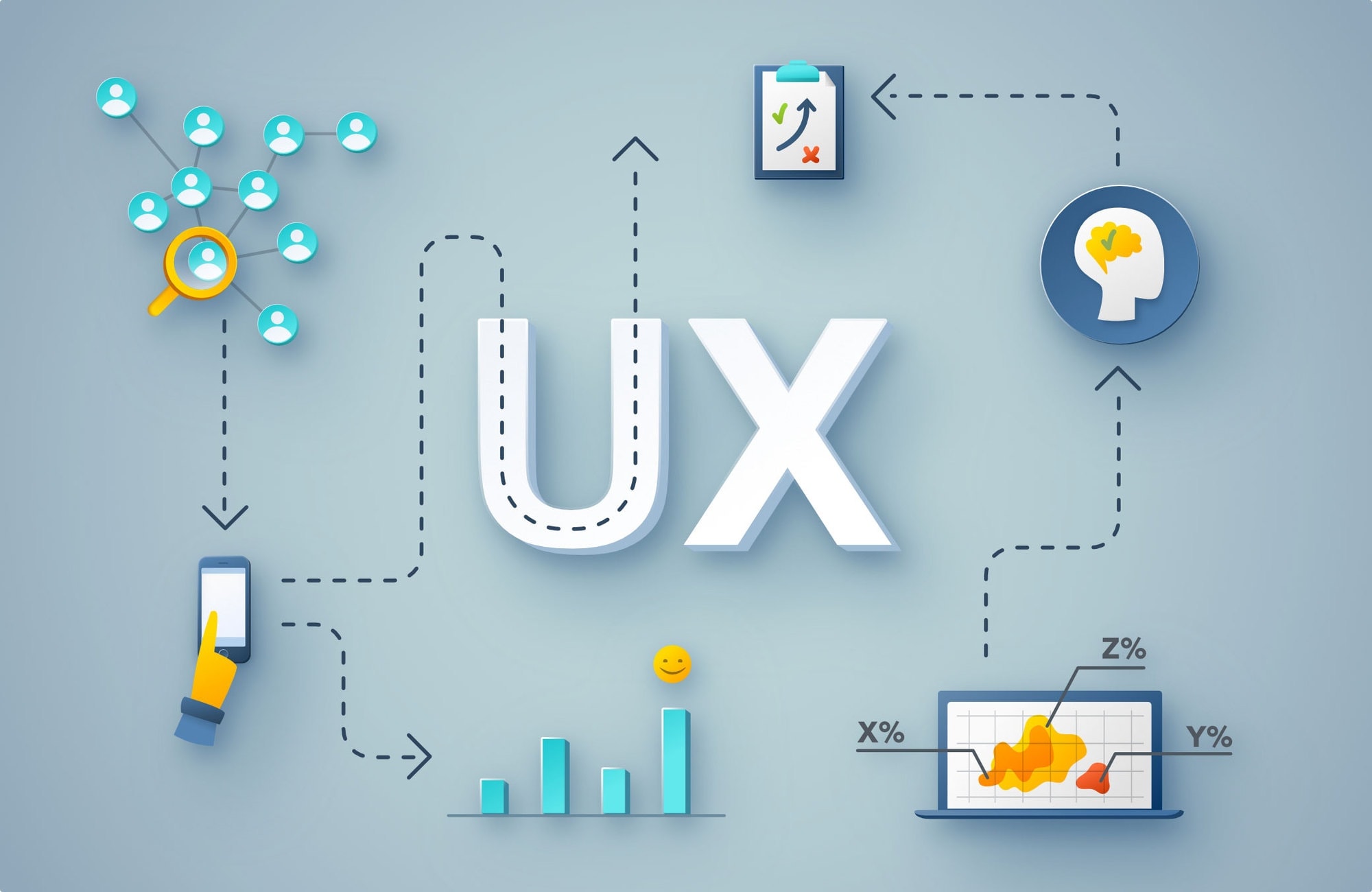
The Evolving Landscape of UX Design: Key Trends Taking the Digital Experience to New Heights

The Rising Popularity of UX Design: A Journey into Enhanced User Experiences
In today's fast-paced digital landscape, user experience (UX) design has emerged as a crucial aspect of product development. Designing a seamless and intuitive user interface has become imperative for businesses to attract and retain customers in a competitive marketplace. The growing importance of UX design can be attributed to its ability to enhance user satisfaction, usability, and overall effectiveness of products or services. This article aims to explore what UX design is, how it has gained popularity, and its origins, as well as delving into its appeal among various demographics.
Understanding UX Design:
UX design focuses on creating meaningful and enjoyable experiences for users when they interact with digital products, websites, or applications. It incorporates an array of disciplines, including visual design, information architecture, interaction design, and usability, to ensure a user-centric interface. Successful UX design strives to make interactions between users and technology as efficient, intuitive, and delightful as possible, ultimately resulting in increased user engagement and loyalty.
Origin and Evolution:
The concept of UX design can be traced back to the late 1970s when researchers in the human-computer interaction field started to recognize the importance of considering users' needs and behaviors during the design process. One pivotal event in the history of UX design was the introduction of the term "user experience" by Don Norman, a cognitive scientist, in the early 1990s. Norman's book, "The Design of Everyday Things," emphasized the significance of designing products with a focus on the user's perspective and experience.
The Rise in Popularity:
The growing popularity of UX design can be attributed to several factors. Firstly, the proliferation of digital platforms and technological advancements in recent years has resulted in an increased demand for seamless and enjoyable user experiences. As consumers become more discerning and accustomed to user-friendly interfaces, businesses have recognized the need to invest in UX design to gain a competitive edge and differentiate themselves in the market.
Additionally, the widespread adoption of smartphones and the rise of mobile applications have further propelled the demand for UX design. With users accessing information and services on smaller screens, the importance of intuitive and optimized interfaces has become paramount. Businesses that prioritize UX design are better positioned to cater to the needs of mobile users and provide a superior experience across devices.
Appeal among Various Demographics:
UX design's popularity extends to a broad range of demographics. From tech-savvy millennials to older generations embracing digital technologies, users of all ages and backgrounds desire intuitive, easy-to-use interfaces that enhance their overall experience. Furthermore, businesses are increasingly recognizing the importance of inclusive design, catering to diverse users with varying abilities, languages, and cultural backgrounds. By prioritizing accessibility in UX design, companies can create experiences that are more engaging and inclusive.
As the digital landscape continues to evolve, UX design remains at the forefront of innovation, helping businesses connect with their users on a deeper level. By understanding the significance of UX design, its origins, and widespread appeal, companies can leverage this trend to create products and services that resonate with their target audience, elevating their brand and driving success in the competitive marketplace.
The Expanding Market Size and Rapid Growth of UX Design
The field of User Experience (UX) design has experienced remarkable growth in recent years, driven by the increasing importance of creating delightful and intuitive digital experiences for users. This section explores the market size and rapid growth of UX design, highlighting the factors contributing to its expansion and the potential it holds for the future.
Market Size of UX Design:
The market size of UX design has witnessed substantial growth, reflecting the increasing recognition of the discipline's significance in product development. According to a report by Grand View Research, the global UX design market was valued at around $8.5 billion in 2019. The report further predicts a compound annual growth rate (CAGR) of 14.9% from 2020 to 2027, reaching a projected value of $37.9 billion.
The demand for UX design services spans various industries, including technology, healthcare, retail, finance, and entertainment. As companies strive to provide seamless user experiences, they are investing in talent and resources to deliver exceptional design solutions that meet and exceed user expectations.
Factors Driving the Growth:
Several factors contribute to the rapid growth of UX design:
- Digital Transformation: The ongoing digital transformation across industries has sparked the need for intuitive and user-centric designs. As companies transition their operations and services online, they recognize the crucial role UX design plays in engaging and retaining users.
- Mobile and Web Applications: With the proliferation of smartphones, the usage of mobile applications and web platforms has skyrocketed. Designing user-friendly interfaces and optimizing usability have become crucial, intensifying the demand for UX design specialists.
- User-Centered Mindset: Organizations are shifting their focus towards a user-centered mindset, understanding that a positive user experience not only enhances customer satisfaction but also positively impacts brand loyalty and revenue generation.
- Increasing Competition: With the surge in competition, businesses are realizing the value of differentiation through superior user experiences. Investing in UX design allows companies to stand out and attract a larger customer base.
- Technology Advancements: Emerging technologies like artificial intelligence, virtual reality, and voice assistants require innovative UX design solutions. UX designers are at the forefront of leveraging these technologies to create seamless and immersive user experiences.
Future Potential:
The future of UX design appears promising, driven by technological advancements and the shifting market dynamics. As the market expands, the demand for skilled UX designers is expected to increase significantly. Companies that prioritize exceptional user experiences will gain a competitive edge, further fueling the growth of UX design.
Furthermore, user expectations will continue to evolve, necessitating continuous innovation and adaptation in the field. With the rise of voice interfaces, wearable devices, and Internet of Things (IoT), UX design will play a pivotal role in delivering engaging and seamless interactions across various digital touchpoints.
In conclusion, the market size of UX design has expanded rapidly, reflecting the growing awareness of its importance in delivering exceptional digital experiences. With the increasing emphasis on user-centered design, the demand for skilled UX designers is poised to rise. The field holds immense potential for growth, making it a valuable and exciting industry to watch in the coming years.
Understanding Consumer Demand and Preferences in UX Design
User experience (UX) design plays a crucial role in creating successful digital products and services. As technology evolves and user expectations increase, understanding consumer demand and preferences in UX design becomes vital for businesses to stay competitive. This article explores the factors that influence consumer demand and preferences in UX design and provides insights into how businesses can meet and exceed user expectations.
- User-Centric Design: In today's digital landscape, consumers demand seamless and user-friendly experiences. User-centric design, which puts the user's needs and goals at the forefront, is essential for meeting these expectations. Consumers appreciate websites and applications that are intuitive, visually appealing, and easy to navigate. UX designers must conduct thorough user research, perform usability tests, and incorporate feedback throughout the design process to ensure the end product meets these requirements.
- Personalization: Consumers now expect personalized experiences tailored to their preferences and interests. UX designers can leverage technologies such as machine learning and AI to curate content, recommend products, and provide personalized interactions. By understanding user behaviors, demographics, and psychographics, businesses can create personalized UX designs that enhance user satisfaction and drive engagement.
- Mobile-First Approach: The increasing use of smartphones has shifted consumer behavior towards mobile devices. With a significant portion of internet traffic coming from mobile devices, businesses must adopt a mobile-first approach to UX design. Mobile-friendly and responsive designs that deliver excellent user experiences across different devices and screen sizes are crucial for meeting consumer demand. This includes easy navigation, clear and legible text, and fast-loading pages.
- Accessibility and Inclusivity: Consumer demand for accessibility in UX design is on the rise. Users with disabilities, including visual or hearing impairments, rely on accessible designs to navigate digital platforms effectively. UX designers must ensure that their designs comply with accessibility standards, such as including alternative text for images, using clear and meaningful headings, and providing proper color contrast. By considering all users' needs, businesses can create inclusive experiences that resonate with a broader audience.
- Seamless Integration of Emerging Technologies: As emerging technologies like virtual reality (VR), augmented reality (AR), and voice interfaces continue to gain popularity, consumers are expecting seamless integration of these technologies into UX design. UX designers must stay updated with the latest trends and understand how to leverage these technologies to enhance user experiences. Incorporating AR for interactive product visualization or integrating voice interfaces for hands-free interaction can provide a competitive edge and cater to consumer preferences.
Understanding consumer demand and preferences in UX design is essential for businesses looking to create exceptional user experiences. By adopting a user-centric approach, personalizing experiences, embracing a mobile-first approach, prioritizing accessibility and inclusivity, and seamlessly integrating emerging technologies, businesses can meet and exceed consumer expectations. Staying attuned to evolving user preferences and leveraging market research tools like Treendly can help organizations stay ahead in the dynamic world of UX design.
Industry Players and Competition in the UX Design Landscape
The field of UX design (user experience design) has seen tremendous growth and evolution in recent years. With the increasing emphasis on providing exceptional digital experiences to users, businesses across various industries have recognized the importance of investing in UX design. As a result, the industry has become highly competitive, with a number of key players vying for dominance in the market.
One of the leading players in the UX design industry is IDEO, a global design and innovation consulting firm. IDEO is renowned for its human-centered approach to design, putting users at the forefront of their design process. They have worked with numerous high-profile clients and have received accolades for their innovative solutions. IDEO's extensive experience and expertise in the field give them a competitive advantage, as they consistently deliver exceptional user experiences.
Another prominent player in the UX design landscape is Frog Design. Known for their deep understanding of market dynamics and trends, Frog Design focuses on delivering meaningful, user-centric experiences. They have a strong presence across multiple industries, including automotive, healthcare, and consumer electronics. With a portfolio boasting projects for renowned companies like GE and Disney, Frog Design is recognized as a major player in the UX design space.
SapientRazorfish is a key player that combines design, technology, and consulting services to deliver seamless user experiences. With a global presence, SapientRazorfish has a diverse team of designers, technologists, and strategists who work together to create impactful digital solutions. They have a strong emphasis on data-driven decision making and have successfully partnered with leading brands in various industries.
Another notable player in the industry is Nielsen Norman Group. Known for their research-based approach to UX design, they provide valuable insights and guidance to organizations looking to improve user experiences. With comprehensive training programs and consulting services, Nielsen Norman Group has established itself as a trusted source for UX expertise.
In addition to these key players, there are numerous smaller agencies and independent UX designers who cater to niche markets and provide specialized services. This diverse ecosystem of professionals contributes to the overall competitiveness of the UX design industry.
Competition in the UX design landscape is fierce, with agencies and individual designers constantly striving to set themselves apart from their competitors. Factors that differentiate players in this industry include expertise in specific industries, innovative design approaches, a strong understanding of emerging technologies, and the ability to work effectively with cross-functional teams. Building a strong portfolio, staying up-to-date with industry trends, and continuously improving design skills are crucial for staying competitive in this rapidly growing field.
Overall, the UX design industry is characterized by a dynamic landscape, with several industry players competing to deliver exceptional user experiences. As businesses increasingly recognize the value of investing in UX design, this industry is expected to continue evolving, presenting both opportunities and challenges for players in the market.
The Future of UX Design: Technological Innovations Shaping User Experiences
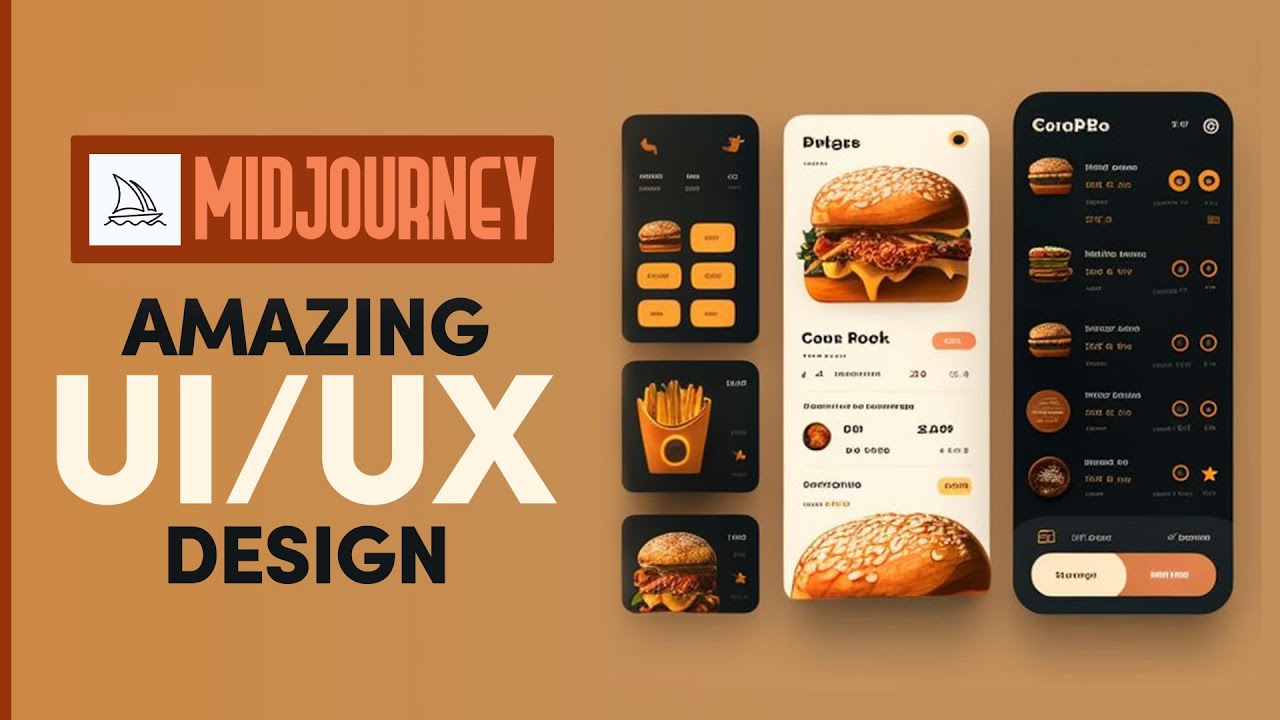
The field of User Experience (UX) design is constantly evolving, driven by advancements in technology and the ever-changing needs and expectations of users. As digital experiences become increasingly integral to our daily lives, UX designers strive to create intuitive and seamless interactions that enhance user satisfaction and meet their evolving demands.
This article explores some of the key technological innovations that are shaping the future of UX design and revolutionizing the way users engage with digital products and services.
Artificial Intelligence and Machine Learning
Artificial Intelligence (AI) and Machine Learning (ML) have significantly impacted the field of UX design. These technologies enable designers to create more personalized and context-aware experiences for users. By analyzing vast amounts of data, AI and ML algorithms can identify patterns, predict user behavior, and make informed recommendations, all of which help improve the overall user experience.
For instance, AI-powered chatbots and virtual assistants have transformed customer support by providing instant responses and personalized assistance, making it easier for users to find the information they need. AI algorithms also enable dynamic content creation and adaptive interfaces that respond to individual user preferences and needs.
Voice User Interfaces (VUI)
The rise of smart speakers and voice assistants has given rise to the importance of Voice User Interfaces (VUIs). VUIs enable users to interact with technology using natural language, eliminating the need for traditional graphical user interfaces. As voice recognition technology continues to advance, UX designers are exploring how to leverage VUI to create more intuitive and accessible experiences.
Designing for VUI requires a different approach, considering factors such as voice tone, context, and conversational flow. As a result, UX designers are now focusing on creating voice-centric experiences that are quick, efficient, and conversational, allowing users to engage with devices and applications in a more natural and effortless manner.
Augmented Reality (AR) and Virtual Reality (VR)
AR and VR technologies have unlocked new possibilities for immersive user experiences. They blend the digital and physical worlds, offering users a unique way to interact with products or services. From virtual tours and product simulations to gamified experiences and interactive storytelling, AR and VR are transforming the way in which users engage with digital content.
For UX designers, the challenge lies in creating seamless and intuitive AR/VR interfaces that enhance immersion and minimize user discomfort. The ability to design for three-dimensional spaces and incorporate intuitive gestures and interactions is reshaping the way UX designers approach user interface design, resulting in more engaging and immersive experiences for users.
Internet of Things (IoT)
The Internet of Things (IoT) is revolutionizing the way we interact with everyday objects, from smart home devices to wearable technologies. UX designers are tasked with creating cohesive and intuitive experiences that allow users to seamlessly interact with interconnected devices and systems.
IoT-focused UX design ensures that users can easily understand and control connected devices, enabling smart automation, real-time data collection, and personalized experiences. As the number of IoT-enabled devices continues to grow, UX designers must anticipate and address the unique challenges of designing for complex ecosystems, such as maintaining data privacy and managing multiple user touchpoints.
Stay Ahead of the Curve with UX Design and Technological Innovations
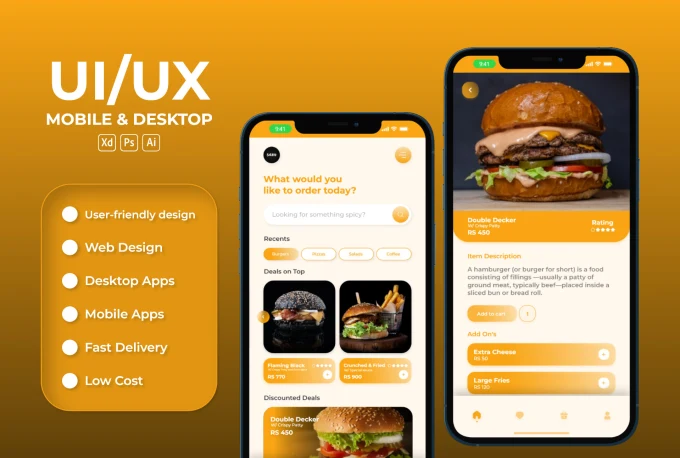
As technology continues to advance at an unprecedented pace, UX designers must stay informed about the latest technological innovations that shape user experiences. Embracing emerging technologies, such as AI, VUIs, AR/VR, and IoT, allows designers to create intuitive and seamless experiences that meet the ever-changing expectations of users.
By combining their design expertise with these technological advancements, UX designers can shape the future of digital interactions, enhancing user satisfaction and driving meaningful engagement with products and services.
The Intersection of Regional Trends and Cultural Influences in UX Design
User Experience (UX) design is an essential aspect of product development that focuses on creating meaningful and enjoyable experiences for users. While it is a globally recognized field, there are regional trends and cultural influences that shape the way UX design is approached and implemented around the world. Understanding these factors is crucial for businesses seeking to create successful digital products that resonate with their target audiences.
Regional Trends in UX Design:
- Nordic Design Philosophy - Nordic countries such as Sweden, Denmark, Norway, Finland, and Iceland have made significant contributions to the field of UX design. The Nordic design philosophy focuses on simplicity, minimalism, and usability. It often incorporates natural elements and emphasizes clean lines, functionality, and user-centricity. Key characteristics include the use of whitespace, crisp typography, and intuitive interactions. This design approach has had a resounding impact on the global UX design community, inspiring simplicity and elegance in digital products.
- Asian Aesthetics - Asian countries have their own distinct cultural and design philosophies that influence UX design trends. Japanese design, for example, is known for its attention to detail, balance, and harmony. It often incorporates elements such as clean typography, symmetry, and minimalism. Chinese design, on the other hand, may emphasize bold colors, intricate patterns, and cultural symbolism. These influences can be seen in many digital products targeting Asian markets, creating interfaces that align with local user preferences.
Cultural Influences on UX Design:
- Language and Localization - Cultural considerations in UX design are particularly important when it comes to language and localization. The choice of language, writing direction, and text layout must be thoughtfully addressed to ensure that digital products are accessible and user-friendly across different cultures and regions. Localization also involves adapting design elements, colors, icons, and imagery to align with local cultural norms and avoid potential misunderstandings or offensiveness.
- Cultural Symbols and Iconography - Cultural symbols and iconography play a critical role in UX design, as they convey meaning and can evoke emotions related to a specific culture or region. For instance, the use of certain colors, motifs, or symbols associated with luck, prosperity, or religious beliefs can influence user perceptions and engagement. Incorporating culturally significant elements can foster a deeper connection with users and create a more immersive experience.
While UX design principles are foundational and universal, regional trends and cultural influences shape the way they are implemented. Understanding these dynamics is crucial for businesses looking to resonate with diverse audiences in different markets. By considering regional trends and cultural influences in UX design, companies can create digital products that not only function smoothly but also provide a tailored experience that aligns with user expectations and cultural sensibilities. This awareness can lead to enhanced user satisfaction, increased conversions, and overall business success.
The Rise of Social Media Influencers in the UX Design Industry
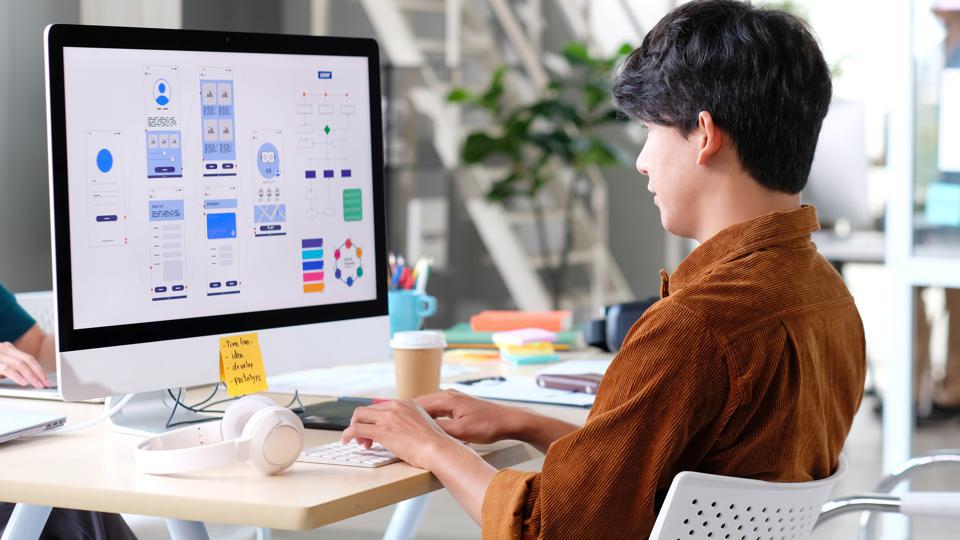
Social media has revolutionized the way people connect, share information, and consume content. It has also given birth to a new age of marketing, where influencers play a significant role in shaping consumer behaviors and preferences. The world of UX design has also caught on to this trend, with an increasing number of influencers leveraging their social media platforms to share insights, advice, and industry trends.
The Power of Influence
Influencers are individuals with a large following on social media platforms like Instagram, YouTube, and Twitter. They have built a loyal community around them, who trust their opinions and recommendations. For the UX design industry, these influencers have become indispensable in reaching and engaging with a wider audience.
Bridging the Gap Between Designers and Users
UX design is all about creating digital experiences that are user-centric and intuitive. Influencers who specialize in UX design have the knowledge and expertise to bridge the gap between designers and users. They act as intermediaries, translating complex design concepts into easy-to-understand content that resonates with their followers.
Sharing Design Processes and Techniques
One of the valuable aspects of following UX design influencers on social media is their ability to share their design processes and techniques. These influencers often provide behind-the-scenes glimpses into their work, such as wireframing, prototyping, and user testing. This sharing of knowledge benefits both aspiring UX designers and those already in the field, as they gain insights and inspiration from real-world examples.
Influencing Trends and Best Practices
In an ever-evolving field like UX design, staying updated with the latest trends and best practices is crucial. UX design influencers play a pivotal role in shaping these trends by showcasing innovative design concepts, discussing emerging technologies, and reviewing new tools and software. Their influence can often lead to the adoption of new design techniques and methodologies within the industry.
Building Communities and Networking Opportunities
Social media platforms offer unique opportunities for UX designers to connect, collaborate, and network. Influencers in the UX design space often create communities on platforms like LinkedIn or Facebook, where designers can share their work, seek feedback, and find mentorship opportunities. These communities provide a chance to learn from the best in the field and build relationships with like-minded professionals.
The rise of social media influencers in the UX design industry has undeniably changed the way designers learn, network, and stay updated with the latest industry trends. By leveraging their social media platforms, influencers have become powerful advocates for UX design, bridging the gap between designers and users, sharing knowledge, and shaping industry trends. As the influence of social media continues to grow, the role of influencers in the world of UX design is only expected to strengthen further.
The Future Outlook of UX Design: A Forecast
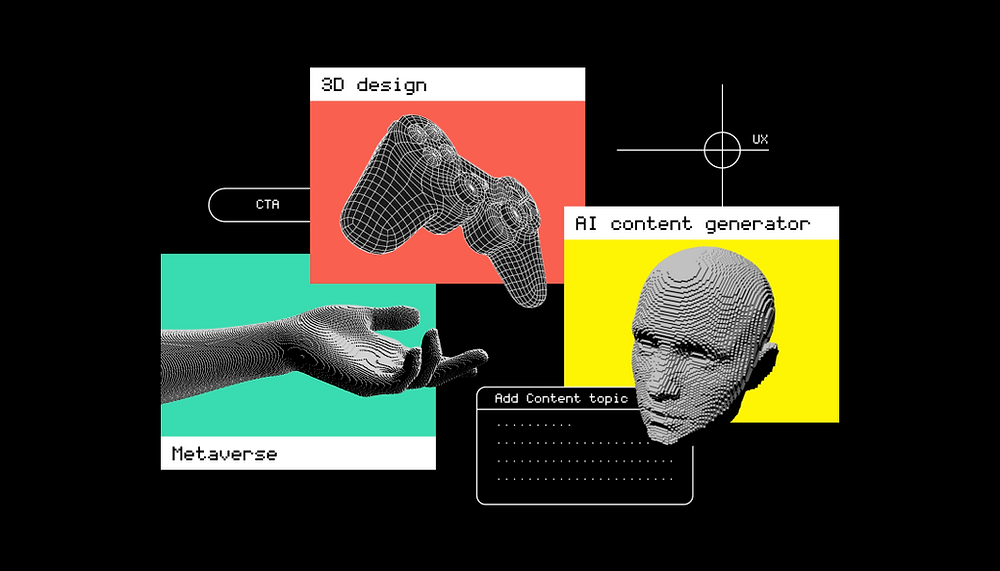
In recent years, UX design has become one of the most prominent and crucial fields in the technology and digital industries. As technology continues to evolve at an exponential rate, the importance of providing seamless and intuitive user experiences has never been greater. But what does the future hold for UX design? Here's a forecast of the trends and outlooks that we can expect in the coming years.
Personalization Will Prevail
In the future, UX design will continue to prioritize personalization. As users become more discerning and demand tailored experiences, designers will need to create interfaces that adapt to individual preferences. Artificial intelligence (AI) and machine learning will play a critical role in achieving this level of personalization. By analyzing user data, AI algorithms will anticipate user needs and preferences, resulting in custom experiences that cater to each individual.
Voice-Enabled Interfaces Revolutionize UX
The rise of voice assistants like Siri, Alexa, and Google Assistant has already had a significant impact on UX design. However, the future will see voice-enabled interfaces becoming even more prevalent. Whether through voice commands or natural language processing, users will increasingly interact with interfaces using their voice. This shift will require UX designers to focus on conversational and context-aware designs that effectively understand and respond to user inputs.
Augmented Reality (AR) Enhances User Experiences
The integration of augmented reality (AR) into user interfaces will revolutionize the way users interact with digital products. AR overlays digital elements onto the real world, providing users with immersive and interactive experiences. In the future, AR will create opportunities for UX designers to design interfaces that seamlessly blend the physical and digital realms. From interactive product demonstrations to virtual fitting rooms, the potential applications of AR in UX design are vast.
Emphasis on Accessibility and Inclusive Design
As technology plays an increasingly significant role in our daily lives, it is crucial to prioritize accessibility and inclusive design in UX. The future will see a growing emphasis on designing interfaces that are accessible to everyone, including people with disabilities. UX designers will need to consider a range of impairments, such as visual, auditory, and cognitive, to ensure equal access to digital experiences. Embracing inclusive design principles will not only enhance user experiences but also contribute to a more inclusive and equitable digital landscape.
Ethical Design Raises the Bar for UX
In recent years, there has been a growing awareness of the impact of technology on society. As a result, the ethical considerations of UX design will play a more prominent role in the future. Designers will need to engage in conscious decision-making, considering the potential social, cultural, and environmental implications of their designs. This includes addressing issues such as data privacy, algorithmic bias, and the responsible use of AI. Ethical design practices will not only build trust with users but also contribute to a more sustainable and socially responsible digital ecosystem.
In conclusion, the future of UX design holds significant promise and exciting developments. Personalization driven by AI, voice-enabled interfaces, augmented reality experiences, inclusive design principles, and ethical considerations will shape the landscape of UX design. As user expectations continue to evolve, embracing these trends will be essential for creating engaging, delightful, and meaningful user experiences in the years to come.
Key Findings and Insights: The Evolution of UX Design
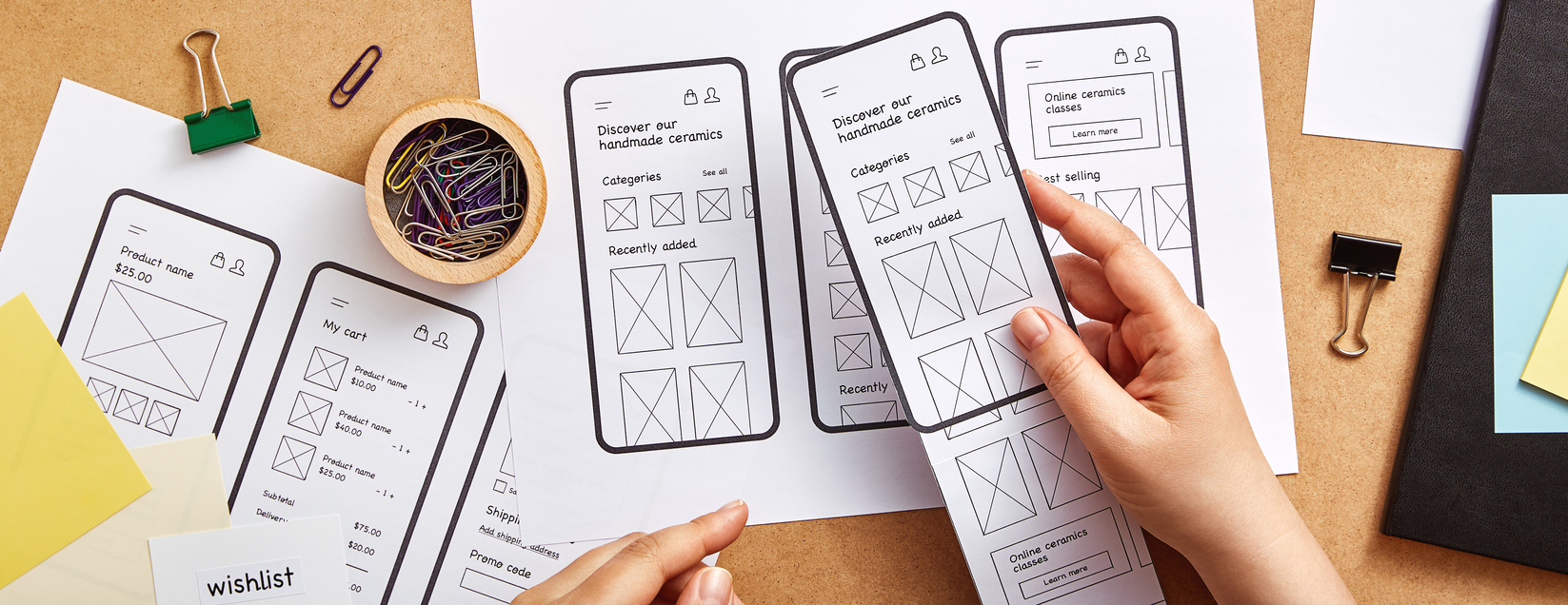
Over the past decade, User Experience (UX) Design has emerged as a critical component in the realm of product development and digital marketing. As technology advances and consumer expectations rise, businesses are realizing the significance of providing seamless and intuitive user experiences across various platforms and devices. This recap explores key findings and insights into the trend of UX Design, highlighting its evolution and importance in today's digital landscape.
- User-Centric Approach: UX Design places a strong emphasis on understanding user needs, desires, and behaviors. By conducting thorough user research and usability testing, designers gain valuable insights into user preferences, pain points, and motivations. This user-centric approach helps businesses develop products and interfaces that cater to user expectations, ultimately enhancing customer satisfaction and driving user engagement.
- Design Thinking: UX Design incorporates the principles of design thinking, which involves a creative and iterative problem-solving approach. It encourages designers to empathize with users, define the problem, ideate potential solutions, prototype, and test their designs. This iterative process ensures continuous improvement and allows for the identification and resolution of usability issues.
- Responsive and Adaptive Design: With the increasing use of mobile devices and various screen sizes, responsive and adaptive design has become a necessity. UX Design focuses on creating interfaces that seamlessly adapt and respond to different devices, ensuring a consistent and user-friendly experience across platforms. This is crucial in today's mobile-dominated world, where users expect a seamless transition between devices.
- Emphasis on Accessibility: An important aspect of UX Design is ensuring that digital products and services are accessible to all users, including those with disabilities. Following accessibility guidelines and standards help in creating inclusive designs, making products usable for individuals with visual impairments, hearing impairments, or other disabilities. Prioritizing accessibility not only benefits a wider audience but also complies with legal requirements in many regions.
- Delightful and Engaging Experiences: UX Design aims to create delightful experiences for users by focusing on aesthetics, intuitive navigation, and interactive elements. By carefully considering visual design, microinteractions, and animations, designers can captivate and engage users, keeping them immersed in the product or service. Engaging experiences contribute to higher user satisfaction, increased conversions, and stronger brand loyalty.
- Data-driven Decision Making: UX Design relies on gathering and analyzing user data to make informed design decisions. By tracking user interactions and behaviors, designers can identify pain points, optimize user flows, and make data-driven improvements to the UX. This iterative cycle of data collection, analysis, and design refinement enables businesses to continuously enhance the user experience and achieve better outcomes.