
The Explosive Rise of Vegan Keto: Unveiling the Niche Diet Trend that's Taking Health and Wellness Enthusiasts by Storm

The Rise of Vegan Keto: A Plant-Powered Twist on the Ketogenic Diet
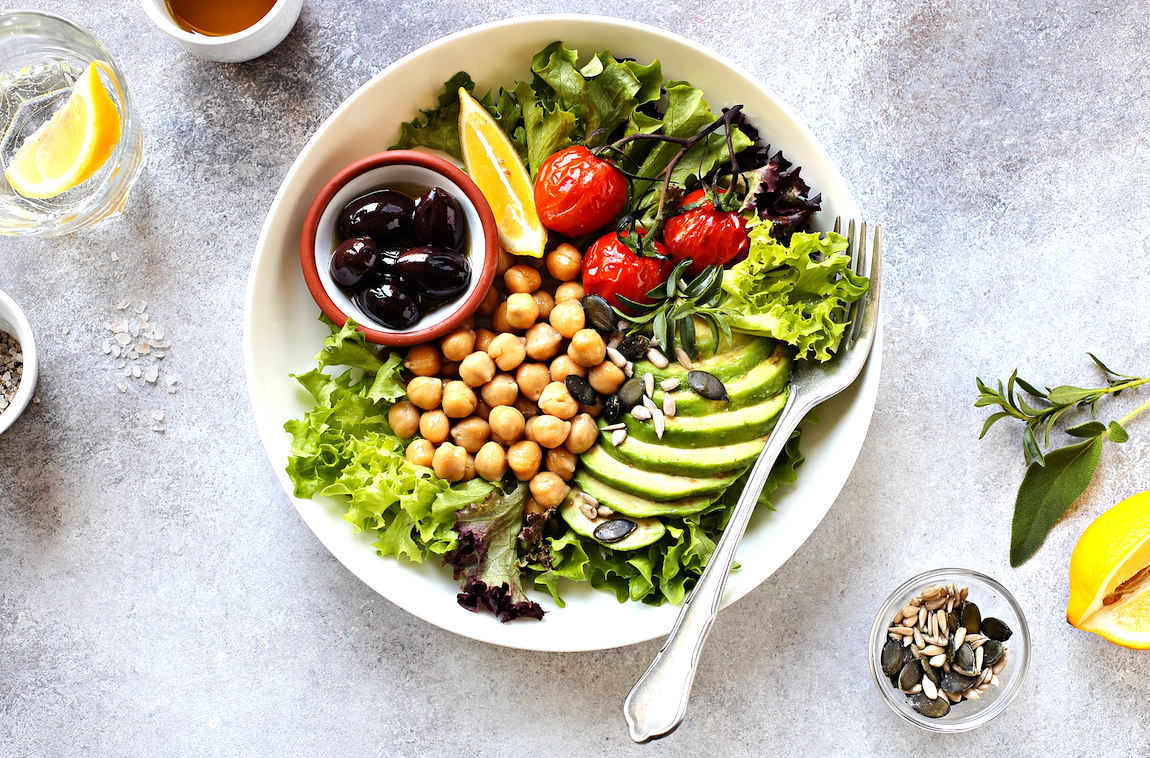
In recent years, the combination of a vegan lifestyle and the ketogenic diet has gained significant traction, resulting in the emergence of the trend known as "vegan keto." This dietary approach offers a unique blend of plant-based eating and low-carb, high-fat principles. As the name suggests, vegan keto emphasizes nourishing the body with vegan-friendly, nutrient-dense foods while keeping carbohydrate intake minimal.
The ketogenic diet has been in the spotlight for quite some time, primarily attracting individuals seeking to lose weight, improve mental clarity, and boost energy levels. Traditional keto diets heavily rely on animal-based products such as meat, dairy, and eggs to meet the high fat and protein requirements while minimizing carb consumption.
However, veganism, which prioritizes animal welfare concerns and environmental sustainability, has gained significant momentum as well. With an increasing number of people adopting vegan lifestyles for ethical, health, and environmental reasons, the demand for plant-based alternatives continues to rise.
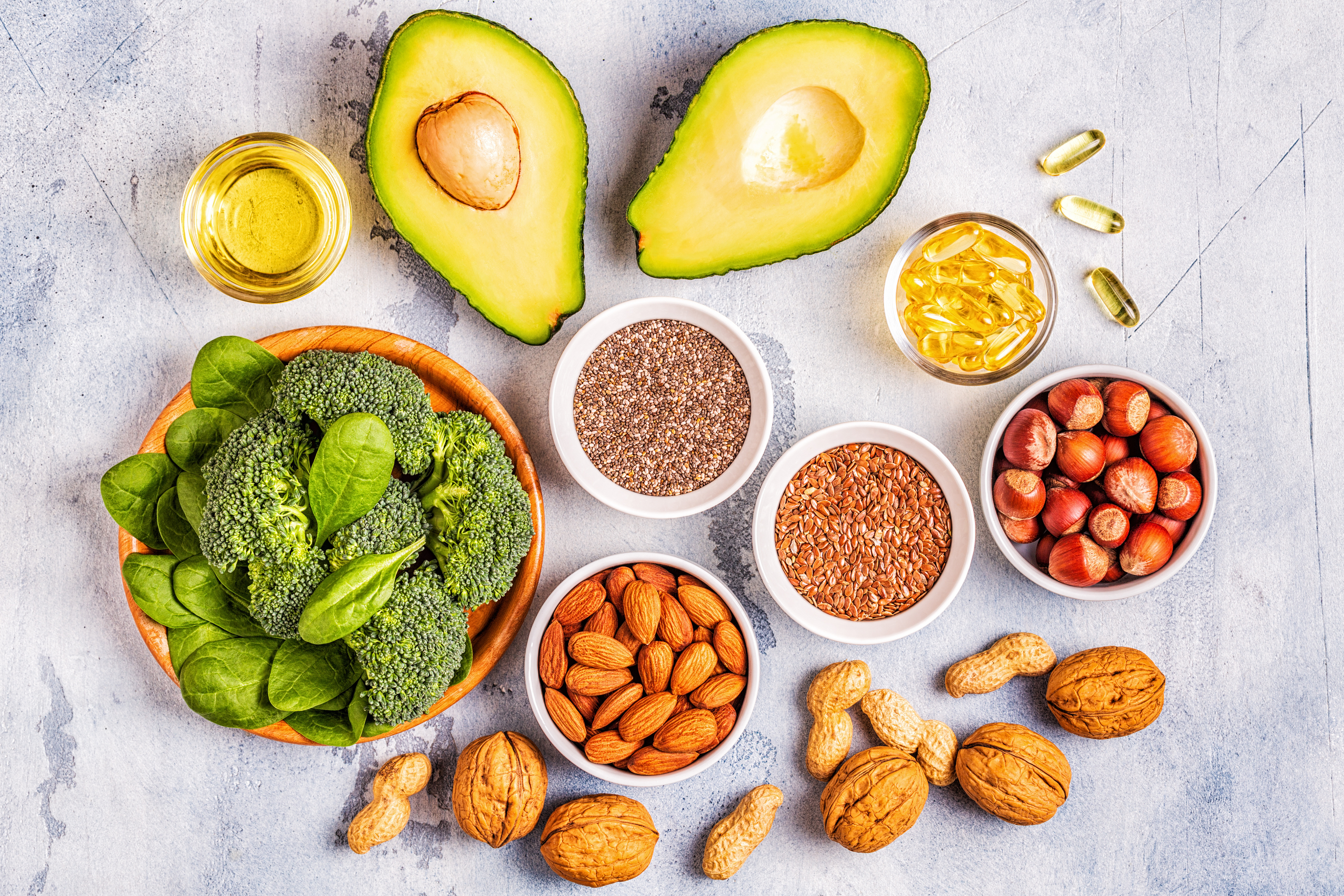
This convergence of interests between veganism and the ketogenic diet was the catalyst for the rise of vegan keto. By eliminating all animal-derived products, vegan keto adherents engage in a highly restrictive eating pattern, focusing on healthy fats, plant-based proteins, and low-carb vegetables such as leafy greens, cruciferous vegetables, and avocados.
The popularity of the vegan keto trend is not limited to a single demographic group. It has gained traction among individuals who previously followed a strict ketogenic diet and have transitioned to a vegan lifestyle, as well as those who were vegan and sought to enhance their dietary choices by embracing ketosis. Additionally, an increasing number of people who are health-conscious, environmentally aware, or looking to manage various health conditions are also showing interest in vegan keto.
Moreover, the effectiveness of vegan keto for weight loss and overall well-being has contributed to its popularity. By limiting carbohydrate intake, the body enters a state of ketosis, where it burns stored fat for energy rather than relying on glucose from carbohydrates. This metabolic shift is believed to aid in weight loss, improve insulin sensitivity, enhance mental focus, and maintain stable energy levels throughout the day.
Overall, the rise of vegan keto is driven by the desire for a more sustainable and compassionate dietary approach that aligns with both personal values and health goals. By combining the principles of veganism with the ketogenic diet, individuals can embark on a plant-powered journey to achieve their desired health outcomes while minimizing their environmental footprint.
Market Size and Growth of Vegan Keto
As the demand for healthier and more sustainable diets continue to rise, veganism and the ketogenic diet have gained significant popularity in recent years. And when these two dietary trends combine to form the vegan keto diet, it creates a unique niche market that is quickly gaining traction.
Market Size
The vegan keto market is still relatively niche but is showing strong potential for growth. According to a report by Grand View Research, the global vegan food market was valued at $14.2 billion in 2020 and is projected to reach $31.4 billion by 2027, growing at a compound annual growth rate (CAGR) of 11.9% from 2020 to 2027. While there is no specific data available for the vegan keto market, the overall vegan food market provides a general indication of the growing interest in plant-based diets.
Increasing Popularity and Growth Factors
The rising popularity of the vegan keto diet can be attributed to various factors. Firstly, the ketogenic diet has gained recognition for its potential health benefits, such as weight loss, improved mental clarity, and increased energy levels. Additionally, the vegan diet is often associated with environmental sustainability and animal welfare concerns. By combining the principles of veganism with the ketogenic diet, individuals can prioritize their health while also aligning with their ethical and environmental values.
Moreover, advancements in food technology and ingredient innovation have contributed to the growth of the vegan keto market. With the development of plant-based alternatives to traditional animal products, it has become easier for individuals following a vegan keto diet to meet their nutritional needs and enjoy a diverse range of delicious and convenient food options.
Challenges and Opportunities
Although the vegan keto market is showing promise, there are still certain challenges to overcome. One challenge is the limited availability of vegan keto products in mainstream retail outlets. While the market for vegan products is expanding, finding vegan keto-specific options can be relatively more challenging. However, this has created an opportunity for specialized vegan keto brands and online retailers to cater to the specific needs of this growing market segment.
Additionally, education and awareness play a crucial role in the growth of the vegan keto market. Many people may be familiar with either veganism or the ketogenic diet individually but might not be aware of the potential benefits and feasibility of combining the two. Providing clear information and recipes through blogs, social media platforms, and other resources can help educate and engage individuals who are interested in adopting a vegan keto lifestyle.
The vegan keto market is still in its early stages but is positioned for growth due to the intersection of the increasing demand for plant-based diets and the allure of the ketogenic diet's health benefits. As more people prioritize their health, the environment, and animal welfare, the vegan keto diet presents a compelling option. Continued product innovation and educational efforts can further fuel the growth of this market, making vegan keto a significant player in the evolving landscape of healthy and sustainable dietary choices.
Consumer Demand and Preferences: Exploring the Rise of Vegan Keto
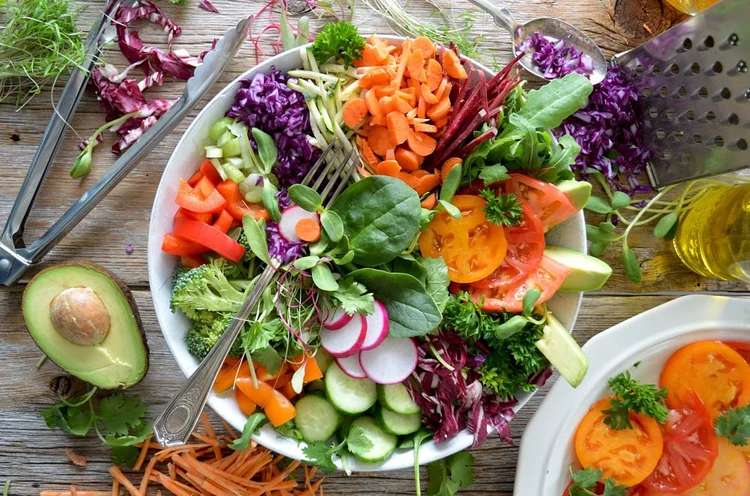
As consumer awareness surrounding health and sustainability continues to grow, so does the popularity of specialized diets. One such dietary trend that has gained considerable traction in recent years is the Vegan Keto diet. Combining the principles of veganism and the ketogenic approach, this unique eating style aims to provide a low-carbohydrate, high-fat plant-based alternative. In this section, we will explore the consumer demand and preferences behind the surge in popularity of the Vegan Keto diet.
- Increasing Health Consciousness: Health consciousness and the desire for improved well-being are primary drivers behind the growing interest in the Vegan Keto diet. Many individuals are drawn to the potential benefits of weight loss, increased energy levels, and better management of chronic conditions such as diabetes or inflammation. The plant-based aspect of Vegan Keto also appeals to those seeking to reduce their environmental impact and promote animal welfare.
- Flexibility and Customization: One reason for the increasing consumer demand for Vegan Keto is its flexibility and customization options. The Vegan Keto diet allows consumers to choose from a wide variety of low-carb plant-based foods such as avocados, nuts, seeds, tofu, and non-starchy vegetables, while avoiding animal-based products. This flexibility aligns with evolving dietary preferences and caters to individuals with specific dietary restrictions or preferences, including those who follow vegetarian or vegan lifestyles.
- Social Media Influence: The rise of social media platforms has significantly contributed to the popularity of Vegan Keto. Platforms such as Instagram, YouTube, and TikTok serve as virtual spaces for influencers and enthusiasts to share their experiences, recipes, and success stories with a wider audience. This has led to increased visibility and awareness, amplifying consumer interest and driving demand for Vegan Keto products and resources.
- Food Innovation: Consumer preferences drive innovation, and the realm of Vegan Keto is no exception. As the demand for Vegan Keto grows, food companies and entrepreneurs are developing an array of products tailored to this market. These include plant-based alternatives to conventional dairy products, vegan-friendly protein sources, and low-carb sweeteners suitable for Vegan Keto baking. Such innovations provide consumers with more choices, encouraging them to adopt or maintain a Vegan Keto lifestyle.
- Increased Availability: Another factor contributing to the rise in consumer demand for Vegan Keto is the increased availability of vegan and low-carb products. Grocery stores, health food markets, and online retailers have expanded their offerings to cater to the growing number of individuals following Vegan Keto. Additionally, the rise of meal kit delivery services tailored to dietary preferences has made it more convenient for consumers to adhere to a Vegan Keto lifestyle.
Consumer demand for Vegan Keto is on the rise as individuals prioritize health, sustainability, and customization in their dietary choices. The combination of veganism and the ketogenic approach offers a unique and potentially beneficial eating style that resonates with an increasing number of consumers. As the popularity of Vegan Keto continues to grow, so does the innovation and availability of products tailored to this segment, further fueling consumer interest and adoption.
Industry Players and Competition in the Vegan Keto Market

The Vegan Keto market has witnessed significant growth in recent years as more individuals are adopting a plant-based lifestyle while adhering to a ketogenic diet. This unique combination allows people to enjoy the health benefits of both while avoiding animal-derived products and reducing their carbohydrate intake.
As the demand for Vegan Keto products continues to rise, various industry players have emerged, aiming to cater to this specific niche. Let's take a closer look at some of the key players and the competition within the Vegan Keto market.
Food Manufacturers and Brands
Several food manufacturers and brands have recognized the potential of the Vegan Keto market and are actively developing and marketing products to meet the demand. These companies offer a range of Vegan Keto-friendly foods, including snacks, desserts, meal replacements, and condiments.
Some prominent names in this space include:
- Beyond Meat: Known for its plant-based meat alternatives, Beyond Meat recently launched a line of Vegan Keto-friendly products, offering protein-rich options for those following the diet.
- Rebel Creamery: This brand specializes in producing low-carb, high-fat vegan ice cream alternatives. Their innovative approach has gained popularity among the Vegan Keto community.
- MamaSezz: Focusing on convenience and nutrition, MamaSezz offers pre-made Vegan Keto meals and subscription-based meal plans, providing a hassle-free option for those looking to follow the diet.
Online Platforms and Recipe Blogs
In addition to dedicated food manufacturers and brands, several online platforms and recipe blogs have become essential resources for individuals following the Vegan Keto diet. These platforms offer a wealth of information, recipes, meal plans, and community support to assist people in navigating this unique dietary approach.
Some notable online platforms and recipe blogs include:
- Minimalist Baker: Known for its simple and delicious vegan recipes, Minimalist Baker offers a dedicated section on its website for Vegan Keto recipes, attracting a large following seeking creative and nutritious meal ideas.
- Sweet Simple Vegan: This blog provides a combination of vegan and low-carb recipes, including Vegan Keto options. By offering a diverse range of recipes, Sweet Simple Vegan has gained popularity among those looking for tasty and health-conscious meal ideas.
- Vegan Keto Reddit: While not a traditional brand, the Vegan Keto subreddit has become a hub for individuals seeking advice, sharing experiences, and discussing the Vegan Keto lifestyle. It serves as a significant resource for newcomers and seasoned followers alike.
Nutritional Supplements and Functional Foods
The Vegan Keto market also extends to nutritional supplements and functional foods, providing consumers with the necessary nutrients and support to maintain a balanced diet.
Some notable players in this category include:
- Sunwarrior: This brand offers a range of plant-based protein powders and supplements suitable for a Vegan Keto lifestyle. Their products are designed to supplement protein intake and support overall health and wellness.
- Perfect Keto: While not exclusively vegan, Perfect Keto offers a selection of products that cater to the Vegan Keto market, including MCT oil, exogenous ketones, and collagen alternatives.
With competition increasing in the Vegan Keto market, companies are constantly innovating and developing new products to meet the evolving demands of consumers. As the market expands and becomes more mainstream, we can expect to see further growth and the emergence of new players in this niche industry.
Exploring Technological Innovations in the Vegan Keto Space
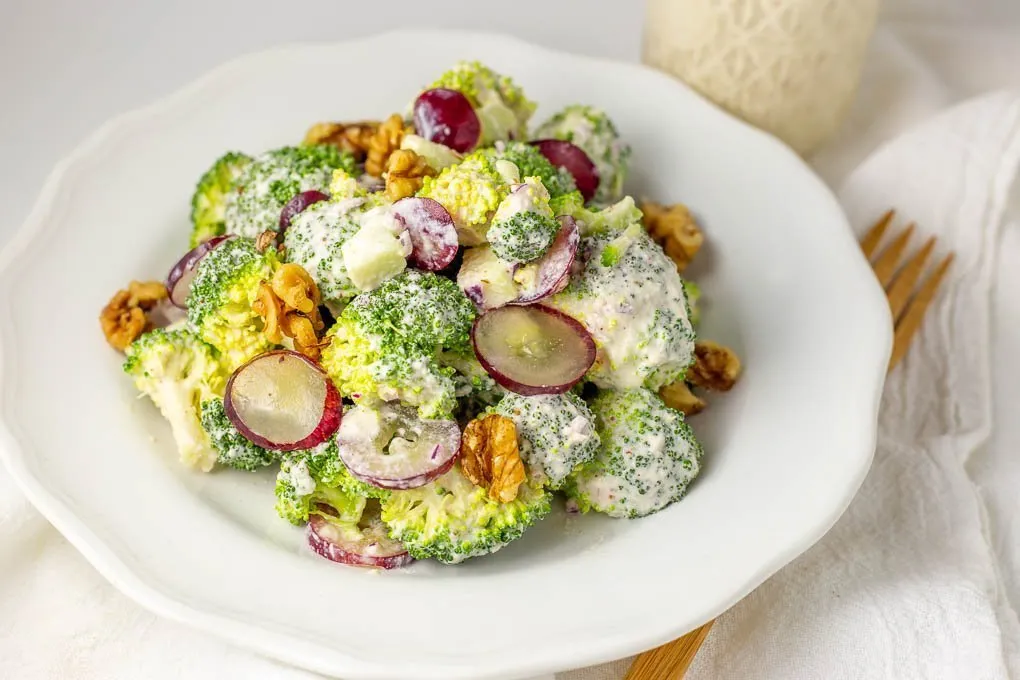
In recent years, the popularity of both veganism and the ketogenic (keto) diet has surged. While these two dietary approaches might seem mutually exclusive, a growing number of individuals are adopting a vegan ketogenic lifestyle for health, ethical, or environmental reasons. As interest in vegan keto continues to rise, various technological innovations have emerged to support and enhance this unique dietary choice. This article delves into some of the key technological advancements in the vegan keto space.
Plant-Based Keto Foods and Alternatives
One of the challenges of following a vegan keto diet is finding suitable food options that are low in carbohydrates, high in healthy fats, and entirely plant-based. However, technology has played a significant role in addressing this issue. Companies are now developing innovative plant-based products specifically tailored to meet the requirements of vegan keto enthusiasts.
The use of alternative ingredients, such as coconut flour, almond flour, and flaxseeds, has paved the way for a wide range of plant-based keto-friendly products. Niche companies have emerged offering vegan keto snacks, desserts, protein bars, and ready-to-eat meals that adhere to the specific macronutrient ratios required for a ketogenic diet. These products are often made using advanced food processing techniques and plant-based substitutes to mimic the texture and flavor of traditional animal-based ingredients.
Meal Planning Apps and Online Communities
Following a vegan keto diet requires careful planning and tracking of macronutrients to ensure adequate nutrition while maintaining ketosis. Fortunately, technology has made this task more accessible and convenient for individuals. Meal planning apps and online communities have emerged, providing specialized tools tailored to vegan keto eaters.
These apps and platforms offer features like recipe suggestions, customizable meal plans, shopping lists, and nutrient trackers. They often use advanced algorithms to recommend suitable recipes based on a user's dietary preferences and goals. Additionally, they provide a platform for vegans following a ketogenic lifestyle to connect, share experiences, and exchange recipe ideas.
Wearable Devices and Health Tracking
While not exclusive to the vegan keto space, wearable devices and health tracking technologies have become invaluable tools for individuals following specific dietary regimens. These gadgets monitor various health parameters and provide real-time feedback to help users track their progress and make informed decisions about their health.
From smartwatches with built-in heart rate monitors to devices that track sleep patterns, these technological innovations provide invaluable data to vegan keto enthusiasts. By monitoring factors such as heart rate variability, sleep quality, and activity levels, individuals can gain insights into how their lifestyle choices and dietary habits impact their overall well-being and ketosis levels.
Technological Innovations in Food Processing
Technological advancements in food processing have facilitated the creation of innovative vegan keto products. For instance, companies are utilizing advanced extraction and processing methods to produce plant-based oils and fats that closely resemble animal-derived counterparts like butter and ghee. This allows vegan keto followers to enjoy familiar flavors and textures while adhering to their dietary choices.
In addition, advanced dehydration techniques and freeze-drying technologies have enabled the production of convenient plant-based keto snacks with extended shelf life without the need for preservatives. These innovations have revolutionized the accessibility and convenience of vegan keto products, providing individuals with a wider variety of options.
As the popularity of vegan keto grows, so too does the scope for technological innovation in this dietary space. From the creation of plant-based alternatives and specialized meal planning apps to wearable devices and advanced food processing techniques, technology is playing a crucial role in supporting and enhancing the vegan keto lifestyle. With ongoing advancements, the future looks promising for those seeking to combine the benefits of a ketogenic diet with a plant-based approach.
Regional Trends and Cultural Influences on Vegan Keto

Veganism and the ketogenic diet have gained significant popularity in recent years, with individuals adopting these dietary practices for various reasons such as health, ethical concerns, and weight management. While both lifestyles have their separate followings, the combination of veganism and the ketogenic diet has led to the emergence of a new dietary trend: vegan keto.
As with any dietary trend, there are regional variations and cultural influences that shape the adoption and appeal of vegan keto. These factors play a role in determining which regions embrace vegan keto and how it is interpreted and practiced. Let's explore some of these regional trends and cultural influences on vegan keto:
North America: Pioneering Vegan Keto Movement
North America, particularly the United States, has been at the forefront of the vegan keto movement. With a significant population of vegans and health-conscious individuals, it was only a matter of time before the two dietary practices merged. Influencers, bloggers, and health advocates in North America have played a crucial role in raising awareness and promoting vegan keto recipes, meal plans, and success stories.
Europe: Fusion of Veganism and Traditional Cuisine
In Europe, veganism is deeply rooted in various cultures, and traditional cuisine takes center stage. Vegan keto in Europe often involves adapting beloved regional dishes to fit the low-carb, high-fat, and plant-based principles. For example, traditional Mediterranean cuisine, known for its abundant use of vegetables, nuts, and olive oil, seamlessly lends itself to vegan keto adaptations. Similarly, in the UK, "meat and two veg" meals have been adapted with vegan alternatives that adhere to keto principles.
Asia: Plant-Based Staples with a Keto Twist
Asia, with its diverse culinary heritage, has its own unique take on vegan keto. Plant-based staples such as tofu, tempeh, seaweed, and a wide variety of vegetables provide a solid foundation for Asian-inspired vegan keto meals. Ingredients like coconut milk, curry pastes, and spices add depth and flavor to these dishes. In regions like India, where vegetarianism is prevalent, adapting traditional plant-based dishes to a keto-friendly version has gained popularity among those seeking a low-carb lifestyle.
South America: Emphasis on Local Ingredients
South American cuisines are deeply rooted in flavorful ingredients like corn, beans, rice, and potatoes. While traditionally not low-carb, these staples have been adapted to suit the vegan keto lifestyle. Local ingredients such as avocados, quinoa, amaranth, and various tropical fruits provide a unique twist to vegan keto meals in South America. Influences from traditional dishes like ceviche, empanadas, and Brazilian feijoada can also be seen in the region’s approach to vegan keto.
Oceania: Embracing the Keto Wave
In Oceania, the vegan keto trend has gained traction, particularly in countries like Australia and New Zealand, where both veganism and the ketogenic diet have a strong following. Food bloggers, health influencers, and wellness communities have contributed to the rising popularity of vegan keto in these regions. Traditional ingredients like macadamia nuts, coconut products, and local produce like kangaroo paw and samphire find their way into vegan keto recipes, adding a distinct regional touch.
It is essential to note that regional variations in vegan keto are not limited to these examples, as cultural influences and evolving dietary preferences continue to shape the trend. By understanding these regional trends and cultural influences, individuals can explore and adapt vegan keto in a way that aligns with their cultural background and taste preferences.
The Rise of Social Media Influencers in the Vegan Keto Movement
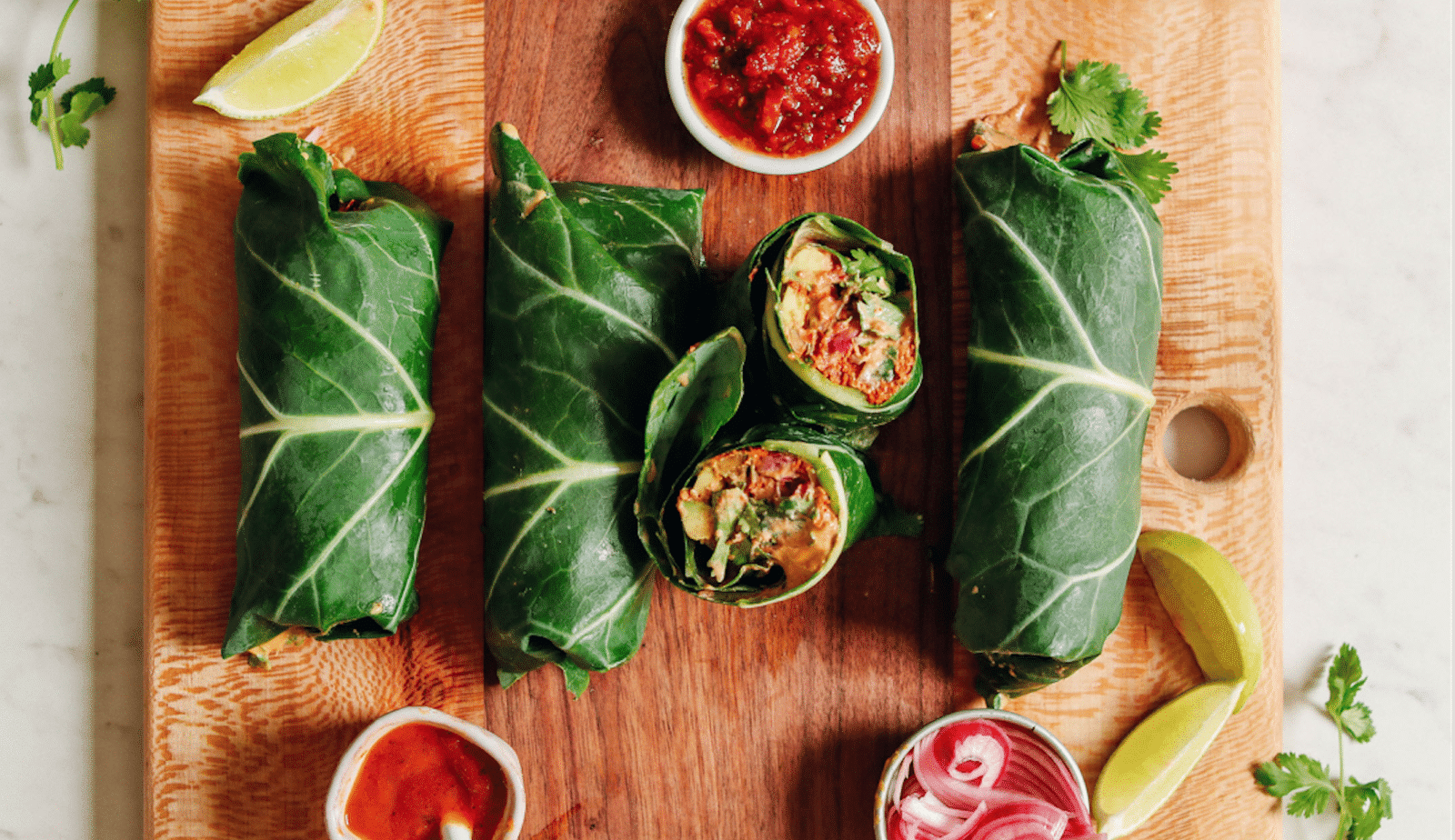
In recent years, social media has become an integral part of our daily lives, transforming the way we connect, share information, and even influence our purchasing decisions. As the popularity of niche diets like vegan keto continues to rise, social media platforms have become hotspots for individuals seeking advice, inspiration, and a sense of community. This has given birth to a new wave of social media influencers who are blazing a trail in the vegan keto movement.
Vegan keto, a combination of veganism and the ketogenic diet, involves following a low-carb, high-fat diet without relying on animal-based products. It can be challenging for individuals to navigate this dietary approach on their own, which is where social media influencers play a crucial role. These influencers have emerged as leading voices in the vegan keto space, sharing their personal experiences, recipes, meal plans, and health tips with a growing audience.
One key advantage of social media influencers is their ability to provide accessible and relatable content to their followers. Vegan keto influencers use platforms like Instagram, YouTube, and TikTok to showcase their plant-based, low-carb meals, and to document their own weight loss journeys or personal transformations. By sharing their stories and progress, influencers not only motivate others to join the vegan keto movement but also demonstrate that this lifestyle is achievable and sustainable.
These influencers typically create content that bridges the gap between the vegan and keto communities, helping individuals understand how they can follow both dietary approaches simultaneously. They offer valuable insights on sourcing vegan-friendly, low-carb ingredients, as well as addressing common concerns such as meeting nutritional needs, finding alternatives to animal-derived fats, and maintaining a healthy balance in their diets.
The influence of social media has also enabled vegan keto influencers to build online communities where like-minded individuals can connect, seek support, and share their own experiences. These communities create a sense of belonging and foster a supportive network, especially for those who might feel isolated or misunderstood in their immediate surroundings. Through virtual meetups, Q&A sessions, and collaborations, influencers serve as mentors and cheerleaders, empowering their followers to stay committed to their vegan keto journeys.
The impact of social media influencers in the vegan keto movement extends beyond individual users. As these influencers accumulate followers, they attract attention from brands, retailers, and manufacturers looking to tap into the rising demand for vegan keto products. Influencers play a vital role in highlighting innovative and convenient options, reviewing new products, collaborating on recipe development, and even launching their own vegan keto branded goods. This symbiotic relationship benefits all parties involved, ultimately driving the growth of the vegan keto market.
In conclusion, social media influencers have become essential figures in the vegan keto movement, using their platforms to educate, inspire, and connect with a growing audience. By sharing their personal journeys, delicious recipes, and practical tips, they have empowered individuals to embrace the vegan keto lifestyle. As the popularity of this dietary approach continues to soar, social media influencers will continue to shape and drive the future of vegan keto, fostering a vibrant community of like-minded individuals striving for a healthier, more sustainable world.
The Future Outlook of Vegan Keto: A Rising Trend
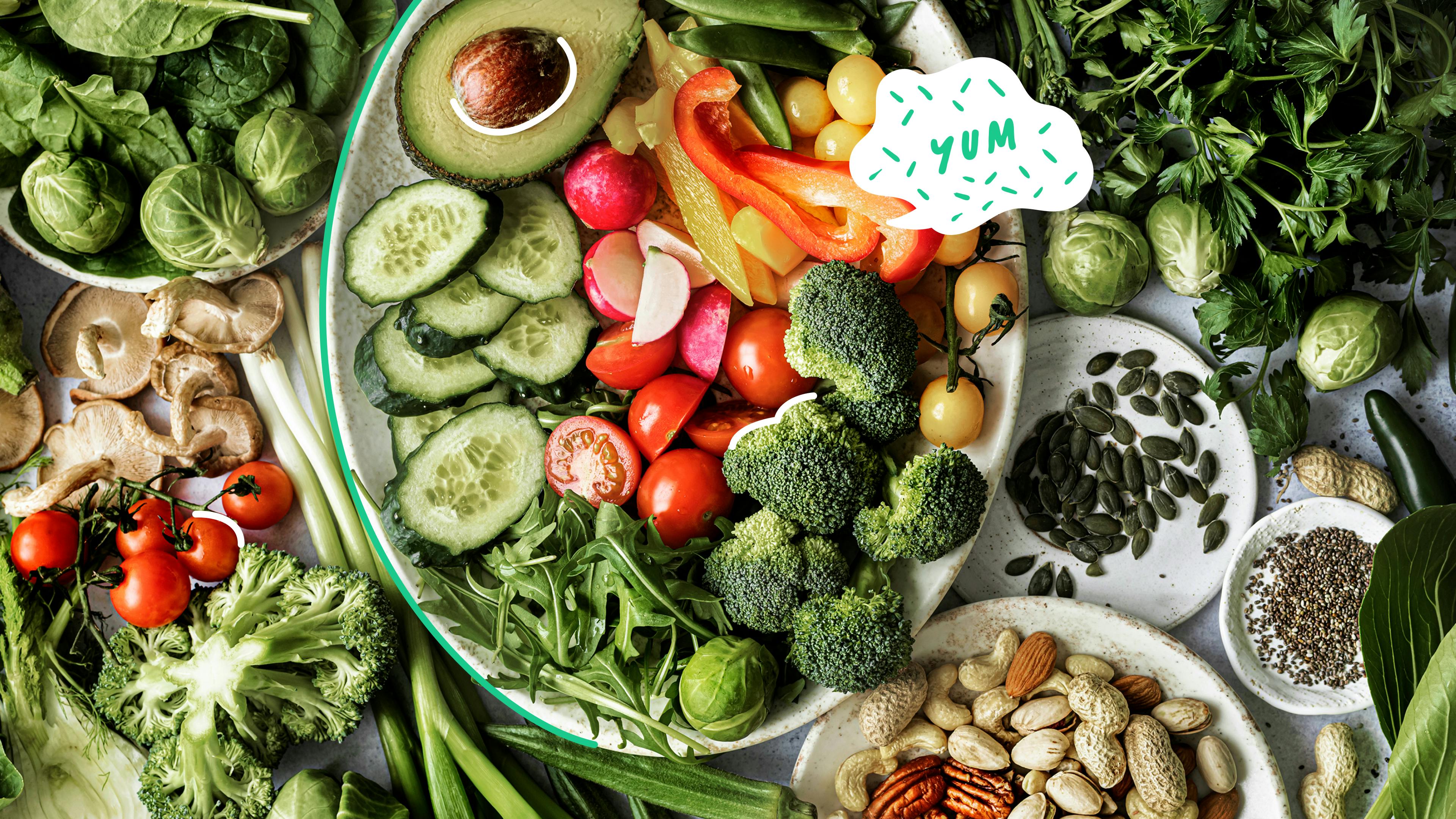
The vegan keto diet is a combination of two popular dietary trends - veganism and the ketogenic diet. While veganism promotes the avoidance of animal products for ethical and environmental reasons, the ketogenic diet is a low-carb, high-fat eating plan that promotes weight loss and improved health. The vegan keto trend has gained significant attention in recent years, as more people are looking for ways to combine these two lifestyles.
The future outlook for the vegan keto trend looks promising, as it taps into the growing consumer demand for healthier and more sustainable eating habits. Here are some key factors that contribute to its potential growth:
- Health Consciousness: With an increasing number of people adopting a healthier lifestyle, the vegan keto diet aligns with their goals. It offers potential benefits such as weight loss, improved blood sugar control, increased energy levels, and potential protection against certain chronic diseases. As more research and success stories emerge, the interest in vegan keto is likely to grow.
- Sustainability and Ethical Concerns: Veganism has become a significant movement as people are becoming more conscientious about the environmental impact of animal agriculture. By combining veganism with a low-carb, high-fat diet, individuals can benefit from the health aspects of the ketogenic diet while adhering to their ethical values. The eco-conscious consumer base is expected to continue to expand, supporting the growth of vegan keto.
- Product Innovation: As the demand for vegan keto grows, companies are likely to invest in developing and improving vegan keto-friendly products. This includes plant-based alternatives to animal-based foods, such as vegan proteins and fats, as well as innovative low-carb plant-based ingredients. These advancements will make it easier for individuals to follow the vegan keto diet while enjoying a wider variety of food options.
- Social Media and Influencers: Social media platforms have become powerful tools for spreading dietary trends and influence. Vegan and keto influencers, bloggers, and recipe creators have large followings and are sharing their experiences and recipes, making the vegan keto lifestyle more accessible and appealing. This exposure is likely to continue driving the interest and adoption of vegan keto among a wider audience.
- Continuous Research and Evidence: While there is limited scientific research specifically on the vegan keto diet, there is growing interest and ongoing studies exploring the potential benefits. As more evidence emerges regarding the health outcomes and long-term effects of the vegan keto diet, it is likely to gain further credibility and recognition from the medical community, supporting its future growth.
Vegan Keto Trend: A Rising Lifestyle Choice with Health Benefits

- Vegan keto is a growing trend that combines the principles of veganism and the ketogenic diet.
- It emphasizes a plant-based diet that is high in healthy fats, moderate in protein, and very low in carbohydrates.
- Key findings suggest that the vegan keto trend appeals to individuals seeking weight loss, improved health, reduced inflammation, and increased mental clarity.
- Vegan keto provides an alternative for those who want to follow a low-carb diet while avoiding animal products.
- The trend recognizes the importance of sourcing high-quality plant-based fats, such as avocados, nuts, and seeds, to maintain proper nutrition.
- Following a vegan keto diet requires careful planning and attention to nutrient intake, including supplementation of certain vitamins and minerals typically found in animal products.
- Studies have shown potential health benefits of vegan keto, including weight loss, lowered cholesterol levels, and improved insulin sensitivity.
- The trend has gained popularity due to increased environmental consciousness, ethical concerns regarding animal welfare, and the rise of plant-based diets.
- Notable influencers, celebrities, and athletes have embraced the vegan keto trend, contributing to its growth and visibility on social media platforms.
- Despite its potential benefits, the vegan keto diet may not be suitable for everyone, especially those with certain medical conditions or specific dietary needs.
- As veganism and the ketogenic diet continue to gain traction individually, the merging of these two trends creates a unique lifestyle choice that appeals to a growing number of health-conscious individuals.