
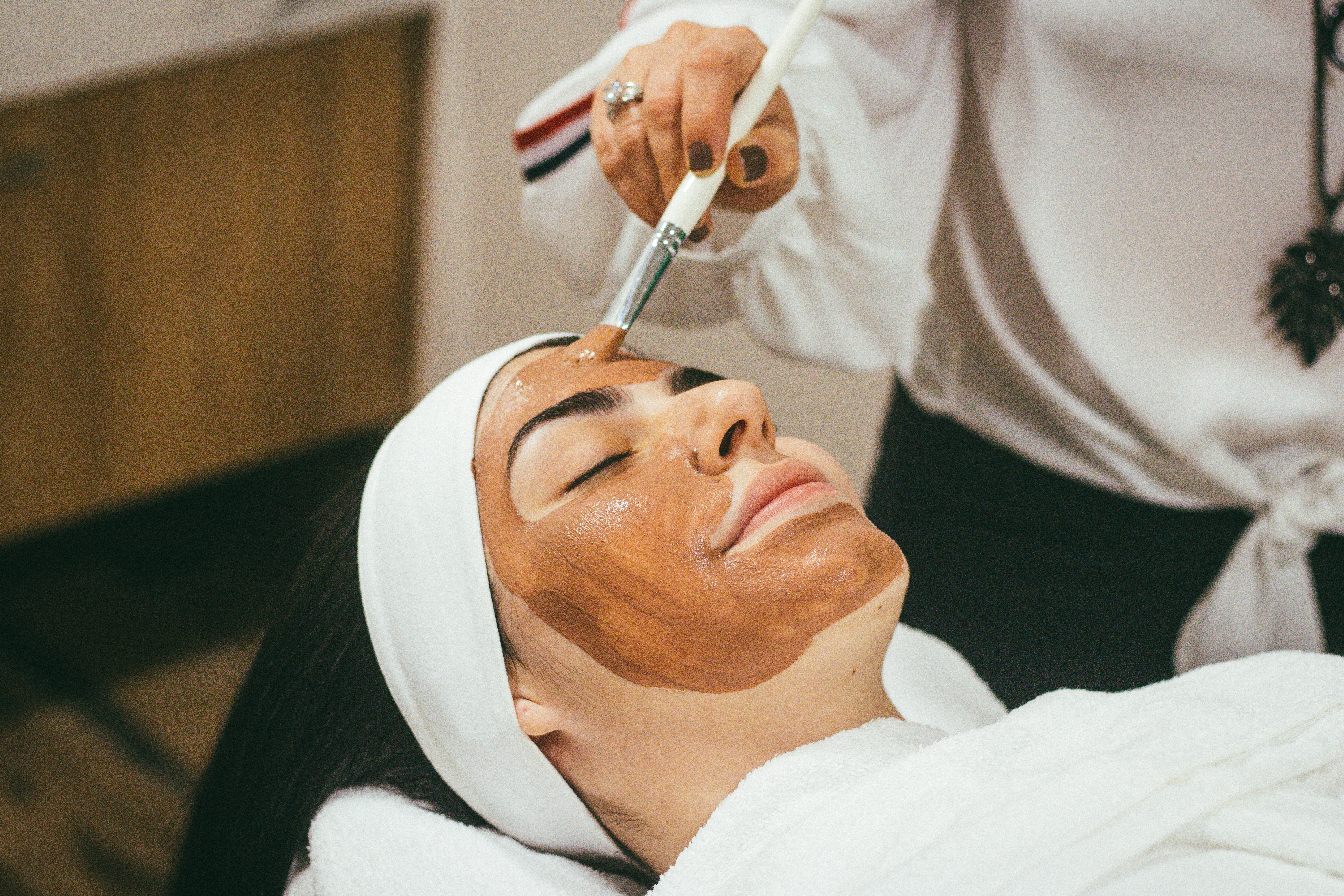
The Glow-up: Exploring the Surging Trend of Organic, Plant-Based Skincare Products

The Rising Popularity of Skincare: A Global Trend for Healthy Skin

In recent years, skincare has emerged as a booming trend that has captured the attention of people worldwide. With an increasing emphasis on self-care and personal well-being, skincare has become more than just a daily grooming routine. It is now seen as a form of self-expression, a way to nurture oneself, and a means to achieve healthy and radiant skin. This article explores the origins of skincare, its soaring popularity, and its appeal across various demographics.
Origins of Skincare:
Skincare practices can be traced back thousands of years to ancient civilizations around the world. Egyptians, for example, were renowned for their beauty rituals, which included the use of natural oils and plant extracts. Additionally, Ayurveda, an ancient Indian system of medicine, emphasized the importance of skincare and the use of herbal treatments to achieve balance and harmony in the body.
The Popularity of Skincare:
Skincare has gained popularity for several reasons. First and foremost, the growth can be attributed to a rise in health consciousness and a desire for overall well-being. Individuals are becoming more aware of the impact their lifestyle choices have on their skin health, which has led to an increased focus on skincare as a means to achieve and maintain healthy skin.
Moreover, the wellness and self-care movement, which promotes practices that enhance physical and mental well-being, has significantly contributed to the surge in skincare popularity. With the modern-day stressors and fast-paced lifestyles plaguing many individuals, skincare has become a way to unwind, pamper oneself, and practice mindfulness. The ritualistic nature of skincare routines provides a sense of calm and allows one to create a moment of tranquility amidst the chaos of daily life.
Appeal Across Demographics:
Skincare is not limited to any specific age group, gender, or ethnicity. It has garnered a wide following among people of all demographics. Adolescents and young adults are increasingly embracing skincare as a preventive measure, seeking to address common concerns such as acne and oily skin. The aging population, on the other hand, turns to skincare to combat the signs of aging and maintain a youthful appearance.
Furthermore, the popularity of skincare is not confined to a single gender. Previously considered more of a female-dominated industry, skincare has gained traction among men in recent years. With growing awareness of the importance of self-care and grooming, men are now actively seeking skincare products tailored to their needs.
Skincare, once perceived as a basic grooming practice, has transformed into a global trend driven by a desire for healthy and radiant skin. The origins of skincare can be traced back to ancient civilizations, while its current popularity can be attributed to a rise in health consciousness and the wellness movement. Skincare has a universal appeal, catering to diverse demographics and transcending traditional gender norms. As the trend continues to thrive, it is expected that skincare will remain an integral part of individuals' daily routines, promoting not only physical well-being but also a sense of self-care and indulgence.
The Expanding Market Size and Rapid Growth of Skincare
The skincare industry has witnessed remarkable growth over the past decade, with a market size that continues to expand year after year. With a focus on promoting healthy and radiant skin, skincare products have become an essential part of millions of people's daily beauty routines. According to Statista, the global skincare market was valued at $134.8 billion in 2018 and is projected to reach $180.4 billion by 2024, growing at a compound annual growth rate (CAGR) of 4.6%.
Increasing Consumer Awareness and Demand
One of the key drivers behind the substantial growth of the skincare industry is the increasing consumer awareness regarding the importance of skincare and its impact on overall well-being. Today, more people are conscious of maintaining healthy skin and preventing various skin-related issues. This has led to a surge in demand for skincare products that cater to specific concerns such as aging, acne, hyperpigmentation, and hydration.
Notably, the growing trend of embracing natural and organic skincare products has also played a significant role in driving market growth. Consumers are increasingly seeking products with minimal chemicals and harsh ingredients, thereby favoring brands that offer clean, environmentally-friendly options.
Rise of Social Media and Influencer Marketing
The rise of social media platforms and the associated influencer culture have had a profound impact on the skincare industry. Platforms like Instagram, YouTube, and TikTok have become important channels for skincare brands to reach and engage with consumers. A survey conducted by Mintel revealed that nearly 64% of UK adults trust influencer recommendations, and this trend is likely to be similar in other countries as well.
Influencers, with their extensive reach and loyal followings, can effectively drive consumer interest towards specific skincare brands and products. Their endorsements, reviews, and tutorials create a sense of trust and authenticity, which can significantly influence purchase decisions. Skincare companies have recognized the power of influencer marketing and are partnering with popular influencers to amplify their brand visibility and connect with their target audience.
Technological Advancements and Product Innovation
Another factor contributing to the growth of the skincare industry is the constant advancement in technology and product innovation. Emerging trends such as personalized skincare, clean beauty, and natural ingredients have paved the way for new product offerings and niche markets within the skincare industry.
Technological advancements, such as the use of artificial intelligence and machine learning algorithms, enable skincare brands to create personalized skincare routines tailored to individual needs. This customization appeals to consumers who seek personalized solutions and drives them to invest in skincare products that address their specific concerns.
Additionally, the advent of new ingredients and formulations has allowed skincare companies to bring innovative products to the market. From anti-aging serums to facial masks infused with unique ingredients, these advancements have attracted consumers looking for effective and unique skincare solutions.
The skincare industry has experienced substantial growth due to increasing consumer awareness, the influence of social media and influencer marketing, and technological advancements. With the market size projected to reach new heights in the coming years, skincare companies have immense opportunities to cater to the ever-evolving consumer demands and preferences. To succeed in this competitive landscape, businesses need to stay attentive to emerging trends, invest in research and development, and build strong marketing strategies to capture the attention of skincare enthusiasts worldwide.
Consumer Demand and Preferences in the Skincare Industry

The skincare industry has experienced significant growth in recent years, driven by increasing consumer demand for products and treatments that promote healthy skin. As more people become aware of the importance of skincare in maintaining a youthful and radiant appearance, their preferences and purchasing behavior have evolved.
Growing Concern for Natural and Organic Products
One prominent trend in the skincare industry is the rising consumer preference for natural and organic skincare products. Nowadays, consumers are becoming more conscious about the ingredients used in their skincare routine and prefer formulations that are free from harmful chemicals, synthetic fragrances, and sulfates. Natural ingredients like aloe vera, chamomile, and tea tree oil have gained popularity due to their soothing and nourishing properties.
Focus on Sustainability and Ethical Practices
As environmental consciousness becomes more mainstream, consumers are increasingly seeking skincare brands that prioritize sustainability and ethical practices. They are conscious of the impact of packaging waste on the environment and prefer brands that use eco-friendly and recyclable materials. Furthermore, consumers are interested in supporting companies that source ingredients ethically and ensure fair labor practices across their supply chains.
Personalization and Customization
Skincare enthusiasts today are seeking customized skincare products tailored to their unique needs and concerns. This demand for personalized skincare has led to the popularity of skincare subscription services, where customers can receive curated products based on their skin type, preferences, and specific concerns. Personalization can also involve skincare products formulated for specific age groups or targeted concerns such as anti-aging, acne treatment, or sun protection.
Rise of Clean Beauty
The clean beauty movement has gained significant momentum in recent years, leading to a shift in consumer preferences towards cleaner, safer, and more transparent skincare options. Clean beauty advocates seek products that are free from potentially harmful ingredients such as parabens, phthalates, and formaldehyde-releasing agents. Brands that embrace this trend often emphasize transparency by disclosing ingredient lists in a clear and understandable manner.
Expanding Skincare for Men
The skincare market for men has experienced steady growth as more men recognize the importance of taking care of their skin. With changing societal norms and increased awareness of grooming practices, men are becoming more open to using skincare products tailored to their specific needs. Brands catering to the male skincare market are focusing on formulations that address concerns such as acne, razor burn, and signs of aging, while also considering men's preferences for simpler and quicker skincare routines.
Embracing Multifunctional Products
Consumers are increasingly seeking skincare products that offer multiple benefits in one package. This preference for multifunctional products is driven by the need for efficiency and simplicity in skincare routines. Products that combine moisturizing, sun protection, and anti-aging properties, for example, have gained popularity among those who want to streamline their skincare regimen without compromising on effectiveness.
As the skincare industry continues to evolve, it is crucial for brands to stay attuned to consumer demand and preferences. By embracing the growing interest in natural and organic products, sustainability, personalization, clean beauty, and the expanding male skincare market, companies can position themselves at the forefront of this thriving and dynamic industry.
Industry Players and Competition in the Skincare Market

The skincare industry is a highly competitive market, with numerous industry players vying for market share and consumer attention. As consumers increasingly prioritize self-care and wellness, demand for skincare products has surged, creating significant opportunities for both established brands and new entrants.
One of the key industry players in the skincare market is L'Oréal. As one of the world's largest cosmetic companies, L'Oréal has a strong presence in the market and offers a wide range of skincare products through its various brands, including L'Oréal Paris, Garnier, and Vichy. The company's extensive distribution network, innovative product development, and powerful marketing strategies have positioned it as a market leader in the skincare industry.
Another major player in the skincare market is Estée Lauder Companies. With well-known brands such as Estée Lauder, Clinique, and Origins, the company has established a strong foothold in the high-end skincare segment. Estée Lauder leverages its brand heritage, product innovation, and partnerships with celebrities and influencers to maintain its competitive position in the market.
In recent years, there has been a rise in the popularity of indie beauty brands that cater to niche markets and offer unique, natural, or sustainable skincare products. Glossier, a direct-to-consumer beauty brand, has garnered a strong following by focusing on minimalistic packaging, clean ingredients, and a cult-like brand community. This disruptive brand has disrupted traditional marketing strategies by leveraging social media platforms and user-generated content to create buzz around its products.
The skincare market is not only dominated by cosmetic giants but also by companies specializing in dermatology and pharmaceutical products. Johnson & Johnson, for example, owns the skincare brand Neutrogena and offers a wide range of products targeting different skin concerns. Additionally, pharmaceutical companies like Roche and Galderma leverage their expertise in dermatology to develop advanced skincare products for specific skin conditions.
Competition in the skincare market is further intensified by the constant influx of new entrants and niche brands. Startups and small brands, such as The Ordinary and Drunk Elephant, have gained popularity by offering innovative formulations, transparency in ingredients, and a more affordable price point. These disruptors challenge established players and force them to adapt to changing consumer preferences.
The skincare market is continuously evolving, driven by changing consumer expectations, emerging trends, and advancements in technology. Companies that can effectively cater to these evolving preferences and offer products that address specific skin concerns are likely to stand out in the highly competitive landscape. Innovation, effective marketing strategies, and an understanding of consumer needs are crucial for industry players to maintain a competitive edge and thrive in the skincare market.
In summary, the skincare industry is characterized by the presence of established brands like L'Oréal and Estée Lauder, disruptive indie brands like Glossier, and companies specializing in dermatology and pharmaceutical products. The market is highly competitive, with new entrants and niche brands challenging the dominance of established players. To succeed in this market, companies need to stay abreast of consumer trends, invest in product development, and have an effective marketing strategy.
Technological Innovations Revolutionizing the Skincare Industry

Technological advancements have had a profound impact on various industries, and skincare is no exception. In recent years, the convergence of technology and beauty has given rise to a plethora of innovative solutions designed to improve skincare routines and outcomes. From personalized skincare devices to smart beauty tools, these advancements are revolutionizing the way we approach skincare.
- Smart Skincare Devices: The emergence of smart skincare devices has been a game-changer in the beauty industry. These devices integrate technology with skincare to provide personalized and effective solutions. For instance, smart facial cleansing brushes use sensors and sonic technology to analyze the skin and customize the cleansing routine accordingly. These devices not only deep cleanse the skin but also enhance product absorption and improve skin texture. Additionally, smart skin analyzers use AI-powered algorithms and high-resolution cameras to analyze skin condition, identifying issues such as wrinkles, dark spots, and dehydration, and recommend suitable skincare products.
- AI-Powered Skincare: Artificial intelligence (AI) is transforming the skincare industry by offering personalized skincare recommendations based on skin type, concerns, and environmental factors. AI-powered skincare apps and platforms use algorithms to analyze user data, including skin type, age, ethnicity, and location, to provide tailored recommendations for products and treatments. These platforms, such as Neutrogena Skin360 and FOREO For You, make skincare routines more effective and efficient, ensuring that users get the most out of their skincare products.
- Cosmetic 3D Printing: 3D printing technology has made significant strides in the skincare industry. It enables the creation of personalized skincare products that cater to individual needs. Companies like Proven Skincare have utilized 3D printing to create customized face masks, serums, and moisturizers based on individual skin types, concerns, and goals. By analyzing customer data and formulating unique skincare formulations through 3D printing, these companies are revolutionizing the concept of personalized skincare.
- Wearable Skincare Technology: Wearable technology is expanding into skincare, providing users with real-time monitoring and feedback on their skin health. For example, skin patches embedded with sensors can track hydration levels, UV exposure, and pollution exposure. By continuously monitoring skin conditions, wearables such as La Roche-Posay UV Sense or My Skin Track UV offer personalized skincare advice, helping users make informed decisions about their skincare routine and sun protection.
- Virtual Try-on and Augmented Reality: Virtual try-on and augmented reality (AR) technologies are reshaping the way consumers experience and purchase skincare products. AR-powered beauty apps, like Perfect Corp's YouCam Makeup, allow users to virtually try on different skincare products before buying them, providing a more interactive and immersive shopping experience. These technologies help consumers visualize the effects of skincare products and make informed purchasing decisions.
Technological innovations have revolutionized the skincare industry by offering personalized solutions, improving skincare routines, and enhancing the overall consumer experience. With further advancements on the horizon, the future of skincare looks promising, as technology continues to bridge the gap between beauty and technology, empowering individuals to achieve healthier and more radiant skin.
Regional Trends and Cultural Influences in Skincare: Unveiling Global Beauty Secrets

Skincare is a universal concern that transcends borders, and while there are many commonalities in skincare routines worldwide, regional trends and cultural influences play a significant role in shaping people's approach to beauty. Understanding these unique practices can provide valuable insights into global skincare habits and preferences. Let's explore some fascinating regional trends and cultural influences that impact skincare across the world.
South Korea: The Epitome of Korean Beauty
South Korea has gained global recognition as a hub for innovative skincare products and practices. The Korean beauty industry is renowned for its emphasis on achieving flawless, youthful skin. The Korean skincare routine, known as the "K-beauty regimen," is characterized by its multi-step approach, often involving 10 or more steps that include cleansing, toning, exfoliating, moisturizing, and applying facial masks. This comprehensive routine reflects the Korean culture's dedication to meticulousness and self-care.
Moreover, ingredients like snail mucin, honey, ginseng, and fermented extracts are commonly found in Korean skincare products, highlighting Korea's rich cultural heritage and traditional medicinal practices. The popularity of sheet masks and BB creams also originated from South Korea, influencing skincare trends worldwide.
Japan: Simplicity and Efficacy
Japanese skincare follows the principle of simplicity and efficacy. The Japanese emphasize achieving healthy, radiant skin by focusing on prevention rather than correction. Their skincare routine revolves around gentle cleansing, hydration, and protection against sun damage. Natural ingredients like rice bran, green tea, seaweed, and sake are commonly incorporated into Japanese skincare products, showcasing the nation's reverence for nature and traditional remedies.
Cultural influences such as the concept of "ma" (empty space) and "omotenashi" (hospitality) also play a role in Japanese skincare. "Ma" represents the importance of balance and minimalism, encouraging individuals to give their skin space to breathe. "Omotenashi" influences the customer service in the beauty industry, with Japanese skincare brands focusing on high-quality products that provide a pampering experience to their customers.
India: Ayurveda, Natural Remedies, and Holistic Approaches
In India, skincare is deeply rooted in the ancient practice of Ayurveda, a holistic system of medicine. Ayurvedic skincare follows the belief that external beauty is a reflection of inner balance and overall health. Herbal ingredients such as neem, turmeric, sandalwood, and aloe vera are commonly used in Indian skincare products, drawing from the country's rich botanical heritage.
Furthermore, traditional Indian skincare routines emphasize self-care and mindful practices. Ranging from facial massages with oils to herbal face packs, these rituals are ingrained in Indian culture and traditions. The use of henna for hair and body adornment, as well as the love for natural remedies, reflects the deep-rooted cultural influences on Indian skincare practices.
Brazil: Embracing Natural Ingredients and the Power of Nature
In Brazil, skincare is deeply influenced by the biodiversity and abundant natural resources of the Amazon rainforest. Brazilian skincare products often showcase the magic of natural ingredients like acai berries, cupuaçu butter, Amazonian clay, and buriti oil. This focus on harnessing nature's power aligns with the Brazilian culture's appreciation for authenticity, simplicity, and sustainability.
Moreover, Brazil's vibrant blend of cultures gives rise to unique skincare traditions. For instance, the tradition of "banho," a ritualistic bath practiced by Afro-Brazilian communities, involves using natural ingredients like herbs and flowers for purification, relaxation, and skincare benefits. This cultural influence adds to the diverse tapestry of skincare practices in Brazil.
Understanding the regional trends and cultural influences in skincare not only sheds light on the diversity of beauty practices worldwide but also allows the beauty industry to explore and innovate by incorporating global beauty secrets. Incorporating traditional ingredients and skincare rituals from different cultures can offer new insights and experiences to skincare enthusiasts around the world.
The Rise of Influencers in Skincare: How Social Media Shapes the Beauty Industry

The beauty and skincare industry has undergone a significant transformation in recent years, largely due to the rise of social media and the emergence of influencers. Social media platforms such as Instagram, YouTube, and TikTok have provided a powerful platform for beauty enthusiasts and skincare experts to share their knowledge and experiences, impacting consumer behavior and shaping the beauty landscape.
The Power of Influencers
With their sizable following and authority in the industry, influencers have become instrumental in introducing new skincare products, trends, and routines to their audience. These individuals have a strong online presence, often commanding millions of followers who trust their recommendations and consider them experts. Influencers create content that showcases their skincare routines, product reviews and recommendations, and before-and-after transformations, engaging their audience through visually appealing posts and captivating storytelling.
Changing Consumer Behavior
Social media platforms have given rise to a more discerning and knowledgeable consumer base, who actively seeks information, advice, and recommendations about skincare. Influencers have become a go-to source for product recommendations, skincare tips, and the latest trends, often leading to increased sales and brand awareness. Consumers are no longer solely reliant on traditional advertising or beauty experts; instead, they turn to trusted influencers who have a more personal and relatable approach.
The Role of Authenticity and Trust
One of the main reasons why influencers have gained such a strong following in the skincare industry is their ability to establish trust and authenticity with their audience. As consumers increasingly seek transparency and honesty from brands, influencers provide a closer connection and relatable experiences that resonate with their followers. Unlike traditional advertising, influencers often have the freedom to promote products they genuinely believe in, making their recommendations more trustworthy and credible.
The Power of Visual Content
Visual content plays a crucial role in the skincare industry, and social media platforms enable influencers to showcase before-and-after transformations, demonstrate product application techniques, and share their personal skincare journeys. Platforms like Instagram and TikTok allow for creative and visually appealing content formats, enabling influencers to engage their audience effectively and spark interest in skincare products and routines. By utilizing high-quality visuals and compelling storytelling, influencers can capture attention and inspire their followers to try new products.
The Impact on Branding and Marketing Strategies
Influencers have revolutionized skincare branding and marketing strategies, leading to an increased emphasis on collaborations and influencer partnerships. Brands recognize the power and reach of influencers, utilizing their platforms to promote their products and connect with a broader audience. These collaborations often involve influencers creating exclusive content, participating in product launches, or even co-creating new skincare lines, further solidifying their impact on the beauty industry.
In conclusion, social media platforms have played a significant role in transforming the skincare industry, primarily through the rise of influencers. These individuals have become trusted authorities, shaping consumer behavior, and influencing purchasing decisions. With their authentic approach and visually appealing content, influencers have created a new paradigm in skincare marketing, encouraging brands to adapt and collaborate to meet the ever-evolving demands of consumers. The impact of influencers on the skincare industry is likely to continue to grow as social media platforms evolve and consumer preferences shift.
The Future Outlook of Skincare: Exploring Trends and Forecast

Skincare has gained significant attention in recent years, with an increasing number of individuals prioritizing their skincare routines and investing in innovative products. This article explores the future outlook and forecast of the skincare industry, highlighting emerging trends and predictions that are expected to shape its trajectory in the coming years.
Clean and Natural Skincare:
Consumers are becoming more conscious of the ingredients they put on their skin, leading to a surge in demand for clean and natural skincare products. With a focus on sustainability and environmental impact, companies are now developing clean formulations that contain organic and plant-derived ingredients. The future of skincare will likely witness further advancements in this area, including the use of innovative bioactives and sustainable packaging solutions. Brands that successfully embrace the clean beauty movement are likely to gain a competitive edge in the market.
Customization and Personalization:
Personalization has become a key driver in various industries, and skincare is no exception. The future of skincare will involve a shift towards personalized products and routines tailored to specific skin types, conditions, and concerns. Advancements in technology, such as AI-powered skincare diagnostics and 3D printing, will enable companies to offer bespoke skincare solutions. By leveraging data and AI algorithms, skincare brands are expected to provide personalized recommendations, formulations, and experiences, empowering consumers to achieve optimal skincare results.
Sustainable and Ethical Practices:
As consumers increasingly value sustainability and ethical practices, the future of skincare will see a rise in eco-conscious brands. Sustainability encompasses more than just ingredient sourcing; it includes the entire product lifecycle, from manufacturing to packaging. Skincare companies are expected to prioritize environmentally friendly and recyclable packaging, reduce their carbon footprint, and invest in ethical sourcing practices. Transparency and accountability will play a crucial role in gaining consumers' trust and loyalty.
Digital Transformation and E-commerce:
The digital landscape has significantly impacted the skincare industry, and this trend is anticipated to continue. The future of skincare will be heavily influenced by e-commerce, allowing brands to reach a wider audience and engage directly with consumers. Social media platforms, online beauty communities, and augmented reality (AR) technology will shape the way consumers discover, interact with, and purchase skincare products. Brands that effectively leverage digital tools will have a distinct advantage in capturing market share.
The future outlook of the skincare industry is promising, with several trends expected to shape its trajectory. Clean and natural skincare, customization and personalization, sustainable and ethical practices, and digital transformation are just a few key areas that will likely dominate the skincare landscape. Brands that embrace these trends and tap into consumer demands have the potential to thrive in this dynamic and ever-evolving industry. By staying ahead of the curve and continually innovating, skincare companies can forge a path to success in the future.
Key Findings and Insights: The Rising Trend of Skincare

The skincare industry has experienced significant growth in recent years, prompting a surge in interest and innovation in skincare products and routines. Here are the key findings and insights on the latest skincare trend:
- Increased Focus on Self-Care: Skincare has emerged as an essential element of self-care routines, emphasizing the importance of taking care of oneself and promoting overall well-being. As consumers seek personal rejuvenation and relaxation, self-care practices like skincare have become popular, reflecting a growing trend towards prioritizing mental and physical health.
- Growing Demand for Natural and Clean Beauty: Consumers are increasingly seeking skincare products made from natural and organic ingredients, free from harmful chemicals or additives. The preference for clean beauty extends beyond using products that are safe for the skin; it also aligns with sustainability and eco-friendly values. Companies that emphasize natural and sustainable practices are gaining traction in the market.
- Shift towards Personalization and Customization: Skincare brands are recognizing the need to cater to individual preferences and concerns by offering personalized products and services. Advances in technology, such as artificial intelligence and machine learning, have enabled brands to analyze skin types and create tailored skincare regimens for each customer. Personalized skincare routines enhance product effectiveness and provide a unique and satisfying experience for consumers.
- Influence of K-Beauty and J-Beauty: Korean beauty (K-Beauty) and Japanese beauty (J-Beauty) have significantly influenced global skincare trends. K-Beauty is known for its multi-step skincare routines, emphasis on hydration, and innovative ingredients like snail mucin and fermented ingredients. J-Beauty focuses on simplicity, minimalism, and traditional ingredients like rice bran and green tea. As consumers seek out these unique skincare approaches, K-Beauty and J-Beauty have made a lasting impact on the global market.
- Expansion into the Male Skincare Market: Historically seen as a female-dominated industry, skincare has witnessed a rapid growth in the male market. Men are becoming more conscious of their grooming routines and are increasingly investing in skincare products tailored to their specific needs. Companies are recognizing this opportunity and are launching dedicated skincare lines for men, expanding the market in new directions.
- Rise of Influencer Marketing: Skincare influencers have gained substantial popularity on social media platforms, influencing consumer purchasing decisions. These influencers share their skincare routines, reviews of products, and provide skincare tips and advice. The rise of influencer marketing has led to increased brand collaborations, product endorsements, and the growth of skincare communities online.
- Wellness and Skincare Connection: The wellness movement has had a profound impact on the skincare industry, with the realization that skin health is interconnected with overall health and lifestyle choices. Consumers are adopting holistic approaches to skincare, incorporating activities like yoga, meditation, and a balanced diet to enhance skin health. This connection between wellness and skincare has given rise to products formulated with wellness-focused ingredients like adaptogens and CBD.