

The Hidden Trend: Friend Care - A Rising Phenomenon Transforming Social Relationships

Friend Care: The Rising Trend of Prioritizing and Nurturing Friendships

Friend care, a term coined to describe the growing trend of prioritizing and nurturing friendships, has gained significant popularity in recent years. In a time where digital connections often replace genuine human interactions, friend care emphasizes the importance of maintaining and investing in friendships. While the concept of friend care may seem intuitive, it has gained traction as individuals increasingly recognize the value of deepening and supporting their social connections.
Origins of Friend Care
The origins of friend care can be traced back to the human need for social belonging and the principles of self-care. As individuals navigate the complexities of modern life, maintaining authentic friendships provides a sense of emotional support, happiness, and overall well-being. The idea of friend care acknowledges that fostering strong relationships with friends is not just a byproduct of spare time, but an essential component of personal growth and fulfillment.
Popularity Among Different Demographics
Friend care is not limited to a specific age group or social background. Its popularity extends across various demographics as individuals recognize the benefits of investing time and energy into their friendships. From young professionals seeking companionship in a fast-paced world to retirees embracing the joy of camaraderie, friend care resonates with individuals from all walks of life.
Among millennials and Generation Z, friend care has gained particular prominence. These digitally native generations, often connected through social media, have witnessed the negative consequences of superficial online relationships. As a result, they increasingly prioritize building and maintaining deeper connections with their friends in the offline world.
Additionally, friend care has become a prevalent trend among individuals in their 30s and 40s, commonly referred to as the "sandwich generation." This group, often juggling career demands and family responsibilities, recognizes the importance of friend care as a means to cultivate personal support networks and mitigate stress.
In today's interconnected yet often isolating world, friend care has emerged as a powerful and popular trend. By focusing on nurturing authentic friendships, individuals of all ages and backgrounds are seeking to enhance their overall well-being and long-term happiness. As friend care continues to gain momentum, it will likely inspire more people to prioritize and invest in their social connections as a vital aspect of self-care and personal growth.
The Robust Market Size and Rapid Growth of Friend Care
The concept of friend care, also known as peer support or friendship-based care, is gaining significant traction in the recent years as a unique and effective approach to mental health and overall well-being. This emerging market has experienced remarkable growth and shows immense potential for further expansion.
Market Size of Friend Care:
Friend care operates within the broader mental health and wellness industry, which has witnessed a substantial increase in demand over the past decade. As people become more aware of the importance of mental health, there is a growing realization that traditional healthcare systems may not always be able to meet all the needs and demands of individuals seeking support.
According to a report by the World Health Organization (WHO), more than one in four people globally is affected by a mental health disorder, making it a significant public health concern. With the advent of social media and the increasing awareness of the impact of strong social connections on mental well-being, friend care has emerged as an alternative, complementary, or even standalone support system.
Despite being a relatively new concept, the market size of friend care has been steadily expanding. The market includes various platforms, apps, and organizations that facilitate the formation of meaningful connections and provide avenues for peer support. Some notable players in this market include 7 Cups, Wisdo, and Buddy Project, among others.
Growth Factors Driving Friend Care:
- Rise in Mental Health Awareness: The stigmatization surrounding mental health issues is gradually diminishing, leading to increased acknowledgement and acceptance. This, coupled with growing awareness campaigns and initiatives, has generated greater interest in friend care as a means of expanding mental health support networks.
- Technological Advancements: The proliferation of smartphones, internet connectivity, and social media platforms has contributed significantly to the growth of friend care. These advancements have made it easier for individuals to seek and establish connections with like-minded peers, enabling reciprocal support on a global scale.
- Personalized and User-centric Support: Friend care provides a unique advantage by offering support from people who have experienced similar challenges. These relationships are built on shared experiences and empathy, creating an environment conducive to open conversations and healing. The personalized nature of friend care appeals to individuals seeking more tailored and person-centered support systems.
- Affordability and Accessibility: Friend care platforms often offer low-cost or free services, making them accessible to a wide range of individuals, including those who may not have access to traditional therapy or counseling. This affordability, combined with the convenience and flexibility of online platforms, has contributed to the rapid adoption of friend care services.
- Positive Outcomes and Testimonials: Increasing anecdotal evidence and positive testimonials from individuals who have benefited from friend care have contributed to its momentum. As stories of personal growth and recovery spread, the demand for friend care continues to increase.
Friend care is an emerging market that is rapidly expanding in response to the growing need for mental health support and the benefits it offers. With a sizeable and diverse target audience and various drivers propelling its growth, friend care holds immense potential to revolutionize the way individuals access and perceive mental health support.
The friend care market is expected to continue experiencing significant growth as more individuals recognize the value of peer support and turn to these platforms for assistance. As the industry evolves, it is crucial for organizations and individuals involved in friend care to embrace ethical practices, privacy measures, and continuous innovation to further enhance its effectiveness and reach.
Unveiling the Growing Consumer Demand and Preferences for Friend Care

In recent years, there has been a noticeable shift in consumer preferences towards a more holistic approach to personal relationships and well-being. This has popularized the concept of friend care, which refers to the intentional nurturing, support, and cultivation of friendships. As people are increasingly recognizing the importance of meaningful friendships for their overall happiness and mental health, they are seeking ways to prioritize and enhance their connections with friends. In this section, we will delve into the consumer demand and preferences surrounding friend care, uncovering the factors driving its popularity and the various ways individuals are prioritizing their friendships.
Seeking Authentic Connections:
In an era dominated by technology and social media, many individuals are yearning for more authentic and meaningful connections. Friend care is seen as a response to this societal craving, with people seeking out ways to build and maintain genuine friendships. Consumers are showing a strong preference for activities that foster genuine interactions, such as organizing small gatherings, participating in hobby clubs, or engaging in joint adventures. They are actively searching for ways to deepen their friendships and create lasting memories by tapping into shared interests and passions.
Prioritizing Emotional Support:
Friend care also encompasses a heightened focus on emotional support within friendships. As people face increasing stress and mental health challenges, they are turning to their friends for support and understanding. Consumers are now seeking friend care resources that facilitate open and honest conversations, empathetic listening, and mutual encouragement. This includes activities such as regular catch-ups over coffee or walks, attending support groups, or even scheduling dedicated "friendship check-ins" to prioritize emotional well-being.
Enhanced Communication and Connectivity:
In the digital age, communication plays a crucial role in maintaining friendships. Consumers are constantly seeking ways to enhance communication and connectivity with their friends. Innovative chat platforms, virtual hangouts, and social media groups geared towards fostering meaningful connections have gained significant popularity. Additionally, consumers are now investing in tools and resources that facilitate efficient planning and coordination of friendship activities. From shared calendars to event planning apps, these tools enable individuals to seamlessly integrate their friend care routines into their busy lives.
Self-Care and Friend-Care Integration:
Friend care is not just about nurturing relationships external to oneself but also recognizing the importance of self-care within the context of friendships. Consumers are increasingly prioritizing their own well-being as a foundation for meaningful connections with others. They are seeking activities that promote self-reflection, personal growth, and self-compassion, all of which contribute to enhanced friendships. This could involve engaging in mindfulness practices together, attending personal development workshops, or even embarking on wellness retreats with friends.
The growing consumer demand and preferences surrounding friend care reflect a societal movement towards prioritizing meaningful relationships and personal well-being. Consumers are seeking authentic connections, emotional support, enhanced communication, and opportunities for self-care within the context of friendships. Businesses and brands that recognize and cater to these evolving consumer needs will be well-positioned to tap into this burgeoning market, offering products and services that foster and celebrate the value of friendship in people's lives.
Players in the Friend Care Industry: Understanding the Competitive Landscape

The friend care industry is gaining traction as individuals recognize the importance of maintaining strong social connections and supporting the well-being of their friends. As this sector continues to grow, various players have emerged, offering a range of products and services to meet the increasing demand for friend care. Understanding the competitive landscape is vital for businesses aiming to thrive in this space. Let's explore some of the key industry players and the competition they bring.
- Social Networking Platforms: Social networking platforms form the foundation of the friend care industry, facilitating communication and relationship-building amongst friends. Platforms like Facebook, Instagram, Twitter, and Snapchat allow individuals to stay connected, share updates, and engage in meaningful interactions with their friends. These platforms continuously innovate to enhance user experience with features like groups, private messaging, event planning, and photo/video sharing. While they primarily focus on socializing, leveraging these existing platforms can serve as a valuable foundation for friend care initiatives.
- Friendship Apps: With the rising popularity of dating apps, it comes as no surprise that friendship apps have also emerged. These apps, such as Bumble BFF, Meetup, and Hey Vina, cater specifically to individuals looking to expand their social circles and forge new friendships. By using algorithms and matching systems, these platforms connect like-minded individuals with shared interests, facilitating the process of finding friends. Friendship apps bring a unique competitive advantage by focusing solely on building friendships rather than romantic relationships.
- Self-Care and Wellness Apps: Self-care and wellness apps, such as Calm, Headspace, and Shine, help individuals take care of their mental and emotional well-being. While these apps primarily focus on personal growth and development, they recognize the role of friendships in maintaining overall wellness. Some apps offer features allowing users to send positive affirmations or encourage their friends' well-being. By integrating friend care features, self-care and wellness apps tap into the growing market demand for holistic well-being.
- Online Communities and Forums: Online communities and forums dedicated to specific interests, hobbies, or causes have become a haven for like-minded individuals seeking connection. Platforms like Reddit, Quora, and specialized forums provide spaces for individuals to engage in conversations, seek advice, and form long-lasting friendships. These communities create opportunities for friend care, allowing individuals to support and uplift each other in a safe and accepting environment.
- Gifting and Surprise Services: Friend care also extends to small acts of kindness and gestures that show appreciation for friends. Gifting and surprise services like Thoughtful, Surprise My Pet, and The Bouqs Co. offer curated gift options to help individuals express their love and gratitude to their friends. These services create a unique niche within the friend care industry, capitalizing on the desire to make friends feel valued and cherished.
As the friend care industry continues to grow, competition among these various players will intensify. Companies must stay attuned to changing consumer preferences, needs, and trends to remain competitive and relevant. By leveraging technology, innovative features, and a deep understanding of the importance of friendship, these players will shape the future of friend care.
Technological Innovation in Friend Care: Enhancing Social Connections

In today's digitally connected world, technology has become an integral part of how we maintain relationships, including our friendships. As social beings, humans crave connection, and with the advent of technological innovation, friend care has been given a new dimension, allowing us to enhance and strengthen our social connections like never before.
Virtual Hangouts: Bridging the Distance
Distance can no longer be a barrier to maintaining friendships, thanks to various technological advancements. Virtual hangouts platforms like Zoom, Skype, and FaceTime have become increasingly popular, providing a way to connect and interact with friends in real-time, irrespective of geographical boundaries. From catching up over a cup of coffee to playing virtual games together, these platforms offer a sense of togetherness, preserving the essence of in-person interactions.
Social Media: The Power of Staying Connected
Social media platforms have revolutionized the way we communicate, making it easier than ever to stay informed about our friends' lives. Platforms like Facebook, Instagram, and Twitter allow us to share moments, experiences, and thoughts with our friends, maintaining a continuous connection even when physically apart. Additionally, groups and events within these platforms enable us to join communities centered around common interests or affinities, fostering deeper friendships and shared experiences.
Friend-Finding Apps: Expanding Social Circles
Technological innovation has also led to the development of friend-finding apps, aimed at helping people make new friends based on shared interests and proximity. With features like personalized matching algorithms, these apps provide an opportunity to expand social circles and meet like-minded individuals. By facilitating in-person meetings and activities, these apps encourage the development of strong friendships, contributing to overall friend care.
Chatbots and AI: Always Available, Always Listening
Advancements in Artificial Intelligence (AI) have introduced chatbots capable of simulating human-like conversations. These chatbots can serve as virtual companions, offering a listening ear and providing emotional support during times of need. While they cannot replace genuine human connections, they can offer comfort and assistance in situations where friends may not be readily available.
Well-being Apps: Nurturing Friend Care
Technological innovation has also led to the creation of well-being apps that focus on self-improvement and emotional well-being. These apps offer features such as mindfulness exercises, meditation guides, and self-care reminders, enabling individuals to take better care of themselves. By enhancing personal well-being, these apps indirectly contribute to friend care by promoting stronger, healthier relationships.
In conclusion, technological innovation has significantly impacted friend care by providing new avenues for social connections and strengthening relationships. Virtual hangouts, social media platforms, friend-finding apps, chatbots, and well-being apps have all contributed to enhancing friend care in their unique way. As technology continues to advance, the future of friend care holds even more exciting possibilities, offering us innovative ways to maintain and foster meaningful friendships.
Regional Trends and Cultural Influences on Friend Care

Friend care, or the act of nurturing and supporting friendships, is a concept that varies across different regions and cultures. While the fundamental value of friendships remains consistent across the globe, the ways in which people care for their friends can differ significantly. Understanding the regional trends and cultural influences on friend care can provide valuable insights into how communities foster and prioritize their social relationships.
East Asian Collectivism and Friend Care
In East Asian cultures such as China, Japan, and South Korea, collectivism plays a crucial role in shaping the concept of friend care. These societies emphasize strong communal bonds and a sense of duty towards friends. Friend care in East Asia often revolves around mutual support, harmony, and saving face. Maintaining friendships is seen as a long-term investment, and individuals are expected to go to great lengths to help and support their friends.
In these cultures, friend care often takes the form of regular communication, exchanging small gifts, and celebrating important events together. Building and maintaining face-to-face connections is highly valued, with dinner gatherings, group activities, and communal celebrations playing significant roles in nurturing friendships.
Western Individualism and Friend Care
In contrast, Western cultures such as the United States and Western European countries lean more towards individualism. Friend care in these regions tends to prioritize personal expression and independence. Friends are often seen as individuals who provide emotional support, share experiences, and offer an escape from everyday life.
Friend care in Western cultures often involves more casual and spontaneous interactions. Friends may engage in activities such as going out for drinks, attending concerts or festivals, and participating in hobbies together. While regular communication remains important, there is often less pressure to maintain face-to-face connections regularly. Instead, digital platforms and social media play an increasingly significant role in keeping friendships intact.
Indigenous and Tribal Friend Care
Indigenous and tribal communities throughout the world have unique traditions and cultural practices that shape their approach to friend care. These communities often place a strong emphasis on community bonds and interconnectedness. Friend care is deeply rooted in traditions and experiences that have been passed down through generations.
In indigenous and tribal communities, friend care usually extends beyond individual friendships and embraces a collective sense of communal care. Relationships are built on mutual respect, shared responsibilities, and a commitment to the well-being of the entire community. Friend care in these cultures involves regular participation in community events, ceremonies, and rituals that strengthen the social fabric and maintain harmonious relationships.
The Impact of Regional Trends and Cultural Influences on Friend Care
Understanding the regional trends and cultural influences on friend care is crucial for individuals, businesses, and communities seeking to build meaningful connections. Businesses can tailor their products and services to align with regional expectations of friend care. For example, in collectivist cultures, companies could focus on creating opportunities for group activities or provide tools that enhance face-to-face interactions. In individualistic cultures, businesses might consider developing digital platforms that facilitate online connections and encourage self-expression.
Moreover, individuals can benefit from recognizing and embracing the diverse approaches to friend care. Embracing cultural differences can lead to more inclusive and fulfilling friendships by honoring the unique needs and preferences of others. By fostering an appreciation for friend care practices around the world, individuals can broaden their understanding of friendship and reap the benefits of cross-cultural connections.
In conclusion, friend care is influenced by a combination of regional trends and cultural practices. Whether it is the collectivist values of East Asia, the individualism of Western cultures, or the communal traditions of indigenous and tribal communities, friend care takes on different forms across the globe. Recognizing and respecting these regional differences allows for the cultivation of stronger and more meaningful friendships.
Leveraging Social Media and Influencers to Promote Friend Care

In today's digital age, social media has transformed the way we connect with others and stay updated on the latest trends. One emerging trend gaining momentum is the concept of "friend care" – the idea of nurturing and maintaining meaningful friendships. As people prioritize their mental health and well-being, friend care has become an essential aspect of leading a fulfilling social life. And across social media platforms, influencers are playing a significant role in promoting friend care and helping individuals foster and maintain authentic friendships.
The Rise of Friend Care on Social Media
With the increasing focus on mental health and self-care, the importance of fostering healthy friendships has come to the forefront. Friend care emphasizes the need for individuals to invest time and effort into their relationships, just as they do with other aspects of their lives. It encompasses actively listening, showing empathy, providing support, and being there for friends during both good and challenging times.
Social media platforms like Instagram, Twitter, and TikTok have become popular channels for discussing and showcasing friend care. Users, including influencers, share ideas, tips, and personal stories centered around building and maintaining meaningful friendships. Through hashtags like #friendcare, #friendsupport, and #friendshipgoals, social media users create communities and engage in conversations focused on nurturing their relationships.
Influencers as Advocates for Friend Care
Influencers, with their large online followings, have the power to shape trends and influence behaviors. Many influencers have recognized the value of friend care and leverage their platforms to promote its significance. They share personal anecdotes, advice, and tips on fostering healthy friendships, generating meaningful discussions regarding friend care.
Some influencers focus specifically on friend care, offering insights into the importance of communication, active listening, and empathy in maintaining strong relationships. They highlight the benefits of meaningfully connecting with friends and emphasize the impact that these connections can have on overall well-being.
Additionally, influencers collaborate with brands that align with the values of friend care. They may partner with wellness companies, mental health apps, or organizations that support friendship initiatives. Through sponsored content and partnerships, influencers authentically integrate friend care messaging into their social media presence, raising awareness and encouraging their followers to prioritize this aspect of their lives.
Maximizing the Impact of Social Media and Influencers on Friend Care
To capitalize on the power of social media and influencers in promoting friend care, individuals can take several steps:
- Identify and follow influencers: Find and follow influencers who advocate for friend care and offer valuable insights into building and nurturing friendships. Engage with their content, join discussions, and learn from their experiences.
- Participate in online communities: Look for social media groups or forums centered around friend care. Join discussions, share your own experiences, seek advice, and engage with like-minded individuals who prioritize friendship.
- Share your own friend care journey: Use your social media platforms as a tool to share your own friend care experiences or tips. By opening up and sharing personal stories, you can inspire others to do the same and create a positive ripple effect in promoting friend care.
- Support friend care-focused brands and initiatives: Seek out brands and organizations that prioritize friendship and invest in initiatives that promote friend care. By supporting these endeavors, you can contribute to the growth and visibility of friend care movements.
In conclusion, social media and influencers have an influential role to play in promoting friend care. As individuals seek to prioritize meaningful friendships and maintain healthy connections, the online world provides a platform for sharing experiences, advice, and fostering virtual communities centered around friend care. By leveraging social media and engaging with influencers, individuals can actively contribute to the growing movement of prioritizing friend care in their lives.
The Future Outlook of Friend Care: Nurturing Relationships in a Digital Age

In an increasingly digital world, the concept of friend care, or taking intentional actions to nurture friendships, is gaining recognition as an important aspect of personal well-being. As technology continues to shape the way we interact with others, the future outlook for friend care holds significant potential for shaping our social lives and creating lasting connections. This article explores the forecast for friend care, highlighting key trends and possibilities that may shape its trajectory in the coming years.
Technology as an Enabler for Friend Care
With the rise of social media platforms, messaging apps, and other digital tools, technology has become an essential part of how we engage with our friends. The future of friend care will likely see the continued integration of technology in fostering and maintaining relationships. From virtual hangouts and digital events to personalized friendship management apps, technology will provide innovative solutions for staying connected and supporting friends, regardless of physical distance.
Emphasis on Mental Health and Emotional Support
Friend care is deeply intertwined with mental health and emotional support. In the future, we can expect an increased focus on mental well-being and emotional intelligence within the realm of friendships. Friend care practices may include fostering open conversations about mental health, actively supporting friends during challenging times, and seeking professional help when needed. As awareness grows around these issues, friends will likely play a more prominent role as sources of emotional support, bringing a positive impact on mental health outcomes.
Long-Distance Friendships and Global Connectivity
The expansion of globalization and remote work opportunities has led to an increase in long-distance friendships. Friend care will be crucial in maintaining these connections, with the future forecast indicating a stronger emphasis on global connectivity. Technologies such as virtual reality, augmented reality, and advanced communication tools will allow friends to interact in more immersive and meaningful ways, bridging the physical gap and deepening their relationships.
Intentional Friendships and Quality over Quantity
As social networks continue to grow, individuals are becoming more discerning about the quality of their friendships. Friend care practices will shift towards cultivating intentional relationships and focusing on quality over quantity. People will invest time and effort in nurturing a small circle of close friends who align with their values and provide meaningful support. The future of friend care will likely involve prioritizing depth and genuine connection, leading to more fulfilling relationships.
Community and Shared Interests
Building on the concept of intentional friendships, the future of friend care may also involve the creation of communities centered around shared interests. Virtual communities and niche social platforms will enable individuals to connect with like-minded individuals, fostering a sense of belonging and providing opportunities for deepening friendships. These communities may revolve around hobbies, professional interests, or social causes, allowing people to find friends who share their passions and engage in mutual support.
As we navigate the ever-evolving landscape of digital connectivity, friend care is poised to become an increasingly important aspect of our social lives. The future of friend care points towards leveraging technology, nurturing intentional relationships, prioritizing mental well-being, and embracing global connectivity. By recognizing the significance of nurturing friendships and investing in their growth, individuals and societies can create a more connected and supportive world.
Key Findings and Insights: The Rising Trend of Friend Care
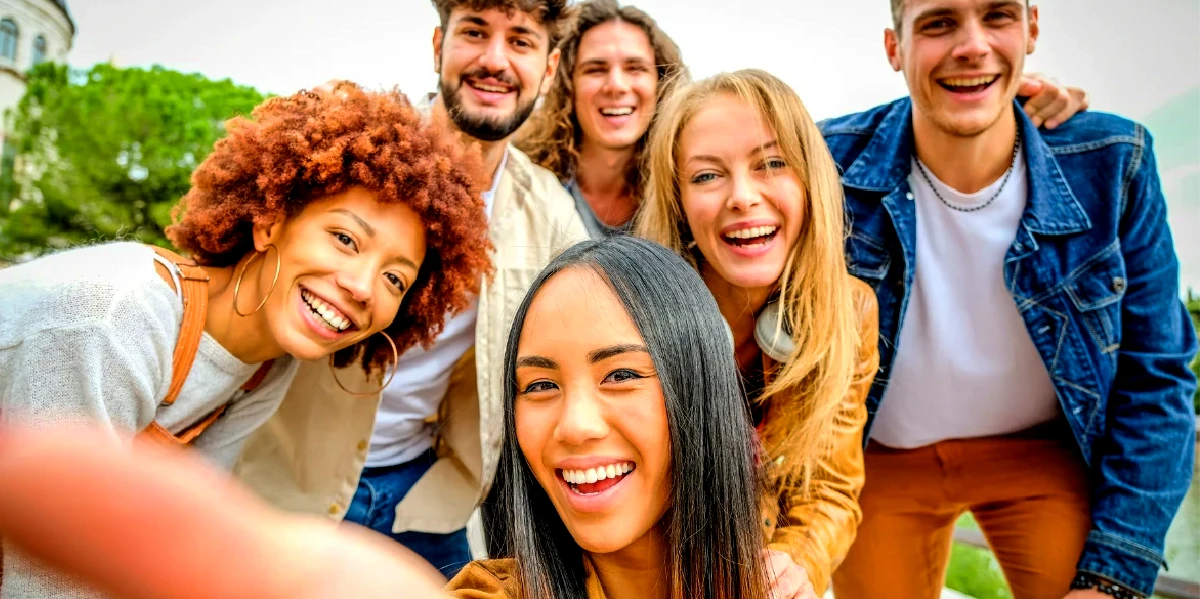
In recent years, a new trend has emerged that highlights the growing importance of friendships and personal relationships in people's lives. This trend, known as "friend care," refers to the deliberate and conscious effort individuals make to prioritize and nurture their friendships. Through extensive research and analysis, several key findings and insights have emerged, shedding light on this trend and its implications for individuals and communities.
- Increasing Importance of Friendships: Friendships are no longer seen as expendable or secondary to other commitments. Instead, they are now recognized as essential components of people's overall well-being and happiness. Friend care represents a paradigm shift, with individuals actively seeking ways to invest in and maintain their relationships.
- Shift in Social Dynamics: Friend care is a response to changing social dynamics, where globalization, urbanization, and increased mobility have made it harder to maintain close friendships. As people move away from their hometowns or establish careers in different locations, the need for intentional friend care becomes paramount in preserving these connections.
- Quality Over Quantity: Friend care emphasizes the quality of friendships rather than the sheer number of friends. It emphasizes forming and deepening meaningful relationships rather than collecting a large network of acquaintances. This shift places value on genuine emotional connections and shared experiences.
- Psychological and Emotional Benefits: Studies have shown that cultivating good friendships provides a myriad of psychological and emotional benefits. Friend care not only helps individuals combat loneliness and isolation but also serves as a support system during times of stress, anxiety, or even personal growth. Strong friendships are linked to higher self-esteem, improved mental health, and increased overall life satisfaction.
- Active Efforts in Friend Care: Friend care requires active efforts from individuals to foster and maintain their friendships. This can involve regular communication, arranging catch-up sessions, supporting friends' endeavors, actively listening, and providing emotional support in times of need. Friend care also involves demonstrating empathy, trust, and understanding while respecting boundaries and personal preferences.
- Friend Care in Personal and Professional Contexts: Friend care extends beyond personal relationships and can also be observed in professional settings. With the rise of coworking spaces, collaborative work environments, and remote work, fostering positive relationships with colleagues and teammates has become increasingly important for productivity and job satisfaction. Friend care practices can be adapted to build fruitful professional connections and networks.
- Technology and Friend Care: Technology, particularly social media platforms and messaging apps, plays a dual role in friend care. On one hand, it enables individuals to stay connected across distances and facilitates the exchange of emotional support. On the other hand, it can also lead to shallow interactions and a sense of social comparison. Being mindful of the ways technology affects friendships is crucial for effective friend care.