
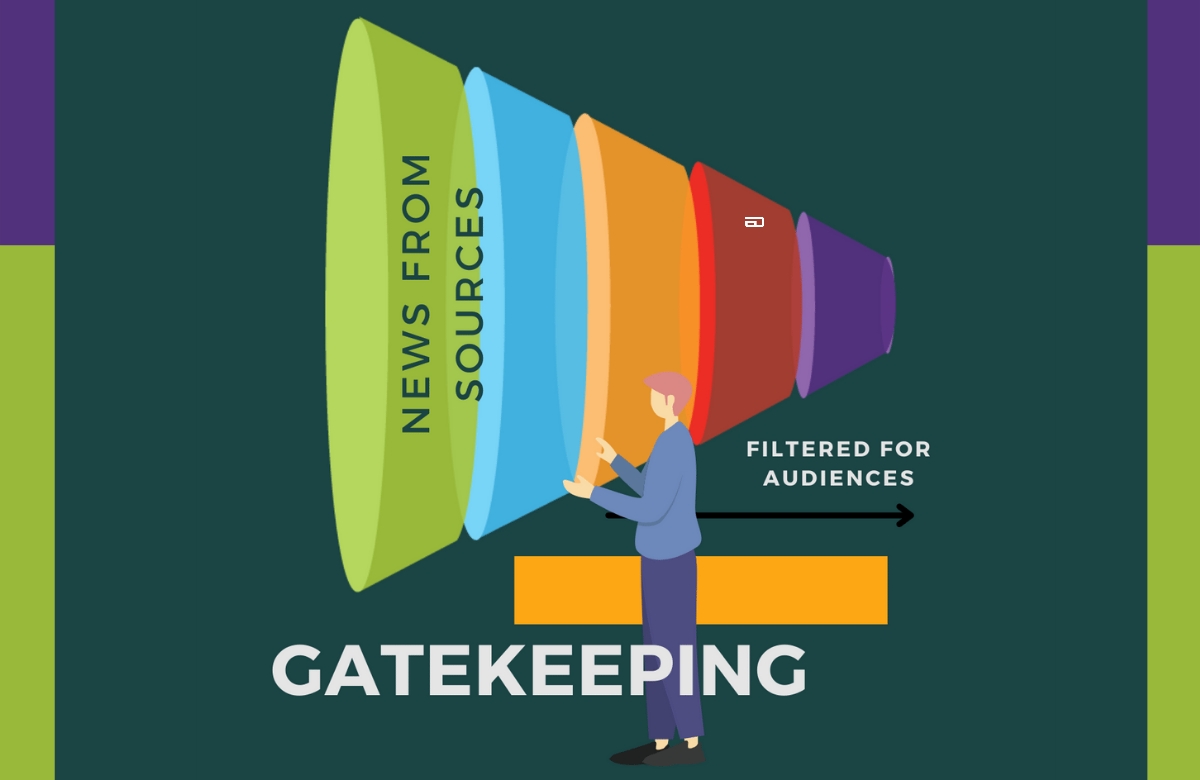
The Unveiling of Gatekeeping Trends: Exploring the Rise of Niche Communities and Exclusive Access

The Rising Popularity of Gatekeeping: Understanding the Phenomenon

In the digital age, gatekeeping has emerged as a trend that is gaining significant traction across various demographics. Gatekeeping refers to the act of individuals setting themselves up as authorities or guardians, determining what is "legitimate" within a specific community or culture. This behavior, which was once confined to small and niche communities, has rapidly spread to larger audiences thanks to the rise of social media and online platforms. In this article, we will explore the origins of gatekeeping, its reasons for popularity, and its influence on different demographics.
Origins of Gatekeeping:
The concept of gatekeeping can be traced back to numerous cultural practices throughout history. In the context of modern society, gatekeeping can be seen as an extension of hierarchical power dynamics. Historically, gatekeepers were often societal elites or professionals who could exert control over knowledge, access, or influence within their respective fields. However, with the advent of the internet and social media, anyone with an online presence can now engage in gatekeeping to some extent.
Reasons for its Popularity:
The growing popularity of gatekeeping can be attributed to several factors. One of the primary drivers is the desire for inclusion and validation within online communities. As people seek recognition and acceptance, they may resort to gatekeeping in an attempt to reinforce their status as members of a particular group. Additionally, the ease of sharing opinions and ideas on social media platforms has amplified the visibility and reach of gatekeepers, thereby bolstering their influence.
Furthermore, the complex and dynamic nature of social issues in today's world has contributed to the rise of gatekeeping. As important conversations on topics such as identity, culture, and politics occur, individuals may feel compelled to assert their authority and control over these discussions, often by gatekeeping. This can lead to a sense of power and influence, as well as the establishment of boundaries for what is considered acceptable or valid within a specific context.
Popularity Among Various Demographics:
Gatekeeping has gained popularity across a wide range of demographics. It transcends age, gender, and cultural backgrounds, as individuals from different walks of life actively engage in this behavior. From gaming communities to political groups and fan bases, gatekeeping can be observed almost everywhere. The motivations behind gatekeeping may vary, but the underlying desire for control, validation, and the preservation of identity remains consistent.
As gatekeeping becomes more prevalent, it is essential to critically examine its implications. While it can serve as a means of protecting the integrity and authenticity of communities, unchecked gatekeeping can also lead to exclusion, silencing of diverse voices, and the perpetuation of harmful narratives. Understanding the origins, reasons for popularity, and its impact on different demographics will enable us to evaluate the role of gatekeeping in today's society and foster more inclusive and constructive conversations.
Gatekeeping: Understanding Market Size and Exponential Growth
Gatekeeping, a concept rooted in content filtering and controlling access to information, has now become an integral part of our digital landscape. With the ever-increasing volume of information available online, gatekeeping plays a vital role in shaping narratives, influencing public opinions, and driving engagement across various industries. In this section, we will explore the market size and explosive growth of gatekeeping, shedding light on its significance in today's society.
Market Size of Gatekeeping
The market size of gatekeeping is difficult to quantify due to its multifaceted nature and the diverse range of platforms and industries it encompasses. From traditional media outlets to social media platforms, gatekeeping has a substantial impact on content dissemination and audience reach.
One prominent area where gatekeeping is prevalent is in the news media industry. Major news organizations act as gatekeepers by filtering and presenting information to the public. According to a report by PwC, the global news industry's revenue in 2020 reached $160 billion. This represents a significant portion of the gatekeeping market, as news organizations curate and prioritize news stories, thereby influencing public discourse.
Another significant segment is social media platforms, where gatekeeping practices such as content moderation and algorithmic sorting are employed. Facebook, with over 2.8 billion monthly active users, and YouTube, with over 2 billion logged-in monthly users, play a dominant role as gatekeepers of online content. Their revenue sources primarily stem from advertisements, demonstrating the economic importance of gatekeeping in this space.
Additionally, gatekeeping extends beyond news media and social media platforms. Industries like entertainment, publishing, and e-commerce also rely on gatekeeping mechanisms. Streaming services, like Netflix and Spotify, curate content to cater to users' preferences, driving customer retention and engagement. E-commerce platforms employ gatekeeping tactics such as personalized recommendations and product rankings, enhancing user experience and driving sales.
Exponential Growth of Gatekeeping
The growth of gatekeeping has been exponential, fueled by several factors, including advancements in technology, the proliferation of social media, and the need for efficient content filtering. The increasingly digital nature of our lives has amplified gatekeeping practices, leading to accelerated market growth.
One key driver of gatekeeping growth is the rise of social media platforms. As more individuals flock to these platforms to consume and share content, the gatekeeping power rests in the hands of these technology giants. The algorithms employed to sort and prioritize content have a substantial impact on what users see, creating a new form of gatekeeping.
Another contributing factor to the exponential growth of gatekeeping is the increasing reliance on personalized content. With a vast amount of information available, individuals seek tailored experiences that align with their interests and preferences. Gatekeeping mechanisms, such as personalized recommendations, enable consumers to navigate the abundance of choices efficiently, amplifying user engagement and loyalty.
Moreover, trends like influencer marketing and user-generated content have propelled gatekeeping to new heights. Influencers act as gatekeepers by providing trusted recommendations and guiding consumer behavior. Additionally, user-generated content curates itself through community interactions, showcasing the power of collective gatekeeping.
In conclusion, the market size of gatekeeping is vast and intricate, encompassing various industries and platforms. News media, social media, entertainment, and e-commerce are key sectors where gatekeeping mechanisms thrive. The exponential growth of gatekeeping can be attributed to the rise of social media, personalization, and the influence of influencers and user-generated content. As gatekeeping continues to evolve and shape our digital experiences, understanding its market size and growth becomes essential for businesses and individuals seeking to navigate this dynamic landscape.
Understanding the Consumer Demand and Evolving Preferences of Gatekeeping
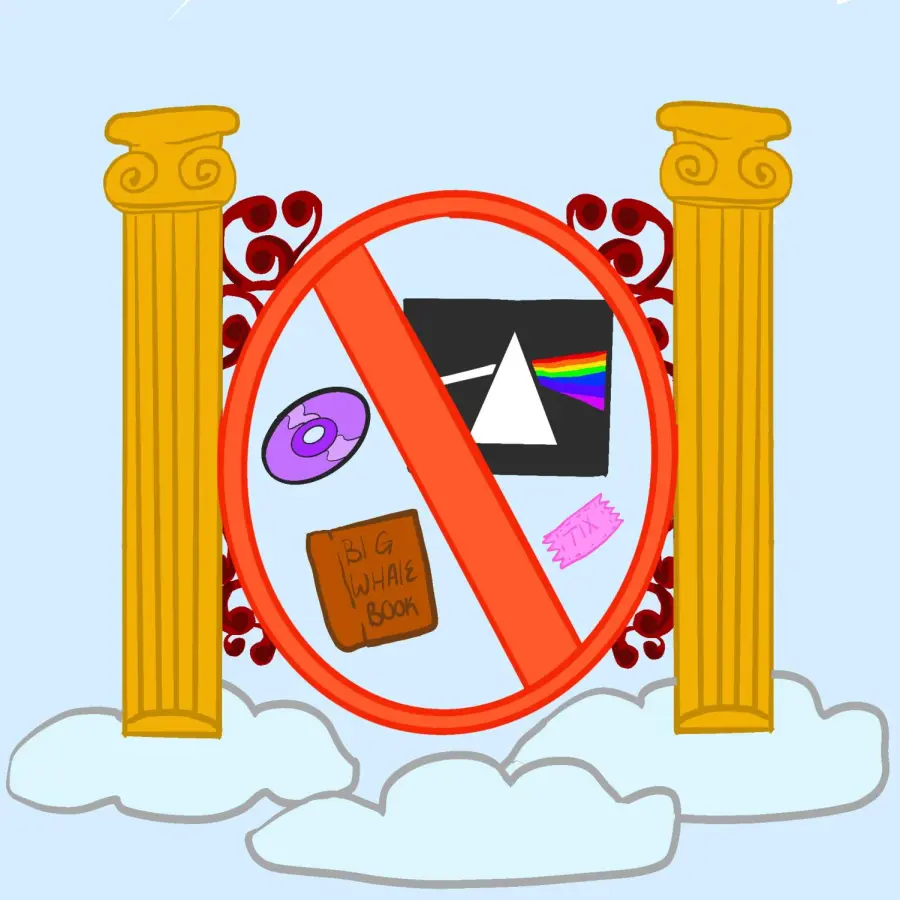
Gatekeeping, a term derived from the media industry, refers to the process of controlling information and access to a particular resource or platform. In recent years, gatekeeping has expanded beyond media to various aspects of daily life, including social interactions, online communities, and even educational and professional opportunities. Understanding consumer demand and preferences surrounding gatekeeping is crucial for businesses and marketers seeking to address this emerging trend effectively.
Consumer Demand for Gatekeeping
- Trust and Authenticity: In an era characterized by information overload and fake news, consumers are increasingly seeking trustworthy sources. They value gatekeeping as a means to filter out false information and maintain authenticity. This demand is particularly evident in social media, where gatekeeping can help combat misinformation and ensure the credibility of content.
- Quality Assurance: Gatekeeping plays a pivotal role in establishing quality standards across industries such as e-commerce, travel, and food. Consumers gravitate towards platforms that employ gatekeepers to review and curate products, services, or experiences, as it helps them make informed decisions and avoid subpar offerings.
- Protection and Safety: Gatekeeping is often associated with providing a secure environment both online and offline. Consumers expect gatekeepers to implement measures that safeguard their privacy, prevent harassment or abuse, and enforce fair practices. Platforms that prioritize gatekeeping are perceived as caring for their users' well-being, attracting those seeking a safe digital experience.
Evolving Preferences in Gatekeeping
- Customization and Personalization: While gatekeeping seeks to filter information, consumers also desire control over the gatekeepers' decisions. They increasingly prefer customizable gatekeeping options that allow them to adjust the filters based on their own individual interests and preferences. Platforms accommodating this trend may utilize algorithms or user-defined settings to ensure a personalized gatekeeping experience.
- Diversity and Inclusion: Consumers are demanding gatekeeping practices that embrace diversity and inclusivity. They expect gatekeepers to represent a wide range of perspectives and backgrounds, ensuring fair representation and avoiding biased amplification of certain voices. Brands and platforms that demonstrate a commitment to diversity in gatekeeping are likely to resonate with increasingly conscious and socially aware consumers.
- Transparency and Accountability: Greater transparency in gatekeeping processes is becoming a key preference for consumers. Stakeholders seek platforms that are open about their gatekeeping criteria, decision-making algorithms, and their own accountability mechanisms. By providing transparency, brands and platforms can establish trust and credibility in their gatekeeping practices.
Consumer demand for gatekeeping is driven by a desire for trust, authenticity, quality assurance, and protection. The preferences of consumers are evolving, emphasizing customization, personalization, diversity, inclusion, transparency, and accountability in gatekeeping practices. Businesses and marketers must recognize these changing dynamics to effectively engage with consumers, enhance their brand reputation, and align their gatekeeping strategies with consumer expectations.
Gatekeeping: An Analysis of Industry Players and Competition
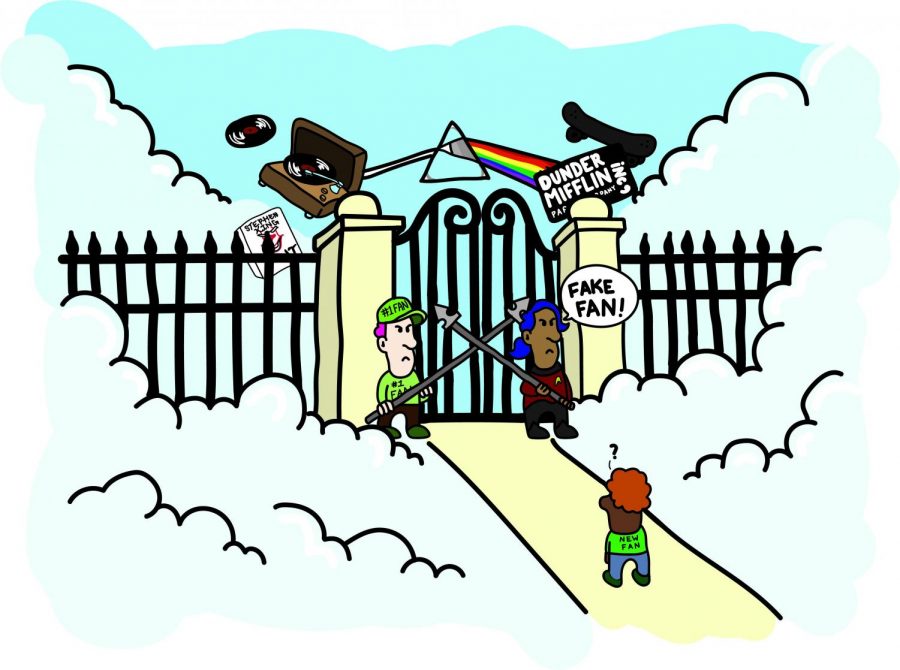
The concept of gatekeeping has garnered significant attention in recent times, particularly in the context of media and communication. Gatekeeping refers to the process through which information is filtered and selected for dissemination to a wider audience. As a result, it plays a crucial role in shaping public discourse, influencing opinions, and even determining which issues receive attention and which remain marginalized.
In the realm of media, gatekeeping has traditionally been carried out by established news organizations such as newspapers, television networks, and radio stations. These organizations, often regarded as legacy media, have long held the power to decide what news stories are important enough to be covered, which perspectives to include, and how information is framed and presented.
However, in recent years, the rise of digital media and social networking platforms has disrupted the gatekeeping landscape. With the advent of social media giants like Facebook and Twitter, individuals now have the ability to act as gatekeepers themselves. Users can curate their own news feeds, choose who to follow, and contribute to the dissemination of information by sharing, liking, or retweeting content.
This shift in gatekeeping dynamics has given rise to a new breed of industry players and intensified competition within the media landscape. While traditional news organizations still hold significant sway, they are no longer the sole gatekeepers controlling the flow of information. Online news outlets, independent journalists, bloggers, and citizen journalists have emerged as alternative gatekeepers, providing diverse perspectives, challenging established narratives, and filling gaps left by mainstream media coverage.
Additionally, technology companies and platforms have also become prominent players in the gatekeeping process. Algorithms developed by these companies play a pivotal role in determining what content users see and engage with. For example, Facebook's News Feed algorithm uses various factors such as user preferences, engagement patterns, and previous interactions to personalize the content shown to each individual user. This algorithmic gatekeeping has profound implications, as it can shape users' information diet and potentially reinforce existing biases.
Competition among these industry players revolves around the ability to capture and retain the attention of audiences. News organizations, both traditional and digital, strive to produce compelling content, build loyal readerships, and secure advertising revenue. Social media platforms, on the other hand, compete for user engagement, aiming to keep users on their platforms for longer periods and encourage active participation.
As gatekeeping becomes increasingly decentralized, the challenge lies in maintaining quality and ensuring the veracity of information. While citizen journalism and independent voices have added valuable perspectives to the public discourse, the proliferation of misinformation and "fake news" has raised concerns about the lack of gatekeeping safeguards. Some argue that the traditional gatekeepers, with their rigorous fact-checking processes and editorial oversight, still play a vital role in upholding journalistic integrity.
In conclusion, the concept of gatekeeping is undergoing a significant transformation in the digital age. Traditional news organizations, social media platforms, alternative media outlets, and individual users now share the responsibility of shaping public discourse. The competition among these industry players centers around capturing and retaining audiences' attention. As gatekeeping dynamics continue to evolve, striking a balance between diversity and quality remains a pressing challenge for the media industry.
Technological Innovation: Revolutionizing Gatekeeping

Gatekeeping, a term coined in the field of journalism, refers to the control and regulation of information flow to the public. Traditionally, gatekeepers have been individuals or institutions that determine what information is disseminated, shaping public perceptions and influencing public discourse. However, technological innovation has brought about significant changes in gatekeeping processes, empowering individuals and facilitating a more democratic flow of information. This article explores how technological advancements have revolutionized gatekeeping and transformed the way information is accessed, shared, and controlled.
Social Media and Citizen Journalism
One of the most prominent examples of technological innovation altering gatekeeping processes is the rise of social media platforms. These platforms have democratized journalism by providing individuals with the tools to communicate, share, and report news directly to the public without traditional gatekeepers. Social media platforms like Twitter, Facebook, and Instagram have enabled citizen journalists to document and disseminate breaking news in real-time, challenging the monopoly of traditional media outlets.
With the power to reach a global audience instantly, citizen journalists can bypass traditional gatekeepers and share information that might have otherwise been suppressed or filtered. Moreover, social media platforms have enabled users to participate in the gatekeeping process by curating their own news feeds, selecting the sources they trust and amplifying certain narratives.
Fact-Checking Tools and Algorithms
Another significant technological innovation in gatekeeping is the development of fact-checking tools and algorithms. In an era of rampant misinformation and fake news, these innovations play a crucial role in enabling individuals to verify the authenticity of information.
Fact-checking organizations and websites utilize technology and data analysis techniques to scrutinize claims made in news articles, speeches, social media posts, and online content. These tools identify inaccuracies, biases, and falsehoods, providing individuals with accurate information to make informed decisions.
Moreover, tech companies have implemented algorithms that aim to reduce the spread of misinformation on their platforms. These algorithms prioritize credible sources, fact-check information before sharing, and provide users with warnings or context when engaging with potentially misleading content. While imperfect, these technological gatekeeping measures contribute to a more trustworthy information ecosystem.
Search Engines and Recommender Systems
Search engines and recommender systems also play a significant role in gatekeeping and influencing the information individuals access. Google, for example, acts as a gatekeeper by determining the ranking and visibility of search results. Innovations in search algorithms have focused on improving the relevance and accuracy of search results, tailoring them to user preferences and intent.
Similarly, recommender systems employed by platforms like Amazon, Netflix, and Spotify analyze user behavior, preferences, and patterns to curate personalized recommendations. These systems act as gatekeepers, shaping and influencing users' choices by presenting them with content that aligns with their interests.
While search engine and recommender system gatekeeping can enhance user experience and streamline information retrieval, there are concerns regarding filter bubbles, where individuals are exposed only to content that aligns with their existing viewpoints, potentially reinforcing biases. Technological innovations that address these concerns are essential to ensure a more diverse and inclusive information landscape.
Technological innovation has disrupted traditional gatekeeping processes, empowering individuals and democratizing the flow of information. The rise of social media, fact-checking tools, search engines, and recommender systems have transformed how information is accessed, shared, and controlled. However, as these technological advancements continue to shape the gatekeeping landscape, it is crucial to ensure that inclusivity, accuracy, and transparency remain at the forefront of these innovations, fostering a well-informed and balanced society.
Gatekeeping: Exploring Regional Trends and Cultural Influences
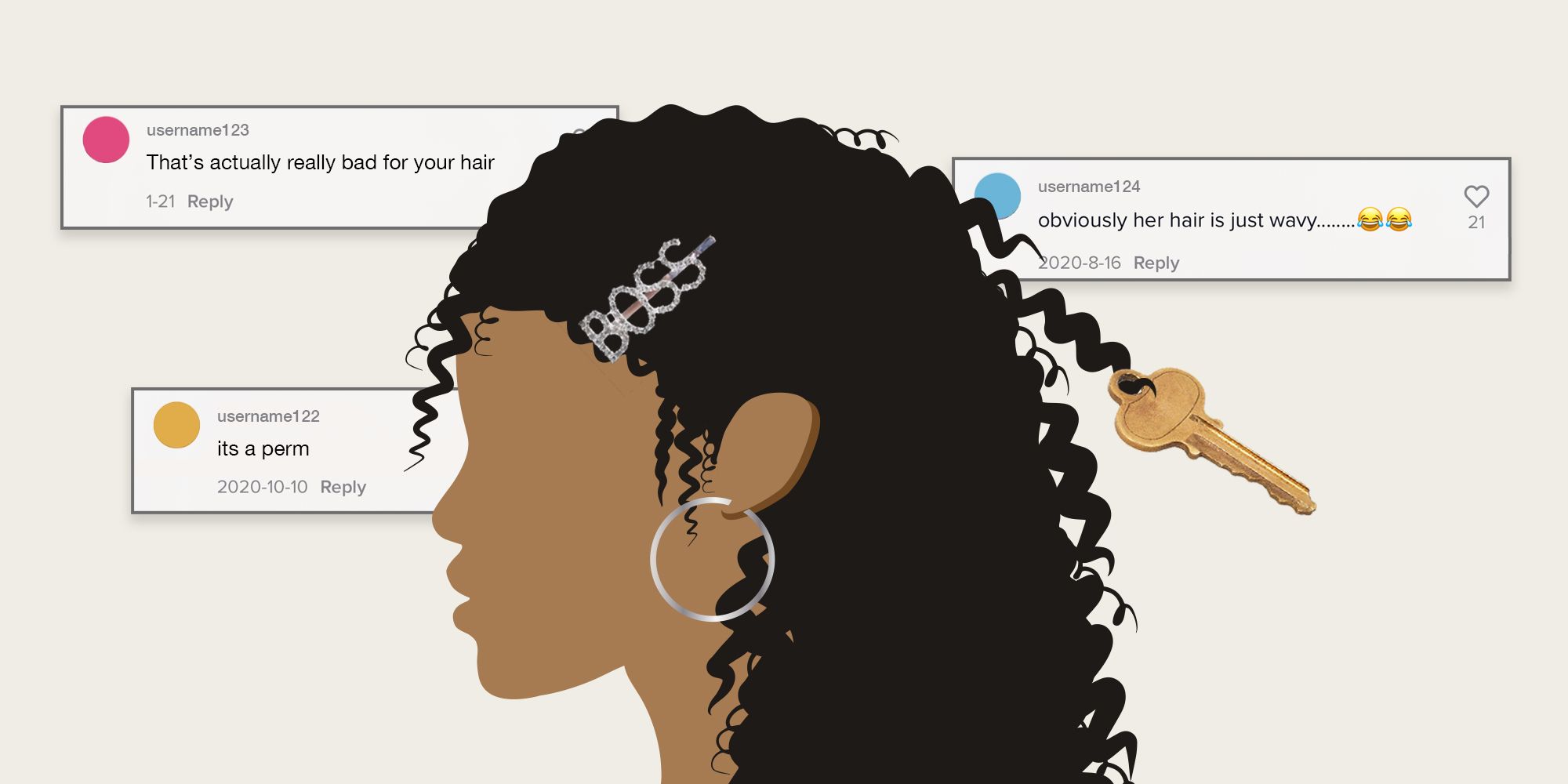
Gatekeeping refers to the process by which individuals or groups control access to information, resources, or opportunities. It plays a significant role in shaping trends and determining what becomes popular in various regions. However, gatekeeping practices and their cultural influences can vary significantly across different parts of the world. In this article, we will explore some regional trends and cultural influences on gatekeeping.
Western Influence on Gatekeeping Practices
One of the most prominent global cultural influences on gatekeeping practices is the Western influence, particularly from the United States. Due to the dominance of American media and technology companies, Western gatekeeping norms often become the standard for many regions around the world.
For example, in the entertainment industry, Hollywood plays a significant role in setting trends and determining what is considered "mainstream." The influence of Western gatekeepers can be seen in the global appeal of American movies, music, and fashion trends. This influence often shapes the tastes and preferences of audiences in various regions, leading to the adoption of Western cultural elements.
Cultural Gatekeeping in Asian Countries
In contrast to the Western influence, Asian countries have distinct gatekeeping practices influenced by their own cultural values. For instance, in countries like Japan and South Korea, the concept of "senpai-kohai" plays a vital role in gatekeeping social relationships. Senpai refers to an elder or someone with more experience, and kohai refers to a junior or someone with less experience. This hierarchical relationship influences gatekeeping practices, especially in areas such as education, employment, and social interactions.
In addition, Asian countries often prioritize collectivism over individualism. This cultural value affects gatekeeping practices by emphasizing the importance of conformity and group harmony. Gatekeepers in these regions tend to focus on maintaining social norms and upholding cultural traditions, leading to more conservative gatekeeping practices compared to Western counterparts.
Gatekeeping in Arab and Middle Eastern Cultures
In Arab and Middle Eastern cultures, gatekeeping practices are deeply intertwined with religion and societal norms. Islamic principles heavily influence the gatekeeping activities in these regions. For example, gatekeepers may restrict the dissemination of content that they perceive as contradictory to Islamic values.
Moreover, gender plays a crucial role in gatekeeping within Arab and Middle Eastern cultures. In some instances, gatekeepers enforce strict regulations on women's clothing, behavior, and access to certain spaces, reflecting deeply rooted patriarchal norms.
Indigenous Gatekeeping Practices
Indigenous communities around the world often have their own unique gatekeeping practices, shaped by their cultural heritage and traditions. These gatekeeping practices focus on preserving and protecting their cultural knowledge, resources, and authenticity. Indigenous gatekeepers play a vital role in ensuring the respectful representation and sharing of their cultural practices, as well as guarding against cultural appropriation.
Examples of indigenous gatekeeping can be observed in various regions, such as Native American tribes in the United States or Maori communities in New Zealand. These gatekeepers actively participate in decision-making processes regarding the use and dissemination of their cultural knowledge, symbols, and artifacts.
Gatekeeping practices are not universal and can vary significantly across regions due to cultural influences and historical contexts. Understanding the regional trends and cultural factors that shape gatekeeping is crucial for businesses, media outlets, and individuals seeking to navigate and respect diverse cultural perspectives. By acknowledging and respecting these differences, we can foster more inclusive and culturally sensitive interactions in an increasingly interconnected world.
The Rise of Social Media and Influencer Gatekeeping
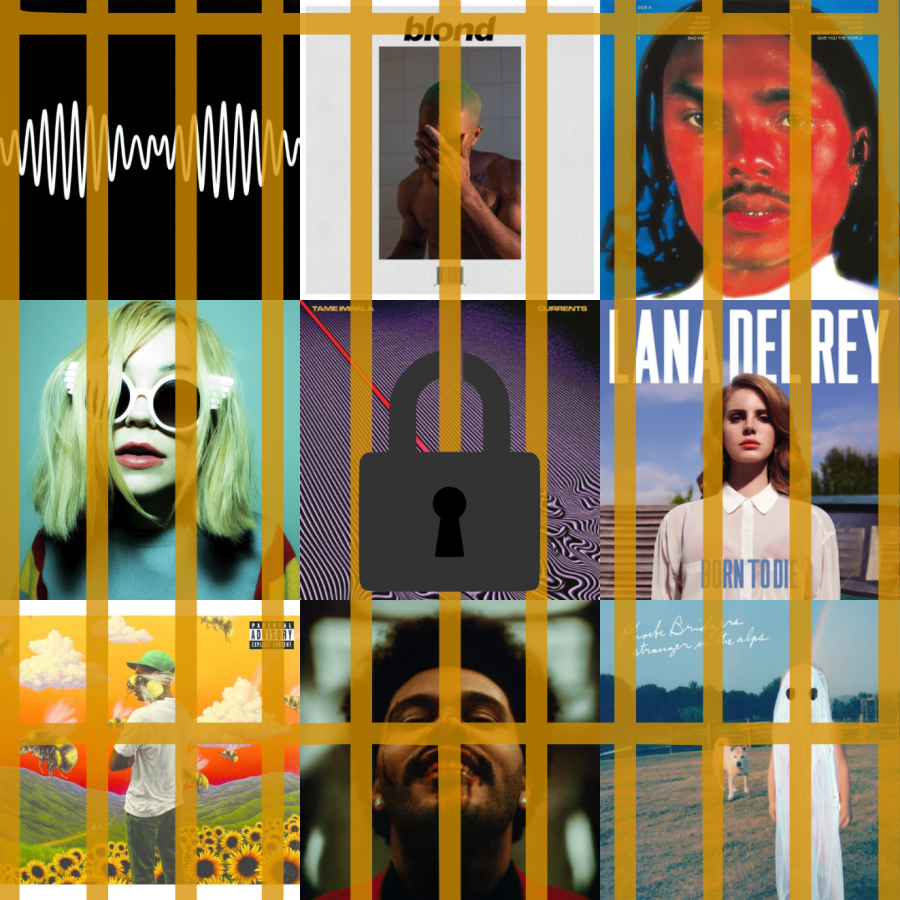
With the rapid growth of social media platforms, gatekeeping has taken on a new form in the digital age. Traditionally, gatekeeping refers to the power that media outlets have in deciding which information gets disseminated to the public. However, in the realm of social media, influencers have emerged as new gatekeepers, shaping what content gains traction and attention. In this section, we will explore the concept of gatekeeping in the context of social media and the role that influencers play in filtering and curating content.
The Power of Influencers in Gatekeeping:
Influencers are individuals who have garnered a significant following and have established themselves as authorities or trendsetters within their niche. They hold immense power to shape public opinion, preferences, and trends. As gatekeepers of social media, influencers have the ability to control the flow of information by selecting and promoting certain content while disregarding or ignoring others.
Content Selection and Curation:
Influencers exercise gatekeeping power primarily through their content selection and curation choices. They carefully choose the content they share with their audience, thus establishing a level of trust and credibility. By promoting specific products, ideas, or trends, they can create significant buzz and influence consumer behaviors. This can lead to the success or failure of a brand, product, or even an entire industry.
Influencer Filter Bubbles:
One of the consequences of influencer gatekeeping is the formation of filter bubbles. A filter bubble refers to a situation where individuals are only exposed to information and perspectives that align with their existing beliefs and preferences, thus limiting their exposure to diverse viewpoints. When influencers act as gatekeepers, they tend to promote and share content that resonates with their own views and interests, reinforcing the filter bubbles within their audience.
The Dark Side of Influencer Gatekeeping:
While influencers can play a positive role in introducing innovative ideas and products to audiences, there are also potential downsides to their gatekeeping power. One concern is the lack of transparency and authenticity. Influencers have been criticized for promoting products or services solely for financial gain without genuine endorsement, leading to a breach of trust with their audience. Additionally, the concentration of power in the hands of a few influencers can limit diverse voices and perspectives from getting recognition and visibility.
Towards a Balanced Approach:
Recognizing the potential impact of influencers as gatekeepers, it becomes crucial to promote a more balanced approach. This involves encouraging influencers to be transparent about their partnerships and sponsored content, as well as diversifying the voices and viewpoints that gain visibility on social media platforms. Platforms can also play their part by implementing algorithms and functionalities that enable users to access a wider range of content outside their filter bubbles.
As social media continues to shape our daily lives, it is essential to understand the evolving concept of gatekeeping in this digital landscape. Influencers have emerged as powerful gatekeepers, with the ability to shape trends and impact consumer behaviors. By recognizing the influence of influencers and taking steps to promote transparency and diversity, we can navigate the world of social media gatekeeping more responsibly and inclusively.
Gatekeeping: Future Outlook and Forecast
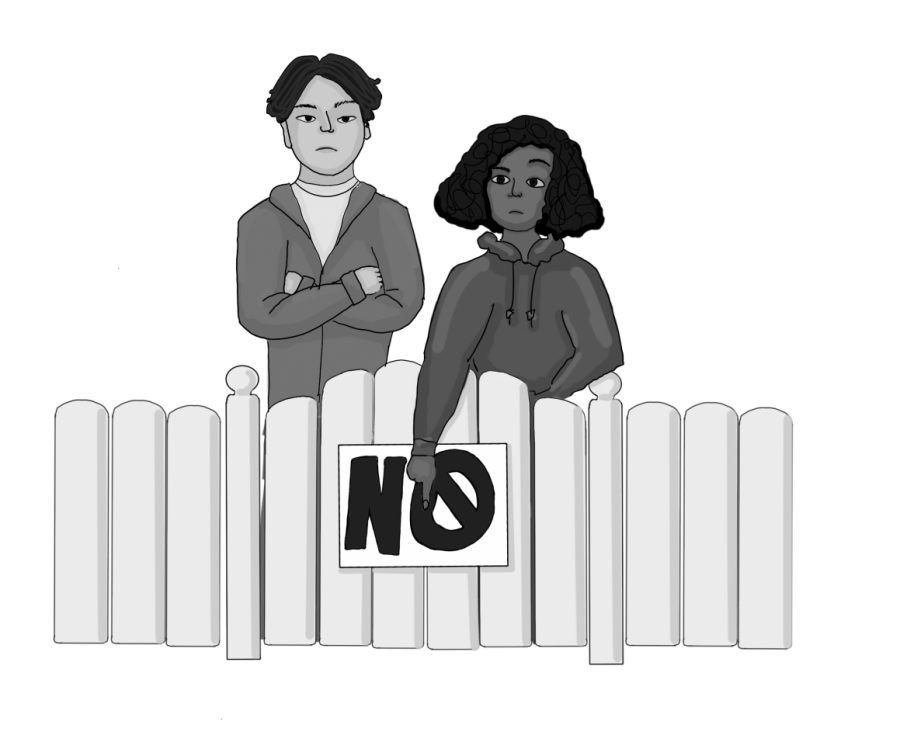
Gatekeeping, which refers to the act of controlling access to information or resources, has become a prominent trend in today's digital landscape. As online platforms continue to shape the way people consume information, gatekeeping has taken on new dimensions and has generated both positive and negative outcomes. Let's take a closer look at the future outlook and forecast for gatekeeping.
A Shift in Power Dynamics
The future of gatekeeping is likely to witness a significant shift in power dynamics. Traditionally, gatekeeping was often in the hands of established media organizations, ensuring that only certain voices and narratives reached the masses. However, with the rise of social media and user-generated content, gatekeeping has become decentralized. Individuals now have the ability to shape narratives and influence public opinion, adding new dimensions of diversity and inclusivity.
Challenges and Risks
While the democratization of gatekeeping can bring positive change, it also presents challenges and risks. The abundance of information and the lack of effective gatekeeping mechanisms can contribute to the spread of misinformation and disinformation. The rise of fake news, clickbait, and filter bubbles has created significant challenges for individuals seeking accurate and unbiased information. As gatekeeping becomes more fragmented, it becomes increasingly crucial to establish credible sources and promote media literacy among users.
Technological Advancements and Artificial Intelligence
The future of gatekeeping is likely to see advancements in technology and the integration of artificial intelligence (AI). AI-powered algorithms already play a crucial role in determining what content users are exposed to on social media platforms. As AI continues to evolve, gatekeeping algorithms may become more sophisticated in their ability to filter and curate content, catering to users' individual preferences and interests. However, this can raise concerns about personalization and echo chambers, potentially reinforcing existing biases and limiting exposure to diverse viewpoints.
The Role of Regulation and Policy
In response to the challenges posed by gatekeeping, policymakers and regulators around the world are considering various measures to ensure transparency and accountability. Efforts to regulate social media platforms and combat misinformation are likely to gain momentum in the coming years. These measures aim to strike a balance between safeguarding freedom of expression and addressing the negative consequences of gatekeeping, such as the spread of harmful content or the manipulation of public discourse.
Opportunities for Ethical Gatekeeping
As the future of gatekeeping unfolds, there are opportunities to shape it in an ethical and responsible manner. Promoting transparency, reliability, and diversity in gatekeeping processes can help mitigate the risks associated with misinformation and bias. The development of fact-checking initiatives, collaborative content moderation, and user-friendly tools that empower individuals to navigate the digital landscape can contribute to a healthier information ecosystem.
Additionally, media literacy education will play a significant role in equipping individuals with the critical thinking skills necessary to evaluate sources and navigate the complexities of gatekeeping. By fostering a well-informed and discerning society, it becomes possible to navigate the challenges and embrace the opportunities that arise from gatekeeping in the future.
In conclusion, the future of gatekeeping is complex and multifaceted. While it offers opportunities for individuals to shape narratives and democratize information, it also presents challenges related to misinformation and bias. Technological advancements, regulation, and ethical considerations will all influence the way gatekeeping evolves. By addressing these challenges and embracing responsible practices, it is possible to create a future where gatekeeping fosters an informed society that benefits from diverse perspectives and reliable information.
Understanding Gatekeeping - Key Findings and Insights

Gatekeeping has emerged as a significant trend in recent times, impacting various aspects of our society, including social media, culture, and information dissemination. It refers to the act of controlling or regulating access to a particular space or community, determining who is allowed in and who is not. This trend has grabbed attention due to its potential implications on inclusivity, diversity, and the flow of information. Let's delve into the key findings and insights of gatekeeping to gain a better understanding of this phenomenon.
Key Findings:
- Social Media and Gatekeeping: One of the most notable areas where gatekeeping is observed is on social media platforms. Online communities or individuals often establish and enforce certain rules or standards regarding who can participate and what content is permissible. This practice of gatekeeping helps define and maintain the identity, purpose, and values of a community.
- Influence on Culture and Trends: Gatekeepers play a crucial role in shaping cultural norms and trends. Whether it is fashion, music, or art, gatekeepers, such as industry professionals, curators, and influencers, directly impact what becomes popular and mainstream. Their decisions regarding what is considered "worthy" can significantly influence consumer preferences and behaviors.
- Power Dynamics and Exclusivity: Gatekeeping can create power dynamics and exclusivity within communities. Those who hold the position of gatekeepers often have the power to exert their influence, making it challenging for new voices, perspectives, and ideas to be heard or recognized. This can hinder diversity, perpetuate inequalities, and limit access to opportunities.
- Information Gatekeeping: Gatekeeping also extends to the realm of information dissemination. News outlets, journalists, and social media algorithms act as gatekeepers by selecting, filtering, and prioritizing the information that reaches the public. This selective control of information can shape public opinion, influence narratives, and even result in misinformation or disinformation.
Insights:
- Balance between Gatekeeping and Openness: While gatekeeping can be instrumental in maintaining communities and quality standards, it is crucial to strike a balance between gatekeeping and openness. Stricter gatekeeping may lead to exclusion, stifling new ideas and perspectives. Therefore, it is important to create spaces that allow for diversity, inclusivity, and the free flow of information.
- Empowering New Voices: Recognizing the importance of inclusivity, gatekeepers should actively seek to empower and promote new voices and perspectives. By actively engaging with diverse content creators, communities can benefit from fresh ideas, experiences, and insights. Collaboration between gatekeepers and emerging talent can foster a more inclusive and innovative environment.
- Transparency and Accountability: Gatekeepers should strive for transparency and accountability in their decision-making processes. By providing clear guidelines, criteria, and explanations for their choices, gatekeepers can help build trust, debunk accusations of bias, and encourage more open dialogue with the wider community.
- Recognizing the Impact: It is crucial for individuals to be aware of the impact of gatekeeping on their consumption of information, cultural preferences, and participation within communities. By critically evaluating the gatekeepers' role and influence, individuals can make informed choices and actively work towards a more inclusive society.