

Trend Alert: The Resurgence of Thrift Stores as the Go-To Fashion Destination

The Resurgence of Thrift Stores: A Sustainable and Affordable Shopping Experience

In recent years, thrift stores have experienced a remarkable resurgence in popularity, attracting a diverse range of consumers seeking sustainable alternatives to traditional retail shopping. Thrift stores, often referred to as second-hand or consignment stores, offer a variety of pre-loved and gently used items at significantly lower prices than their brand-new counterparts. This section explores the origins of thrift stores, the reasons behind their growing popularity, and their appeal among various demographics.
Origins of Thrift Stores:
Thrift stores have a long history dating back to the 19th century. The concept of these stores began as a means to support charitable organizations and offer assistance to those in need. Organizations like the Salvation Army and Goodwill played a significant role in the establishment and proliferation of thrift stores. Over time, their mission evolved to not only provide assistance but also promote sustainability and reduce waste.
Reasons for Growing Popularity:
The increasing popularity of thrift stores can be attributed to several key factors:
- Sustainability: In an era of heightened environmental awareness, thrift stores offer a sustainable alternative to the fast fashion industry. By purchasing second-hand items, consumers contribute to reducing the demand for new production, thereby lessening the strain on natural resources and reducing carbon emissions.
- Affordability: Thrift stores provide an opportunity for consumers to access quality items at a fraction of the cost compared to buying new. This affordability is particularly appealing to budget-conscious individuals, students, and families looking for cost-effective options without compromising style or quality.
- Unique and Vintage Finds: Thrift stores also attract shoppers in search of unique, one-of-a-kind items. These stores often carry vintage clothing, collectibles, and accessories that embody a sense of nostalgia and individuality. Such items allow individuals to express their personal style while setting themselves apart from mass-produced trends.
- Community Support: Many thrift stores are associated with charitable organizations, and by shopping at these stores, consumers can contribute to the broader community. These purchases help fund various charitable initiatives, such as job training programs, emergency assistance, and supporting individuals with disabilities.
Popularity Among Various Demographics:
The appeal of thrift stores extends to a wide range of demographics, including:
- Millennials and Gen Z: These generations are increasingly environmentally conscious and seek more sustainable shopping options. Thrift stores resonate with their values, providing an opportunity to support their beliefs while maintaining a unique style.
- Budget-Conscious Individuals: With rising living costs and uncertain economic conditions, thrift stores attract individuals who prioritize cost-effective shopping. These stores offer a wide array of affordable options across different product categories.
- Fashion Enthusiasts: Thrift stores have gained a dedicated following from fashion enthusiasts who appreciate the thrill of finding hidden gems and unique items. They often consider thrift shopping as a form of treasure hunting.
- Vintage Collectors: Thrift stores are a haven for vintage collectors seeking authentic and rare pieces from past decades. These collectors find joy in discovering treasures that reflect their interests and passions.
The resurgence of thrift stores goes beyond just a shopping trend. It reflects a broader shift toward sustainability, affordability, and a desire for unique and pre-loved items. As more people recognize the benefits of thrift shopping, it is likely that these stores will continue to thrive and become an integral part of the retail landscape.
Market Size and Growth of Thrift Stores: A Booming Industry
Thrift stores have become an increasingly popular retail option for budget-conscious consumers seeking unique and affordable items. Over the past decade, the market size of thrift stores has experienced substantial growth, positioning itself as a thriving industry within the retail sector.
The Thriving Market Size of Thrift Stores
The market size of thrift stores is a reflection of the growing trend of sustainability and conscious consumerism. According to IBISWorld, the thrift store industry in the United States alone was estimated to be worth $17.2 billion in 2021, with an annual growth rate of 0.7% over the past five years. This substantial market size indicates the significant demand for thrift store products and services.
Factors contributing to the market size of thrift stores include the increasing inclination towards eco-friendly shopping, rising concerns about waste production and its environmental impact, the desire for unique and vintage items, and the allure of discounted prices. These factors have broadened the customer base of thrift stores, attracting not only those seeking bargains but also individuals interested in sustainable fashion and the circular economy.
Sustained Growth
Thrift stores have exhibited consistent growth in recent years, primarily driven by societal shifts in consumer preferences. As consumers become more conscious of their environmental footprint, thrift stores offer an alternative to traditional retail where secondhand items can find new purpose rather than ending up in landfills.
Moreover, the rise of online thrift stores and marketplaces has provided a significant boost to the industry's growth. As with many other retail sectors, the digital transformation has allowed thrift stores to tap into a wider consumer base, offering convenience and accessibility. Platforms like thredUP, Poshmark, and Depop have gained popularity among consumers seeking secondhand treasures, further propelling the growth of the market.
Expanding Market Opportunities
Thrift stores are not limited to clothing and household items. Specialized thrift stores catering to specific niches, such as furniture, electronics, books, and even high-end luxury items, have emerged, expanding the market's scope and offering unique value propositions to consumers.
As the market continues to grow, thrift stores also present a promising opportunity for entrepreneurs and aspiring business owners. Opening a thrift store allows individuals to capitalize on the increasing demand while providing a sustainable and cost-effective retail option for their local communities.
The market size of thrift stores has experienced remarkable growth in recent years, fueled by shifting consumer preferences, increased awareness about sustainability, and the rise of online platforms. With a market estimated to be worth billions of dollars, thrift stores continue to evolve and diversify to meet the demands of a growing customer base. As consumers seek affordability, sustainability, and unique finds, the future looks promising for this thriving industry.
Unveiling the Thrifting Trend: Exploring Consumer Demand and Preferences
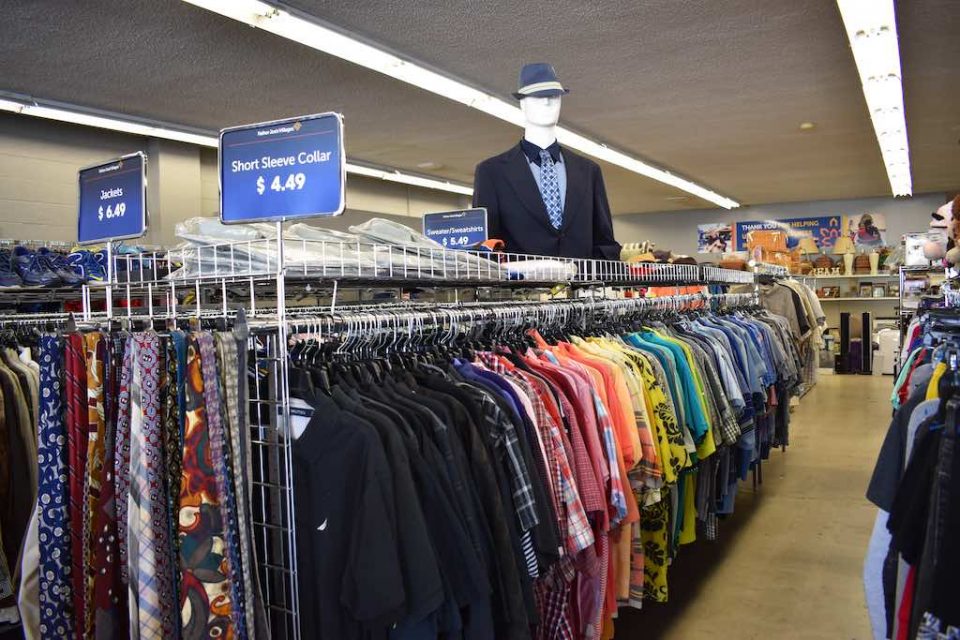
Thrift stores, once considered an alternative shopping option, have experienced a resurgence in popularity in recent years. With sustainability and budget-consciousness on the rise, more and more consumers are turning to thrift stores for unique finds and affordable fashion. This section will delve into the consumer demand and preferences surrounding thrift stores, uncovering the factors driving this trend.
Consumer Demand for Thrift Stores
- Sustainability and Environmental Consciousness: In an era of increasing awareness about climate change and the need for sustainable practices, consumers are shifting towards more environmentally friendly shopping habits. Thrift stores provide a sustainable alternative to fast fashion, reducing consumption and waste by giving second-hand items a new lease on life.
- Budget-Friendly Shopping: With economic uncertainty and fluctuating incomes, thrift stores offer an affordable way to shop. Due to the lower prices of second-hand items compared to new products, consumers can stretch their budgets further while still acquiring unique and stylish pieces.
- Thrill of the Hunt: Thrift shopping offers a sense of excitement and adventure. Consumers enjoy the treasure hunt aspect of browsing through thrift store racks, never knowing what hidden gems they may discover. This creates a sense of exclusivity, as shoppers can find one-of-a-kind items unavailable in traditional retail stores.
- Personal Style and Individualism: Thrift stores allow consumers to express their personal style and individuality. With a wide variety of clothing from different eras and styles, shoppers can curate their wardrobes in a way that aligns with their unique fashion preferences. This appeals to consumers seeking to stand out and break away from mainstream fashion trends.
Consumer Preferences in Thrift Shopping
- Quality and Condition: Consumers prioritize the quality and condition of items when thrift shopping. While they may be willing to buy second-hand goods, they expect them to be in good condition and have a longer usable life. Thrift stores that ensure the quality of their offerings through rigorous selection and quality control processes are likely to attract more customers.
- Convenience and Organization: Consumers appreciate thrift stores that are well-organized, making it easier to navigate and find desired items. An organized store layout, categorized merchandise, and clearly labeled sections contribute to a positive shopping experience. Additionally, the availability of changing rooms or fitting areas is highly valued by consumers, as it allows them to try on clothes before making a purchase.
- Community Engagement: Thrift stores that engage with their local communities and support charitable causes resonate well with consumers. Consumers appreciate knowing that their purchases contribute to a worthy cause, such as donating to local nonprofits or supporting social initiatives. Communicating such efforts effectively can enhance consumer loyalty and attract new customers who align with these values.
- Online Thrift Shopping: With the rise of e-commerce, consumers increasingly prefer the convenience of online thrift shopping. Online platforms offer a wide range of items, allowing consumers to browse and purchase from the comfort of their homes. They also offer detailed product descriptions and images, providing transparency about the condition and quality of the items.
The resurgence of thrift stores can be attributed to various factors, including sustainability, budget-consciousness, the thrill of the hunt, and the desire for personal style. Understanding consumer demand and preferences for thrift shopping is crucial for thrift store operators to cater to their target market effectively. By aligning with consumer values and expectations, thrift stores can capitalize on this growing trend and continue to thrive in the retail landscape.
Exploring the Thrift Store Landscape: Key Players and Intense Competition

The thrift store industry has experienced a significant surge in popularity in recent years, driven by both economic and sustainability factors. As consumers embrace second-hand shopping, numerous players have emerged in the market, vying for a share of this growing industry. In this section, we will dive into the competitive landscape of thrift stores, highlighting some of the key industry players.
- Goodwill Industries International, Inc.: Goodwill Industries International, Inc. is one of the most well-known and established thrift store chains globally. With over 2,700 retail locations across the United States and Canada, Goodwill is a non-profit organization that focuses on providing employment opportunities for individuals facing disadvantages. Their stores offer a wide range of items, from clothing and furniture to electronics and books.
- The Salvation Army: The Salvation Army is another significant player in the thrift store space. With a mission to serve the vulnerable and those in need, the organization operates thrift stores in numerous countries worldwide. Through their stores, The Salvation Army provides affordable clothing, household goods, and other items to the community, while also generating funds for their programs and initiatives.
- Savers/Value Village: Savers, also known as Value Village in some regions, is a privately-owned thrift store chain. With around 300 locations across the United States, Canada, and Australia, Savers has positioned itself as a one-stop-shop for thrift enthusiasts. Their stores offer a vast array of donated items at affordable prices, attracting a diverse customer base.
- Housing Works: Housing Works is a non-profit organization that operates thrift stores primarily in New York City. What sets Housing Works apart is its focus on supporting people living with HIV/AIDS. The funds generated from their thrift store sales directly benefit their advocacy, services, and housing initiatives for individuals affected by the disease.
- Local and Independent Thrift Stores: In addition to the larger thrift store chains, numerous local and independent thrift stores contribute to the competitive landscape of this industry. These stores often offer unique, curated selections and cater to niche markets or specific geographical areas. They play a vital role in serving local communities and attracting customers seeking a more personalized thrift store shopping experience.
Intense Competition and Potential Challenges
As the popularity of thrift stores continues to grow, competition within the industry has become increasingly intense. These players compete not only with each other but also with online resale platforms, consignment stores, and mainstream retail outlets that have extended their offerings to include pre-owned items. This competitive landscape has led thrift stores to enhance their marketing strategies, improve their store environments, and offer exclusive promotions to attract customers.
Thrift stores also face challenges such as maintaining a consistent supply of high-quality items, especially in areas with high demand. As more people turn to thrift shopping, the pressure to constantly refresh inventory can be significant. Additionally, the rise of e-commerce and online resale platforms presents both an opportunity and a challenge for traditional brick-and-mortar thrift stores, as they must find ways to adapt and integrate online channels into their operations.
In conclusion, the thrift store industry boasts a diverse range of players, from non-profit organizations to privately-owned chains and local independent stores. As the market continues to expand, these industry players face intense competition and must navigate several challenges to stay relevant and meet the evolving demands of their customers. Understanding the dynamics of this landscape is crucial for both industry participants and consumers seeking sustainable, affordable, and unique shopping experiences.
The Technological Innovation Revolutionizing Thrift Stores
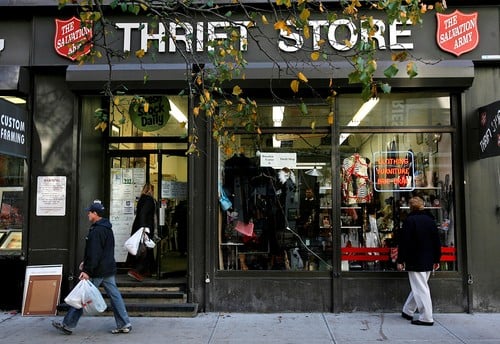
The thriving market of thrift stores, also known as second-hand or consignment stores, has been experiencing a resurgence in recent years. These stores offer a unique shopping experience and contribute to sustainable consumption by extending the lifecycle of products. While thrift stores have been around for decades, the advent of technology has brought about significant innovations in the industry. From online platforms to advanced inventory management systems, technological advancements are reshaping the way thrift stores operate, connect with customers, and manage their inventory.
Online Platforms:
The rise of the internet has revolutionized the thrift store industry by introducing online platforms that combine the convenience of e-commerce with the charm of second-hand shopping. Online thrift stores have disrupted the traditional brick-and-mortar model, enabling customers to browse and purchase items from the comfort of their own homes. These platforms often provide detailed product descriptions, high-quality images, and user reviews to help customers make informed decisions. Moreover, they facilitate nationwide or even global reach, allowing buyers and sellers to connect regardless of their geographical locations.
Mobile Apps:
To further enhance the online thrift store experience, mobile applications have emerged as a popular platform for tech-savvy shoppers. These apps provide a seamless and intuitive browsing experience, allowing users to easily search for specific items or browse through various categories. Additionally, many thrift store apps incorporate features such as personalized recommendations, wish lists, and social sharing, fostering a sense of community among thrift enthusiasts. Through push notifications and alerts, users can also stay updated on new arrivals, sales, and exclusive offers.
Inventory Management Systems:
Efficient inventory management is crucial for thrift stores to keep track of their vast and ever-changing inventory. Technological innovations in this area have significantly streamlined operations and improved efficiency. Inventory management systems designed specifically for thrift stores enable employees to digitize and categorize incoming items, track their sales, and manage pricing. These systems often incorporate barcodes or RFID tags, making it easier to locate and identify specific products. By automating these processes, thrift stores can save time, reduce errors, and gain insights into their best-selling items, helping them make informed decisions regarding stock and pricing.
Online Marketing and Social Media:
Thrift stores are utilizing online marketing channels and social media platforms to connect with existing and potential customers. Through targeted advertising, thrift stores can reach individuals interested in sustainable shopping, vintage fashion, or unique finds. Social media platforms like Instagram and Pinterest provide visual mediums for thrift stores to showcase their products, engage with followers, and create a loyal customer base. Influencer collaborations and user-generated content campaigns further amplify brand awareness and attract new customers. With the right digital marketing strategies, thrift stores can leverage technology to increase their online presence and drive sales.
Technology has empowered thrift stores to embrace the digital age, transforming the industry and expanding its reach. Online platforms, mobile apps, efficient inventory management systems, and online marketing channels have created a thriving ecosystem for thrift stores to connect with customers and enhance their shopping experiences. As technology continues to advance, thrift stores are likely to adopt even more innovative solutions, further propelling the growth and sustainability of this sector.
Thrift Stores: Unveiling Regional Trends and Cultural Influences
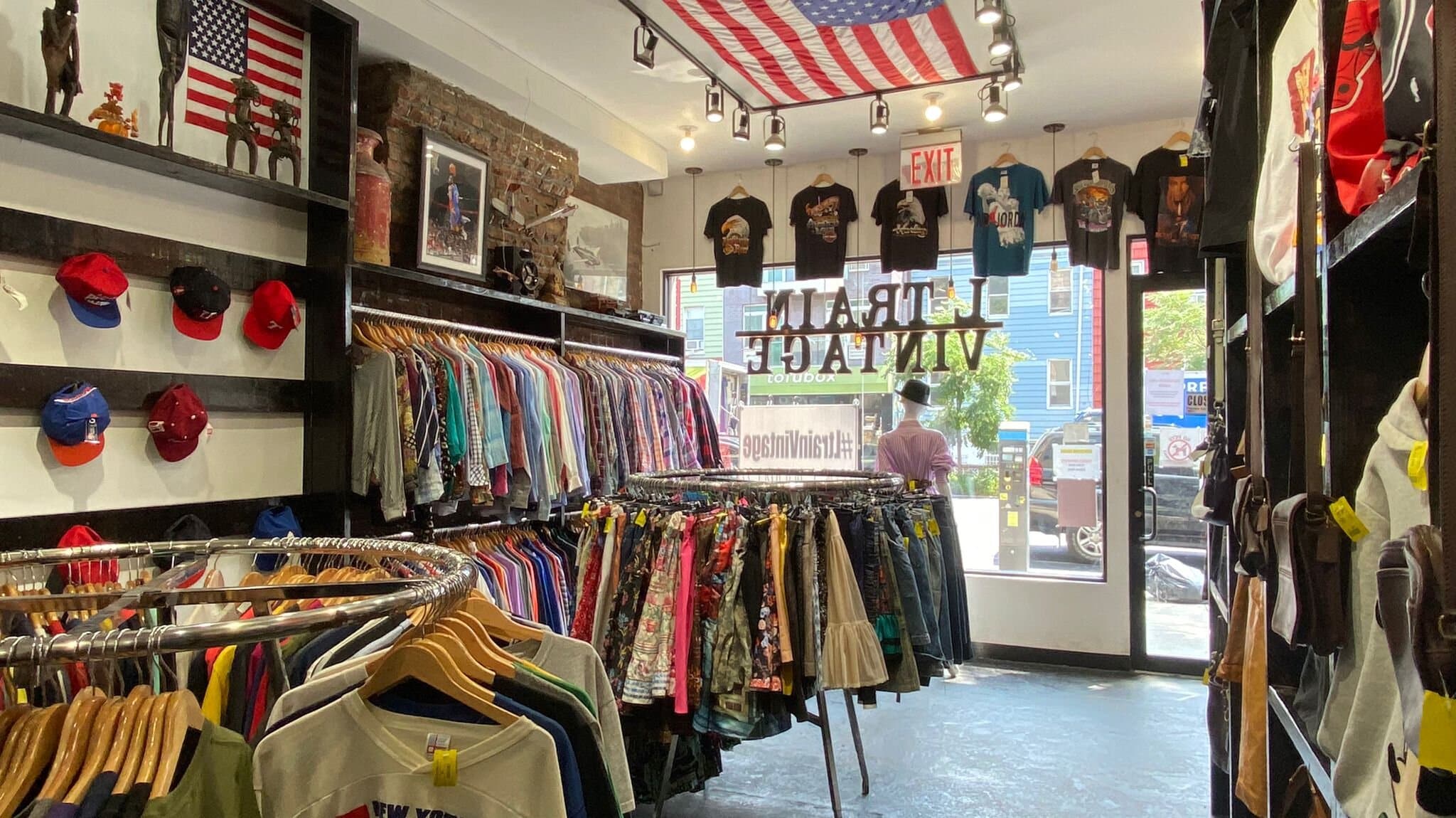
West Coast Wonder: Vintage Revival in California
California, particularly in the bustling cities of Los Angeles and San Francisco, has become synonymous with vintage fashion. Thrift stores in the Golden State attract an eclectic mix of fashion-forward individuals seeking unique pieces to add to their wardrobes. The popularity of thrift stores here may be influenced by the region's strong emphasis on individuality, sustainability, and creativity. The vibrant thrift scene in California is driven by influencers and celebrities who embrace secondhand fashion, encouraging others to do the same. Additionally, the state's warm climate fosters a year-round demand for clothing that thrifty shoppers can mix and match to create their signature style.
Southern Charm: Traditional and Timeless Finds in the South
In the southern region of the United States, thrift stores hold a special place among locals. Here, the allure lies in discovering hidden treasures with a touch of nostalgia. Southern thrift stores often evoke a sense of community, where neighbors gather to donate and shop for unique items. While vintage fashion is appreciated, the South has a unique inclination towards preserving traditional styles and embracing timeless classics. From vintage furniture to heirloom jewelry, southern thrift stores offer a glimpse into the region's rich cultural heritage.
East Coast Elegance: High-End Fashion on a Budget in New York
New York, the fashion capital of the United States, brings a different dimension to the thrift store culture. While affordable finds are aplenty, the state's thrift stores also cater to those seeking high-end designer labels on a budget. The New York thrifting scene is known for its ability to yield treasures from luxury brands, attracting fashion enthusiasts who not only appreciate a great deal but also value the exclusivity that comes with their unique finds. Thrift shopping in New York allows individuals to tap into the city's rich fashion pedigree and assemble stylish, curated looks.
Heartland Homage: Thrift Stores as a Symbol of Resourcefulness
In the heartland of America, thrift stores hold a special place as a symbol of resourcefulness and responsible consumption. Here, the culture surrounding thrift stores revolves around practicality and finding value in each purchase. With a focus on quality over trends, shoppers in the heartland appreciate durable garments, furniture, and household items. Thrift stores in this region often act as community hubs, offering affordable options for families and individuals in need.
Global Thrift Hunt: Exploring Cultural Diversity in Thrift Stores
While these regional trends shed light on thrift stores within the United States, it's important to note that thrift culture is not limited to a single country or continent. Thrifting is a global phenomenon that reflects cultural diversity. From Tokyo's vintage boutiques filled with carefully curated pieces to the bustling flea markets of Berlin, each city has its own unique twist on the thrift store experience.
By understanding the regional trends and cultural influences on thrift stores, we can appreciate the rich tapestry that thrift culture weaves around the world. Whether it's preserving traditions in the South, embracing vintage fashion on the West Coast, seeking high-end finds in New York, or promoting resourcefulness in the heartland, thrift stores capture the essence of individuality, sustainability, and economic viability. So, next time you step into a thrift store, take a moment to appreciate the regional dynamics that have shaped its offerings and immerse yourself in the treasure hunt that lies ahead.
The Rise of Social Media Influencers in Thrift Store Culture
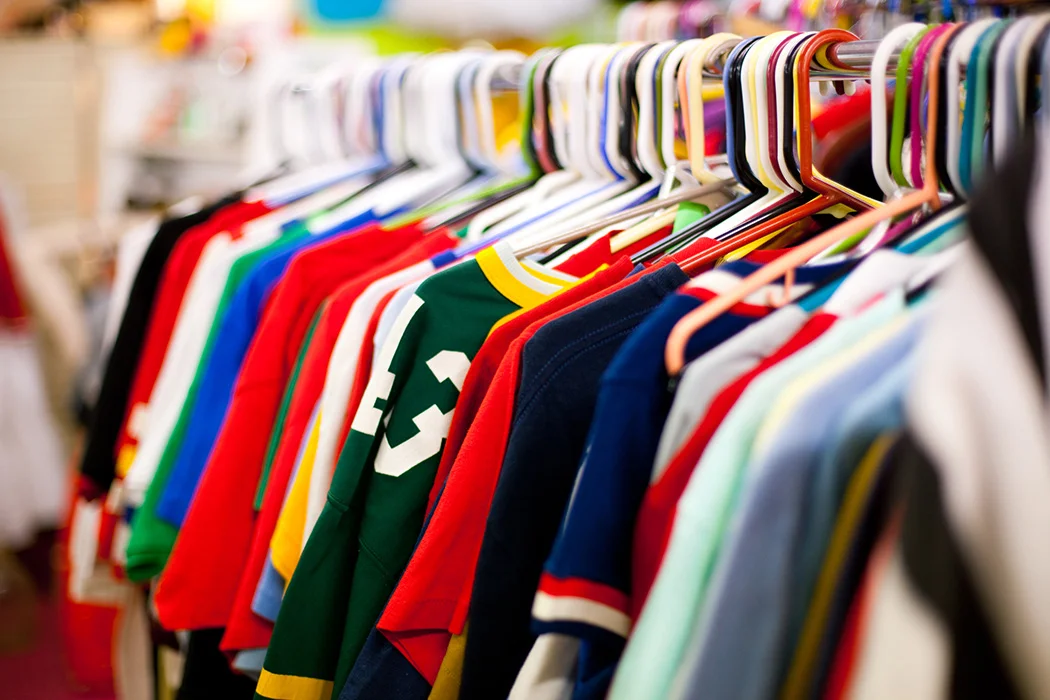
In recent years, thrift store shopping has seen a resurgence in popularity. This renewed interest can be attributed in part to the rise of social media influencers who have brought thrift store fashion to the forefront of popular culture. These influencers have leveraged the power of social media platforms to showcase their thrift store finds, inspiring their followers and influencing consumer behavior. In this section, we'll explore how social media and influencers have impacted the thrift store industry.
Instagram and the Thrift Store Community:
Instagram has emerged as a leading platform for thrift store enthusiasts and fashionistas alike. Numerous Instagram accounts are dedicated to showcasing thrift store finds, sharing styling tips, and creating a vibrant community centered around thrifted fashion. These accounts range from individual influencers to curated pages that feature user-generated content.
One such example is the popular Instagram account "Thrifting Divas," which boasts over 100k followers. The account's owner shares her thrift store hauls, outfits, and styling suggestions, garnering engagement and followers who are inspired by her unique fashion sense. By consistently sharing content and engaging with her audience, she has become a trusted source in the thrift store community.
YouTube and Thrift Hauls:
YouTube has also played a significant role in the promotion of thrift store culture. Influencers frequently create "thrift haul" videos, documenting their thrift store shopping experiences and showcasing their latest finds. Viewers are drawn to these videos for inspiration, entertainment, and often a sense of community.
Loey Lane, aprominent beauty and lifestyle influencer, has gained popularity through her thrift hauls. With 1.2 million subscribers on YouTube, Lane shares her thrift store finds and tips for finding hidden gems. Additionally, she addresses the importance of sustainable fashion choices, motivating her audience to embrace thrift store shopping as an eco-friendly alternative to fast fashion.
Collaborations and Partnerships:
As the influence of social media influencers in the thrift store community continues to grow, brands and thrift stores themselves have recognized the value of collaborating with these influencers. Many thrift stores now partner with popular influencers to boost brand awareness and drive sales.
For example, Goodwill, a well-known thrift store chain, collaborated with fashion influencer Karen Blanchard to curate a collection of her favorite finds from their stores. This collaboration helped position Goodwill as a trendy and fashion-forward destination for thrifted fashion items, appealing to a wider audience that may have previously overlooked thrift shopping.
Social media influencers have played a pivotal role in the resurgence of thrift store culture by making thrifted fashion more accessible, fashionable, and sustainable. Thrift store enthusiasts, inspired by these influencers, have embraced the trend, leading to increased footfall in thrift stores and a rise in overall market demand. Thrift stores and brands can leverage these influencers to create engaging content, driving interest and boosting their visibility in an increasingly digital world. The powerful combination of social media and influencer marketing has transformed the way consumers perceive thrift store shopping, making it a mainstream and trendy choice.
The Future Outlook and Forecast of Thrift Stores
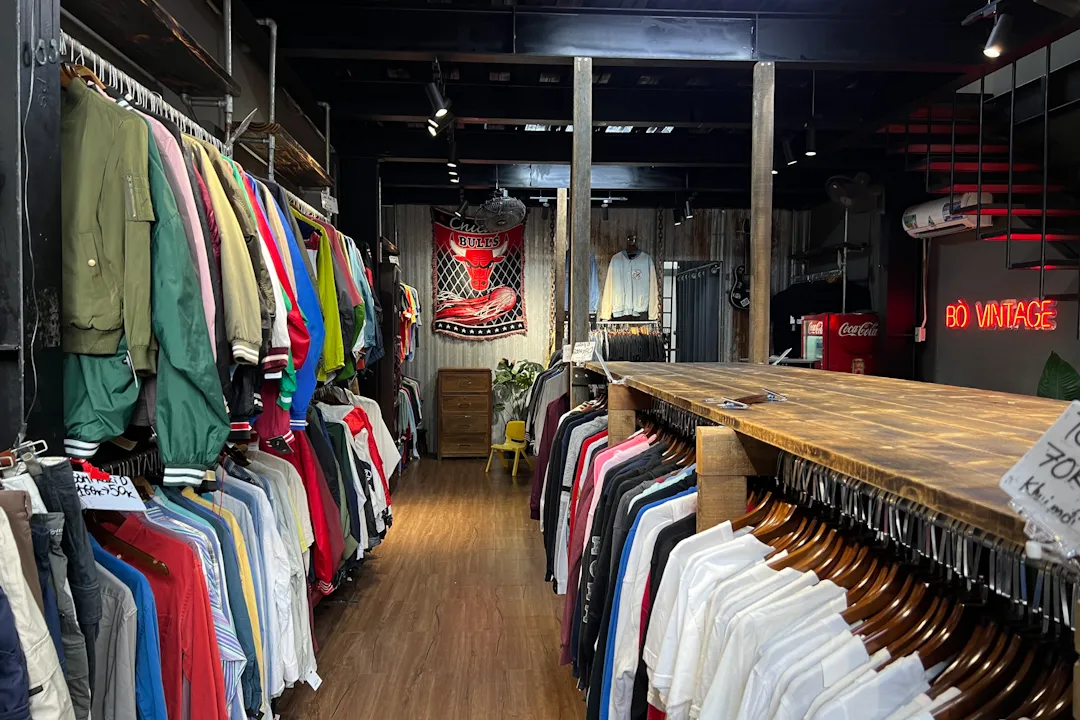
Thrift stores have been a longstanding part of retail culture, offering affordable and sustainable shopping options. In recent years, the popularity of thrift stores has soared as consumers increasingly embrace the concept of secondhand shopping. This article delves into the future outlook and forecast of thrift stores, analyzing the factors driving their growth and potential challenges they may face.
Growing Sustainability and Conscious Consumerism
One of the key drivers of the thrift store trend is the growing importance of sustainability and conscious consumerism. As people become more aware of the environmental impact of fast fashion and excessive consumption, there has been a significant shift towards more sustainable alternatives. Thrift stores provide an attractive solution, allowing consumers to find unique and pre-loved items while reducing their carbon footprint. This sustainable aspect of thrift stores is likely to continue fueling their growth in the future.
Rise of Thrifting Culture among Millennials and Gen Z
The rise of thrifting culture among millennials and Generation Z has played a significant role in the popularity of thrift stores. These younger generations are increasingly embracing vintage and retro fashion, seeking unique pieces that differentiate them from mainstream trends. Thrift stores offer a treasure trove of one-of-a-kind items and vintage fashion, catering to the individualistic preferences of these consumers. As younger generations continue to exert their influence in the market, thrift store popularity is expected to surge even further.
Online Thrift Stores and E-commerce Platforms
The advent of online thrift stores and the integration of thrift shopping into e-commerce platforms has expanded the reach and accessibility of thrift store options. Consumers can now browse and purchase thrifted items from the comfort of their homes, even expanding their options to include international thrift stores. The convenience of online thrift shopping has attracted a broader audience and contributed to the overall growth of the thrift store trend. As technology and e-commerce continue to evolve, online thrift stores are likely to become even more prevalent, further bolstering the future prospects for the industry.
Challenges to Consider
While the future outlook for thrift stores appears promising, there are some challenges to consider. One potential obstacle is the saturation of the market with fast fashion and low-priced retail options. As fast fashion brands attempt to capture the sustainability narrative, they may divert some customers away from thrift stores. Additionally, the need for consistent inventory management and quality control is crucial for thrift stores to maintain their reputation and attract customers.
The future of thrift stores looks bright, with sustainability, conscious consumerism, generational preferences, and the growth of online platforms all contributing to their continued success. As consumers increasingly recognize the value of pre-loved items and the impact of their choices, thrift stores are poised to thrive in the evolving retail landscape. However, as the industry grows and faces competition from traditional retailers and fast fashion, it will be essential for thrift stores to adapt and maintain the unique appeal that has propelled them forward.
Key Findings and Insights: The Rising Appeal of Thrift Stores
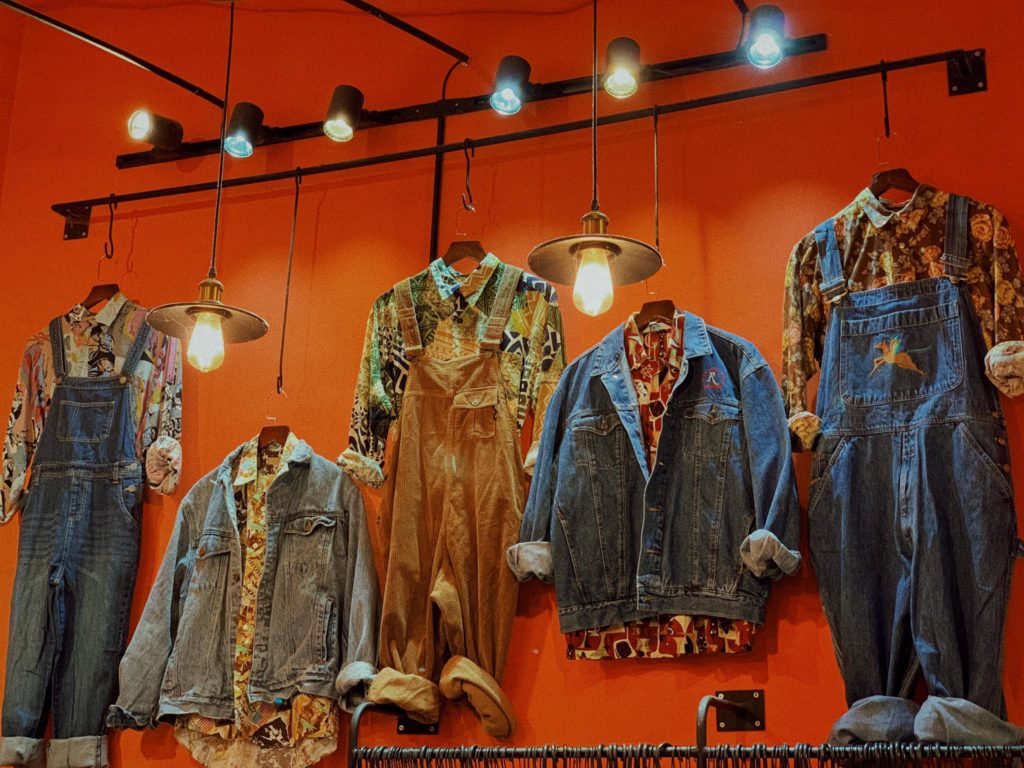
In recent years, thrift stores have seen a remarkable surge in popularity and have become a prominent trend in the retail industry. As consumers increasingly prioritize sustainability, affordability, and unique fashion finds, these second-hand stores have positioned themselves as go-to destinations for shoppers of all ages. Let's delve into some key findings and insights regarding the rising appeal of thrift stores:
- Sustainability and Conscious Consumerism: One of the primary factors driving the growth of thrift stores is the growing awareness and concern for sustainable fashion. With the fashion industry's significant environmental impact, consumers are actively seeking alternative options to reduce waste and their carbon footprint. Thrift stores provide an excellent solution by offering pre-loved clothing and other items, promoting the reuse and recycling of goods.
- Affordability and Value: In an era of rising living costs and economic uncertainty, thrift stores provide a budget-friendly alternative to traditional retail. The appeal lies not only in finding unique, vintage, or designer pieces at a fraction of their original price but also in the ability to stretch one's dollar further. Shoppers can acquire quality goods at significantly reduced prices while still maintaining their personal style.
- Treasure Hunting and Unique Finds: Thrift stores offer an unparalleled shopping experience, often described as a treasure hunt. Unlike conventional retail stores with limited inventory, thrift stores have an ever-changing selection of items, spanning clothing, furniture, accessories, books, and more. The thrill of the unknown and the possibility of finding hidden gems attracts both fashion-conscious individuals and collectors alike.
- Retro and Vintage Craze: The increasing popularity of retro and vintage fashion has significantly contributed to the appeal of thrift stores. With styles from the past coming back into vogue, consumers are drawn to these stores as a treasure trove of authentic retro pieces. The joy of discovering a well-preserved vintage item has become a source of pride and nostalgia, fostering a unique sense of individuality.
- Community Engagement and Support: Thrift stores often have deep roots within their communities. They frequently collaborate with local charities and social causes, making consumers feel good about their purchases. Supporting a thrift store means contributing to a greater social impact, as these organizations provide employment opportunities, fund community programs, and promote inclusivity.
- Online Thrift Shopping: While brick-and-mortar thrift stores remain popular, the rise of online marketplaces and dedicated thrift store websites has expanded the reach of this trend. Consumers can now explore an even wider variety of options, access inventory from different regions, and enjoy the convenience of shopping from their homes. Online thrift shopping has democratized the access to unique items and allowed thrift stores to reach a broader audience.