
Unboxing the Rise of Furniture Box: How This Trend is Revolutionizing Home Decor

The Rising Trend of Furniture Box: A Revolution in Home Furnishings
The furniture industry is undergoing a major transformation with the emergence of a new trend called furniture box. Furniture box refers to a concept where all the required components of a piece of furniture, such as chairs, tables, or shelves, are neatly packed and delivered to the customer in a single box. This innovative approach to home furnishings is gaining tremendous popularity for its convenience, affordability, and ease of assembly.
Origins of Furniture Box:
Although the idea of boxed furniture is not entirely new, it has recently gained significant traction due to advancements in manufacturing techniques and the rise of e-commerce. The concept traces back to the ready-to-assemble (RTA) furniture movement of the mid-20th century, pioneered by companies like IKEA. However, furniture box takes this concept a step further by offering a wider range of designs, materials, and styles, catering to diverse consumer preferences.
Popularity across Demographics:
One of the key factors driving the popularity of furniture box is its versatility and broad appeal across various demographics. The convenience of receiving furniture in a compact box appeals to young professionals and urban dwellers who often have limited space and may need to move frequently. Furthermore, the affordability of boxed furniture makes it an attractive option for budget-conscious consumers, including students, first-time homeowners, and individuals furnishing rental properties.
Moreover, the DIY aspect of furniture box is particularly appealing to certain segments of the population. Research conducted by the American Home Furnishings Alliance indicates that millennials, in particular, value furniture that allows them to express their individuality and creativity through assembly. Additionally, environmentally conscious consumers are drawn to furniture box due to its reduced packaging and transportation footprint compared to traditional furniture.
As furniture box becomes more mainstream, it is also gaining popularity among other demographics, including families looking for convenient and affordable options for furnishing children's rooms and retirees seeking to downsize and simplify their lives.
In the following sections, we will delve deeper into the reasons behind the growing popularity of furniture box, explore some of the challenges and opportunities in the industry, and discuss how this trend is shaping the future of home furnishing. Stay tuned for insights on the implications and potential long-term impact of furniture box on the furniture market as a whole.
Understanding the Market Size and Growth of Furniture Box
Amidst the ever-evolving consumer preferences and the growing popularity of online shopping, the furniture industry has witnessed a significant shift in recent years. One emerging trend in the furniture market is the rise of Furniture Box, a concept that has quickly gained traction and captured the attention of consumers and investors alike.
What is Furniture Box?
Furniture Box refers to a business model that offers furniture, generally in a flat-pack form, shipped directly to the customer's doorstep. Inspired by the success of companies like IKEA, Furniture Box retailers have carved out their niche by combining convenience, affordability, and stylish designs that cater to the growing demand for contemporary furniture.
Market Size
The global furniture market has experienced substantial growth in recent years. According to a report by Allied Market Research, the furniture market was valued at $480 billion in 2019 and is expected to reach $764 billion by 2027, with a compound annual growth rate (CAGR) of 5.8% from 2020 to 2027[^1^]. This growth can be attributed to various factors, including population growth, urbanization, rising disposable incomes, and increasing home renovation and decoration activities.
Specifically, the Furniture Box segment has increasingly gained ground in the market, representing a significant share of the overall furniture industry. While specific data on the market size of Furniture Box companies may be limited, the success and rapid expansion of key players in this sector, such as Wayfair, Made.com, and Article, indicate its promising growth potential.
Factors Driving Growth
Several factors contribute to the growth of the Furniture Box market:
- Convenience: With minimal effort required for assembly and home delivery services, Furniture Box provides a hassle-free buying experience for customers. As consumers increasingly prioritize convenience, this model caters well to their needs.
- Affordability: Furniture Box typically offers lower prices compared to traditional furniture stores due to their direct-to-consumer model and the avoidance of expensive physical retail spaces. This affordability aspect appeals to a wide range of budget-conscious consumers.
- Changing Lifestyles and Housing Trends: Changing lifestyles, including smaller living spaces, flexible work arrangements, and an emphasis on mobility, have contributed to the popularity of Furniture Box. The flexibility of these pieces aligns well with the evolving needs of modern consumers.
The Furniture Box market holds immense growth potential within the broader furniture industry. As consumers continue to prioritize convenience, affordability, and unique designs, Furniture Box companies are likely to gain further traction in the market. The market size and growth projections indicate that this segment is poised for continued expansion and success.
Exploring Consumer Demand and Preferences for Furniture Box
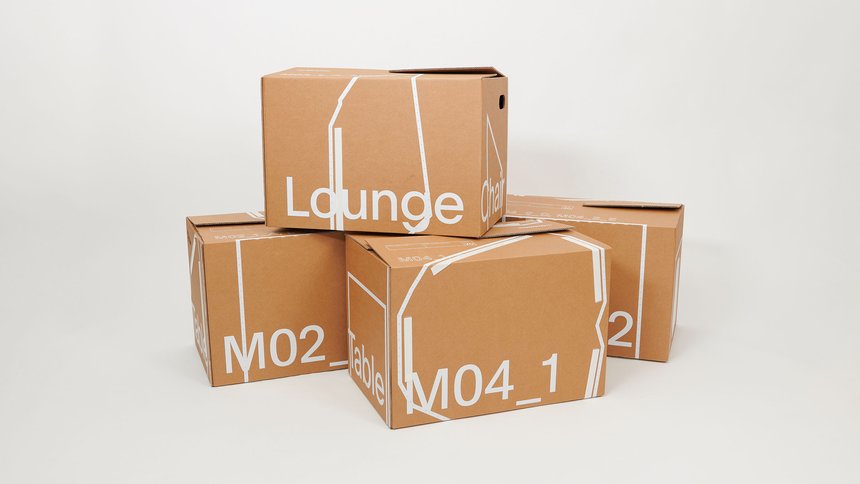
With the rise of e-commerce and the growing popularity of minimalist and convenient furniture solutions, the concept of a furniture box has emerged as an attractive option for consumers. Furniture boxes offer compact and flat-packed designs that can be easily assembled at home, providing a hassle-free and affordable way to furnish spaces. In this section, we will delve into the consumer demand and preferences surrounding furniture boxes.
Space Optimization and Portability
One of the key drivers behind the demand for furniture boxes is the need for space optimization and portability. With shrinking living spaces and an increasing desire for flexibility, consumers are seeking furniture solutions that can be easily moved and stored when not in use. Furniture boxes fulfill this need by being compactly packaged, allowing for efficient transportation and effortless assembly. The ability to disassemble and pack away furniture items when necessary appeals to consumers who value a clutter-free and versatile living environment.
Convenience and DIY Appeal
In an era of digital-first purchasing experiences, consumers gravitate towards furniture boxes due to their convenience and do-it-yourself (DIY) appeal. Furniture box packages provide clear assembly instructions, empowering consumers to build their furniture without requiring professional assistance. This not only saves money but also aligns with the growing trend of consumers seeking a hands-on approach to home improvement projects. The sense of achievement gained from successfully assembling furniture enhances the overall experience and satisfaction for consumers.
Budget-Friendly Option
Price sensitivity is a significant factor driving consumer preferences for furniture boxes. Compared to traditional furniture, furniture boxes tend to be more affordable due to their streamlined packaging and reduced shipping costs. Furthermore, the direct-to-consumer business model, popular among many furniture box brands, eliminates additional markups associated with intermediary retailers. As consumers increasingly prioritize value for money, the budget-friendly nature of furniture boxes makes them an attractive option.
Eco-Friendliness and Sustainability
In recent years, consumers have become more conscious of their environmental footprint and are actively seeking sustainable alternatives. Furniture boxes address this concern by promoting eco-friendly practices throughout their lifecycle - from production to transportation. They often use materials that are light, recyclable, or made from sustainable sources. Additionally, the compact packaging reduces carbon emissions during shipping. Furniture box brands that prioritize sustainability and communicate their eco-friendly initiatives resonate well with environmentally-conscious consumers.
Aesthetics and Design Variations
While functionality and affordability are key drivers for furniture boxes, aesthetics and design are also crucial factors influencing consumer preferences. Consumers appreciate the wide range of design options available, allowing them to choose furniture that aligns with their personal style and home decor. Some furniture box brands offer modular designs that can be customized, enabling consumers to create unique and personalized setups. By combining practicality with visual appeal, furniture boxes cater to consumers who value both form and function in their furniture choices.
In conclusion, the growing demand for furniture boxes can be attributed to consumers' desire for space optimization, convenience, affordability, sustainability, and design customization. As this trend continues to evolve, furniture box brands must stay attuned to consumer preferences and incorporate
Industry Players and Competition in the Furniture Box Market
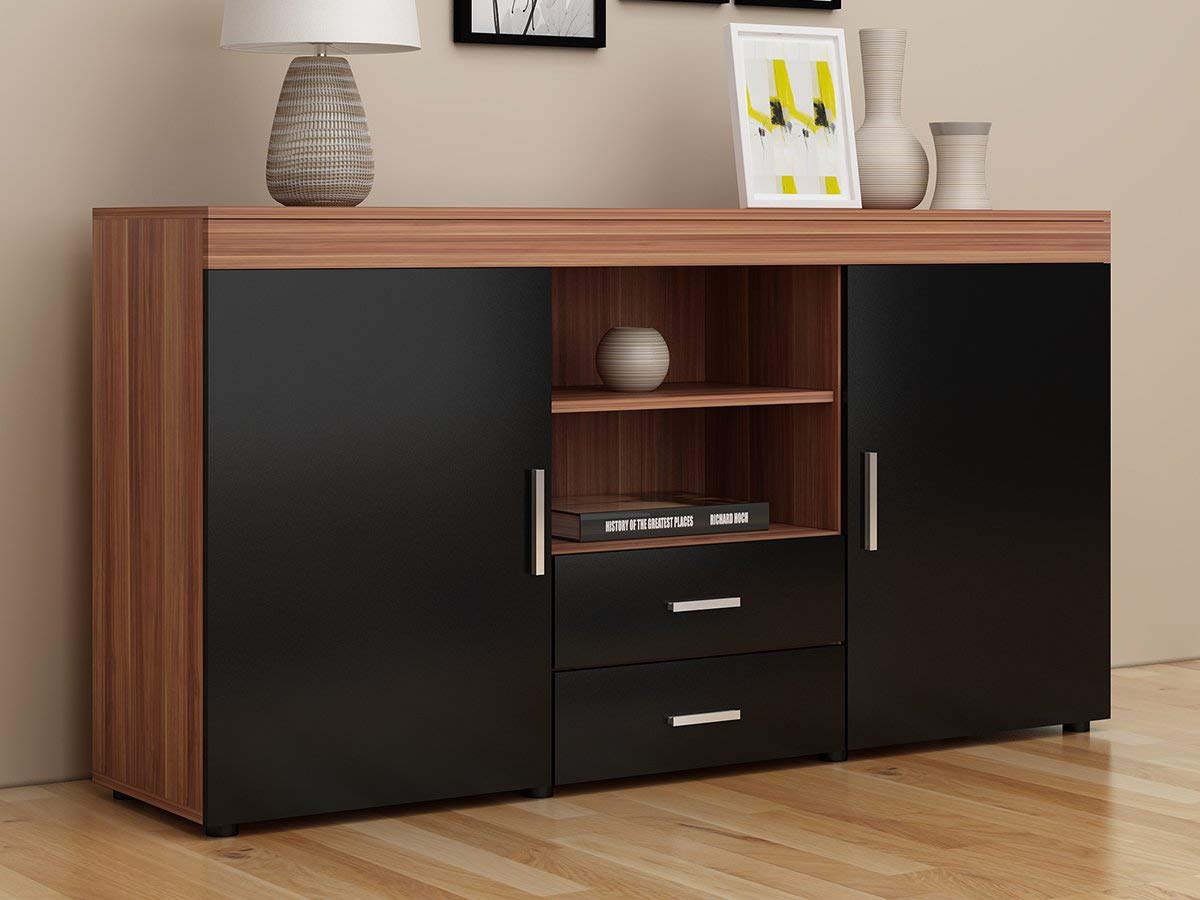
The furniture box market is a rapidly evolving industry that has witnessed significant growth and innovation in recent years. As more people opt for convenient and affordable furniture solutions, industry players and competition have emerged to cater to this demand. In this article, we will explore the key players in the furniture box market and the intense competition they face.
- IKEA: Undoubtedly the most recognizable name in the furniture box market, IKEA has been a dominant player for decades. Known for its flat-pack furniture and affordable prices, IKEA has successfully captured a significant share of the market. With its global presence and extensive product range, IKEA continues to be a major force in the industry. However, it faces increased competition from new entrants and online retailers.
- Wayfair: As one of the leading online furniture retailers, Wayfair has quickly gained popularity among customers seeking a wide variety of furniture options. With an extensive network of suppliers and competitive pricing, Wayfair has disrupted the traditional brick-and-mortar model. The company's success lies in its ability to provide diverse styles and customization options to customers while offering a seamless online shopping experience.
- Amazon: As the world's largest online retailer, Amazon has also made a significant impact on the furniture box market. Leveraging its vast customer base and efficient delivery network, Amazon offers a wide range of furniture options, including its own private label brands. Although Amazon faces challenges in terms of brand recognition and the perception of quality, it remains a strong competitor due to its convenient shopping experience and competitive pricing.
- Casper: While not exclusively focused on furniture boxes, Casper has revolutionized the mattress industry by offering bed-in-a-box solutions. As mattresses are an essential part of furniture, this redefines the traditional market players in the industry. Casper's success stems from its direct-to-consumer approach, cutting out middlemen and offering high-quality, innovative mattresses at competitive prices.
- Article: Known for its modern and minimalist furniture designs, Article has gained a loyal customer base by offering high-quality furniture at affordable prices. With a focus on sustainability and ethical sourcing, Article differentiates itself in a crowded market. The company's direct-to-consumer model, combined with a curated selection of trendy and timeless furniture designs, has allowed it to carve out a niche for itself.
- Local and Niche Players: Apart from the major players, there are numerous local and niche players that cater to specific customer segments or geographic regions. These players often focus on unique designs, offering handmade or artisanal furniture. They rely on personalization and customization to attract customers who seek distinctive pieces.
As the furniture box market continues to thrive, competition among industry players is fierce. With the rise of online retailers and the popularity of direct-to-consumer models, traditional brick-and-mortar retailers face significant challenges. Establishing a strong online presence, providing exceptional customer service, and offering competitive pricing are crucial elements for success in this highly competitive market.
To stay ahead of the competition, industry players must also keep an eye on emerging furniture trends, consumer preferences, and technological advancements. By continuously innovating and adapting to changing market dynamics, companies can position themselves as leaders in the furniture box industry and attract a loyal customer base.
The Rise of Furniture Box: Innovating the Way We Furnish Our Homes
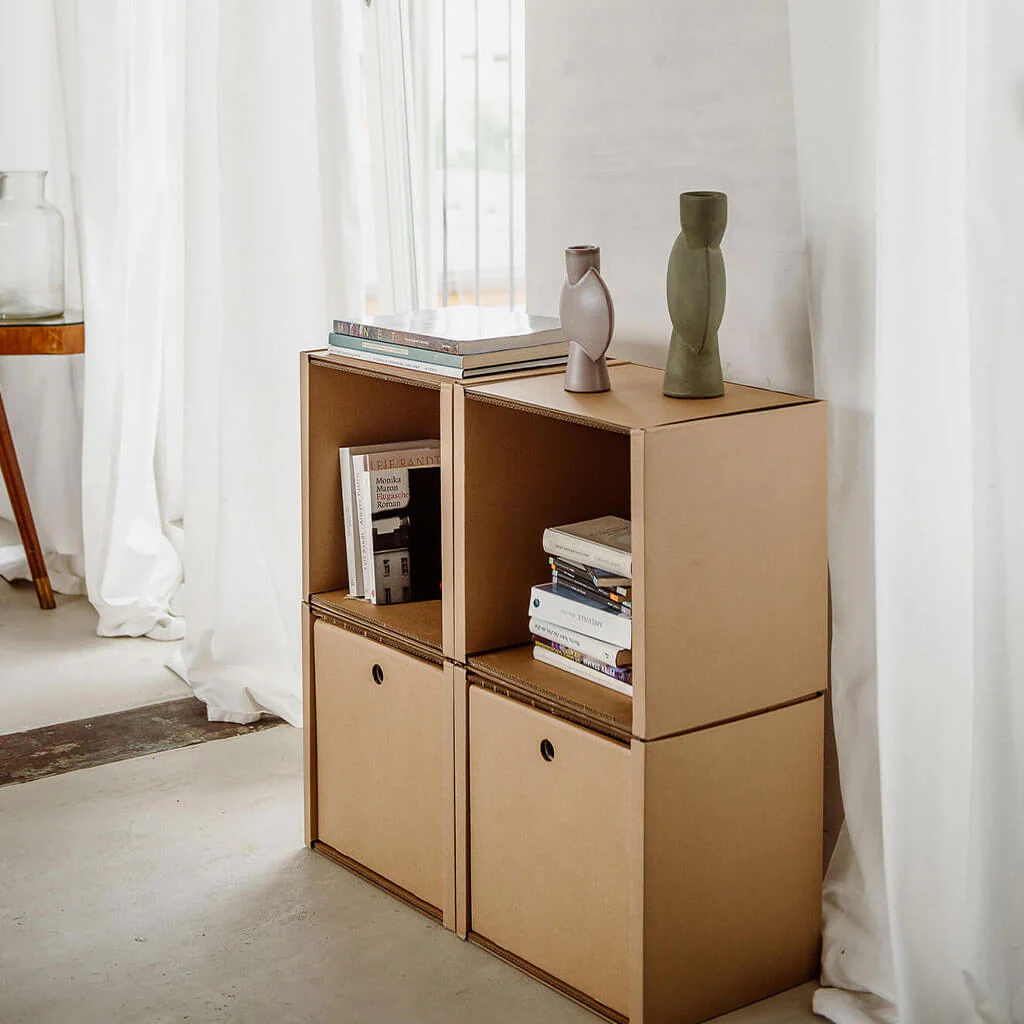
The world of furniture is constantly evolving, driven by technological advancements and changing consumer preferences. One interesting innovation that has emerged in recent years is the concept of the "furniture box." Furniture box companies are transforming the way we shop for and assemble our home furnishings, offering convenience, affordability, and sustainability in one package.
So, what exactly is a furniture box? It is a novel concept where flat-pack furniture is carefully packaged in a compressed and space-efficient manner, allowing for easy delivery and assembly. These furniture pieces are designed to be quickly and effortlessly assembled by consumers, often without the need for tools or professional assistance.
Convenience and Affordability
One of the key advantages of furniture boxes is their convenience. Instead of navigating crowded furniture stores and scheduling delivery appointments, furniture box companies offer the ease of online shopping and doorstep delivery. The compact nature of the packaging allows for efficient shipping, reducing costs and the environmental impact associated with bulky furniture transport. This convenience factor has made furniture boxes especially popular among urban dwellers and those with limited storage space.
Additionally, furniture boxes are often more affordable compared to traditional furniture options. By emphasizing efficiency in manufacturing, packaging, and distribution, furniture box companies can keep costs low and pass on the savings to customers. This affordability makes high-quality furniture accessible to a wider range of budgets.
Assembly Made Easy
Another significant advantage of furniture boxes is the ease of assembly. Traditionally, assembling furniture from flat-pack boxes was a daunting task, requiring time, effort, and sometimes specialized tools. However, furniture box companies have taken technology and user experience into account, designing their products with easy assembly in mind.
Many furniture box designs incorporate intuitive mechanisms, such as snap-fit connectors, pre-drilled holes, or clear instructions, that simplify the assembly process. Some companies even use augmented reality (AR) technology to provide virtual assembly guides, making the process even more user-friendly and efficient. This approach allows individuals with little to no experience in furniture assembly to confidently put together their own stylish pieces.
Sustainability and Customization
In addition to convenience and affordability, furniture boxes also align with the growing demand for sustainable and customizable products. The compact packaging reduces the carbon footprint associated with transportation, as it requires fewer resources to move the furniture from the manufacturer to the customer's doorstep. Customers can also choose furniture made from sustainable materials, such as bamboo or recycled materials, further reducing environmental impact.
Furthermore, many furniture box companies offer customization options, allowing customers to select colors, finishes, and configurations that suit their individual tastes and interior design preferences. This emphasis on customization empowers customers to create unique furniture pieces that reflect their personal style.
Final Thoughts
The furniture box concept represents an exciting technological innovation in the home furnishing industry. By offering convenience, affordability, ease of assembly, sustainability, and customization, furniture box companies are reshaping the way we furnish our homes. As technology continues to advance and consumer preferences evolve, it will be fascinating to see how the furniture box market develops and what new innovations lie ahead.
Regional Trends and Cultural Influences on the Furniture Box Industry
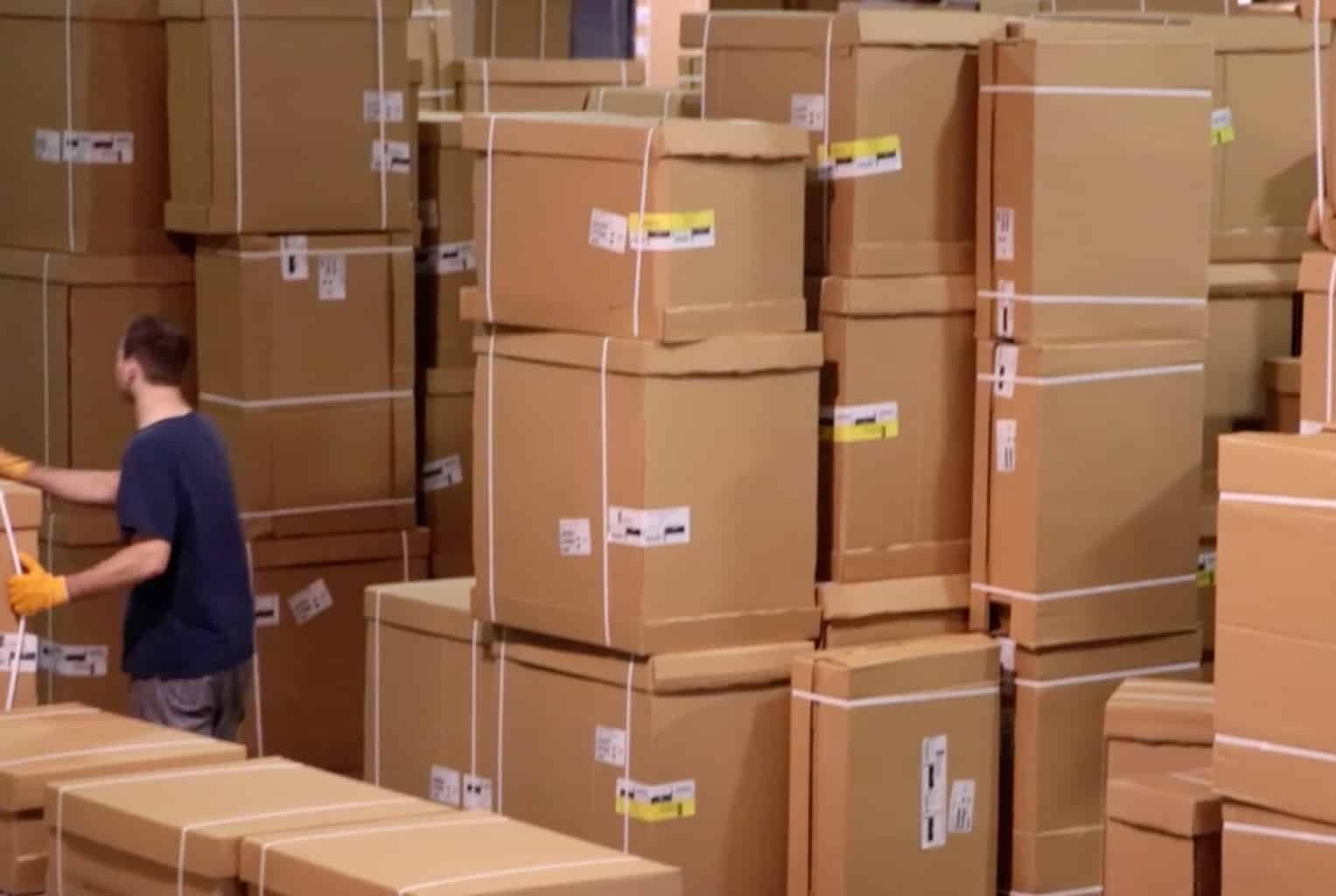
Regional trends and cultural influences play a crucial role in shaping the furniture box industry. As consumer preferences and design aesthetics vary across different regions, it is essential for furniture box companies to understand and adapt to the unique tastes and demands of each market. In this article, we will explore some examples of how regional trends and cultural influences impact the furniture box industry.
Scandinavian Simplicity:
The clean lines, minimalistic designs, and functionality associated with Scandinavian furniture have made a significant impact on the global furniture industry, including the furniture box sector. Scandinavian design principles focus on creating functional pieces that blend seamlessly with the surrounding environment. Furniture box companies in Scandinavian countries, such as Denmark and Sweden, often incorporate these aesthetics into their products. In regions influenced by Scandinavian design, furniture boxes may feature uncluttered designs, light-colored wood finishes, and simple, functional storage solutions.
Asian Elegance:
Asian cultural influences, particularly from countries like Japan, Korea, and China, have a strong presence in the global furniture market. These influences emphasize elegance, visual balance, and harmony in design. In regions where Asian aesthetics dominate, furniture boxes may feature sleek, refined designs with detailed craftsmanship. Natural materials, such as bamboo and hardwood, are often favored. Asian-inspired furniture boxes may incorporate elements like sliding doors, screen dividers, and delicate hand-painted motifs.
Mediterranean Charm:
The Mediterranean region has a rich cultural heritage that heavily influences interior design trends. Spanish, Greek, Italian, and Moroccan influences are particularly notable in furniture design. Mediterranean-style furniture boxes tend to embrace warm, vibrant colors, intricate patterns, and ornate detailing. Furniture boxes in these regions may feature distressed finishes, wrought iron accents, and curved lines, reflecting the rustic charm of Mediterranean architecture and décor.
North American Eclectic:
In North America, a fusion of various cultural influences and design aesthetics has given rise to an eclectic style of furniture. American furniture boxes often incorporate diverse elements, blending traditional, contemporary, and vintage styles. This eclectic approach allows for a wide range of design choices, from reclaimed wood furniture with rustic appeal to sleek, avant-garde designs. North American furniture box companies often prioritize customization and cater to individual customer preferences.
Middle Eastern Opulence:
Middle Eastern influences can be seen in furniture box designs characterized by opulence, luxury, and intricate detailing. In regions influenced by Middle Eastern aesthetics, furniture boxes may feature richly carved woodwork, luxurious fabrics, and embellishments like brass or gold accents. Bold colors, such as deep reds and blues, are often used to create a sense of vibrancy and mystique.
Understanding these regional trends and cultural influences is essential for furniture box companies looking to capitalize on market demand. By tailoring their designs and product offerings to specific regions, furniture box companies can better engage with customers and cater to their unique preferences. By combining regional influences with innovative design concepts, furniture box companies can stay ahead of the curve in an increasingly competitive market.
To stay informed about emerging trends and cultural influences in the furniture box industry, companies can leverage market research tools like Treendly. These tools help identify trending topics, monitor consumer behavior, and provide insights into regional preferences, allowing companies to make data-driven decisions and stay relevant to their target markets.
The Rise of Furniture Box Influencers: Revolutionizing the Interior Design Industry
In recent years, social media has experienced a seismic shift in the way we consume content and make purchasing decisions. Influencers have become the driving force behind major trends, and the furniture industry is no exception. Enter furniture box influencers, individuals who showcase the latest furniture boxes and inspire millions with their innovative and stylish interior designs.
The Power of Furniture Box Influencers
Furniture box influencers have gained significant traction on platforms like Instagram, TikTok, and YouTube by tapping into the growing popularity of subscription-based services and the desire for hassle-free furniture shopping. These influencers curate stunning furniture sets or pieces that are delivered directly to consumers' doorsteps, eliminating the need for lengthy shopping trips or dealing with overwhelming choices.
By showcasing these furniture boxes in their homes, influencers offer a valuable way for consumers to visualize how these pieces might fit into their own living spaces. Their curated content often includes styling tips, assembly videos, and honest reviews, providing useful information and inspiration to their followers.
The Impact on the Interior Design Industry
The rise of furniture box influencers has revolutionized the way people approach interior design. In the past, the process of furnishing a home would typically involve visiting multiple stores, comparing prices, and imagining how each individual piece might fit together. This traditional approach can be time-consuming, exhausting, and overwhelming for many individuals.
Furniture box influencers have simplified the process by curating complete furniture sets that align with different design aesthetics, such as modern, minimalist, or bohemian. They provide an alternative to traditional furniture shopping, catering to busy individuals who seek convenience and a cohesive look for their homes.
This transformation in the interior design industry has opened up opportunities for both established and emerging furniture brands. Many of these brands collaborate with furniture box influencers to feature their products in influencer-curated furniture boxes. By doing so, they can leverage the influencers' large followings and gain exposure to their target market. This symbiotic partnership benefits both parties involved and has proven to be an effective marketing strategy for driving brand awareness and increasing sales.
Trending Furniture Box Styles
As with any trend, furniture box styles are constantly evolving. Currently, popular furniture box trends include Scandinavian-inspired interiors, which are characterized by clean lines, minimalism, and natural materials. This design style resonates with those seeking simplicity and functionality in their homes.
Additionally, bohemian and eclectic furniture boxes have gained momentum, offering vibrant colors, rich textures, and mix-and-match aesthetics that cater to individuals who prefer a more eclectic and unique look.
Continued Growth and Future Opportunities
The influence of furniture box influencers is likely to continue growing as more people seek convenient and hassle-free ways to furnish their homes. Additionally, the COVID-19 pandemic has propelled the already strong e-commerce industry to new heights, making the delivery of furniture boxes even more appealing.
In the future, we can expect to see increased collaborations between furniture brands and influencers, as well as the emergence of new platforms focused solely on furniture box subscriptions. With social media algorithms constantly evolving, it is vital for furniture box influencers and brands to stay up-to-date with the latest trends and utilize effective marketing strategies to maintain their relevance in the rapidly changing digital landscape.
In conclusion, furniture box influencers have disrupted the interior design industry by simplifying the furniture shopping process and inspiring millions with their curated content. Their influence offers a glimpse into the future of interior design, where convenience, style, and personalization play a significant role. As the demand for hassle-free furniture shopping continues to grow, furniture brands and influencers must adapt and innovate to stay ahead of the curve.
The Future of Furniture Box: A Disruptive Trend to Watch
In recent years, we have witnessed a rise in innovative trends within the furniture industry. One such trend that has caught our attention is the concept of furniture box – a disruptive approach that challenges the traditional way furniture is designed, manufactured, and delivered. In this section, we will explore the future outlook and forecast for this emerging trend.
The Rise of Furniture Box:
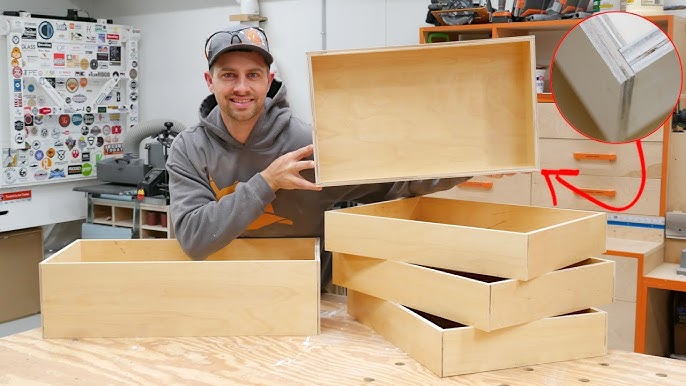
Furniture box is a concept that involves delivering furniture in flat-pack boxes directly to consumers, allowing them to assemble the furniture themselves. This trend has gained popularity for several reasons. First, it offers cost savings for both manufacturers and consumers, as it eliminates the need for expensive transportation and storage. Second, it aligns with the growing demand for sustainable and eco-friendly products, as furniture box reduces packaging waste and carbon emissions associated with transportation. Lastly, it provides the convenience of online shopping, as consumers can browse and purchase furniture from the comfort of their homes.
Future Outlook and Forecast:
The future of furniture box looks promising, with several factors contributing to its growth potential:
- Shifting Consumer Preferences: As more consumers embrace the convenience of online shopping and seek affordable and sustainable furniture options, the demand for furniture box is likely to increase. Millennials and Gen Z, in particular, value customization and self-expression, which furniture box caters to by offering a wide range of design options.
- Technological Advancements: Advances in manufacturing technologies, such as computer-aided design (CAD) and robotics, have made furniture box production more efficient and cost-effective. These technologies enable manufacturers to create high-quality furniture pieces that are easy to assemble, without compromising on design.
- Expansion of E-commerce: The exponential growth of e-commerce platforms provides a significant opportunity for furniture box retailers. Online marketplaces and direct-to-consumer brands can leverage their digital presence to reach a wider audience, thereby increasing the adoption of furniture box.
- Sustainability and Environmental Concerns: The global shift towards sustainability and environmental consciousness is a driving force behind the furniture box trend. Consumers are increasingly aware of the environmental impact of conventional furniture production and seek alternatives that minimize waste and carbon emissions. Furniture box aligns with these values and is likely to be embraced by environmentally conscious consumers.
- Urbanization and Small Living Spaces: With the increasing urbanization and rising prices of real estate, many people are living in smaller apartments and houses. Furniture box offers a practical solution for furnishing such spaces, as it allows for easy transportation and assembly of furniture in limited spaces.
As the furniture industry continues to evolve, furniture box presents an exciting and disruptive trend that is poised for significant growth. The combination of shifting consumer preferences, technological advancements, the rise of e-commerce, sustainability concerns, and changing living spaces creates a favorable environment for the continued success of furniture box. It will be interesting to observe how manufacturers, retailers, and consumers adapt to this trend and shape the future of the furniture industry.
Key Findings and Insights of the Furniture Box Trend
Recap of Key Findings:
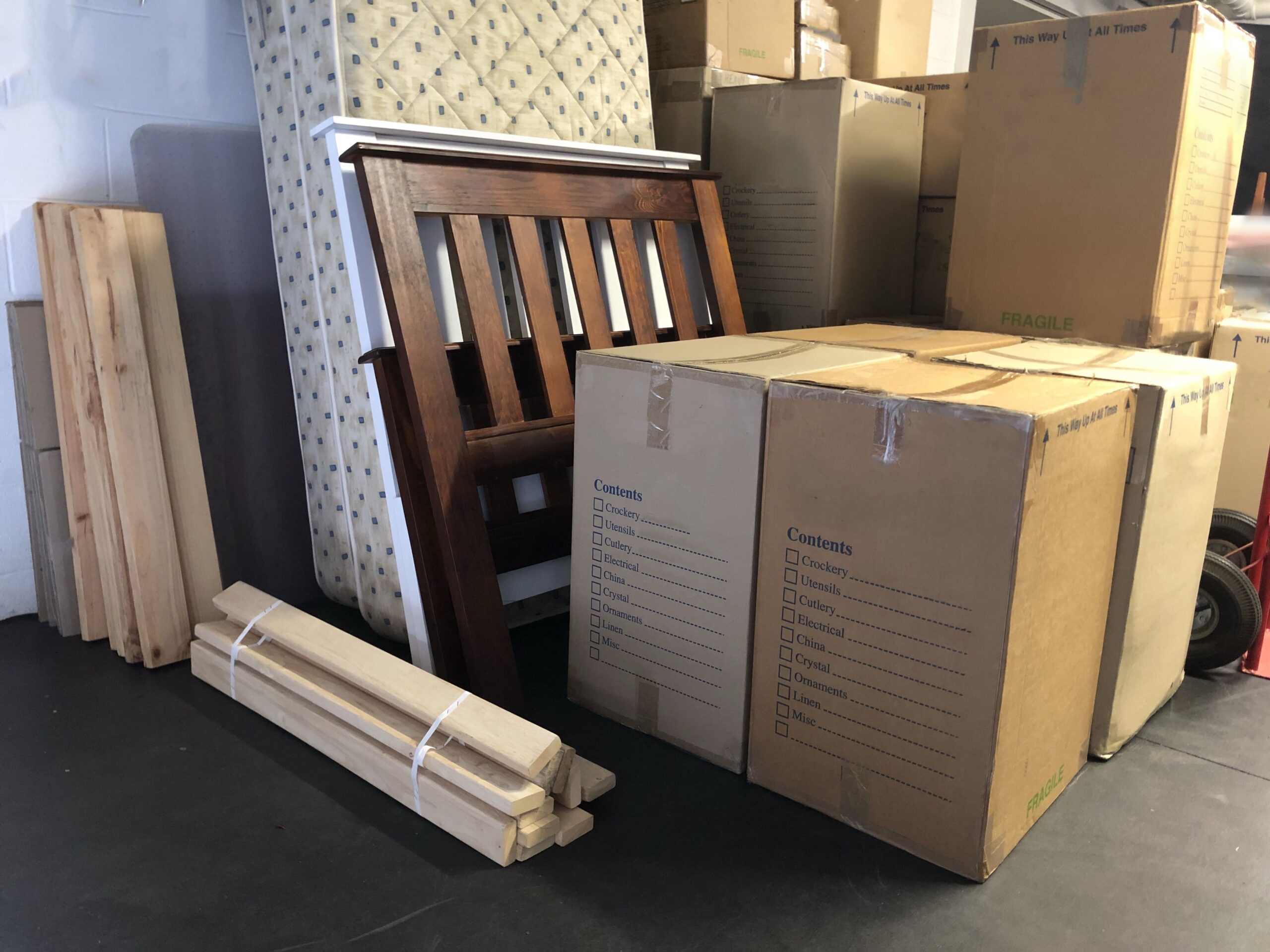
- Cost-effective and Functional Solution: One of the key findings of the furniture box trend is that it offers a cost-effective and functional solution for consumers. The concept of furniture boxed in flat-pack, ready-to-assemble pieces allows for efficient production, storage, and transportation. This not only reduces manufacturing and logistics costs but also offers lower prices for consumers, making it an attractive option for budget-conscious shoppers.
- Growing Online Market: Another important finding is the rapid growth of the online market for furniture box. With the increasing popularity of e-commerce platforms, consumers can now conveniently browse and order furniture in the comfort of their homes. Online furniture retailers are capitalizing on this trend by offering a wide range of furniture box options, providing customers with ample choices and customization possibilities.
- Convenience and Speed: Furniture box offers convenience for both consumers and retailers. Consumers can easily fit furniture boxes in their cars or have them delivered quickly to their doorsteps. Retailers benefit from reduced storage space requirements as unassembled furniture takes up less room. Additionally, assembling furniture at home eliminates the need for specialized delivery teams and reduces the risk of damage during transit.
- Eco-Friendly Approach: The furniture box trend aligns with sustainability concerns and eco-friendly practices. Since flat-pack furniture requires less space for transportation, it significantly reduces carbon emissions associated with traditional bulky furniture. Moreover, the use of renewable and recyclable materials in production contributes to reducing environmental impact.
Recap of Key Insights:
- Changing Consumer Preferences: The furniture box trend reflects the changing preferences and needs of consumers. Studies show that a growing number of customers now prioritize convenience, affordability, and customization options when buying furniture. Furniture box caters to these preferences by offering affordable, customizable options that can be easily transported and assembled.
- Evolution of Manufacturing and Supply Chain: The rise of the furniture box trend has necessitated changes in manufacturing processes and supply chains. Companies have embraced lean production methods and optimized their supply chains to meet the demands of furniture box production. This shift has allowed manufacturers to accommodate more product variety, reduce waste, and streamline operations.
- Challenges and Opportunities for Traditional Retailers: Traditional brick-and-mortar furniture retailers face both challenges and opportunities with the furniture box trend. While some retailers have successfully incorporated furniture box offerings into their business models, others struggle with the logistics and showroom requirements associated with this trend. Adapting to online sales, implementing efficient delivery systems, and leveraging the benefits of customization are key for traditional retailers to thrive in this dynamic market.