
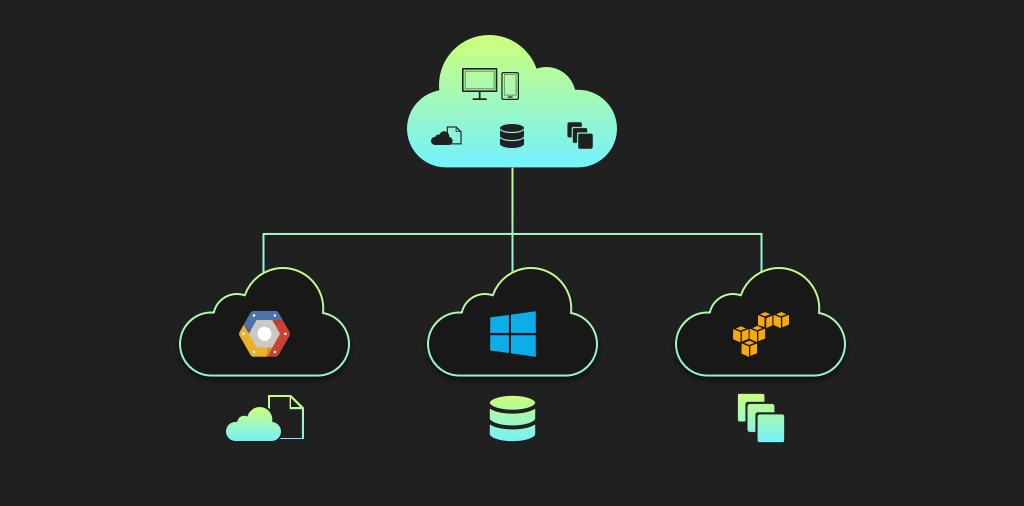
Uncovering the Unstoppable Rise of Multi-Cloud Deployment in Enterprise IT

The Rise of Multi Cloud: Empowering Businesses with Unprecedented Flexibility
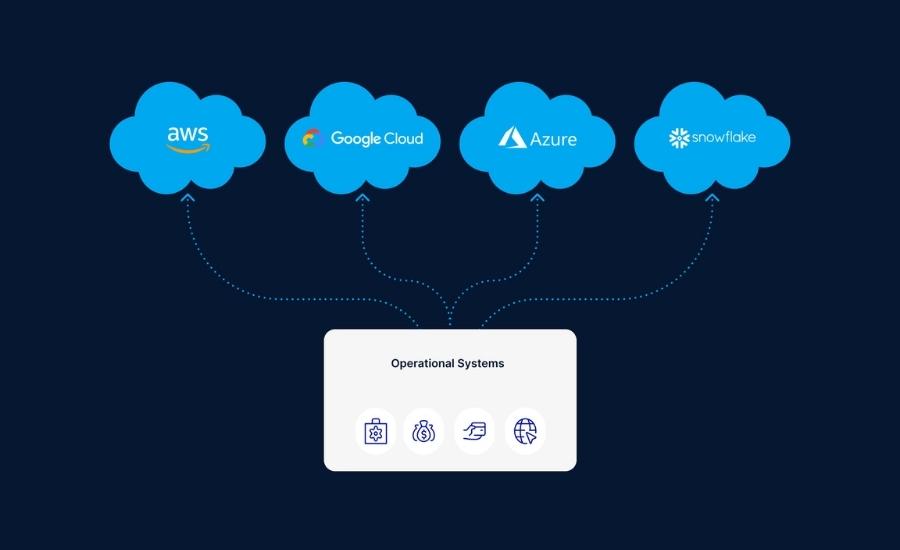
The world of cloud computing has evolved significantly over the years, and one of the latest trends making waves is the adoption of multi cloud solutions. This approach involves using multiple cloud service providers simultaneously to meet different business needs. Multi cloud offers unparalleled flexibility, resilience, and agility, making it a popular choice for organizations across various industries and demographic segments.
Understanding Multi Cloud:
In a multi cloud environment, businesses leverage a combination of public, private, and hybrid clouds to optimize their operations and infrastructure. Rather than relying on a single cloud provider, organizations can cherry-pick the best services and features from multiple providers to create a tailor-made cloud solution that meets their unique requirements.
Origins of Multi Cloud:
The concept of multi cloud emerged as a response to the limitations of a single cloud provider. Initially, businesses turned to multiple cloud platforms due to concerns such as avoiding vendor lock-in, mitigating risks of service interruptions, or taking advantage of specialized offerings from different providers. Over time, the concept has evolved, and multi cloud strategies have become more nuanced, encompassing a wider range of benefits and use cases.
Popularity Across Demographics:
The popularity of multi cloud solutions extends to various demographics, including businesses of different sizes, industry sectors, and geographic locations. Large enterprises have been early adopters of multi cloud, leveraging its flexibility to optimize their diverse workflows and infrastructure. Medium-sized and small businesses have also embraced multi cloud, capitalizing on the ability to mix cost-effective public cloud services with tailored private cloud offerings.
In addition, multi cloud is gaining traction in sectors such as finance, healthcare, e-commerce, and media. Each industry has unique requirements, compliance regulations, and security concerns, making multi cloud an attractive option to navigate the complex cloud landscape while maximizing efficiency and innovation.
With its ability to combine the strengths of multiple cloud providers, multi cloud has revolutionized the way businesses deploy and manage their cloud infrastructure. The trend has gained popularity among organizations globally, providing them with unprecedented flexibility, scalability, and choice. As the cloud computing landscape continues to evolve, the multi cloud approach is expected to become even more mainstream, empowering businesses to leverage the best-of-breed cloud technologies to drive their success.
The Market Size and Growth of Multi Cloud
The multi cloud market has witnessed significant growth in recent years, fueled by the increasing adoption of cloud computing and the need for organizations to leverage multiple cloud platforms. According to a report by MarketsandMarkets, the global multi cloud market is projected to reach $100 billion by 2025, growing at a compound annual growth rate (CAGR) of around 25% from 2020 to 2025.
What is Multi Cloud?
Multi cloud refers to the use of multiple cloud computing and storage services from different providers to meet an organization's specific requirements. Unlike a single cloud strategy that relies on a single cloud provider, multi cloud solutions provide businesses with the flexibility to choose different vendors based on their unique needs, such as cost-efficiency, performance, security, or specialized services.
Factors Driving Market Growth
Several factors are driving the market growth of multi cloud:
- Flexibility and Vendor Independence: The ability to leverage multiple cloud platforms allows organizations to avoid vendor lock-in and choose the best services from different providers. This flexibility enables businesses to optimize their cloud strategies, minimize risks, and tailor solutions to their specific needs.
- Improved Performance: Multi cloud solutions enable organizations to distribute workloads across multiple cloud platforms, improving performance and reducing latency. By leveraging the strengths of different providers and utilizing various regions and data centers, companies can achieve better speed, scalability, and availability for their applications and services.
- Enhanced Security and Risk Mitigation: By adopting a multi cloud approach, organizations can enhance their security posture by spreading their data and workloads across multiple providers. This diversification reduces the risk of a single point of failure and makes it more challenging for cyber threats to compromise the entire infrastructure.
- Cost Optimization: Multi cloud strategies allow organizations to select cost-effective services from different providers based on their price-performance ratio. By leveraging the competitive pricing and offerings of multiple vendors, businesses can optimize their cloud spend and achieve cost savings.
- Specialized Services: Different cloud providers excel in different areas and offer specialized services, such as machine learning, artificial intelligence, big data analytics, or IoT capabilities. Adopting a multi cloud strategy enables organizations to leverage these specialized services to meet their specific business requirements without being restricted to a single vendor's offerings.
Geographical Market Insights
The multi cloud market is experiencing significant growth across various regions. North America dominates the market due to the presence of major cloud providers, increasing adoption of advanced technologies, and the need for hybrid and multi cloud solutions among enterprises. The Asia Pacific region is witnessing rapid growth due to the rising adoption of cloud services and government initiatives promoting digital transformation.
The multi cloud market is poised for substantial growth as organizations recognize the benefits of leveraging multiple cloud platforms. The flexibility, performance improvements, enhanced security, cost optimization, and access to specialized services are driving the adoption of multi cloud strategies. As the market continues to evolve, businesses should carefully evaluate their cloud requirements and choose the right mix of providers to maximize the benefits of multi cloud solutions.
Emerging Consumer Demand and Preferences in the Multi-Cloud Landscape
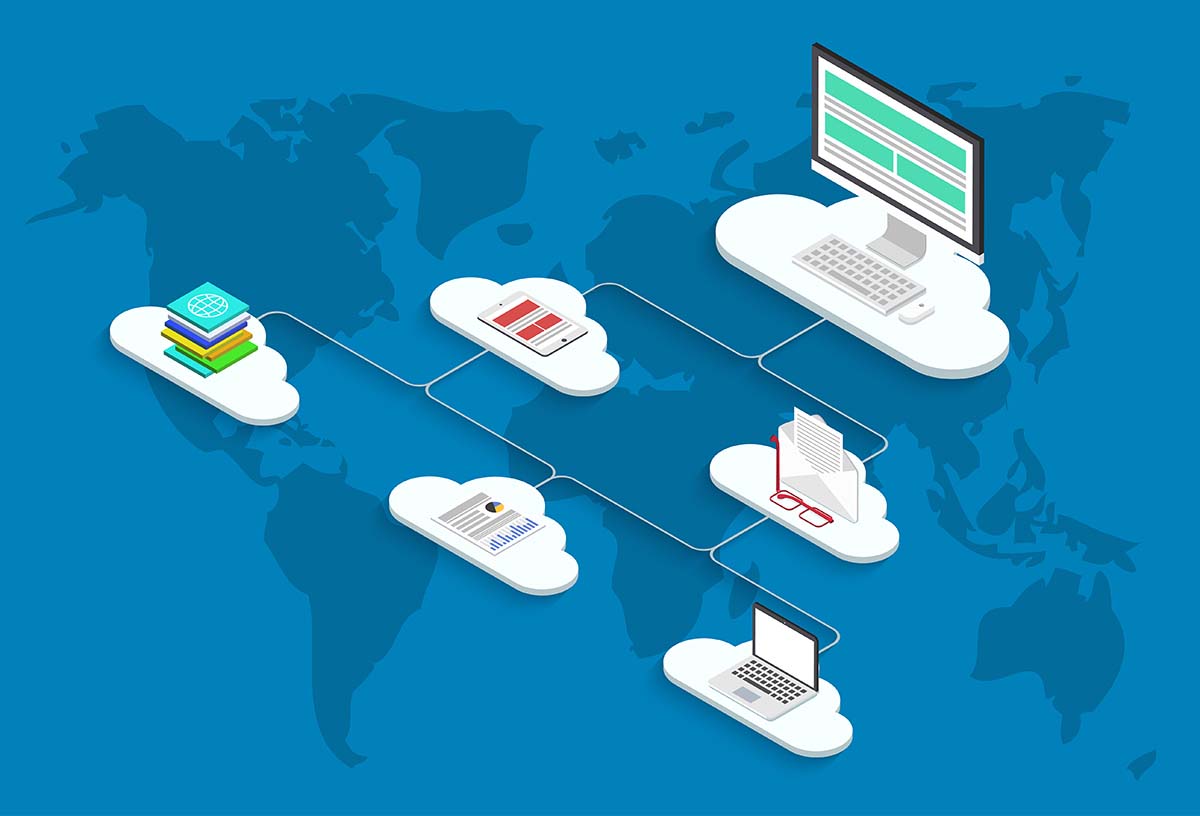
As cloud computing continues to shape the modern technology landscape, organizations are increasingly adopting multi-cloud strategies to maximize flexibility, scalability, and operational efficiency. The concept of multi-cloud refers to the use of multiple cloud providers to leverage the unique offerings of each platform, thereby reducing dependence on a single vendor and avoiding vendor lock-in. This article explores the emerging consumer demand and preferences in the multi-cloud trend, focusing on key factors driving its adoption.
Growing Consumer Demand for Multi-Cloud:
- Flexibility and Agility: Organizations are seeking the ability to cherry-pick cloud services to meet their specific needs, without being constrained by the limitations of a single cloud vendor. Multi-cloud allows businesses to leverage various providers, combining different infrastructure, platforms, and tools to achieve desired outcomes. By selecting the best services for each requirement, organizations can adapt quickly to changing market dynamics and technology advancements.
- Vendor Diversification: Many organizations prioritize vendor diversification to mitigate risks associated with reliance on a single cloud provider. Multi-cloud enables businesses to distribute workloads across multiple providers, decreasing the impact of any service outages or disruptions. This diversification also provides leverage in negotiations, encourages healthy competition among vendors, and safeguards against price fluctuations.
- Optimized Performance and Cost Management: Multi-cloud strategies allow organizations to optimize performance and cost by leveraging cloud services tailored to each workload. By adopting a mix of providers, businesses can select the most suitable infrastructure for specific applications or workloads, resulting in improved performance, scalability, and cost efficiency. For example, high-performance workloads can be placed on a provider specializing in such services, while cost-sensitive workloads can be deployed on providers offering competitive pricing models.
Preferences and Considerations in Multi-Cloud Adoption:
- Interoperability and Portability: Ensuring seamless interoperability and data portability across different cloud environments is critical for successful multi-cloud adoption. Consumers value cloud providers that facilitate easy integration between platforms and offer standardized APIs and toolsets, simplifying workload migration and management across multiple environments. Interoperability prevents vendor lock-in and allows organizations to switch providers when required.
- Security and Compliance: Security and compliance are pivotal factors in multi-cloud decision-making. Consumers prioritize cloud providers with robust security measures, strong data encryption, and comprehensive compliance certifications to protect sensitive information. Additionally, they seek providers equipped with tools and services that enable consistent security and compliance management across multiple cloud environments, streamlining governance and risk mitigation processes.
- Unified Management and Monitoring: To optimize operations and streamline administration, consumers demand comprehensive management and monitoring capabilities that span multiple cloud platforms. Solutions offering centralized dashboards, analytics, and automation capabilities are favored by organizations, as they reduce complexity and allow for efficient resource allocation, performance monitoring, and cost optimization across all provider environments.
The rising demand for multi-cloud solutions reflects the need for increased flexibility, vendor diversification, and optimized performance in today's dynamic business landscape. Organizations are keen on selecting cloud providers and services that prioritize interoperability, security, compliance, and unified management. By embracing multi-cloud strategies and considering these preferences, businesses can stay ahead of the curve and unlock the full potential of cloud computing in a rapidly evolving digital ecosystem.
Industry Players and Competition in the Multi-Cloud Market
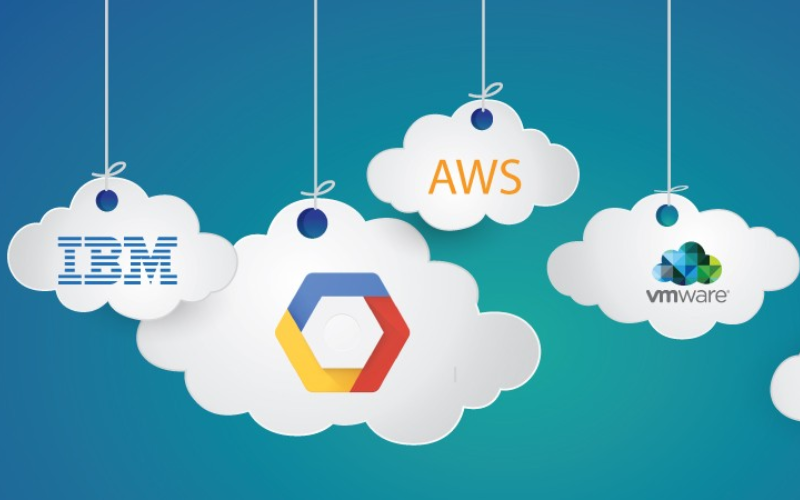
The increasing need for flexibility, scalability, and cost optimization has led many businesses to adopt a multi-cloud strategy. Multi-cloud refers to the use of multiple cloud computing services from various providers, allowing organizations to leverage the strengths of different platforms while avoiding vendor lock-in.
Key Industry Players
The multi-cloud market is evolving rapidly, with several prominent players vying for dominance. Let's take a look at some of the major industry players in the multi-cloud space:
- Amazon Web Services (AWS): As the leading cloud service provider, AWS offers a wide range of services and has a significant presence in the multi-cloud market. With services like Amazon Elastic Compute Cloud (EC2), Amazon Simple Storage Service (S3), and Amazon Relational Database Service (RDS), AWS provides a robust foundation for multi-cloud deployments.
- Microsoft Azure: Azure has emerged as a strong competitor in the multi-cloud market, offering a comprehensive suite of services and seamless integration with other Microsoft products. Azure's hybrid capabilities, such as Azure Stack, enable businesses to extend their on-premises infrastructure to the cloud.
- Google Cloud: Google Cloud Platform (GCP) provides a scalable and reliable multi-cloud solution with its extensive infrastructure and advanced analytics capabilities. GCP's Anthos platform offers organizations the ability to manage multi-cloud and hybrid environments, allowing them to build, deploy, and manage applications seamlessly across different cloud providers.
- IBM Cloud: IBM Cloud aims to provide a unique multi-cloud experience by combining its infrastructure, software, and services. With its IBM Cloud Paks, organizations can build applications once and deploy them across multiple cloud environments, leveraging pre-integrated solutions for faster adoption.
Competition among Industry Players
The competition among these industry players is fierce, as each one strives to differentiate itself and capture a larger share of the multi-cloud market. Some of the key areas where competition is evident include:
- Service Offerings: Industry players continually enhance their service offerings to meet evolving market demands. They introduce new services, improve performance, and enhance security features to attract customers. For example, AWS offers a broad range of services, including compute, storage, database, and machine learning, while Azure focuses on seamless integration with Windows-based applications.
- Pricing Models: Cloud providers constantly review and revise their pricing models to remain competitive. They offer various pricing options, such as pay-as-you-go, reserved instances, and spot instances, to attract businesses with different budgetary requirements. Comparing pricing structures and optimizing costs is crucial for organizations adopting a multi-cloud strategy.
- Integration Capabilities: Seamless integration with existing IT infrastructure and applications is a significant differentiator. Industry players invest heavily in providing robust integration capabilities, ensuring that businesses can easily connect and manage their multi-cloud environments. For example, Azure Arc allows organizations to manage resources across multiple clouds and on-premises, providing a centralized management experience.
- Partnerships and Acquisitions: Cloud providers actively form strategic partnerships and make acquisitions to expand their capabilities and enhance their multi-cloud offerings. These collaborations enable them to provide end-to-end solutions, industry-specific services, and specialized expertise to customers. For instance, Google Cloud's partnership with Cisco allows businesses to deploy applications in a hybrid cloud environment.
As the multi-cloud market continues to evolve, we can expect existing industry players to strengthen their positions and new entrants to join the competition. This dynamic landscape creates opportunities for businesses to choose from a wide range of services and solutions, catering to their specific multi-cloud needs.
Unleashing the Power of Multi-Cloud: Revolutionizing the Future of Technology

In today's rapidly evolving digital landscape, businesses are increasingly relying on cloud technology to drive innovation, enhance scalability, and optimize operational efficiency. While public cloud usage has become the norm for many organizations, a new paradigm is emerging—multi-cloud computing. This technological innovation is revolutionizing the way businesses harness the power of the cloud by enabling them to leverage multiple cloud providers simultaneously.
The Rise of Multi-Cloud Computing
Multi-cloud computing refers to the strategic distribution of workloads across multiple cloud environments, whether public or private, from different vendors. In contrast to using a single cloud provider, multi-cloud computing offers organizations greater flexibility, scalability, redundancy, and improved control over their cloud infrastructure. This approach allows businesses to select the best services from various cloud providers, tailor their applications' architecture for specific needs, and mitigate risks associated with vendor lock-in.
Unlocking the Benefits of Multi-Cloud
- Flexibility and Vendor Diversity: By adopting a multi-cloud strategy, organizations can cherry-pick the most suitable services from different cloud providers based on their specific requirements. This flexibility empowers businesses to tailor their cloud environments, balance costs, and leverage the unique strengths of different platforms to optimize performance.
- Improved Scalability and Performance: With multi-cloud, businesses can distribute their workloads across multiple cloud platforms, ensuring superior scalability and improved performance. By tapping into the resources of different cloud providers, organizations can effortlessly handle spikes in demand, ensuring seamless scalability without compromising on performance levels.
- Enhanced Resilience and Redundancy: Multi-cloud computing provides built-in redundancy, mitigating the risk of downtime and data loss. By distributing workloads across multiple providers, businesses can ensure higher availability, resiliency, and disaster recovery capabilities. In the event of a service outage on one cloud platform, workloads can be seamlessly shifted to another, ensuring business continuity.
- Optimized Cost Control: Multi-cloud offers organizations greater control over their cloud-related expenses. By leveraging different cloud providers, businesses can compare costs, negotiate better deals, and manage budget optimization effectively. This cost arbitrage allows businesses to allocate resources intelligently, maximizing efficiency and minimizing overspending.
- Security and Risk Mitigation: Multi-cloud computing reduces the risk of vendor lock-in and enhances security. By distributing workloads across multiple cloud platforms, businesses can mitigate the impact of potential security breaches, ensuring data remains protected even in the worst-case scenarios. Additionally, multi-cloud facilitates compliance with industry-specific regulations by allowing businesses to select cloud providers with suitable certifications and security controls.
Challenges and Considerations
While multi-cloud computing offers numerous benefits, it also presents certain challenges that businesses must consider:
- Complexity and Management: Managing multiple cloud environments can be complex, requiring specialized expertise and robust orchestration capabilities. To optimize multi-cloud deployments, businesses need to invest in tools, platforms, and personnel with relevant skills to efficiently manage and monitor their entire cloud ecosystem.
- Data Integration and Interoperability: Ensuring seamless data integration and interoperability across different cloud platforms can be challenging. Organizations must carefully plan and implement robust integration strategies to enable smooth data flow and avoid potential bottlenecks or compatibility issues.
- Security and Governance: Securing multiple cloud environments and enforcing consistent security policies can be complex. Businesses need to implement comprehensive security architectures, identity access management solutions, and establish strong governance frameworks to protect sensitive data and ensure compliance across multiple cloud providers.
Embracing the Future with Multi-Cloud
As technological innovation paves the way for vast opportunities, the adoption of multi-cloud computing is becoming an essential strategy for businesses seeking to unlock the full potential of the cloud. With its inherent flexibility, scalability, improved resilience, and better cost management, multi-cloud represents a foundation for innovation and growth. Organizations that embrace this approach will gain a competitive advantage, enabling them to navigate the ever-changing technological landscape and drive success in the digital era.
Regional Trends and Cultural Influences on Multi-Cloud Adoption

In recent years, the adoption of multi-cloud strategies has become increasingly popular among businesses of all sizes. The use of multiple cloud service providers offers enhanced flexibility, increased redundancy, and improved risk management. However, the trends and cultural influences surrounding multi-cloud adoption vary across different regions. This section explores some of the key factors shaping the adoption of multi-cloud in different parts of the world.
- North America: Emphasis on Vendor Diversity and Agility North America has emerged as a leader in multi-cloud adoption. The region is characterized by a strong emphasis on vendor diversity and agility. Unlike other regions where organizations often rely on a single dominant cloud provider, North American businesses prefer to spread their workloads across multiple providers. This approach allows them to take advantage of competitive pricing, leverage specialized capabilities, and avoid vendor lock-in. Moreover, the cultural emphasis on innovation and agility in North American business culture contributes to the adoption of multi-cloud strategies.
- Europe: Regulatory Compliance and Data Sovereignty In Europe, the adoption of multi-cloud is driven by regulatory compliance and data sovereignty concerns. The General Data Protection Regulation (GDPR) has placed stringent requirements on how organizations handle and transfer personal data. To comply with GDPR and ensure data sovereignty, European businesses often opt for multi-cloud strategies that allow them to store and process data within specific geographic regions. The cultural focus on privacy and data protection also influences the preference for multi-cloud adoption in Europe.
- Asia-Pacific: Hybrid Cloud and Cost Optimization In the Asia-Pacific region, the adoption of multi-cloud is influenced by the widespread use of hybrid cloud models and the focus on cost optimization. Many businesses in this region have already invested in on-premises infrastructure and are gradually transitioning to the cloud. Hybrid cloud architectures, which combine on-premises infrastructure with multiple cloud providers, offer a practical approach to cloud adoption. Additionally, the cultural emphasis on cost-consciousness drives organizations in Asia-Pacific to adopt multi-cloud strategies to achieve better cost optimization through competitive pricing and workload distribution.
- Latin America: Digital Transformation and Flexibility In Latin America, multi-cloud adoption is driven by the pursuit of digital transformation and the need for greater flexibility. Many businesses in the region are undergoing digital transformations to enhance their competitiveness. Multi-cloud strategies enable them to leverage the strengths of different cloud providers and technologies, facilitating the adoption of innovative solutions. Additionally, the cultural emphasis on adaptability and flexibility influences the preference for multi-cloud. Organizations in Latin America recognize the value of being able to scale their IT infrastructure swiftly to meet changing market demands.
- Middle East and Africa: Connectivity and Disaster Recovery In the Middle East and Africa, multi-cloud adoption is influenced by the need for enhanced connectivity and disaster recovery capabilities. These regions often face unique challenges such as unreliable internet connectivity and a higher risk of natural disasters. To mitigate risks and ensure business continuity, organizations in the Middle East and Africa leverage multi-cloud to distribute their workloads across different providers and regions. The cultural emphasis on resilience and preparedness also plays a role in the adoption of multi-cloud strategies in these regions.
Regional trends and cultural influences shape the adoption of multi-cloud strategies around the world. Whether driven by vendor diversity, regulatory compliance, hybrid cloud adoption, digital transformation, or connectivity and disaster recovery, businesses in different regions are realizing the benefits of a multi-cloud approach. Understanding these regional trends and cultural influences can help organizations make informed decisions about their cloud strategies and adapt to the unique challenges and opportunities in their respective markets.
The Rise of Multi-Cloud: How Social Media Influencers are Shaping the Future

Social media has brought about a revolution in the world of marketing and advertising. With the advent of platforms like Instagram, YouTube, and TikTok, individuals known as "influencers" have gained significant prominence. Influencers are individuals who have built a large following on social media platforms and have the power to influence the opinions and purchasing decisions of their followers. From beauty and fashion to fitness and travel, influencers have made their mark on a wide range of industries. And now, the phenomenon of multi-cloud is catching their attention.
What is Multi-Cloud?
Multi-cloud refers to the strategy of using multiple cloud computing and storage services from different providers. Rather than relying on a single cloud service, companies are adopting multi-cloud strategies to utilize the strengths and capabilities of different cloud platforms. This approach allows organizations to avoid vendor lock-in, achieve cost optimization, enhance data security, and improve overall operational resilience.
Influencers in the Multi-Cloud Space
While multi-cloud might seem like a technical concept predominantly discussed in IT circles, it has also attracted the attention of social media influencers. Influencers with expertise in technology, cloud computing, and software development have started creating content around multi-cloud and its benefits. They are simplifying complex technical jargon and explaining the advantages of multi-cloud strategies to their followers.
These influencers promote the use of multi-cloud through various means: blog posts, YouTube videos, Instagram stories, and LinkedIn articles. By discussing real use cases, sharing success stories, and providing practical tips, they aim to empower businesses and individuals to make informed decisions regarding their cloud strategies.
Why are Influencers Important in the Multi-Cloud Space?
Influencers play a crucial role in driving awareness and adoption of multi-cloud strategies. Here are three reasons why influencers are important in the multi-cloud space:
- Democratizing Knowledge: Influencers possess the ability to make complex concepts accessible to a broader audience. They break down technical subjects, such as multi-cloud, into digestible and relatable content, helping businesses and individuals understand its benefits and use cases.
- Building Credibility: Influencers establish credibility through their expertise and experience in multi-cloud strategies. They often provide practical insights and recommendations based on their own first-hand experiences, making their content more trustworthy and reliable.
- Creating a Community: Influencers foster a sense of community among their followers who are interested in the multi-cloud space. They connect like-minded individuals, creating opportunities for networking, sharing knowledge, and exchanging ideas. This community-building aspect helps people stay updated on the latest trends and advancements in multi-cloud strategies.
The Future is Influencer-Driven
As the multi-cloud landscape continues to evolve, influencers are expected to have an increasingly significant impact on its growth and adoption. By leveraging their reach, expertise, and storytelling skills, they bring the benefits of multi-cloud to a wider audience. Their influence not only helps businesses make more informed decisions but also encourages cloud service providers to improve their offerings to meet the evolving needs of customers.
In essence, influencers are playing a pivotal role in shaping the future of multi-cloud. By capitalizing on their ability to simplify complex concepts, build credibility, and foster community, they are driving awareness and accelerating the adoption of multi-cloud strategies across industries. As businesses navigate the dynamic world of cloud computing, influencers will continue to guide them towards the advantages and best practices of multi-cloud.
The Future Outlook and Forecast for Multi-Cloud Adoption

Multi-cloud adoption refers to the strategy of utilizing multiple cloud service providers to maximize flexibility, avoid vendor lock-in, and enhance overall business agility. As organizations increasingly recognize the benefits of diversifying their cloud infrastructure, the trend of multi-cloud adoption has gained significant momentum. In this article, we will explore the future outlook and forecast for multi-cloud adoption by analyzing key drivers, challenges, and potential growth areas.
- Increasing Demand for Multi-Cloud Strategies:
- Advancements in Cloud Interoperability and Management:
- Enhanced Data Governance and Security Measures:
- Hybrid Cloud and Multi-Cloud Convergence:
- Industry-specific Multi-Cloud Applications:
- Challenges and Considerations:
The future of multi-cloud adoption appears promising, with a growing number of organizations recognizing the benefits of diversified cloud architectures. Advancements in cloud interoperability, data governance, and security measures, along with industry-specific applications, will continue to fuel the adoption of multi-cloud strategies. However, organizations must carefully consider the associated challenges and invest in the right tools and expertise to harness the full potential of multi-cloud architectures.
Key Findings and Insights: The Rise of Multi Cloud

In recent years, the concept of multi cloud has gained significant traction in the world of cloud computing. As organizations increasingly rely on cloud services to power their operations, the need for greater flexibility, scalability, and resilience has driven the adoption of multi cloud environments.
- Diversification of Services and Vendors: One of the key drivers behind the adoption of multi cloud is the desire to leverage the unique capabilities and services offered by different cloud providers. Companies often integrate multiple cloud platforms, such as Amazon Web Services (AWS), Microsoft Azure, Google Cloud Platform (GCP), and others, to take advantage of the strengths and specialized offerings of each provider. By diversifying services and vendors, organizations can tailor their cloud infrastructure to meet specific needs and avoid vendor lock-in.
- Enhanced Resilience and Disaster Recovery: Multi cloud strategies enable organizations to distribute their critical workloads and data across multiple cloud environments. This approach enhances resilience by minimizing the impact of potential downtime or service disruptions that could occur with a single-cloud provider. By replicating data and applications across different clouds, businesses can achieve robust disaster recovery capabilities and ensure business continuity.
- Increased Cost Optimization: Another significant benefit of a multi cloud approach is the potential for cost optimization. By balancing workloads across multiple cloud providers, organizations can strategically select the most cost-efficient services for each specific task or workload. This flexibility allows companies to avoid over-provisioning or overpaying for services that may not be necessary, resulting in potential cost savings.
- Best-of-Breed Solutions: Multi cloud also enables organizations to select the best-of-breed solutions for each business requirement. By combining different cloud providers, businesses can tap into the extensive ecosystem of services available and choose the most suitable option for their specific needs. This allows for greater customization, scalability, and optimization of the overall cloud infrastructure.
- Complex Management and Integration: While multi cloud brings numerous benefits, it also introduces complexities around management and integration. Companies need to consider factors such as data transfer, cybersecurity, compliance, and interoperability when integrating multiple clouds. Additionally, effectively managing and monitoring a diverse cloud environment requires advanced tools and expertise to ensure optimal performance, security, and cost control.
- Growing Trend and Future Outlook: The adoption of multi cloud is expected to continue its rapid growth trajectory. According to a report by Gartner, by 2022, more than 75% of organizations are expected to be using multiple public cloud providers. As businesses realize the advantages of diversification and flexibility, multi cloud is anticipated to become the standard approach for cloud deployments.