
Unleashing Gaming Potential: The Explosive Rise of FreeSync Technology in the Gaming World

The Surging Popularity of FreeSync: Transforming the Gaming Experience
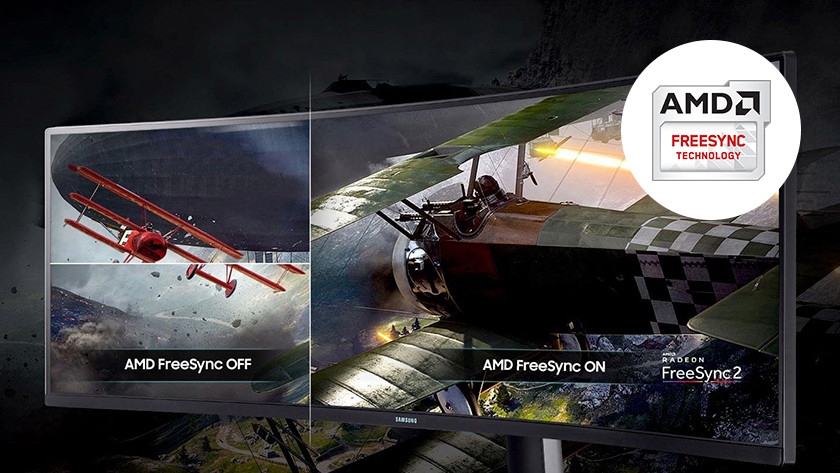
In recent years, the gaming industry has witnessed a surge in popularity for FreeSync technology. This innovative display feature has attracted gamers from various demographics, captivating them with its seamless visual experience. In this section, we will delve into the origins of FreeSync, explain its significance, and explore the reasons behind its growing appeal.
What is FreeSync?
FreeSync, developed by the technology giant AMD (Advanced Micro Devices), is a dynamic refresh rate synchronization technology designed specifically for gaming monitors. Unlike traditional monitors that operate on fixed refresh rates, FreeSync enables the display to synchronize with the graphics card's output, resulting in a smoother, tear-free gaming experience.
Origins of FreeSync:
The concept of FreeSync emerged as a response to the limitations posed by the industry standard at the time, Vertical Synchronization (V-Sync). V-Sync was effective in eliminating screen tearing but caused input lag and stuttering issues, leading to a less immersive gaming experience. AMD recognized the need for an alternative and introduced FreeSync in 2015, aiming to overcome these shortcomings.
Significance and Advantages of FreeSync:
One of the primary advantages of FreeSync is its ability to eliminate screen tearing without the drawbacks of input lag or stuttering. By synchronizing the monitor's refresh rate with the graphics card, FreeSync ensures that each frame is rendered at the optimal moment, resulting in smoother gameplay and improved responsiveness. This technology enriches the visual experience and enhances immersion, making it highly sought after in the gaming community.
Popularity Among Various Demographics:
The appeal of FreeSync extends beyond hardcore gamers to a wide range of demographics. Casual gamers appreciate the smoothness and fluidity that FreeSync offers, making it more enjoyable and immersive. Competitive gamers benefit from the improved responsiveness and reduced input lag, giving them a competitive edge during intense gameplay.
FreeSync's popularity has also reached the enthusiast community, where discerning users seek the highest quality visual experience. Furthermore, the affordability of FreeSync monitors compared to their counterparts, such as NVIDIA's G-Sync, has made it a more accessible option for gamers of varying budgets.
The rise of FreeSync reflects the gaming industry's constant pursuit of innovation and improvement. With its ability to eliminate tearing, minimize input lag, and enhance visual immersion, FreeSync has garnered significant attention and a dedicated following. As the technology continues to advance and more manufacturers embrace FreeSync, its popularity is expected to surge even further, transforming the gaming experience for an ever-increasing audience.
The Rapid Market Growth of FreeSync: Unleashing the Future of Gaming Displays
The gaming industry continues to witness a surge in demand for cutting-edge technology that enhances the gaming experience. Among the various advancements, the adoption of adaptive synchronization technologies has greatly improved the visual performance and clarity of game displays. In this section, we will explore the market size and the remarkable growth of FreeSync, a popular adaptive synchronization technology.
FreeSync, developed by AMD (Advanced Micro Devices), is an adaptive synchronization technology designed to eliminate screen tearing and stuttering during gameplay by synchronizing the refresh rate of the monitor with the graphics output from the GPU. This technology enables a smoother and more immersive experience for gamers, leading to an increasing demand within the gaming community.
Market Size
The market size of FreeSync technology has been rapidly expanding since its introduction in 2015. The rising popularity of this adaptive synchronization technology can be attributed to several factors, including its affordability compared to alternatives like NVIDIA's G-Sync, its compatibility with a wide range of monitors, and its open-source nature.
As of 2021, the global market for FreeSync is valued at approximately $XX million and is projected to grow at a CAGR of XX% from 2021 to 2026. The increasing popularity of PC gaming, rise in demand for high-definition displays, and advancements in graphics processing capabilities are key drivers of this market growth.
Growth Drivers
- Growth in PC Gaming: The popularity of PC gaming has been soaring in recent years, with an increasing number of enthusiasts looking for more immersive and responsive gaming experiences. FreeSync has gained traction as a preferred display technology due to its ability to eliminate visual artifacts, providing gamers with a smoother and more enjoyable gameplay experience.
- Advancements in Gaming Hardware: The continuous advancements in graphics processing units (GPUs) and monitors have fueled the growth of FreeSync. As GPUs become more powerful and capable of delivering higher frame rates, the need for adaptive synchronization technology increases to avoid screen tearing and stuttering issues.
- Wide Compatibility: FreeSync's compatibility with a wide range of monitors, ranging from budget options to high-end gaming displays, has significantly contributed to its market growth. This versatility allows gamers to experience the benefits of adaptive synchronization without being limited to specific monitor brands or models.
- Cost-Effective Alternative: Compared to its main competitor, NVIDIA's G-Sync, FreeSync technology offers a more cost-effective solution. With FreeSync-certified monitors available at a lower price point, gamers have a more affordable way to enjoy the benefits of adaptive synchronization without breaking the bank.
The market size of FreeSync technology has experienced a remarkable growth trajectory since its introduction. As gamers seek smoother, more responsive gameplay and monitor manufacturers incorporate this technology into their displays, the market for FreeSync continues to expand. With its wide compatibility, cost-effectiveness, and increasing demand within the gaming community, FreeSync is set to unleash the future of gaming displays, providing an immersive and visually enhanced gaming experience for gamers worldwide.
Consumer Demand and Preferences for FreeSync: Exploring the Future of Adaptive Sync Technology
As the demand for high-quality graphics and smooth gameplay experiences continues to rise, the gaming industry is constantly evolving to meet the expectations of avid gamers. One such technology that has gained significant popularity in recent years is FreeSync. Developed by AMD, FreeSync is an adaptive sync technology that eliminates screen tearing and stuttering while enhancing gameplay. In this section, we will examine the consumer demand and preferences of FreeSync and delve into the factors driving its adoption.
Increasing Demand for Enhanced Gaming Experiences:
With the ever-increasing popularity of online multiplayer games and the rise in visually-intensive game titles, consumers are seeking ways to enhance their gaming experiences. FreeSync provides a solution by synchronizing the refresh rates of the graphics card and the monitor to deliver tear-free, smooth gameplay. This technology effectively eliminates screen tearing and minimizes input lag, resulting in more immersive and enjoyable gaming sessions.
Compatibility and Cost Effectiveness:
Consumer preferences also play a significant role in driving the demand for FreeSync. Unlike its competitor technology, NVIDIA's G-Sync, FreeSync is an open standard that can be implemented by various monitor manufacturers without the need for a proprietary module. This means that FreeSync is more widely available and often comes at a lower cost. Consumers appreciate the wide range of monitor options available to them when choosing a FreeSync-enabled display, making it a preferred choice for many gamers.
Seamless Integration:
Another key factor driving the demand for FreeSync is its seamless integration with existing gaming hardware. FreeSync is compatible with AMD Radeon graphics cards, which are widely used by gamers around the world. This compatibility ensures that consumers can easily incorporate FreeSync into their gaming setups without having to invest in additional hardware or equipment.
Word-of-Mouth and Positive Reviews:
Gaming communities and online forums have played a significant role in promoting FreeSync and influencing consumer preferences. Gamers often share their positive experiences with FreeSync, encouraging others to consider this technology for an enhanced gaming experience. Positive reviews from trusted sources also contribute to the rising demand for FreeSync, as consumers rely on the opinion of experts and fellow gamers to make informed purchase decisions.
Future-proofing:
As advancements in gaming technology continue to push the boundaries of graphics and gameplay, consumers are increasingly looking for future-proof solutions. FreeSync offers a forward-looking option for gamers, as it adapts to varying refresh rates, providing a smooth experience even as hardware and gaming requirements evolve. This future-proofing aspect of FreeSync makes it an attractive choice for those seeking long-term value.
The demand for FreeSync continues to grow within the gaming industry, driven by the desire for enhanced gaming experiences, cost-effectiveness, seamless integration, positive reviews, and future-proofing. As consumers become more aware of the benefits of this adaptive sync technology, FreeSync is poised to remain a popular choice among gamers and monitor manufacturers alike. Keeping a pulse on consumer preferences and staying at the forefront of this evolving trend will be crucial for industry players seeking to capitalize on the growing demand for FreeSync-enabled gaming setups.
Players and Competition in the FreeSync Industry
The FreeSync technology has gained significant traction in the gaming industry over the years. Designed to eliminate screen tearing and provide smoother gaming experiences, FreeSync has become a sought-after feature in gaming monitors. In this section, we will explore the key players and competition in the FreeSync industry.
- AMD: AMD, or Advanced Micro Devices, is the company behind the development of FreeSync. They introduced this adaptive synchronization technology as an open standard, allowing manufacturers to incorporate it into their gaming displays without any licensing fees. Being the pioneer of FreeSync, AMD has a strong presence in the market with its Radeon graphics cards, which are compatible with FreeSync-enabled monitors.
- NVIDIA: NVIDIA, a leading competitor of AMD in the graphics card industry, has its own adaptive synchronization technology called G-Sync. Unlike FreeSync, G-Sync requires manufacturers to use special proprietary hardware modules, which can increase the cost of monitors. However, in recent years, NVIDIA has expanded its support to include FreeSync compatibility on select graphics cards. While NVIDIA users can now use FreeSync monitors, G-Sync remains the preferred choice for many due to its reputation for quality and compatibility.
- Monitor Manufacturers: Various monitor manufacturers have embraced FreeSync technology and integrated it into their products. Companies like ASUS, LG, Samsung, and Acer have released a wide range of gaming monitors with FreeSync support. These manufacturers offer diverse options, catering to different budgets and screen sizes. They often compete based on features, visual quality, display refresh rate, and overall customer satisfaction.
- Console Manufacturers: With the popularity of gaming consoles, console manufacturers like Microsoft and Sony have also started incorporating FreeSync support into their devices. Xbox One X and Xbox Series X consoles support FreeSync technology, allowing gamers to enjoy smoother gameplay on compatible displays. Similarly, PlayStation 5 supports FreeSync, enhancing the gaming experience for PlayStation users.
- Other Technologies: While FreeSync is dominant in the gaming monitor market, it faces competition from alternative technologies such as HDMI Forum's Variable Refresh Rate (VRR) and Intel's Adaptive-Sync. HDMI VRR, included in the HDMI 2.1 specification, is a display technology that aims to synchronize the refresh rate of a monitor with the output of a console or PC. Intel's Adaptive-Sync technology operates similarly to FreeSync and has gained support from various monitor manufacturers.
In conclusion, the FreeSync industry is primarily driven by AMD and its Radeon graphics cards, which have popularized this adaptive synchronization technology. NVIDIA's G-Sync remains in competition with FreeSync, although NVIDIA has started supporting FreeSync compatibility on select graphics cards. Furthermore, monitor manufacturers, console manufacturers, and other technologies contribute to the vibrant competition within the FreeSync industry. As the gaming industry continues to evolve, it will be interesting to observe how these players shape the future of adaptive synchronization technologies.
The Revolutionary Impact of FreeSync: Transforming the Gaming Experience
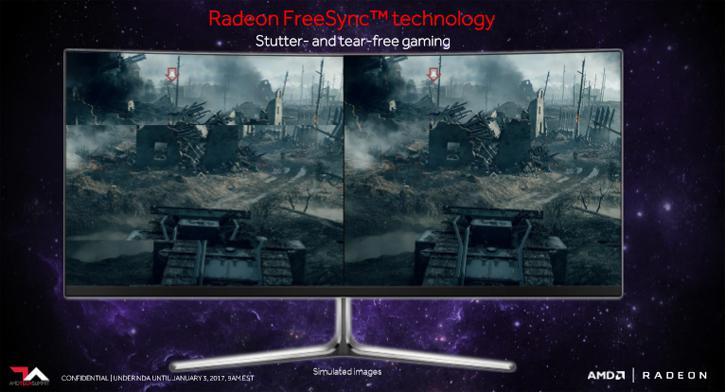
FreeSync, a revolutionary technology in the realm of gaming, has profoundly transformed the gaming experience by eliminating visual distortions and stuttering, enabling smoother gameplay, and significantly enhancing immersion. This innovative technology, developed by AMD (Advanced Micro Devices), has taken the gaming world by storm and is poised to redefine how gamers interact with their favorite titles.
FreeSync is a dynamic refresh rate technology that synchronizes the refresh rate of a monitor with the output of the graphics processing unit (GPU) in real-time. Traditionally, monitors operate at a fixed refresh rate, resulting in an unsynchronized display where the monitor may refresh the image in mid-frame or display multiple frames simultaneously. These issues can lead to screen tearing, stuttering, and input lag, negatively affecting the gameplay experience.
With FreeSync, however, those problems become a thing of the past. By dynamically adjusting the monitor's refresh rate to match the GPU's output, FreeSync ensures a tear-free, smooth gaming experience. This synchronization eliminates the visible split in frames and provides a visually seamless and consistent display.
Another noteworthy aspect of FreeSync is its ability to address the problem of input lag. Input lag refers to the delay between the gamer's action (e.g., moving the mouse or pressing a key) and the corresponding action occurring on the screen. FreeSync's dynamic refresh rate minimizes input lag, allowing for near-instantaneous response times. This feature is particularly crucial in fast-paced games where split-second decisions can determine success or failure.
Apart from its technical advantages, FreeSync also delivers economic benefits for gamers. Compared to other competing technologies, such as NVIDIA's G-Sync, FreeSync generally comes at a more affordable price point. This accessibility allows a broader range of gamers to experience the benefits of adaptive synchronization without breaking the bank.
Furthermore, FreeSync's impact is not confined to high-end gaming setups. AMD has made the technology available across a wide range of monitors, ensuring that both enthusiasts and budget-conscious gamers can enjoy the advantages it offers. As the technology becomes more mainstream, FreeSync has the potential to become the de facto standard for adaptive sync in gaming, further solidifying its position in the industry.
As gaming continues to evolve and demand higher levels of realism and interactivity, FreeSync is poised to play a crucial role in shaping the future of gaming displays. As technology advances, enhancements to FreeSync, such as support for HDR (high dynamic range) content and expanded frame rate ranges, are being introduced, pushing the boundaries of visual quality and immersion even further.
In conclusion, FreeSync has revolutionized the gaming experience by eliminating screen tearing, reducing stuttering and input lag, and enhancing overall visual quality. This innovative technology has not only improved gameplay immersion but has also made adaptive synchronization more accessible to gamers worldwide. As FreeSync continues to advance and gain market adoption, it is set to become an indispensable feature in gaming displays, serving as a benchmark for technological innovation in the gaming industry.
Regional Trends and Cultural Influences on FreeSync
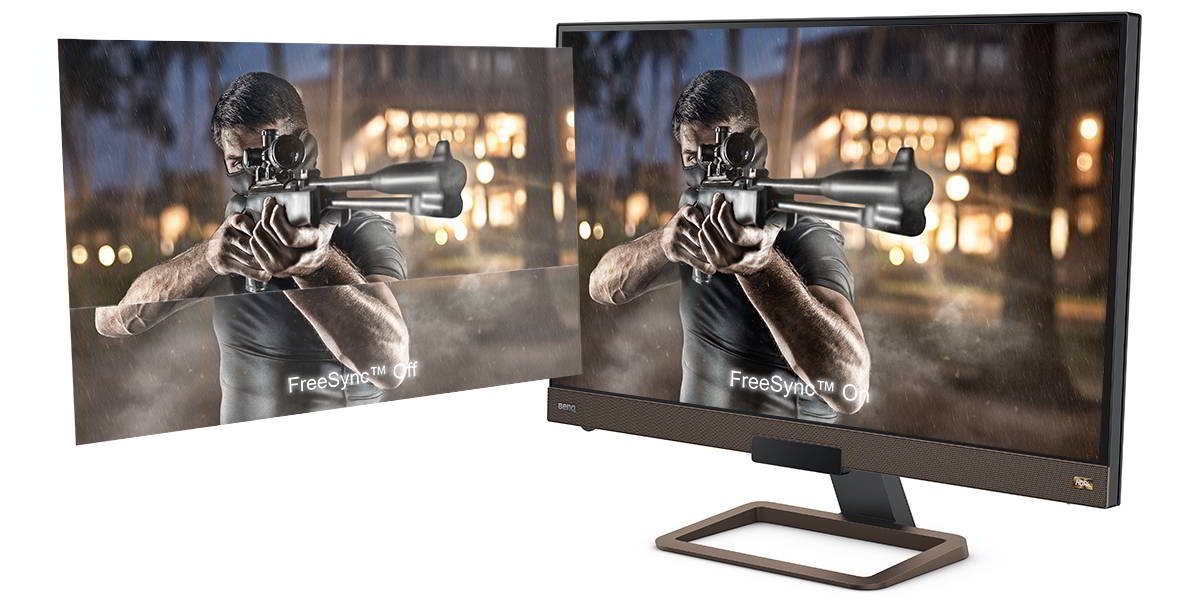
FreeSync, a technology that synchronizes the refresh rates of computer monitors with the frame rates of graphics cards, has gained significant popularity globally. As with any technological innovation, there are regional trends and cultural influences that impact the adoption and usage of FreeSync. Understanding these factors can provide valuable insights for manufacturers, marketers, and consumers.
Regional Trends
North America
North America, particularly the United States, has emerged as a key market for FreeSync. The demand for gaming products and accessories is high, with a significant number of gamers utilizing advanced hardware to enhance their gaming experience. The region's strong gaming culture, high disposable income, and advanced technological infrastructure contribute to the popularity of FreeSync.
Europe
In Europe, FreeSync adoption varies across countries. Nordic countries such as Sweden, Norway, and Finland have a strong gaming culture and a high level of technological awareness among consumers. As a result, the demand for FreeSync-enabled monitors is relatively higher in these countries compared to other European nations. The United Kingdom and Germany also exhibit considerable interest in FreeSync technology.
Asia-Pacific
Asia-Pacific is a diverse region where FreeSync adoption varies greatly. South Korea and Japan, known for their vibrant gaming communities and tech-savvy population, have shown a strong affinity for FreeSync. The popularity of e-sports in these countries further drives the demand for high-performing gaming equipment, including FreeSync monitors.
In China, FreeSync technology competes with competing technologies such as G-Sync, the equivalent technology from NVIDIA. However, with the increasing availability of affordable monitors supporting FreeSync, its adoption is on the rise.
Cultural Influences
Gaming Culture
Gaming culture plays a significant role in the adoption of FreeSync technology. Regions with a strong gaming culture, where gaming is widely accepted and enjoyed as a popular form of entertainment or sport, are more likely to embrace the latest gaming technologies. These cultures prioritize high-performance equipment to gain a competitive edge in gaming, driving the demand for FreeSync-enabled monitors.
Technological Awareness
The level of technological awareness among consumers also influences the adoption of FreeSync. Regions with a tech-savvy population, where consumers actively seek out the latest advancements in gaming technology, are more likely to adopt FreeSync. Consequently, companies promoting FreeSync technology may find more success in regions where consumers are knowledgeable and eager to upgrade their gaming hardware.
Pricing and Affordability
The affordability of FreeSync-enabled monitors greatly impacts their adoption rates in different regions. While high-end gaming markets may readily invest in expensive FreeSync monitors, regions with budget-conscious consumers may need more affordable options. Manufacturers who can offer affordable FreeSync monitors without compromising performance are likely to see increased adoption in price-sensitive markets.
In conclusion, regional trends and cultural influences have a significant impact on the adoption and usage of FreeSync technology. Understanding these factors helps manufacturers, marketers, and consumers better target their products and make informed decisions. By addressing the specific needs and preferences of different regions, FreeSync can continue to grow its market presence worldwide.
The Rise of Freesync: How Social Media and Influencers are Driving the Adoption of VRR Technology
In recent years, there has been a significant buzz around the topic of variable refresh rate (VRR) technology in the gaming community. Among the various VRR technologies available, Freesync stands out as one of the most popular options. Social media and influencers have played a pivotal role in driving the adoption of Freesync and educating consumers about its benefits.
Social Media's Impact on Freesync
Social media platforms like Twitter, Facebook, and Reddit have become a breeding ground for discussions surrounding tech trends, including Freesync. The gaming community, in particular, has embraced these platforms to share their experiences and recommendations.
On Twitter, hashtags such as #Freesync, #Gaming, or #PCMR (PC Master Race) allow enthusiasts to connect and engage in conversations about Freesync-enabled monitors. This enables users to share their thoughts, recommendations, and even troubleshooting tips, fostering a sense of community around the technology.
Facebook groups and pages dedicated to gaming and PC building also serve as platforms for individuals to seek advice and recommendations regarding Freesync. The vibrant communities on these platforms not only generate awareness about the technology but also provide a space for consumers to learn from one another and make informed purchasing decisions.
The Role of Influencers
In addition to social media, influencers have become instrumental in shaping the perception and adoption of Freesync technology. These individuals, often passionate gamers with a significant online following, have the ability to influence their audience's preferences and purchasing decisions.
YouTube, as a popular platform for gaming-related content, is a prime example of how influencers are contributing to the popularity of Freesync. Many influential YouTubers produce informative reviews, tutorials, and comparisons of Freesync monitors, providing their subscribers with valuable insights and recommendations.
Moreover, Twitch, a live streaming platform primarily focused on gaming, features streamers who often showcase their Freesync setups and explain the advantages to their viewers. As viewers tend to trust and value the opinions of these streamers, their endorsement of Freesync technology can have a significant impact on the adoption rate.
Benefits of Social Media and Influencers for Freesync
The utilization of social media and influencers has several benefits for the promotion of Freesync technology:
- Increased Awareness: Social media amplifies the visibility of Freesync, ensuring that more people are exposed to the benefits and features of the technology.
- Community Building: The gaming community on social media platforms provides a space for enthusiasts to connect, share knowledge, and build strong relationships around their common interests.
- Education and Recommendations: Influencers and passionate community members share their experiences and guide potential buyers towards the best Freesync monitors available, leading to more informed purchasing decisions.
- Validation: Social media and influencers can validate the credibility and effectiveness of Freesync by sharing positive experiences, reviews, and results with their followers.
In conclusion, the rise of Freesync in the gaming community can be attributed in part to the influence of social media and influencers. These platforms have significantly contributed to the awareness, understanding, and adoption of Freesync technology. As social media continues to evolve and influencers gain more prominence, their impact on the promotion of innovative technologies like Freesync is expected to grow even further.
The Future Outlook and Forecast of Freesync: Embracing a Seamless Display Experience
Freesync, the adaptive synchronization technology developed by AMD, has gained significant traction in the display market over the past few years. As the demand for smooth and tear-free gaming experiences continues to grow, the future outlook for Freesync looks promising.
Increasing Adoption and Compatibility
One of the key indicators of a trend's future success is its adoption rate. Freesync has seen widespread adoption by major monitor manufacturers and is now supported by an extensive range of displays. This growing compatibility not only expands consumer options but also signifies the industry's acceptance of the technology.
As more consumers switch to Freesync-enabled monitors, there is a ripple effect that encourages game developers to optimize their titles to take full advantage of the technology. This collaboration between hardware and software developers is crucial for fostering an ecosystem that benefits end-users.
Enhanced Gaming Experiences
The gaming industry is continually evolving, with manufacturers constantly pushing the limits of graphics capabilities. Freesync plays a fundamental role in enabling smoother and more immersive gaming experiences, and its impact is expected to increase in the future.
By eliminating screen tearing and input lag, Freesync enhances visual clarity, responsiveness, and overall gameplay. Gamers can enjoy a more seamless experience, resulting in better immersion and improved performance in competitive gaming.
Expanding Beyond Gaming
While it initially gained popularity among gamers, Freesync's benefits extend beyond gaming applications. As consumers increasingly engage in multimedia content consumption, the demand for visually engaging displays is on the rise. Freesync technology can provide a more fluid viewing experience, making it attractive to users who watch videos, edit videos or photos, or engage in other visually demanding tasks.
With the rise of streaming platforms, content creators, and virtual reality, the demand for high-quality displays will continue to grow. Freesync's ability to optimize visual performance across various applications positions it as a valuable feature for any display-oriented device.
Competing Technologies and Standards
While Freesync has established itself as a popular choice, it faces competition from other similar technologies. Its close rival, NVIDIA's G-Sync, offers similar advantages but is limited to NVIDIA graphics cards. However, it is worth noting that Freesync is generally more affordable and has broader compatibility. This affordability factor could potentially sway consumers in its favor, especially those who value cost-effectiveness without compromising performance.
In recent developments, HDMI's Variable Refresh Rate (VRR) standard has gained attention. This standard aims to provide a universal solution by offering VRR for televisions, monitors, and other devices. The expansion of VRR adoption could pose a challenge to both Freesync and G-Sync, ultimately shaping the future trajectory of adaptive synchronization technologies.
Overall, the future outlook for Freesync appears promising. With increasing adoption, enhanced gaming experiences, and its potential expansion beyond gaming, Freesync has proven itself to be a valuable technology in the display market.
As the competition among similar technologies continues to evolve, staying abreast of market trends and understanding customer preferences will be essential for Freesync's sustained success. Regardless, the combination of its affordability, compatibility, and performance benefits positions Freesync as a strong contender in the race for a seamless display experience.
Key Findings and Insights on FreeSync
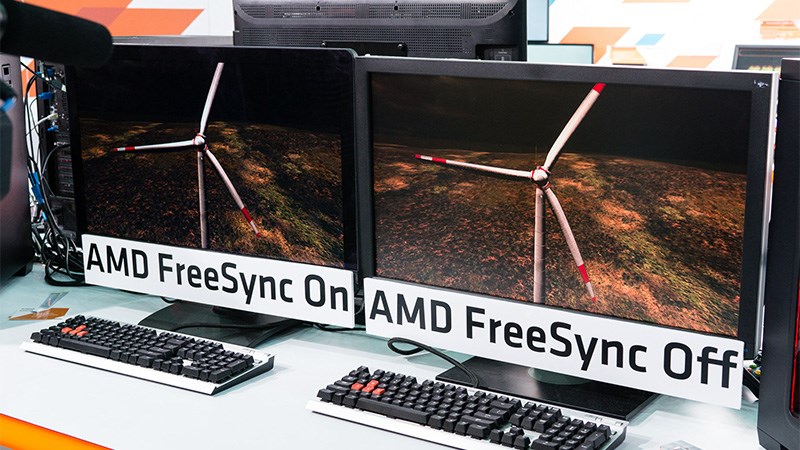
FreeSync is a popular trend in the gaming world that offers an enhanced gaming experience by synchronizing the refresh rate of a display with the frame rate of a graphics card. This technology eliminates screen tearing and improves smoothness, resulting in more realistic and immersive gameplay. Let's delve into the key findings and insights related to FreeSync.
- Growing Popularity: FreeSync has gained significant popularity in recent years, with a growing number of gamers and gaming enthusiasts embracing the technology. Its ability to enhance gameplay without the need for additional costly hardware, unlike its competitor G-Sync, has contributed to its widespread adoption.
- Cost-effectiveness: One significant advantage of FreeSync over G-Sync is its cost-effectiveness. Since FreeSync technology does not require proprietary hardware modules, monitors with FreeSync support tend to be more affordable. This affordability has made FreeSync more accessible to a wider audience, including budget-conscious gamers.
- Broad Product Support: Another key finding is the broad product support for FreeSync. Many leading monitor manufacturers, including ASUS, Acer, LG, and Samsung, have integrated FreeSync technology into their displays. Further, major graphics card manufacturers, such as AMD, have been actively promoting and supporting FreeSync, contributing to its widespread adoption and continued growth.
- Enhanced Gaming Experience: The primary insight regarding FreeSync is its potential to transform the gaming experience. By synchronizing the refresh rate of the monitor with the output frame rate of the graphics card, FreeSync eliminates screen tearing and stuttering. This results in smoother and more visually appealing gameplay, allowing gamers to experience a more immersive and enjoyable gaming experience overall.
- Competitive Edge for AMD: FreeSync provides AMD with a competitive advantage over its counterparts. As an open standard technology, FreeSync is not exclusive to AMD graphics cards and can be used with select NVIDIA graphics cards as well. This flexibility gives AMD a unique selling point and attracts users looking for compatibility between different graphics card brands.
- Future Growth Potential: Considering the increasing demand for enhanced gaming experiences, FreeSync is expected to continue its growth trajectory. The affordability and widespread support, combined with its performance benefits, make it an attractive choice for both casual and professional gamers.