

Unlocking the Hidden Link: The Emerging Connection Between Stress and Blood Pressure

The Rising Popularity of Blood Pressure: Understanding the Trend

In recent years, blood pressure has become an increasingly popular topic of discussion among individuals, healthcare professionals, and researchers alike. This trend can be attributed to its essential role in predicting and managing various health conditions. With a profound impact on cardiovascular health, blood pressure has gained significant attention across different demographics. In this section, we will explore what blood pressure is, delve into its origins, and shed light on its rising popularity among diverse populations.
Understanding Blood Pressure:
Blood pressure refers to the force exerted by circulating blood against the walls of blood vessels. It is measured in millimeters of mercury (mmHg) and typically presented as two numbers—systolic pressure over diastolic pressure. The systolic pressure represents the force exerted on arterial walls when the heart contracts, while diastolic pressure indicates the pressure between heartbeats when the heart is resting.
Origins of Blood Pressure:
The concept of blood pressure emerged centuries ago, originating from the study of human anatomy and physiology. The pioneering work of English physician Stephen Hales in the 18th century laid the foundation for understanding blood pressure. However, it wasn't until the 20th century that advancements in technology, such as the development of the sphygmomanometer, allowed for accurate measurement and monitoring of blood pressure.
The Popularity of Blood Pressure:
Blood pressure has gained increasing popularity due to its critical role in diagnosing and managing various health conditions. Hypertension (high blood pressure) affects an estimated 1.13 billion people worldwide, making it a prevalent and concerning global health issue. As individuals become more conscious of the impact of hypertension on overall health and well-being, monitoring blood pressure has become a vital aspect of preventive healthcare.
Furthermore, the popularity of blood pressure is not limited to those with existing health issues. With the advent of wearable fitness trackers and home blood pressure monitoring devices, individuals are now able to track and manage their blood pressure conveniently. This technology has empowered users to take control of their cardiovascular health, leading to increased awareness and discussions surrounding blood pressure.
Blood pressure's popularity also extends across various demographics, including different age groups, genders, and socio-economic backgrounds. As cardiovascular health is of concern to people of all ages, the trend of monitoring blood pressure spans from young adults to the elderly. Additionally, the increasing prevalence of lifestyle diseases, such as obesity and stress-related ailments, has further heightened the interest in blood pressure management.
The rising popularity of blood pressure can be attributed to its significant impact on cardiovascular health, the increasing awareness of hypertension, and advancements in technology. As individuals strive to prioritize their well-being, monitoring blood pressure has become a crucial aspect of proactive healthcare. This growing trend encompasses people from diverse backgrounds, providing a platform for discussions, research, and innovative solutions aimed at improving cardiovascular health worldwide.
Market Size and Growth of Blood Pressure Monitoring Devices
The market for blood pressure monitoring devices has experienced significant growth in recent years. With the rising prevalence of hypertension, coupled with an increased focus on preventive healthcare, the demand for these devices has surged. In this section, we will explore the market size and growth potential of blood pressure monitoring devices.
Market Size
According to a report by Grand View Research, the global blood pressure monitoring devices market was valued at $1.23 billion in 2020 and is expected to reach $2.27 billion by 2028, growing at a compound annual growth rate (CAGR) of 7.8%. This considerable market size reflects the growing awareness among individuals regarding the importance of monitoring and managing their blood pressure.
Factors Driving Market Growth
Several factors contribute to the growth of the blood pressure monitoring devices market:
- Increasing Prevalence of Hypertension: Hypertension, or high blood pressure, affects a significant portion of the global population. As per the World Health Organization (WHO), around 1.13 billion people worldwide suffer from hypertension, making it a critical public health issue. The need for regular monitoring and management of blood pressure drives the demand for monitoring devices.
- Growing Geriatric Population: The aging population is prone to various chronic diseases, including hypertension. As the number of elderly individuals continues to rise, the demand for blood pressure monitoring devices is anticipated to increase. This demographic segment seeks convenient and accurate methods to monitor their blood pressure regularly.
- Technological Advancements: Technological advancements have revolutionized the healthcare industry, including blood pressure monitoring devices. The introduction of innovative wearable devices, wireless connectivity, and smartphone integration has made monitoring blood pressure more accessible and user-friendly. These advancements have attracted a broader consumer base and expanded the market.
- Increasing Focus on Preventive Healthcare: The global shift towards prevention and early detection of diseases has had a positive impact on the blood pressure monitoring devices market. Governments, healthcare providers, and individuals are emphasizing proactive measures to manage and monitor blood pressure effectively, resulting in increased adoption of monitoring devices.
Regional Outlook
The North American market holds the largest share in the blood pressure monitoring devices market due to an increasing number of people diagnosed with hypertension and the presence of well-established healthcare infrastructure. Europe also accounts for a significant share, driven by the growing elderly population and government initiatives promoting preventive healthcare.
Asia Pacific is expected to witness substantial growth in the coming years due to rapid urbanization, changing lifestyles, and an increasing geriatric population. Additionally, rising healthcare expenditure and the adoption of advanced technologies further contribute to market growth in the region.
The market for blood pressure monitoring devices is displaying robust growth due to factors such as the increasing prevalence of hypertension, the aging population, and technological advancements. As individuals become more health-conscious and proactive about managing their blood pressure, the demand for these devices is expected to continue rising. Market players should focus on developing user-friendly and innovative devices to cater to this growing demand and capitalize on the immense potential of this market.
Check out how Treendly can help you find trends in the healthcare industry!
Consumer Demand and Preferences: Understanding Blood Pressure

High blood pressure, also known as hypertension, affects millions of people worldwide and is a major risk factor for heart disease, stroke, and other serious health conditions. As awareness about the importance of maintaining healthy blood pressure levels increases, so does the consumer demand for products and services that can help monitor and manage this condition. In this section, we will explore the consumer demand and preferences related to blood pressure monitoring and management, shedding light on the most sought-after features and trends in the market.
Demand for Convenient Blood Pressure Monitoring:
Consumers today seek practical and hassle-free ways to monitor their blood pressure, leading to an increased demand for innovative and user-friendly monitoring devices. Traditional upper-arm blood pressure monitors are still popular, but there is a growing interest in wearable devices like blood pressure smartwatches and fitness trackers. These devices offer the convenience of continuous monitoring throughout the day, providing valuable insights into blood pressure trends and patterns.
Preference for Accurate and Reliable Readings:
Accurate blood pressure readings are crucial for effective management. Consumers prioritize devices that provide reliable results and are validated by clinical studies. Furthermore, user-friendly features such as large, easy-to-read displays and intuitive interfaces contribute to their overall satisfaction with blood pressure monitors.
Wireless Connectivity and Data Tracking:
The advent of smartphone apps and wireless connectivity has revolutionized the way consumers track and monitor their blood pressure. Many blood pressure monitors now come equipped with Bluetooth and Wi-Fi capabilities, allowing users to sync their readings with mobile apps or online platforms. These features enable users to store and analyze their data over time, providing valuable insights for better management and sharing with healthcare professionals when needed.
Home-Based Monitoring and Telehealth:
One of the key trends shaping consumer preferences in blood pressure management is the shift towards home-based monitoring and telehealth services. With the ongoing COVID-19 pandemic, many individuals prefer to measure their blood pressure in the comfort and safety of their own homes. Additionally, telehealth services are gaining popularity, offering consumers the convenience of remote consultations with healthcare professionals who can provide guidance on managing blood pressure levels effectively.
Focus on Lifestyle Modifications:
Consumers are increasingly recognizing the importance of lifestyle modifications in managing blood pressure. As a result, there is a growing demand for products and services that support healthy habits. This includes fitness trackers that monitor physical activity levels, smart scales that measure body weight and composition, and nutrition apps that provide personalized dietary recommendations. These tools help consumers make informed choices and track their progress towards maintaining optimal blood pressure levels.
The consumer demand and preferences surrounding blood pressure monitoring and management highlight the importance of convenience, accuracy, and connectivity. As technology continues to advance, consumers are seeking innovative solutions that make monitoring blood pressure easier, while also enabling them to take a proactive role in their health. Understanding these preferences is crucial for businesses to develop products and services that cater to consumers' evolving needs and contribute to the effective management of blood pressure.
Industry Players and Competition in the Blood Pressure Market
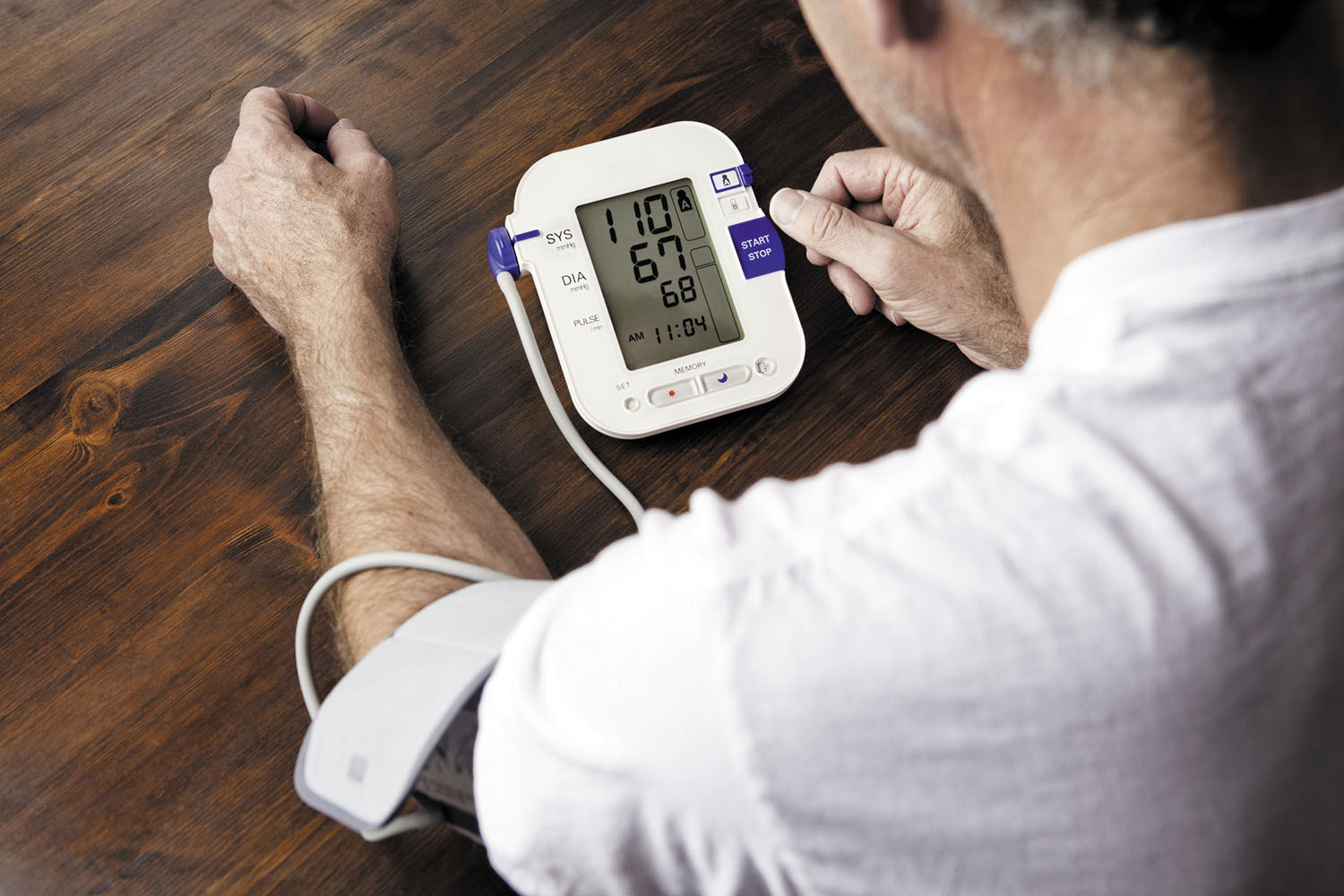
The global blood pressure market has experienced significant growth in recent years, driven by factors such as the rising prevalence of hypertension, a growing geriatric population, and increasing awareness about the importance of regular blood pressure monitoring. As the demand for blood pressure monitoring devices and solutions continues to rise, several industry players have emerged to meet these needs. This section explores some of the key companies operating in the blood pressure market and discusses the competitive landscape.
Omron Healthcare, Inc.
Omron Healthcare, Inc. is one of the leading companies in the blood pressure monitoring market. With a strong global presence, Omron offers a range of innovative blood pressure monitoring devices and solutions. Their products are highly regarded for their accuracy, ease of use, and reliability. Omron's commitment to continuous innovation and advanced technology helps them maintain a competitive edge in the market.
Koninklijke Philips N.V.
Koninklijke Philips N.V., known simply as Philips, is a diversified technology company that has made substantial contributions to the healthcare industry. In the blood pressure market, Philips offers a range of blood pressure monitors and solutions that cater to both professional and personal use. Their products are known for their high accuracy and user-friendly interfaces. With their strong brand reputation and expansive distribution network, Philips competes effectively in the blood pressure industry.
A&D Medical
A&D Medical is a leading manufacturer of blood pressure monitors and healthcare solutions. The company focuses on developing innovative and reliable devices that provide accurate blood pressure readings. A&D Medical products are widely used in both healthcare settings and for personal monitoring. With a strong emphasis on research and development, A&D Medical continues to introduce new technologies to the market, contributing to their competitive position.
Welch Allyn
Welch Allyn, a subsidiary of Hillrom, is a well-established player in the blood pressure monitoring market. The company offers a comprehensive range of blood pressure monitors, including automated devices suitable for professional use in hospitals and clinics. Welch Allyn's products are known for their durability and accuracy. Additionally, their integration with digital health platforms enhances data management capabilities, making them highly competitive in the market.
Withings
Withings, a consumer electronics company that specializes in health-related products, offers innovative blood pressure monitors and smartwatches integrated with blood pressure monitoring capabilities. Withings' products blend style and technology, appealing to tech-savvy individuals seeking convenient and reliable blood pressure monitoring solutions. The company's focus on user experience and design sets them apart from traditional players in the blood pressure market.
The blood pressure market is highly competitive, with several prominent industry players vying for market share. Companies like Omron Healthcare, Koninklijke Philips, A&D Medical, Welch Allyn, and Withings have established their presence by developing and offering advanced blood pressure monitoring devices and solutions. These companies continually invest in research and development to improve accuracy, ease of use, and integration with digital health platforms, allowing them to stay competitive in this rapidly evolving market. As the market continues to grow, we can expect to see further innovations and competition among industry players, ultimately benefiting consumers with more advanced and user-friendly blood pressure monitoring solutions.
Technological Innovation in Blood Pressure Management

Technological innovation has revolutionized the healthcare industry, including the field of blood pressure management. With the advancements in technology, healthcare professionals are now equipped with various tools and devices that enable accurate monitoring and better management of blood pressure. In this section, we will explore some of the notable technological innovations in blood pressure management and their potential impact on healthcare.
Wearable Devices:
Wearable devices, such as smartwatches and fitness trackers, have gained immense popularity over the years. Many of these devices now include built-in blood pressure monitoring features. These devices incorporate optical sensors that use photoplethysmography (PPG) technique to measure blood pressure by analyzing the changes in blood volume in the capillaries beneath the skin. Users can easily track their blood pressure throughout the day and receive real-time notifications, allowing for proactive management of hypertension.
Connected Blood Pressure Monitors:
Traditional blood pressure monitors have also undergone significant improvements with the integration of connectivity features. Connected blood pressure monitors enable users to track and manage their blood pressure readings effortlessly. These devices can synchronize with smartphone apps via Bluetooth or Wi-Fi, providing a comprehensive view of the user's blood pressure trends over time. Some connected monitors also offer cloud storage, allowing users to share their data with healthcare professionals and receive personalized recommendations.
Artificial Intelligence (AI) and Machine Learning:
Artificial intelligence and machine learning algorithms have the potential to revolutionize blood pressure management. These technologies analyze large amounts of patient data and provide predictive analytics to assist healthcare professionals in diagnosing and managing hypertension effectively. By leveraging AI, healthcare providers can identify patterns, detect anomalies, and make more informed decisions regarding treatment plans and medication prescriptions. AI-driven blood pressure monitoring systems can also provide timely alerts for potential hypertensive crises, thereby preventing severe health complications.
Mobile Apps and Telemedicine:
Mobile applications focused on blood pressure management have proliferated in recent years. These apps allow users to record their blood pressure readings and track their progress over time. Some apps also offer features like medication reminders, lifestyle management tips, and educational resources to empower individuals to take control of their blood pressure. Additionally, telemedicine platforms enable remote consultations with healthcare professionals, eliminating geographical barriers and facilitating timely interventions, especially for patients with limited access to healthcare facilities.
Technological innovation in blood pressure management has the potential to enhance the accuracy, accessibility, and convenience of monitoring and managing hypertension. From wearable devices to AI-driven analytics and telemedicine platforms, these advancements empower individuals to actively participate in their blood pressure management, leading to improved health outcomes. As technology continues to evolve, the integration of these innovations into routine medical practice is likely to transform the way healthcare professionals and patients address hypertension.
Regional Trends and Cultural Influences on Blood Pressure

Blood pressure is a vital health indicator that reflects the pressure of blood against the walls of arteries as the heart pumps it throughout the body. While several factors such as age, genetics, and lifestyle choices contribute to blood pressure, there are also regional trends and cultural influences that impact blood pressure levels in different populations. This section explores some of these regional trends and cultural influences on blood pressure.
Western Diet and High Blood Pressure:
The Western diet, characterized by high intake of processed foods, saturated fats, and refined sugars, has been associated with higher blood pressure levels. This dietary trend is prevalent in many Western countries such as the United States, Canada, and parts of Europe. The high sodium content and low potassium intake in processed foods can contribute to elevated blood pressure levels. Cultural influences, such as fast-paced lifestyles and convenience-driven food choices, further exacerbate the adoption of such dietary habits.
Mediterranean Diet and Lower Blood Pressure:
Conversely, regions where the Mediterranean diet is traditional tend to have lower instances of high blood pressure. The Mediterranean diet, rich in fruits, vegetables, whole grains, lean proteins, and heart-healthy fats, has been associated with numerous health benefits, including reduced blood pressure levels. This dietary pattern is commonly followed in countries situated around the Mediterranean Sea, such as Greece, Italy, Spain, and Morocco. Cultural influences, such as the emphasis on fresh and locally sourced ingredients, contribute to the widespread adoption of this dietary pattern.
Influence of Cultural Practices:
Various cultural practices have been observed to influence blood pressure levels in different regions. For instance, in countries like Japan, China, and South Korea, cultural practices such as regular physical activity (e.g., tai chi and martial arts) and lower sodium intake from traditionally prepared foods (e.g., miso soup and kimchi) contribute to lower blood pressure levels. Similarly, certain traditional practices such as yoga and meditation in parts of India have been associated with improved blood pressure management.
Socioeconomic Factors:
Socioeconomic factors, including income inequality and access to healthcare, can also impact blood pressure levels. In regions where income inequality is high, individuals may be exposed to chronic stressors, which can contribute to higher blood pressure levels. Limited access to quality healthcare and preventive services can also result in undiagnosed and uncontrolled hypertension in certain populations.
Regional trends and cultural influences play a significant role in blood pressure levels across diverse populations. While certain dietary patterns, such as the Western diet, are associated with higher blood pressure, others like the Mediterranean diet are linked to lower blood pressure levels. Additionally, cultural practices and socioeconomic factors further shape blood pressure outcomes. Recognizing and understanding these regional trends and cultural influences can help healthcare professionals and policymakers develop tailored interventions to manage and prevent hypertension in specific populations.
The Power of Social Media Influencers in Raising Awareness about Blood Pressure
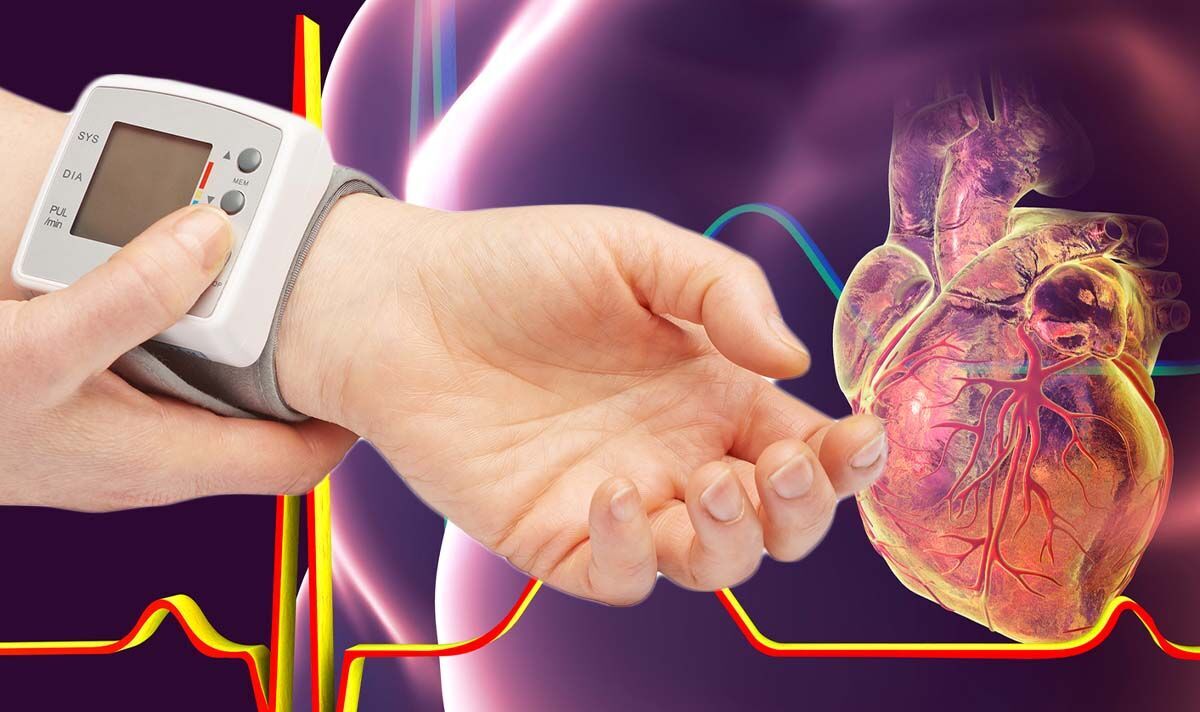
In the era of social media dominance, influencers have become a driving force in shaping consumer behavior and spreading awareness about various health topics. With their ability to connect with large audiences and engage followers, influencers have proven to be effective in raising awareness about important health issues, including blood pressure.
Social Media Influencers: Amplifying Awareness of Blood Pressure
The Rising Concern of High Blood Pressure
High blood pressure, also known as hypertension, is a prevalent health condition affecting millions of individuals worldwide. It is a high-risk factor for cardiovascular diseases, stroke, and other serious health complications. Despite its prevalence, many people remain unaware of the risks and consequences associated with high blood pressure.
The Influence of Social Media Platforms
Social media platforms such as Instagram, YouTube, and Facebook provide influencers with a powerful medium to reach massive audiences. By utilizing engaging content, storytelling, and relatable experiences, influencers can captivate their followers and motivate them to take action.
Leveraging Influencer Marketing for Awareness
Forward-thinking brands and health organizations recognize the potential of influencer marketing to raise awareness about blood pressure and encourage healthy lifestyle choices. Collaborating with influencers allows them to tap into their dedicated followers and leverage their influence to spread important health information.
Educating and Empowering Audiences
Through informative posts, videos, and live sessions, influencers can educate their audiences about the importance of monitoring blood pressure, understanding the risks of hypertension, and adopting healthier habits. They can share personal stories, expert advice, and tips for managing blood pressure effectively.
Leveraging Authenticity and Trust
One of the key strengths of influencers is their ability to build a strong sense of trust and authenticity with their followers. Unlike traditional advertising, influencer content feels more genuine and relatable. Influencers can share their own experiences with blood pressure or feature stories of individuals who have successfully managed their condition, creating a powerful emotional connection with their audience.
Creating Conversations and Overcoming Stigma
Influencers have the power to start conversations around blood pressure, which is often associated with stigma or misconceptions. By openly discussing the topic, influencers can help break the silence and reduce the societal barriers that prevent people from seeking help or addressing their condition.
The Impact of Influencer Campaigns
Successful influencer campaigns can result in significant impact for blood pressure awareness. Increased engagement, amplified reach, and a higher likelihood of audience action are some of the key outcomes that brands and organizations can expect when partnering with influencers.
Examples of Influencer Initiatives
Several influencers have recognized the importance of raising awareness about blood pressure and have initiated campaigns to support the cause. For example, they may collaborate with healthcare providers, nutritionists, or fitness experts to create comprehensive content related to managing blood pressure.
Social media has emerged as a powerful platform for influencers to raise awareness about blood pressure, educate their audiences, and foster positive change. Their ability to connect with followers authentically allows them to drive conversations, combat stigma, and encourage healthier lifestyle choices. By leveraging the reach and influence of social media, influencers can play a crucial role in creating a healthier society by raising awareness about blood pressure and promoting preventative measures.
Future Outlook and Forecast for Blood Pressure

As the prevalence of cardiovascular diseases and hypertension continues to rise, blood pressure monitoring has become increasingly important in healthcare. The future outlook for this trend indicates several promising developments that will enable more accurate and accessible blood pressure measurement, as well as innovative approaches to managing and preventing hypertension.
Advancements in Blood Pressure Monitoring Technology
Technological advancements are expected to revolutionize blood pressure monitoring, allowing for more convenient and accurate measurements. Traditional blood pressure cuffs, which require manual inflation, are likely to be replaced by wearable devices that can continuously monitor blood pressure throughout the day.
Smartwatches and fitness trackers are already incorporating blood pressure monitoring capabilities, enabling individuals to track their blood pressure in real-time without the need for additional devices. Companies like Withings, Omron, and Apple have already launched smartwatches with blood pressure monitoring features, and it is anticipated that more manufacturers will follow suit in the coming years.
Photoplethysmography (PPG) technology, which measures blood volume changes in blood vessels, is also being explored as a potential method for non-invasive blood pressure monitoring. PPG sensors are often integrated into wearable devices, providing a convenient and less intrusive alternative to traditional cuffs. Moreover, advancements in artificial intelligence and machine learning algorithms will further enhance the accuracy of blood pressure measurements from PPG sensors.
Remote Monitoring and Telemedicine
The current COVID-19 pandemic has accelerated the adoption of remote patient monitoring and telemedicine, and this trend is likely to continue even beyond the pandemic. Remote blood pressure monitoring enables healthcare providers to monitor patients' blood pressure readings remotely, reducing the need for in-person visits and increasing access to care.
Connected devices that automatically transmit blood pressure readings to healthcare professionals are becoming more prevalent. These devices can provide valuable data for early detection of hypertension and allow healthcare providers to identify trends and intervene before complications arise.
Telemedicine platforms make it easier for individuals to consult with healthcare professionals from the comfort of their own homes. By incorporating blood pressure tracking and monitoring capabilities into these platforms, patients can conveniently share their blood pressure data during virtual consultations, allowing physicians to make more informed decisions regarding treatment and medication management.
Personalized Approaches to Hypertension Management
The future of blood pressure management lies in personalized approaches that address individual risk factors and lifestyle choices.
Digital health platforms that combine blood pressure monitoring with other health data, such as physical activity, diet, and stress levels, can provide a comprehensive view of an individual's health. By analyzing these data points, algorithms can identify patterns and provide personalized recommendations for managing blood pressure and preventing complications.
Additionally, non-pharmacological interventions, such as lifestyle modifications and behavioral interventions, will play a significant role in the future of hypertension management. These interventions may include exercise programs, dietary changes, stress reduction techniques, and sleep optimization strategies. Technology-assisted interventions, such as mobile applications and wearable devices, will provide the necessary tools and support to individuals seeking to make these lifestyle changes.
The future outlook for blood pressure monitoring and hypertension management is promising. Advancements in technology will make blood pressure measurement more convenient and accessible, with wearable devices and remote monitoring playing a significant role. Personalized approaches to blood pressure management, along with the integration of digital health platforms, will enable individuals to take control of their cardiovascular health and make informed decisions with the guidance of healthcare professionals. By harnessing the power of innovation and technology, the future of blood pressure monitoring and hypertension management holds great potential in improving outcomes and reducing the burden of cardiovascular diseases.
Key Findings and Insights: The Rising Concern of Blood Pressure

Blood pressure is a critical health indicator that measures the force exerted on the walls of arteries as blood flows through them. As a key determinant of cardiovascular health, blood pressure has been the subject of extensive research and medical monitoring. In recent years, the prevalence of high blood pressure, also known as hypertension, has been on the rise globally, making it an area of increasing concern for individuals and healthcare professionals alike. This trend analysis provides an overview of the key findings and insights related to blood pressure.
- Prevalence of Hypertension: According to the World Health Organization (WHO), an estimated 1.13 billion people worldwide suffer from hypertension. This number is expected to rise due to increasing urbanization, sedentary lifestyles, unhealthy diets, and growing aging populations. The high prevalence of hypertension highlights the need for effective prevention and management strategies.
- Health Risks Associated with High Blood Pressure: High blood pressure is a leading risk factor for cardiovascular diseases, including heart attacks and strokes. It also contributes to the development of kidney diseases and can damage other vital organs such as the eyes and brain. The impact of hypertension on overall health underscores the importance of regular blood pressure monitoring and control.
- Lifestyle Factors: Sedentary lifestyles, poor dietary habits, excessive salt consumption, tobacco use, and alcohol consumption all play significant roles in elevating blood pressure levels. Addressing these lifestyle factors through interventions and public health initiatives can help reduce the burden of hypertension.
- Blood Pressure Monitoring Technology: The availability of accurate and user-friendly blood pressure monitoring devices has increased in recent years. These devices offer convenience and allow individuals to monitor their blood pressure at home, facilitating early detection and timely intervention. The rise of digital health technologies has also paved the way for innovations such as smartphone-connected blood pressure monitors and wearable devices.
- Holistic Approach to Blood Pressure Management: In addition to medication, lifestyle modifications and holistic approaches are gaining recognition for their effectiveness in managing blood pressure. These include regular physical activity, dietary modifications such as adopting the DASH (Dietary Approaches to Stop Hypertension) diet, stress reduction techniques, and complementary therapies like acupuncture or yoga.
- Blood Pressure Awareness and Education: Increased awareness and understanding of blood pressure management are crucial in combating the rising prevalence of hypertension. Public health campaigns, educational initiatives, and the dissemination of accurate information can empower individuals to take control of their blood pressure levels and make informed decisions.
Conclusion: