

Unlocking the Solo Travel Trend: How Adventurers Are Redefining Exploration in 2022

The Rising Trend of Solo Travel: Exploring the World, One Adventure at a Time

In recent years, solo travel has emerged as a popular and liberating trend, capturing the imagination of a diverse range of individuals. Defined simply, solo travel refers to embarking on a journey alone, exploring new destinations and immersing oneself in unique experiences without the company of companions or travel groups. This growing trend can be attributed to various factors, such as increased access to information, changing societal norms, and personal growth ambitions. Let us delve deeper into the origins of solo travel, its rising popularity, and its appeal across demographics.
Origins of Solo Travel:
The root of solo travel can be traced back to ancient times, when explorers and adventurers set out on solo expeditions to seek new lands and knowledge. However, solo travel as a modern trend gained significant momentum in the mid-20th century. Travel writers like Jack Kerouac and Eric Newby captivated readers with their tales of solo adventures, inspiring others to explore the world independently. In more recent times, advancements in technology and the proliferation of travel blogs and social media platforms have further propelled the trend.
Popularity Across Demographics:
Solo travel is no longer limited to a specific age group or gender. It has grown in popularity among various demographics, appealing to both young and old travelers alike. Millennials, in particular, have embraced solo travel as a means of self-discovery, opting for immersive experiences that allow them to break free from the constraints of daily life. Moreover, the increase in flexible work arrangements and the rise of digital nomadism have contributed to the rise of solo travel among professionals seeking a harmonious blend of work and exploration.
The appeal of solo travel extends beyond just the younger generation. Empty nesters, retirees, and widows/widowers often find solace and rejuvenation in embarking on solo journeys as a way to rediscover themselves, make new connections, and create fulfilling experiences.
Reasons for its Popularity:
The increasing popularity of solo travel can be attributed to several factors. Firstly, solo travel provides an opportunity for personal growth and self-reflection, allowing individuals to step out of their comfort zones and build resilience. It offers a chance to challenge oneself, develop independence, and gain a deeper understanding of one's own desires and capabilities.
In addition, solo travel allows for greater flexibility and freedom in choosing destinations, itineraries, and activities. It enables travelers to fully immerse themselves in new cultures, meet new people, and engage in unique experiences, fostering a sense of self-discovery and meaningful connections.
The digital era has also played a significant role in the rise of solo travel. Access to resources such as travel blogs, online reviews, and social media platforms have made it easier to plan and navigate solo trips, mitigating some of the perceived challenges and uncertainties.
As the world becomes increasingly interconnected and people seek more authentic and transformative travel experiences, it is no wonder that solo travel has captured the hearts of many. The trend's origins in the past, combined with the evolving needs of modern travelers, have contributed to its burgeoning popularity across demographics. Solo travel offers individuals a chance to embark on a personal journey, gain new perspectives, create lasting memories, and ultimately, find themselves along the way.
The Rising Market Size and Continuous Growth of Solo Travel
Solo travel has emerged as a significant trend in recent years, with an increasing number of people opting to embark on solo adventures. This form of travel, which emphasizes independence, self-discovery, and empowerment, has captured the imagination of an ever-expanding group of globetrotters. The market size for solo travel has gained substantial momentum and is showing no signs of slowing down.
The market size for solo travel has experienced remarkable growth over the past decade. According to a study conducted by Solo Travel World, approximately 18% of leisure travelers worldwide took a solo trip in 2018, compared to 15% in 2013. This upward trajectory is expected to continue, given the various factors contributing to the rise in solo travel.
One of the main drivers of the growth of solo travel is the growing number of independent and adventurous individuals. As societies become more individualistic, people are increasingly seeking personal fulfillment, self-discovery, and the freedom to explore the world on their own terms. This desire for independence, coupled with advancements in technology and increased accessibility, has made solo travel more feasible and appealing than ever before.
Moreover, the millennial and Gen Z generations have played a pivotal role in the expansion of the solo travel market. These demographic groups, characterized by their inclination towards unique experiences and personal growth, have embraced solo travel as a means of self-discovery and cultural immersion. Numerous studies indicate that millennials are more likely to prioritize experiences over material possessions, making solo travel an attractive option for this cohort.
The market size for solo travel is also greatly influenced by changing societal norms and attitudes towards travel. Traditionally, travel was seen as a group or family activity. However, perceptions have shifted, and individuals no longer feel limited by the expectation of sharing travel experiences with others. Urbanization, globalization, and the rise of global mobility have encouraged a mindset shift towards embracing solo travel as an enriching and rewarding experience.
Furthermore, the COVID-19 pandemic, while initially posing challenges to the travel industry as a whole, has also catalyzed the growth of solo travel. As people sought a sense of escape and a break from the confines of lockdown, many turned to solo travel as a safer alternative to group travel, enabling them to maintain social distance and adhere to health guidelines. This trend is likely to continue as travel restrictions ease and individuals regain confidence in embarking on solo adventures.
In conclusion, the market size for solo travel has experienced steady growth and has the potential to expand further in the coming years. Changing societal norms, the demand for personal experiences, and the desire for independence have all contributed to the rising popularity of solo travel. As the travel industry continues to evolve, it is essential for businesses and destinations to recognize and cater to the unique needs and preferences of solo travelers, ensuring that this vibrant market segment thrives in the future.
Understanding Consumer Demand and Preferences in Solo Travel

Solo travel has become increasingly popular in recent years, with more and more individuals seeking the freedom, adventure, and personal growth that comes with exploring new destinations on their own. In this section, we will dive into the consumer demand and preferences surrounding solo travel, providing insights into why people are choosing to embark on solo adventures and what they look for in their travel experiences.
The Rise of Solo Travel:
The demand for solo travel has seen a significant surge in recent years. There are several factors contributing to this trend. First and foremost, individuals are increasingly seeking opportunities for self-discovery, personal growth, and independence. Solo travel allows individuals to step out of their comfort zones and embrace new experiences, fostering a sense of empowerment and self-confidence.
Furthermore, changing demographics and shifting social dynamics have also played a role. The rise of single-person households, delayed marriage, and the increasing number of women in the workforce have contributed to an increase in solo travel among both males and females. Additionally, the influence of social media and the growing focus on self-care and self-expression have encouraged people to embark on solo adventures and share their journeys with others.
Motivations for Solo Travel:
Understanding the motivations behind solo travel is essential for companies and destinations looking to cater to this market. While there are individual variations, several common motivations can be identified. These include:
- Freedom and Independence: Solo travelers often seek the freedom to make their own decisions, create flexible itineraries, and explore at their own pace. They appreciate the ability to tailor their travel experiences to their personal preferences without compromising on their interests or desires.
- Self-Discovery and Growth: Solo travel provides an opportunity for individuals to step out of their comfort zones and challenge themselves in new environments. It allows for self-reflection, personal growth, and the development of new skills and perspectives.
- Authentic Experiences: Many solo travelers prioritize authentic experiences over traditional tourist activities. They seek opportunities to immerse themselves in local cultures, connect with locals, and gain a deeper understanding of the destinations they visit.
- Mindfulness and Wellness: Solo travel can serve as a means of practicing self-care, mindfulness, and wellness. It offers a chance to disconnect from daily stressors, focus on personal well-being, and engage in activities that promote relaxation and rejuvenation.
Preferences in Solo Travel:
When it comes to planning their solo travel experiences, consumers have specific preferences and considerations. These may vary based on individual needs and interests, but several common preferences and expectations can be observed:
- Safety and Security: Solo travelers prioritize destinations and accommodations that are perceived as safe and secure. They may opt for destinations with low crime rates, comprehensive healthcare systems, and a welcoming attitude towards solo travelers.
- Affordable Options: Budget considerations play a significant role in solo travel planning. Many solo travelers seek affordable accommodation options, transportation choices that fit their budget, and activities that offer value for money.
- Social Opportunities: While solo travel is about independence, many travelers still crave social interactions and connections during their journeys. They look for destinations with a vibrant social scene, group activities, and opportunities to meet like-minded individuals.
- Convenience and Accessibility: Solo travelers appreciate destinations that are easily accessible and offer convenience in terms of transportation, infrastructure, and amenities. They value destinations that have good connectivity, tourist-friendly infrastructure, and English-speaking locals.
Solo travel is no longer a niche trend but a mainstream consumer preference driven by factors such as personal growth, independence, and the desire for authentic experiences. Understanding the motivations and preferences of solo travelers is crucial for businesses in the travel industry to develop and offer services that cater to this growing market segment. By recognizing the demand and preferences surrounding solo travel, stakeholders can tap into this thriving market and provide tailored experiences for solo adventurers.
Industry Players and Competition in the Solo Travel Market
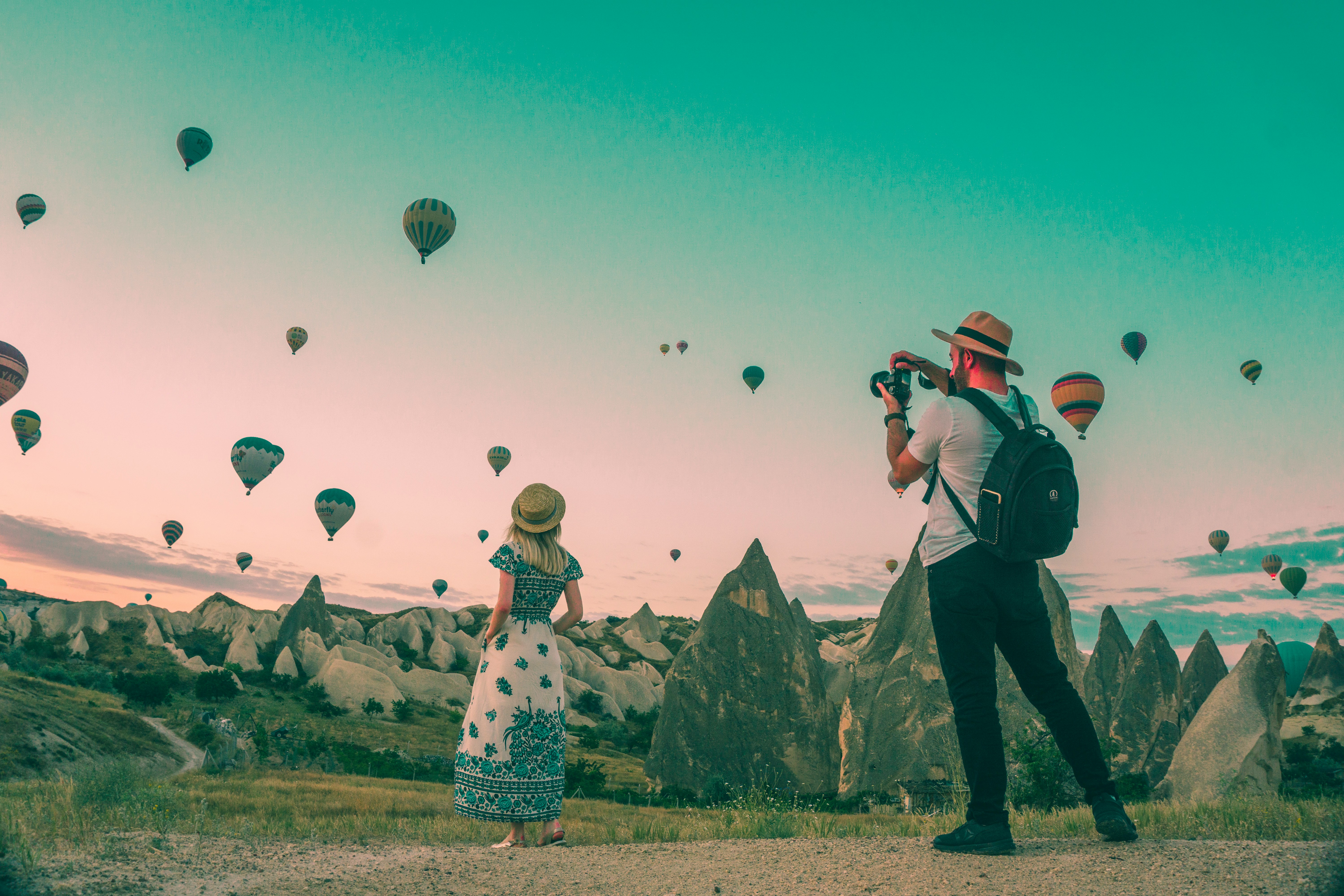
With the increasing popularity of solo travel, the industry has witnessed a significant influx of players in recent years. As more people seek unique and independent travel experiences, various companies have emerged to cater to the growing demand for solo travel services. This article explores the industry players and competition in the solo travel market.
Established Travel Agencies
Many established travel agencies have recognized the potential in the solo travel market and have tailored their services to cater to this segment. Companies such as Expedia, TripAdvisor, and Booking.com have expanded their offerings to include specialized products and services for solo travelers. These platforms allow individuals to search for flights, accommodation, and activities that are well-suited for solo adventurers.
Online Travel Communities
Online travel communities and platforms have become significant players in the solo travel market. Websites like Solo Traveler, Nomadic Matt, and Hostelworld provide resources and guidance for solo travelers, including tips, destination recommendations, and forums to connect with like-minded individuals. These platforms aim to create a supportive community for solo travelers and offer insights from experienced individuals who have mastered the art of traveling alone.
Niche Solo Travel Operators
In addition to established travel agencies, several niche solo travel operators have emerged to cater specifically to the needs and preferences of solo travelers. Companies like Contiki, G Adventures, and Intrepid Travel have developed itineraries and experiences designed exclusively for solo adventurers. These operators often focus on experiential travel, cultural immersion, and group dynamics, offering exciting opportunities for travelers to explore destinations while connecting with fellow solo travelers.
Technology-Driven Solutions
Advancements in technology have also facilitated the rise of competition in the solo travel market. Online platforms, such as Airbnb and Couchsurfing, have transformed the way people find accommodation, providing affordable and unique options for solo travelers. Ride-sharing services like Uber and Grab have made transportation more accessible, enabling solo travelers to navigate unfamiliar destinations more conveniently. Moreover, mobile apps like Google Maps and language translation tools have become invaluable resources for individuals traveling alone.
Competition and Differentiation
With the increase in competition, companies in the solo travel market are continuously innovating and differentiating themselves to attract customers. Some focus on offering personalized travel experiences tailored to individual preferences, while others emphasize social interaction and community-building among solo travelers. Pricing, convenience, safety, and sustainability are other factors that often set companies apart in this diverse market.
As the solo travel market continues to expand, industry players will have to adapt to changing consumer needs and preferences. Leveraging technology, building strong online communities, and providing unique travel experiences will be crucial to staying competitive in this growing industry. By understanding the demands of solo travelers and catering to their specific requirements, companies can position themselves as leaders in the market and tap into the immense potential that solo travel offers.
Technological Innovations Enhancing Solo Travel Experiences

Technological advancements have revolutionized every aspect of our lives, including travel. For solo travelers, technology offers a plethora of innovative tools and platforms that enhance their experiences, ensure safety, and provide convenience. From planning itineraries to connecting with fellow adventurers and navigating unfamiliar territories, these innovations have made solo travel more accessible and enjoyable than ever before.
Transportation
One area where technology has greatly impacted solo travel is transportation. Ride-hailing services like Uber and Lyft have made it incredibly easy for travelers to navigate unfamiliar cities, eliminating the need for language barriers or local currency. Additionally, travel apps such as Kayak and Skyscanner provide real-time flight and accommodation information, helping solo travelers find the best deals and optimize their travel budgets.
Accommodation
Finding safe and affordable accommodation is a key concern for solo travelers. Thankfully, technology has provided solutions to address this. Platforms like Airbnb and Couchsurfing have transformed the way people find and book accommodations, offering a wide range of options from local apartments to shared spaces, giving solo travelers more choice and flexibility. Moreover, these platforms often have integrated review systems, allowing travelers to make informed decisions based on previous guests' experiences.
Social Networking
Solo travel can sometimes be accompanied by feelings of loneliness or a desire to connect with like-minded individuals. Social networking apps and online communities have become invaluable resources for solo travelers seeking companionship and advice. Websites such as Meetup and Solo Traveler connect travelers with similar interests, while travel forums like TripAdvisor and Lonely Planet provide forums for sharing experiences and receiving recommendations. These platforms empower solo travelers to network, make friends, and create meaningful connections, eliminating the fear of isolation.
Safety and Security
Concerns about safety and security often deter individuals from embarking on solo travel adventures. However, technology has introduced various solutions to mitigate these concerns. Mobile apps like TripIt and Google Maps provide real-time navigation and guidance, ensuring that solo travelers can navigate unfamiliar spaces confidently. Additionally, emergency apps like bSafe and GeoSure enable travelers to share their location with trusted contacts and access local emergency services, providing peace of mind during their journeys.
Language Translation
Language barriers can pose significant challenges for solo travelers, especially in non-English-speaking countries. Fortunately, advancements in language translation technology have made communication easier than ever. Translation apps such as Google Translate and iTranslate allow travelers to translate signs, menus, and conversations in real-time, facilitating interactions with locals and enabling a deeper cultural immersion experience.
In conclusion, technological innovations have had a transformative impact on solo travel. From simplifying transportation and accommodation booking to enhancing safety and security, these tools and platforms empower solo travelers to explore the world with confidence and convenience. By leveraging technology, solo travel has become more accessible, enjoyable, and connected than ever before, opening up a world of opportunities for adventurous individuals seeking unique experiences.
Exploring the World of Solo Travel: Regional Trends and Cultural Influences
Solo travel has gained immense popularity over the years as more and more people seek the freedom and adventure that comes with exploring the world on their own. While the concept of solo travel may seem universal, regional trends and cultural influences play a significant role in shaping the experiences and preferences of solo travelers. From motivations to choices of destinations, each region presents its own unique perspective on this trend.
North America: Seeking Personal Growth and Independence
In North America, solo travel is often seen as a means of self-discovery and personal growth. Many individuals, particularly young adults, embark on solo journeys to break free from their comfort zones and gain independence. The cultural emphasis on individualism and self-reliance encourages this trend, with solo travelers often seeking activities that challenge them physically and mentally, such as backpacking, hiking, or even volunteering in remote areas.
Europe: Embracing Cultural Exploration and Freedom
Europe has long been a hub for solo travelers, who are attracted to its rich history, diverse cultures, and ease of transportation. Cultural influences across European countries greatly impact the preferences of solo travelers. For example, in countries like Italy and France, where socializing and dining are deeply ingrained in the culture, solo travelers often enjoy immersing themselves in local cuisine and partaking in social activities. On the other hand, countries like Germany and Sweden, which value independence and personal space, embrace activities like solo cycling trips or camping in nature.
Asia: Spiritual Journeys and Soul-Searching
Asia offers a unique perspective on solo travel, with many individuals embarking on spiritual journeys or soul-searching quests. Influenced by cultural and religious practices such as yoga, meditation, and mindfulness, solo travelers in Asia often seek destinations that provide a sense of tranquility and spiritual enlightenment, such as the serene temples of Thailand, the pilgrimage routes of Japan, or the yoga retreats in India. The concept of inner exploration and mindfulness is deeply woven into the fabric of Asian culture, making it a desired destination for those seeking introspection.
South America: Adventure and Nature Tourism
South America's stunning natural landscapes and adrenaline-inducing activities have made it an attractive region for solo adventure travelers. From hiking the Inca Trail to Machu Picchu in Peru, to exploring the Amazon rainforest in Brazil, South America's lure lies in its adventure and nature tourism. The region's vibrant cultures and warm hospitality also make it a popular choice for solo travelers seeking unique cultural experiences. Cultural influences, such as the lively festivals and fascinating folklore, add an extra layer of excitement to the solo travel experience in this region.
Africa: Wildlife Safaris and Cultural Encounters
Africa's rich biodiversity and cultural heritage have made it a favorite destination for solo travelers looking for unique wildlife encounters and a deeper connection with indigenous cultures. From embarking on wildlife safaris in countries like Kenya or South Africa to cultural immersion experiences with tribal communities in countries like Tanzania or Namibia, solo travelers in Africa seek meaningful interactions with nature and local traditions. The cultural influence of storytelling and oral traditions in African societies often leads to engaging interactions and awe-inspiring experiences for those traveling alone.
In conclusion, solo travel is influenced by regional trends and cultural nuances around the world. From seeking personal growth in North America to embracing cultural exploration in Europe, and from spiritual journeys in Asia to adventure tourism in South America and wildlife encounters in Africa, each region offers its own unique flavor of solo travel. Understanding these regional trends and cultural influences can provide valuable insights for solo travelers and the travel industry as a whole, allowing for tailored experiences that cater to the diverse preferences of individuals venturing out on their own.
The Rise of Solo Travel Influencers: Exploring the World, One Adventurer at a Time
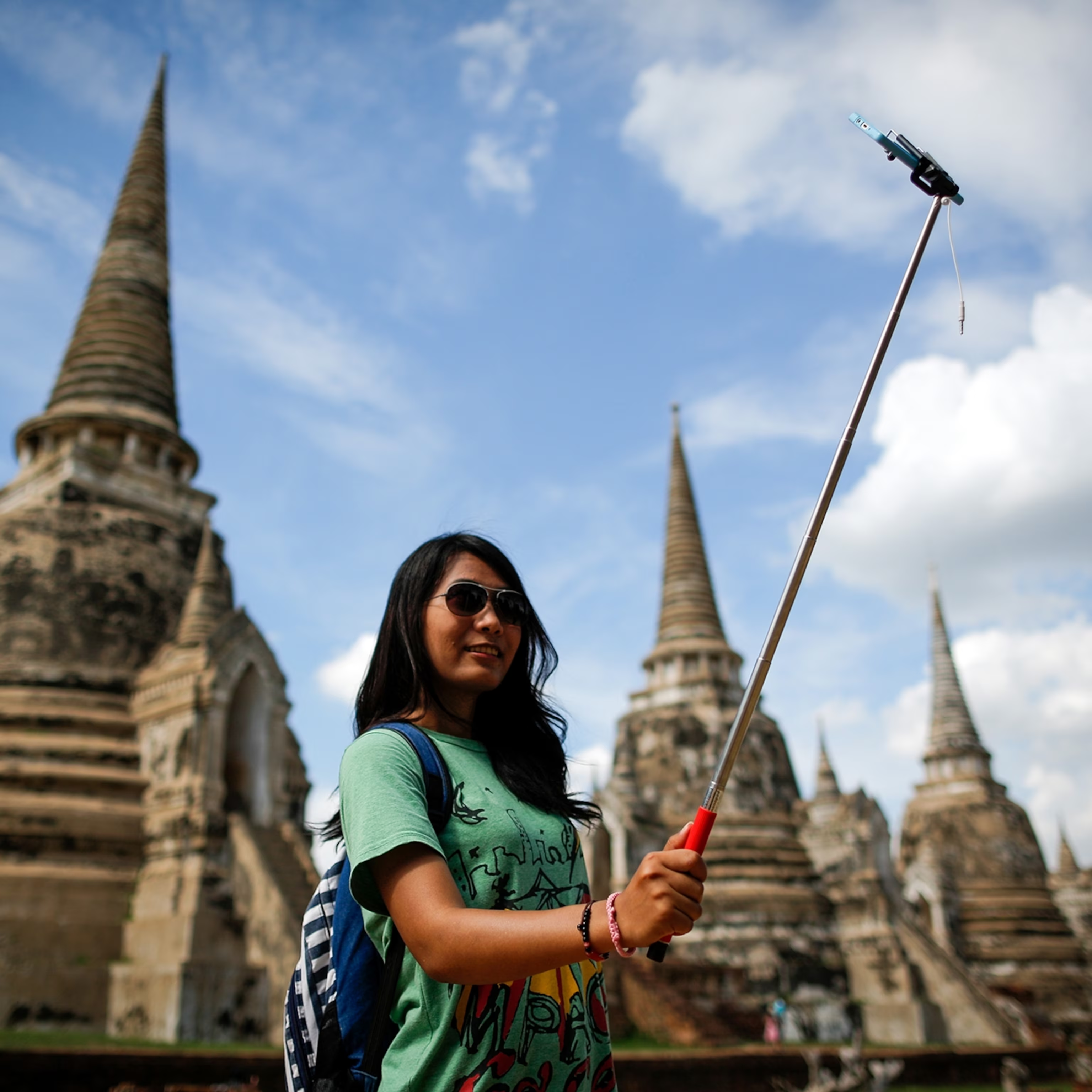
In recent years, the phenomenon of solo travel has gained significant traction across social media platforms. This emerging trend has created a unique opportunity for influencers to showcase their journeys and inspire others to embark on their own solo adventures. As social media continues to shape our lives, these travel influencers have become powerful catalysts for the growing popularity of solo travel.
Solo travel influencers are individuals who have cultivated a passionate following by sharing their personal experiences, tips, and recommendations for solo travel. Through captivating visual content, engaging storytelling, and valuable insights, they have transformed their passion for exploration into a digital career, inspiring millions of followers to step out of their comfort zones and embark on solo trips of their own.
Instagram, in particular, has emerged as a dominant platform for solo travel influencers. With its visual nature and storytelling capabilities, it allows influencers to curate an enticing portrayal of their adventures. Through stunning photographs and curated aesthetics, they capture the attention of their audience, often accompanied by thought-provoking captions that provide a deeper insight into their experiences.
Additionally, solo travel influencers make use of other social media channels such as YouTube and TikTok to document their journeys and engage with their followers. YouTube allows influencers to create longer-form video content, including vlogs, travel guides, and Q&A sessions, providing a comprehensive view of their travels. On the other hand, TikTok offers a more spontaneous and creative way for influencers to share snippets of their solo travel experiences, captivating viewers through short, entertaining videos.
The appeal of solo travel influencers lies not only in their ability to capture the beauty of breathtaking destinations but also in their ability to create a sense of community. By sharing their personal stories and vulnerabilities, they establish a connection with their audience, fostering a supportive community of like-minded individuals who are passionate about solo exploration. This sense of community enables aspiring solo travelers to feel inspired, empowered, and equipped with the necessary knowledge to plan their own solo trips.
One of the key benefits of following solo travel influencers is the abundance of practical tips and guidance they offer. From budget travel advice to safety tips and destination recommendations, they serve as valuable sources of information for individuals venturing into the world of solo travel. They also address common concerns and dispel fear by sharing personal anecdotes and experiences, ensuring that their followers feel confident and prepared for their solo journeys.
As the popularity of solo travel continues to soar, brands and tourism boards have recognized the influence and reach of solo travel influencers. Collaborations between influencers and travel brands have become increasingly common, with influencers promoting specific destinations, accommodations, and travel gear. These partnerships facilitate the creation of authentic, engaging content that resonates with both influencers' audiences and the brands' target market.
In conclusion, the rise of solo travel influencers has transformed the way we approach solo travel. Through their captivating content, solo travel influencers have created a sense of community, inspired millions, and provided valuable insights and guidance to aspiring solo travelers. Social media platforms such as Instagram, YouTube, and TikTok have provided the perfect stage for these influencers to showcase their journeys and facilitate collaborations with brands. As the influence of social media and solo travel influencers continues to grow, the world of solo travel is set to become even more accessible and captivating for adventurers worldwide.
The Future of Solo Travel: A Promising Outlook
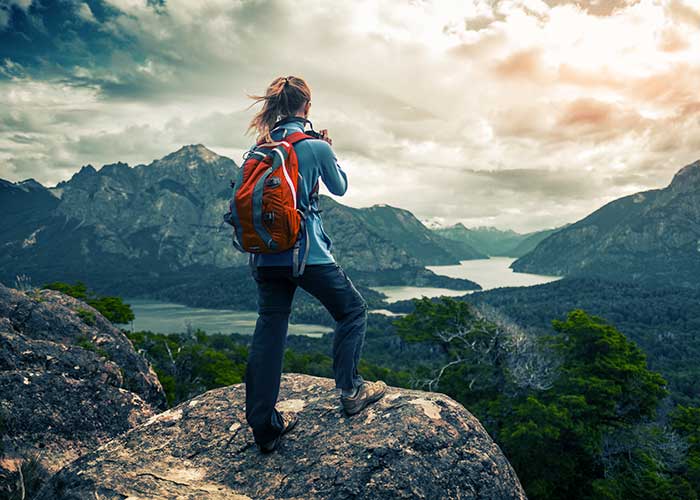
In recent years, solo travel has emerged as a significant trend in the travel and tourism industry. With more people seeking personal growth, independence, and unique experiences, the concept of embarking on adventures alone has gained immense popularity. As we consider the future outlooks and forecast for this trend, it becomes evident that solo travel is set to continue its growth trajectory and become even more influential in the coming years.
Increasing Demand for Authentic and Personalized Experiences
One of the driving factors behind the rising popularity of solo travel is the ever-increasing demand for authentic and personalized experiences. Modern travelers seek to escape the traditional tourist paths and immerse themselves in local cultures, cuisines, and lifestyles. Solo travel allows individuals to explore destinations at their own pace without compromising their personal preferences. This demand is expected to fuel the growth of solo travel, as more people yearn for unique and enriching adventures.
Empowerment and Self-discovery
Solo travel has become synonymous with self-discovery, empowerment, and personal growth. It offers individuals an opportunity to step out of their comfort zones, face challenges, and develop valuable life skills. As society embraces the importance of self-care, mental health, and personal development, solo travel provides a platform for individuals to gain confidence, independence, and a deeper understanding of themselves. This trend is likely to continue as more people seek transformative experiences and self-improvement.
Advancements in Technology
Technological advancements and the rise of the digital nomad lifestyle have also contributed to the growth of solo travel. The availability of mobile apps, online travel platforms, and social media communities have made it easier for solo travelers to plan, book, and share their experiences. These resources provide valuable information, support, and connectivity, eliminating many of the barriers that once hindered individuals from embarking on solo adventures. As technology continues to advance, solo travel will become even more accessible and appealing to a wider audience.
Changing Demographics and Solo-Friendly Amenities
The demographics of solo travelers are also evolving, further contributing to the future growth of this trend. Traditionally associated with young backpackers, solo travel now encompasses a wide range of age groups, including millennials, baby boomers, and retirees. This shift in demographics has resulted in a surge in solo-friendly amenities, such as solo travel packages, accommodation options, and tour services. Destination marketing organizations and travel companies are recognizing the potential of catering to this market segment, leading to an expansion in offerings specifically designed for solo travelers.
Sustainable and Responsible Travel
Sustainable and responsible travel practices are gaining traction globally, with travelers prioritizing the preservation of the environment and local communities. Solo travelers often have greater flexibility to choose sustainable options, such as eco-friendly accommodations, ethical tour operators, and low carbon transportation. This alignment with sustainable practices positions solo travel as a responsible way to explore the world. As the demand for sustainable travel continues to grow, solo travel is likely to benefit from this shift in consumer behavior.
In conclusion, the future of solo travel appears promising, with a multitude of factors pointing towards its continued growth and influence. The increasing demand for authentic experiences, the desire for self-discovery, advancements in technology, changing demographics, and sustainability concerns all contribute to the positive outlook for solo travel. As more people recognize the numerous benefits of embarking on solo adventures, this trend is set to shape the future of the travel industry for years to come.
Recap: Key Findings and Insights of the Solo Travel Trend
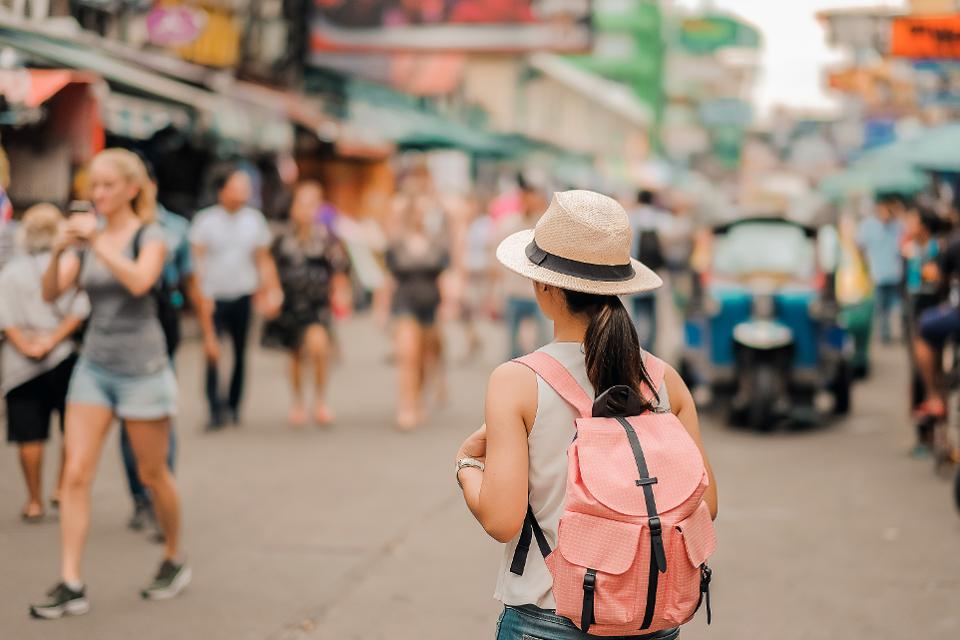
In recent years, there has been a noticeable increase in the popularity of solo travel. This trend has captured the attention of adventurous individuals who are seeking unique experiences and personal growth. Let's recap the key findings and insights related to this fascinating trend.
- Rising Number of Solo Travelers: The number of solo travelers is on the rise globally. More people are embracing the idea of exploring new destinations on their own, without relying on others for companionship or planning. This change in mindset can be attributed to various factors such as greater independence, changing societal norms, and an increasing desire for self-discovery.
- Empowerment and Personal Growth: Solo travel is viewed as a means of self-discovery and personal growth. People are choosing to step out of their comfort zones and embark on solo adventures to challenge themselves and gain new perspectives. It allows individuals to take control of their experiences, enabling them to build confidence, develop problem-solving skills, and foster independence.
- Customized and Flexible Experiences: Solo travelers enjoy the freedom to tailor their trips according to their preferences. They can plan itineraries that suit their interests and explore off-the-beaten-path locations. This trend has led to the emergence of travel services and apps that cater specifically to solo travelers, providing them with personalized recommendations, safety tips, and opportunities to connect with like-minded individuals.
- Seeking Connection and Community: While solo travel may appear to be a solitary endeavor, many solo travelers seek connection and community during their journeys. They engage in activities such as joining group tours or staying in hostels to meet other travelers. Social media platforms and online travel communities have also made it easier for solo travelers to find companions for specific destinations or activities, enabling them to form temporary connections and camaraderie.
- Increasing Safety and Accessibility: Safety concerns have traditionally been a barrier for solo travelers. However, technological advancements and a growing awareness of safety precautions have alleviated some of these concerns. Travelers now have access to various tools and resources, such as GPS tracking, safety apps, and reviews from other solo travelers, which contribute to a sense of security. Destinations are also becoming more solo-travel friendly, with increasing accommodations and activities designed for solo adventurers.
- Diverse Demographics: Solo travel is no longer limited to a particular age group or gender. People from various backgrounds, including millennials, Gen Z, and even older individuals, are embracing solo travel as a way to explore the world and fulfill their personal aspirations. This trend reflects changing demographics and a growing mindset shift towards experiential travel.