

Unveiling the Ethical Dilemmas in AI: A Rising Trend Shaping the Future

The Growing Significance of AI Ethics: Understanding its Origins and Popularity
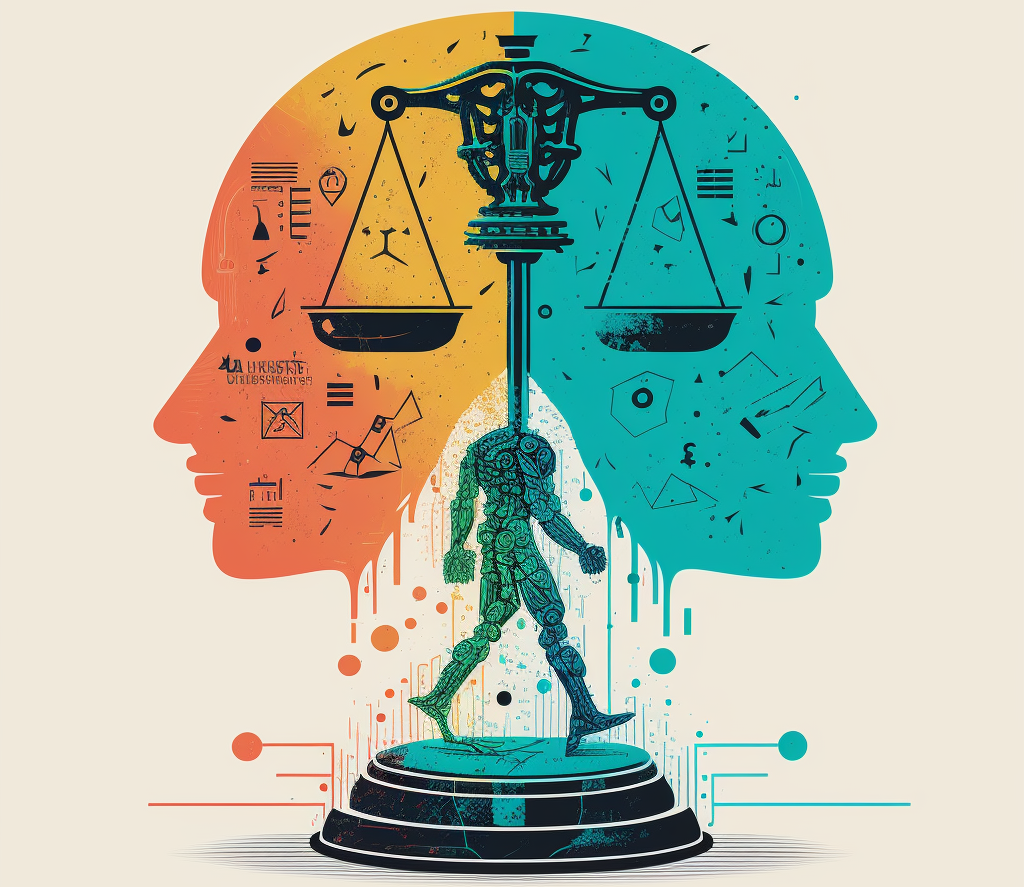
Artificial Intelligence (AI) has become an integral part of our lives, impacting various aspects of society and transforming industries. However, with the rising influence of AI technology, the need for AI ethics has gained significant traction. This article explores the concept of AI ethics, why it is becoming increasingly popular, and its origins. Additionally, we will highlight its growing significance among diverse demographics.
Understanding AI Ethics
AI ethics refers to the moral principles and guidelines that govern the development and use of artificial intelligence technologies. It encompasses considering the potential social, economic, and ethical implications of AI systems, ensuring their responsible and fair deployment. AI ethics aims to strike a balance between technological advancements and ethical considerations, promoting trust, accountability, and transparency in AI-driven systems.
Origins of AI Ethics
The roots of AI ethics can be traced back to the discipline of computer ethics, which emerged in the 1970s. However, it wasn't until recent years that the rapid advancements in AI technology necessitated specific ethical considerations. The field of AI ethics began gaining prominence as researchers, policymakers, and industry professionals recognized the potential risks associated with unchecked AI development. Concerns about data privacy, algorithmic biases, job displacement, and the potential for AI systems to amplify existing societal inequalities have further fueled the need for robust ethical frameworks.
Surge in Popularity
AI ethics has surged in popularity due to several influential factors. Firstly, AI technologies are becoming more pervasive in our daily lives, ranging from voice assistants and personalized recommendations to autonomous vehicles and predictive analytics. As AI becomes increasingly integrated into societal structures, the need to address potential ethical challenges has grown more evident.
Secondly, instances of AI-related controversies and ethical dilemmas have captured public attention. High-profile cases, such as biased facial recognition systems, privacy breaches, and algorithmic decision-making impacting vulnerable communities, have contributed to heightened awareness and demand for ethical guidelines.
Furthermore, the growing activism around ethical technology practices, along with academic research and media coverage, has amplified discussions on AI ethics. Organizations and industry leaders are realizing the importance of addressing ethical concerns early on and actively engaging in responsible AI development.
Popularity among Various Demographics
AI ethics has gained popularity among various demographics, including academics, industry professionals, policymakers, and the general public. Academics and researchers have been at the forefront, examining the ethical implications of AI systems and proposing frameworks and guidelines to ensure responsible AI development.
Industry professionals and organizations are increasingly recognizing the potential risks and reputational damage associated with unethical AI practices. They are investing in internal AI ethics teams and collaborations with external experts to develop robust ethical frameworks and accountability measures.
Policymakers are also paying attention to AI ethics, aiming to establish regulations and guidelines that promote responsible AI deployment while safeguarding public interests. Governments are proactively engaging stakeholders to shape AI policies and regulatory frameworks.
The general public is becoming more aware of AI ethics, demanding transparency, fairness, and accountability from AI systems. Organizational transparency reports and public debates on AI ethics are contributing to increased public engagement and awareness.
As AI technology continues to advance, the significance of AI ethics cannot be understated. The growing popularity of AI ethics is driven by the need to address ethical concerns surrounding AI technologies' impact on individuals, communities, and society as a whole. With the active involvement of academia, industry, policymakers, and public engagement, the development and application of ethical AI frameworks are becoming increasingly vital in shaping a responsible and inclusive AI future.
The Growing Market Size and Promising Growth of AI Ethics
The field of Artificial Intelligence (AI) has witnessed rapid advancements and widespread adoption across various industries. However, as AI becomes more prevalent, so does the need for addressing the ethical considerations associated with its development and deployment. AI ethics has emerged as a crucial discipline that seeks to ensure that AI systems are developed and used in a responsible and accountable manner.
Market Size and Potential
The market for AI ethics is still in its early stages but has been gaining significant traction in recent years. As AI technologies continue to mature and their impact on society becomes more apparent, the demand for ethical frameworks and guidelines for AI development and use has grown exponentially.
According to a report by Allied Market Research, the global AI ethics market was valued at $382 million in 2019 and is projected to reach $1.2 billion by 2026, growing at a compound annual growth rate (CAGR) of 20.8% during the forecast period. This rapid growth signifies the increasing recognition of the importance of AI ethics and the need to address potential risks and concerns associated with AI technologies.
Factors Driving Growth
Several factors contribute to the growth of the AI ethics market:
- Increasing AI Adoption: As AI applications become more pervasive in different sectors such as healthcare, finance, transportation, and customer service, the need for ethical guidelines becomes more crucial. Organizations and policymakers are recognizing the potential harm that AI systems can cause and are seeking ways to ensure ethical use.
- Public Concerns: The public has become more cognizant of AI's impact and the ethical issues surrounding it. High-profile incidents involving biased algorithms, privacy breaches, and the potential for job displacement have raised awareness and generated public demand for AI ethics.
- Regulatory Initiatives: Governments and regulatory bodies worldwide are starting to implement frameworks and regulations to govern AI development and deployment. These initiatives, such as the General Data Protection Regulation (GDPR) in the European Union, emphasize the need for transparent and accountable AI systems, further driving the growth of the AI ethics market.
- Corporate Responsibility: Organizations are increasingly recognizing the importance of incorporating ethical considerations into their AI strategy. Companies are investing in AI ethics initiatives to build trust, mitigate risks, and protect their brand reputation, driving the demand for AI ethics solutions and services.
The AI ethics market is poised for substantial growth as the ethical implications of AI technologies become more evident. With the increasing adoption of AI systems across industries and the growing public concern for ethical use, organizations and policymakers are actively seeking ways to ensure responsible AI development and deployment.
Investments in AI ethics are crucial for building public trust, avoiding potential backlash, and fostering long-term sustainability in the AI industry. As the market continues to grow, collaborations between researchers, policymakers, and technology developers will be vital to shaping ethical guidelines and frameworks that govern AI systems effectively.
Understanding Consumer Demand and Preferences in AI Ethics

As the use of Artificial Intelligence (AI) continues to expand across industries and sectors, concerns about its ethical ramifications have gained prominence. AI ethics refers to the ethical considerations and guidelines surrounding the development, deployment, and impact of AI systems on society. Understanding consumer demand and preferences in AI ethics is crucial for organizations to navigate this rapidly evolving landscape.
Growing Awareness and Consciousness
Consumer awareness and consciousness regarding AI ethics have been increasing in recent years. People are becoming more aware of the potential risks and implications associated with AI technologies. This heightened awareness is fueled by media coverage, discussions on social platforms, and publicized incidents involving AI biases, discriminatory algorithms, and privacy breaches.
Transparency and Explainability
One of the key consumer demands in AI ethics is transparency. Consumers want to know how AI systems are making decisions and how they are trained. They have a growing preference for understandable and explainable AI algorithms. Transparency enables users to trust AI systems and holds organizations accountable for any biases or unethical practices. Research shows that people are more likely to accept AI technologies if they are confident about the ethical considerations incorporated into their design and deployment.
Fairness and Non-discrimination
Another important aspect of AI ethics that drives consumer demand is fairness and non-discrimination. Consumers want AI systems to treat everyone equally and without bias, regardless of race, gender, socioeconomic status, or any other characteristic. They expect AI algorithms to be free from systemic biases and ensure fairness in decision-making processes, such as hiring, loan approvals, and predictive policing.
Data Privacy and Security
Consumer concerns about data privacy and security are not new, but they become even more critical in the context of AI ethics. Consumers are apprehensive about the potential misuse of their personal data, especially when it comes to AI algorithms that can process enormous amounts of sensitive information. They demand robust data protection measures, such as anonymization, encryption, and explicit consent mechanisms, to ensure that their data is handled ethically and securely.
Collaboration and Public Input
Consumers are increasingly interested in having a voice and being involved in decision-making processes related to AI ethics. They believe that diverse perspectives, including those of users, experts, and affected communities, should be taken into account. Consumer demand includes calls for interdisciplinary collaboration, regulatory frameworks, public consultations, and mechanisms for redress and accountability.
The Marketing Opportunity
Understanding consumer demand and preferences in AI ethics is not only crucial from an ethical standpoint but also presents a valuable marketing opportunity. Companies that actively address these concerns and articulate how they meet consumer expectations in AI ethics can gain a competitive advantage. Ethical considerations can become a unique selling proposition, building brand trust and loyalty among consumers who are increasingly conscious about the social impact of their choices.
In conclusion, consumer demand and preferences in AI ethics are driven by growing awareness, a desire for transparency and explainability, concerns about fairness and non-discrimination, demands for data privacy and security, and the need for collaboration and public input. Organizations that proactively prioritize and address these concerns can navigate the evolving AI landscape while fostering customer trust and loyalty.
Industry Players and Competition in the Field of AI Ethics

The intersection of artificial intelligence and ethics has emerged as a critically important topic in recent years. As AI becomes increasingly powerful and prevalent across various industries, concerns about its ethical implications have grown. Industry players and organizations are actively working to address the ethical challenges posed by AI technology, leading to the rise of competition in the field of AI ethics.
- Tech Giants: The tech industry's biggest players have been at the forefront of developing AI ethics guidelines and policies. Companies like Google, Microsoft, and IBM have been vocal about their commitment to ethical AI practices. Google, for instance, has published a set of AI principles and established an external advisory council on AI ethics. These industry giants heavily influence the discourse around AI ethics due to their significant market presence and resources.
- Startups and Nonprofits: Numerous startups and nonprofit organizations have entered the space to address AI ethics concerns. One notable example is OpenAI, a research organization focused on developing AI that is both safe and beneficial to society. OpenAI actively promotes values of long-term safety and a commitment to ensuring that the usage of AI does not harm humanity or concentrate power excessively. Other organizations like the Ethics and Governance of AI Initiative and the AI Now Institute also emphasize the importance of ethical considerations in AI development.
- Academic Institutions: Universities and research institutions play a crucial role in shaping the ethical discourse around AI. Leading academic institutions such as Stanford University, Oxford University, and the Massachusetts Institute of Technology (MIT) have dedicated research centers and initiatives focused on AI ethics. These institutions often collaborate with industry players and contribute to the development of ethical guidelines and standards for AI technologies.
- National and International Bodies: Governments and international organizations are recognizing the need for regulatory frameworks and policies to govern AI ethics. For example, the European Commission has developed the Ethics Guidelines for Trustworthy AI to ensure the ethical use of AI across diverse sectors. Additionally, bodies like the United Nations, through its UNESCO and UNAI initiatives, are actively engaged in discussions and policy development related to AI ethics.
- Collaborations and Partnerships: To address the complex ethical challenges posed by AI, industry players are increasingly collaborating and partnering with each other. Organizations like the Partnership on AI bring together diverse stakeholders, including tech companies, civil society organizations, and academic institutions. The collaboration aims to advance dialogue and contribute to the responsible development and deployment of AI technology.
Competition within the AI ethics domain stems from the race to establish thought leadership, define ethical guidelines, and adopt responsible practices. Industry players strive to differentiate themselves by taking proactive stances on AI ethics, not only to meet societal expectations but also to gain a competitive edge in the market.
In conclusion, the field of AI ethics is witnessing the active engagement of various industry players. Tech giants, startups, academic institutions, national and international bodies, and collaborations within the industry are all contributing to the growing competition in this space. As the ethical implications of AI continue to be explored, the involvement and competition amongst these stakeholders remain crucial in shaping responsible AI development and deployment.
Navigating the Ethical Landscape of AI: Striking a Balance between Innovation and Responsibility

Artificial Intelligence (AI) has become an integral part of our daily lives, revolutionizing various industries and enhancing efficiency. From voice-activated assistants to autonomous vehicles, AI systems have made remarkable advancements, raising ethical concerns along the way. As technological innovation continues to shape our future, it is crucial to address the ethical considerations associated with AI.
Ethical Implications of AI
AI systems possess tremendous potential, but they also come with ethical challenges that need to be addressed. Some prominent ethical concerns in the field of AI include:
- Privacy and Data Protection: AI relies on large amounts of data to function effectively, raising concerns about the collection, storage, and misuse of personal information. Striking a balance between utilizing data for innovation and protecting individuals' privacy is a crucial ethical consideration in AI technology.
- Algorithmic Bias: AI algorithms are developed using historical data, which may reflect human biases. This can result in the perpetuation of societal inequalities and discrimination. Efforts are being made to mitigate algorithmic bias and promote fairness in AI systems, ensuring that they do not inadvertently reinforce existing biases or discriminate against certain groups.
- Human Autonomy and Accountability: As AI systems become more advanced, there is a growing concern about the potential loss of human control. Questions about responsibility and accountability arise when AI systems make decisions that impact individuals or society as a whole. Striking a balance between the benefits of automation and the preservation of human autonomy is an ongoing ethical challenge.
- Job Displacement and Economic Impact: The rapid advancement of AI technology has led to concerns about job displacement and its impact on society. While AI has the potential to enhance productivity and create new opportunities, it also raises questions about the fairness of resource distribution and the potential widening of socioeconomic inequalities.
Addressing Ethical Considerations
To ensure the responsible development and deployment of AI technology, it is essential to address these ethical considerations:
- Ethics in AI Research: Researchers and developers must integrate ethical considerations into the design and development process of AI systems. Ethical frameworks, such as those proposed by organizations like OpenAI and IEEE, can guide developers in addressing the potential risks and implications of their creations.
- Transparency and Explainability: Making AI systems transparent and explainable is crucial for building trust and understanding. Users should be able to understand how AI systems make decisions and have the right to know if they are interacting with an AI. Enhancing transparency can help address concerns related to algorithmic bias and accountability.
- Diverse Representation: Ensuring diverse representation in AI development and decision-making processes is essential for avoiding biases and promoting fairness. Including individuals from diverse backgrounds can help identify potential risks and biases that may be overlooked by a homogenous team.
- Regulatory Frameworks: Governments and policymakers play a pivotal role in creating regulatory frameworks that promote ethical AI practices. These frameworks can address concerns surrounding privacy, data protection, and algorithmic bias, while also fostering innovation.
As AI continues to reshape our world, addressing the ethical implications of AI technology is of utmost importance. By proactively engaging in discussions about AI ethics, incorporating responsible practices, and implementing regulatory measures, we can harness the power of AI while ensuring its impact is aligned with our collective values and aspirations. Only through a balanced approach can we embrace technological innovation while safeguarding against potential ethical pitfalls.
Regional Trends and Cultural Influences on AI Ethics

Artificial Intelligence (AI) ethics is a rapidly evolving field that examines the moral and societal implications of AI technology. As AI becomes more integrated into our daily lives, it is essential to understand how regional trends and cultural influences shape the development and application of AI ethics frameworks. This section explores some key regional trends and cultural factors that influence the approach to AI ethics in different parts of the world.
Western Countries: Individual Autonomy and Privacy
In Western countries, such as the United States and European nations, individual autonomy and privacy are significant concerns when it comes to AI ethics. These societies have a culture deeply rooted in privacy rights and personal freedoms. As a result, ethical considerations related to data privacy, algorithmic bias, and the potential for AI systems to infringe upon individual liberties are paramount.
Leading Western countries have embraced ethical frameworks such as the EU's General Data Protection Regulation (GDPR), which emphasizes individuals' rights to control their personal data. Western societies tend to prioritize transparency, fairness, and accountability in the development and deployment of AI technologies. As a result, algorithmic bias and the potential for discriminatory outcomes are central concerns in AI ethics discussions.
Asian Countries: Collective Values and Social Harmony
In contrast to Western cultures, many Asian countries, including China and Japan, place a significant emphasis on collective values and social harmony. These cultural influences shape the approach to AI ethics in these regions.
For example, in China, AI development and deployment are often driven by the government's agenda. Ethics discussions focus on ensuring harmony in society and maintaining stability. The Chinese government has implemented AI ethics regulations that prioritize social stability, public security, and national interests.
In Japan, where societal harmony (wa) is valued, ethical considerations encompass human-like AI interactions, accountability, and transparency. Trust in technology is crucial, and there is an emphasis on creating AI systems that align with cultural norms and values.
Middle Eastern Countries: Islamic Values and Ethical Principles
The Middle East, predominantly Muslim-majority countries, often approach AI ethics by integrating Islamic values and ethical principles into their frameworks. Islamic ethics emphasize justice, fairness, and the importance of humans as stewards of creation.
Ethical discussions in Middle Eastern countries like United Arab Emirates and Saudi Arabia revolve around ensuring AI technologies comply with Islamic principles, such as the protection of privacy, prohibition of discrimination, and the alignment of AI with religious norms. These countries are working on developing AI ethics frameworks that consider the unique contexts and cultural sensitivities of their societies.
African Countries: Socio-Economic Development and Inclusivity
In many African countries, AI ethics frameworks prioritize socio-economic development and inclusivity. These nations often face challenges related to poverty, education, and access to technology. Ethical considerations focus on using AI to bridge the digital divide, address socio-economic inequalities, and enhance governance and public services.
Countries like Kenya and South Africa are placing an emphasis on nurturing local AI expertise, encouraging data localization, and ensuring that AI technologies benefit the majority of the population rather than exacerbating existing inequalities.
Regional trends and cultural influences significantly shape AI ethics frameworks around the world. While Western countries prioritize individual autonomy and privacy, Asian countries focus on collective values and social harmony. Middle Eastern countries integrate Islamic values into their ethical considerations, and African nations prioritize socio-economic development and inclusivity. Understanding these regional variations is critical for developing global AI ethics standards that account for diverse cultural perspectives and address societal concerns.
The Influence of Social Media and Influencers on AI Ethics

In the era of modern technology, the rampant use of social media platforms has given birth to a new kind of influential group known as social media influencers. These influencers hold the power to shape opinions, trends, and even consumer behavior. As a result, they have the potential to significantly impact the way society perceives and understands various topics, including AI ethics.
The Rise of AI Ethics
Artificial Intelligence (AI) has emerged as one of the most transformative technologies of our time. From virtual assistants to self-driving cars, AI has become deeply integrated into our daily lives. However, with the rapid advancements in AI technology, the ethical implications are becoming increasingly important.
AI ethics refers to the set of principles and guidelines that aim to ensure responsible and unbiased use of AI. From privacy concerns and algorithmic biases to job displacement and accountability, these ethical considerations play a vital role in shaping the future of AI.
Social Media and Influencer Influence
Social media platforms have become the go-to source for news, information, and idea dissemination. Influencers, on the other hand, command an ever-growing following and hold significant influence over their audience. As these influencers have direct access to large numbers of supporters, they become important opinion leaders and trendsetters.
Regarding AI ethics, social media influencers can play a significant role in shaping public opinion. Through their content and engagement, influencers have the power to bring ethical concerns related to AI to the forefront of public consciousness. They can educate and raise awareness about the implications of AI, thus fostering a sense of responsibility among individuals and organizations.
Impact on AI Development and Deployment
The influence of social media and influencers on AI ethics extends beyond public awareness. When influencers take a stance on AI-related issues and emphasize the importance of ethical considerations, they can encourage companies and developers to prioritize responsible AI practices. This, in turn, can influence the design, development, and deployment of AI technologies.
For instance, influencers can advocate for transparent AI algorithms, unbiased training data, and fair decision-making systems. By amplifying their opinions, influencers can shape industry standards and influence the actions of AI developers and organizations. Their influence can be influential in steering AI development towards ethical practices.
Challenges and Criticisms
Despite the potential benefits, the influence of social media and influencers on AI ethics is not without its challenges and criticisms. One major concern is the possibility of misinformation or oversimplification of complex AI ethical issues. Influencers may lack the necessary depth of understanding or expertise, and their messages could oversimplify the nuances of AI ethics.
Additionally, there is a risk of bias or conflicts of interest. Influencers may be sponsored by companies that have vested interests in certain AI-related initiatives, potentially compromising the transparency and objectivity of the information they share.
The influence of social media and influencers on the topic of AI ethics can be substantial. Through their content, engagement, and advocacy, they can set the stage for discussions, policy changes, and industry practices related to the responsible development and use of AI. However, it is crucial to strike a balance between raising awareness and delivering accurate information to ensure that the influence is beneficial and promotes a well-informed understanding of AI ethics.
The Future of AI Ethics: Ensuring Responsible and Ethical Artificial Intelligence

Artificial Intelligence (AI) has transformed various aspects of our lives, from virtual assistants to autonomous vehicles. However, as AI technology continues to advance, so does the need to address the ethical considerations associated with its development and deployment. AI ethics has emerged as a critical field focused on ensuring that AI systems are responsible, fair, transparent, and aligned with human values.
Increasing Concerns and the Need for AI Ethics
As AI-driven technologies become more pervasive, concerns about their potential negative impacts are growing. There have been instances where AI systems exhibited biased behavior, discrimination, and harmful decision-making. For example, facial recognition systems have shown racial bias in accurately identifying individuals with darker skin tones. Additionally, AI algorithms utilized in recruitment and hiring processes have been found to perpetuate gender and racial biases.
To mitigate these challenges, organizations, policymakers, and researchers are recognizing the importance of AI ethics. The goal is to create guidelines and frameworks that ensure AI technologies are designed and implemented in a manner that respects basic human rights, privacy, and fairness.
The Role of AI Ethics in Shaping Future AI Systems
The future of AI ethics lies in establishing robust frameworks that guide the development, deployment, and governance of AI systems. Here are several key aspects that will shape this emerging field:
- Transparency and Explainability: Ensuring that AI systems are transparent and explainable is crucial to instill trust among users and stakeholders. Ethical AI systems should provide clear explanations for their decision-making processes, enabling human users to understand and challenge their outcomes. Researchers are developing new techniques, such as interpretable machine learning algorithms, to enhance transparency and explainability in AI systems.
- Bias Mitigation: Addressing biases in AI systems is paramount to ensure fairness and prevent discrimination. Inclusivity and diversity should be central to the development of AI algorithms and datasets. Techniques, including algorithmic audits and bias-correcting algorithms, are being explored to minimize biases in AI technologies.
- Data Privacy and Security: The responsible use of personal data is a critical ethical consideration in AI development. Organizations need to prioritize data privacy and security by implementing robust safeguards and obtaining informed user consent. Adhering to established data protection regulations, such as the General Data Protection Regulation (GDPR), will be essential to maintain public trust.
- Accountability and Governance: Establishing accountability for the actions of AI systems will be crucial in the future. Clear guidelines and regulatory frameworks will need to be implemented to outline the responsibilities of developers, operators, and users of AI technologies. International collaborations and standardization efforts, such as the IEEE Global Initiative on Ethics of Autonomous and Intelligent Systems, are aiming to create ethical frameworks and guidelines for AI systems.
- Public Awareness and Engagement: Creating awareness and involving the public in AI ethics discussions is vital. Ensuring public understanding and transparency around AI technologies can help alleviate concerns and foster a more inclusive and democratic approach to AI development. Education, public consultations, and interdisciplinary collaborations are essential for building a society that can effectively navigate the ethical implications of AI.
AI ethics will play a pivotal role in shaping the future of AI systems by ensuring they are designed and deployed in a responsible and ethical manner. Transparency, bias mitigation, data privacy, accountability, and public engagement will be key focus areas. As the adoption of AI technologies continues to increase, it is essential for organizations, policymakers, and researchers to proactively address AI ethics to ensure a future where AI benefits society as a whole.
Ethics in AI: Key Findings and Insights

Growing Concern for Ethical AI Development
The deployment of artificial intelligence (AI) systems has soared in recent years, raising concerns about the ethical implications of AI technology. Key findings reveal a growing emphasis on the need for ethical guidelines and regulations to govern AI development and deployment. With the potential to impact numerous aspects of society, including privacy, employment, and bias, many stakeholders are advocating for the responsible and transparent use of AI technologies.
Bias and Discrimination in AI Algorithms
One of the primary concerns is the issue of algorithmic bias and discrimination. AI systems are only as unbiased as the data they are trained and tested on. Without proper checks and balances, AI algorithms can perpetuate and amplify existing prejudices present in the data, leading to unfair outcomes, discriminatory practices, and a lack of diversity and inclusion. This finding underscores the need for addressing bias and promoting diversity both in AI development teams and in the data used to train AI models.
Transparency and Explainability in AI
Another key finding is the increasing demand for transparency and explainability in AI systems. As AI algorithms become more complex, understanding how and why AI systems make certain decisions becomes crucial. Stakeholders and end-users expect AI systems to justify their outcomes in an understandable manner, enabling trust-building between AI technology and society. Efforts are being made to develop explainable AI models that can provide clear explanations for their decisions, especially in fields like healthcare and finance where trust is vital.
Accountability and Responsibility
The issue of accountability and responsibility surrounding AI also emerged as a significant concern. As AI technology becomes more prevalent, questions arise about who should be held accountable for AI-related mistakes or failures. Assigning responsibility for AI outcomes is a complex matter, as it involves a web of actors, including developers, organizations, regulatory bodies, and governments. Establishing clear ethical frameworks and providing guidance on liability will be essential to address the accountability challenges associated with AI.
Human Oversight and Control
Despite the rapid advancements in AI technology, it is widely recognized that human oversight and control should remain essential components of AI systems. While AI can greatly enhance decision-making processes and automate repetitive tasks, humans should ultimately retain the ability to intervene, question, and override AI decisions. This ensures that AI is used as a tool to augment human capabilities rather than replace them entirely. The findings suggest the need for continuous human involvement to ensure the ethical use and deployment of AI.