
Unveiling the Explosive Growth of Amazon FBA: A Trend that Reigns Supreme in E-commerce

Unveiling the Rising Popularity of Amazon FBA
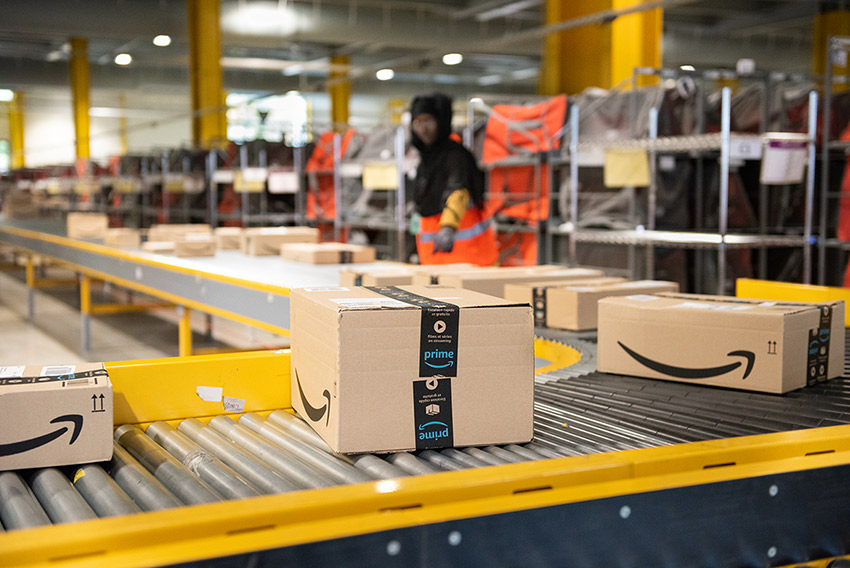
In recent years, Amazon FBA (Fulfillment by Amazon) has emerged as a game-changer in the e-commerce industry. Its unique business model has gained massive popularity among entrepreneurs, small businesses, and even established brands. This section will provide a brief explanation of what Amazon FBA is, its origins, and delve into the reasons behind its exponential growth in popularity across various demographics.
What is Amazon FBA? Amazon FBA, introduced by Amazon in 2006, is a fulfillment program that allows sellers to store their inventory in Amazon's fulfillment centers. Sellers ship their products to Amazon, and the company takes care of storage, packaging, shipping, and even customer service on behalf of the seller. This means that sellers using Amazon FBA can leverage Amazon's vast infrastructure and logistics network to reach customers across the globe.
Origins of Amazon FBA: The concept of Amazon FBA was born out of Amazon's mission to provide exceptional customer service and streamline the buying process. By offering FBA, Amazon aimed to alleviate the challenges faced by sellers in managing inventory, packing, and shipping, thus enabling them to focus on product selection and marketing.
Popularity among Various Demographics:
- Entrepreneurs and Small Business Owners: Amazon FBA has become a go-to solution for aspiring entrepreneurs and small business owners looking to venture into e-commerce. It offers them the opportunity to start a business with minimal upfront costs, as they do not need to invest in warehousing, logistics, or customer service infrastructure. This convenience allows them to focus on product sourcing, marketing, and expanding their online presence.
- Established Brands: Not only startups, but established brands have also recognized the advantages of utilizing Amazon FBA. It offers an additional sales channel to reach a vast customer base with minimal effort. Moreover, by leveraging Amazon's Prime membership program, sellers using FBA can tap into a highly loyal and frequent customer base that prioritizes fast and reliable shipping.
- International Sellers: Amazon FBA has facilitated cross-border trade, enabling international sellers to easily access global markets. With Amazon's extensive network of fulfillment centers spread worldwide, sellers can store their inventory in multiple locations, reducing shipping costs and time. This has opened up new opportunities for sellers from various countries to enter the global online marketplace.
- Customers: Amazon FBA has resonated with customers due to its reliable and fast shipping, thanks to Amazon's robust logistics infrastructure. With FBA, customers can enjoy benefits such as Amazon Prime 2-day shipping, enhanced customer service, and hassle-free returns. This enhanced shopping experience has contributed to the growing popularity of Amazon FBA among consumers.
In conclusion, Amazon FBA's rising popularity can be attributed to its ability to simplify the e-commerce process for sellers, providing convenience, global reach, and improved customer experience. As e-commerce continues to flourish, the demand for Amazon FBA services is expected to keep growing, making it an integral part of the evolving digital marketplace.
The Market Size and Growth of Amazon FBA
The Fulfillment by Amazon (FBA) program has revolutionized the e-commerce industry by offering a hassle-free solution for sellers to store, pack, and ship their products to customers. As one of Amazon's flagship services, FBA has experienced significant growth over the years, resulting in a massive market size and continuing expansion.
Market Size of Amazon FBA
The market size of Amazon FBA can be measured by analyzing the number of sellers using the program and the revenue generated. According to Amazon's annual reports, by the end of 2020, there were over 2.5 million active sellers on Amazon Marketplace worldwide, a considerable portion of which utilize FBA for their inventory management and fulfillment needs.
In terms of financials, Amazon's net sales revenue from third-party seller services, which include FBA, reached $79.3 billion in 2020, a remarkable increase from $53.8 billion in the previous year. This signifies the substantial market size and the growing dependency of sellers on FBA to drive their businesses.
Growth of Amazon FBA
The growth trajectory of Amazon FBA has been remarkable since its inception in 2006. In its early years, FBA attracted sellers with its value proposition of enabling them to streamline their operations and leverage Amazon's vast logistics infrastructure. As a result, the program quickly gained popularity.
The key growth drivers for Amazon FBA include:
- Prime Membership: The introduction of Amazon Prime with free two-day shipping for eligible products has tremendously boosted the appeal of FBA. Prime members, who rely on fast and reliable deliveries, often prioritize purchasing products that are fulfilled by Amazon.
- International Expansion: Amazon FBA has expanded globally, allowing sellers to access international markets with ease. This expansion has opened up new opportunities for sellers to grow and expand their customer base beyond their local markets.
- Inventory Management Solutions: Amazon FBA also offers sellers advanced inventory management tools and services, such as automated restocking and forecasting, which help optimize supply chain operations and improve overall efficiency.
- Customer Trust and Convenience: Amazon's reputation for excellent customer service and reliable fulfillment has built trust among consumers. Sellers who choose FBA can leverage Amazon's brand reputation and gain the trust of potential customers, resulting in increased sales.
As a testament to its growth, Amazon continues to invest heavily in expanding its FBA network. The company has been building new fulfillment centers, introducing innovative features like the Small and Light program, and improving international shipping options to further support the growing demand for FBA services.
In conclusion, the market size of Amazon FBA is significant, with millions of active sellers and billions in revenue. The program's growth can be attributed to various factors, including the benefits it provides to sellers, international expansion, and customer trust in Amazon's fulfillment capabilities. As e-commerce continues to thrive, the popularity of FBA is expected to further increase, solidifying its position as a key player in the industry.
Additionally, the convenience factor plays a significant role in consumer demand for Amazon FBA. Customers appreciate the ease of purchasing products that are eligible for Prime's fast shipping options, as it allows them to receive their items quickly without any hassle. This convenience, combined with the assurance of Amazon's customer-centric services, enhances the overall shopping experience for consumers.
Consumer Preferences of Amazon FBA

To succeed as an Amazon seller utilizing FBA, it is crucial to understand consumer preferences. By aligning your products and strategies with what consumers are looking for, you can better cater to their needs and increase your chances of success.
Product variety and availability is a key preference among consumers. Customers value a wide selection of products that are fulfilled by Amazon FBA, as it provides them with a greater choice and saves them from ordering products through different sellers and waiting for multiple shipments. Sellers who offer a diverse range of products through FBA are likely to attract more customers.
Price is always an important consideration for consumers. While FBA might involve additional fees for sellers, customers are willing to pay a slightly higher price for products that are fulfilled by Amazon. This is because they perceive these products as being more reliable, ensuring quick delivery and high-quality customer service. Therefore, competitive pricing that considers the additional FBA costs will be appreciated by consumers.
Shipping speed and reliability are critical factors in consumer preferences for FBA products. With the expectation of fast and consistent delivery, customers tend to prioritize products that are eligible for Prime shipping. Sellers who can provide accurate and timely delivery estimates, as well as maintain positive feedback on delivery performance, are more likely to attract and retain customers.
As Amazon continues to dominate the e-commerce market, consumer demand for products fulfilled by Amazon FBA is expected to grow. Understanding the factors driving this demand, such as Prime eligibility, trust in the platform, and convenience, as well as aligning with consumer preferences for product variety, pricing, and reliable shipping, will help sellers tap into this expanding market and maximize their potential for success in the world of e-commerce.
Competitive Landscape and Key Industry Players in the Amazon FBA Market
The Amazon FBA (Fulfillment by Amazon) program has revolutionized the e-commerce industry, enabling sellers to leverage Amazon's massive infrastructure for storage, packaging, and delivery. As the popularity of this program continues to grow, the competition among industry players has become intense. This section provides an overview of the competitive landscape in the Amazon FBA market, highlighting key players and their strategies to stay ahead.
Amazon
As the pioneer and operator of the FBA program, Amazon remains the dominant player in the market. With its extensive network of fulfillment centers and global reach, the company offers unparalleled scale and convenience to sellers. By integrating FBA into its comprehensive e-commerce ecosystem, Amazon provides sellers with robust logistics, customer service, and access to Amazon Prime customers. The company constantly invests in expanding its infrastructure and tools, such as the FBA calculator, to enhance the FBA experience for sellers.
Third-party FBA service providers
While Amazon's FBA program is highly popular, some sellers prefer to use third-party service providers specializing in FBA. These providers offer additional services and features designed to optimize FBA operations and complement Amazon's offering. Examples include inventory management, repricing tools, and integration with multiple e-commerce platforms. Third-party FBA service providers, such as Jungle Scout, Helium 10, and Sellics, often cater to specific niches or provide advanced analytics and research tools to help sellers maximize their profitability on Amazon FBA.
E-commerce platforms with FBA integration
To compete with Amazon, some e-commerce platforms have integrated their systems with Amazon FBA, enabling their sellers to fulfill orders through Amazon's network. This allows sellers to tap into Amazon's logistical capabilities while benefiting from the platform-specific features offered by these e-commerce platforms. Notable examples include Shopify, BigCommerce, and WooCommerce, which provide seamless integration with Amazon FBA, allowing sellers to expand their reach and leverage the power of Amazon while maintaining control over their branding and customer experience.
Direct competitors with their own fulfillment networks
A few large e-commerce players have developed their own fulfillment networks to directly compete with Amazon FBA. Walmart, for instance, has introduced Walmart Fulfillment Services (WFS), providing a competitive alternative to Amazon FBA. WFS offers warehousing, pick and pack, and shipping services, aiming to attract sellers by capitalizing on Walmart's vast customer base and brand recognition. Target has also launched its own fulfillment service, Target Plus, which offers similar benefits to sellers. These direct competitors are investing in establishing strong fulfillment infrastructures to attract sellers and gain a larger share of the e-commerce market.
The Amazon FBA market presents a dynamic and competitive landscape. Amazon remains the dominant player with its extensive infrastructure and comprehensive offering. Third-party FBA service providers, e-commerce platforms with FBA integration, and direct competitors with their own fulfillment networks are all vying for a piece of the growing FBA market. As the market evolves, it will be interesting to see how these players continue to innovate and differentiate themselves to meet the evolving needs of sellers in the Amazon FBA ecosystem.
Technological Innovation in Amazon FBA: Optimizing E-commerce Fulfillment
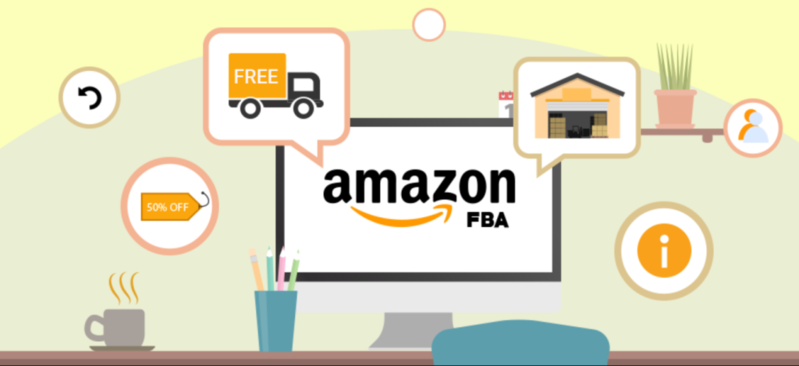
Amazon FBA (Fulfillment by Amazon) revolutionized the e-commerce landscape by enabling sellers to outsource their fulfillment operations to Amazon. While the concept of FBA itself introduced a novel approach to streamlining order fulfillment, technological innovation has played a crucial role in enhancing the efficiency and scalability of this service. In this section, we will explore the key technological advancements that have transformed Amazon FBA and empowered sellers to thrive in the competitive online market.
Inventory Management Systems
Inventory management lies at the core of successful e-commerce operations, and Amazon has continually developed advanced systems to simplify this process for FBA sellers. Through the integration of real-time data analytics and predictive algorithms, sellers can effectively manage their inventory levels, minimize stockouts, and avoid overstock situations. This ensures faster delivery times, improved customer satisfaction, and reduced storage costs.
Additionally, Amazon introduced the Virtual Inventory feature, which allows sellers to offer products without physically storing them in an Amazon fulfillment center. Sellers can connect their inventory management systems with Amazon's API and directly ship products to customers, thus reducing costs and expanding their product range without the need for additional storage space.
Warehouse Automation
Automation has played a pivotal role in optimizing the warehousing operations of Amazon FBA. Leveraging cutting-edge technologies like robotic process automation (RPA), machine learning, and artificial intelligence (AI), Amazon has significantly increased the speed and accuracy of order fulfillment.
Robotic systems, such as Amazon's Robo-Stow and Kiva robots, perform tasks like picking, sorting, and packaging, which were previously done manually. These robots work collaboratively with human workers, reducing errors, increasing throughput, and allowing for faster processing times. As a result, sellers can process more orders efficiently and improve their shipping speed while reducing potential errors.
Predictive Analytics and Demand Forecasting
Predicting customer demand and optimizing inventory levels are crucial aspects of successful e-commerce operations. Amazon FBA has harnessed the power of predictive analytics and demand forecasting to provide sellers with valuable insights into consumer trends.
By analyzing vast amounts of historical sales data and customer behavior patterns, Amazon can provide sellers with recommendations on inventory restocking, pricing optimization, and product bundling. This allows sellers to make informed decisions about their inventory and pricing strategies, ultimately improving sales performance and profitability.
Enhanced Seller Tools and Analytics
To empower sellers, Amazon has continuously enhanced its seller tools and analytics capabilities. These tools provide sellers with comprehensive dashboards, reports, and detailed analytics, offering valuable insights into sales performance, customer behavior, and product visibility.
Through tools like Amazon Advertising and Sponsored Products, sellers can leverage targeted marketing campaigns to promote their products effectively. By integrating data-driven decision-making capabilities and robust analytics, FBA sellers can refine their marketing strategies, optimize product listings, and stay competitive in a crowded e-commerce landscape.
Mobile Applications and Seamless Integration
With the increasing importance of mobile commerce, Amazon has invested heavily in developing mobile applications that enable FBA sellers to manage their business on the go. Through mobile apps like Amazon Seller and Amazon Seller Central, sellers can monitor inventory levels, respond to customer inquiries, and process orders seamlessly, ensuring prompt and efficient customer service.
Furthermore, Amazon has fostered seamless integration with third-party e-commerce platforms and various software solutions. This integration streamlines inventory management, order processing, and allows for data synchronization across multiple platforms, reducing manual effort and minimizing errors in cross-channel operations.
In conclusion, technological innovation has played a crucial role in optimizing Amazon FBA, empowering sellers to streamline their e-commerce fulfillment operations. From inventory management systems to warehouse automation, predictive analytics, enhanced seller tools, and mobile applications, these advancements have revolutionized the way sellers leverage Amazon FBA to meet customer demands effectively and achieve sustainable growth in the competitive online marketplace.
Regional Trends and Cultural Influences on Amazon FBA
As Amazon FBA (Fulfillment by Amazon) becomes increasingly popular worldwide, it is important to understand the regional trends and cultural influences that shape this e-commerce model. While Amazon FBA operates globally, it is also impacted by local consumer preferences, market conditions, and cultural nuances. Regional trends and cultural influences can greatly affect the success and strategies employed by Amazon FBA sellers.
Regional Market Conditions
Market conditions play a significant role in shaping the success of Amazon FBA sellers. Economic factors, such as income levels, purchasing power, and consumer behavior, vary among different regions. For instance, in developed countries like the United States, Canada, or European nations, consumers generally have higher disposable income, making them more inclined to purchase a wide range of goods on Amazon. On the other hand, in emerging markets like India, online retail is rapidly growing, but price sensitivity and limited access to credit may influence consumer buying behavior.
Furthermore, regional marketplaces offered by Amazon, such as Amazon.com (US), Amazon.co.uk (UK), Amazon.co.jp (Japan), or Amazon.de (Germany), present unique opportunities and challenges for sellers. Each marketplace has its own set of rules, regulations, and consumer preferences, requiring sellers to adapt their strategies accordingly.
Cultural Preferences and Buying Behavior
Cultural factors significantly impact consumer preferences and buying behavior, which, in turn, affect the success of Amazon FBA sellers. Companies looking to operate on a global scale must consider these cultural influences.
Product preferences vary across cultures, and understanding these preferences is crucial for successful Amazon FBA selling. For example, in the United States, convenience and time-saving products are highly sought after, while in Japan, there is a strong preference for high-quality and unique goods. It is important for sellers to tailor their product selection to resonate with the cultural preferences of their target markets.
Moreover, cultural differences extend to payment methods, customer service expectations, and communication styles. For instance, in some Asian countries, cash on delivery payment options may be preferred, while credit card usage is more common in Western countries. Customer service expectations may also differ, with some cultures valuing assertiveness and directness, while others prefer more indirect and polite communication.
Logistics and Infrastructure
Logistics and infrastructure underlying Amazon FBA operations can be influenced by regional trends. In some countries, transportation infrastructure may be less developed or costly, leading to challenges in delivering products efficiently. Additionally, varying customs regulations, including import duties and restrictions, may present obstacles for sellers targeting certain regions.
However, improvements in logistics and the overall e-commerce ecosystem are making it easier for Amazon FBA sellers to navigate these challenges. Amazon's continuous expansion and investment in infrastructure across different regions are helping to overcome logistical barriers, ensuring faster and more reliable deliveries.
Understanding regional trends and cultural influences is crucial for Amazon FBA sellers seeking success in different markets worldwide. From adapting to local market conditions and consumer preferences to adjusting strategies based on cultural differences, sellers must be aware of and responsive to regional nuances. By doing so, they can effectively leverage the global reach and power of Amazon FBA to maximize their business potential.
The Rise of Social Media and Influencers in the World of Amazon FBA
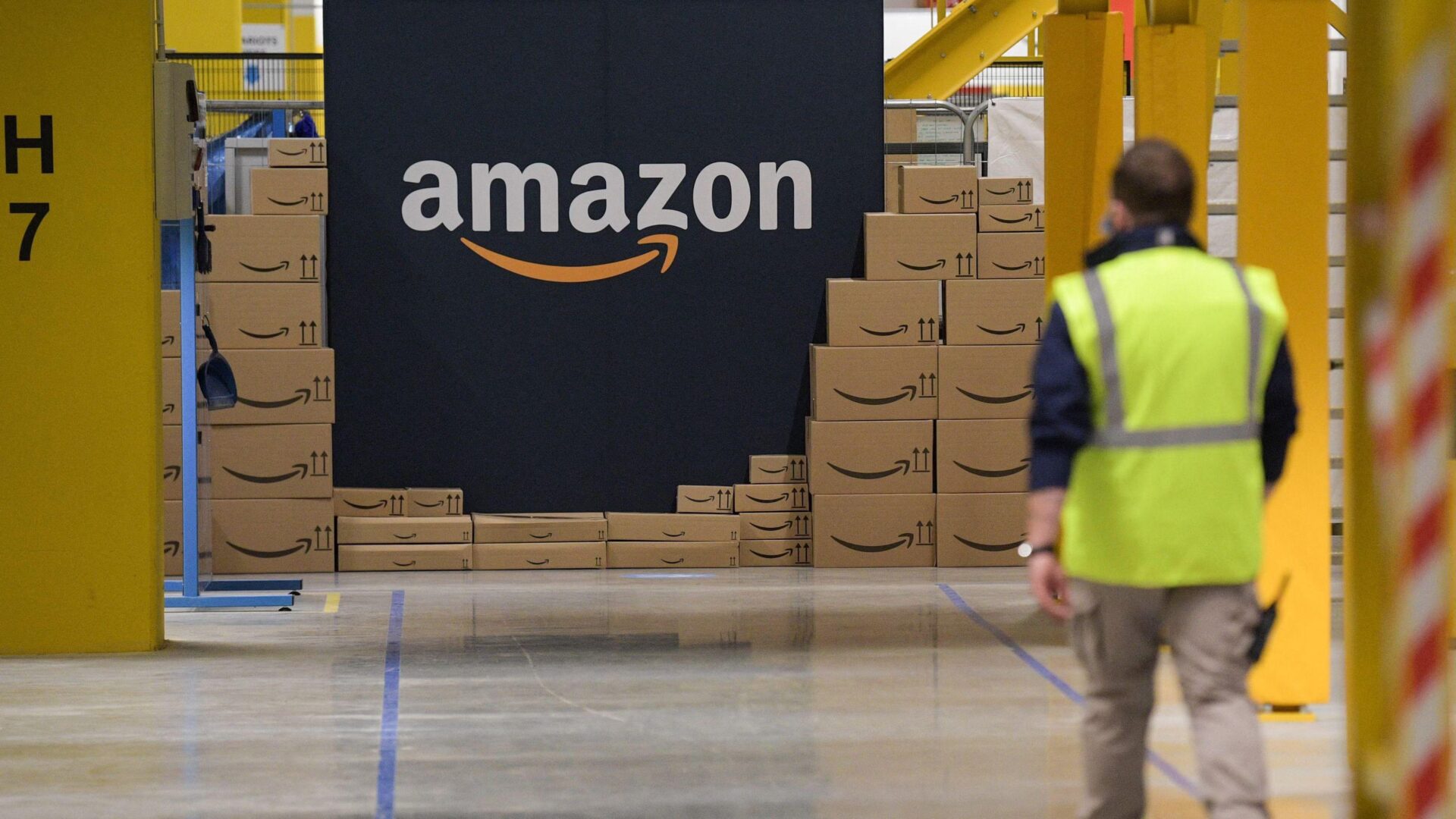
Amazon FBA (Fulfillment by Amazon) has become a popular option for entrepreneurs and small businesses looking to sell their products online. As the platform continues to dominate the e-commerce market, social media and influencers are playing an increasingly important role in helping sellers promote their Amazon FBA businesses.
Social Media Marketing for Amazon FBA
Social media platforms such as Instagram, Facebook, YouTube, and TikTok have become powerful marketing channels for Amazon FBA sellers. These platforms allow sellers to reach a wider audience and build brand awareness beyond the confines of the Amazon marketplace.
One of the main benefits of social media marketing for Amazon FBA is the ability to showcase products in a visually appealing and engaging way. Sellers can create high-quality images and videos to highlight their products, share customer testimonials, and create a strong brand presence. By consistently posting content and engaging with their audience, sellers can attract potential customers and drive traffic to their Amazon listings.
In addition to organic posts, many Amazon FBA sellers are leveraging paid social media advertising to further increase their reach. Platforms like Facebook and Instagram offer targeting options that allow sellers to reach specific demographics and interests, ensuring their ads are shown to the right audience.
The Power of Influencer Marketing for Amazon FBA
Influencer marketing is another powerful strategy that Amazon FBA sellers are using to promote their products. Influencers are individuals with a large and engaged following on social media platforms. They have the ability to influence the purchasing decisions of their followers through recommendations, reviews, and endorsements.
In the world of Amazon FBA, influencers can help sellers gain exposure, drive traffic to their Amazon listings, and increase sales. By partnering with relevant influencers in their niche, sellers can tap into the trust and credibility that these influencers have built with their audience. This can result in higher conversion rates and increased brand loyalty.
Influencers can promote Amazon FBA products through various means, including sponsored posts, product reviews, unboxing videos, and affiliate marketing. They can provide honest feedback, demonstrate the product's features, and share their own experiences, all while encouraging their followers to make a purchase.
Finding the Right Social Media Platforms and Influencers
When it comes to leveraging social media and influencers for Amazon FBA, it's important for sellers to choose the right platforms and influencers that align with their target audience and product niche.
Researching and understanding the demographics and interests of different social media platforms can help sellers determine where their target audience is most active. For example, if a seller is targeting younger consumers, platforms like TikTok and Instagram may be more effective, whereas if their target audience is professionals, LinkedIn may offer better opportunities.
Similarly, when collaborating with influencers, sellers should look for individuals who have a genuine interest in the product and a following that aligns with their target market. It's important to assess an influencer's engagement rates, authenticity, and reputation before committing to a partnership.
By strategically utilizing social media marketing and influencer partnerships, Amazon FBA sellers can gain a competitive edge, increase their brand visibility, and drive sales on the platform. As the e-commerce landscape continues to evolve, these digital marketing strategies will likely continue to play a pivotal role in the success of Amazon FBA businesses.
The Future Outlook of Amazon FBA: A Game-Changer in E-Commerce
Amazon FBA (Fulfillment by Amazon) has revolutionized the world of e-commerce since its inception in 2006. The trend shows no signs of slowing down, with a promising future ahead. This article explores the future outlook and forecast for Amazon FBA, highlighting key reasons for its continued growth and success.
Expansion of E-commerce Market
E-commerce has experienced unprecedented growth in recent years, and this upward trajectory is expected to continue. The COVID-19 pandemic has accelerated the shift from brick-and-mortar retail to online shopping, with more consumers embracing the convenience and accessibility of e-commerce. According to Statista, global e-commerce sales are projected to reach $6.54 trillion by 2022. As the market expands, Amazon FBA is well-positioned to cater to the increasing demand for products and efficient fulfillment.
Growing Third-Party Seller Community
Amazon FBA has empowered millions of entrepreneurs and small businesses to enter the e-commerce space. The program allows sellers to leverage Amazon's extensive logistics infrastructure and customer base, enabling them to focus on product sourcing and marketing while leaving fulfillment, customer service, and returns to Amazon. The third-party seller community has thrived on the platform, contributing to a diverse range of products and driving the overall growth of Amazon FBA. As more sellers recognize the benefits and simplicity of the program, the community is expected to grow.
International Expansion
Amazon's global presence continues to expand, with FBA available in multiple countries. This expansion creates opportunities for sellers to tap into untapped markets and reach a wider customer base. As e-commerce becomes increasingly borderless, sellers can leverage Amazon FBA's international fulfillment network to scale their businesses globally. According to data from Marketplace Pulse, by 2023, international sellers could surpass those based in the United States. The continued international expansion of Amazon FBA is likely to result in increased revenue streams and market penetration.
Advancements in Technology and Logistics
Amazon is known for investing heavily in technology and logistics to enhance its operations. As the largest global e-commerce platform, it continuously strives to improve its fulfillment processes, delivery speed, and customer experience. Innovations such as robotics, automation, and drone delivery are being explored to streamline operations further. These advancements are expected to reduce costs, improve efficiency, and enable faster delivery times, making Amazon FBA an even more attractive option for sellers seeking reliable fulfillment.
Enhanced Customer Expectations
Consumers today have high expectations when it comes to e-commerce, including fast shipping, excellent customer service, and hassle-free returns. Amazon FBA's robust fulfillment network and infrastructure help meet these expectations, giving sellers a competitive edge. As customer expectations continue to evolve, Amazon's commitment to providing exceptional service positions FBA as a leader in the industry. By adhering to strict delivery standards and maintaining high customer satisfaction, Amazon FBA is well-positioned to attract more consumers and retain their loyalty.
In conclusion, the future outlook for Amazon FBA is bright. As e-commerce expands globally, more sellers join the platform, and technology advances, Amazon FBA is set to cement its position as a game-changer in the e-commerce industry. Entrepreneurs and businesses looking to tap into the growing e-commerce market can benefit from leveraging the extensive network, infrastructure, and customer base of Amazon FBA. By staying innovative and keeping up with evolving customer expectations, Amazon FBA stands poised for continued success.
Key Findings and Insights: The Growing Popularity of Amazon FBA
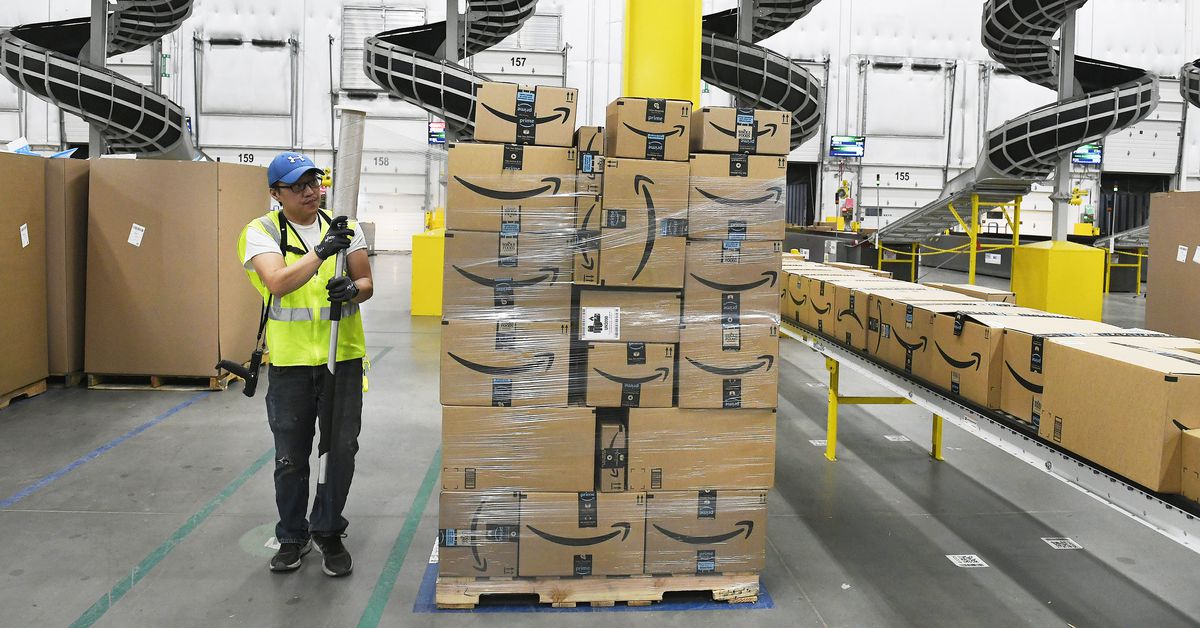
The Amazon FBA (Fulfillment by Amazon) trend has gained significant traction in recent years, and it continues to grow at an unprecedented pace. As more entrepreneurs and businesses shift towards eCommerce, Amazon FBA has emerged as a powerful tool for streamlining operations, expanding market reach, and increasing sales. Here are the key findings and insights surrounding this trend.
- Explosive Growth: The adoption of Amazon FBA has skyrocketed in recent years. According to Statista, the number of active sellers using Amazon FBA has more than doubled between 2020 and 2022, reaching over 5 million sellers worldwide. This incredible growth can be attributed to the ease of setup, accessibility, and the vast customer base offered by Amazon.
- Streamlined Logistics: One key advantage of Amazon FBA is its streamlined logistics network. By utilizing Amazon's vast fulfilment centers, sellers can store their inventory in Amazon's warehouses, allowing for efficient storage, packaging, and shipment. This not only saves sellers time and effort but also enables them to offer fast and reliable delivery options, thus enhancing the customer experience.
- Global Market Access: Amazon FBA provides sellers with global market access, allowing them to reach customers in various countries without the need for establishing physical storefronts or distribution channels. With Amazon's extensive fulfillment network and international marketplaces, sellers can easily tap into new markets and expand their customer base beyond borders.
- Prime Eligibility: By opting for Amazon FBA, sellers automatically qualify for Amazon Prime eligibility. Prime members, who often seek fast and free shipping, can access FBA sellers' products with ease. This grants sellers a competitive advantage, as Prime members tend to convert at a higher rate and have higher average order values, resulting in increased sales and revenue.
- Enhanced Customer Trust: Amazon FBA bolsters customer trust and confidence due to Amazon's strong reputation for reliable and efficient delivery. The "Fulfilled by Amazon" badge reassures customers that their orders will be handled professionally and delivered on time. This trust factor contributes to increased sales, positive customer reviews, and overall brand credibility.
- Scalability and Flexibility: Amazon FBA offers sellers the flexibility and scalability to adapt to changing market dynamics. Sellers can easily scale their operations and handle increased sales volumes without the need for significant upfront investments in infrastructure or personnel. This level of flexibility makes Amazon FBA an attractive option for businesses of all sizes, from solo entrepreneurs to established brands.
- Operational Efficiency: One of the key benefits of Amazon FBA is the opportunity for sellers to focus on core business activities, such as product development, marketing, and strategy, while letting Amazon handle the tedious tasks of inventory management, fulfillment, and customer service. This allows sellers to optimize their time and resources for growth and innovation.