

Unveiling the Game-Changing Rise of Esignature: Embracing Efficient and Secure Digital Documentation

Esignature: The Rising Trend in Digital Document Management
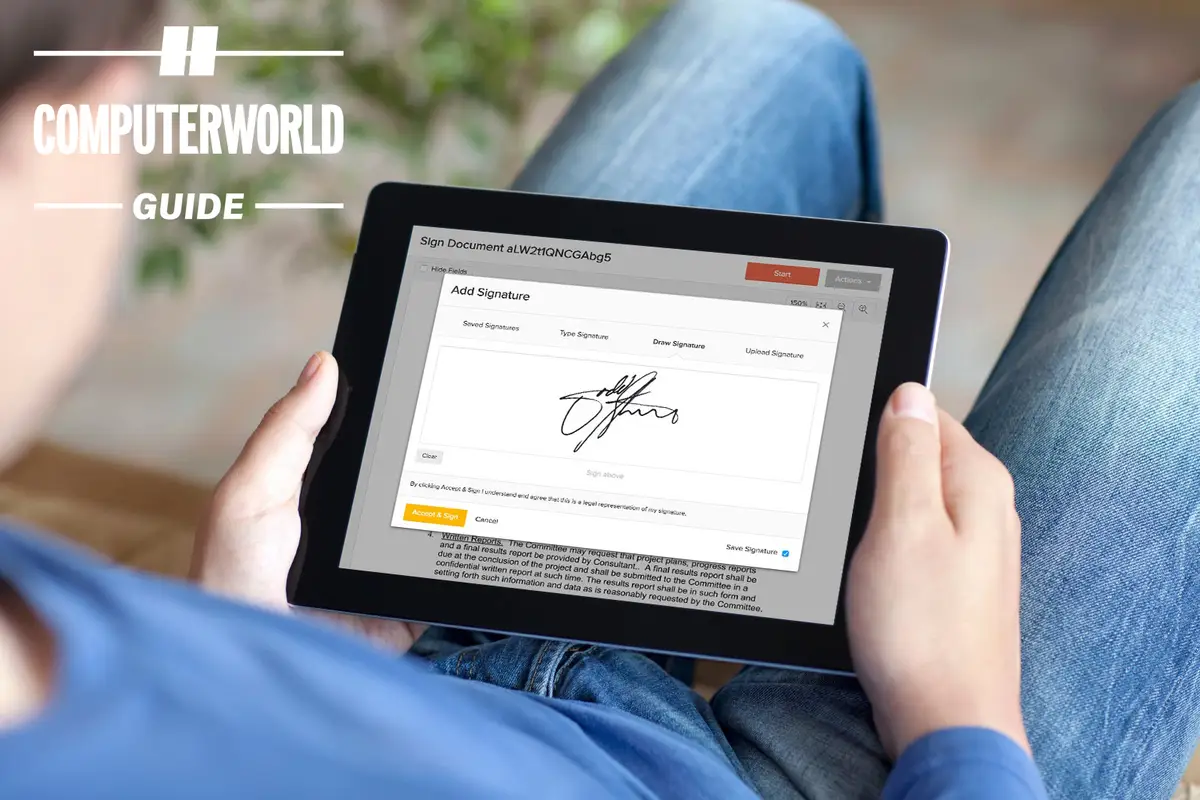
In this digital age, where efficiency and convenience are paramount, electronic signatures, commonly known as eSignatures, have emerged as an innovative solution for digital document management. An eSignature is a digital equivalent of a handwritten signature that can be used to sign electronic documents, such as contracts, agreements, or forms. It offers a secure and legally recognized method of signing documents without the need for physical copies or in-person meetings.
The concept of eSignatures originated in the early 1990s with the development of Public-Key Infrastructure (PKI) technology. However, the widespread adoption of eSignatures has only gained momentum in recent years due to several key factors.
Popularity Among Various Demographics
- Businesses: Esignatures have become increasingly popular among businesses of all sizes, from startups to large corporations. They offer significant advantages by streamlining workflow processes, reducing paperwork, and shortening the time required to sign and execute documents. The ability to send and sign documents digitally enables businesses to operate more efficiently, saving time and costs associated with traditional printing, scanning, and shipping.
- Remote Workers: With the rise of remote work, especially in 2020 due to the COVID-19 pandemic, eSignatures became essential for remote workers. They eliminate the need for physical presence, allowing employees to sign important documents from anywhere, on any device, at any time. This enables seamless collaboration and ensures business continuity, despite physical barriers.
- Legal and Compliance Considerations: Esignatures are legally recognized in many countries, including the United States under the Electronic Signatures in Global and National Commerce (ESIGN) Act and the European Union under the eIDAS Regulation. They provide a level of assurance and authenticity by employing advanced security measures such as encryption and audit trails.
- Environmental Sustainability: In an era of increasing environmental awareness, eSignatures play a crucial role in reducing paper waste. By eliminating the need for physical document storage and transportation, businesses can contribute to sustainable practices and a greener future.
As eSignatures continue to gain popularity, they are reshaping traditional document management processes, offering enhanced efficiency, convenience, and trustworthiness. The ability to sign important documents with a few clicks provides a seamless digital experience that aligns with the demands of our fast-paced, tech-centric world. With the trend of remote work on the rise and the continuous digitalization of various industries, the popularity of eSignatures is only expected to increase in the coming years.
The Rapid Growth and Enormous Market Potential of Esignature
The electronic signature, or esignature, market has experienced remarkable growth in recent years. As organizations shift towards digitizing their operations, the demand for efficient, secure, and legally recognized methods of signing documents electronically has surged. This has created a fertile market landscape for esignature solutions, which enable individuals and businesses to sign, send, and manage documents seamlessly.
According to a report by MarketsandMarkets, the global esignature market size is projected to reach $9.07 billion by 2023, growing at a compound annual growth rate (CAGR) of 24.2% during the forecast period. This robust growth is primarily driven by the increasing adoption of cloud-based technologies, the rising use of mobile devices, and the need for enhanced security and compliance in document signing.
One of the key factors contributing to the expansion of the esignature market is the growing awareness of the numerous benefits it offers. Esignature solutions streamline the document signing process, eliminating the need for manual paperwork and reducing administrative overhead. This results in significant time and cost savings for businesses, enabling them to improve overall operational efficiency.
Moreover, esignatures provide a more convenient and flexible signing experience for individuals, eliminating the need for physical presence or paperwork. This has become particularly relevant in the wake of the COVID-19 pandemic, which has accelerated the adoption of digital transformation across various industries.
The market for esignature solutions is further propelled by the increasing focus on regulatory compliance and data security. Esignature tools are designed to meet stringent regulatory requirements, including those set forth by government bodies and industry standards. By ensuring the integrity and authenticity of electronically signed documents, esignatures offer a level of security that traditional ink-based signatures cannot match.
Furthermore, the rise of remote work and the need for seamless collaboration among distributed teams have contributed to the expanding market for esignature solutions. With remote work becoming the new norm for many organizations, the ability to sign, send, and manage documents securely from anywhere has become essential. Esignature solutions provide this flexibility, enabling remote workers to collaborate effectively and ensure efficient document workflows.
As the business world continues to digitize and embrace digital transformation, the market for esignature solutions is poised for significant growth. The convenience, efficiency, and security offered by esignature tools make them a crucial component of modern business operations. With ongoing advancements in technology and the increasing acceptance of esignatures as legally binding, this market is expected to continue its rapid expansion and bring unprecedented opportunities for innovation in the years to come.
Understanding Consumer Demand and Preferences for E-Signature
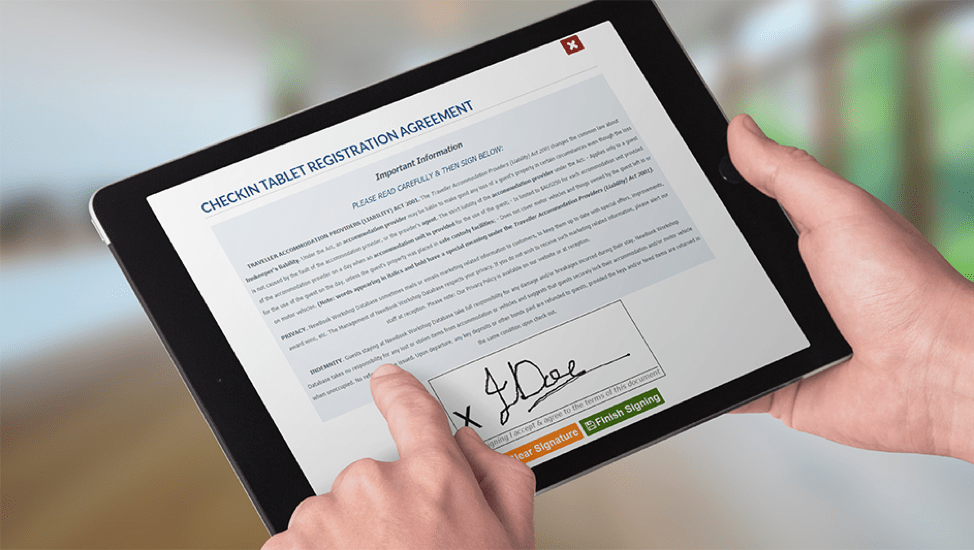
As technology continues to revolutionize various industries, e-signature solutions have become increasingly popular in the business world. E-signatures provide a convenient and secure way for individuals and organizations to sign documents electronically, eliminating the need for physical signatures and cumbersome paperwork. This section explores the consumer demand and preferences surrounding e-signature technology.
The Growing Demand for E-Signature Solutions
In recent years, there has been a significant increase in the demand for e-signatures across various sectors. This surge in demand can be attributed to several key factors:
- Convenience and Efficiency: E-signature solutions offer a seamless and time-saving alternative to traditional paper-based processes. With just a few clicks, users can sign documents from anywhere, at any time, eliminating the need for physical presence and reducing paperwork delays.
- Cost Reduction: Implementing e-signature technology enables businesses to save on printing, shipping, and storage costs associated with physical documents. Additionally, electronic signature solutions streamline administrative tasks, reducing errors and human intervention, further decreasing operational expenses.
- Security and Legal Validity: E-signature platforms employ robust security measures to safeguard sensitive information and ensure the integrity of signed documents. Advanced encryption technology and authentication protocols enhance security, making e-signatures legally binding and enforceable in most jurisdictions.
- Remote Collaboration: E-signature solutions facilitate seamless collaboration, especially in remote work environments. Professionals can easily share and sign documents electronically, eliminating the need for physical meetings and enabling businesses to operate efficiently across geographical boundaries.
Preferences and Considerations for E-Signature Solutions
While the demand for e-signatures is robust, consumers have specific preferences and considerations when selecting an e-signature solution. Below are a few key factors that influence their choices:
- User-Friendliness: Consumers prefer e-signature solutions that are intuitive and easy to navigate. Platforms that offer a clean and user-friendly interface, with clear instructions for signing and managing documents, tend to be more popular among users.
- Integration and Compatibility: E-signature solutions that seamlessly integrate with existing business software, such as document management systems or customer relationship management (CRM) platforms, are preferred. Compatibility with multiple file formats and devices also enhances user experience and flexibility.
- Security Features: Given the sensitive nature of document signing, consumers prioritize security features in their e-signature solutions. Features like multi-factor authentication, audit trails, and document encryption ensure data privacy and instill trust among users.
- Compliance and Legal Validity: Organizations prioritize e-signature solutions that comply with industry standards and regulations, such as the EU's General Data Protection Regulation or the U.S. Electronic Signatures in Global and National Commerce Act. Ensuring legal validity and upholding regulatory requirements is crucial for businesses in highly regulated sectors.
- Pricing and Scalability: Pricing models play an essential role in the decision-making process. Consumers seek transparent pricing structures, offering flexibility for small businesses or individuals who may have limited usage needs. Additionally, scalability options become crucial as organizations grow or require additional features.
Understanding consumer demand and preferences for e-signature solutions is crucial for businesses operating in this space. By considering these factors, companies can develop and market e-signature solutions that cater to the needs of their target audience.
For a more comprehensive analysis of the e-signature market and industry trends, be sure to check out our blog article on The Future of E-Signatures.
The Esignature Landscape: Key Players and Competitive Dynamics

In the rapidly evolving digital age, esignature solutions have gained significant traction, simplifying and expediting document signing processes. As businesses transition towards paperless workflows, the esignature industry has witnessed substantial growth, attracting a number of key players and intensifying competition in the market.
Industry Pioneers
Several pioneering companies have been instrumental in shaping the esignature landscape. One such company is DocuSign, established in 2003, which has emerged as a global leader in the industry. DocuSign offers a comprehensive suite of esignature solutions, enabling businesses to automate document management processes and improve efficiency.
Another significant player is Adobe Sign, a division of Adobe Systems. Building on its renowned Acrobat technology, Adobe Sign offers a seamless, integrated solution for digital signatures and document management. With its strong brand reputation and extensive customer base, Adobe Sign has become a dominant force in the esignature market.
Tech Giants and Challenger Players
In recent years, tech giants have recognized the growth potential of the esignature market and have entered the arena. Microsoft introduced its esignature solution, Microsoft 365, capitalizing on its existing ecosystem of products such as Word and Outlook. Leveraging its widespread adoption and integration capabilities, Microsoft 365 has earned a competitive position in the market.
Another major player is Google, which launched Google Workspace (formerly G Suite) and integrated the Google Drive platform with esignature functionality. With its user-friendly interface and widespread adoption, Google Workspace has attracted a significant customer base, especially among small and medium-sized enterprises (SMEs).
Additionally, several challenger players have emerged, disrupting the esignature market with innovative offerings. HelloSign, acquired by Dropbox in 2019, offers a user-friendly esignature solution that seamlessly integrates with the Dropbox ecosystem. SignNow, a part of Barracuda Networks, stands out with its robust security features, making it an attractive choice for organizations focusing on data protection.
Niche Players and Industry Specialization
Apart from the major players, the esignature landscape also includes numerous niche players and companies with specialized offerings targeting specific industries or sectors. For example, AssureSign focuses on providing esignature solutions tailored to the healthcare industry, catering to its unique regulatory requirements. Similarly, OneSpan specializes in delivering high-security esignature solutions for financial institutions.
These niche players leverage their domain expertise and industry-specific features to carve out a market share in their respective segments. By understanding the specific needs of their target audience and providing tailored solutions, these players can effectively compete against the larger, more generalist providers.
Competition and Market Trends
Intensifying competition within the esignature market has led to innovative developments and increased feature sets. Providers are constantly seeking to differentiate themselves by enhancing user experience, improving integrations with other business tools, and delivering advanced security measures. Additionally, the demand for mobile-friendly esignature solutions has witnessed significant growth, as more individuals use smartphones and tablets for business transactions.
To stay ahead in this competitive landscape, key players are also exploring opportunities for partnerships and collaborations. For instance, DocuSign has formed strategic alliances with leading technology companies, such as Salesforce, to leverage synergies and expand their customer base.
As the demand for esignature solutions continues to grow, industry players are also investing in research and development to drive innovation. This has led to the emergence of emerging technologies such as blockchain-based esignatures, providing enhanced security and traceability.
Overall, the esignature industry is witnessing intense competition, with established players, tech giants, and niche providers vying for market share. The market dynamics are rapidly evolving, driven by innovation, expanding customer expectations, and evolving regulatory norms. Staying informed about the evolving competitive landscape and market trends is crucial for businesses aiming to leverage esignature solutions to streamline their document management processes.
The Rise of E-Signatures: Revolutionizing Document Processing

In the digital age, the need for convenient and efficient document processing has never been greater. While traditional paper-based systems can be time-consuming and prone to human error, technological advancements have paved the way for innovative solutions. One such breakthrough is the advent of electronic signatures, or e-signatures, which are revolutionizing the way documents are signed, shared, and stored.
What are E-Signatures?
E-signatures are digital equivalents of handwritten signatures that provide legal validity to electronic documents. These signatures utilize various forms of authentication, such as biometrics or cryptographic methods, to ensure security and non-repudiation. They offer a more streamlined and secure alternative to traditional ink signatures in a wide range of industries including legal, real estate, finance, healthcare, and more.
The Benefits of E-Signatures
The adoption of e-signatures has numerous benefits for organizations and individuals alike:
- Time and Cost Savings: E-signatures eliminate the need for printing, scanning, and shipping documents, saving considerable time and resources. According to a study by Gartner, e-signatures can reduce document turnaround time by 80% and cut costs by up to 85%.
- Increased Efficiency: With e-signatures, document signing can be completed in minutes, regardless of geographical location. This enables faster collaboration, smoother workflows, and improved customer experiences.
- Enhanced Security: E-signatures employ robust security measures to protect against fraud and tampering. Encryption techniques ensure document integrity and confidentiality, reducing the risk of unauthorized access or alteration.
- Sustainability and Paperless Initiatives: By eliminating the need for paper documents, e-signatures contribute to environmental sustainability efforts by reducing paper waste and carbon footprint.
- Legal Compliance: E-signatures are legally recognized in many countries and jurisdictions, thanks to the adoption of electronic signature laws and regulations. This allows businesses and individuals to confidently conduct transactions and sign contracts digitally.
The Technological Innovations Driving E-Signatures
Several technological advancements have fueled the rapid acceptance and growth of e-signatures:
- Biometric Authentication: E-signature platforms are incorporating biometric authentication methods, such as fingerprint or facial recognition, to ensure the identity of the signatories and create a stronger layer of security.
- Blockchain Technology: Blockchain is being leveraged to enhance the security, immutability, and transparency of e-signatures. By providing a decentralized ledger, blockchain ensures the integrity of signed documents, enabling parties to verify signatures and track changes.
- Artificial Intelligence (AI): AI-powered technologies are improving e-signature platforms by automating tasks such as document preparation, form recognition, and error detection. AI algorithms can also analyze behavioral patterns to detect any fraudulent activities.
- Integration with Existing Systems: E-signature solutions now integrate seamlessly with other software applications, such as document management systems or customer relationship management (CRM) platforms. This integration streamlines workflows and facilitates the seamless exchange of documents between different systems.
- Mobile Accessibility: With the widespread adoption of smartphones and tablets, mobile apps are playing a significant role in the e-signature market. Users can conveniently sign documents on the go, expanding business opportunities and enabling remote collaborations.
As e-signatures continue to gain momentum, it is clear that technological innovation remains at the forefront of their evolution. The ongoing advancements in biometrics, blockchain, AI, and mobile technologies are reshaping the e-signature landscape, making document processing faster, more secure, and more accessible than ever before.
Related Resources:
Esignature: Regional Trends and Cultural Influences
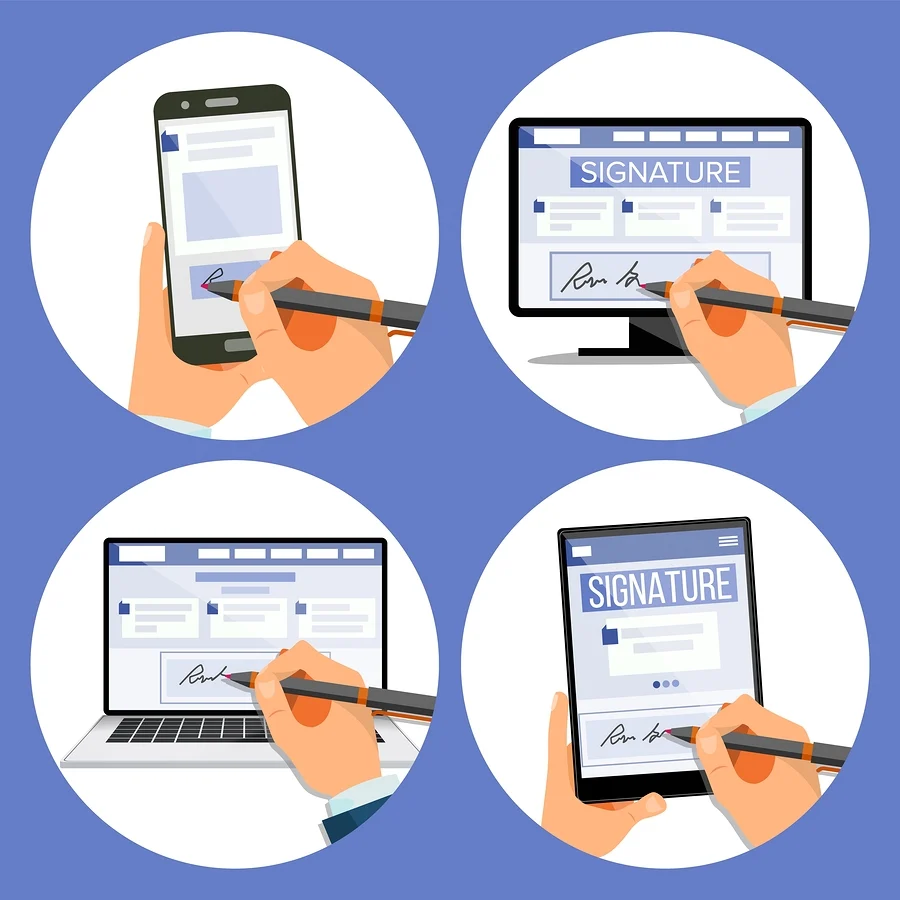
In an increasingly digital world, the adoption of electronic signatures, or esignatures, has become prevalent in numerous industries and across different regions. While the benefits of esignatures are universal, there are notable regional trends and cultural influences that impact their adoption and usage. Understanding these factors can provide valuable insights for businesses operating in diverse markets.
North America - Pioneering Innovation
North America, particularly the United States, has been at the forefront of digital transformation and technological advancements. Consequently, esignatures have gained significant traction in this region. The United States even passed the eSign Act in 2000, legally recognizing electronic signatures on a federal level. This legislation has played a vital role in driving the adoption of esignatures in North America.
European Union - Emphasis on Legal Frameworks
In the European Union (EU), each member country has its own regulations regarding esignatures. However, the EU has established comprehensive legislation known as the eIDAS Regulation to ensure uniformity and legal certainty for electronic transactions across member states. The eIDAS Regulation emphasizes the importance of reliable and secure esignatures, enhancing cross-border transactions within the EU.
Asia Pacific - Mobile-First Approach
Asia Pacific is a diverse region with varying levels of technology adoption. In countries such as China and India, where mobile phone penetration is high, esignatures are commonly used. The mobile-first approach in these countries allows for the seamless integration of esignature solutions into mobile apps, facilitating convenience and accessibility for users.
Middle East and Africa - Cultural Factors
In the Middle East and Africa, cultural factors influence the adoption of technology, including esignatures. Personal relationships and face-to-face interactions play a crucial role in business transactions within these regions. As a result, the adoption of esignatures may be comparatively slower due to a preference for traditional methods that prioritize personal contact and handwritten signatures.
Latin America - Legal Requirements and Accessibility
Latin America has made significant progress in recognizing the legal validity of esignatures. Countries like Brazil, Argentina, and Mexico have established laws that recognize electronic transactions and esignatures as legally binding. Additionally, advancements in internet and mobile connectivity have improved access to digital platforms, promoting the adoption of esignatures in the region.
The regional trends and cultural influences on the adoption and usage of esignatures highlight the importance of considering local contexts when implementing these digital solutions. While North America has been pioneering innovation, the European Union focuses on legal frameworks, Asia Pacific embraces mobile-first approaches, the Middle East and Africa prioritize personal relationships, and Latin America emphasizes legal requirements and accessibility. Understanding these regional nuances is crucial for businesses aiming to successfully implement esignatures in diverse markets.
Esignature Revolution: How Social Media and Influencers are Driving Adoption

The rise of technology has significantly transformed the way we conduct business and manage our personal lives. One particular innovation that has gained significant traction in recent years is electronic signatures, also known as esignatures. Esignature technology allows individuals and organizations to digitally sign documents, eliminating the need for physical signatures and paper-based processes. As the world becomes more digitally interconnected, social media and influencers are playing a crucial role in driving the adoption of esignatures.
The Power of Social Media
Social media platforms have become integral to our daily lives, providing a space for individuals, businesses, and influencers to connect, share information, and influence others. With billions of active users, platforms like Facebook, Twitter, Instagram, and LinkedIn have not only become essential communication tools but also powerful marketing platforms.
Social media has provided a unique space for esignature companies to engage with their target audience and promote the benefits of their offerings. Companies can leverage various social media tactics, such as creating engaging content, running targeted ads, and engaging with users directly. By sharing informative content, success stories, and educational material, esignature providers can showcase the practicality, efficiency, and security of their solutions.
Moreover, social media platforms have made it easier for businesses and individuals to share their positive experiences with esignature technology. Through reviews, testimonials, and case studies, users can amplify the benefits of esignatures, encouraging others to adopt this innovative technology. As social media continues to evolve and dominate our digital landscape, its role in driving esignature adoption is likely to increase significantly.
The Influence of Social Media Influencers
In addition to businesses, social media influencers have emerged as influential players in driving the adoption of esignatures. Influencers are individuals who have built a substantial following on social media platforms due to their expertise, credibility, or unique perspectives. They possess the power to shape opinions, inspire action, and encourage their followers to try new products or services.
Esignature companies have realized the potential of collaborating with social media influencers to promote their solutions to a wider audience. By partnering with influencers who align with their brand values and target demographics, esignature providers can tap into the influencers' credibility and reach. Influencers can create authentic content, share personal experiences, and advocate for the benefits of esignatures, which often resonates more strongly with their followers compared to traditional advertising methods.
Moreover, influencers can offer firsthand demonstrations of esignature platforms, showcasing how easily users can sign documents digitally and the time-saving benefits it provides. This interactive and relatable approach helps drive awareness, familiarity, and trust among their followers, leading to increased adoption of esignature technology.
The combination of social media and influencers has revolutionized how companies market and promote esignature technology. By leveraging the power of social media platforms and working with influential individuals, esignature companies can effectively drive adoption by showcasing the benefits, addressing concerns, and providing a platform for real-life experiences and testimonials. As social media continues to shape our digital landscape, its influence in promoting esignatures is expected to grow, making it an essential tool in the adoption of this innovative technology.
The Future Outlook of E-Signatures: A Paradigm Shift in Document Management

E-signatures, also known as electronic signatures, have revolutionized the way businesses handle document management. This technology facilitates the signing of documents digitally, eliminating the need for physical signatures and paper-based processes. As more industries and organizations recognize the benefits of e-signatures, their adoption is expected to surge, driving significant growth in the coming years.
Rapid Adoption Across Industries
The adoption of e-signatures has already gained significant momentum across various industries, including finance, insurance, healthcare, legal services, and real estate. As organizations increasingly strive for digital transformation and process automation, e-signatures have become a cornerstone of this shift, enabling businesses to streamline workflows, reduce costs, and improve efficiency.
Enhanced Security and Compliance
One of the key advantages of e-signatures is the enhanced security and compliance they offer. Advanced cryptographic technology and secure authentication methods ensure the integrity and non-repudiation of electronically signed documents. Moreover, e-signature solutions often provide an audit trail that records various metadata, such as the time, location, and identity of signers, creating a legally defensible record. These security features will drive wider adoption, especially in industries with strict regulatory requirements.
Increasing Legal Recognition
Legal recognition and legislative frameworks supporting e-signatures have been evolving globally. Many countries have enacted legislation and regulations that recognize the validity of e-signatures, providing a clear legal foundation for their use. The United States, for example, passed the Electronic Signatures in Global and National Commerce (ESIGN) Act in 2000, while the European Union has implemented the eIDAS Regulation, establishing a legal framework for electronic identification and trust services.
Growing Demand for Contactless Solutions
The COVID-19 pandemic has further accelerated the adoption of e-signatures, as businesses sought contactless alternatives to traditional paper-based processes. The necessity for remote work and social distancing measures highlighted the convenience and safety offered by e-signatures, leading to a surge in demand across various industries. This shift in behavior is likely to persist even after the pandemic subsides, as businesses increasingly embrace digital solutions and remote collaboration.
Integration with Emerging Technologies
E-signatures are not limited to standalone solutions but are increasingly being integrated into broader digital ecosystems. This integration enables the seamless flow of documents and data across different platforms, streamlining business processes and enhancing productivity. In addition, emerging technologies such as blockchain and artificial intelligence are being leveraged to further enhance the security and authenticity of e-signatures, ensuring their long-term viability and relevance.
The Rise of Esignature: Key Findings and Insights

- Esignature usage has seen a significant surge due to the increasing need for remote work and digital processes.
- Adoption of esignature solutions has been driven by the advantages of convenience, efficiency, and cost savings.
- The global esignature market is anticipated to reach $9.07 billion by 2023, growing at a CAGR of 29.3% from 2018 to 2023.
- Industries such as banking, insurance, real estate, legal, and healthcare are experiencing the most prominent adoption of esignatures.
- The COVID-19 pandemic has accelerated the adoption of esignature solutions across various sectors, with many businesses relying on remote transactions.
- The legal validity and security of esignatures are well established in many countries through legislation, such as the Electronic Signatures in Global and National Commerce Act (ESIGN Act) in the United States and the eIDAS Regulation in the European Union.
- Cloud-based esignature providers are preferred due to their scalability, ease of integration with existing systems, and improved overall user experience.
- Integration of Artificial Intelligence (AI) and Machine Learning (ML) algorithms in esignature platforms is enhancing security, fraud detection, authentication, and overall user experience.
- Mobile-friendly esignature solutions are gaining popularity as they facilitate on-the-go transactions and provide a seamless user experience.
- Collaboration features, such as multiple signers, automated workflows, and document tracking, are becoming standard functionalities in esignature platforms.
- The esignature market is expected to continue its rapid growth as more businesses embrace digital transformation and remote work practices.
- As esignature becomes more mainstream, companies offering additional value-added services, such as document management, contract analytics, and compliance frameworks, will gain a competitive advantage.
- Continuous advancements in technology and evolving regulatory frameworks will play a crucial role in shaping the future of esignatures.