

Unveiling the Growing Trend of Urban Composting: How City Dwellers Are Embracing Sustainable Waste Management

The Rising Trend of Composting: Harnessing the Power of Nature
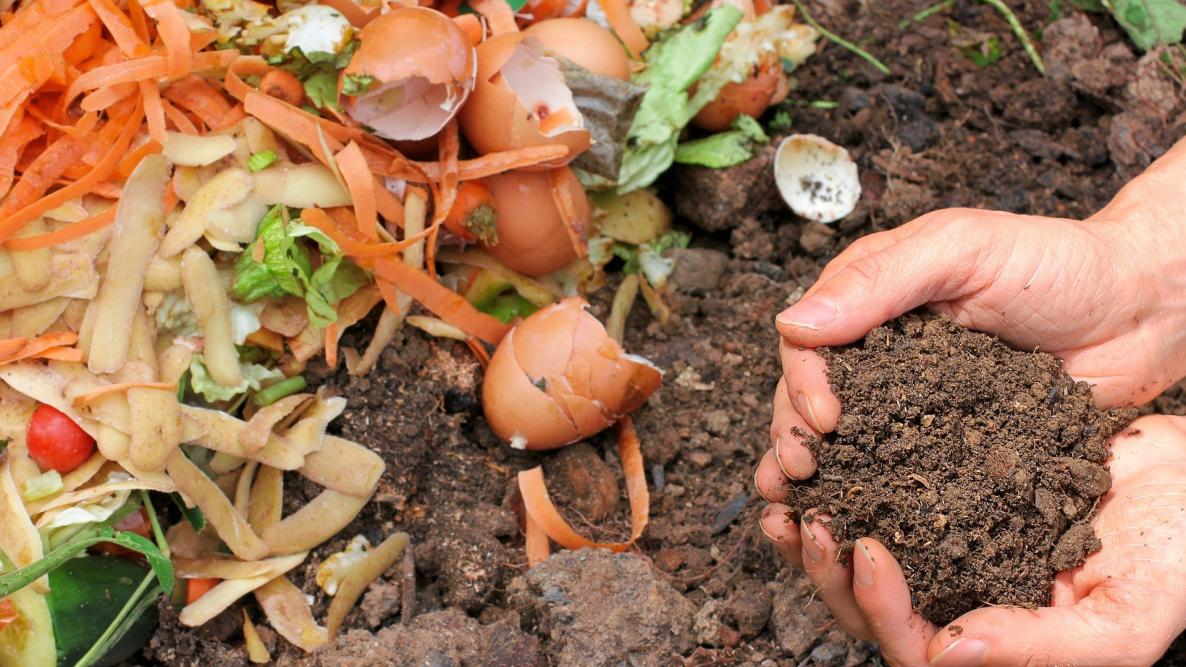
Composting, a natural process of decomposing organic waste, has gained significant popularity in recent years. As people become more conscious of their environmental impact, composting offers a sustainable solution to divert waste from landfills and contribute to healthier soil and a greener planet. This trend has caught on among various demographics, including environmentally conscious individuals, gardening and farming enthusiasts, and even urban dwellers. In this article, we will explore what composting is, delve into its roots, and understand why it is becoming increasingly popular.
Composting: An Overview
Composting is the process of breaking down organic waste materials, such as food scraps, yard clippings, and paper products, into nutrient-rich compost. Through the action of microorganisms, including bacteria, fungi, and worms, these organic materials are transformed into a dark, crumbly substance known as humus. This humus can then be used to improve soil quality, enhance plant growth, and reduce the need for synthetic fertilizers.
Origins of Composting
Composting can be traced back to ancient agricultural practices, where farmers recognized the benefits of returning organic matter to the soil. The concept of composting has evolved over thousands of years, drawing inspiration from traditional farming techniques and natural decomposition processes. Today, it has become a widely adopted practice for sustainable waste management and soil enrichment.
Rising Popularity
- Environmental Consciousness: One significant driver behind the growing popularity of composting is an increased awareness of environmental issues. Composting helps reduce greenhouse gas emissions from decomposing organic waste in landfills and lessens the need for synthetic fertilizers, which can have negative impacts on ecosystems.
- Waste Reduction: Composting provides an effective solution to divert organic waste from landfills. According to the U.S. Environmental Protection Agency, organic waste, including food scraps and yard waste, makes up about 30% of what goes into landfills. By composting these materials, individuals and communities can significantly reduce their waste footprint.
- Soil Health and Gardening: Compost has remarkable benefits for soil health, as it improves its structure, water retention, and nutrient content. As more people engage in gardening, urban farming, or even potted plant cultivation, the desire to enhance the quality of their soil using compost has surged.
- Urban Composting: Composting is no longer restricted to rural areas or homes with backyard gardens. Urban composting solutions, such as composting bins, worm composting, or community composting initiatives, have made composting accessible to city dwellers with limited space. Urbanites now have the opportunity to contribute to sustainable waste management practices and create their own compost.
Composting has emerged as a significant trend driven by environmental consciousness, waste reduction goals, and a desire to improve soil health. With its roots in ancient agricultural practices, composting has evolved into a sustainable and accessible solution for managing organic waste. As more individuals and communities recognize the benefits of composting, this trend is expected to continue rising in popularity, fostering a greener and more sustainable future for all.
The Expanding Market Size and Promising Growth of Composting
The practice of composting, a sustainable waste management method that transforms organic materials into nutrient-rich soil additives, has been gaining significant traction in recent years. With increasing awareness about environmental sustainability and the growing emphasis on reducing waste, the market size and growth potential of composting have captured the attention of individuals, businesses, and governments alike.
Market Size of Composting:
The global composting market has been witnessing solid growth due to several reasons. According to a report by Market Research Future, the market size of composting was estimated at $29.7 billion in 2019 and is projected to reach $48.4 billion by 2025, registering a compound annual growth rate (CAGR) of 8.2% during the forecast period. These figures reflect the expanding demand for sustainable waste management solutions and the increasing adoption of composting practices across various sectors.
Factors Driving Market Growth:
- Environmental Awareness: Growing concerns about the environmental impact of traditional waste management methods, such as landfilling and incineration, have prompted individuals and organizations to seek sustainable alternatives. Composting offers a more ecologically-friendly solution by diverting organic waste from landfills, reducing greenhouse gas emissions, and positively impacting soil health.
- Regulatory Support: Governments worldwide are enacting policies and regulations to promote composting as part of their waste management strategies. For instance, the European Union's Waste Framework Directive sets targets for member states to increase organic waste recycling, including composting. Similarly, countries like the United States and Canada have implemented regulations that encourage composting and provide incentives for businesses and individuals to participate.
- Increased Demand for Organic Products: The rising demand for organic food and gardening products has further contributed to the growth of the composting market. Compost serves as a valuable natural fertilizer and soil amendment for organic farming practices, creating a sustainable cycle of nutrient replenishment.
- Corporate Initiatives: Many businesses are embracing composting as part of their sustainability efforts. Large corporations, including retailers, restaurants, and food producers, are investing in composting infrastructure or partnering with composting facilities to manage their organic waste. These initiatives not only reduce their environmental footprint but also improve their public image and stakeholder relationships.
Future Growth Opportunities:
The market potential for composting is poised to witness further expansion in the coming years. Several factors indicate promising growth opportunities:
- Urban Composting: As urban populations continue to grow, innovative solutions for composting in urban settings are emerging. Technologies such as in-vessel composting and community-scale composting facilities are gaining popularity. These developments allow more people to participate in composting, even in limited-space environments.
- Composting Education and Awareness: Increasing educational campaigns and public awareness about the benefits of composting can further stimulate its market growth. Governments and organizations can play a vital role in promoting composting practices through public outreach programs, workshops, and incentives.
- Integration of Composting in Circular Economy Models: The circular economy concept, which focuses on minimizing waste and maximizing resource efficiency, provides a substantial framework for incorporating composting into various industries. The integration of composting in circular economy models can foster collaborations between waste generators, compost producers, and end-users, leading to more streamlined and sustainable waste management practices.
In conclusion, the market size of composting is witnessing steady growth due to the increasing focus on sustainability, shifting waste management practices, and regulatory support. With the potential for further expansion driven by urban composting initiatives, enhanced education, and the integration of composting in circular economy models, the future looks promising for this environmentally-friendly waste management solution.
Composting: Unearthed Insights into Consumer Demand and Preferences
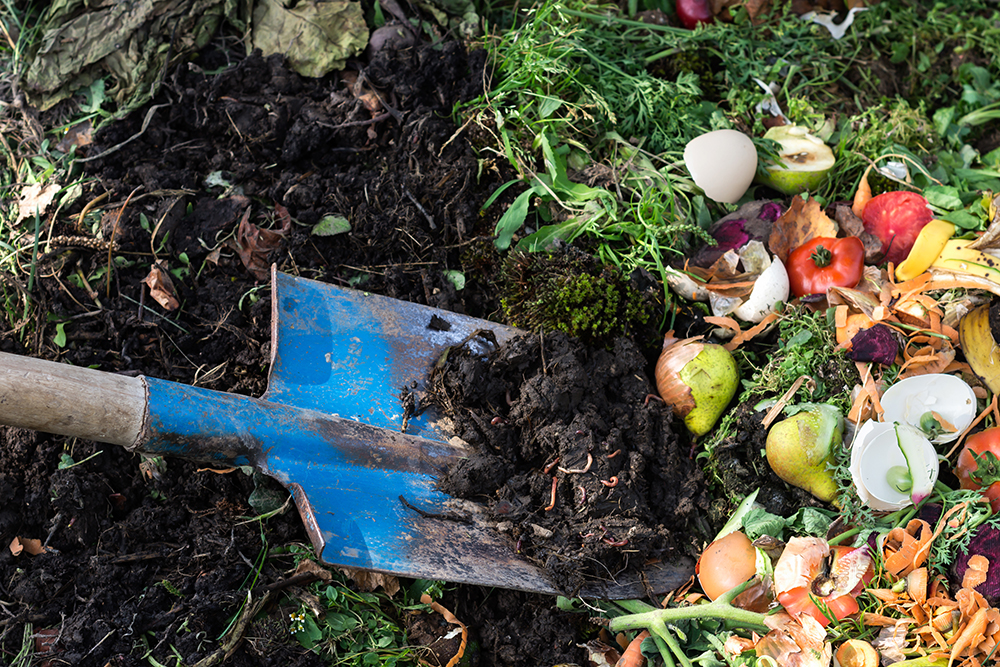
Composting has become an increasingly popular topic in recent years, as more individuals and communities seek sustainable solutions for managing organic waste and reducing their carbon footprint. In this article, we will delve into consumer demand and preferences surrounding composting, exploring key insights and trends that have emerged in this rapidly growing market.
Environmental Consciousness Drives Consumer Demand
One of the primary drivers of consumer demand for composting is an increasing awareness of environmental issues. As people become more environmentally conscious, they are keen to adopt practices that promote sustainability and minimize waste. Composting offers a practical solution for diverting organic waste from landfills and turning it into nutrient-rich soil for gardening and agriculture.
Urban Dwellers Embrace Composting Solutions
Composting is no longer limited to rural areas or traditional gardeners. Urban dwellers are now actively seeking out composting solutions, even in space-constrained environments. This shift is driven by the desire to reduce waste and connect with nature, even in bustling city centers. As a result, compact composting systems tailored to urban living spaces have gained significant traction. These systems are designed to fit in small apartments, balconies, or even countertop spaces, providing a convenient composting solution for urban consumers.
Convenience and Odor Control are Key Considerations
While the eco-friendly benefits of composting hold strong appeal, consumers also prioritize convenience and odor control when selecting composting solutions. Many individuals are interested in composting but hesitant due to concerns about managing odors and the potential for pests. Therefore, consumer demand is driving the production of composting solutions that offer effective odor control mechanisms and ease of use. Compact composting units with odor-trapping filters or airtight sealing mechanisms are becoming popular choices for consumers seeking a hassle-free composting experience.
Composting Technology: From Traditional to High-Tech
Consumer preferences for composting methods vary widely, with options ranging from traditional backyard composting to high-tech composting systems. Traditional composting methods, such as compost piles or bins, appeal to consumers who are hands-on and enjoy the natural process of decomposition. On the other hand, tech-savvy consumers are gravitating towards innovative solutions like electric composters or automated systems that monitor and control temperature, moisture, and oxygen levels. These high-tech composting options offer convenience and precision, while still delivering the desired environmental benefits.
The Rise of Community and Commercial Composting
In addition to individual consumers, community and commercial composting is gaining momentum. Community composting initiatives, where multiple households contribute organic waste to a shared composting site, have become popular in neighborhoods, apartment complexes, and schools. Similarly, businesses and restaurants are recognizing the value of composting to reduce food waste and promote sustainability. This growing demand for community and commercial composting has prompted the development of specialized composting services and facilities.
Composting is no longer solely the domain of avid gardeners or rural communities. As consumer demand for sustainability and waste reduction increases, composting has swiftly gained popularity across diverse demographic segments and urban areas. Consumers are seeking convenient, odor-free, and technologically advanced composting solutions that align with their environmental values. The future of composting appears bright as companies continue to innovate, making composting accessible and appealing to a wider audience.
Industry Players and Competition in the Composting Market
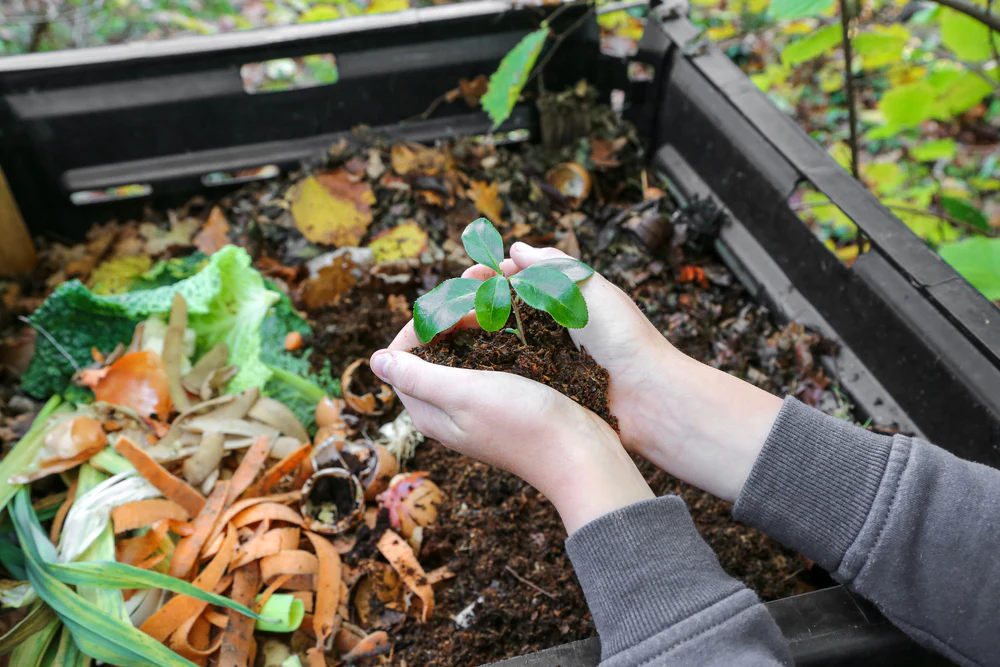
Composting, the process of decomposing organic waste materials into nutrient-rich soil amendments, has gained significant attention in recent years as a sustainable solution for waste management and soil enrichment. As environmental concerns continue to grow, the composting industry has witnessed a surge in popularity and attracted several industry players vying for a share of the market.
- Municipal Waste Management Companies One of the significant players in the composting industry is municipal waste management companies. These companies are responsible for collecting and managing waste generated by households and businesses within a specific geographic region. With the increasing emphasis on waste diversion and sustainability, many municipalities have incorporated composting programs into their waste management systems. These efforts have led to the establishment of large-scale composting facilities operated by waste management companies.
- Agricultural and Horticultural Companies Agricultural and horticultural companies are another important segment in the composting industry. These companies utilize compost as a natural soil amendment to enhance soil fertility and improve crop yields. With the rising demand for organic and sustainable farming methods, farmers and growers are increasingly incorporating compost into their agricultural practices. To meet this demand, some agricultural and horticultural companies have started producing and selling compost as part of their product offerings.
- Composting Equipment Manufacturers Composting equipment manufacturers play a crucial role in the industry by providing tools and technology needed to efficiently carry out the composting process. These companies design and manufacture a range of equipment, including compost turners, shredders, mixers, and screening systems, which help speed up the decomposition process and ensure the quality of the end product. As composting gains traction, the market for composting equipment is also expected to grow.
- Composting Service Providers Composting service providers cater to individuals, businesses, and organizations that may not have the resources or expertise to manage composting on their own. These companies offer collection, transportation, and processing services, allowing customers to divert their organic waste from landfills and convert it into compost. Composting service providers often work with municipal governments, businesses, schools, and residential communities to implement effective composting programs.
- Decentralized Composting Initiatives In recent years, decentralized composting initiatives have emerged as a way to encourage individual households and small communities to compost their organic waste locally. These initiatives often take the form of small-scale composting systems, such as worm bins or backyard composting setups. They promote community engagement, education, and self-sufficiency in waste management. Although decentralized composting initiatives may not be direct competition to larger industry players, they contribute to the overall growth and adoption of composting practices.
Competition in the Composting Market
As the demand for composting continues to rise, competition in the industry is intensifying. Key factors that drive competition include the quality of the compost produced, the efficiency of the composting process, pricing strategies, customer service, and environmental certifications. Additionally, companies that can offer innovative solutions, such as incorporating advanced technologies or developing specialized compost products, may gain a competitive edge in the market.
To stay ahead in this competitive landscape, industry players should continuously invest in research and development, forge strategic partnerships, and stay informed about evolving regulations and industry trends. By understanding consumer needs, exploring new markets, and refining their offerings, companies can position themselves for sustained growth and success in the composting industry.
Automated composting systems utilize sensors and control mechanisms to monitor and manage key parameters such as temperature, humidity, oxygen levels, and turning frequency. These systems ensure optimal conditions for composting, resulting in faster decomposition and higher-quality compost. Additionally, automated systems help reduce the need for manual labor, making composting more accessible and less labor-intensive.
Composting Accelerators:
Composting accelerators, also known as bioactivators or compost starters, are products designed to speed up the composting process. These accelerators contain a mixture of microorganisms, enzymes, and nutrients that help break down organic waste more efficiently. By introducing beneficial microorganisms, accelerators create an ideal environment for composting, resulting in quicker compost production. This technology is particularly useful in scenarios where time is of the essence, such as commercial composting operations or large-scale waste management facilities.
Technological innovations have made significant contributions to the field of composting, addressing key challenges and unlocking new possibilities for sustainable waste management. In-vessel composting systems, compost biofilters, automated composting systems, and composting accelerators are just a few examples of how technology has revolutionized composting practices. As our society becomes increasingly focused on sustainable solutions, these advancements pave the way for more efficient, controlled, and odor-free composting processes. Embracing these innovations can help build a greener future, where organic waste is transformed into valuable resources that nourish the earth and promote sustainable agriculture.
Composting: Regional Trends and Cultural Influences
Composting is an environmentally friendly practice that involves the decomposition of organic matter into nutrient-rich soil. While the benefits of composting are well known, this practice is influenced by regional trends and cultural factors that shape its popularity and implementation around the world. In this section, we explore some regional trends and cultural influences that affect the adoption and perception of composting.
Europe: Embracing Composting as a Sustainable Lifestyle Choice
In Europe, composting has become deeply embedded in the lifestyle and cultural fabric of many countries. This can be attributed to several factors, including a strong emphasis on sustainability, waste management regulations, and widespread awareness of the detrimental effects of food waste. Countries like Germany and the Netherlands have implemented comprehensive composting infrastructures and have high rates of public participation in composting programs. Additionally, in Nordic countries like Sweden and Finland, composting is deeply rooted in the culture of self-sufficiency and the connection to nature.
North America: Composting as an Environmental Movement
In North America, composting is gaining momentum as an important aspect of the environmental movement. The increasing awareness about the environmental impact of landfill waste and the desire to reduce carbon footprints have contributed to the popularity of composting in this region. Cities like San Francisco and Seattle have implemented mandatory composting programs, and individual households are increasingly adopting home composting practices. Additionally, community gardens and urban farming initiatives in North America often integrate composting as an essential component for sustainable agriculture.
Asia: Traditional Practices and Growing Urban Composting
In various parts of Asia, composting is deeply ingrained in traditional agricultural practices. Countries like India, China, and Japan have long-standing traditions of composting organic waste for use in agricultural fields. Today, as many Asian cities experience rapid urbanization, efforts are being made to integrate composting into urban waste management systems. For example, Singapore has introduced community composting initiatives and is leveraging technology to transform food waste into compost on a large scale.
Cultural Factors and Stigma
Cultural factors also play a role in the adoption and perception of composting. In some regions, composting may be viewed as a dirty or unpleasant task associated with rural or lower socioeconomic backgrounds. Overcoming this stigma requires education and awareness campaigns to highlight the benefits of composting and debunk any misconceptions associated with it. Moreover, cultural attitudes towards waste management and the value placed on sustainability influence the acceptance and uptake of composting.
In summary, composting is influenced by regional trends and cultural influences that shape its adoption and perception around the world. While Europe embraces composting as a sustainable lifestyle choice, North America sees it as part of the environmental movement. In Asia, traditional practices merge with urban composting initiatives. Understanding these regional trends and cultural factors is crucial for promoting and enhancing composting practices on a global scale.
The Influence of Social Media and Influencers on Composting
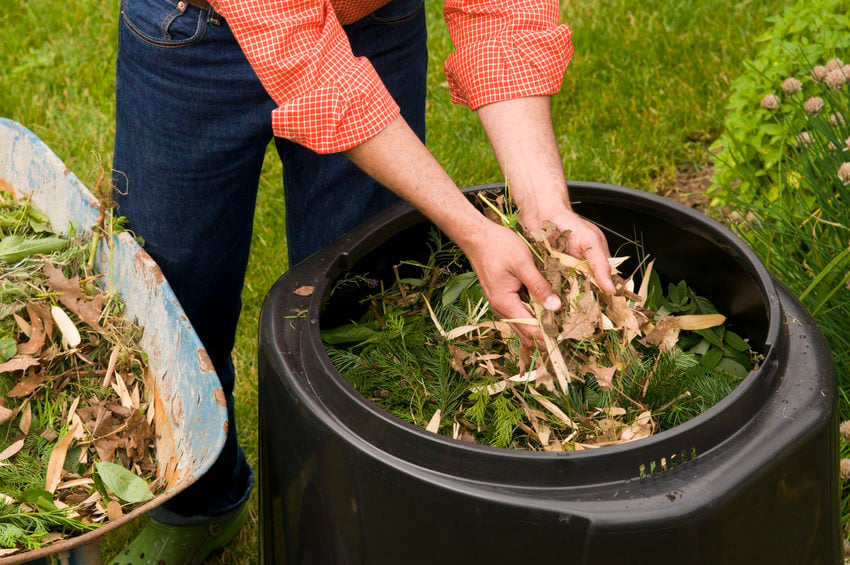
In recent years, social media and influencers have played a significant role in shaping consumer behavior and promoting sustainability practices. One area where their influence can be observed is in the realm of composting, which has gained popularity as an eco-friendly way to reduce waste and improve soil health. This section explores the impact of social media and influencers in encouraging and educating people about composting and its benefits.
The Rise of Composting Influencers:
Composting influencers have emerged on various social media platforms, creating engaging content to educate and inspire their followers to start composting. These influencers are often sustainability enthusiasts, gardeners, or individuals who have adopted a zero-waste lifestyle, making them credible sources of information and inspiration for those considering composting.
Through visually appealing posts and videos, influencers showcase their composting efforts, including setting up compost bins, tips for efficient composting, and using compost in their gardens or indoor plants. They also provide advice on different composting methods, such as traditional backyard composting, vermicomposting (using worms), or bokashi composting (fermentation).
Educating and Encouraging:
Composting influencers fulfill an essential role in educating and encouraging their followers to embrace composting. They explain the environmental benefits of composting, such as reducing landfill waste, minimizing greenhouse gas emissions, and enriching soil fertility. By sharing their own experiences and successes, influencers make composting seem achievable and rewarding.
Additionally, influencers offer practical tips and suggestions on how to overcome common challenges in composting, such as odors, pests, or maintaining the right balance of green and brown materials. This guidance empowers beginner composters, making the process less daunting and more approachable.
Collaborations with Sustainable Brands:
Composting influencers often collaborate with sustainable brands, promoting composting-related products and tools. These collaborations not only provide influencers with monetary or product-based benefits but also introduce their followers to practical composting solutions.
From compost bins and tumblers to compostable packaging and kitchen waste containers, these partnerships enable influencers to recommend reliable and convenient composting products that align with their sustainability values. Such collaborations also generate awareness and interest in composting among their followers.
Fostering a Composting Community:
Social media platforms offer an online community for composters to connect, share experiences, and seek advice. Composting hashtags, Facebook groups, and online forums provide spaces where both influencers and followers engage in discussions, ask questions, and exchange tips and ideas. This sense of community fosters a support network and encourages more people to participate in composting.
Social media and influencers have had a significant impact on popularizing and promoting composting as an eco-friendly practice. Through their educational content, practical guidance, and collaboration with sustainable brands, they have made composting more accessible and appealing to a wider audience. By joining the composting conversation on social media platforms, individuals can gain knowledge, inspiration, and contribute to the growing movement towards a more sustainable future.
Related Articles:
The Future Outlook of Composting: A Sustainable Solution for a Sustainable Future
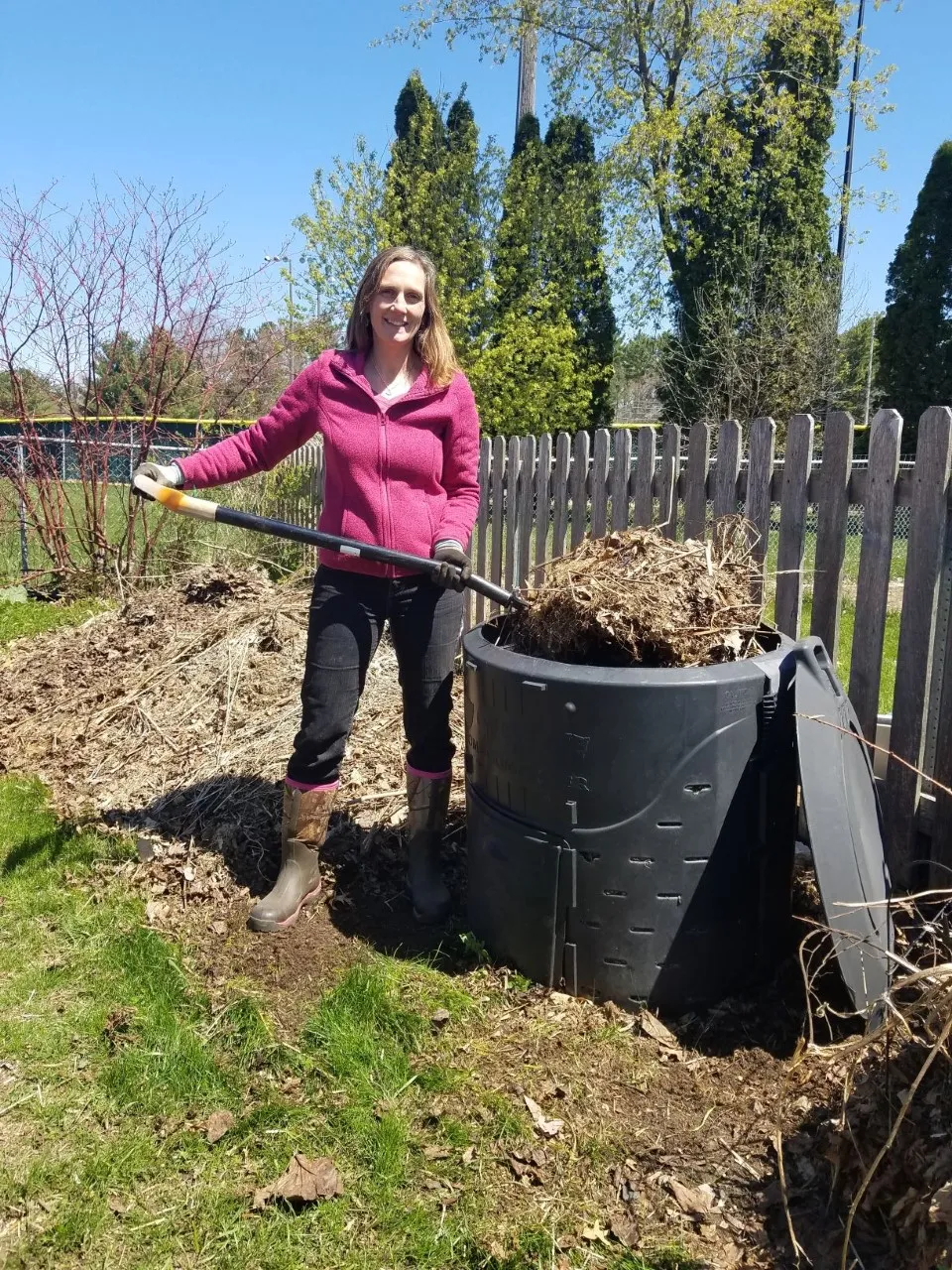
Composting, the process of decomposing organic waste into nutrient-rich soil, has gained significant attention in recent years due to its numerous environmental benefits. As the world faces increasing environmental challenges, composting has emerged as a crucial solution for waste diversion, soil fertility, and climate change mitigation. In this article, we will discuss the future outlook and forecast of this sustainable trend.
Growing Awareness and Adoption of Composting
The global movement towards sustainable living and eco-friendly practices has led to a surge in awareness and adoption of composting. Individuals, communities, and even businesses are recognizing the potential of composting to reduce waste and minimize the harmful effects of landfills. With support from government initiatives and environmental campaigns, more people are becoming familiar with the benefits of composting and are implementing it into their daily lives.
Expanding Infrastructure and Technology
The future of composting looks promising, as there is a growing focus on developing infrastructure and advancing technology in this field. Governments, waste management companies, and entrepreneurs are investing in composting facilities and systems to accommodate the increasing demand. Innovations such as in-vessel composting and aerated static pile composting have made the process more efficient, reducing the time required for decomposition and minimizing odor issues. Additionally, technology-driven solutions, such as smart composting bins and mobile composting apps, are being developed to make composting more accessible and user-friendly.
Integration of Composting in Urban Environments
As urban populations continue to grow, finding sustainable waste management solutions becomes vital. Composting can play a significant role in urban environments by promoting community gardens, green rooftops, and urban agriculture. The future will witness increased integration of composting in cities, with initiatives such as urban composting centers and compost pickup services becoming more prevalent. This shift will not only reduce waste and reliance on conventional fertilizers but also create green spaces within urban landscapes, leading to improved air quality and a sense of community.
Regulatory Support and Recognition
Governments across the globe are recognizing the importance of composting and its potential to address environmental challenges. Regulations are being put in place to encourage composting practices and divert organic waste from landfills. For instance, several countries have implemented mandatory composting laws that require households and businesses to separate organic waste for composting. Financial incentives, such as tax breaks and subsidies, are also being offered to promote composting infrastructure development. These regulatory and financial measures will drive the future growth of composting, making it a more mainstream practice.
The future outlook for composting appears bright, with increasing awareness, advancing technology, urban integration, and regulatory support driving its growth. As individuals and societies continue to prioritize environmental sustainability, composting will play a pivotal role in achieving a more circular and eco-friendly economy. Embracing composting as a way to reduce waste, enrich soil, and mitigate climate change will pave the way for a sustainable future.
Composting: A Sustainable Solution for Waste Management
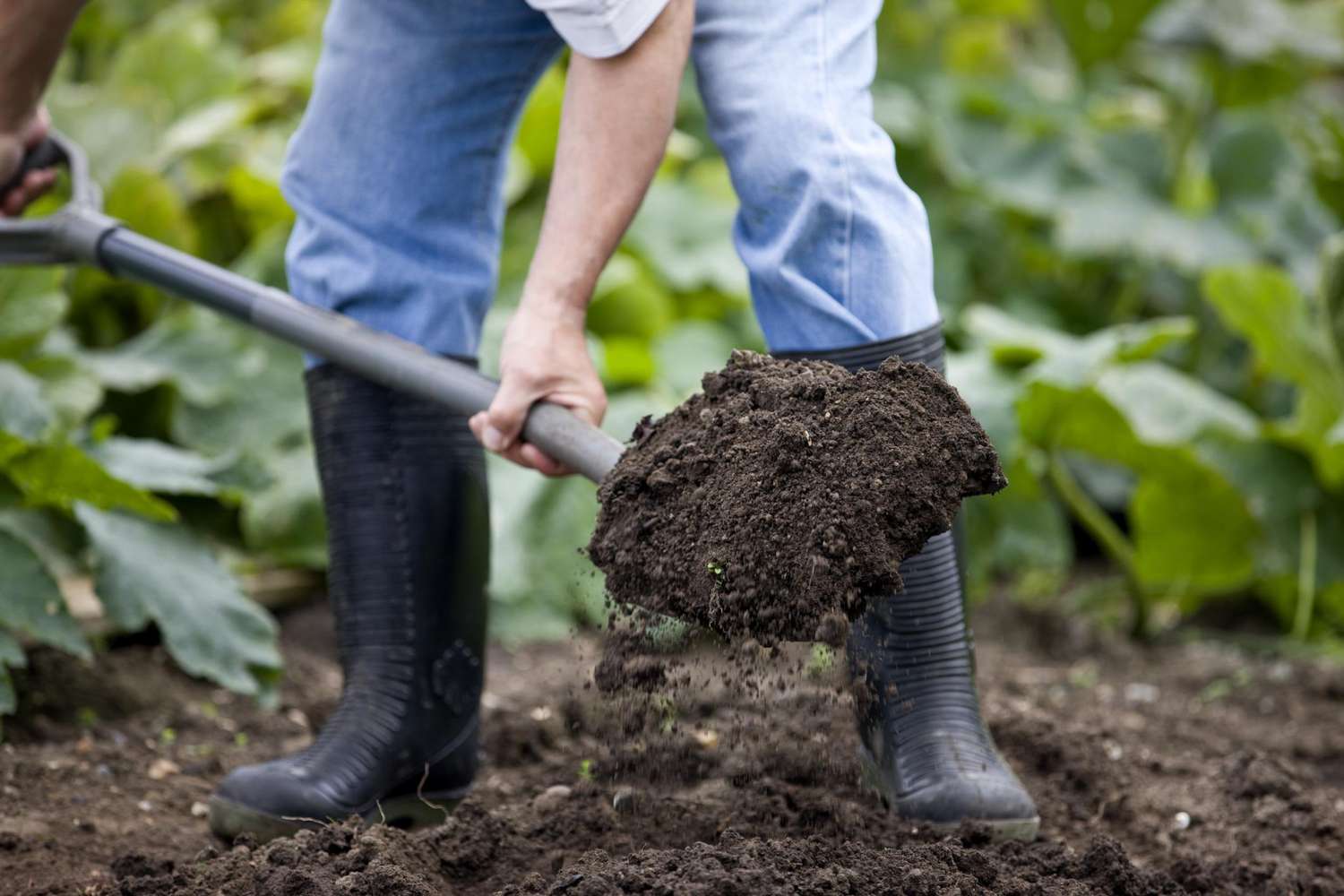
Key Findings and Insights:
- Growing Popularity: Composting has gained significant traction in recent years due to increasing environmental awareness and a shift towards sustainable living. The trend has gained popularity among both individuals and organizations as a means to reduce waste and foster a circular economy.
- Environmental Benefits: Composting offers numerous environmental benefits. It reduces landfill waste and the associated greenhouse gas emissions, as organic waste decomposes anaerobically in landfills, releasing methane - a potent greenhouse gas. Composting instead utilizes the natural process of aerobic decomposition, converting organic waste into nutrient-rich soil fertilizer.
- Waste Reduction: Composting helps divert organic waste from landfills, which is a crucial step towards achieving waste reduction goals. According to the U.S. Environmental Protection Agency (EPA), organic waste, primarily food waste and yard trimmings, makes up about 30% of the waste sent to landfills. Composting presents an effective solution to address this issue.
- Soil Health and Food Production: Compost acts as a natural fertilizer, enhancing soil health and nutrient content. It improves soil structure, water retention, and promotes microbial activity, leading to healthier plants and increased crop yields. Organic farming and gardening practices widely utilize compost to replenish soil nutrients and reduce the need for synthetic fertilizers.
- Urban Composting Solutions: As urban areas face space constraints and limited access to outdoor spaces, there is a growing need for innovative composting solutions. Technologies such as vermicomposting (using worms), Bokashi composting (fermentation process), and indoor composting systems have emerged as convenient alternatives for urban dwellers to compost their organic waste in compact living environments.
- Community Engagement: Composting can foster community engagement and collaboration. Community composting programs allow residents to collectively compost their waste, creating a sense of shared responsibility and promoting sustainable practices. These initiatives often include educational workshops and resources to promote awareness and encourage participation.
- Commercial Composting: Beyond individual efforts, businesses and municipalities have recognized the value of large-scale composting. Commercial composting facilities efficiently process larger quantities of organic waste and produce compost for use in landscaping, agriculture, and horticulture industries. This trend presents economic opportunities for waste management companies and contributes to local circular economies.