

Unveiling the Hidden Gem: Exploring the Surging Trend of Boho Chic Home Decor

The Rise of Home Decor: Transforming Spaces with Personal Style
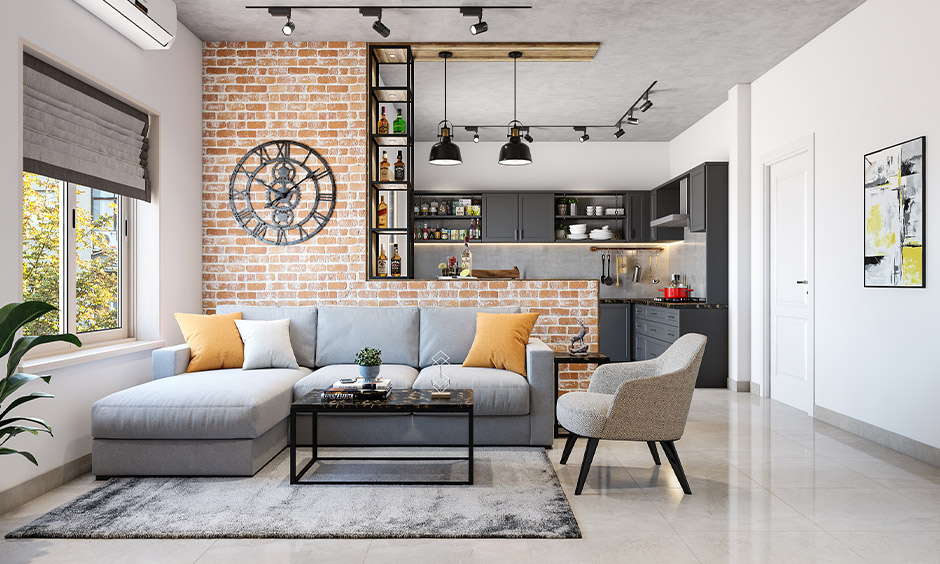
Home decor, a term encompassing various design elements used to enhance and personalize living spaces, has witnessed a meteoric rise in popularity over the years. From selecting furniture and color schemes to incorporating artwork and accessories, the practice of home decor allows individuals to express their personal style and create an environment that reflects their tastes and preferences. In this article, we will delve into the origins of home decor, explore why it has gained immense popularity, and highlight its appeal across various demographics.
Origins of Home Decor:
Home decor is not a recent phenomenon but has evolved over centuries. In ancient times, people adorned their living spaces with meaningful artwork, sculptures, and tapestries, often reflecting religious or cultural beliefs. The Renaissance era saw a significant shift towards an emphasis on aesthetics and a desire for luxury, leading to the creation of intricate furniture, ornate textiles, and decorative objects. With the Industrial Revolution in the 18th century, mass production made home decor more accessible to the middle class, sparking a widespread interest in beautifying homes.
Popularity Among Various Demographics:
Today, home decor has transcended socioeconomic barriers and become popular among people from diverse backgrounds and age groups. The rising popularity can be attributed to several factors:
- Desire for Personalization: In an era of mass production and standardized living, individuals seek to create a unique and personal space that reflects their personality and lifestyle. Home decor allows people to infuse their spaces with a sense of individuality and create a welcoming ambiance that resonates with their identity.
- Influence of Social Media: The advent of social media platforms like Instagram and Pinterest has revolutionized the way people explore and find inspiration for their home decor projects. Users can now easily discover a vast array of design ideas, styles, and DIY tips, fostering a growing passion for transforming living spaces.
- Rise of Home Improvement TV Shows: The proliferation of home improvement and interior design television shows has played a significant role in popularizing home decor. These shows not only entertain viewers but also educate them about the latest design trends, innovative products, and techniques, empowering them to embark on their own home decor journeys.
- Significance of Well-Designed Homes: Research has shown that a well-designed home can have a positive impact on overall well-being and mental health. With people increasingly prioritizing self-care and investing in their personal environments, the importance of home decor has soared.
While the practice of home decor has evolved over time, its popularity continues to grow due to the desire for personalized spaces, the influence of social media, the impact of home improvement TV shows, and the recognition of the importance of well-designed homes. As individuals seek to create spaces that reflect their style and provide comfort and solace, the trend of home decor shows no signs of slowing down.
The Flourishing Market of Home Decor: Unveiling its Size and Accelerated Growth
The home decor industry is experiencing a remarkable wave of growth, driven by a combination of factors such as changing lifestyles, increased disposable incomes, and a growing emphasis on home aesthetics. In recent years, the market size of home decor has expanded exponentially, fueled by evolving consumer preferences and the advent of online shopping platforms.
Market Size and Expansion
The global home decor market has witnessed significant growth and is expected to reach a valuation of $838.6 billion by 2027, with a compound annual growth rate (CAGR) of 3.9% from 2020 to 2027. The industry encompasses a wide range of segments, including furniture, textiles, lighting, wall decor, flooring, and kitchen accessories, among others.
One of the driving forces behind the market's expansion is the increasing number of individuals investing in home improvement projects, renovations, and redecorating initiatives. As homeowners and renters seek to create harmonious and inviting spaces, the demand for home decor products has surged. Additionally, the rise of social media platforms like Instagram and Pinterest has played a pivotal role in inspiring consumers to embrace interior design trends and explore unique decor ideas.
Factors Contributing to Growth
- Urbanization and Modern Living: As more people move to urban areas and adopt modern lifestyles, the desire to create personalized, stylish living spaces has grown. Urban dwellers often prioritize comfort, functionality, and aesthetics, driving the demand for innovative and visually appealing home decor products.
- E-Commerce and Online Retail: The proliferation of e-commerce platforms has revolutionized the home decor industry. Online retailers offer a vast array of products, enabling consumers to access a wide variety of designs, styles, and price points. With the convenience of online shopping, consumers can effortlessly browse and purchase home decor items, fueling the market's growth.
- Sustainable and Eco-Friendly Products: Increasing awareness about the environment has led to a surge in demand for sustainable and eco-friendly home decor products. Consumers are actively seeking items made from organic and recycled materials, as well as those manufactured using eco-friendly processes. The growing preference for sustainable decor has opened new avenues for market growth.
- Rise in Homeownership and Real Estate Development: The surge in homeownership and real estate development projects worldwide has significantly contributed to the expansion of the home decor market. Individuals investing in new homes or renovating existing properties seek to create distinctive, personalized living spaces, driving the demand for home decor products and services.
Future Prospects
The market for home decor is expected to witness continued growth in the coming years, driven by factors such as rising disposable incomes, technological advancements, and increasing consumer awareness about interior design. Furthermore, the increasing adoption of smart home technologies and the trend towards minimalist and sustainable decor are expected to shape the future of the industry.
Overall, the home decor market's size and growth prospects highlight the industry's resilience and its ability to thrive amidst evolving consumer preferences and market dynamics. As consumers continue to prioritize their living spaces, the demand for innovative and aesthetically pleasing home decor products is likely to remain poised for rapid expansion.
Exploring Consumer Demand and Preferences in the Home Decor Market
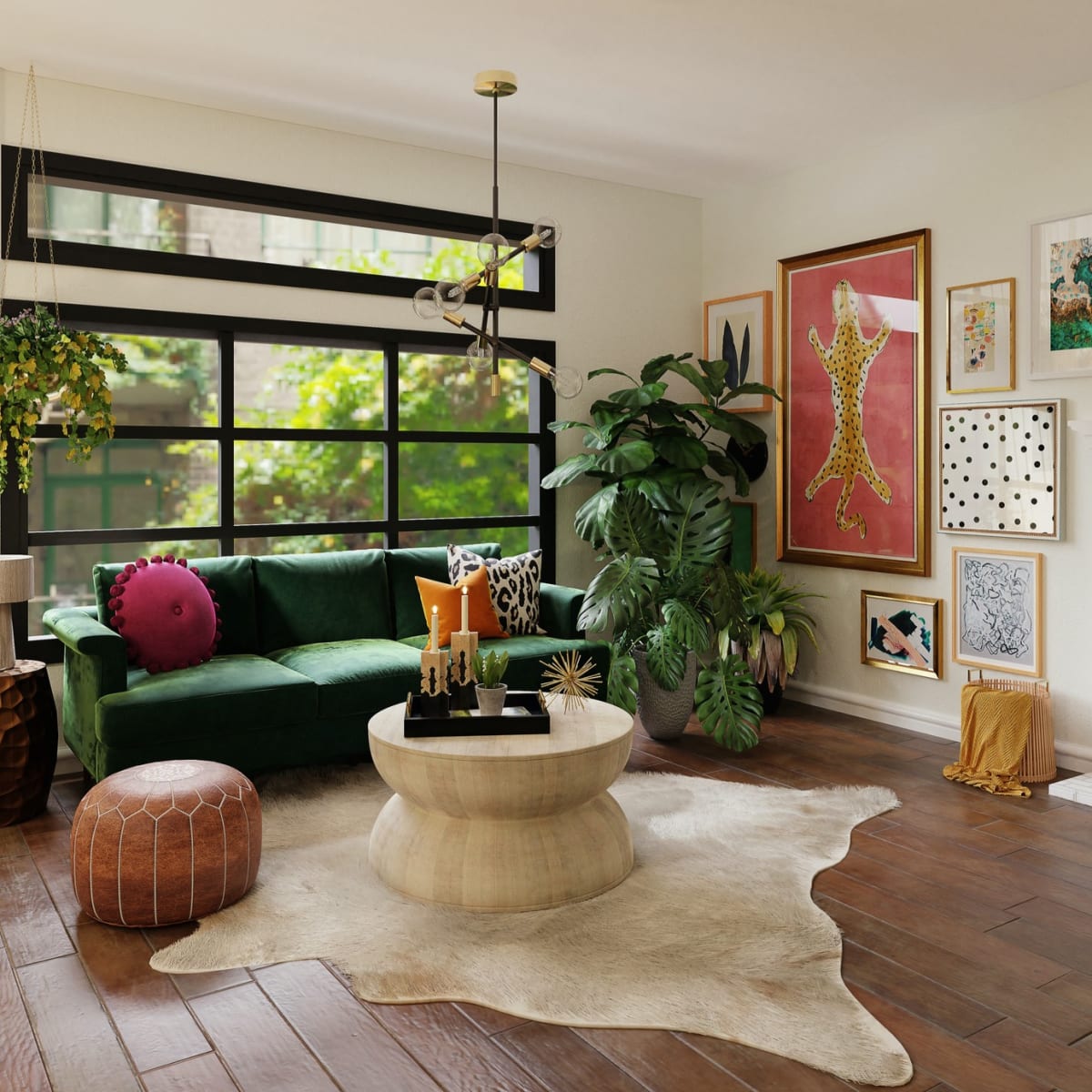
In recent years, the home decor market has experienced significant growth, driven by evolving consumer lifestyles and a desire for personalized living spaces. With a wide range of styles, materials, and designs available, consumers have developed unique preferences when it comes to decorating their homes. Understanding these preferences is crucial for businesses operating in the home decor industry in order to cater to the ever-changing demands of consumers.
Sustainable and Eco-friendly Products
Consumers are increasingly conscious of the environmental impact of their purchasing decisions, and this trend extends to the home decor market. There is a growing demand for sustainable and eco-friendly home decor products that are made from recycled materials, utilize renewable resources, and adhere to ethical production practices. From furniture made from reclaimed wood to carpets crafted from recycled plastics, consumers are seeking out eco-conscious options to create an environmentally friendly home.
Minimalist and Scandinavian Designs
Simplicity and functionality are key preferences among many consumers when it comes to home decor. The minimalistic and Scandinavian design trends have gained popularity in recent years, characterized by clean lines, neutral color palettes, and a focus on simplicity. The emphasis on minimalism allows for a clutter-free and peaceful living environment that promotes overall well-being. Scandinavian designs, influenced by nature, also offer a harmonious blend of natural materials, organic shapes, and ample natural light.
Smart Home Integration
The increasing adoption of smart home technology has revolutionized the home decor market. Consumers are now seeking home decor products that seamlessly integrate with smart home systems, enabling them to control lighting, temperature, and other functionalities through voice commands or smartphone apps. From smart lighting fixtures that can be adjusted based on mood to voice-activated window shades, the integration of technology into home decor is becoming a preferred choice for many consumers.
Personalization and Customization
Consumers today value uniqueness and self-expression, leading to a rising demand for personalized and customizable home decor items. Whether it's custom-made furniture, bespoke wallpapers, or personalized artwork, consumers are seeking ways to make their living spaces reflect their personalities and individual tastes. This trend allows consumers to create a sense of belonging and make their homes truly their own.
Vintage and Retro Revival
Nostalgia plays a significant role in consumer preferences for home decor. A notable trend is the increasing popularity of vintage and retro-inspired design elements. Consumers are drawn to the charm and character of vintage furniture, retro patterns, and classic color schemes. Vintage and retro decor offer a unique blend of nostalgia with a modern twist, giving consumers a sense of nostalgia while still maintaining a contemporary living space.
In conclusion, the home decor market is constantly evolving, influenced by shifting consumer preferences and lifestyle choices. With a greater emphasis on sustainability, minimalism, smart home integration, personalization, and the revival of vintage styles, it is essential for businesses in the home decor industry to stay attuned to these trends and adapt their offerings to meet the demands of today's consumers. By doing so, companies can position themselves for success in this thriving market.
Industry Players and Competition in the Home Decor Market
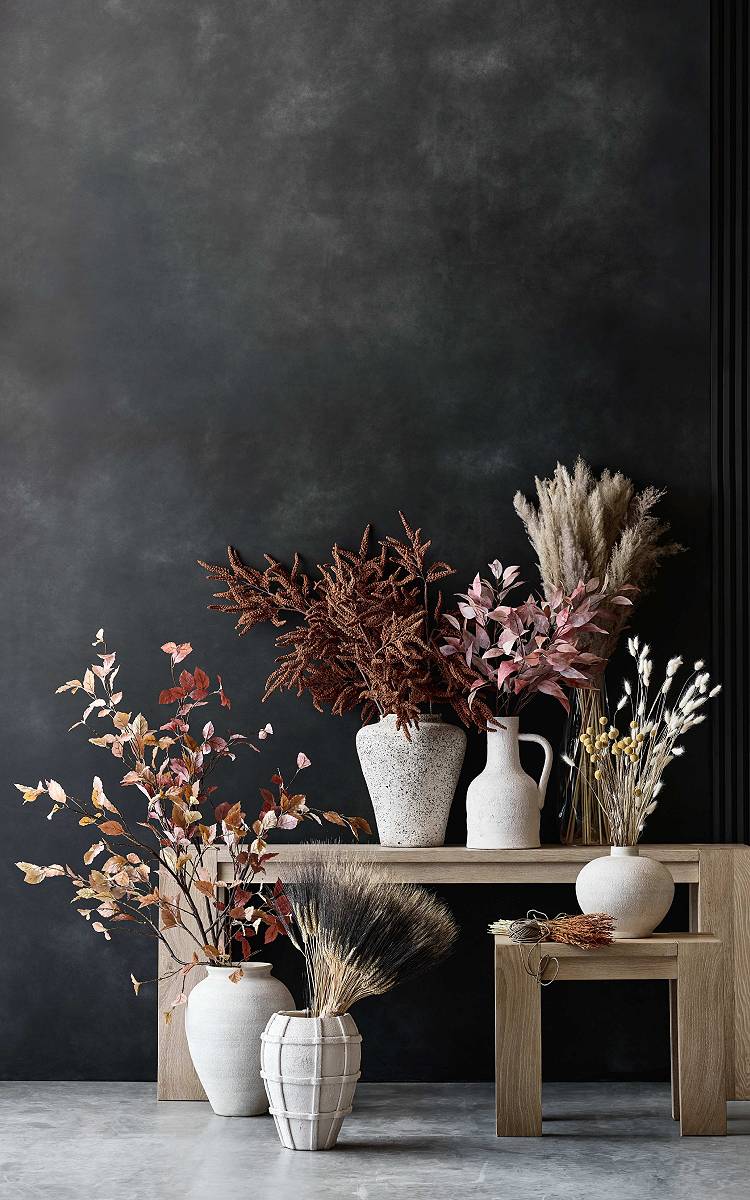
The home decor industry is a highly competitive and ever-evolving market that caters to diverse consumer preferences and demands. With a wide range of decorative products and styles available, industry players face intense competition as they strive to capture market share and deliver innovative offerings to consumers. Let's take a closer look at the key players and competition within the home decor market.
Leading Industry Players:
- IKEA: As a global leader in home furnishings, IKEA offers a vast range of affordable and stylish home decor products. Known for their innovative designs, functional solutions, and commitment to sustainability, IKEA consistently ranks among the top players in the industry.
- Williams-Sonoma: With brands like Pottery Barn, West Elm, and Williams-Sonoma Home, Williams-Sonoma is a major player in the high-end home decor market. They provide a diverse range of furniture, accessories, and decor items catering to different design aesthetics and lifestyles.
- Bed Bath & Beyond: Known for their extensive range of home products, Bed Bath & Beyond offers a mix of decorative items, furniture, bedding, and other home essentials. The company's diverse product portfolio and brick-and-mortar presence contribute to its competitive advantage in the market.
- Wayfair: As an e-commerce giant, Wayfair specializes in offering an extensive range of home decor products, including furniture, lighting, rugs, and more. Its user-friendly website, competitive pricing, and commitment to providing a broad selection appeal to a wide customer base.
Competition and Market Dynamics:
- E-commerce Disruption: The rapid growth of e-commerce has significantly disrupted the home decor market. Online retailers like Wayfair, Amazon, and Overstock.com have challenged traditional brick-and-mortar players by offering convenience, competitive pricing, and a vast selection of products.
- Retailer Private Label Brands: Many retailers have introduced their private label home decor brands to differentiate themselves from competitors and exert greater control over their product offerings. Examples include Project 62 by Target and Threshold by Target, which provide affordable yet stylish decor items.
- Sustainability and Ethical Sourcing: Increasingly, consumers are prioritizing eco-friendly and sustainably sourced home decor products. Industry players that prioritize sustainability and promote ethical sourcing, such as West Elm's Fair Trade Certified products, gain a competitive edge.
- Emerging Trends: The home decor market is influenced by evolving design trends, such as minimalist aesthetics, bohemian styles, and Scandinavian-inspired designs. To stay competitive, industry players must continually adapt to emerging design preferences and offer products that align with current trends.
- Customization and Personalization: Consumers increasingly seek unique, personalized home decor items that reflect their individual style. Players that offer customization options and personalized products, such as Society6's artist-designed decor, tap into this growing demand.
In this highly competitive landscape, industry players must stay attuned to evolving consumer preferences, design trends, and sustainability expectations. Continuous innovation, strategic partnerships, effective marketing, and strong online presence are crucial factors that enable companies to gain a competitive edge and thrive in the dynamic home decor market.
Technological Innovations Transforming the Home Decor Industry
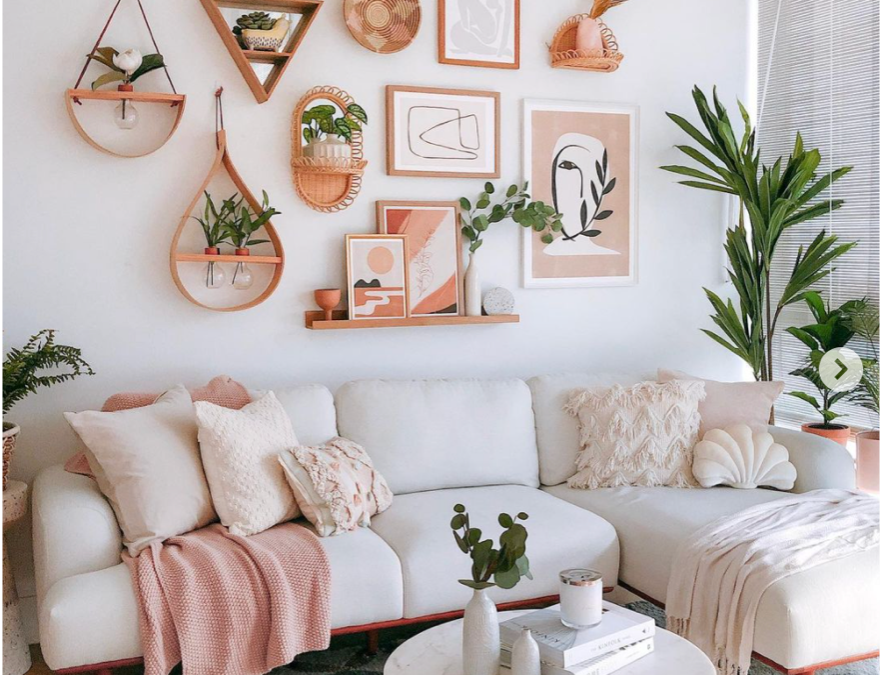
Technology has become an integral part of our lives, impacting various aspects, including home decor. As the demand for personalized and convenient living spaces continues to grow, the home decor industry has embraced technological advancements that are transforming the way we decorate, design, and experience our homes. Here are some exciting technological innovations that are reshaping the home decor industry.
Augmented Reality (AR) and Virtual Reality (VR)
Augmented Reality (AR) and Virtual Reality (VR) technologies have revolutionized the way we visualize and experience home decor. AR allows customers to see how furniture and home decor items would look in their spaces before making a purchase. Virtual showrooms provide an immersive experience where customers can virtually walk through different home decor settings and experiment with various design alternatives.
Companies like IKEA and Wayfair have incorporated AR tools into their mobile apps, enabling customers to virtually place furniture items in their rooms using their smartphones. This technology enhances the shopping experience, allowing customers to make more informed buying decisions.
Internet of Things (IoT)
The Internet of Things (IoT) has brought connectivity and automation to home decor, making our living spaces smarter and more efficient. This technology allows users to control various aspects of their homes, including lighting, temperature, security systems, and home entertainment through a connected network.
Smart home devices such as voice-controlled assistants, smart lighting systems, motorized window treatments, and smart thermostats not only enhance convenience but also offer energy-saving benefits. IoT integration in home decor presents endless possibilities, making it easier than ever to create a personalized, comfortable, and efficient living environment.
3D Printing
3D printing has opened up new horizons in home decor design and customization. This revolutionary technology allows designers and individuals to create unique and intricate decor pieces that were previously inaccessible. From customizable fixtures and furnishings to intricately patterned wallpapers and decorative accessories, 3D printing enables endless creativity.
Designers can now experiment with complex shapes, textures, and materials, resulting in truly unique and customized home decor items. This technology empowers consumers to have more control over the design and customization of their living spaces, fostering personal expression and individual style.
Sustainable Materials and Green Technologies
With increasing environmental concerns, the home decor industry is embracing sustainable materials and green technologies. Innovative materials like bamboo, reclaimed wood, recycled plastic, and eco-friendly textiles are gaining popularity in home decor products.
Renewable energy sources, such as solar power, are being integrated into home decor systems to reduce the environmental impact. Smart home systems are being designed to optimize energy consumption, reducing waste and promoting sustainability.
Technological innovations are rapidly changing the way we approach home decor, offering personalized experiences, enhanced convenience, and sustainable solutions. Augmented reality, virtual reality, IoT, 3D printing, and green technologies are reshaping the industry, providing endless possibilities for creativity, customization, and efficiency. As technology continues to advance, we can expect even more exciting innovations in the home decor industry, creating homes that are not only aesthetically pleasing but also intelligent and sustainable.
Regional Trends and Cultural Influences on Home Decor
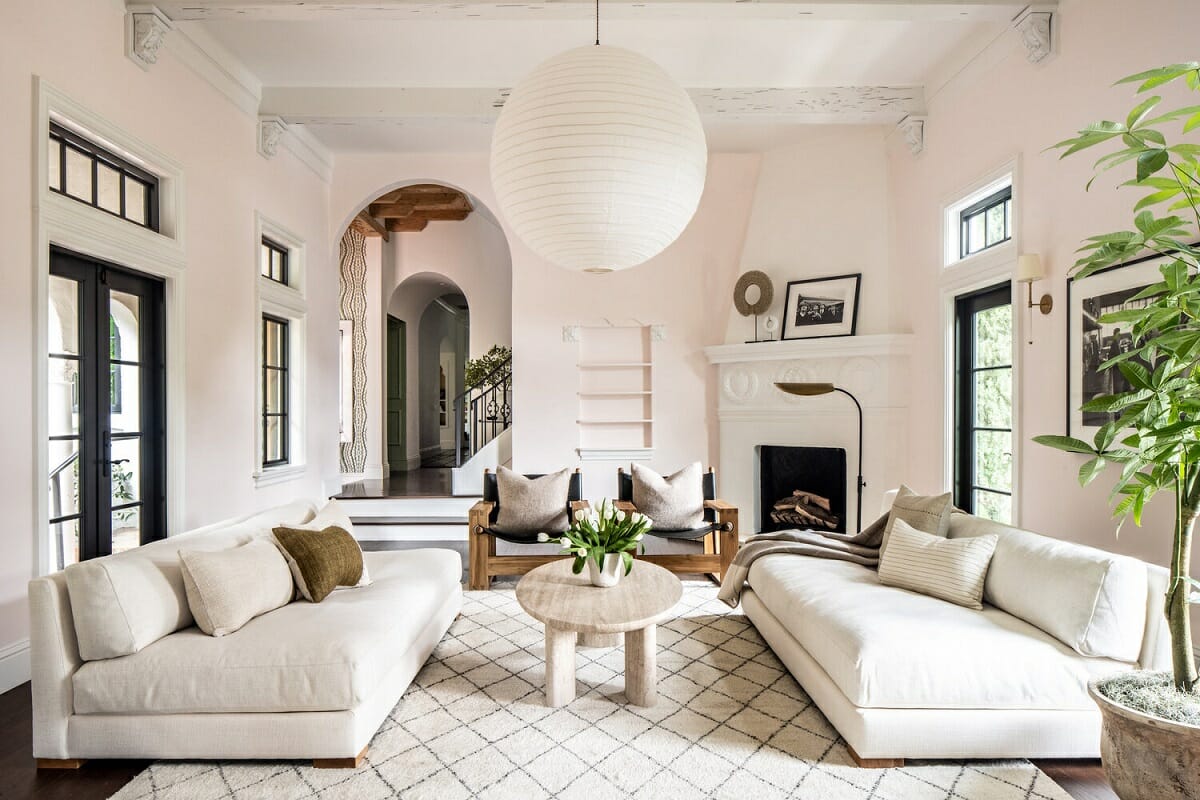
Home decor trends are greatly influenced by regional factors and cultural preferences. Different parts of the world have their own unique design aesthetics and decorating styles that reflect the traditions, climate, and lifestyle of the region. Understanding these regional trends and cultural influences can help you stay up-to-date with current design ideas and create a home that reflects your personal style.
Asian Influence
Asia is renowned for its rich cultural heritage and its influence can be seen in various home decor trends around the world. Japanese and Scandinavian design philosophies have become increasingly popular due to their minimalistic and simplistic approach to interior design. These styles prioritize clean lines, natural materials, and a sense of tranquility. Incorporating elements such as bamboo, rice paper screens, and low-lying furniture can give your home a touch of Asian influence.
In Southeast Asia, vibrant colors and intricate patterns are prominent in home decor. These regions feature tropical climates, so natural materials like rattan, bamboo, and teak are often used. Bold floral and nature-inspired prints can be found on textiles to bring an element of exoticism into the living space.
European Elegance
Europe has long been associated with elegance and sophistication in home decor. Different parts of Europe have their own distinct styles that have influenced the industry.
- Scandinavian: Known for its clean lines, functionality, and use of light, Scandinavian design is popular for its minimalist and contemporary approach. The use of natural materials like wood and neutral colors help create a warm and cozy atmosphere.
- French: French home decor is known for its timeless elegance and classic beauty. Elements like Rococo detailing, ornate chandeliers, and antique furniture are typical features of French-inspired interiors.
- Mediterranean: Mediterranean style is inspired by the coastal regions of Greece, Spain, Italy, and Morocco. It is characterized by rich colors, textured walls, and rustic elements like terracotta, wrought iron, and wooden beams. This style aims to recreate the relaxed and sun-drenched atmosphere of the Mediterranean.
- English: English interior design is all about embracing tradition and creating a cozy and comfortable space. It often features patterned wallpapers, floral fabrics, and antique furniture. English country style emphasizes natural materials, such as exposed wood grains and stone, to create a rustic and timeless look.
American Diversity
The United States is a melting pot of cultures, and its home decor trends reflect this diversity. From coast to coast, design aesthetics vary significantly.
- Mid-century modern: This design style emerged in the mid-20th century and is characterized by its clean lines, organic forms, and functionality. It is heavily influenced by Scandinavian design and features iconic pieces by designers like Charles and Ray Eames and Eero Saarinen.
- Industrial: The industrial style draws inspiration from urban lofts and converted warehouses. It embraces raw and unfinished materials, such as exposed brick, metal accents, and reclaimed wood, to create a rugged and urban aesthetic.
- Farmhouse: Farmhouse style is a blend of rustic, vintage, and country elements. It features distressed wood, natural fabrics, and antique-inspired furnishings. This style aims to create a warm and inviting atmosphere with a nod to simpler times.
- Southwestern: Influenced by Native American and Mexican cultures, Southwestern style features earthy tones, vibrant patterns, and natural materials. It often includes rustic adobe walls, clay pottery, and tribal-inspired textiles.
By understanding the regional trends and cultural influences on home decor, you can incorporate elements from various styles to create a unique and personalized living space. Whether you are drawn to the simplicity of Asian design, the elegance of European interiors, or the diversity of American styles, there is a wealth of inspiration to explore in the world of home decor.
Unleashing the Power of Social Media Influencers in the Home Decor Industry
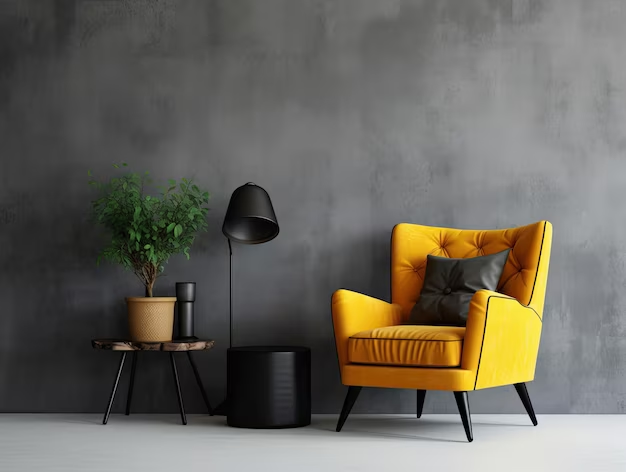
Social media has revolutionized the way we connect, communicate, and consume information. It has also emerged as a powerful marketing tool for businesses across various industries. In recent years, social media influencers have gained significant prominence in driving consumer trends. The home decor industry is no exception, as consumers increasingly turn to influencers for inspiration and guidance in transforming their living spaces.
The Rise of Influencer Marketing in Home Decor
In an age where consumers are bombarded with advertisements, influencer marketing has emerged as a more authentic and relatable form of promotion. Home decor influencers leverage social media platforms such as Instagram, YouTube, and Pinterest to showcase their creativity and share tips for creating stylish living spaces. They curate content that resonates with their followers, building trust and influence over time.
Why Home Decor Lends Itself Well to Influencer Marketing
Home decor is a visually-driven industry, making it perfect for social media platforms that prioritize visual content. Consumers are hungry for eye-catching design ideas, clever DIY projects, and product recommendations. Home decor influencers cater to this demand by creating aspirational content that is both aesthetically pleasing and practical.
The Impact of Home Decor Influencers
Influencers have the power to introduce new home decor trends, amplify brand awareness, and drive sales for both established companies and emerging brands. By partnering with influencers, home decor businesses can tap into their large and engaged audience, gaining exposure to potential customers who trust and value the influencers' opinions.
In addition to product endorsements, home decor influencers often collaborate with brands on content creation and design projects. This allows businesses to leverage the unique perspective and creativity of influencers to produce engaging and inspiring content that resonates with their target audience.
Benefits and Challenges of Influencer Marketing in Home Decor
One of the key benefits of influencer marketing in the home decor industry is the ability to target specific niche audiences. Home decor influencers typically focus on specific styles (e.g., minimalist, bohemian, Scandinavian) or room types (e.g., kitchens, bedrooms, outdoor spaces), allowing businesses to reach their ideal customers more effectively.
However, the increasing popularity of influencer marketing has also led to challenges. With numerous influencers in the space, finding the right fit for a brand can be a daunting task. It is crucial for businesses to research and carefully select influencers who align with their brand values, target audience, and aesthetic preferences.
Embracing the Power of Influencer Marketing in Home Decor
To tap into the potential of influencer marketing, home decor businesses need to develop a strategic and thoughtful approach. This involves identifying key influencers in the home decor space, analyzing their audience demographics and engagement rates, and understanding their content style and tone.
Through collaborations and partnerships, brands can leverage the influence of home decor influencers to generate buzz around their products, increase brand awareness, and drive conversions. Additionally, brands can also encourage user-generated content by creating branded hashtags or running contests, allowing customers to showcase their own home decor inspired by the influencer's content.
In conclusion, social media influencers have transformed the home decor industry by inspiring and guiding consumers in creating stylish living spaces. By embracing influencer marketing, home decor businesses can tap into the power of these influencers, amplifying their brand message and connecting with their target audience in a meaningful way. As the influence of social media continues to grow, influencers will remain key players in shaping trends and driving consumer behavior in the home decor industry.
The Future of Home Decor: Trends and Forecasts
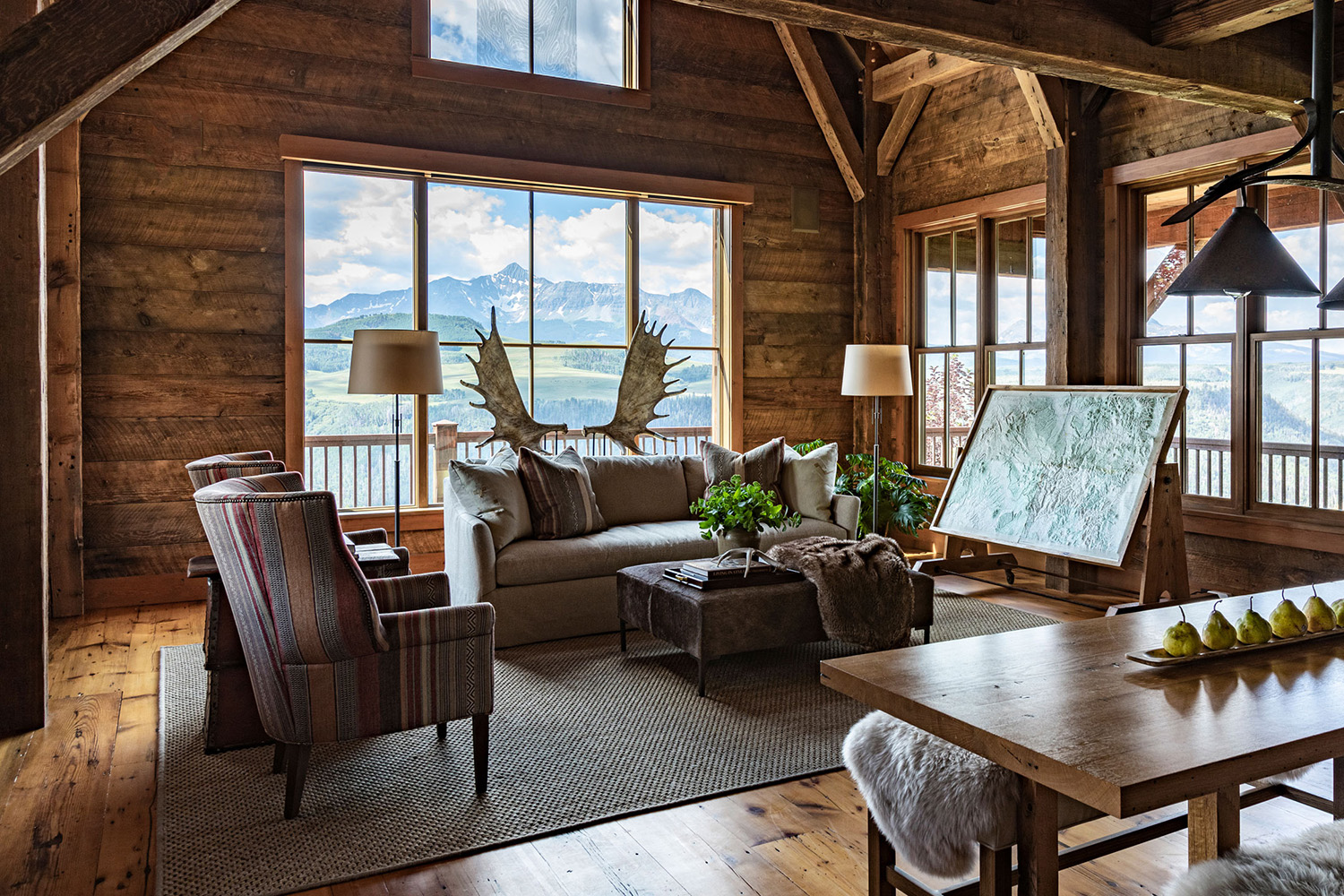
Home decor is a rapidly evolving industry that is continuously influenced by changing consumer preferences, technological advancements, and global trends. As people spend more time at home seeking comfort and self-expression, the world of home decor is expected to experience significant growth and innovation in the coming years. In this article, we will explore the future outlooks and forecasts for the home decor industry.
Emphasis on Sustainability and Eco-friendly Designs:
The increasing global concern for the environment and sustainable living is expected to drive the demand for eco-friendly home decor options. Consumers are becoming more conscious of their carbon footprint and actively seeking products that are made from recycled materials, ethically sourced, and promote a healthier indoor environment. Sustainable materials like bamboo, cork, and recycled plastics are likely to gain popularity as alternatives to traditional home decor items.
Integration of Smart Home Technology:
The rise of smart home technology is revolutionizing the way we interact with our living spaces. Home decor is no exception, as more consumers opt for "smart" solutions that offer convenience and connectivity. From voice-activated lighting and automated window shades to smart thermostats and home security systems, integrating technology seamlessly into home decor elements is set to become more prevalent in the future. This trend not only enhances functionality but also enables users to personalize their living spaces according to their preferences.
Blending Traditional and Modern Elements:
The future of home decor is expected to see a fusion of traditional and modern design aesthetics. Contemporary homes are increasingly incorporating vintage and antique pieces to add character and a sense of history to their interiors. This blending of styles allows for unique and eclectic design combinations that reflect individual taste and personality. The popularity of mixing old and new styles is likely to continue as consumers seek personalized and curated spaces that tell a story.
Rise of Minimalism and Multifunctional Designs:
As people embrace the concept of minimalism and decluttering, home decor trends are shifting towards simplicity and functionality. Minimalist designs emphasize clean lines, neutral color palettes, and uncluttered spaces, creating a sense of calm and serenity. With space becoming a premium commodity, multifunctional furniture and decor pieces that serve multiple purposes are gaining popularity. Smart storage solutions, convertible furniture, and space-saving designs are expected to dominate the market as urban living spaces continue to shrink.
The future of home decor holds exciting possibilities, driven by sustainability, technology integration, a blend of traditional and modern elements, and the rise of minimalism. As consumers seek more personalized and eco-conscious living environments, the home decor industry will continue to evolve to meet these changing demands. By staying ahead of these trends and embracing innovation, businesses in the home decor sector can position themselves for success in the years to come.
Key Findings and Insights of the Home Decor Trend
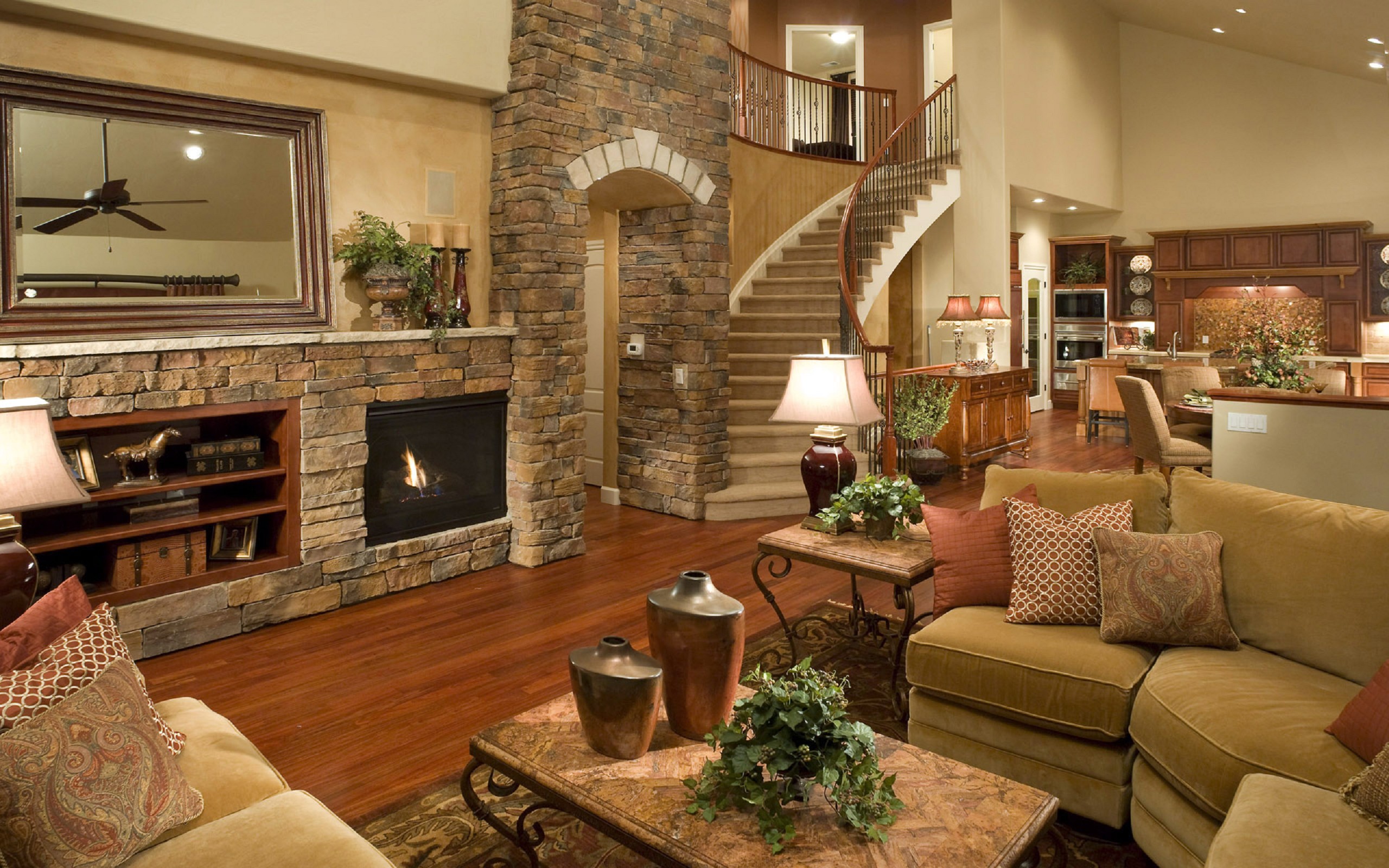
As the world embraces a more home-centered lifestyle, the home decor industry has experienced profound growth in recent years. People are spending more time at home and looking to create spaces that reflect their personal style and enhance their well-being. Here are some key findings and insights regarding the home decor trend:
- Increased focus on wellness and self-care: Home decor is not just about aesthetics; it has become an integral part of enhancing mental and physical well-being. Consumers are seeking products that promote relaxation, tranquility, and self-care. This has led to the rise of trends such as creating calming spaces, incorporating natural elements, and using colors and textures that evoke a sense of peace and serenity.
- Sustainable and eco-friendly designs: With growing environmental awareness, consumers are increasingly demanding sustainable and eco-friendly home decor options. People are looking for products made from recycled materials, sustainably sourced woods, and eco-friendly fabrics. Additionally, there is a rise in the popularity of second-hand and upcycled furniture, as people seek one-of-a-kind pieces and reduce waste.
- Integration of technology: Technology is gradually becoming a part of home decor as smart homes gain popularity. From voice-controlled lighting to automated curtains and temperature control, consumers are embracing the convenience and efficiency that technology brings. Smart devices that seamlessly blend with home decor are gaining traction, allowing people to create smart living spaces without compromising on style.
- Personalization and individuality: Today's consumers value personalization and uniqueness in their home decor choices. DIY decor projects and customization options are on the rise, as people seek to express their individuality and create spaces that truly reflect their personality. Social media platforms like Pinterest and Instagram have played a significant role in inspiring and encouraging people to be more creative and adventurous with their home decor.
- Emphasis on multi-functional spaces: With the increasing popularity of remote work and flexible lifestyles, there is a growing need for multi-functional spaces within homes. People are seeking furniture and decor items that can serve multiple purposes and adapt to changing needs. This includes convertible furniture, versatile storage solutions, and office setups that seamlessly blend with the rest of the home.
- Online shopping and virtual experiences: The rise of e-commerce has transformed the home decor industry, making it easier than ever for consumers to discover and purchase products online. Virtual experiences, such as augmented reality (AR) and virtual reality (VR) tools, allow customers to virtually visualize how furniture and decor items would look in their homes before making a purchase. This has made the decision-making process more convenient and helps mitigate the challenges of purchasing decor items without physically seeing or touching them.