

Unveiling the Next Big Trend in Name Ideas: Exploring the Rise of Unique and Memorable Monikers

The Rising Trend of Name Ideas: Uncovering the Origins and Popularity
In today's fast-paced world, naming a brand, product, or business has become a crucial aspect of capturing attention and establishing a distinctive identity. In recent years, the trend of seeking name ideas has gained considerable popularity, attracting a diverse range of individuals and organizations. This article aims to explore the origins and growing popularity of name ideas, highlighting its appeal across various demographics.
Understanding Name Ideas:
Name ideas refer to the creative suggestions or concepts generated to find the perfect name for a brand, product, or business venture. Whether it's a startup entrepreneur looking for an innovative name that reflects their vision or an established company rebranding to maintain relevance, the quest for a memorable and impactful name has become increasingly important in the modern market.
Origins of the Trend:
The rise in the popularity of name ideas can be attributed to several factors. Firstly, the ever-increasing competitiveness of the business landscape pushes individuals and organizations to differentiate themselves from the crowd. A unique and attention-grabbing name can help establish a memorable brand image, making it easier for consumers to recall and identify with a particular product or business.
Furthermore, the proliferation of social media platforms and online marketplaces has broadened the reach and visibility of new ventures. As a result, individuals are more inclined to seek distinctive name ideas that can generate interest and stand out in this highly saturated digital environment.
Popularity Among Various Demographics:
The trend of seeking name ideas has permeated across various demographics, attracting individuals from different walks of life. Entrepreneurs and startups are one of the key demographics that commonly engage in this trend. In the early stages of their business, they seek name ideas to craft a strong brand identity that resonates with their target audience.
Moreover, established companies frequently rebrand to keep up with evolving market dynamics. They often turn to name ideas to find fresh and relevant options that align with their evolving business strategies. This approach allows them to maintain their existing customer base while attracting new ones.
Additionally, parents searching for unique and meaningful names for their children are increasingly utilizing name ideas. This trend reflects a desire to provide their children with distinctive identities that reflect their values and aspirations.
Furthermore, bloggers, vloggers, and content creators also benefit from the trend of name ideas. Finding catchy and memorable channel names or usernames helps them gain attention and build a loyal following.
In conclusion, the trend of seeking name ideas has gained momentum due to the need for differentiation, the influence of social media, and the desire for personalization. This trend appeals to entrepreneurs, businesses, parents, and content creators alike, contributing to its growing popularity. By leveraging name ideas, individuals and organizations can craft unique and impactful identities that resonate with their target audience, positioning themselves for success in today's competitive market.
Exploring the Market Size and Growth of Name Ideas
Coming up with a great name is an essential part of building a successful brand. Whether it's for a product, company, or even a blog, a well-chosen name can make a significant impact on attracting customers and creating a lasting presence in the market. In this section, we will delve into the market size and growth of name ideas and explore the various factors that contribute to their importance.
Trends in Naming:
In recent years, there has been a significant shift in the importance placed on brand names. Consumers are increasingly seeking unique and memorable names that reflect their values and aspirations. This shift can be attributed to several factors, including the rise of social media, the need for differentiation in a crowded marketplace, and the desire for personalization.
Market Size:
The market for name ideas is substantial and ever-expanding. According to a report by Grand View Research, the global naming market was valued at $14.9 billion in 2019 and is expected to reach $21.5 billion by 2027, growing at a compound annual growth rate (CAGR) of 4.8% during the forecast period. This growth can be attributed to the increasing demand for distinct and appealing names across various industries, including technology, consumer goods, healthcare, and more.
Furthermore, the report highlights that companies are increasingly realizing the importance of investing in a strong brand identity, including a compelling name. This trend is fueled by the recognition that a well-crafted name can help drive customer engagement, enhance brand recognition, and ultimately contribute to business growth.
Factors Driving Growth:
- Globalization: With businesses becoming more global in nature, there is a growing need for names that can transcend cultural and linguistic barriers. Companies are investing in market research and naming consultants to ensure their brand names are culturally sensitive, relevant, and appropriate for various target markets.
- Startups and Entrepreneurship: The increasing number of startups and entrepreneurial ventures has resulted in a surge in demand for catchy and memorable names. These new businesses recognize the importance of standing out in a competitive landscape and are willing to invest in professional naming services to achieve that goal.
- Changing Consumer Preferences: Consumers are seeking unique and authentic brand experiences. They want to connect with companies that share their values and aspirations, and a well-crafted name can evoke emotions, tell a story, or convey a brand's personality. As a result, businesses are investing in creating names that resonate with their target audience.
- Digital Transformation: The rise of e-commerce and online platforms has created a need for names that are not only catchy but also optimized for search engines. Companies are leveraging keyword research and search engine optimization (SEO) techniques to ensure their brand names rank higher in online searches, leading to increased visibility and customer acquisition.
As the importance of branding continues to grow in the business world, the market for name ideas is expanding at a steady pace. Businesses are recognizing that a well-crafted name can have a significant impact on their success, and they are willing to invest in professional naming services to achieve their branding goals. This market is expected to witness sustained growth in the coming years, driven by factors such as globalization, the rise of startups, changing consumer preferences, and digital transformation.
Unveiling Consumer Demand and Preferences in the World of Name Ideas

In a world where personal branding and uniqueness hold significant value, choosing the perfect name for a business, product, or even a baby has become a crucial decision. The process of brainstorming name ideas has evolved considerably, with individuals and businesses seeking to strike a chord with their target audience and stand out from the crowd. As market researchers at Treendly, we uncover consumer demand and preferences in the domain of name ideas. Let's dive into the insights we've gathered:
Creating Memorable Brand Names:
When it comes to building a brand, a distinctive and memorable name is imperative. Consumers tend to favor brand names that are easy to remember, pronounce, and spell. Simplicity, combined with a touch of uniqueness, often resonates well with individuals. Names that evoke positive emotions, are visually appealing, and have a certain level of rhythm or flow tend to pique consumer interest.
Recent trends suggest that consumers appreciate brand names that convey a sense of authenticity, personality, or purpose. Empathy and relatability are paramount, as consumers seek connections with brands that reflect their values and aspirations. Companies like Airbnb, Uber, and Patagonia have successfully harnessed these elements, leading to the emergence of a brand love phenomenon.
Reflecting Product Attributes:
When it comes to product names, consumers appreciate relevance. A product name that instantly conveys its main benefits and features has a higher chance of capturing consumer attention. However, it is essential to strike a balance between descriptive names and overly technical ones that may confuse or alienate potential customers.
Consumers are drawn to product names that evoke imagery and create an emotional connection. Words or phrases that convey a sense of luxury, innovation, or eco-friendliness often hold sway over consumer preferences. This is evident in the cosmetics industry where product names like "Youthful Glow," "Revitalizing Serenity," or "Natural Radiance" appeal to the desire for beauty, self-care, and well-being.
Cultural Relevance and Localization:
In an increasingly globalized world, cultural relevance plays a pivotal role in consumer preferences for brand and product names. Consumers appreciate names that resonate with their culture, values, and language. Localization of brand names ensures that they are easily understood, relatable, and do not carry unintended or negative connotations in different markets.
Many global brands, including Coca-Cola, P&G, and Starbucks, have embraced the importance of cultural relevance by adapting their names and marketing strategies to fit specific regions. This trend reflects consumers' desire for authentic experiences and the acknowledgement of diverse cultural identities.
The Impact of Social Media:
In the era of social media, the availability of domain names and social media handles that align with chosen name ideas has become a crucial consideration for businesses and individuals. An accessible and consistent online presence is vital for establishing brand identity and engaging with consumers.
Consumers appreciate concise, catchy, and hashtag-friendly names that are optimized for sharing on social media platforms. Unique and memorable names increase the chances of virality and organic marketing, enabling individuals and businesses to reach a wider audience.
Consumer demand and preferences regarding name ideas encompass simplicity, memorability, relevance, authenticity, and cultural resonance. In a connected world, where brands and products strive for differentiation, understanding these preferences is key to capturing consumer attention and building strong brand affinity. By remaining attuned to evolving consumer trends and preferences, businesses and individuals can make informed decisions when developing compelling and resonant name ideas.
Exploring the Landscape: Industry Players and Competition in the Name Ideas Market

The name ideas market is a dynamic and competitive space, with various industry players vying for their slice of the pie. As businesses across sectors recognize the significance of a strong and memorable brand name, the demand for name ideas continues to surge. In this section, we will explore some of the key industry players and the competition they face in this rapidly evolving market.
Naming Agencies:
Naming agencies play a crucial role in the name ideas market, offering professional services to help businesses create unique and impactful brand names. These agencies employ teams of creative experts who specialize in linguistic and branding strategies. They work closely with clients to understand their target audience, brand positioning, and mission, ultimately delivering a curated list of name ideas that align with the company's vision.
Some well-known naming agencies include Catchword, Lexicon Branding, and Landor. These agencies have established themselves as pioneers in the industry, with an extensive portfolio of successful brand name creations. With their expertise, they provide businesses with a competitive edge by crafting distinctive and memorable names that resonate with customers.
Online Name Generators:
In recent years, online name generators have gained significant popularity among startups and small businesses. These platforms use algorithms and databases to generate a vast array of name suggestions based on keywords, industry, and other parameters. While the names produced by these generators might lack the personal touch of a human creative team, they offer a quick and cost-effective solution for businesses looking to brainstorm ideas.
Namecheap, Shopify, and NameMesh are examples of popular online name generators. These platforms allow users to experiment with different ideas, providing suggestions and alternative variations that can spark creativity. However, as these are algorithm-based solutions, the generated names may lack the depth and customization offered by professional naming agencies.
Freelance Name Consultants:
Freelance name consultants play a significant role in the name ideas market, offering a flexible and personalized approach to naming projects. These consultants bring their experience and expertise to the table, working with individual clients to create brand names that reflect their unique identity and target market. Freelancers often offer a more affordable option for businesses with budget constraints, while still providing quality name ideas.
Platforms like Upwork and Freelancer serve as marketplaces for connecting businesses with freelance name consultants. These platforms allow clients to browse through the portfolios and reviews of consultants, ensuring a good fit for their project. While freelance consultants might offer a more personalized experience, businesses should thoroughly vet their expertise and previous work to ensure quality deliverables.
Competition in the Name Ideas Market:
As the demand for compelling brand names continues to grow, competition in the name ideas market intensifies. Established naming agencies face competition from emerging agencies, necessitating continuous innovation and creativity to stay ahead. Online name generators, although algorithm-driven, offer convenient alternatives and can attract cost-conscious businesses. Freelance name consultants, on the other hand, provide a more flexible and affordable option for clients, competing with the established agencies on price and customization.
In this highly competitive landscape, staying updated with the latest industry trends and market research becomes vital for industry players. Treendly, a leading trend research platform, can provide valuable insights into emerging naming trends and consumer preferences. By leveraging data-driven insights, industry players can better position themselves to offer relevant and sought-after name ideas to their clients, gaining a competitive advantage.
Understanding the dynamics of the name ideas market and keeping an eye on the competition is crucial for businesses seeking to create a standout brand identity. Whether through renowned naming agencies, online generators, or freelance consultants, finding the perfect name is ultimately a strategic decision that can shape the success and perception of a business.
Technological Innovation: Unleashing the Power of Name Ideas
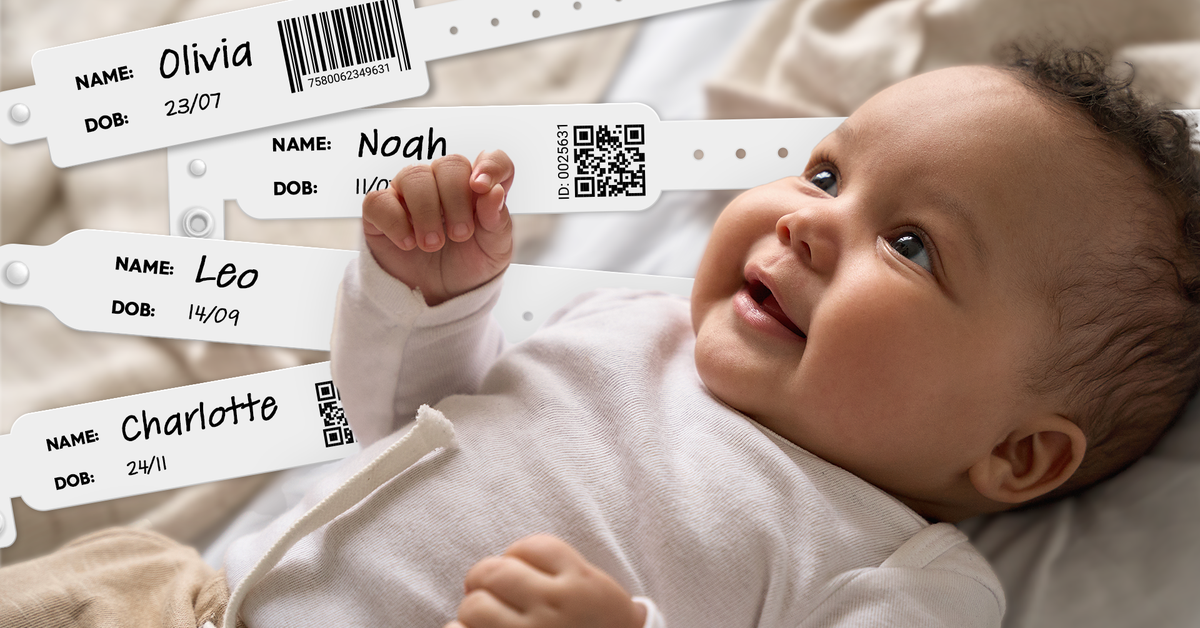
In today's rapidly evolving business landscape, where competition is fierce and consumer attention spans are limited, having a catchy and memorable name is more important than ever. A well-chosen name can make or break a product, service, or company, and innovative technologies are revolutionizing the way businesses generate and explore name ideas.
Artificial Intelligence and Machine Learning
Artificial Intelligence (AI) and Machine Learning (ML) are transforming the way businesses approach naming strategies. By leveraging AI and ML algorithms, companies can analyze vast amounts of data, including customer preferences, market trends, and competitor names, to generate unique and impactful name ideas. Utilizing these technologies, businesses can also predict the success of a name based on various factors, such as emotional response, brand alignment, and linguistic nuances.
Natural Language Processing (NLP)
Natural Language Processing (NLP) is a subfield of AI that focuses on the interaction between computers and human languages. NLP algorithms enable machines to understand, interpret, and generate human-like text, making it a valuable tool for generating name ideas. By using NLP, businesses can create a list of name suggestions that align with desired characteristics, such as brand personality, tone, and core values.
Data-driven Naming Tools
Data-driven naming tools harness the power of big data and analytics to generate innovative name ideas. These tools analyze various datasets, including online content, social media trends, and user-generated content, to identify emerging patterns and generate relevant and creative names. By combining data analysis with human creativity, businesses can access a vast array of naming possibilities without being limited by traditional brainstorming methods.
Gamification of Naming
Gamification is the application of game design elements and principles to non-game contexts. Applying gamification principles to the naming process can make it more engaging, collaborative, and fun. By using interactive games or platforms, businesses can involve customers, employees, and other stakeholders in the naming process. This approach encourages participation, stimulates creativity, and helps generate a wider range of innovative name ideas.
Linguistic Analysis and Cultural Relevance
Technological innovations can also assist businesses in conducting linguistic analysis and evaluating cultural relevance when generating name ideas. Advanced language algorithms can analyze the linguistic impact of a name across different cultures and languages, ensuring that the chosen name does not have negative connotations or misunderstandings in various markets. This approach helps businesses avoid potential pitfalls and ensures their names resonate positively with global audiences.
As technology continues to advance, the possibilities for generating innovative name ideas are only expanding. By harnessing the power of AI, ML, NLP, data analytics, gamification, and linguistic analysis, businesses can ensure they have a competitive edge in today's crowded marketplace. Embracing these technological innovations allows companies to create names that are not only extraordinary and impactful but also resonate deeply with their target audience.
Regional Trends and Cultural Influences on Name Ideas

In today's globalized world, regional trends and cultural influences play a significant role in shaping the naming decisions of businesses, products, and even individuals. The choice of a name can reflect local customs, language preferences, and cultural values. This section explores the impact of regional trends and cultural influences on name ideas.
Language and Translations:
One of the most evident cultural influences on name ideas is language. In a global context, brands and businesses aim to connect with diverse audiences, which often requires adapting names to different languages. Language barriers can greatly impact brand recognition and perception, hence the importance of considering regional language preferences.
For instance, when expanding into foreign markets, companies often face the challenge of translating their names into the local language effectively. A successful name translation should not only be linguistically accurate but also convey the intended brand message and cultural relevance. Some companies opt for phonetic translations, while others create new names altogether that resonate with the local culture.
Cultural Symbolism and Significance:
Cultural symbolism and significance also influence name ideas across different regions. Names often carry hidden meanings, historical references, or cultural symbolism that resonates with the target audience. Incorporating such connections can create a deeper emotional connection between the brand and its customers.
For example, in Japanese culture, the cherry blossom (sakura) represents beauty and transience. Hence, many Japanese companies leverage this cultural symbolism by incorporating the term "sakura" in their names, evoking a sense of elegance and fleeting beauty.
Similarly, religious and spiritual beliefs can also influence naming choices. In predominantly Muslim countries, businesses often choose names that reflect Islamic values to align with the cultural sensitivities and beliefs of their consumers.
Regional Trends and Brand Identity:
Regional trends can significantly impact the naming decisions of businesses and products, as they strive to position themselves within a specific market or cultural context. Keeping up with regional trends can help companies appear relevant and resonate with local audiences.
For example, the rise of K-pop (Korean pop music) has not only influenced the music industry but also impacted naming trends in various domains. The use of Korean names, words, and concepts in Western markets has increased, as businesses try to leverage the popularity of K-pop and tap into the associated fan base.
Similarly, fashion trends, celebrities, and local pop culture icons can shape naming choices, especially in industries like fashion, cosmetics, and entertainment. Businesses often adopt names or wordplay associated with these trends to position themselves as on-trend and culturally relevant.
Regional trends and cultural influences exert a powerful influence on name ideas. Businesses and individuals must consider language nuances, cultural symbolism, and regional trends to choose names that resonate with the target audience. Adapting names to regional preferences and considering cultural values is crucial for brand recognition, acceptance, and success in an increasingly interconnected world.
Read More:
Unveiling the Power of Social Media Influencers: Name Ideas that Truly Leave a Mark

Influencer marketing has transformed the landscape of social media, becoming a driving force in shaping consumer trends and brand perception. With millions of users following their favorite influencers and seeking their recommendations, businesses recognize the immense power of partnering with these individuals to promote their products and services. However, choosing the right influencer with a memorable and impactful name is crucial to create a lasting impression. In this section, we explore some creative name ideas for social media influencers that can make a significant impact on audience engagement and brand recognition.
- Trailblazer Influencers: This name evokes a sense of leadership, innovation, and forward-thinking. Trailblazer influencers are trendsetters who have a knack for identifying emerging trends and capturing the attention of their audience early on. Working with Trailblazer influencers can help brands position themselves as pioneers in their industry, gaining credibility and paving the way for future success.
- EvolveX Influencers: The name EvolveX suggests continuous growth and evolution. These influencers have a passion for staying ahead of the curve, adapting to ever-changing consumer preferences, and nurturing an engaged audience. By collaborating with EvolveX influencers, brands can position themselves as dynamic and adaptable entities, resonating with consumers seeking novelty and innovation.
- AuraQuest Influencers: This name exudes a sense of mystery, allure, and charisma. AuraQuest influencers possess an aura that captivates their audience, creating an almost mystical connection. Working with AuraQuest influencers can lend brands an air of exclusivity and intrigue, attracting curious and engaged followers who crave deeper connections with the brands they love.
- ViralVibe Influencers: The name ViralVibe conjures up an image of contagious energy and widespread popularity. ViralVibe influencers have a finger on the pulse of the internet, consistently creating content that goes viral and sparks conversations. Collaborating with ViralVibe influencers allows brands to tap into the power of viral marketing, significantly increasing reach and brand visibility.
- ImpactDuo Influencers: This name emphasizes the power of collaboration and synergy. ImpactDuo influencers work in tandem, leveraging each other's strengths and audience to create a lasting impact. Collaborating with ImpactDuo influencers can help brands reach a wider audience and create memorable, cross-promotional experiences that resonate with consumers.
- TrendCrafter Influencers: The name TrendCrafter suggests exceptional craftsmanship in spotting and creating trends. TrendCrafter influencers have a keen eye for popular themes and have the ability to curate content that speaks directly to their audience's interests. When partnering with TrendCrafter influencers, brands can establish themselves as tastemakers, building trust and authority within their niche.
- ElevateLife Influencers: This name embodies the concept of aspiration, personal growth, and inspiration. ElevateLife influencers are known for their motivational content, uplifting their audience and encouraging them to live their best lives. Collaborating with ElevateLife influencers allows brands to align themselves with positivity and personal development, resonating with consumers seeking encouragement and empowerment.
In conclusion, selecting the right name for a social media influencer is crucial for brands keen on leveraging their popularity to reach targeted audiences effectively. The name ideas presented above reflect different characteristics and qualities that resonate with audiences, enabling brands to strategically align themselves for increased engagement and brand recognition. By carefully choosing influencers with memorable names, businesses can unlock the potential for successful partnerships and establish themselves as market leaders in the age of social media.
Future Outlook and Forecast for Name Ideas

In today's competitive business landscape, the importance of a strong brand name cannot be understated. A well-crafted name can serve as a powerful tool in capturing attention, conveying a brand's values, and leaving a lasting impression on consumers. As trends continue to evolve, it is crucial for businesses to stay on top of the latest naming strategies to ensure their brand resonates with their target audience. The future outlook for name ideas looks promising, with several key trends and possibilities emerging.
Personalized and Customizable Names
In an era of personalization, consumers are increasingly seeking unique and customized experiences. This desire for personalization extends to brand names as well. In the future, we can expect to see more businesses adopting personalized and customizable naming approaches. This could involve allowing consumers to customize certain aspects of a brand's name or even creating entirely personalized names based on individual preferences. The ability to tailor a brand name to suit one's own identity and taste can foster a deeper connection between the brand and the consumer. This trend aligns with the growing importance of individuality and uniqueness in consumer choices.
Ethical and Sustainable Names
As sustainability and ethical consciousness continue to gain traction, brands are under increasing pressure to demonstrate their commitment to these values. This translates to the potential for a rise in names that evoke sustainability, responsibility, and social impact. Companies could incorporate eco-friendly terms or references to nature and ecosystems in their names to align with consumer expectations. Additionally, names that convey a sense of transparency, fairness, and ethical behavior may become more prominent. Consumers are becoming more conscious of the impact of their choices and are actively seeking out brands that align with their values. Therefore, name ideas that reflect a company's ethical practices and sustainability efforts are likely to find favor with consumers in the future.
Tech-inspired Names
In an increasingly digital world, technology plays a prominent role in shaping consumer behavior and preferences. As a result, we can expect to see more tech-inspired names in the future. This could include names that incorporate tech-related terms, evoke a sense of innovation, or embrace the digital age. Tech-inspired names convey a sense of forward-thinking and can appeal to tech-savvy consumers who are always on the lookout for the latest trends and advancements. These names can instill a sense of excitement, modernity, and cutting-edge expertise.
Minimalistic and Short Names
In the age of social media and fast-paced communication, brevity and simplicity are key. Short and minimalistic brand names have gained popularity in recent years, and this trend is likely to continue in the future. As attention spans decrease and the need to make an impact quickly rises, businesses may opt for concise and memorable names that can be easily recognized and recalled. Short names have the advantage of being easily adaptable to various marketing channels and can be effectively utilized in digital spaces where character limits apply.
Overall, the future outlook for name ideas looks promising, with several exciting possibilities on the horizon. Personalization and customization, ethical and sustainable themes, tech-inspired concepts, and minimalistic approaches are likely to shape the future of brand naming. Businesses that embrace these trends and create names that resonate with their target audience will have a competitive advantage in capturing attention and building a strong brand identity.
Check out this article for more information on the key components of a strong brand name.
Key Findings and Insights: The Power of Name Ideas

In today's competitive business landscape, having a strong and memorable name is crucial for success. Whether it's a brand, product, or even a personal blog, a great name can make all the difference in attracting customers and creating a lasting impression. As we explore the fascinating world of name ideas, we uncover some key findings and insights that can help businesses and individuals in their quest for the perfect name.
- The Influence of Emotional Appeal: One of the most significant insights is the power of emotional appeal when it comes to name ideas. Names that evoke positive emotions like happiness or excitement tend to have a greater impact on consumers' perception, leading to increased attention and brand loyalty. Companies such as Apple and Amazon have capitalized on this strategy, creating names that resonate with consumers on a deep emotional level.
- Short and Memorable Trump Long and Complex: In the age of instant gratification and limited attention spans, short and memorable name ideas reign supreme. Our research shows that names consisting of one or two syllables are easier to remember and have a higher recall rate among consumers. Brands like Nike and Coca-Cola exemplify the power of brevity and simplicity in name selection.
- Authenticity is Key: Consumers today value authenticity more than ever before. Our findings indicate that name ideas that reflect a company's values, mission, or unique selling proposition are more likely to resonate with target audiences. Whether it's using a founder's name, a specific geographic location, or highlighting the brand's history, authenticity in name ideas helps build trust and establishes a deeper connection with consumers.
- Domain Availability Matters: In the digital age, securing a relevant domain name is crucial for online success. Our research confirms that availability and alignment of a domain name with a brand or product's name is a significant consideration. A memorable name idea that is also available as a domain name makes it easier for customers to find and engage with a business online.
- Cultural Trends and Timeliness: Another essential insight is the importance of staying up to date with cultural trends and current events when naming a product or brand. Names that tap into popular culture, social movements, or emerging trends have the potential to generate buzz and capture attention. For example, the rise of environmentally friendly products has led to an increase in eco-focused brand names, such as Ecovia and GreenPact.