
Unveiling the Next Wave: Hand Tracking Set to Revolutionize Tech Interaction

Exploring the Soaring Popularity of Hand Tracking Technology
In recent years, hand tracking has emerged as an exciting technology that allows users to control and interact with digital devices using hand gestures instead of traditional input devices like keyboards or controllers. From video games to virtual reality, hand tracking technology is revolutionizing the way we interface with technology. Understanding the origins and reasons behind the popularity of hand tracking can help shed light on why it holds such promise for a wide range of demographics.
Explaining Hand Tracking:
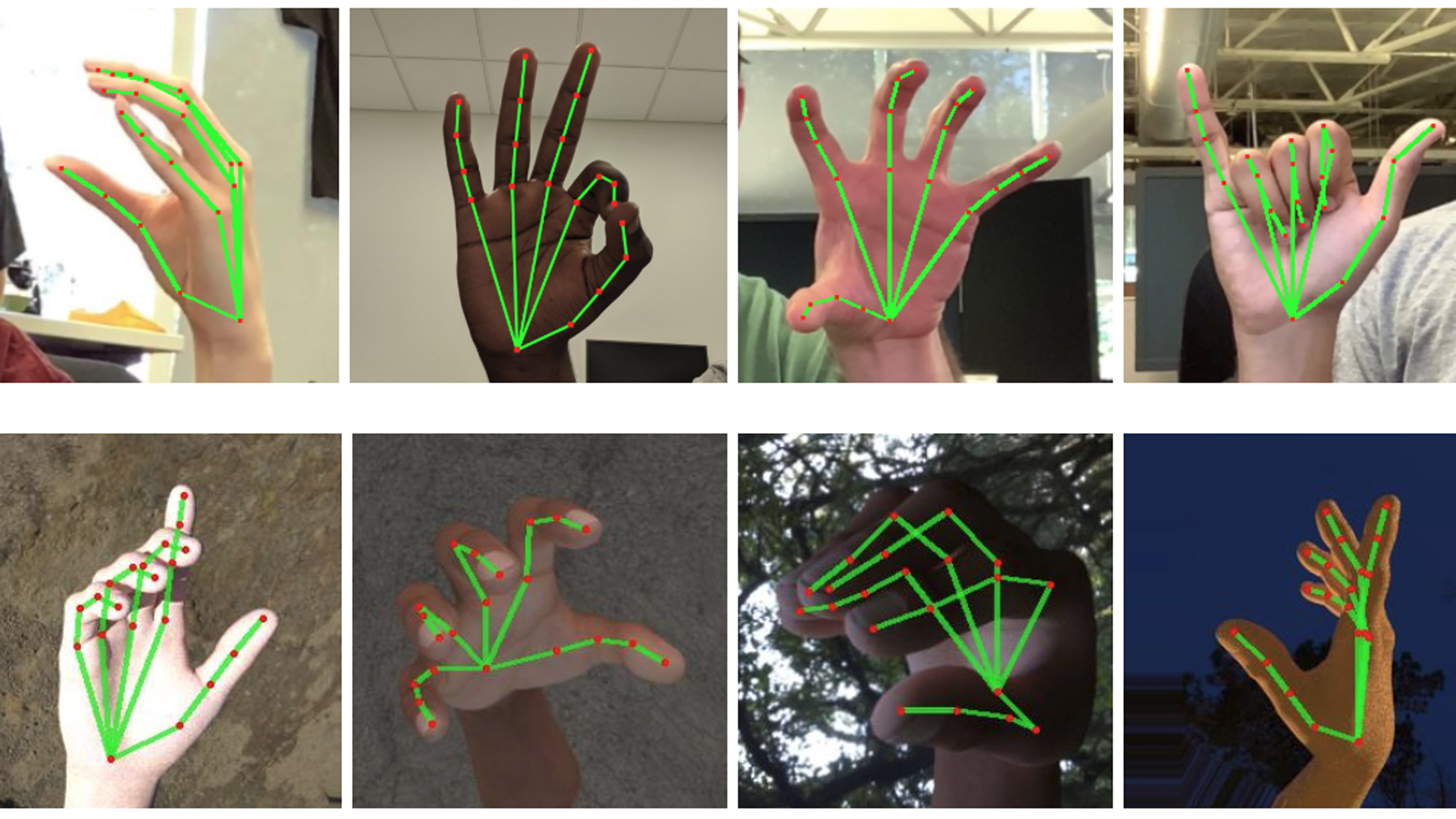
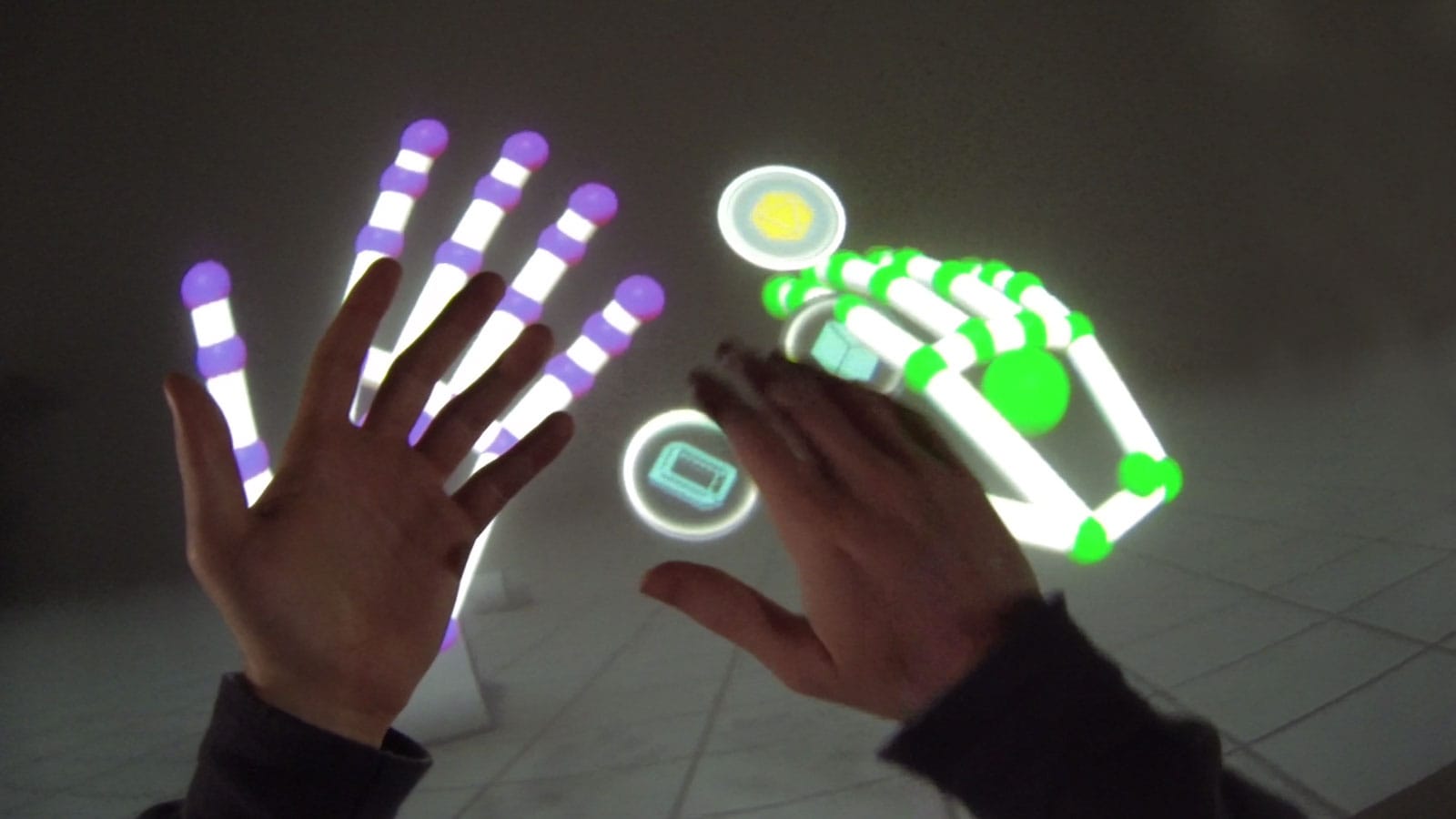
Hand tracking refers to the process of using computer vision and machine learning algorithms to track the movement and gestures of a person's hands in real-time. By accurately capturing the position, orientation, and movement of the hands, this technology provides an intuitive and immersive way to interact with digital content. Hand tracking systems typically employ depth-sensing cameras, infrared sensors, or even dedicated hardware to enable precise tracking of the user's hand movements.
Origins of Hand Tracking:
While hand tracking technology has gained significant prominence in recent years, its origins can be traced back to the early 2000s. The Microsoft Kinect, introduced in 2010, played a crucial role in popularizing this technology. With its depth-perception capabilities and sophisticated software, the Kinect enabled users to play games, navigate menus, and control applications using natural hand movements, without the need for any physical controllers. Since then, various tech giants, such as Facebook (with Oculus Quest), Google (with Soli), and Leap Motion, have introduced hand tracking solutions that have further pushed the boundaries of this technology.
Popularity Across Demographics:
Hand tracking has quickly gained popularity among various demographics due to several key factors. First, hand tracking offers unparalleled levels of immersion and more intuitive interaction methods than traditional input devices. This makes it particularly appealing to gamers, who seek heightened realism and greater control in their gaming experiences. Additionally, hand tracking technology has found applications in virtual reality (VR) and augmented reality (AR), revolutionizing the way users engage with these immersive environments.
Moreover, the accessibility of hand tracking plays a crucial role in its popularity. The technology eliminates the need for physical controllers, making it more inclusive for individuals with disabilities or mobility limitations. This inclusivity has not only captured the attention of the gaming community but also attracted interest from healthcare professionals, who see potential in using hand tracking to enhance rehabilitation therapies and improve accessibility in general.
In conclusion, hand tracking has emerged as a revolutionary technology, allowing users to interact with digital devices through intuitive hand gestures. With its origins rooted in early experiments and the technological advancements made by industry players, hand tracking has gained substantial popularity across demographics. Its potential for immersive experiences, accessibility, and applications in gaming, VR, and healthcare make it an exciting trend to watch as it continues to evolve and shape the way we interact with technology.
Exploring the Expanding Market Size and Growth of Hand Tracking
Hand tracking technology has experienced remarkable growth in recent years, leading to an increased interest among consumers and businesses alike. This surge in popularity can be attributed to several factors, including the advancements in augmented reality (AR), virtual reality (VR), and mixed reality (MR) technologies. With the ability to track and replicate hand movements in real-time, hand tracking has become an essential component in various applications and industries, driving the market's significant growth.
Market Size and Revenue
The hand tracking market has witnessed substantial growth and is expected to continue its upward trajectory in the coming years. According to a report by MarketsandMarkets, the global hand tracking market size was valued at around USD 3.9 billion in 2020 and is projected to reach USD 21.6 billion by 2026, growing at a CAGR of 34.9% between 2021 and 2026.
The increasing adoption of hand tracking technology in gaming and entertainment sectors, as well as the rising demand for touchless interactions in healthcare, retail, and automotive industries, are major contributors to the market's expansion. Additionally, the integration of hand tracking capabilities in smart devices, including smartphones and tablets, has further propelled its growth.
Industry Verticals and Applications
Hand tracking technology finds applications in various industry verticals, including gaming, entertainment, education, healthcare, retail, automotive, and more.
Gaming and Entertainment: Hand tracking enhances user immersion and interaction in gaming, making it more immersive and intuitive. It enables users to control virtual objects or characters with their natural movements, providing a more realistic and engaging experience.
Education: Hand tracking technology offers new possibilities for interactive learning experiences, enabling students to manipulate virtual objects and enhance their understanding of complex concepts. This technology also facilitates remote learning, which has gained popularity in recent times.
Healthcare: Hand tracking is revolutionizing the healthcare sector by providing touchless interactions, reducing the risk of contamination, and improving the efficiency of medical procedures. Surgeons can use hand tracking technology during operations for precise control of virtual interfaces, minimizing physical contact and enabling more accurate movements.
Retail: Hand tracking offers touchless interactions in retail settings, enabling customers to virtually try on products, such as clothing or jewelry, without physical contact. This immersive and interactive experience enhances customer satisfaction and drives sales.
Automotive: Hand tracking technology has seen applications in the automotive industry, where it enables gesture recognition for intuitive control of in-car systems. By using hand movements, drivers can adjust temperature, control audio, or answer calls, minimizing distractions and enhancing safety.
The hand tracking market is rapidly expanding, driven by advancements in AR, VR, and MR technologies, as well as the increasing demand for touchless interactions across various industries. With its wide-ranging applications in gaming, entertainment, education, healthcare, retail, automotive, and more, hand tracking technology is transforming user experiences and revolutionizing the way we interact with digital interfaces. As the market continues to evolve, the adoption of hand tracking is expected to grow exponentially, offering new opportunities and innovations in the coming years.
The Growing Consumer Demand and Preferences of Hand Tracking Technology
In recent years, hand tracking technology has emerged as an exciting innovation that is rapidly gaining popularity among consumers. This cutting-edge technology enables users to interact with devices and interfaces through intuitive hand gestures, without the need for physical controllers or touchscreens. As this technology continues to evolve, consumer demand for hand tracking is expected to grow exponentially, shaping various industries such as virtual reality, augmented reality, gaming, healthcare, and more.
High Demand for Natural and Intuitive Interactions
One key reason for the increasing consumer demand for hand tracking technology is the desire for more natural and intuitive interactions with digital devices. Traditional input methods, such as keyboards, mice, and controllers, can often be cumbersome and create a barrier between the user and the digital world. Hand tracking enables users to engage with technology using their hands and gestures, mirroring real-world actions. This enhanced sense of immersion and control is highly appealing to consumers and is driving the demand for hand tracking across different sectors.
Virtual Reality and Augmented Reality Applications
Hand tracking technology has gained significant traction in the virtual reality (VR) and augmented reality (AR) industries. By incorporating hand tracking into VR and AR headsets, users can interact with virtual objects and environments, enhancing the level of realism and immersion. This has huge implications for gaming, as it allows players to use their hands instead of controllers, providing a more immersive and intuitive experience. Moreover, hand tracking enables users to manipulate virtual objects and perform complex tasks, opening up possibilities for training simulations, virtual design, and remote collaboration.
Revolutionizing Gaming Experiences
The gaming industry has been quick to embrace hand tracking technology due to its potential to revolutionize gaming experiences. Traditional gaming controllers have limitations and can be a barrier to entry for casual gamers. Hand tracking eliminates the need for physical controllers, making gaming more accessible and intuitive for both avid gamers and novices. Whether it's smashing virtual objects, casting spells, or throwing virtual punches, hand tracking technology enhances the sense of presence and responsiveness, transforming gaming into a more immersive and engaging activity.
Integration into Healthcare and Rehabilitation
Hand tracking technology is also making significant inroads into the healthcare and rehabilitation sectors. The ability to track hand movements and gestures accurately opens up new opportunities for gesture-based therapy and rehabilitation programs. For individuals with physical disabilities, hand tracking can provide a means to interact with digital environments, control assistive devices, and improve motor skills. Additionally, healthcare professionals can utilize hand tracking technology for precise anatomical modeling, surgical training, and pain management.
The growing consumer demand for hand tracking technology is driven by the desire for more natural and intuitive interactions with digital devices, as well as the potential for enhanced immersion and control. Industries such as virtual reality, augmented reality, gaming, and healthcare are leveraging hand tracking to create innovative experiences and solutions. As this technology continues to evolve, consumers are likely to embrace hand tracking as a seamless and fundamental way to interact with the digital world, shaping the future of human-computer interaction.
Industry Players and Competition in Hand Tracking Technology
Hand tracking technology has emerged as a promising solution for enhancing user experience in various fields, including virtual reality (VR), augmented reality (AR), gaming, robotics, and more. As the demand for immersive and intuitive interaction continues to grow, several industry players have joined the race to develop advanced hand tracking solutions. In this section, we will explore some of the key players and the competition in the hand tracking industry.
Leap Motion
Leap Motion is one of the pioneers in hand tracking technology. Their hand tracking software and hardware, such as the Leap Motion Controller, enable users to interact with digital content using natural hand movements and gestures. Leap Motion's technology analyzes the movements of individual fingers and hands with exceptional precision, making it suitable for a wide range of applications.
Oculus VR
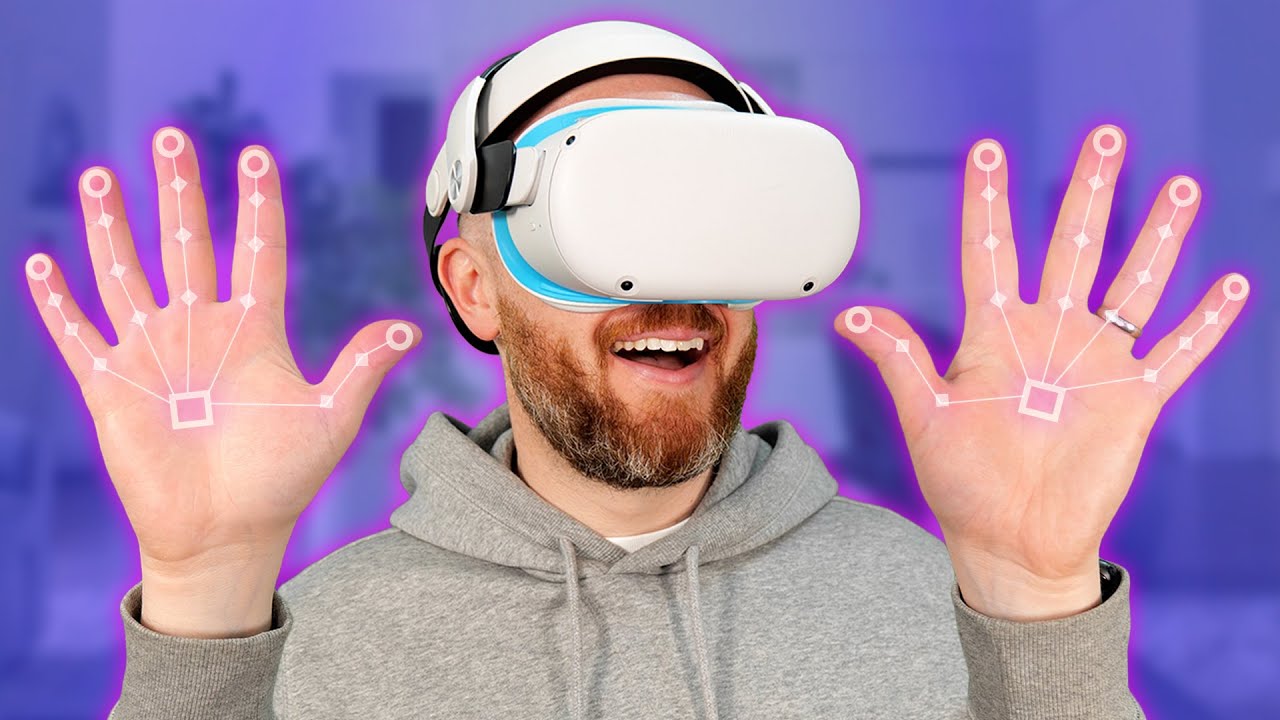
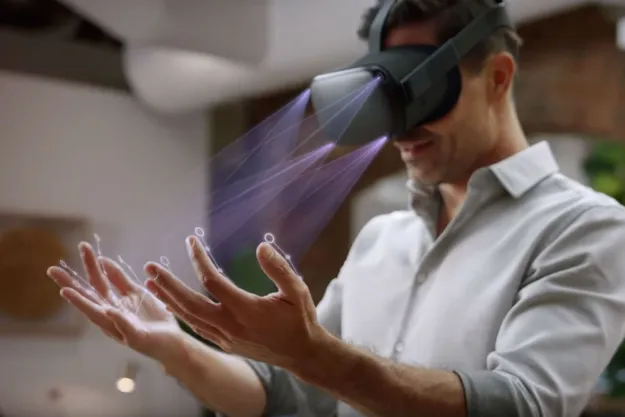
Oculus VR, owned by Facebook, is a major player in the VR industry. Their hand tracking technology, known as Oculus Hand Tracking, allows users to interact with the virtual environment using their bare hands. By eliminating the need for controllers, Oculus Hand Tracking offers a more immersive and intuitive VR experience. This technology has been integrated into Oculus Quest headsets, expanding the possibilities for developers and users alike.
Ultraleap (formerly known as Leap Motion and Ultrahaptics)
Ultraleap is a result of a merger between Leap Motion and Ultrahaptics, two prominent companies in the hand tracking and haptics space. This combination of expertise allows Ultraleap to provide both hand tracking and haptic feedback solutions, creating more realistic and engaging user experiences. Their hand tracking technology uses infrared cameras to capture hand movements, offering highly accurate and reliable tracking capabilities.
Microsoft
Microsoft has made significant strides in hand tracking technology with their Kinect sensor, which was initially developed for gaming consoles. The Kinect sensor uses a combination of infrared depth sensing and RGB camera technology to track hand movements and gestures. While primarily focusing on gaming and entertainment, Microsoft has also integrated hand tracking capabilities into their mixed reality headsets, such as the HoloLens 2, expanding its applications beyond gaming.
Google has also been exploring hand tracking technology through their Project Soli. Project Soli utilizes radar sensors to detect hand gestures and movements in a contactless manner. By capturing fine motions of fingers and wrists, Google aims to enable touchless interactions with devices and provide a seamless user experience. Google has integrated this technology into their Pixel 4 smartphone and continues to invest in its development.
Competition in the Hand Tracking Industry
As the potential applications of hand tracking technology continue to expand, competition in the industry has intensified. Each company mentioned above strives to offer unique and innovative hand tracking solutions to stay ahead of the game. They compete on factors such as accuracy, latency, ease of use, compatibility with different platforms, and integration with other technologies like haptics.
Aside from these key players, several startups and smaller companies are also entering the hand tracking space with their innovative technologies and solutions. These include ManoMotion, which uses AI-powered computer vision algorithms to enable gesture-based interactions, and HaptX, which combines high-fidelity haptic feedback with hand tracking capabilities.
As the hand tracking industry evolves, we can expect to see continuous advancements and competition driving innovation in this space. The race to create highly accurate, reliable, and intuitive hand tracking solutions will ultimately benefit users across various industries, revolutionizing the way we interact with digital content.
Revolutionizing User Experience: The Rise of Hand Tracking Technology
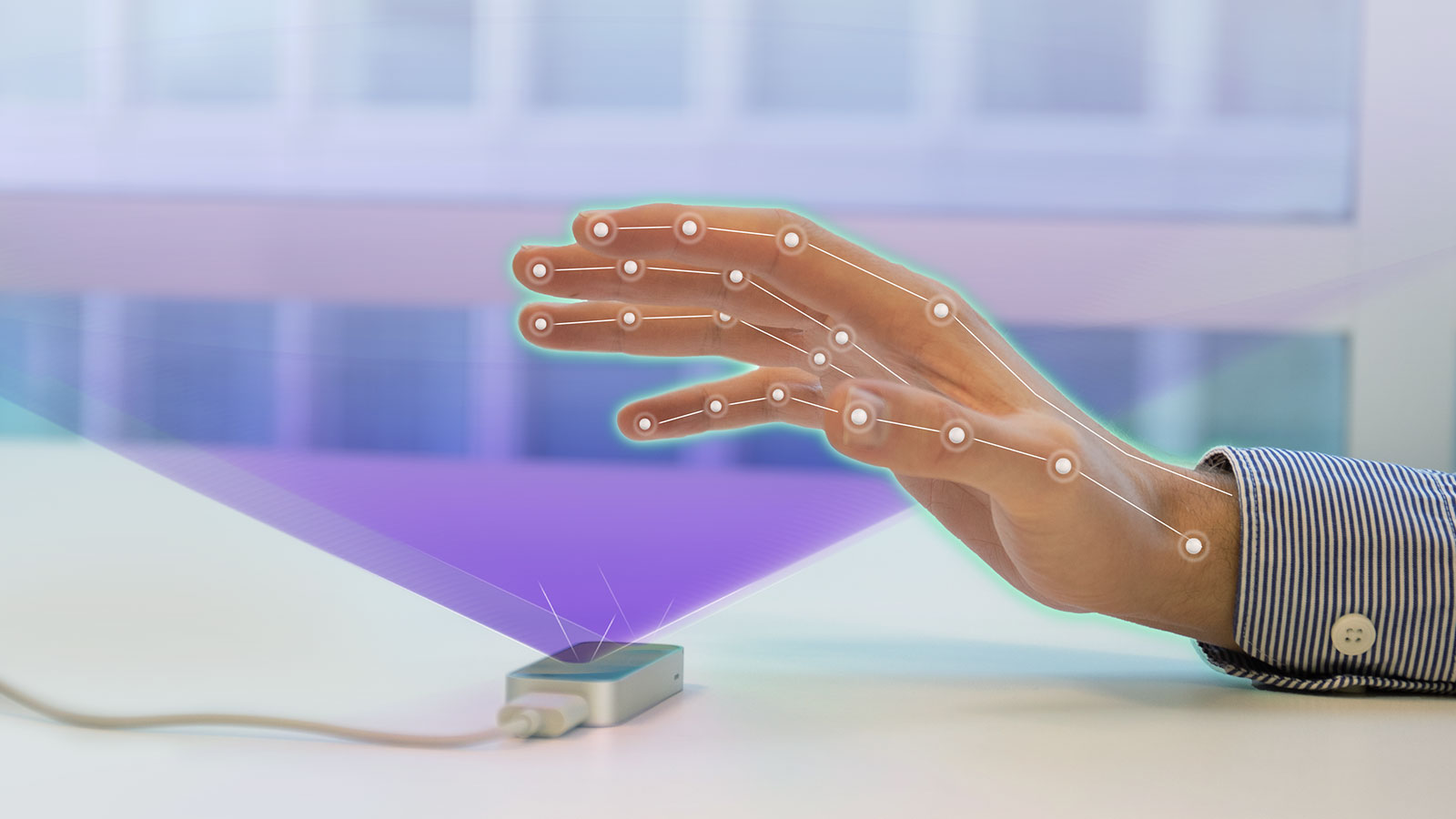
In recent years, technological innovation has paved the way for exciting advancements in user interface and interaction. One such innovation that is rapidly gaining traction is hand tracking technology. Hand tracking enables users to control and interact with digital devices using their natural hand movements, without the need for physical controllers or touchscreens. This groundbreaking technology is quickly revolutionizing various industries and opening up new possibilities for immersive user experiences.
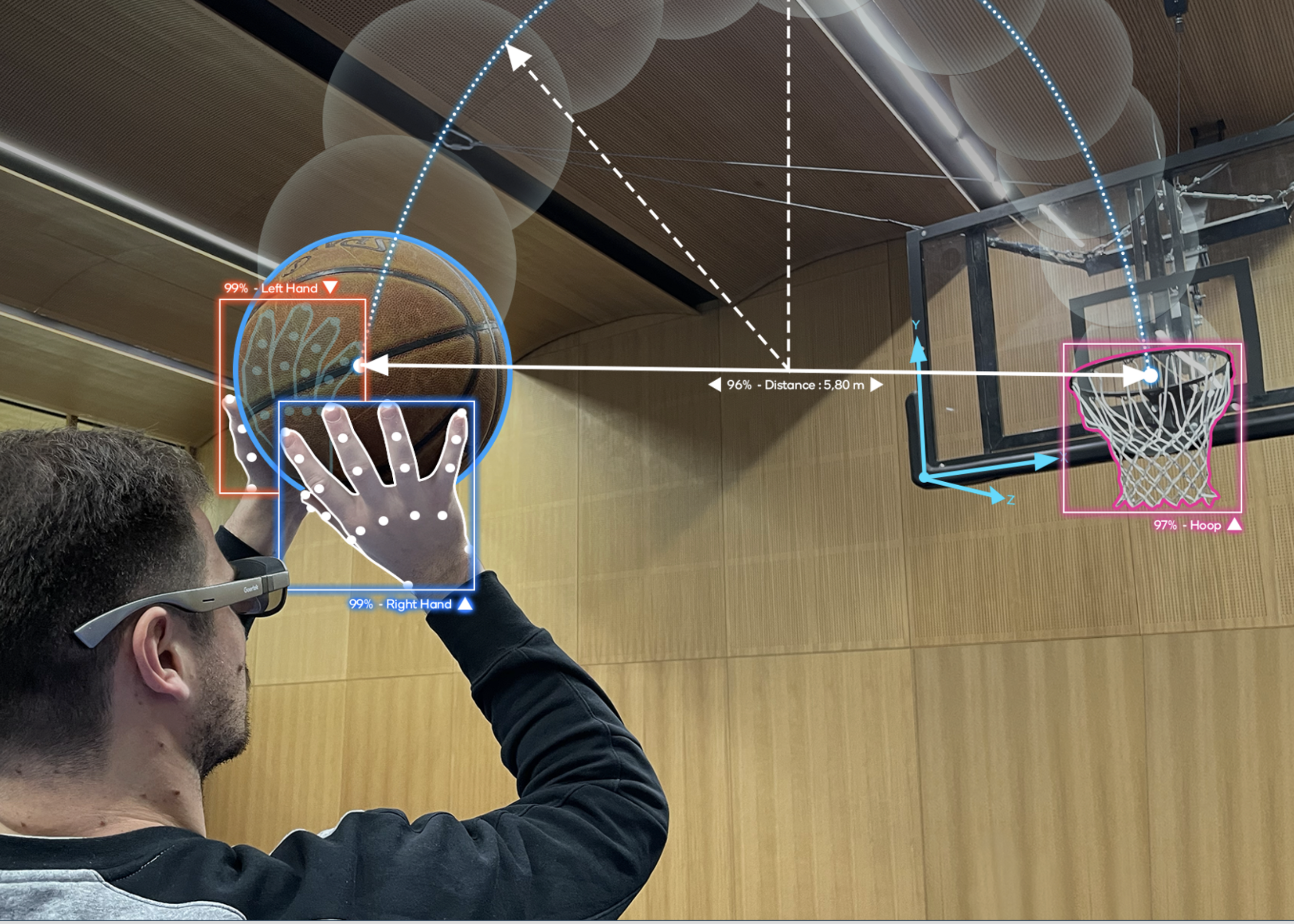
Hand tracking technology utilizes sophisticated sensors and computer vision algorithms to accurately detect and interpret hand movements, gestures, and positions in real-time. By capturing the intricate details of hand movements, it enables devices to understand and respond to users' actions, creating a more intuitive and immersive user experience.
The application of hand tracking technology is vast and holds immense potential across multiple industries. One of the key areas where hand tracking is making significant strides is in the world of virtual reality (VR) and augmented reality (AR). With hand tracking, users can interact with virtual objects and environments simply by using their hands, eliminating the need for handheld controllers. This enables a more natural and immersive gaming or simulation experience, where users can manipulate virtual objects, navigate menus, and even interact with virtual characters using intuitive hand gestures.
Moreover, hand tracking technology has immense potential in the healthcare industry. It allows for touchless and intuitive control of medical devices, such as surgical robots or virtual rehabilitation systems. Surgeons, for example, can use hand gestures to control robotic surgical instruments with precision and dexterity, leading to more accurate and less invasive procedures. In the field of physical therapy, hand tracking can be used to monitor and guide patients through exercises and rehabilitation programs, providing real-time feedback and optimizing recovery outcomes.
Hand tracking also finds applications in smart home technology, enabling users to control various home devices and appliances with simple hand movements. Imagine adjusting the temperature, changing the lights, or controlling home security systems effortlessly through intuitive gestures, without the need for physical switches or touchscreen interfaces.
In addition to gaming, healthcare, and smart home applications, hand tracking technology has the potential to enhance user interfaces in a wide range of industries, including automotive, education, retail, and more. From controlling in-car infotainment systems to facilitating interactive learning experiences in classrooms, hand tracking presents a new frontier in user interaction.
As hand tracking technology continues to advance, researchers and developers are exploring ways to overcome its current limitations. Challenges such as accurately tracking fingers in complex hand configurations, robustness in different lighting conditions, and ensuring privacy and security of user data are being actively addressed to unlock the full potential of this technology.
In conclusion, hand tracking technology is transforming the way we interact with digital devices, offering a more natural and intuitive user experience. With applications across various industries, this innovative technology is poised to revolutionize gaming, healthcare, smart homes, and more. As the technology evolves and overcomes existing challenges, we can expect to see even more exciting use cases emerge, making hand tracking an indispensable part of our technological future.
Regional Trends and Cultural Influences on Hand Tracking
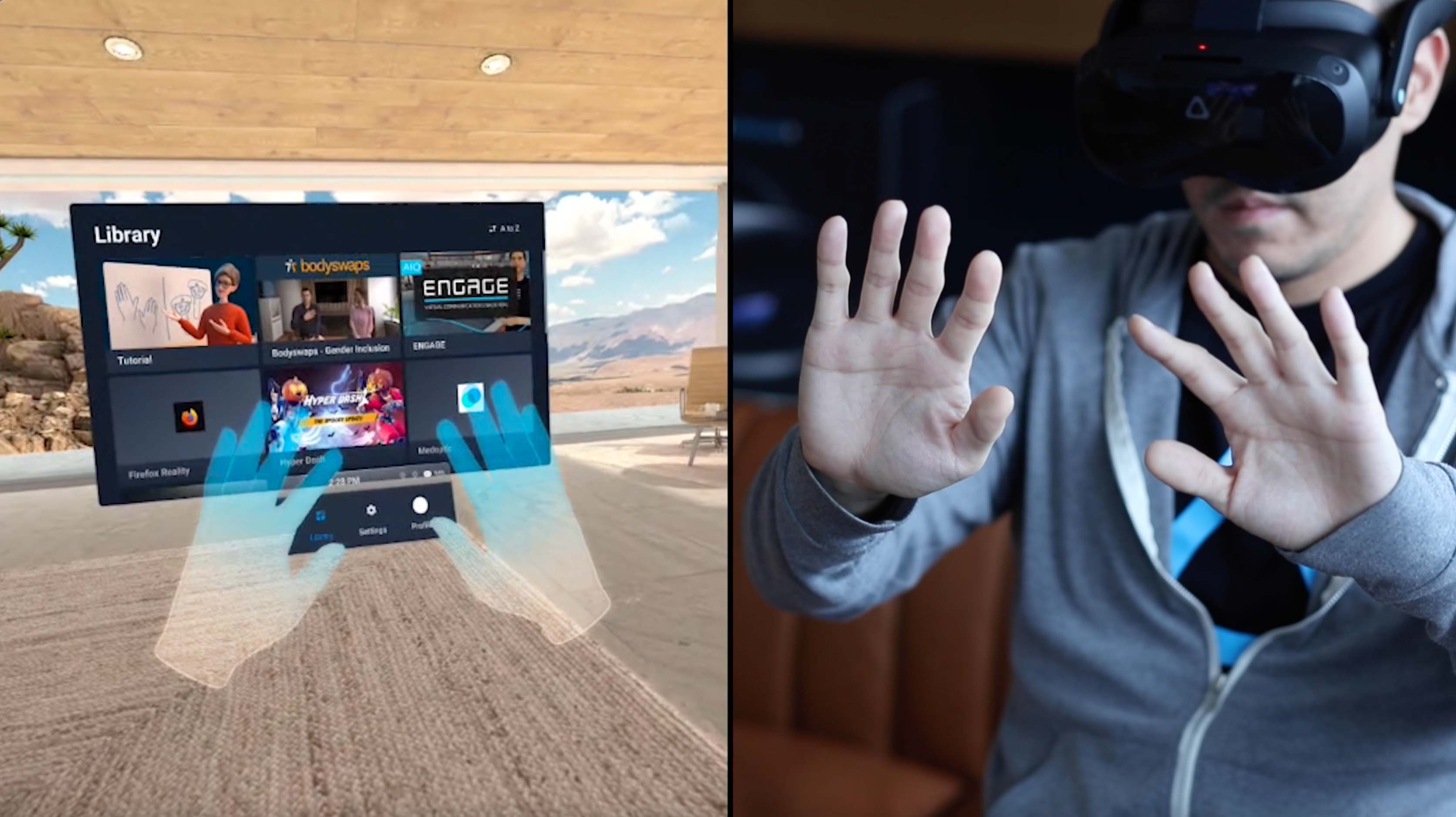
Hand tracking technology, also known as gesture recognition, has seen significant advancements in recent years, enabling users to interact with digital content using hand movements alone. While hand tracking is a technology that transcends geographical boundaries, regional trends and cultural influences can have a substantial impact on its adoption and application. In this article, we explore how different regions and cultural contexts influence the trends and uses of hand tracking technology.
North America: Pushing Boundaries in Gaming and Entertainment
North America, particularly the United States, has a robust gaming and entertainment industry that has heavily influenced the development and adoption of hand tracking technology. Companies like Oculus (owned by Facebook) and Microsoft have integrated hand tracking capabilities into their virtual reality (VR) platforms, enhancing the immersive experience for gamers. Furthermore, hand tracking technology has become crucial in the development of motion-controlled games, enabling users to play without the need for handheld controllers.
Europe: A Focus on Industrial Applications
Europe has demonstrated a strong focus on industrial applications of hand tracking technology. The manufacturing and automotive industries, in particular, are leveraging hand tracking to enhance human-machine interaction. By utilizing hand tracking in assembly line processes, operators can manipulate digital interfaces or control machinery without the need for physical contact, improving efficiency and reducing the risk of errors. European companies such as Siemens and BMW have incorporated hand tracking in their production lines to streamline operations.
Asia: Fusion with Traditional Cultural Practices
Asia is a region where traditional cultural practices often find innovative applications with emerging technologies. Hand tracking technology has fused with cultural activities such as traditional dance and martial arts. In Japan, for example, hand tracking is being integrated into the performances of traditional Kabuki theater, allowing actors to control digital overlays in real-time, enhancing visual effects and storytelling. China has also seen the integration of hand tracking technology in traditional martial arts training, enabling practitioners to analyze and refine their techniques.
Latin America: Healthcare and Rehabilitation
In Latin America, hand tracking technology is finding significant applications in the healthcare and rehabilitation sectors. Countries in the region are leveraging this technology to enhance physical therapy sessions and improve patient recovery. Hand tracking allows for precise tracking of hand movements, offering clinicians valuable data and insights on patients' progress and performance. Rehabilitation centers in Brazil, for instance, have implemented hand tracking technology to assist patients in regaining hand dexterity and motor skills after injuries or surgeries.
Middle East: Hand Tracking in Cultural Preservation
The Middle East region has shown an interest in utilizing hand tracking technology for the preservation and documentation of cultural heritage. Researchers and cultural institutions are leveraging this technology to create immersive experiences that showcase traditional crafts, art forms, and architecture. Hand tracking allows users to interact virtually with cultural artifacts, such as navigating through ancient manuscripts or virtually restoring historical sites. This application of hand tracking technology aims to promote cultural preservation and make heritage accessible to broader audiences.
In conclusion, regional trends and cultural influences play a pivotal role in shaping the adoption and application of hand tracking technology. Whether it's pushing boundaries in gaming, focusing on industrial use cases, integrating with traditional practices, enhancing healthcare and rehabilitation, or preserving cultural heritage, the regional contexts bring diverse perspectives and unique applications to hand tracking. Understanding these regional trends can help companies and innovators tailor their hand tracking solutions to meet the specific needs and preferences of different cultural and geographical contexts.
The Rise of Hand Tracking: Exploring the Influence of Social Media and Influencers
Social media platforms have significantly transformed the way we communicate, consume information, and discover new trends. As emerging technologies continue to captivate consumer interest, hand tracking has emerged as a fascinating and innovative concept. In this section, we will delve into the influence of social media and influencers in shaping the popularity of hand tracking technology.
Social media platforms such as Instagram, TikTok, and YouTube have become breeding grounds for the latest trends, be it in fashion, beauty, or technology. Hand tracking, a technology that enables devices to track and interpret hand movements in real-time, is no exception. This groundbreaking technology has the potential to revolutionize various industries, including gaming, virtual reality, augmented reality, and healthcare.
Influencers play a pivotal role in shaping consumer attitudes and preferences, driving trends, and creating buzz around emerging technologies. Influencers specializing in the gaming and technology verticals have been instrumental in introducing hand tracking to their followers. Their engaging content, reviews, and demonstrations have sparked curiosity and generated substantial interest in hand tracking technology.
By showcasing the capabilities and applications of hand tracking technology, influencers have the power to fuel demand and adoption. They often collaborate with developers, content creators, and manufacturers, resulting in engaging social media campaigns, tutorials, and challenges that capture the attention of their audience. This exposure not only amplifies the reach and awareness of hand tracking technology but also stimulates conversations and encourages user-generated content.
The success of social media campaigns revolving around hand tracking can be attributed to both macro and micro-influencers. Macro-influencers leverage their vast follower base to amplify the reach of hand tracking technology, while micro-influencers bring authenticity and credibility to their endorsements, targeting niche audiences with specific interests.
In addition to influencer marketing, social media platforms have become a hub for user-generated content related to hand tracking. By sharing their experiences, creations, and reviews, users contribute to the proliferation of hand tracking and inspire others to explore the technology further. Social media algorithms amplify the visibility of hand tracking-related content, ensuring a wider audience is exposed to this cutting-edge innovation.
The relationship between social media and hand tracking technology is symbiotic, with one driving the other in a never-ending cycle of interest and exploration. Social media channels enable influencers and users to showcase the possibilities of hand tracking, while the emerging technology itself enriches social media experiences by introducing interactive elements and fostering creative interactions.
As hand tracking technology continues to evolve and gain traction, it is crucial for developers, manufacturers, and marketers to leverage social media channels and influencers to build awareness, engage with potential users, and cultivate a community around this exciting technology. By tapping into the power of social media and influencer marketing, companies can expand their reach and fuel the growth of hand tracking adoption across various industries.
In conclusion, social media platforms and influencers play an integral role in shaping the popularity and adoption of hand tracking technology. By harnessing the power of social media campaigns, influencer endorsements, and user-generated content, developers and manufacturers can ensure that hand tracking remains at the forefront of consumers' minds, sparking curiosity and driving innovation in the years to come.
The Future Outlook and Forecast of Hand Tracking
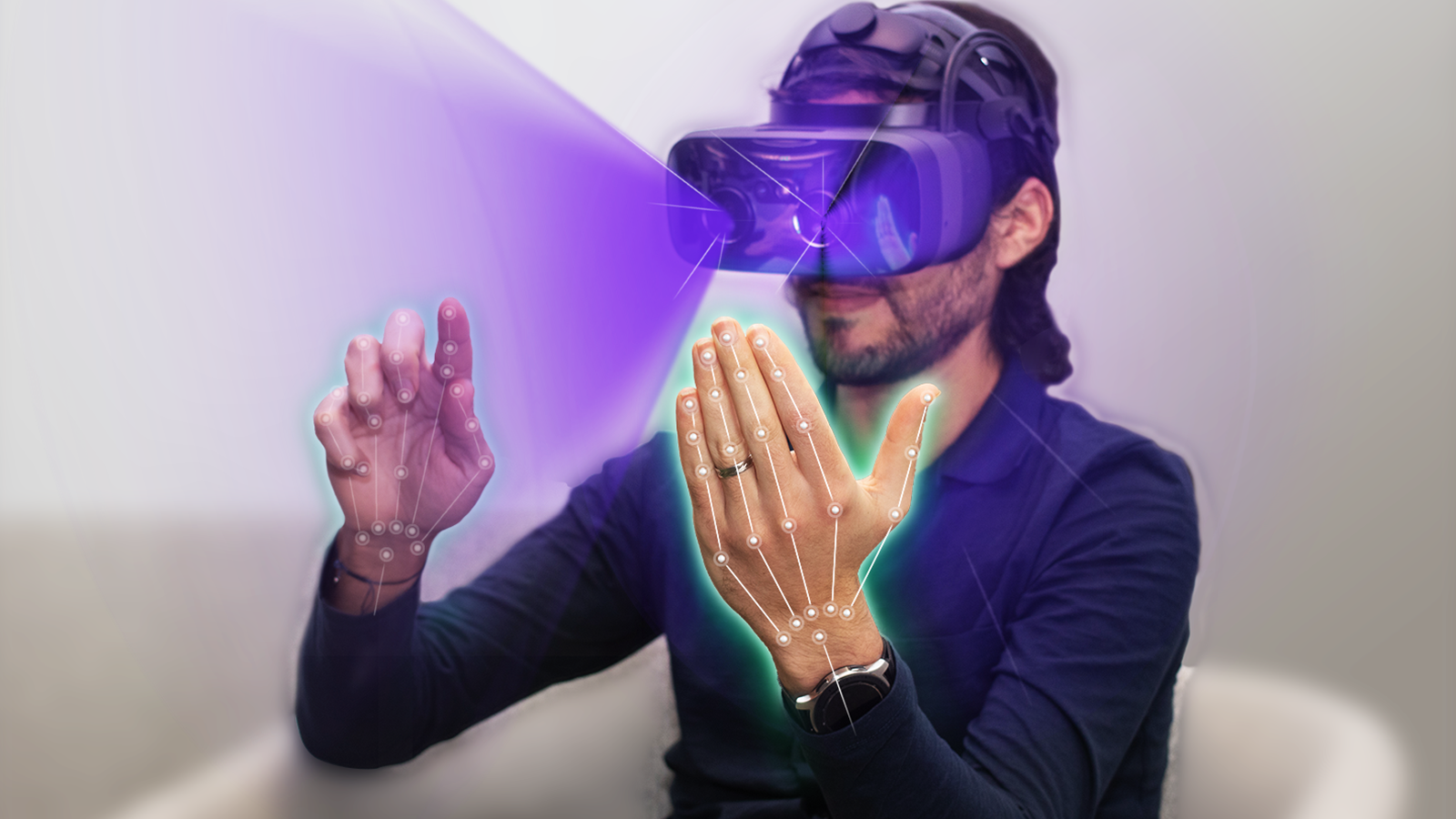
Hand tracking technology has rapidly advanced in recent years, allowing for gesture recognition and natural user interfaces. This technology has the potential to revolutionize various industries, including gaming, virtual reality (VR), augmented reality (AR), healthcare, and automotive. As we explore the future outlook and forecast of hand tracking, it becomes evident that this trend shows no signs of slowing down.
Gaming and Virtual Reality (VR)
Hand tracking has the potential to redefine the gaming experience. Currently, many gaming consoles require controllers or accessories for user input. However, with hand tracking, players can immerse themselves in virtual worlds using their natural hand movements. This allows for a more intuitive and realistic gaming experience.
In addition to traditional gaming, hand tracking can also enhance VR applications, from training simulations to interactive storytelling. Oculus Quest, for example, has already integrated hand tracking capabilities into its platform, allowing users to interact with virtual environments without the need for controllers. As this technology improves, we can expect to see more games and VR applications leveraging hand tracking to provide immersive experiences.
Augmented Reality (AR) and Mixed Reality (MR)
Hand tracking also holds great potential in the realm of AR and MR. With AR glasses and headsets becoming more popular, the ability to interact with virtual elements using hand gestures could enhance user experiences in numerous ways. From manipulating virtual objects to controlling interfaces without physical touch, hand tracking can provide a seamless integration of virtual and physical realities.
One notable example of hand tracking in AR is Microsoft's HoloLens, which enables users to manipulate holographic objects with their hands. As AR technology continues to advance and become more accessible, we can anticipate increased utilization of hand tracking to create interactive and intuitive AR experiences.
Healthcare and Rehabilitation
Hand tracking technology has immense potential in the healthcare industry, particularly in the fields of physical therapy and rehabilitation. The ability to track and analyze hand movements can assist in diagnosing and treating various conditions, such as stroke rehabilitation, hand injuries, and muscle disorders.
By using hand tracking devices and software, healthcare professionals can monitor patients' progress in real-time, provide feedback, and tailor personalized rehabilitation programs. This technology not only improves the accuracy of assessments but also enables remote monitoring, extending access to care for individuals who may face barriers to regular in-person appointments.
Automotive and Gesture Control
With the rising adoption of autonomous vehicles and advanced driver-assistance systems (ADAS), hand tracking can play a significant role in enhancing driver safety and convenience. Gesture control systems can allow drivers to control various in-car functions, such as adjusting temperature, changing radio stations, or answering calls, without taking their hands off the steering wheel.
By reducing the need for physical buttons and touchscreens, hand tracking can contribute to minimizing distractions and improving driver focus on the road. Gesture control systems are already being implemented in luxury vehicles, and as the technology becomes more affordable and refined, we can expect broader integration across a wider range of vehicles.
Forecast and Conclusion
As hand tracking technology continues to advance, we can expect increased adoption across multiple industries. The gaming, VR, AR, healthcare, and automotive sectors are likely to be early adopters, with many companies already incorporating hand tracking into their products and services.
According to a report by MarketsandMarkets, the global hand tracking market is projected to reach $2.5 billion by 2024, growing at a compound annual growth rate (CAGR) of 33.9% during the forecast period. This growth is driven by factors such as the increasing demand for immersive gaming experiences, the rising use of AR and VR technologies, and the need for touchless interfaces in the wake of the COVID-19 pandemic.
As technology advancements continue and the benefits of hand tracking become more apparent, we can expect this trend to become even more prominent in the coming years. Hand tracking has the potential to redefine how we interact with digital content and offers exciting possibilities for various industries and everyday consumers alike.
Exploring the Future of Interaction: Hand Tracking
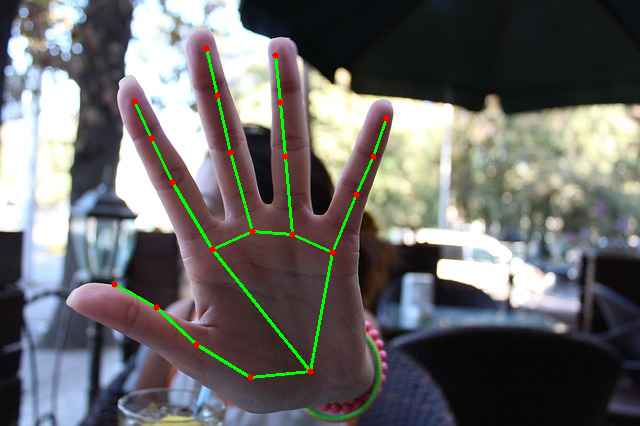
Key Findings and Insights:
- Hand tracking is revolutionizing interaction: Hand tracking is a technology that enables devices to track and interpret hand movements without the need for physical controllers. This trend has the potential to transform how we interact with technology, offering more intuitive and immersive experiences across a wide range of industries.
- Emerging applications across industries: Hand tracking technology is finding applications in various industries such as gaming, virtual reality (VR), augmented reality (AR), education, healthcare, automotive, and more. In gaming, hand tracking allows users to control actions and movements in games simply by using hand gestures, eliminating the need for traditional controllers. In healthcare, it can enhance surgical procedures by providing surgeons with a more precise tool for navigation and control.
- Enhancing immersion in VR and AR: Hand tracking is a game-changer in the virtual and augmented reality industry. It allows users to interact with the virtual environment more naturally, removing the barrier of handheld controllers. With hand tracking, users can perform actions such as grabbing objects, pointing, and manipulating virtual elements, providing a more immersive and realistic experience.
- Accessibility and inclusivity: Hand tracking has the potential to make technology more accessible to people with disabilities or physical limitations. By eliminating the need for traditional controllers, it allows individuals with mobility impairments to navigate and interact with technology using only their hands. This inclusivity aspect could have a profound impact on the lives of many, making technology more accessible and empowering.
- Challenges and limitations: While hand tracking holds promise, there are still some challenges to address. Accuracy and precision can be a concern, as the technology must reliably track and interpret fine movements. Lighting conditions and occlusion can also affect tracking performance. Additionally, developers need to find effective ways to design user interfaces that take full advantage of hand tracking capabilities without overwhelming users or causing fatigue.
- Integration with other technologies: The future of hand tracking lies in its integration with other emerging technologies. Combining hand tracking with haptic feedback, gesture recognition, and natural language processing could unlock new possibilities for interaction and communication. Such advancements will enhance the overall experience and create more seamless interactions between humans and technology.
- Rapid market growth: The hand tracking market is expected to witness significant growth in the coming years. With increased adoption in consumer electronics, gaming, and enterprise applications, the market is projected to expand. Major tech players are investing in hand tracking technologies, and the growing interest from developers and consumers suggest a bright future for this trend.