

Unveiling the Power of Hydrogen Fuel: A Rising Trend Revolutionizing the Energy Sector

The Rising Popularity of Hydrogen Fuel: A Clean Energy Solution
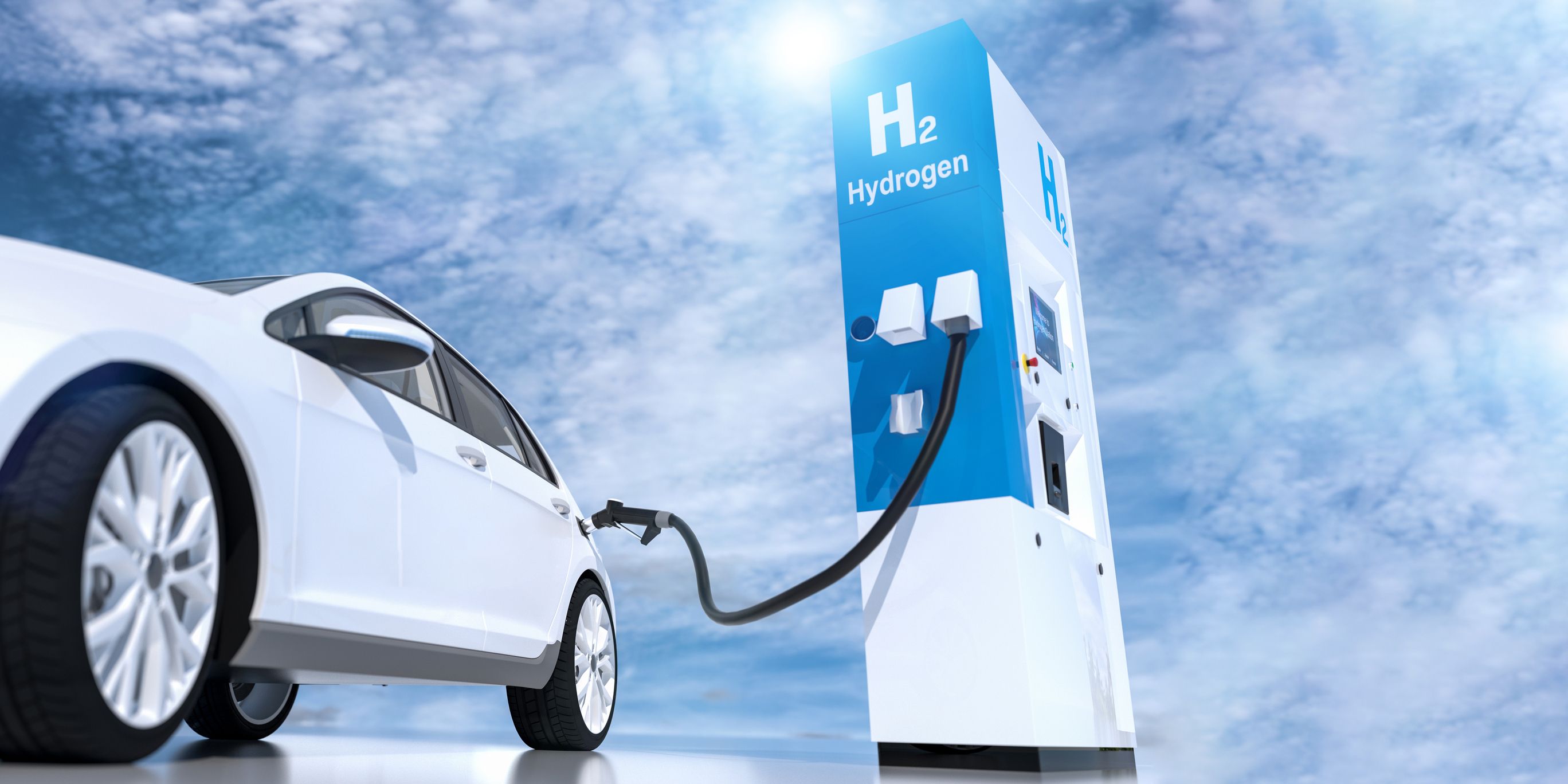
In recent years, hydrogen fuel has been gaining significant traction as a promising clean energy solution. With its potential to address climate change, reduce greenhouse gas emissions, and enhance energy efficiency, hydrogen fuel has been embraced by governments, industries, and environmentally-conscious individuals around the world. This article will explore the concept of hydrogen fuel, its origins, and the factors contributing to its increasing popularity across various demographics.
Understanding Hydrogen Fuel:
Hydrogen fuel, also known as "green hydrogen," is a chemical compound consisting of two hydrogen atoms. It serves as an energy carrier and can be produced through a variety of methods, such as electrolysis, biomass conversion, and steam methane reforming. When used as a fuel, hydrogen can generate heat or electricity without emitting harmful greenhouse gases.
Origins of Hydrogen Fuel:
The concept of hydrogen fuel dates back to the early 19th century, when scientists first began experimenting with its potential applications. However, it wasn't until the late 20th century that serious research and development efforts were directed towards harnessing hydrogen as an energy source. With advancements in technology and a growing focus on sustainable solutions, hydrogen fuel has emerged as a viable option to reduce dependence on fossil fuels.
Growing Popularity:
Hydrogen fuel's popularity can be attributed to several key factors:
- Environmental Benefits: Hydrogen fuel offers virtually no emissions when used in fuel cells or combustion processes, making it an attractive option for policymakers and environmental activists concerned about climate change and air pollution. (source: National Renewable Energy Laboratory).
- Energy Efficiency: Hydrogen fuel cells have the potential to be more efficient than traditional combustion engines and can be used to power various applications, including vehicles, buildings, and industrial processes. As such, hydrogen is seen as a vital component in the transition towards a more sustainable energy system.
- Diversification of Energy Sources: Hydrogen fuel provides an opportunity for countries to reduce their dependence on conventional energy sources. By integrating hydrogen into their energy mix, nations can enhance energy security and create a more resilient and sustainable energy infrastructure.
- Industrial Applications: Hydrogen fuel has gained popularity among industries such as heavy transportation, aviation, and manufacturing, as they seek to reduce their carbon footprint and comply with stricter environmental regulations. It also holds the potential for long-duration energy storage, which can help manage fluctuations in renewable energy generation.
As the demand for clean energy solutions rises, hydrogen fuel has emerged as a promising contender in the quest for a sustainable future. Its environmental benefits, energy efficiency, diversification potential, and applications across various industries have contributed to its increasing popularity. With ongoing research and development efforts, hydrogen fuel holds immense promise in transforming the global energy landscape and facilitating the transition towards a carbon-neutral economy.
Market Size and Growth of Hydrogen Fuel
The market for hydrogen fuel has been gaining significant traction in recent years, with growing concerns about climate change and the need for sustainable energy solutions. Hydrogen fuel is being recognized as a promising alternative to fossil fuels, offering environmental benefits and addressing energy security issues. This section will delve into the current market size and the anticipated growth of hydrogen fuel.
Market Size
The global market for hydrogen fuel is projected to witness substantial growth in the coming years. According to a report by Grand View Research, the market size of hydrogen fuel is expected to reach $257.2 billion by 2027, growing at a compound annual growth rate (CAGR) of 9.2%. This growth can be attributed to several factors, including the rising demand for clean energy sources, government initiatives to promote hydrogen fuel adoption, and advancements in hydrogen production technologies.
Transportation Sector
The transportation sector represents a significant market for hydrogen fuel. As countries strive to reduce greenhouse gas emissions and achieve their climate targets, hydrogen fuel cell vehicles (FCVs) are gaining traction as a viable zero-emission alternative to traditional internal combustion engines. The adoption of hydrogen fuel cells in the automotive industry is anticipated to grow rapidly, with an increasing number of automakers investing in hydrogen fuel cell technology.
Industrial Applications
Hydrogen fuel is also gaining prominence in various industrial sectors. Industries such as chemicals, refineries, and manufacturing are exploring the use of hydrogen fuel as a means to decarbonize their operations. Hydrogen can be used as a feedstock for chemical processes, a fuel for industrial heating, and in power generation. As companies strive to reduce their carbon footprint and comply with stricter environmental regulations, the demand for hydrogen fuel in industrial applications is expected to grow significantly.
Regional Perspectives
The adoption and growth of hydrogen fuel vary across regions. Europe, Japan, and South Korea stand out as leaders in hydrogen fuel development and deployment. These regions have set ambitious targets to promote the use of hydrogen fuel in various sectors, including transportation, power generation, and industrial applications. Furthermore, they are investing heavily in infrastructure development, such as hydrogen refueling stations and production facilities.
In the United States, the market for hydrogen fuel is also gaining momentum, with the government announcing initiatives to support hydrogen fuel cell technology and infrastructure. Additionally, countries like China and Australia are making significant strides in advancing the hydrogen economy and establishing themselves as key players in the global market.
The market size of hydrogen fuel is poised for substantial growth in the coming years, driven by increased efforts to transition to cleaner and more sustainable energy sources. The transportation sector and industrial applications are expected to be the primary drivers of this growth. As governments, industries, and consumers increasingly recognize the potential of hydrogen fuel, investments in research, development, and infrastructure are likely to accelerate, enabling the hydrogen economy to thrive further.
Understanding Consumer Demand and Preferences for Hydrogen Fuel
Hydrogen fuel has emerged as an increasingly popular alternative to traditional fossil fuels, promising a cleaner and more sustainable energy future. As the automotive industry shifts towards electrification, hydrogen fuel cell vehicles (FCVs) have gained attention for their potential in reducing greenhouse gas emissions and combating climate change. However, understanding consumer demand and preferences for hydrogen fuel is essential to gauge its potential widespread adoption and the challenges it may face.
Consumer Perceptions and Awareness:
When it comes to consumer demand for hydrogen fuel, awareness and perceptions play a crucial role. Although FCVs have been available in some markets for several years, consumer knowledge and understanding of hydrogen fuel technology remain relatively low. For this reason, educating consumers about the benefits and potential of hydrogen fuel is critical. Highlighting its minimal environmental impact, longer driving range, and shorter refueling times compared to electric vehicles (EVs) can help shift consumer preferences towards hydrogen fuel.
Environmental Concerns:
One of the driving forces behind the demand for hydrogen fuel is the increasing concern for the environmental impact of traditional fossil fuels. As consumers become more conscious about reducing carbon emissions and seeking greener alternatives, hydrogen fuel offers a promising solution. Its only byproduct is water, making it a clean energy source with the potential to reduce greenhouse gas emissions significantly.
Infrastructure and Accessibility:
Consumer demand for hydrogen fuel also heavily relies on the availability and accessibility of refueling infrastructure. Unlike conventional gasoline stations or the extensive EV charging network, hydrogen refueling stations are still relatively scarce. Limited infrastructure poses a significant challenge for widespread consumer adoption of hydrogen fuel. The availability of refueling stations and their proximity to residential areas are crucial factors that impact consumer preferences and the viability of hydrogen fuel as an option for daily commuting.
Cost and Efficiency:
Another factor influencing consumer demand and preferences for hydrogen fuel is its cost and efficiency compared to other alternatives. Currently, hydrogen fuel cell technology is more expensive than battery electric vehicles, primarily due to the costs associated with storing and distributing hydrogen. Additionally, the efficiency of converting hydrogen to electricity in fuel cells is lower compared to using electricity directly in battery EVs. However, advancements in fuel cell technology and economies of scale are expected to bring down costs and improve efficiency in the coming years, making hydrogen fuel more attractive to consumers.
Government Support and Incentives:
Government policies, incentives, and investment play a vital role in driving consumer demand for hydrogen fuel. Subsidies, tax incentives, and grants can significantly reduce the costs associated with purchasing hydrogen fuel cell vehicles and building refueling infrastructure. Boosting consumer demand through financial incentives and supporting research and development can accelerate the adoption of hydrogen fuel technology.
Understanding consumer demand and preferences for hydrogen fuel is crucial to gauge its potential widespread adoption. While education about the benefits of hydrogen fuel and an increasing concern for the environment contribute to consumer demand, challenges like limited infrastructure and cost-related factors remain. Continued efforts in research, development, and government support are essential to address these challenges and drive consumer interest in hydrogen fuel as a viable and sustainable energy option.
Industry Players and Competition in the Hydrogen Fuel Market
The adoption of clean energy sources has gained substantial momentum in recent years, with hydrogen fuel emerging as a promising alternative to fossil fuels. Hydrogen fuel cells have the potential to power a wide range of applications, including transportation, electricity generation, and industrial processes. As the demand for hydrogen fuel increases, numerous industry players and competitors have emerged to capitalize on this growing market.
Major Industry Players
- Air Liquide: Air Liquide is a global leader in gases, technologies, and services for industry and health. The company has a significant presence in the hydrogen fuel sector, producing and distributing hydrogen for a variety of applications. They have a strong focus on renewable and low-carbon hydrogen production, with projects in countries like France, Germany, and the United States.
- Linde: Linde is a multinational industrial gas and engineering company that is heavily involved in the hydrogen sector. They specialize in the production, storage, and distribution of hydrogen for multiple markets, including mobility, refining, and chemical industries. Linde is committed to advancing hydrogen technologies and has established collaborations with various partners to develop infrastructure and supply chains.
- Air Products and Chemicals: Air Products and Chemicals is a major player in the global hydrogen market, supplying hydrogen to industries such as oil refining, metals, and electronics. They are actively involved in advancing hydrogen energy solutions through partnerships and investments in research and development.
- Toyota: As a leading automobile manufacturer, Toyota has taken great strides in developing hydrogen fuel cell vehicles (FCVs). Their flagship model, the Toyota Mirai, represents their commitment to hydrogen as a clean transportation option. Toyota is also working to establish a hydrogen society by promoting the use of fuel cell technology beyond vehicles.
- Ballard Power Systems: Ballard Power Systems is a Canadian company that specializes in the design, development, and manufacturing of hydrogen fuel cell technologies. They focus on various applications such as transportation, backup power, and material handling. Ballard Power Systems has established partnerships with major automotive manufacturers and is driving innovation in the fuel cell industry.
- Plug Power: Plug Power is another significant player in the hydrogen fuel cell market, primarily focusing on the material handling and logistics sector. They provide hydrogen fuel cell solutions for forklifts, pallet jacks, and other industrial equipment. Plug Power aims to create a hydrogen economy by expanding the adoption of fuel cells across different industries.
Competition and Collaborations
While several major players dominate the hydrogen fuel market, competition in the industry remains fierce. Apart from the companies mentioned above, other players such as Hyundai, Daimler, General Motors, and BMW are actively working on incorporating hydrogen fuel cell technology into their vehicles.
Moreover, collaborations and partnerships are common within the industry, as companies recognize the need for collective efforts to advance hydrogen fuel adoption. For example, the Hydrogen Council, a global initiative, brings together leading companies across the hydrogen value chain to foster collaboration, investment, and policy support. This collective effort aims to accelerate the transition to a hydrogen-powered future.
In conclusion, the hydrogen fuel market is witnessing significant growth, attracting a range of industry players that aim to capitalize on the potential of clean energy sources. As the demand for hydrogen fuel increases, competition among these players is driving innovation and collaboration, ultimately paving the way for a greener and more sustainable future.
The Rising Promise of Hydrogen Fuel Technology
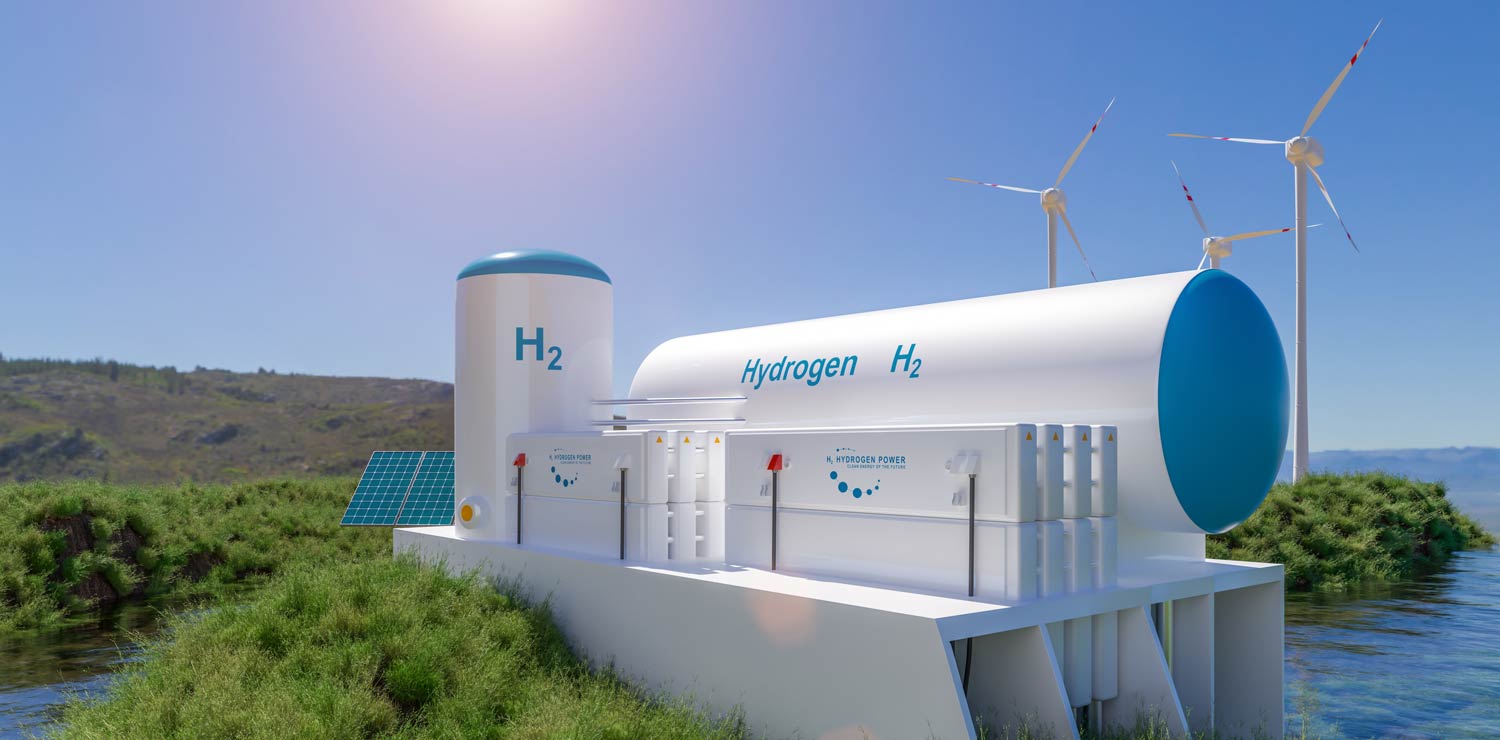
In recent years, the world has witnessed a growing interest in alternative energy sources as the need for sustainable solutions intensifies. One such technology that holds immense promise is hydrogen fuel. Hydrogen, the most abundant element in the universe, has the potential to play a significant role in decarbonizing various sectors, including transportation and energy. This article explores the advancements in hydrogen fuel technology and its potential to revolutionize our energy landscape.
Hydrogen Fuel Cells for Clean Mobility
One of the most exciting applications of hydrogen fuel technology is in the realm of clean mobility. Hydrogen fuel cells can be used to power vehicles, offering an environmentally friendly alternative to conventional fossil fuel-powered engines. These cells generate electricity by combining hydrogen and oxygen, producing only water vapor as a byproduct. This zero-emission characteristic makes hydrogen fuel cell vehicles highly desirable for reducing greenhouse gas emissions and improving air quality.
While the adoption of hydrogen fuel cell vehicles has been relatively slow compared to electric vehicles, major automakers are increasingly investing in this technology. Companies like Toyota, Hyundai, and Honda have already introduced hydrogen-powered cars to the market, showcasing advancements in fuel cell efficiency, affordability, and range. Additionally, governments are supporting the development of hydrogen infrastructure to accelerate the adoption of this clean mobility solution. In the coming years, we can expect significant advancements in hydrogen fuel cell technology, making zero-emission transportation more accessible and widely available.
Hydrogen for Energy Storage and Grid Stability
Beyond clean transportation, hydrogen fuel technology also offers immense potential for energy storage and grid stability. As renewable energy sources like solar and wind become increasingly prevalent, the intermittent nature of these sources often poses challenges in maintaining stable electricity supply. Hydrogen can be used as a medium for storing excess renewable energy during periods of low demand and distributing it when demand exceeds supply.
By using electrolysis, excess renewable energy can be employed to split water molecules into hydrogen and oxygen. The generated hydrogen can then be stored and utilized later in fuel cells or combined with carbon dioxide to produce synthetic gases like methane. These gases can be injected into existing natural gas pipelines, offering a seamless integration of hydrogen into the existing energy infrastructure.
This flexibility in energy storage and distribution allows for greater grid stability and seamless integration of renewable energy sources. Given the increasing focus on transitioning to low-carbon electricity systems, hydrogen can play a vital role in ensuring a reliable and resilient grid, particularly during peak demand periods or in areas with limited access to renewable energy sources.
Hydrogen as a Green Industrial Feedstock
Apart from transportation and grid applications, hydrogen fuel technology can revolutionize various industrial processes. Traditionally, industries heavily reliant on fossil fuels have contributed significantly to greenhouse gas emissions. However, hydrogen presents an opportunity to decarbonize these sectors and promote a circular economy.
Hydrogen can serve as a clean feedstock in industries such as steel production, ammonia production, and refining. By replacing fossil fuel-derived hydrogen with green hydrogen, these industries can significantly reduce their carbon footprint. Additionally, the byproduct of these processes, carbon dioxide, can be captured and utilized in hydrogen production, creating a closed-loop system with minimal emissions.
Governments and private enterprises have started recognizing the potential of hydrogen as an industrial feedstock, and investments are being made to scale up hydrogen production using renewable energy sources. As technology advancements continue, we can expect to see increased integration of hydrogen fuel technology in various industrial applications, catalyzing the transition to a more sustainable future.
As the world grapples with the urgent need to mitigate climate change and reduce reliance on fossil fuels, hydrogen fuel technology has emerged as a promising solution. With advancements in hydrogen fuel cell performance, infrastructure development, and industrial applications, we can anticipate a future where hydrogen plays a pivotal role in decarbonizing various sectors. Whether it's powering clean vehicles, storing renewable energy, or enhancing industrial processes, hydrogen fuel technology is poised to revolutionize our energy landscape and contribute to a more sustainable and greener future.
Regional Trends and Cultural Influences on Hydrogen Fuel

Hydrogen fuel has gained considerable attention as a clean and renewable energy source in recent years. However, the adoption and utilization of hydrogen technology can vary significantly from region to region due to several factors, including regional trends and cultural influences. Let's explore some of these variations below.
Asia: The Global Leader in Hydrogen Adoption
Asia, particularly countries like Japan and South Korea, has emerged as a global leader in the adoption of hydrogen fuel technology. These nations have significant investments in hydrogen infrastructure, such as hydrogen refueling stations and manufacturing facilities. Japan's commitment to hydrogen is evident in its "hydrogen society" initiative, which aims to create a sustainable and low-carbon society using hydrogen energy.
The strong regional focus on hydrogen fuel in Asia can be attributed to several factors, including energy security concerns, environmental initiatives, and a historically high dependence on imported fossil fuels. Additionally, countries like Japan have a strong cultural emphasis on innovation and technological advancement, which has further propelled their interest in hydrogen fuel technology.
Europe: Building an Integrated Hydrogen Economy
Europe has also been actively promoting the use of hydrogen fuel as a key element of its clean energy transition. The European Union's commitment to achieving carbon neutrality by 2050 is driving significant investments in hydrogen infrastructure and research. The European Clean Hydrogen Alliance, established in 2020, aims to scale up hydrogen production and create a competitive European hydrogen industry.
The regional trend in Europe leans towards building an integrated hydrogen economy, with an emphasis on developing hydrogen supply chains and cross-sector integration. European countries like Germany, the Netherlands, and Norway are investing in hydrogen-powered transportation, industrial applications, and residential heating solutions. Cultural values of environmental sustainability and energy independence, coupled with strong renewable energy targets, play a role in driving the regional adoption of hydrogen fuel.
North America: Exploring New Frontiers
North America, while relatively less advanced in hydrogen adoption compared to Asia and Europe, is increasingly exploring the potential of hydrogen fuel. The United States, under the Biden administration, has ramped up efforts to invest in hydrogen technology as part of its climate and infrastructure plans. The recently unveiled American Jobs Plan includes substantial funding for R&D, infrastructure, and demonstration projects related to hydrogen fuel.
Cultural influences and regional trends in North America often revolve around reducing carbon emissions and transitioning to a greener economy. The strong focus on innovation and entrepreneurship in this region can accelerate the adoption and commercialization of hydrogen fuel technologies. Additionally, regional variations like the abundance of natural gas resources in certain parts of North America may influence the development of hydrogen production methods like steam methane reforming (SMR) or carbon capture utilization and storage (CCUS).
Middle East: Hydrogen for Export
The Middle East, home to significant oil and gas reserves, is strategically considering the role of hydrogen fuel in its energy landscape. Countries like Saudi Arabia and the United Arab Emirates (UAE) are exploring the potential of green hydrogen, produced from renewable sources, to diversify their economies and export energy to other regions. The Middle East's favorable geographic conditions, such as ample sunlight and vast deserts for solar energy projects, make it well-suited for green hydrogen production.
The cultural and economic dynamics in the Middle East can shape the region's approach to hydrogen fuel. The desire to reduce dependence on fossil fuel exports, build new industries, and secure its status as a global energy leader contribute to the regional interest in green hydrogen. Furthermore, collaboration with European countries that require significant hydrogen imports may lead to mutually beneficial partnerships.
In conclusion, the adoption of hydrogen fuel is influenced by region-specific factors, including cultural values, environmental concerns, energy security, and economic interests. While Asia and Europe are leading the charge in hydrogen adoption, North America and the Middle East are beginning to explore its potential. Understanding these regional trends and cultural influences is crucial to comprehending the future trajectory of hydrogen fuel globally.
Note: For a more comprehensive analysis of global hydrogen trends and market insights, please refer to our article "The Rising Tide of Hydrogen: Exploring Market Trends and Opportunities."
The Rise of Influencers: Leveraging Social Media to Promote Hydrogen Fuel

In recent years, social media has emerged as a powerful marketing tool, enabling individuals and businesses to connect with a vast audience and drive trends. This has led to the rise of influencers, individuals who have cultivated a large following on social media platforms and have a significant impact on consumer behavior. As the world seeks to transition to cleaner and more sustainable energy sources, influencers have started playing a crucial role in promoting hydrogen fuel and raising awareness about its benefits.
The Emergence of Hydrogen Fuel Influencers
Hydrogen fuel is a sustainable and versatile energy source that has the potential to revolutionize various industries. However, its adoption has been relatively slow compared to other renewables like solar and wind energy. To break through the barriers and educate the public about hydrogen fuel, influencers have taken up the mantle. These influencers have recognized the immense potential of hydrogen fuel and are using their social media platforms to showcase its benefits and advocate for its widespread adoption.
Leveraging Social Media Platforms to Educate and Engage
Social media platforms such as Instagram, YouTube, and TikTok have become fertile ground for influencers to educate their followers about the benefits of hydrogen fuel. Through visually captivating posts, influencers can not only showcase the features of hydrogen fuel but also explain its applications across various industries, including transportation, energy generation, and even home heating.
One strategy influencers use is to provide an inside look into the world of hydrogen fuel, sharing their personal experiences with hydrogen-powered vehicles or discussing the latest advancements in hydrogen technology. By offering authentic and relatable content, influencers can effectively engage their audience, capturing their attention and generating interest in hydrogen fuel.
Collaborations and Partnerships to Amplify Reach
Influencers have also started collaborating with hydrogen fuel companies and organizations to amplify their reach and promote hydrogen fuel adoption on a larger scale. These collaborations can take the form of sponsored posts, giveaways, or even featuring industry experts in their content. By leveraging the credibility and expertise of these partnerships, influencers can further establish themselves as trusted sources of information on hydrogen fuel and attract a broader audience.
Driving Public Perception and Awareness
One of the significant challenges in promoting hydrogen fuel is overcoming the general lack of awareness and misconceptions surrounding it. Influencers, with their ability to connect with their followers on a personal level, can play a pivotal role in shaping public perception and dispelling common myths about hydrogen fuel.
By utilizing their social media platforms, influencers can share informative and engaging content that addresses concerns regarding hydrogen fuel safety, reliability, and accessibility. Through educational content, they can bridge the knowledge gap and instill confidence in their audience, paving the way for wider acceptance and adoption of hydrogen fuel.
Social media influencers have become crucial catalysts in promoting hydrogen fuel and driving its adoption. Their ability to educate, engage, and influence their followers positions them as valuable advocates for clean and sustainable energy sources. As the world continues to seek alternative energy solutions, influencers will continue to leverage their platforms, raising awareness and fostering a positive perception of hydrogen fuel, ultimately contributing to a more sustainable future.
Illuminating the Future: The Promising Outlook for Hydrogen Fuel
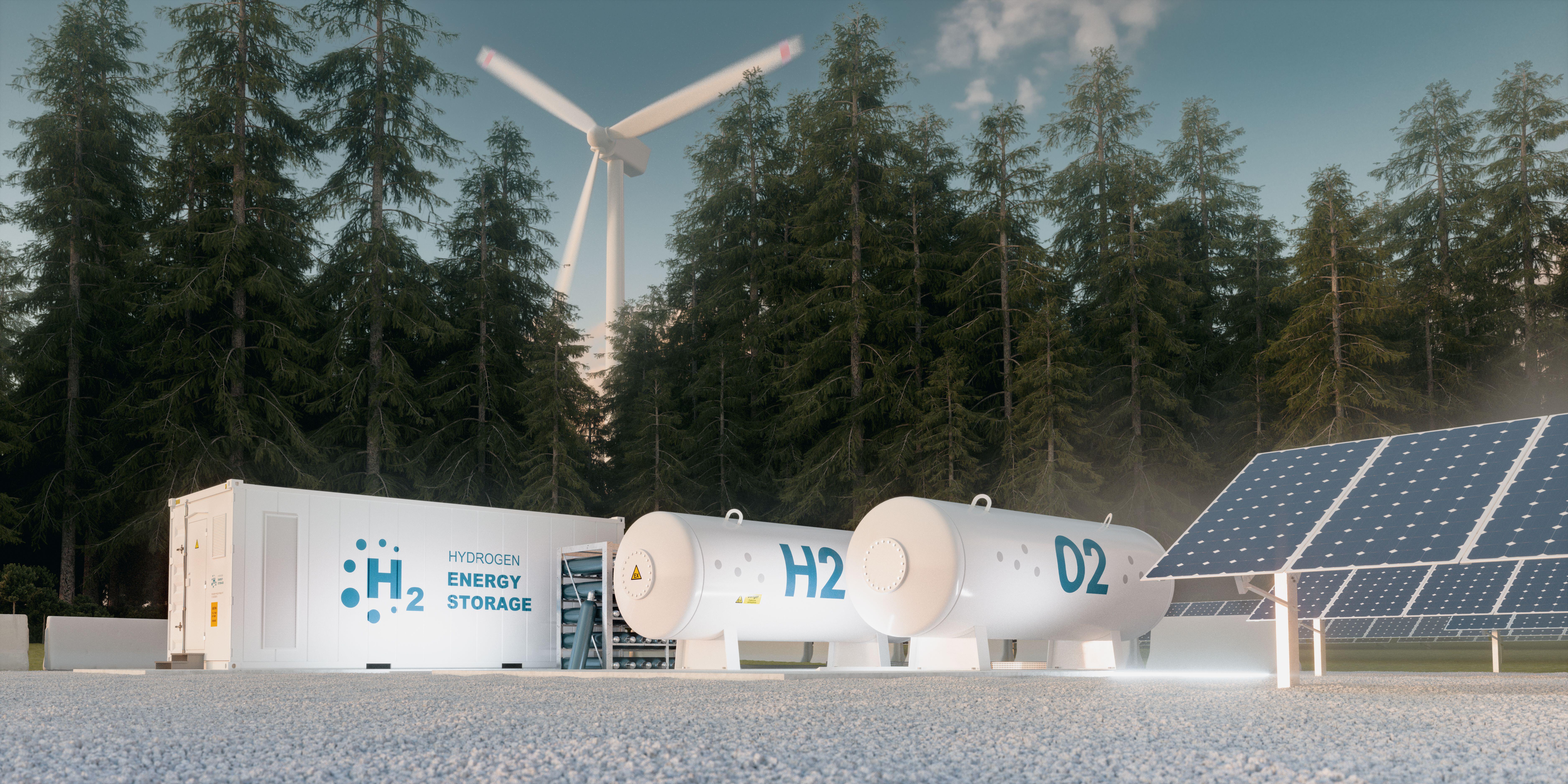
The rapid advancements in technology and the growing need for sustainable energy sources have propelled hydrogen fuel into the spotlight as a promising trend that holds the potential to revolutionize various industries. Hydrogen fuel has gained substantial attention as a clean and efficient alternative to traditional fossil fuels, leading to a shift towards a more sustainable and greener future.
Rising Adoption and Investment
Hydrogen fuel is expected to witness significant growth in both adoption and investment in the coming years. Governments, industries, and investors are acknowledging the urgent need to transition towards more environmentally friendly energy sources, and hydrogen is increasingly perceived as a viable solution.
Numerous countries, including Japan, Germany, South Korea, Australia, and the European Union, have already developed national hydrogen strategies, pledging substantial investments to stimulate the development and use of hydrogen technologies. These strategies aim to foster the production, distribution, and utilization of hydrogen as a clean energy carrier across various sectors, such as transportation, power generation, and industrial applications.
Expanding Applications
Traditionally, hydrogen fuel cells have been predominantly used in transportation, particularly in fuel cell electric vehicles (FCEVs). However, the potential applications of hydrogen are rapidly expanding beyond the automotive sector.
Hydrogen fuel is gaining traction in the power generation sector to provide clean energy for electricity production. Fuel cells are increasingly being employed in stationary applications, such as backup power systems for buildings, distributed power generation, and microgrids.
Moreover, hydrogen is being explored as a means to decarbonize industrial processes, including hydrogen-based steel production, ammonia synthesis, and fuel for industrial heating. Its versatility allows it to replace fossil fuels in various high-temperature industrial processes, thus contributing to lower greenhouse gas emissions.
Technological Advancements
Technological advancements play a crucial role in the future of hydrogen fuel. Ongoing research and development efforts are focused on improving the efficiency, cost-effectiveness, and infrastructure for hydrogen production, storage, and transportation.
Key advancements include the development of lower-cost catalysts and materials for fuel cells, improved hydrogen production methods (such as electrolysis), and advancements in hydrogen storage techniques, such as solid-state hydrogen storage and liquid organic hydrogen carriers.
These technological advancements are expected to make hydrogen fuel more economical, accessible, and scalable, further driving its adoption and integration into different industries.
International Collaborations
To accelerate the deployment of hydrogen technologies worldwide, international collaborations are being formed to share knowledge, expertise, and resources. This cooperation aims to address common challenges, exchange best practices, and promote the widespread adoption of hydrogen fuel.
For instance, the Hydrogen Council, an industry-led initiative, brings together leading companies from across the globe, including energy, transportation, and industrial sectors, to advocate for hydrogen use and guide its development.
Additionally, collaborations between governments, research institutions, and private entities are fostering innovation and facilitating the establishment of an international hydrogen economy.
The future of hydrogen fuel appears promising, with rising adoption, expanding applications, ongoing technological advancements, and international collaborations. As the urgency to address climate change intensifies, hydrogen fuel is emerging as a key player in the transition to a sustainable and low-carbon economy.
While challenges, such as the scalability of hydrogen production, the establishment of an extensive infrastructure, and reduction of costs still exist, the concerted efforts from various stakeholders are expected to pave the way for a successful future for hydrogen fuel. As researchers and innovators continue to make breakthroughs, hydrogen fuel could demonstrate its full potential as a clean, abundant, and versatile energy carrier in the years to come.
Recap of Key Findings and Insights: The Hydrogen Fuel Trend
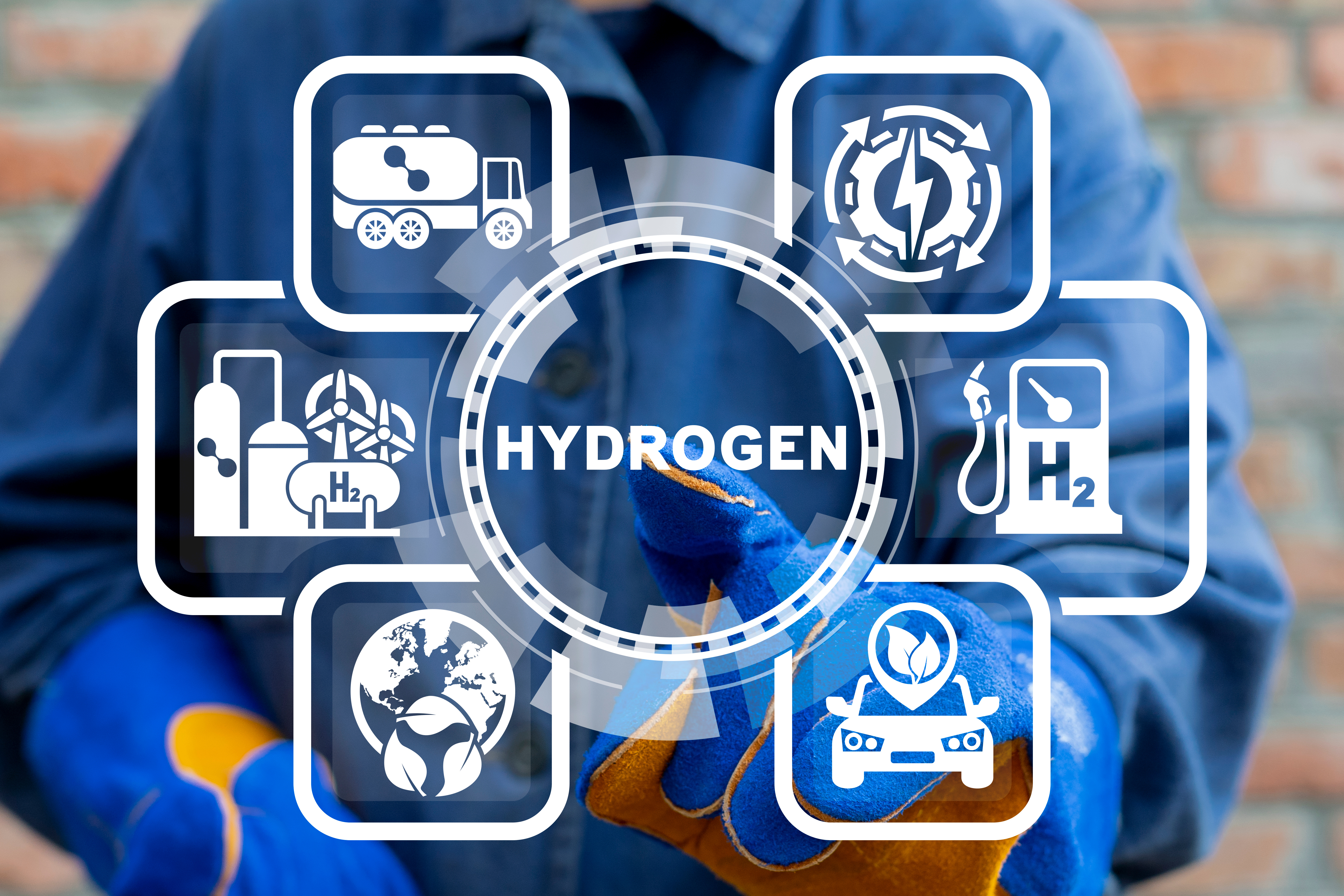
The driving force behind the push for hydrogen fuel as an alternative energy source is the need to transition to more sustainable and cleaner ways of powering vehicles, industries, and homes. This recap highlights key findings and insights from our research on the hydrogen fuel trend.
- Growing Interest and Investment: There is a significant surge in interest and investment in hydrogen fuel technologies around the world. Governments, automotive manufacturers, and energy companies are recognizing hydrogen as a crucial component of the decarbonization process and are allocating substantial resources to research, innovation, and infrastructure development.
- Clean and Green Energy: Hydrogen fuel offers the potential to drastically reduce carbon emissions and pollution compared to fossil fuel-based energy sources. When burned with oxygen, hydrogen only produces water vapor as a byproduct, making it a clean and green option for various sectors, especially transportation and power generation.
- Versatility and Scalability: Hydrogen is a versatile energy carrier and can be used in multiple applications across different sectors. It can power fuel cell electric vehicles (FCEVs), provide heating and electricity for residential and commercial buildings, and fuel industrial processes. Its scalability potential indicates that it can meet the energy demands of both small-scale and large-scale applications.
- Challenges to Overcome: Despite its immense potential, hydrogen fuel faces some challenges. High production costs, limited infrastructure, and the need for advanced storage and distribution systems are among the hurdles that must be overcome to make hydrogen fuel a mainstream energy source. However, ongoing research and technological advancements are addressing these issues.
- Global Collaboration and Policy Support: International collaboration and supportive policies play a crucial role in driving the hydrogen fuel trend forward. Several countries, including Japan, South Korea, Germany, and Australia, have already established national hydrogen strategies, aiming to create a hydrogen economy. These initiatives foster collaboration between governments, industries, and researchers to accelerate the development and deployment of hydrogen technologies.
- Competing Technologies: While hydrogen fuel is gaining momentum, it faces competition from other low-carbon alternatives such as battery electric vehicles (BEVs). BEVs have witnessed rapid growth and market acceptance due to advancements in battery technology and infrastructure. However, there is room for both hydrogen fuel and battery-powered technologies, as each has unique advantages and can cater to different use cases.