

Unveiling the Rapid Rise of Smart Home Insurance: Essential Coverage for the Modern Era

The Rising Popularity of Home Insurance: Protecting What Matters Most

In an increasingly uncertain world, ensuring the safety and security of our homes has become a top priority for many. This surge in concern has led to the growing popularity of home insurance, providing homeowners with peace of mind knowing their most valuable asset is protected.
What is Home Insurance?
Home insurance, also known as homeowner's insurance or property insurance, is a policy that provides financial protection to homeowners against potential damages, losses, and liabilities to their property and personal belongings. It typically covers damage caused by events such as fire, theft, natural disasters, and liabilities for accidents that occur on the property.
Origins of Home Insurance:
The concept of home insurance can be traced back to ancient civilizations where communities would come together to help each other rebuild their homes in the wake of disasters. Over time, this collective support evolved into formalized insurance policies.
The modern home insurance industry emerged in the late 17th century in England, with the establishment of the world's first property insurance company, the "Insurance Office for Houses" in 1681. This development was driven by the Great Fire of London in 1666, which highlighted the need for protection against catastrophic losses.
Popularity among Various Demographics:
Home insurance has gained substantial popularity in recent years, standing as a fundamental pillar of financial protection for homeowners. Several factors contribute to its growing appeal:
- Increased Awareness: Growing awareness about the importance of home insurance coverage has played a significant role in its popularity. Homeowners now recognize the potential risks they face and seek adequate protection to safeguard their investment.
- Mortgage Lender Requirement: Many financial institutions require homeowners to have insurance coverage to secure a mortgage. This requirement acts as a strong driving force, emphasizing the significance of home insurance among first-time buyers and mortgage-holding homeowners.
- Rising Property Values: As property values continue to rise, the financial stakes involved in homeownership have increased significantly. This has led homeowners to look for ways to mitigate potential financial losses, further boosting the demand for home insurance.
- Changing Weather Patterns: With the increasing frequency and intensity of natural disasters like hurricanes, floods, and wildfires, homeowners are recognizing the need for insurance protection against these unpredictable events.
The increasing popularity of home insurance can be attributed to the growing awareness among homeowners, mortgage lender requirements, rising property values, and changing weather patterns. As homeowners strive to protect what matters most, the need for comprehensive home insurance coverage is expected to continue to rise.
The Growing Market Size of Home Insurance
Home insurance, also known as homeowner's insurance, has experienced significant growth in recent years due to rising awareness among homeowners about the importance of protecting their properties. This trend is fueled by various factors, including increasing property prices, growing concerns about natural disasters, and a greater understanding of the financial risks associated with homeownership.
The global home insurance market size has witnessed remarkable growth and is projected to continue expanding at a considerable rate over the coming years. According to a report by Market Research Future, the global home insurance market was valued at $77.5 billion in 2020 and is expected to reach $113.2 billion by 2027, growing at a compound annual growth rate (CAGR) of 5.5% during the forecast period.
Several key factors are driving the growth of the home insurance market. Firstly, the increase in per capita income, particularly in emerging economies, has resulted in a higher proportion of homeowners, thereby creating a greater demand for home insurance. Additionally, urbanization and the growing middle-class population have led to increased investments in residential properties, further contributing to the expanding market size of home insurance.
Moreover, the rise in natural disasters such as hurricanes, floods, earthquakes, and wildfires has heightened the need for home insurance coverage. Homeowners are increasingly recognizing the importance of protecting their homes and belongings from unforeseen events, leading to an upsurge in the adoption of home insurance policies.
Technological advancements also play a significant role in the growth of the home insurance market. Insurtech companies are leveraging technologies such as artificial intelligence, big data analytics, and Internet of Things (IoT) devices to streamline the insurance process, enhance underwriting accuracy, and improve risk assessment. These innovations not only enable insurers to offer customized coverage and policies but also provide a seamless claim settlement experience for policyholders, thereby driving the market's expansion.
In conclusion, the market size of home insurance is witnessing steady growth, thanks to factors such as increased homeownership, rising awareness about property protection, and the growing prevalence of natural disasters. With evolving technologies and changing customer expectations, the home insurance market is expected to continue its upward trajectory in the coming years. The increasing integration of digital solutions and personalized offerings will further fuel market expansion and provide homeowners with comprehensive coverage options.
Understanding Consumer Demand and Preferences in the Home Insurance Market

The home insurance market is a critical part of the insurance industry, providing coverage and financial protection to homeowners against various risks and perils. As consumers become more aware of the importance of safeguarding their most valuable asset, the demand for home insurance has been consistently growing. Understanding consumer demand and preferences in the home insurance market is crucial for insurance companies to tailor their offerings and meet the evolving needs of homeowners.
Factors Influencing Consumer Demand
Several factors influence consumer demand for home insurance:
- Homeownership Rates: The number of homeowners in a given region directly impacts the demand for home insurance. Higher rates of homeownership typically lead to increased demand for insurance coverage.
- Mortgage Lending Requirements: Many mortgage lenders require borrowers to have home insurance coverage as a condition for loan approval. This requirement drives up demand as homeowners seek to comply with lenders' mandates.
- Perceived Risks: Consumers' perception of risks and their level of concern about potential loss or damage to their homes affect the demand for insurance. Areas prone to natural disasters such as hurricanes, earthquakes, or wildfires often see higher demand for comprehensive coverage.
- Market Competition: The presence of multiple insurance providers in a market intensifies competition, driving companies to offer competitive premiums, comprehensive coverage, and additional benefits. This factor influences consumer choices and demand.
Consumer Preferences
In addition to demand, understanding consumer preferences is crucial for insurers to attract and retain customers. Some key preferences include:
- Affordability: Price remains a significant consideration for consumers when purchasing home insurance. They seek policies with competitive premiums that provide value for money. Offering flexible payment options and discounts for bundling policies can appeal to cost-conscious consumers.
- Coverage Options: Consumers prefer insurance policies that offer comprehensive coverage, protecting their home and belongings from a wide range of risks such as fire, theft, natural disasters, and liability. Customizable policies that allow consumers to personalize coverage to their specific needs are desirable.
- Customer Service: Excellent customer service is highly valued by consumers in the home insurance industry. Prompt claims processing, accessible customer support, and hassle-free interactions play a significant role in customers' overall satisfaction and the likelihood of renewing policies.
- Digital Experience: As technological advancements continue, consumers increasingly expect a seamless digital experience when purchasing and managing their home insurance. Insurers that offer user-friendly online platforms, mobile apps, and digital claims filing options have a competitive advantage.
- Endorsements and Add-ons: Homeowners seek additional endorsements and add-ons to enhance their coverage. These may include coverage for high-value items, identity theft protection, equipment breakdown, home renovation coverage, or extra liability coverage. Offering a range of optional endorsements allows insurers to cater to specific customer needs and preferences.
Understanding consumer demand and preferences in the home insurance market is crucial for insurance companies to stay competitive and meet the needs of homeowners. By considering factors that influence demand and adapting to consumer preferences such as affordability, comprehensive coverage options, good customer service, a seamless digital experience, and optional endorsements, insurance providers can attract and retain customers in an increasingly competitive market.
Analyzing Industry Players and Competition in the Home Insurance Market

Home insurance, also known as homeowner's insurance, is a crucial protection that provides coverage for homeowners against potential risks such as property damage, theft, and natural disasters. As the demand for home insurance continues to rise, the market has become highly competitive, with several industry players vying for a larger market share. In this section, we will delve into the major companies in the home insurance sector and analyze the competition among them.
Major Industry Players
- State Farm: State Farm Insurance, with its extensive network of agents and a strong focus on customer service, has established itself as one of the leading players in the home insurance market. With a wide range of coverage options and competitive pricing, State Farm caters to various customer segments and offers policies that can be customized to fit individual needs.
- Allstate Corporation: Another key player in the home insurance industry is Allstate Corporation. Known for its brand recognition and diverse insurance offerings, including home, auto, and life insurance, Allstate provides comprehensive coverage options and value-added services such as proactive claim support and digital tools for policy management.
- Liberty Mutual: Liberty Mutual Insurance, often touted for its financial strength and impressive claims satisfaction, holds a prominent position in the home insurance market. With a focus on personalized coverage and innovative features such as home replacement cost coverage and identity theft protection, Liberty Mutual offers homeowners peace of mind and financial protection.
- USAA: Although limited to serving military members, veterans, and their families, USAA (United Services Automobile Association) is a significant player in the home insurance market. USAA provides comprehensive coverage options tailored to the unique needs of military personnel and their families, along with exceptional customer service and competitive pricing.
- Chubb: Chubb Limited, a global insurance company, is known for its high-value home insurance policies and specialized coverage options. Targeting affluent homeowners, Chubb offers protection for luxury homes, fine art, jewelry, and other high-value assets, along with concierge services and superior claims handling.
Competition and Market Dynamics
The competition in the home insurance industry is intense as companies strive to differentiate themselves and attract customers with unique offerings and competitive pricing. Some of the factors that drive competition in this market include:
- Policy Coverage and Features: Insurance companies differentiate themselves by offering various coverage options tailored to specific needs. Enhanced coverage for natural disasters, personal property, liability, and additional living expenses can make a policy more appealing to potential customers.
- Pricing and Discounts: Competitive pricing is a significant factor for homeowners when selecting an insurance provider. Companies often provide discounts for bundling home and auto insurance policies, installing security systems, or having a claims-free history.
- Customer Service and Claims Handling: Prompt and efficient claims handling is crucial in the home insurance industry. Companies that provide exceptional customer service, easy claims processes, and round-the-clock support tend to have a competitive edge.
- Technology and Digital Offerings: Insurance companies are using technology to enhance the customer experience. Online policy quotes, self-service portals, mobile apps, and virtual inspections are some innovations that attract tech-savvy customers.
- Reputation and Brand Recognition: Established insurance providers with a proven track record and positive customer reviews often have an advantage over newer entrants or lesser-known companies.
As the home insurance market continues to evolve, new players are emerging and disrupting the industry. Insurtech startups like Lemonade and Hippo have gained attention by leveraging technology to provide simplified policy offerings, competitive pricing, and hassle-free claims processes.
In conclusion, the home insurance industry is highly competitive, with several major players vying for market dominance. These companies set themselves apart through coverage options, pricing strategies, customer service, technological advancements, and brand reputation. As customer expectations evolve and new technologies emerge, staying ahead of the competition will require continuous innovation and adaptation to meet changing consumer needs.
Technological Innovation in Home Insurance: Making Protection Personalized, Efficient, and Convenient
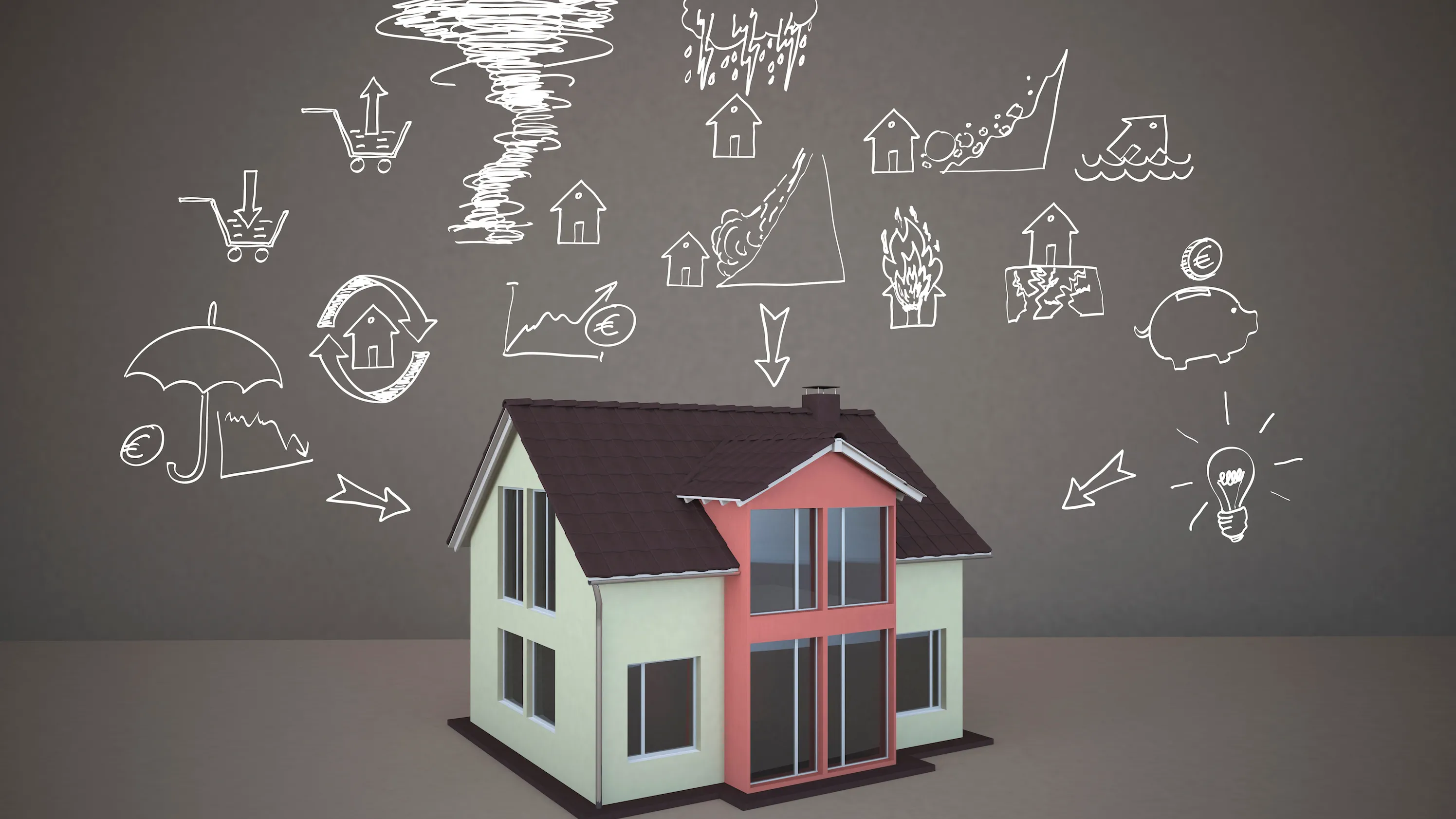
Home insurance has long been a reliable way to protect one's property and possessions from unforeseen risks. However, with advancements in technology, the home insurance industry is undergoing a significant transformation. Insurtech companies are leveraging technological innovation to offer more personalized, efficient, and convenient policies to homeowners. These advancements have the potential to revolutionize the way people protect their homes and assets.
Home Telematics and IoT Integration
One of the most impactful technological advancements in home insurance is the integration of home telematics and Internet of Things (IoT) devices. Home telematics refers to the use of connected devices and sensors that monitor various aspects of a home's safety and maintenance. By leveraging these devices, insurers can gain valuable insights into the risks associated with a particular property and offer tailored coverage.
For instance, smart security systems and sensors can detect potential risks such as water leaks, fires, or break-ins in real-time. This data can be transmitted to policyholders and insurers, enabling proactive measures to prevent damages or reduce their severity. By utilizing IoT devices and data analytics, insurance companies can assess risks accurately and offer more customized policies based on the specific needs of homeowners.
AI-powered Risk Assessment
Artificial Intelligence (AI) is revolutionizing risk assessment in the home insurance industry. By analyzing vast amounts of data, AI algorithms can quickly and accurately evaluate the potential risks associated with a property. Traditional methods of underwriting relied heavily on manual analysis and historical data, often leading to generic policies.
With AI-powered risk assessment, insurers can consider real-time factors such as weather patterns, crime rates, and property condition, among others, to determine the appropriate coverage for a particular property. This personalized approach allows homeowners to have policies specifically tailored to their individual circumstances, providing them with better coverage and potentially reducing their premiums.
Mobile Apps for Claims and Policy Management
Technological innovation is also revolutionizing the claims and policy management processes for home insurance. Many insurers now offer mobile apps that allow policyholders to perform various tasks conveniently. These apps provide an easy and efficient way to file claims, update policies, document damages through photos, and communicate with insurers or agents.
This digital shift eliminates the need for lengthy paperwork and allows homeowners to manage their insurance matters on their smartphones, regardless of their location. Furthermore, some insurers are incorporating virtual reality (VR) technology allowing policyholders to virtually assess damages and provide visual evidence, expediting the claims process.
Blockchain for Security and Fraud Prevention
Blockchain technology is gaining traction in the home insurance industry due to its potential to enhance security and prevent fraudulent activities. By utilizing blockchain, insurers can create a transparent and immutable record of policy information and claim history. This can help prevent fraud attempts as every transaction or claim entry is securely recorded, making it difficult for malicious actors to manipulate data.
Furthermore, blockchain-enabled smart contracts can automate the claims settlement process with predefined conditions and trigger payouts automatically. This reduces administrative costs and ensures faster claim settlements, providing policyholders with a more efficient and satisfactory experience.
Technological innovation is transforming the home insurance industry, making protection more personalized, efficient, and convenient. Home telematics and IoT integration, AI-powered risk assessment, mobile apps for claims and policy management, and blockchain technology are just a few areas where technology is revolutionizing home insurance. As insurers continue to invest in and embrace these innovations, homeowners can expect more tailored coverage, streamlined processes, and enhanced security when it comes to protecting their homes and assets.
Regional Trends and Cultural Influences in Home Insurance

Home insurance is a vital aspect of protecting one's property against potential risks and damages. While the fundamental principles of home insurance remain consistent across regions, there are subtle variations influenced by cultural factors and regional trends. Understanding these influences is essential for insurance providers to tailor their products and services effectively.
Cultural Influences on Home Insurance
Cultural influences play a significant role in shaping individuals' perceptions and priorities regarding home insurance. These factors can influence coverage needs, customer expectations, and even insurance purchasing behavior. Here are a few examples:
- Collective vs. Individualistic Cultures: In collectivist cultures, such as those found in many Asian countries, people tend to prioritize group harmony and interdependence. This may impact the way individuals perceive home insurance. Rather than solely focusing on individual property protection, there may be an emphasis on communal solidarity and sharing responsibility. Insurance providers in such regions may need to adapt their offerings to accommodate communal aspects of coverage, such as shared deductibles or community-wide policies.
- Historical Experiences and Perceived Risks: Cultural experiences and historical events can shape attitudes towards home insurance. For example, regions prone to natural disasters may have a heightened awareness and need for coverage against specific perils, such as earthquakes, hurricanes, or floods. In such areas, insurance providers must offer specialized coverage options that address these unique risks effectively.
- Trust and Reputation: Cultural factors can influence trust dynamics between consumers and insurance providers. In some cultures, the perception of insurance companies may have a historical basis or be influenced by societal norms. Building trust through transparency and reliable customer service becomes crucial for insurers to gain acceptance and maintain long-term relationships with policyholders.
Regional Trends in Home Insurance
Apart from cultural influences, there are also regional trends that impact the home insurance sector. These trends can be driven by factors such as climate, economic conditions, legal frameworks, and housing market dynamics. Here are a few examples:
- Climate-Based Coverage: Regions experiencing increased extreme weather events, such as hurricanes, wildfires, or flooding, have seen a rise in demand for alternative coverage options. Insurance providers in such areas are developing specialized policies that address the unique risks associated with their climates, applying technologies like predictive analytics and risk modeling to offer accurate coverage and pricing.
- Economic Factors and Housing Market: Economic conditions and housing market dynamics influence the types and levels of coverage sought by homeowners. For instance, regions with high property values may require higher coverage limits to adequately protect against potential financial loss. Similarly, areas with a significant rental market may see increased demand for landlord insurance or tenant insurance policies.
- Legal and Regulatory Environment: The legal and regulatory environment of a region can significantly impact home insurance trends. For instance, regions with strict building codes or high-risk litigation environments may drive insurers to offer specific coverage options to mitigate associated risks. Insurers must stay well-informed about regional regulations and adapt their offerings accordingly.
Understanding these regional trends and cultural influences is crucial for insurance companies to successfully navigate and adapt to different markets. By recognizing these factors, insurers can develop tailored products and services that align with the unique needs and preferences of various regions and cultural contexts.
Read more about regional trends in home insurance
The Role of Social Media and Influencers in Home Insurance

In recent years, the influence of social media has become significant across various industries. The home insurance sector has also witnessed the power of social media in shaping consumer perceptions and purchasing decisions. With the rise of influencers and the ever-growing popularity of platforms like Instagram, YouTube, and TikTok, it has become essential for home insurance providers to embrace social media as a strategic marketing tool. In this article, we explore the impact of social media and influencers on the home insurance industry.
Raising Awareness and Educating Consumers
Social media platforms provide a valuable opportunity for home insurance companies to raise awareness about their products and services. Through engaging content and educational materials, these companies can inform potential customers about the importance of home insurance and its benefits. Home insurance influencers, who are typically experts or enthusiasts with a significant following, play a vital role in educating their audience about the intricacies of home insurance policies and coverage options. By partnering with reliable influencers, home insurance providers can reach a broader audience and establish trust in their brand.
Building Trust and Credibility
One of the biggest challenges for home insurance providers is building trust among consumers. Social media platforms offer a unique space for these companies to establish credibility and authenticity. By actively engaging with their audience through social media conversations, Q&A sessions, and expert advice, insurance providers can position themselves as thought leaders. Furthermore, collaborating with influencers who have a loyal following and a trustworthy reputation can significantly enhance a home insurance brand's credibility. When influencers advocate for a particular insurance provider, it can instill confidence and trust in potential customers.
Targeting Niche Audiences
Social media platforms allow home insurance providers to target specific demographics and niche audiences. By leveraging influencer marketing, insurance companies can reach segments that are typically difficult to target through traditional advertising methods. For example, partnering with home improvement influencers can help insurance providers tap into the market of homeowners who are more likely to actively seek information on home insurance policies. By aligning the brand with suitable influencers, home insurance providers can tailor their messaging to resonate with specific audiences, increasing the chances of converting them into customers.
Enhancing Customer Engagement and Feedback
Social media platforms offer a direct line of communication between home insurance providers and their customers. Through comment sections, direct messages, and polls, companies can engage with customers to gather feedback, address concerns, and improve their services. Influencers, with their engaged and responsive audiences, can act as ambassadors for both positive feedback and constructive criticism. This dynamic interaction enhances the customer experience and demonstrates that the insurance provider values customer opinions and needs.
Encouraging User-Generated Content
In the age of social media, user-generated content (UGC) has become a powerful tool for brand promotion. Home insurance companies can encourage customers to share their experiences and thoughts about their insurance policies through social media posts. This UGC not only serves as testimonials but also provides valuable social proof for potential customers. By collaborating with influencers to promote UGC campaigns, insurance providers can amplify their brand message and generate a sense of community among their customers.
In conclusion, the impact of social media and influencers on the home insurance industry cannot be overstated. From raising awareness and educating consumers to building trust and credibility, social media provides numerous opportunities for home insurance providers to connect with potential policyholders. By leveraging influencer partnerships, insurance companies can effectively target specific audiences, enhance customer engagement, and tap into the power of user-generated content. Embracing social media as a strategic marketing tool is essential for home insurance providers looking to stay ahead of the competition in an increasingly digital world.
The Future Outlook of Home Insurance: Driven by Technological Advancements and Changing Consumer Needs

The home insurance industry has witnessed significant growth in recent years, and its future outlook remains favorable. Advancements in technology, emerging risks, and changing consumer needs are expected to shape the future of this industry.
Technological Advancements: Transforming the Insurance Landscape
One of the key factors driving the future of home insurance is the integration of technology. Insurers are increasingly leveraging advanced technologies such as artificial intelligence (AI), the Internet of Things (IoT), and big data analytics to provide personalized policies, streamline claims processes, and improve risk assessment.
AI-powered chatbots and virtual assistants are enhancing customer experiences by providing instant support and enabling faster communication. IoT devices, such as smart home security systems and water leak detectors, are not only minimizing risks but also enabling insurers to offer data-driven policies tailored to individual homeowners' needs. This data-driven approach allows insurers to accurately price premiums and mitigate risk more effectively.
Furthermore, the use of big data analytics and predictive models is enabling insurers to anticipate potential hazards and offer proactive solutions. By analyzing an array of data sources, insurers can identify trends and patterns, allowing them to mitigate risks before they occur and potentially reduce the number of claims filed.
Emerging Risks and Climate Change
In recent years, the increasing frequency and severity of natural disasters have posed challenges to the home insurance industry. Climate change and extreme weather events, such as hurricanes, wildfires, and flooding, have led to significant losses for insurers. As a result, insurers are reassessing their risk models and adjusting premiums accordingly.
Going forward, the home insurance industry will need to adapt to changing climate conditions and incorporate climate-related risks into their underwriting processes. With the advancement of predictive modeling and risk assessment tools, insurers will have access to more accurate and granular data on climate risks. This will enable them to better evaluate the potential impact of climate change on homes and communities, and provide policyholders with appropriate coverage options.
Changing Consumer Needs and Expectations
Consumer needs and expectations are evolving, driving insurers to innovate and offer more customized products. Today's homeowners seek flexible coverage options that align with their specific needs and lifestyle choices.
Millennials and digital natives are particularly influential in shaping the future of home insurance. These tech-savvy individuals prioritize digital interactions, convenient services, and personalized experiences. Insurers are responding by offering digital platforms for policy management, online claims filing, and policy customizations to cater to these preferences.
Additionally, the rise of the sharing economy, with services like Airbnb and HomeAway, has created new insurance needs. Homeowners who rent out their properties through these platforms require specialized coverage to protect against property damage and liability claims.
As consumers become increasingly concerned about the environment, there is also a growing demand for eco-friendly and sustainable coverage options. Insurers are seizing this opportunity and developing products that promote energy efficiency, renewable energy, and environmentally conscious building materials.
The future of the home insurance industry looks promising, driven by technological advancements, emerging risks, and changing consumer needs. Insurers that embrace technology, adapt to climate-related risks, and offer personalized solutions will be well-positioned to thrive in this evolving landscape. By staying ahead of trends and understanding the evolving needs of homeowners, insurance providers can continue to provide comprehensive and tailored coverage to protect homes and assets.
The Rising Importance of Home Insurance: Key Findings and Insights

Home insurance has emerged as a critical protective measure for homeowners across the world. As unexpected events such as natural disasters, accidents, and thefts become more common, the need for comprehensive coverage has gained significance. This trend recap highlights key findings and insights that shed light on the rising importance of home insurance.
- Increasing Homeownership and Asset Value The steady growth in homeownership rates worldwide has propelled the demand for home insurance. As people invest substantial amounts of money in their homes, they seek insurance policies to safeguard their assets against potential risks. With the global housing market expanding, the need for insurance coverage is likely to increase further.
- Growing Awareness of Risks Heightened media coverage of natural disasters, burglaries, and other incidents has increased public awareness of the risks faced by homeowners. Consequently, individuals are more inclined to protect their property and possessions through comprehensive insurance policies. This growing awareness is a catalyst for the home insurance industry's growth.
- Changing Weather Patterns Impacting Risk Profile Climate change has resulted in more frequent and severe weather events, including hurricanes, floods, and wildfires. These occurrences have significantly impacted the risk profile of residential properties, making it imperative for homeowners to secure suitable insurance coverage. Insurers are adapting their policies to address these changing weather patterns to meet consumer needs.
- Enhanced Accessibility and Customization Advancements in technology and the digitalization of insurance services have made it easier for homeowners to access and customize insurance policies. Online platforms now offer convenient and transparent options for comparing quotes, selecting coverage, and managing claims. This accessibility has enhanced the overall customer experience and contributed to the popularity of home insurance.
- Comprehensive Coverage for Personal Liability Home insurance not only covers property damage and loss but also provides personal liability coverage for homeowners. This feature protects individuals from legal and financial ramifications resulting from accidents or injuries that occur on their property. As liability concerns gain prominence, the inclusion of this coverage has become a pivotal selling point for home insurance policies.
- Financial Security in Unpredictable Times The widespread economic uncertainty caused by events like the COVID-19 pandemic has emphasized the importance of financial security. Home insurance offers homeowners peace of mind by ensuring they are financially protected in the event of unforeseen circumstances. As a result, more individuals are prioritizing insurance coverage to safeguard their homes and families.