
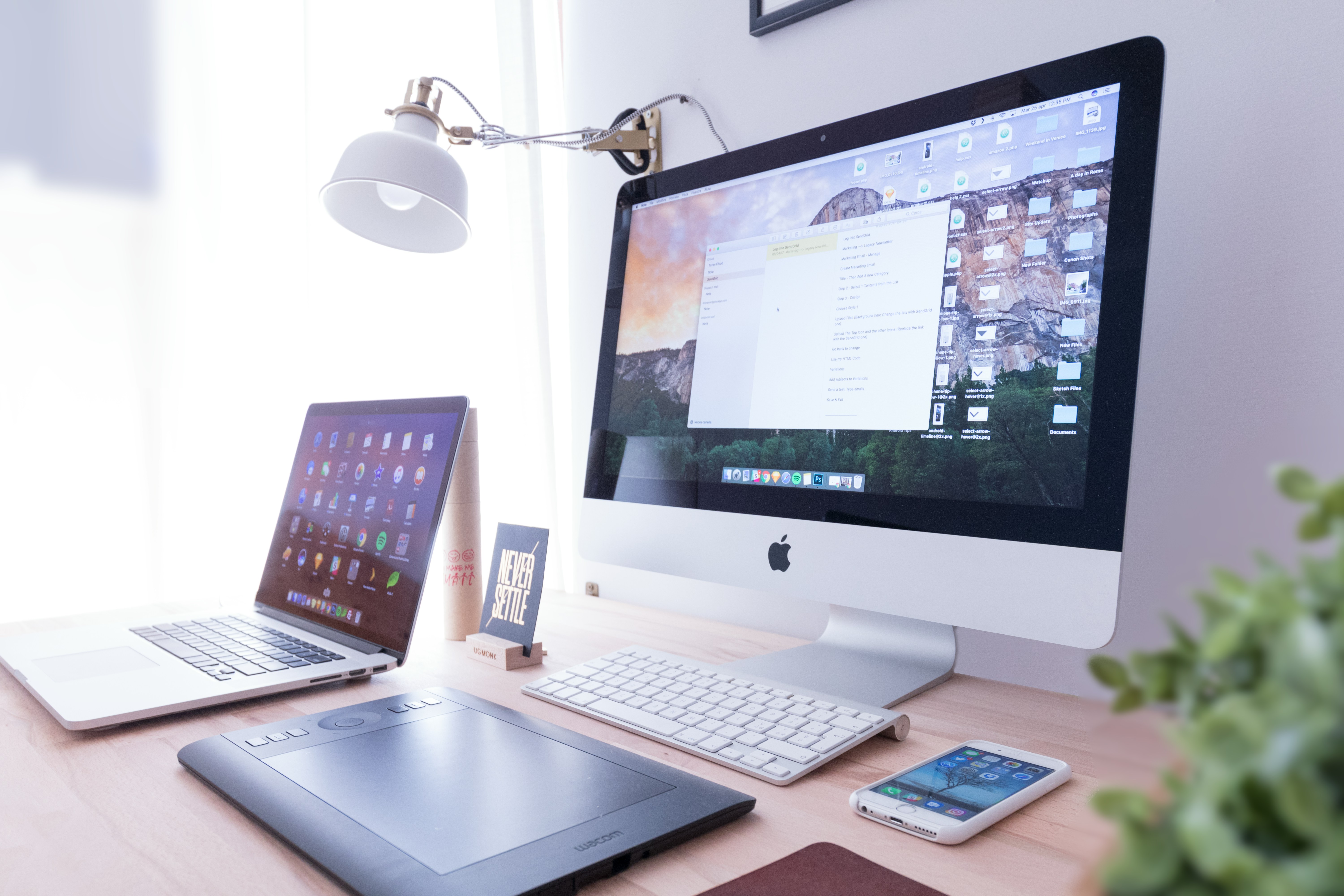
Unveiling the Resurgence of Desktop Computers: Exploring the Surprising Trend Fueling their Popularity in Today's Digital Age

The Resurgence of Desktop Computers: Power, Versatility, and Nostalgia

In a world increasingly dominated by portable devices and laptops, desktop computers are experiencing a notable resurgence in popularity. So what exactly is a desktop computer, and why is it gaining traction once again?
Desktop Computers Defined
A desktop computer, simply put, is a personal computer designed to be used at a desk or workstation. Unlike laptops or tablets, which are designed for portability, desktop computers are typically larger, more powerful, and offer greater flexibility for customization. They consist of a separate tower or chassis housing the central processing unit (CPU), memory, and storage devices, with a separate monitor, keyboard, and mouse.
Origins and Evolution
Desktop computers have a rich history dating back several decades. The concept of the personal computer first emerged in the 1970s, with early pioneers such as Apple, IBM, and Commodore introducing models that laid the groundwork for today's desktop computers. Over the years, rapid advancements in technology led to smaller sizes, increased processing power, and enhanced capabilities.
Power and Performance
One of the key reasons behind the renewed popularity of desktop computers is their unparalleled power and performance. Desktops are capable of accommodating larger, more specialized components, such as high-performance processors, powerful graphics cards, and expanded storage options. This makes them ideal for demanding tasks such as gaming, video editing, graphic design, and data analysis. In comparison, laptops often prioritize portability over raw power, requiring compromises in terms of performance.
Versatility and Customization
Desktop computers provide users with unmatched versatility and customization options. Unlike laptops, which are constrained by their compact form factor, desktops allow for easy hardware upgrades and modifications. Users can select specific components to suit their needs and preferences, such as faster processors, more memory capacity, or extra storage. This flexibility makes desktops a popular choice among power users, gamers, professionals, and enthusiasts who require tailor-made systems for their specific requirements.
Appealing to Various Demographics
The popularity of desktop computers transcends age groups and professional backgrounds. While gamers often prefer desktops for their exceptional graphics capabilities, professionals, such as designers, programmers, and content creators, often rely on desktops for their processing power and multitasking capabilities. Additionally, desktops are also embraced by nostalgic users who appreciate the tactile experience of a traditional computer setup, reminiscent of the early days of personal computing.
As technology continues to advance, the desktop computer industry is adapting and evolving to meet the changing needs of consumers. With their power, versatility, and ability to be customized, desktops offer a distinctive computing experience that continues to captivate a diverse range of users. As a result, the resurgence of desktop computers is set to continue in the coming years, propelled by their ability to deliver uncompromised performance in an ever-expanding digital landscape.
Market Size and Growth of Desktop Computers
Desktop computers have long been a staple in both households and workplaces, offering power, versatility, and durability for a wide range of tasks. Over the years, these machines have evolved to meet changing consumer needs and technological advancements. In this section, we will explore the market size and growth of desktop computers and the factors contributing to their continued relevance in today's digital landscape.
Market Size
The desktop computer market has witnessed both highs and lows, with the rise of laptops and mobile devices posing significant challenges. However, despite these obstacles, desktop computers continue to hold a substantial market share.
According to a report by Market Insights Reports, the global desktop computer market was valued at approximately $60 billion in 2020 and is projected to reach $85 billion by 2026, growing at a compound annual growth rate (CAGR) of around 5.6% during the forecast period. This indicates a steady demand for desktop computers despite the increasing popularity of portable devices.
Growth Factors
Several factors contribute to the sustained market growth of desktop computers:
- Performance and Power: Desktop computers are known for their exceptional performance and processing power. They offer hardware configurations that can handle complex tasks such as video editing, gaming, and data analysis more efficiently than laptops or mobile devices. This capability makes desktop computers indispensable for professionals, gamers, and enthusiasts who require high-performance systems.
- Enhanced Ergonomics: Desktop computers provide ergonomic advantages that are often lacking in laptops and mobile devices. The larger displays, ergonomic keyboards, and mice allow for enhanced comfort and improved productivity during extended work sessions. This makes desktop computers particularly attractive for professionals who spend hours working at their desks.
- Upgradability and Customization: Unlike laptops or mobile devices, desktop computers offer significant upgradability and customization options. Users can easily replace or upgrade components such as the processor, memory, and storage to keep up with evolving technology requirements. This flexibility allows users to extend the lifespan of their desktop computers and adapt them to specific needs and preferences.
- Gaming and Content Creation: The gaming and content creation industries continue to grow rapidly, driving the demand for high-performance desktop computers. With the increasing popularity of eSports, live streaming, and virtual reality, gamers and content creators rely on desktop computers to deliver immersive experiences and handle resource-intensive tasks. This niche market segment adds to the overall growth of desktop computers.
- Work-from-Home and Remote Work: The COVID-19 pandemic has dramatically reshaped the work landscape, with remote work becoming the new norm for millions of employees worldwide. This shift has created a surge in demand for desktop computers as individuals and organizations seek reliable and efficient systems for remote work setups. The need for larger screens, better multitasking capabilities, and professional-grade peripherals has boosted the sales of desktop computers.
Despite the rise of portable devices, the desktop computer market continues to thrive due to its performance, ergonomics, upgradability, and customization options. The gaming and content creation industries, as well as the transition to remote work, further bolster the market's growth. As technology continues to evolve, desktop computers are expected to maintain their relevance and capture new market opportunities.
Trends in Consumer Demand and Preferences for Desktop Computers

In recent years, the way we work, study, and entertain ourselves has undergone significant changes, largely driven by advancements in technology. While the rise of smartphones and laptops has been praised for their portability and convenience, desktop computers continue to hold a significant place in the market. This article explores the current trends in consumer demand and preferences for desktop computers.
Performance and Power
One of the primary factors driving consumer demand for desktop computers is their superior performance and processing power. Desktops are known for their ability to handle resource-intensive tasks such as gaming, video editing, and graphic design with ease. Even though laptops have become more powerful over time, desktop computers still offer more customization options, allowing users to upgrade their components and enhance their performance as needed.
Ergonomics and Comfort
Comfort plays a crucial role in the decision-making process for many consumers when it comes to desktop computers. The ergonomics of a desktop setup, including an adjustable monitor, a full-sized keyboard, and a comfortable chair, are often preferred by those who spend extended hours working or gaming. Moreover, the larger screen size of desktop monitors makes them well-suited for tasks that require multitasking or working with complex interfaces.
Affordability and Durability
Despite their larger size and higher power, desktop computers are typically more affordable than their portable counterparts. This affordability is particularly attractive for budget-conscious consumers, students, and small businesses. Additionally, desktop computers are often perceived as being more durable than laptops, as they are less prone to accidental damage and have better cooling systems, allowing for longer lifespans.
Gaming and High-Performance Applications
The gaming industry is one of the major drivers of desktop computer demand. Enthusiasts and professional gamers often prefer the higher graphical capabilities, larger storage capacities, and faster processors that desktop computers offer. Moreover, professionals working with high-performance applications such as 3D modeling, animation, and data science also rely on desktop computers to meet their demanding requirements.
Customization and Upgradability
Flexibility and customization options are additional factors that influence consumer preferences for desktop computers. Unlike laptops, which are often limited in terms of hardware upgrades, desktops allow users to customize and tailor their systems to their specific needs. This feature is especially appealing for software developers, graphic designers, and gamers who may require specific configurations to optimize their work or gaming experience.
In conclusion, while laptops and smartphones have gained popularity due to their portability and convenience, consumer demand for desktop computers is still significant. The superior performance, ergonomics, affordability, gaming capabilities, and customization options continue to attract consumers to desktops. As technology advances, it will be interesting to see how desktop computers continue to evolve to meet the ever-changing demands and preferences of consumers.
Note: For a comprehensive analysis of the desktop computer market and its future trends, refer to the article The Evolution of Desktop Computers: Understanding Consumer Preferences.
The Competitive Landscape of the Desktop Computer Industry

The desktop computer industry is characterized by intense competition and a diverse range of industry players. From established tech giants to smaller niche players, companies compete fiercely to capture market share and offer innovative solutions to meet the ever-evolving needs of consumers.
Industry Players
- Dell Technologies: Dell is a prominent player in the desktop computer industry, known for its reliable and customizable solutions. The company offers a wide range of desktop computers catering to various segments, including consumer, gaming, and enterprise markets. Dell's strong brand reputation and extensive distribution network have positioned it as a key competitor.
- Hewlett-Packard (HP): HP is another major player in the desktop computer market. The company offers an extensive lineup of desktop computers for home, office, and gaming purposes. With a focus on performance, design, and affordability, HP remains a strong contender in the industry.
- Lenovo: Lenovo is a Chinese multinational company that has gained significant traction in the desktop computer market. Known for its high-quality products and exceptional customer service, Lenovo offers a diverse range of desktop computers suitable for both personal and business use. The company's global presence and strong partnerships contribute to its competitive advantage.
- Apple Inc.: Apple's iMac and Mac Pro are renowned for their sleek design, powerful performance, and seamless integration with Apple's ecosystem. While Apple's market share in the overall desktop computer market may be relatively smaller, it has a loyal customer base and appeals to professionals in creative industries. Apple distinguishes itself through its unique operating system (macOS) and innovative features.
- Asus: Asus is a Taiwanese company that has gained recognition for its high-performance gaming desktop computers. With a focus on gaming enthusiasts, Asus offers a range of desktop computers tailored for a superior gaming experience. The company's dedication to cutting-edge technology and design innovation has contributed to its competitiveness in the market.
Competition and Market Dynamics
The desktop computer industry is highly competitive, with players constantly striving to innovate and differentiate their offerings. Factors that drive competition in the market include:
- Technological advancements: Companies compete to incorporate the latest technologies, such as faster processors, advanced graphics cards, and increased storage capacity, to attract customers seeking superior performance and functionality.
- Pricing strategies: Price competition plays a significant role in the desktop computer market, with companies vying to offer competitive prices while maintaining profitability. Different players target various market segments, including budget-conscious consumers, professionals, and gamers, with pricing strategies tailored to meet their needs.
- Design and aesthetics: Visual appeal and design innovation are crucial in differentiating desktop computers. Sleek, modern designs and compact form factors have become increasingly important as consumers seek aesthetically pleasing devices for their workspaces.
- Customer support and services: Providing excellent customer service and after-sales support contributes to a company's competitive advantage. Offering warranties, quick troubleshooting, and tailored services enhances the overall customer experience and can help companies gain a competitive edge in the market.
Moreover, the desktop computer industry faces competition from other computing devices, such as laptops, tablets, and smartphones. These devices offer portability and mobility, providing alternatives for users who prefer mobility without compromising on computing power.
In conclusion, the desktop computer industry is marked by intense competition among industry giants and niche players alike. Companies compete through technological advancements, pricing strategies, design innovations, and customer support services. Understanding the dynamics of the industry and the strategies employed by key players is crucial for businesses seeking to establish a competitive edge in this evolving market.
The Future of Desktop Computers: Technological Innovations

Desktop computers have been a staple in homes and offices for decades, serving as powerful tools for work, gaming, and entertainment. While the rise of laptops, tablets, and smartphones has challenged the reign of desktop computers, technological innovations continue to drive their evolution. In this section, we will explore some of the cutting-edge advancements that are shaping the future of desktop computers.
Modular Design:
One of the key innovations in desktop computers is the emergence of modular design. Traditionally, desktop computers were bulky, fixed configurations that required significant effort to upgrade or repair. However, with modular design, users can easily customize and upgrade individual components of their desktop computers.
Modules, such as processors, graphics cards, and memory, can be swapped out or added as needed, allowing users to keep up with technological advancements without having to replace the entire system. This provides flexibility, cost-saving benefits, and reduces electronic waste by prolonging the lifespan of a desktop computer.
Virtual Reality (VR) Integration:
Virtual reality (VR) is an exciting technology that has gained significant popularity in recent years. While VR was initially associated with gaming and entertainment, its integration into desktop computers has opened the gateway to new possibilities.
Desktop computers with VR integration offer users immersive experiences for gaming, education, training, and even design. With high-performance graphics cards and advanced processors, desktops can handle the demanding requirements of VR applications, making them ideal platforms for this technology.
Artificial Intelligence (AI) Assistants:
Voice-activated virtual assistants, such as Apple's Siri or Amazon's Alexa, have become prevalent in our daily lives. With the advancement of artificial intelligence (AI), desktop computers are embracing this trend by integrating AI assistants directly into their systems.
AI assistants can enhance the user experience by providing voice-based control, natural language processing capabilities, and personalized recommendations. Through machine learning algorithms, AI assistants continuously learn from user interactions to improve their performance, making desktop computers more intuitive and efficient.
Enhanced Cooling Systems:
As desktop computers become more powerful, heat dissipation and cooling have become significant concerns. To address this, manufacturers are developing innovative cooling solutions to ensure optimal performance and longevity.
Advanced cooling systems, such as liquid cooling and improved airflow designs, help maintain lower operating temperatures for components, preventing overheating and performance throttling. These innovations provide desktop computers with the ability to handle high-demand tasks, such as gaming and video editing, without compromising performance or longevity.
Wireless Connectivity:
Desktop computers have traditionally been associated with cable clutter and limited mobility. However, technological advancements have paved the way for wireless connectivity options in desktop computers.
With wireless capabilities, desktop computers can easily connect to Wi-Fi networks, Bluetooth-enabled devices, and other accessories without the need for physical cables. This enables users to enjoy greater flexibility, convenience, and a clutter-free workspace.
As desktop computers continue to evolve, these technological innovations highlight the ever-growing possibilities and the potential they hold for the future. Modular designs, VR integration, AI assistants, enhanced cooling systems, and wireless connectivity are just a few examples of the exciting advancements shaping the future of desktop computers.
By embracing these innovations, desktop computers can stay relevant in a rapidly evolving technological landscape and continue to fulfill the diverse needs of individuals and businesses alike.
Regional Trends and Cultural Influences Shaping the Desktop Computer Market

The desktop computer has been a cornerstone of personal and professional computing for decades, evolving alongside technological advancements and cultural shifts. While the general purpose and functionality of desktop computers remain consistent worldwide, regional trends and cultural influences play a significant role in shaping the market and consumer preferences. In this section, we will explore how different regions and cultural backgrounds influence the desktop computer industry, from product design to consumer behavior.
Design and Aesthetics
Design preferences for desktop computers vary across regions, reflecting cultural values, aesthetics, and user expectations. In regions such as Scandinavia and Western Europe, where minimalist and functional design philosophies are highly regarded, desktop computers with sleek, clean lines and minimalistic aesthetic are popular. This aligns with the broader cultural emphasis on simplicity and minimalism in these regions. Conversely, in regions like China and South Korea, consumers often prioritize unique and more extravagant designs, sometimes incorporating vibrant colors and intricate patterns. These cultural influences are evident in the offerings from local manufacturers like Apple, LG, and Samsung.
Form Factors and Workspace
Desktop computer form factors can be influenced by regional cultural norms related to workspace organization and size. For example, in regions where space is limited, such as Japan and Hong Kong, smaller form factors like compact desktops and all-in-one PCs are more popular. This allows users to maximize their workspace efficiency and adapt to local living conditions. In contrast, in regions with more spacious environments, like the United States and Australia, larger tower-based PCs and multi-monitor setups are still prevalent, enabling users to have a more customizable and expansive computing experience.
Localization of Software and User Interfaces
Localization of software and user interfaces is another aspect influenced by regional trends and cultural preferences. Different regions have their own linguistic and cultural peculiarities, and consumers often prefer desktop computers that support their native languages or come with pre-installed software tailored to their needs. This is particularly important in regions like China, where Mandarin language support and locally developed applications are key differentiators for desktop computer manufacturers. Furthermore, cultural differences in user interface design, such as right-to-left language support in countries like Saudi Arabia and Israel, impact product localization efforts.
Gaming and Entertainment
The gaming culture greatly impacts the desktop computer market, with regional preferences influencing hardware choices and market demands. In markets like North America and Western Europe, where gaming has a substantial following, desktop computers designed specifically for gaming, such as high-performance rigs and gaming-focused peripherals, are highly sought after. Meanwhile, in Asia, particularly in countries like South Korea and China, where esports and competitive gaming have reached unprecedented popularity, there is a strong demand for specialized gaming PCs with advanced cooling systems and customizable lighting features.
Consumer Behavior and Purchasing Patterns
Consumer behavior related to desktop computer purchases can also be influenced by cultural nuances. In certain Asian countries, like Japan and South Korea, where brand loyalty is highly valued, consumers often prioritize purchasing products from local manufacturers, promoting domestic brands like Lenovo, Samsung, and ASUS. In contrast, in more globally influenced markets, consumers tend to focus on factors like price, specifications, and customer reviews when making purchasing decisions.
Understanding regional trends and cultural influences is crucial for desktop computer manufacturers, allowing them to tailor their products and marketing strategies to meet the specific needs and preferences of diverse consumer bases. By adapting to regional cultural trends, companies can establish a stronger presence and capitalize on the unique opportunities each market offers.
The Rise of Social Media and Influencers in the Desktop Computer Market

In recent years, social media platforms have revolutionized the way people interact with technology and share their experiences. With the advent of desktop computers, many consumers are turning to social media to discover new products, seek recommendations, and stay updated on the latest trends. As a result, influencers have emerged as powerful players in shaping consumer preferences and driving sales within the desktop computer market.
The Power of Social Media
Social media platforms like Instagram, YouTube, and Twitter have become virtual marketplaces, where consumers can access a trove of information and opinions on various products including desktop computers. Users rely on social media to research and understand the features, performance, and overall value of different computer models. They also utilize these platforms to gather insights from real-life users who document their experiences with desktop computers.
The Role of Influencers
Influencers, individuals who have amassed a substantial following on social media, have become instrumental in boosting the popularity of specific desktop computer brands and models. These influencers not only provide honest reviews and recommendations but also offer insights into how desktop computers can enhance productivity, gaming experiences, creative endeavors, and more. Moreover, they often showcase the capabilities of these devices through engaging content and tutorials, giving consumers a firsthand look before making a purchase.
How Influencers Impact the Industry
The influence of social media and influencers on the desktop computer market is evident in several key ways:
- Product Recommendations: Influencers play a crucial role in influencing consumer decisions by providing unbiased reviews and recommendations about different desktop computer models. Consumers often trust influencers who have expertise and experience in using different computer systems.
- Trendsetting: Influencers are trendsetters, showcasing the latest desktop computer models, innovative features, and accessories. Their followers often look to them as a source of inspiration and guidance when choosing a desktop computer that aligns with current market trends.
- Engagement and Awareness: Influencers attract a large and engaged audience. Through their content, they generate awareness about desktop computer brands and models, reaching audiences who might not have been exposed to these products through traditional marketing channels.
- User-generated Content: Influencers encourage their followers to share their experiences with desktop computers through user-generated content. This content amplifies brand visibility and serves as social proof to potential customers.
- Driving Sales: Influencer marketing is a powerful tool for driving sales. Many influencers partner with desktop computer brands to promote their products through sponsored posts, videos, or other collaborations. These campaigns often result in increased brand visibility, website traffic, and ultimately, sales.
Social media and influencers have become integral parts of the desktop computer market, influencing consumer opinions, promoting new products, and driving sales. As social media continues to evolve and new platforms emerge, companies in the desktop computer industry must harness the power of these digital channels to connect with consumers and stay ahead of the competition.
Further Reading:
The Future Outlook of Desktop Computers: A Closer Look

In the fast-paced world of technology, it's easy to overlook the contributions made by desktop computers. While laptops, tablets, and smartphones have gained popularity due to their portability, desktop computers continue to play a crucial role in various industries. In this section, we will explore the future outlook and forecast of desktop computers and analyze their continued relevance in the face of evolving technology trends.
- Specialized Applications and Workloads: Despite the rise of portable devices, desktop computers are expected to maintain their significance in industries that require enhanced processing power and storage. Sectors such as graphic design, video editing, advanced data analysis, and software development often rely on desktop computers to handle resource-intensive tasks more efficiently. As these industries continue to grow, the demand for robust desktop systems is likely to persist.
- Gaming Industry Catalyst: Gaming is a prominent driver of the desktop computer market. The demand for high-performance hardware to support visually stunning games and immersive virtual reality experiences continues to grow. With advancements in graphics processing units (GPUs) and the introduction of technologies like ray tracing, desktop computers offer the superior capabilities necessary to deliver the desired gaming experience. As gaming continues to flourish as a multi-billion dollar industry, desktop computers are expected to thrive alongside it.
- Remote Work and Hybrid Work Models: The COVID-19 pandemic accelerated the adoption of remote work and highlighted the importance of reliable home offices. Many professionals found themselves in need of a dedicated workspace with a large display, ergonomic peripherals, and reliable computing power—attributes often found in desktop computers. As remote work and hybrid work models become more prevalent, the demand for desktop computers that offer increased productivity, seamless multitasking, and advanced collaboration features is expected to rise.
- Niche Market for Enthusiasts and Customizable Solutions: Desktop computers retain a passionate user base in the form of technology enthusiasts, gamers, and professionals seeking highly customizable solutions. The ability to customize hardware components, liquid cooling systems, and overclock processors is an attractive proposition for those looking to push the boundaries of performance. With improved modularity and upgradability, desktop computers cater to the demands of this niche market, ensuring their continued relevance.
- Evolving Form Factors and Innovations: While traditional tower-style desktops have dominated the market, there is a growing interest in compact and space-saving designs. Manufacturers are introducing all-in-one desktops, mini PCs, and compact systems that offer comparable performance while occupying a smaller footprint. These innovations aim to address the demand for sleek, minimalist setups without compromising on functionality.
Although the dominance of desktop computers might be challenged by the rise of portable devices, they continue to have a strong presence in various industries and user groups. Specialized applications, gaming, remote work, enthusiasts, and evolving form factors contribute to their sustained relevance. By adapting to changing consumer needs, incorporating technological advancements, and offering tailored solutions, desktop computers are poised to navigate the technology landscape successfully.
Key Findings and Insights: The Resurgence of Desktop Computers

In recent years, there has been a noticeable resurgence in the popularity of desktop computers, defying the prevailing trend towards mobile technology dominance. After years of decline, desktop computers are experiencing a renewed interest from both consumers and businesses for various reasons. This recap will highlight the key findings and insights surrounding this trend.
- Enhanced Performance and Customizability: One of the major reasons behind the renewed interest in desktop computers is their superior performance compared to laptops and mobile devices. Desktops offer more processing power, larger memory capacity, and better cooling systems, making them ideal for resource-intensive tasks such as gaming, video editing, and data analysis. Moreover, desktops can be easily customized to suit individual needs, allowing users to upgrade components and optimize performance according to their requirements.
- The Work-From-Home Boom: The sudden shift towards remote work brought on by the COVID-19 pandemic has played a significant role in the resurgence of desktop computers. Many professionals find themselves in need of a dedicated workspace to remain productive while working from home. Desktop computers provide a more ergonomic setup with larger screens and comfortable keyboards, enhancing productivity and reducing strain on the body. Additionally, desktop computers offer better connectivity options, making them ideal for video conferences and collaborating on complex projects.
- Gaming and eSports: The gaming industry is experiencing exponential growth, and desktop computers remain the platform of choice for avid gamers. The desire for immersive gaming experiences, high-resolution graphics, and high framerates has fueled the demand for powerful desktop systems. Moreover, the rise of eSports has further popularized desktop computers as professional gamers rely on them for optimal performance and precision.
- Niche Markets and Specialized Applications: Desktop computers continue to cater to specific niche markets and specialized applications. Industries such as graphic design, architecture, engineering, and scientific research require powerful computing capabilities that are better met by desktop solutions. Furthermore, desktop computers are often preferred in corporate environments due to their superior security, easier maintenance, and longer lifespan compared to laptops and mobile devices.
- Price and Longevity: While desktop computers may initially seem more expensive than laptops, their longer lifespan and easier upgradability make them a more cost-effective choice in the long run. Desktop components can be replaced and upgraded independently, extending the lifespan of the system and reducing the need for complete replacements. This aspect has attracted budget-conscious consumers who are looking for durable and long-lasting computing solutions.