

Unveiling the Rising Trend: Craft Cocktails Take the Bar Scene by Storm

The Growing Allure of Alcohol Drinks: A Trend that Cuts Across Demographics

Alcohol drinks have been consumed by humans for centuries, offering a myriad of flavors and experiences. These beverages, which contain ethanol as their active ingredient, have become increasingly popular in recent years. In this article, we will explore the origins of alcohol drink, examine its rising popularity, and discuss why it appeals to people across different demographic groups.
Origins of Alcohol Drink:
The consumption of alcohol can be traced back thousands of years, with evidence of its production and consumption found in ancient civilizations such as Mesopotamia and Egypt. The earliest recorded evidence of fermented beverages dates back to around 7000-6600 BCE. Over time, various cultures developed their own unique methods and recipes for creating alcoholic beverages, resulting in the diverse range of drinks available today.
Rising Popularity:
Alcohol drinks have undergone a significant transformation in recent years. Once limited to wine, beer, and spirits, the market has now expanded to include a wide variety of options such as craft beer, flavored spirits, creative cocktails, and innovative non-alcoholic alternatives. This explosion of choice has played a pivotal role in attracting a broader consumer base.
Popularity Across Demographics:
Alcohol drinks have amassed a significant following among diverse demographic groups. While the reasons for consumption may vary, several factors contribute to their widespread appeal:
- Social Connection: Alcohol has long been associated with social gatherings, celebrations, and rituals. Its ability to facilitate social interaction and create convivial environments makes it an attractive choice for individuals seeking to connect with others.
- Taste and Variety: The sheer diversity of alcohol drinks caters to a broad spectrum of tastes and preferences. From the complex flavors of craft beer to the elegant profiles of fine wines, these drinks offer sensory experiences that are enticing to many.
- Accessible Luxury: Alcohol drinks hold a certain allure of sophistication and indulgence, making them popular among individuals seeking a touch of luxury in their everyday lives. Factors like branding, packaging, and presentation influence the perception of these drinks as a form of indulgence.
- Cultural Significance: Different cultures have their own unique relationships with alcohol. From the reverence for sake in Japan to the celebration of whisky in Scotland, the cultural significance of alcohol drinks plays a significant role in their popularity among specific demographic groups.
As the market continues to evolve, alcohol drink manufacturers and marketers are recognizing the importance of tailoring their offerings to appeal to different demographics. From innovative flavor profiles to marketing campaigns that emphasize inclusivity, the alcohol industry is focused on addressing the diverse desires and tastes of consumers.
In conclusion, the rising popularity of alcohol drinks can be attributed to a combination of factors such as social connection, taste and variety, accessible luxury, and cultural significance. This trend cuts across demographics, attracting a wide range of consumers who seek not only the consumption of alcohol but also the experiences and connections that accompany it.
Read more about the origins of alcoholic beverages here.
The Market Size and Growth of the Alcohol Drink Industry
The alcohol drink industry represents a significant market globally, with a wide range of products catering to various consumer preferences. From spirits and wine to beer and ready-to-drink beverages, the demand for alcohol remains strong despite evolving consumer trends and regulations. This section will explore the market size and growth of the alcohol industry, highlighting key factors driving its expansion.
Market Size of the Alcohol Drink Industry
The global alcohol drink industry has witnessed substantial growth over the years, fueling the expansion of several key players in the market. According to a report by Grand View Research, the global alcoholic beverages market size was valued at $1.3 trillion in 2020. This considerable market size is primarily attributed to the rising consumer disposable income, urbanization, and changing social patterns.
Growth Drivers
Several factors contribute to the growth of the alcohol drink industry:
- Changing consumer preferences: Consumers are increasingly moving away from traditional alcohol choices, such as beer and wine, towards innovative and premium offerings. This shift in preferences has led to the emergence of craft spirits, flavored alcoholic beverages, and organic and artisanal products.
- Expanding demographics: The alcohol drink industry has experienced growing demand from emerging markets, including Asia-Pacific, Latin America, and Africa. These regions have witnessed rapid urbanization, rising disposable incomes, and an expanding middle class, all of which contribute to the increased consumption of alcoholic beverages.
- Innovative marketing strategies: Companies in the alcohol industry are embracing innovative marketing strategies, leveraging social media platforms, influencer collaborations, and experiential marketing to engage with consumers and create brand loyalty. Such initiatives help drive awareness and demand for their products.
- Premiumization and craft movement: The rising trend of premiumization within the alcohol drink industry has led to the increased market share of craft spirits, high-end wines, and craft beers. Consumers are willing to pay more for unique, high-quality, and artisanal options, thereby driving the growth of these segments.
- Expanding distribution channels: The proliferation of e-commerce platforms has significantly facilitated the accessibility and distribution of alcoholic beverages. Online retailers make it easier for consumers to discover and purchase niche products, contributing to the growth of the industry.
While the alcohol drink industry has traditionally been dominated by well-established players, the growth potential attracts new entrants seeking to capitalize on emerging trends and consumer demands. Startups are entering the market with innovative offerings, catering to specific niches and introducing unconventional flavors and ingredients.
The alcohol drink industry continues to thrive globally, driven by changing consumer preferences, expanding demographics, innovative marketing strategies, premiumization, and the growth of online distribution channels. As the market expands, companies need to stay ahead of emerging trends and consumer demands to remain competitive. By monitoring market research and leveraging tools like Treendly, industry players can gain valuable insights into the evolving landscape and identify potential growth opportunities.
Unveiling Consumer Demand and Preferences in Alcohol Drinks

Alcohol drinks have been an integral part of social gatherings and celebrations for centuries. From classic cocktails to craft beers and fine wines, the world of alcohol beverages offers a diverse range of options to cater to different tastes and preferences. In this section, we will explore consumer demand and preferences in the realm of alcohol drinks, unveiling what customers are currently gravitating towards and how their preferences have evolved.
Flavor Profile and Variety
One prominent factor that significantly influences consumer demand in the alcohol drink segment is flavor profile and variety. Consumers are increasingly seeking unique and innovative flavor combinations that go beyond the traditional offerings. Additionally, there is a growing demand for drinks that cater to specific dietary preferences, such as low-calorie or gluten-free options. This has led to the rise of flavored vodkas, infused spirits, and craft cocktails that provide a wide range of taste experiences.
Craft and Artisanal Alcohol
In recent years, consumers' interest in craft and artisanal products has extended to the alcohol industry. There has been a surge in the demand for small-batch and locally-produced alcohol beverages, as they are perceived to be of higher quality and offer a more authentic experience. Craft beers, small-batch spirits, and boutique wineries have gained significant popularity among consumers looking for unique and exclusive offerings.
Health-Conscious Choices
As wellness and health-consciousness continue to shape consumer preferences across various industries, the alcohol drink segment is no exception. Many consumers are now seeking healthier and more mindful choices when it comes to their alcoholic beverages. This has resulted in the emergence of lower-alcohol options, ready-to-drink craft cocktails made with natural ingredients, and organic wines. Non-alcoholic alternatives, such as alcohol-free spirits and mocktails, have also gained traction among consumers who want to enjoy the social experience without the effects of alcohol.
Sustainability and Ethical Considerations
With the increasing focus on sustainability and ethical consumption, consumers are becoming more aware of the environmental and social impact of their choices. This has influenced their preferences in the alcohol drink sector as well. Consumers are looking for brands and products that prioritize sustainable sourcing and production methods, including organic farming and fair trade practices. Furthermore, eco-friendly packaging, such as recyclable or biodegradable materials, has become more desirable to environmentally conscious consumers.
Digital and Personalized Experiences
In today's digitally connected world, consumers seek personalized experiences and convenience. This trend has shaped the alcohol drink industry, with online platforms offering personalized recommendations based on consumers' taste preferences. Subscription services for curated wine, beer, or spirits selections are gaining popularity, enabling consumers to discover new and unique offerings conveniently delivered to their doorstep. Virtual tastings and online events have also emerged as a way for consumers to connect with brands and explore the world of alcohol drinks from the comfort of their homes.
As consumer preferences continue to evolve, the alcohol drink industry needs to stay attuned to these changing dynamics. Meeting the demand for unique flavors, craft and artisanal offerings, health-conscious choices, sustainability, and personalized experiences will be essential for brands looking to thrive in this competitive space. By understanding and responding to consumer preferences, the industry can continue to innovate and provide exciting options that cater to the evolving tastes of consumers.
Industry Players and Competition in the Alcohol Drink Market
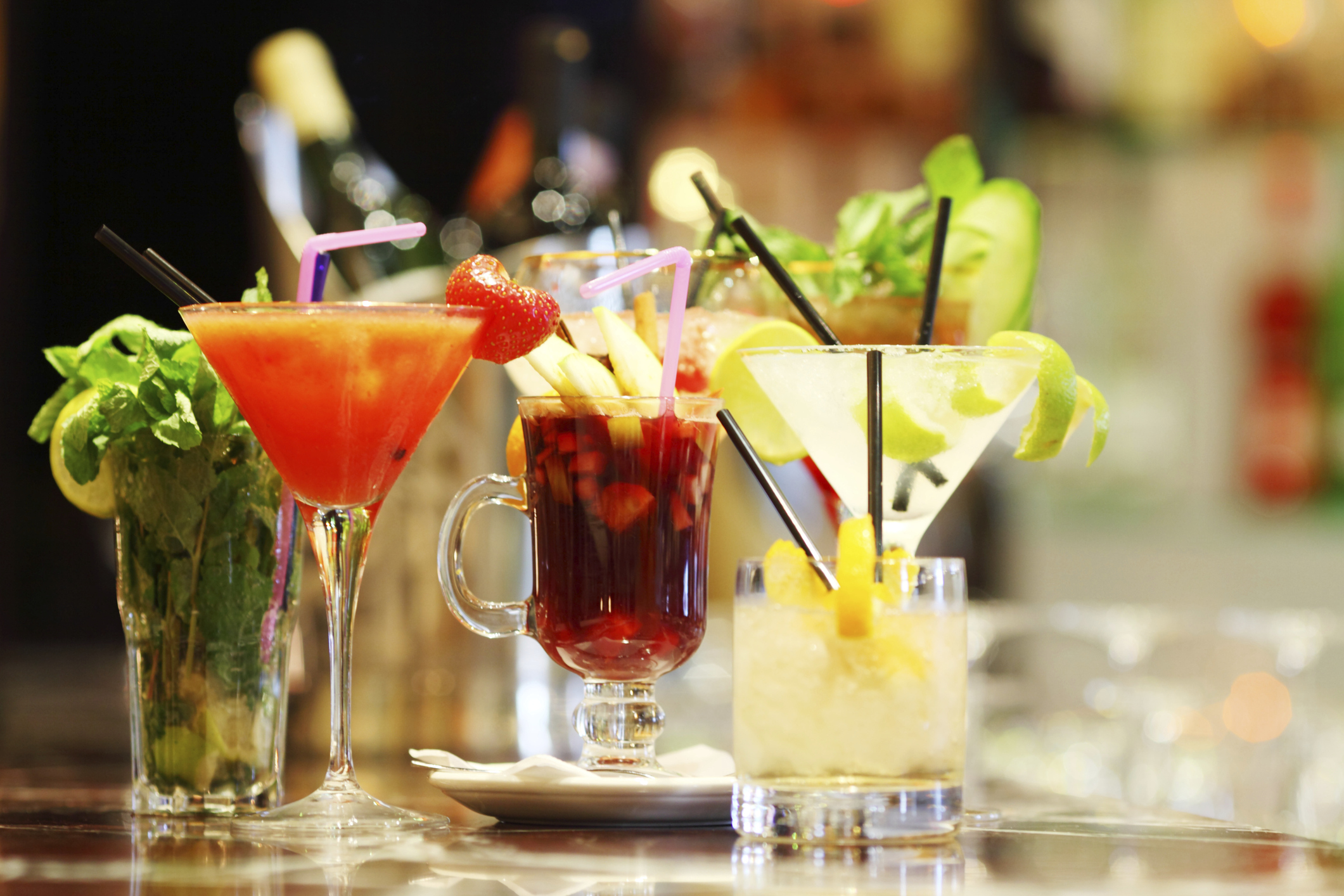
The alcohol drink market is a highly competitive industry, characterized by a wide range of players, each offering their unique products and catering to diverse consumer preferences. From established global giants to craft distilleries, the competition in this market is fierce as brands strive to capture a larger market share and win over consumers with innovative offerings. Let's take a closer look at some prominent industry players and the competition they face.
A Glimpse into the Thriving Alcohol Drink Market
- Global Giants: The alcohol industry is dominated by global giants such as Diageo, AB InBev, and Pernod Ricard. These companies have a strong portfolio of brands that span multiple categories, including spirits, beer, and wine. They enjoy significant advantages in terms of distribution networks, economies of scale, and marketing capabilities. These players heavily invest in research and development to create new products and capitalize on emerging trends. They often acquire smaller brands to expand their portfolio and consolidate their market presence.
- Craft Distilleries: In recent years, there has been a surge in the popularity of craft distilleries producing small-batch, artisanal spirits. These players focus on unique flavor profiles, high-quality ingredients, and traditional production methods, appealing to consumers seeking authenticity and a sense of craftsmanship. Craft distilleries often emphasize local sourcing, sustainable practices, and personalized customer experiences. While they may face challenges in terms of scale and distribution, their ability to cater to niche markets and offer specialty products grants them a competitive edge.
- Wine Producers: The wine segment comprises numerous players, ranging from large wine conglomerates to boutique wineries. Established names such as Constellation Brands, Treasury Wine Estates, and Gallo Winery dominate the global wine market, benefitting from extensive vineyard holdings and well-established brands. However, smaller wineries often focus on regional or varietal specialties, leveraging the appeal of unique terroirs and emphasizing sustainable viticulture practices. These wineries often target specific consumer segments seeking distinctive flavors and a connection with the winemaking process.
- Rising Trends: Apart from the established players, the alcohol drink market has witnessed the emergence of new trends and disruptive brands, reflecting changing consumer preferences. These trends include the rise of low-and no-alcohol drinks, hard seltzers, and craft cocktails in ready-to-drink formats. Startups like Seedlip (non-alcoholic spirits) and White Claw (hard seltzers) have gained significant market share by tapping into these growing consumer demands. These players often capitalize on health and wellness concerns, along with innovation in flavors and packaging, to gain a competitive advantage.
- Retailers and E-commerce Platforms: Amidst growing competition, retailers and e-commerce platforms play an important role in shaping the alcohol drink market. Large supermarket chains, liquor stores, and dedicated online platforms act as crucial distribution channels for both large and small alcohol producers. These players have also stepped up their own branding efforts, offering private-label products and curating selections based on consumer trends. The convenience and accessibility provided by e-commerce platforms have further disrupted the market, giving smaller players a greater opportunity to reach consumers directly.
In a highly competitive industry such as the alcohol drink market, staying ahead of the curve requires constant innovation, strong brand differentiation, and the ability to tap into emerging consumer trends. Whether it's global giants, craft distilleries, wine producers, or rising trends, each player brings its own unique offerings to capture the attention and loyalty of consumers. Understanding and navigating this diverse landscape is crucial for industry players to remain competitive and drive growth in the evolving alcohol drink market.
Technological Innovations Transforming the Alcohol Beverage Industry
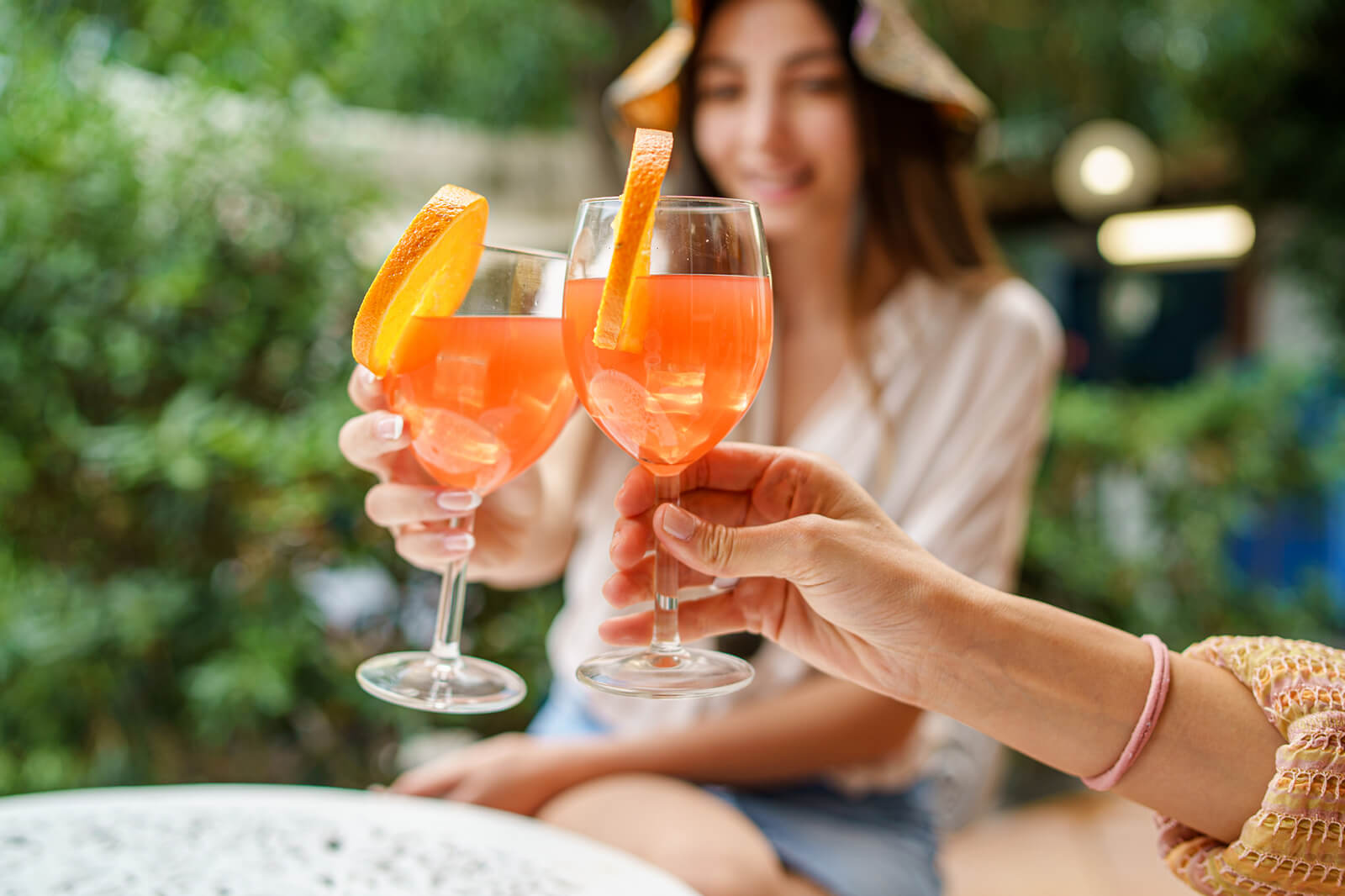
In a society that constantly embraces technological advancements, it comes as no surprise that even the alcohol beverage industry has been touched by innovation. Technological advancements have revolutionized the way drinks are created, manufactured, and consumed. From the production process to the delivery systems, these innovations are reshaping the future of the alcohol industry.
Smart Brewing Systems
Craft breweries and homebrewers are benefitting from the emergence of smart brewing systems. These systems integrate automation, data analysis, and connectivity to streamline the brewing process. By utilizing sensors and artificial intelligence, smart brewing systems allow brewers to monitor and control various parameters such as temperature, pressure, and fermentation levels. This automation not only enhances the consistency and quality of the product but also increases efficiency and reduces costs.
Sustainable Distillation Processes
Sustainability has become a significant focus for many industries, including the alcohol beverage industry. Distilleries are implementing innovative technologies to reduce their environmental footprint. One such example is the use of anaerobic digestion, a process where waste materials like spent grains and vegetable matter are converted into biogas for energy production. Additionally, advancements in energy-efficient still designs and water recycling systems are minimizing resource consumption during the distillation process.
Internet of Things (IoT) Enabled Beverage Dispensers
The Internet of Things (IoT) is transforming the way alcoholic beverages are dispensed and served in bars and restaurants. IoT-enabled beverage dispensers monitor stock levels, track sales data, and provide real-time analytics. This connectivity ensures that bars and restaurants can efficiently manage their inventory, reduce waste, and optimize the guest experience. IoT technologies also enable personalized and interactive experiences, where customers can mix their desired flavors and ingredients in real-time.
Virtual Reality (VR) and Augmented Reality (AR) for Branding and Marketing
Virtual Reality (VR) and Augmented Reality (AR) technologies have opened up new possibilities for alcohol brands to engage with consumers. VR allows consumers to virtually visit wineries and distilleries, providing an immersive experience that creates emotional connections with the brand. AR, on the other hand, is being utilized to enhance packaging and labeling, offering interactive content and storytelling. These technologies help brands differentiate themselves, increase brand loyalty, and create memorable experiences for consumers.
Direct-to-Consumer Delivery Services
The rise of technology has facilitated the growth of direct-to-consumer delivery services in the alcohol beverage industry. Online platforms and mobile apps make it easier for consumers to order their favorite drinks and have them delivered straight to their doorsteps. These services provide convenience, choice, and personalized recommendations based on consumer preferences. Additionally, some companies are even experimenting with drone delivery, further pushing the boundaries of technological innovation in the alcohol industry.
Technological innovations are transforming the alcohol beverage industry at every stage, from production to consumption. From smart brewing systems to sustainable distillation processes, IoT-enabled dispensers to immersive branding experiences, and direct-to-consumer delivery services, these advancements are driving efficiency, sustainability, and enhanced consumer engagement. As technology continues to evolve, we can expect even more exciting innovations in the future of the alcohol industry.
Regional Trends and Cultural Influences on Alcohol Drinks
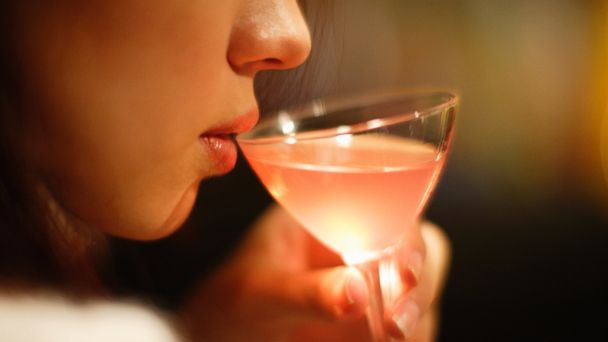
When it comes to alcohol consumption, cultural influences and regional trends play a significant role in shaping the preference for certain types of drinks. Whether it's the choice of alcohol itself or the way it is consumed, cultural practices, traditions, and local tastes often dictate the popularity of specific beverages across different parts of the world. Let's explore some regional trends and cultural influences on alcohol drinks.
Wine: Nurtured by Terroir and Tradition
Wine is often deeply rooted in the cultural fabric of many regions around the world. From the vineyards of France and Italy to the valleys of California and South America, the production, consumption, and appreciation of wine vary widely across different cultures. Wine-making techniques, grape varieties, and aging processes reflect the region's historical significance and climate conditions, known as terroir. From the bold reds of Bordeaux to the fragrant whites of Alsace, each wine-growing region showcases its unique cultural influence and local traditions.
Beer: An Expression of Local Ingredients and Brewing Techniques
Beer is one of the most popular alcoholic beverages globally, and its consumption varies significantly from region to region. Cultural influences can be observed in the choice of ingredients, brewing methods, and even the social rituals associated with beer drinking. Germany, known for its beer culture, emphasizes the Reinheitsgebot (beer purity law), which strictly regulates the ingredients used in brewing. India's love for spiced beers, such as the refreshing Indian Pale Ales (IPAs), reflects its rich culinary heritage. Craft beer movements in many countries, including the United States and Belgium, are also driven by a desire to celebrate local ingredients and unique brewing styles.
Spirits: A Taste of Tradition and Local Identity
Spirits, such as vodka, whisky, rum, and tequila, offer a fascinating glimpse into regional trends and cultural influences. Vodka, the national drink of Russia and Poland, is deeply intertwined with the cultures of these nations. In Scotland, single malt whisky carries a distinguished reputation and is a symbol of national pride. Rum holds a significant place in the Caribbean region, where it is often associated with the history and identity of various islands. Tequila, originating from Mexico, is not only a popular spirit worldwide but also marks a celebration of Mexican culture and tradition.
Traditional and Cultural Cocktails: Fusion of Flavors and History
Cocktails often showcase the fusion of different cultures and their alcoholic traditions. Classic cocktails like the Mojito (Cuba), Margarita (Mexico), and Caipirinha (Brazil) incorporate local ingredients and traditional spirits to create refreshing and unique flavors. The popularity of these cocktails not only transcends borders but also serves as a cultural ambassador, representing the countries from which they originated.
Non-alcoholic Alternatives: Cultural Perspectives on Sobriety
While alcohol plays an important role in many cultures, there is a growing trend towards non-alcoholic or low-alcohol alternatives. This shift is influenced by cultural, health, and lifestyle factors. In regions where alcohol consumption is restricted or frowned upon, alternatives like "mocktails" or non-alcoholic beers are gaining popularity. Additionally, the rising awareness of health-conscious lifestyles has led to an increased demand for non-alcoholic options that still offer unique flavors and experiences.
In conclusion, regional trends and cultural influences significantly shape the preferences and consumption patterns of alcohol drinks. From the wine-making traditions nurtured by terroir to the fusion of flavors in cocktails, these influences provide a diverse tapestry of choices for those who appreciate a good drink. Understanding the cultural context behind alcohol consumption can help individuals and businesses navigate the complex world of beverages and appreciate the broader significance of their choices.
The Rising Influence of Social Media in the Alcohol Drink Industry
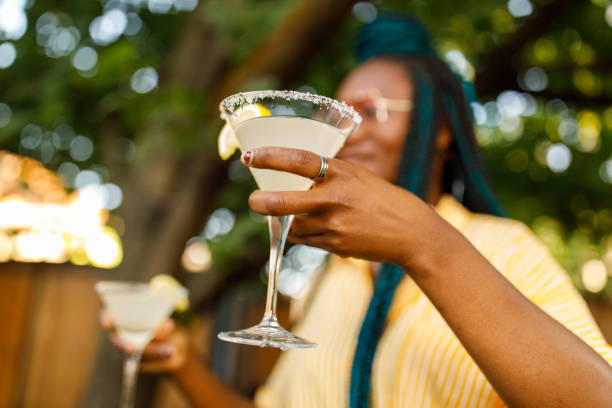
In recent years, social media has revolutionized the way people communicate, engage, and consume content. This impact has extended to various industries, including the alcohol drink industry. Brands in this sector are increasingly leveraging the power of social media and influencers to reach and engage with their target audiences in new and effective ways.
The Power of Influencers
Influencer marketing has gained significant traction in the alcohol drink industry, as it allows brands to tap into the influence and followership of popular personalities and content creators on various social media platforms. These influencers, often with large and engaged audiences, can effectively promote and endorse specific alcohol brands to their followers.
Unlike traditional advertising methods, influencer marketing delivers a more genuine and relatable message. Influencers seamlessly incorporate alcohol brands into their content, such as sponsored posts, videos, or stories. By doing so, they create a sense of authenticity and trust, which can greatly impact consumer purchasing decisions.
Transforming Consumer Behavior
Social media and influencers have transformed consumer behavior in the alcohol drink industry. Consumers, especially the younger demographic, are increasingly turning to social media platforms like Instagram and TikTok to discover new drinks, share recommendations, and stay up-to-date with current trends.
Through social media platforms, consumers are exposed to visually captivating posts, videos, and stories featuring various alcoholic beverages. Influencers actively showcase new products, creative cocktail recipes, and the latest drinking trends, captivating their followers' attention and generating buzz around specific brands.
Moreover, engaging with influencers on social media platforms allows consumers to have a more interactive experience. They can ask questions, seek recommendations, and share their own experiences, creating a sense of community and fostering brand loyalty.
Challenges and Ethics
While influencer marketing has brought numerous benefits to the alcohol drink industry, it also presents some challenges and ethical considerations. Alcohol is a regulated product, and promoting responsible consumption is of paramount importance. Brands must ensure that influencers they collaborate with adhere to advertising guidelines and promote responsible drinking behaviors.
Furthermore, the Federal Trade Commission (FTC) in the United States and other regulatory bodies worldwide have set guidelines for sponsored content disclosure on social media platforms. Influencers are required to clearly disclose when posts are sponsored or include paid partnerships, ensuring transparency for their followers.
Looking Ahead
The influence of social media and influencers on the alcohol drink industry shows no signs of slowing down. As technology continues to evolve, new platforms and formats will emerge, allowing brands to connect with their audiences in even more innovative and engaging ways. Advancements in augmented reality (AR) and virtual reality (VR) may provide opportunities for consumers to virtually experience different beverages and cocktail recipes, creating immersive and memorable interactions.
In conclusion, social media and influencers have become powerful tools in the alcohol drink industry. By leveraging the influence of social media platforms and popular content creators, brands can effectively reach and engage with their target audiences, shaping consumer behavior and driving sales. As the industry continues to evolve, it is increasingly important for brands to stay on top of social media trends and develop meaningful partnerships with influencers to stand out in this ever-growing digital landscape.
The Future Outlook and Forecast of the Alcohol Drink Trend

The alcohol drink industry has undergone significant changes and transformations over the years. As consumer preferences continue to evolve, it is crucial to examine the future outlook and forecast of this trend to understand where the industry is heading.
Health-Conscious Choices
One prominent shift in the alcohol drink industry is the increasing demand for healthier options. Consumers today are more conscious about their well-being and are seeking beverages that align with their chosen lifestyles. As a result, there has been a rise in low-alcohol and non-alcoholic alternatives, including mocktails, low-calorie beers, and spirits with reduced alcohol content.
This trend is driven by several factors, including changing cultural attitudes towards alcohol, the rise of wellness-focused consumerism, and the desire for moderation and balance in social drinking occasions. The growing popularity of health-conscious choices signifies a shift towards a more mindful and responsible drinking culture.
Premiumization and Craft Beverages
Another noteworthy trend in the alcohol drink industry is the continued growth of premiumization and the craft beverage movement. Consumers are increasingly seeking unique and high-quality drinks that offer a distinctive experience. Craft breweries, distilleries, and wineries have seen tremendous growth as consumers appreciate the attention to detail, authenticity, and artisanal production methods that these beverages offer.
The rise of craft cocktails and mixology further contributes to the premiumization trend. Consumers are becoming more adventurous in their choices and are willing to pay a premium for beverages that provide a sophisticated and elevated drinking experience. This trend is likely to continue as consumers seek differentiation and exclusivity in their alcohol choices.
Sustainable and Eco-Friendly Practices
In recent years, there has been a growing emphasis on sustainability and eco-friendly practices across various industries. The alcohol drink sector is no exception, with consumers increasingly demanding transparency and accountability from producers. Sustainability initiatives such as organic farming, water conservation, and eco-friendly packaging are gaining traction among both producers and consumers.
This trend aligns with the broader societal focus on environmental responsibility and the desire for products that have a minimal impact on the planet. As consumers become more environmentally conscious, the alcohol drink industry will need to adapt and adopt sustainable practices to remain relevant and appealing to the changing consumer mindset.
Digital and E-commerce Shift
The rapid advancement of technology has significantly impacted how consumers discover, purchase, and consume alcohol. Online platforms, delivery services, and mobile apps have made it easier for consumers to explore and access a wide range of alcoholic beverages, including niche and hard-to-find products. This digital shift has also provided opportunities for smaller producers to reach a larger audience and compete with established brands.
Moreover, the use of social media and influencer marketing has become an integral part of alcohol drink promotions. Brands are leveraging these platforms to engage with consumers, share behind-the-scenes stories, and showcase their products. The digital landscape will continue to shape the alcohol drink industry, with new innovations and marketing strategies emerging to cater to the evolving consumer preferences.
The alcohol drink industry is continuously evolving, driven by changing consumer preferences and behaviors. The trends discussed above give us insights into what the future may hold. Health-conscious choices, premiumization and craft beverages, sustainable practices, and the digital shift are likely to play a significant role in shaping the industry's landscape. Remaining attuned to these trends and adapting to consumer demands will be essential for businesses to stay competitive in this dynamic and exciting sector.
Trend Recap: The Rise of Alcohol Drink Trends
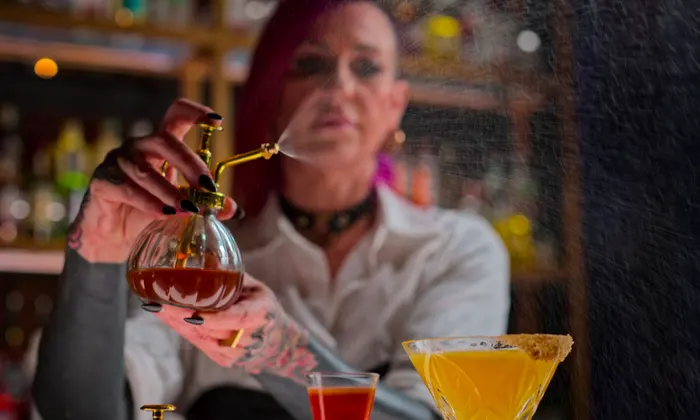
Key Findings and Insights:
- Growing Demand for Craft and Artisanal Drinks: Consumers are increasingly seeking unique and high-quality alcohol drinks, driving the growth of craft and artisanal brands. Small-batch spirits, craft beer, and boutique wineries have gained popularity as people are willing to pay a premium for products with superior taste and personalized experiences.
- Rise of Low and No-Alcohol Alternatives: Health-conscious consumers are shifting their drinking habits towards low and no-alcohol options. Increased awareness of the negative impact of excessive alcohol consumption has led to a surge in demand for non-alcoholic beers, mocktails, and spirits with lower alcohol content. This trend also offers more choices for designated drivers and pregnant women.
- Functional and Health-Boosting Ingredients: Beyond low-alcohol options, innovative alcohol drinks with functional ingredients are gaining traction. These include botanicals, adaptogens, and herbal extracts that offer added health benefits such as reducing stress, improving sleep, or boosting immunity. Consumers are embracing these drinks as a way to combine relaxation and personal wellness.
- Sustainability and Ethical Consumption: Eco-conscious consumers are seeking sustainable alcoholic beverages with minimal environmental impact. This includes organic and biodynamic wines, craft beers from local breweries, and spirits made using renewable energy sources. Ethical considerations, such as fair-trade liquor and brands that support social causes, also play a significant role in purchasing decisions.
- Virtual Experiences and Online Delivery: The COVID-19 pandemic has accelerated the shift towards virtual experiences, including virtual happy hours, online wine tastings, and mixology classes. Consumers are exploring creative ways to connect with friends and learn new cocktail recipes from the comfort of their homes. Additionally, alcohol delivery services, both from local retailers and dedicated platforms, have grown rapidly to meet the increased demand for convenient home delivery.
- Cultural Appreciation and Fusion: The appreciation for diverse cultural flavors and traditions has influenced alcohol drink trends. Consumers are increasingly open to trying new tastes and exploring traditional spirits from different regions around the world. Fusion cocktails that combine ingredients and techniques from various cultures have gained popularity, offering a unique twist on classic drinks.
- Personalization and DIY Culture: DIY cocktails and home bartending have seen a surge in popularity. Consumers are experimenting with mixology, creating custom blends, and infusing their own spirits. Personalization extends to packaging as well, with the rise of customized labels and unique bottle designs that make alcoholic beverages more giftable and personalized.