

Unveiling the Soaring Popularity of Stay-at-Home Moms: Insights into the Resurgent Trend

The Rising Popularity of SAHM: Exploring the Trend of Stay-at-Home-Moms
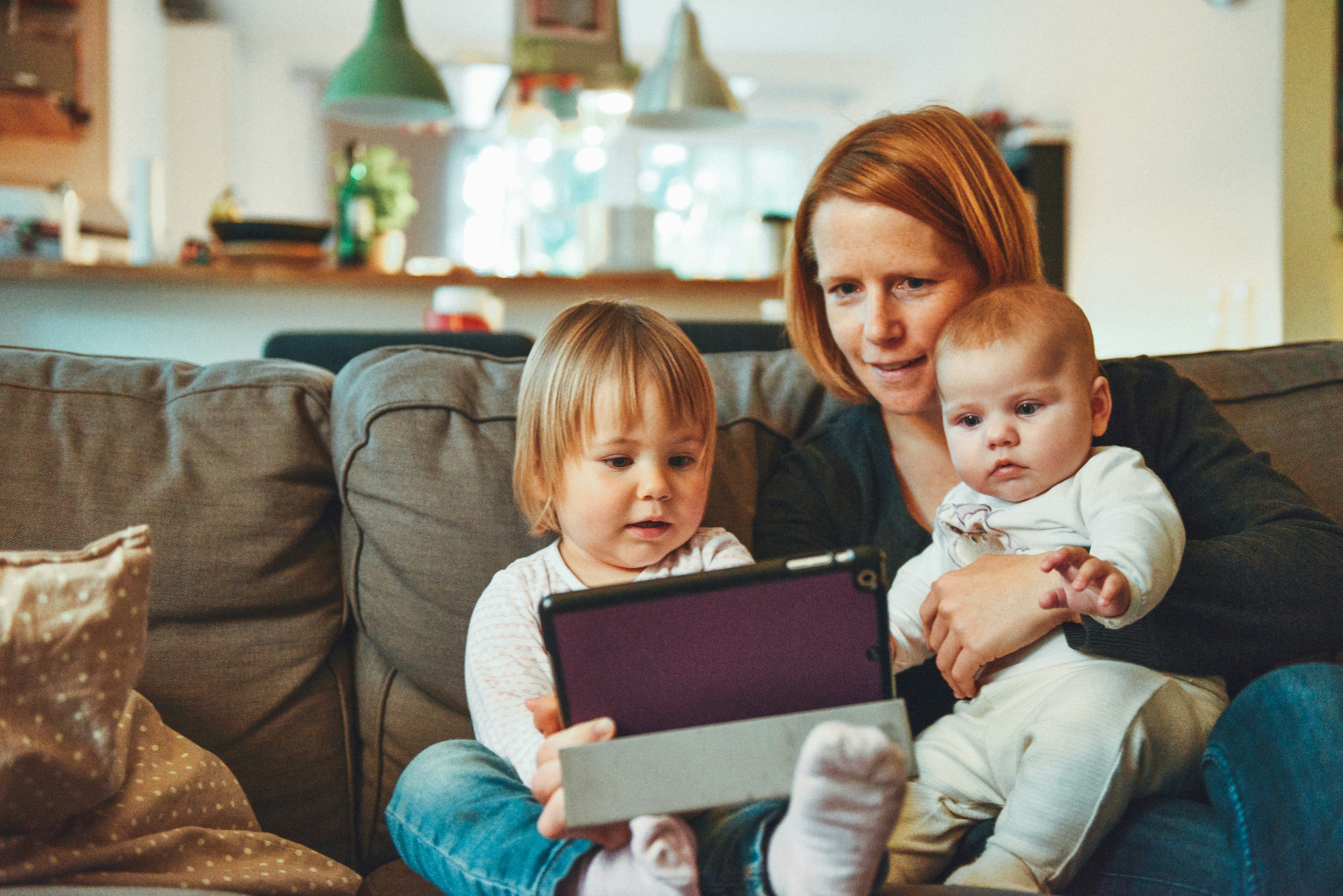
In recent years, there has been a noticeable rise in the number of women choosing to be Stay-at-Home Moms (SAHMs). This trend, also commonly referred to as the "SAHM" trend, represents a significant shift in traditional gender roles within the household. Explanation of SAHM: SAHM stands for Stay-at-Home Moms, who are mothers who have made the decision to leave their jobs or put their careers on hold in order to focus on raising their children and managing the household. This choice is often influenced by a variety of factors, including personal beliefs, financial considerations, and the desire for a more balanced family life. Origins of the SAHM Trend: The concept of SAHM is not entirely new; it traces its roots back to the early 20th century when women's suffrage movements fought for gender equality and the right to choose their own paths. However, it wasn't until recent years that SAHM gained significant attention and popularity. Popularity among Various Demographics: The rise of the SAHM trend can be attributed to several reasons. Firstly, changing cultural norms have led to an increased focus on work-life balance and the recognition of the importance of early childhood development. As a result, many women from different demographics are choosing to prioritize their family life and embrace the role of SAHM. Additionally, economic factors have played a role in the growing popularity of SAHM. With rising childcare costs and the desire for personalized care and attention for their children, many families find that having a SAHM is a more cost-effective and fulfilling option for their family. The trend of SAHM is not limited to any specific demographic. It is seen across different socioeconomic groups, including women from various educational backgrounds and income levels. This diversity in the SAHM trend reflects a broader societal shift towards greater recognition of the value of caregiving and the individual choices of women in defining their roles within the family. Stay Tuned: In the following sections, we will delve deeper into the reasons behind the surge in SAHM popularity, explore its impact on women's empowerment and discuss the role of technology in facilitating the SAHM lifestyle. By understanding the factors behind this trend, we can gain valuable insights into the changing dynamics of modern families and the evolving roles of women in society.
Market Size and Growth of Stay-at-Home Moms (SAHMs)
The role of stay-at-home moms (SAHMs) has been an integral part of households for centuries. However, as we approach the third decade of the 21st century, the landscape of motherhood is evolving rapidly. In this article, we will explore the market size and growth of SAHMs in recent years. Current Market Size of SAHMs While there is no exact figure available on the number of SAHMs worldwide, it is estimated that there are millions of women who choose to stay at home to raise their children. According to data from Pew Research Center, in the United States alone, there were approximately 11 million SAHMs in 2016. This number has varied over the years, influenced by factors such as economic conditions, cultural shifts, and changing societal norms surrounding parenthood. Factors Driving the Growth of SAHMs 1. Changing Attitudes Towards Motherhood: In recent years, there has been a noticeable shift in the attitudes towards motherhood, with a growing emphasis on the importance of family and work-life balance. Many women are consciously choosing to prioritize their role as mothers and opting to stay at home to raise their children. 2. Flexible Work Arrangements and Remote Work: The rise of remote work and flexible work arrangements has made it easier for mothers to balance their professional and personal lives. This has provided an opportunity for more women to consider being SAHMs, knowing that they have the option to work from home or create flexible arrangements that suit their family's needs. 3. Support Networks and Online Communities: The advent of social media and online communities has created a space for SAHMs to connect and support each other. These networks provide valuable resources, advice, and a sense of community, empowering more women to embrace the SAHM lifestyle. 4. Increased Financial Independence: With the advancements in technology and the growth of the gig economy, many SAHMs are finding ways to monetize their skills and creativity from the comfort of their homes. This increased financial independence enables them to pursue their passions while raising their children. Future Growth and Opportunities The market size of SAHMs is expected to continue growing as more women choose to prioritize their family life and seek a better work-life balance. Additionally, as the job market becomes more competitive and demanding, some women may find it more economically viable to stay at home and save on costs such as childcare expenses. While the traditional role of SAHMs has primarily focused on child-rearing, there is a growing trend of SAHMs branching out into entrepreneurship and online businesses. From creating and selling handmade crafts to offering consulting services, SAHMs are finding innovative ways to leverage their skills and generate income while managing their household responsibilities. In conclusion, the market size of SAHMs is significant and poised for continued growth. With changing dynamics and an emphasis on work-life balance, more women are opting to stay at home to raise their children. This presents both challenges and opportunities for businesses to cater to the unique needs and preferences of this growing demographic. By understanding the market size and aspirations of SAHMs, companies can develop products and services that support and empower this segment of the population.
Understanding the Consumer Demand and Preferences in the SAHM Segment

As more and more women prioritize their roles as stay-at-home mothers (SAHMs), it is crucial for businesses to understand their consumer demand and preferences. This growing demographic holds significant purchasing power and has specific needs and preferences that can shape the products and services they require. In this section, we will delve into the consumer demand and preferences of SAHMs, providing valuable insights for businesses looking to cater to this market segment. 1. Flexibility in products and services SAHMs often face unique challenges in managing their time and responsibilities. Therefore, they prefer products and services that offer flexibility and help streamline their daily tasks. Companies that provide customizable solutions, such as subscription services that can be tailored to their specific needs, are highly sought after. For instance, meal delivery services that cater to individual dietary preferences and allow for easy customization of menus can be particularly appealing to SAHMs seeking convenience without compromising on their family's nutrition. 2. Budget-friendly options Finances play a crucial role in the decision-making process for SAHMs. Many of these individuals are looking for budget-friendly options that provide value for money. Affordable yet high-quality products and services are likely to capture their attention. This includes affordable childcare solutions, affordable educational resources, and cost-effective home appliances that can make their lives easier. 3. Social support and networking opportunities While being a SAHM can be fulfilling, it can also be isolating. SAHMs appreciate companies that provide opportunities for social support and networking. Businesses can create online communities or organize events that allow SAHMs to connect with like-minded individuals, share their experiences, and seek advice. Additionally, partnering with local parenting groups or organizing playdates can be a great way to attract this segment and build brand loyalty. 4. Time-saving solutions Time management is a constant challenge for SAHMs, who often juggle multiple responsibilities simultaneously. Therefore, products and services that help save time are highly sought after. This can include time-saving kitchen appliances, efficient cleaning products, or services that offer home organization solutions. Companies that help SAHMs find ways to optimize their time and alleviate the burden of household chores will likely find favor with this consumer segment. 5. Health and wellness SAHMs prioritize the health and well-being of their families, making health-related products and services particularly appealing. Organic and natural products, eco-friendly options, and services that promote holistic living are likely to resonate with SAHMs. Companies that align their offerings with these values and provide transparent information about the benefits of their products will stand out among this consumer segment. Understanding the consumer demand and preferences of SAHMs is crucial for businesses looking to tap into this growing market. By providing flexibility, affordability, social support, time-saving solutions, and health-focused options, companies can attract and retain SAHMs as loyal customers. By catering to the unique needs and preferences of this segment, businesses can position themselves as trusted partners in the lives of SAHMs.
Industry Players and Competition in the SAHM Market

In recent years, there has been a growing trend and recognition of the importance of Stay-at-Home Moms (SAHMs) in society. As more mothers decide to prioritize their roles as caregivers and homemakers, various industry players have emerged to cater to their needs. From support groups and online communities to specialized products and services, the SAHM market has become a competitive space with several key players vying for attention. 1. Online Communities and Support Groups: Online communities and support groups play a crucial role in connecting and empowering SAHMs. Websites, forums, and social media platforms like Facebook have become popular spaces for SAHMs to seek advice, share experiences, and build communities. The Bump, BabyCenter, and CafeMom are notable players in this segment, providing a wide range of resources, articles, and forums to cater to the needs of SAHMs. 2. Parenting Blogs and Influencers: The rise of mommy bloggers and parenting influencers has had a significant impact on the SAHM market. These individuals use their online platforms to share their experiences, offer advice, and recommend products. The Pioneer Woman, Busy Toddler, and Mommy Shorts are examples of influential blogs that SAHMs often turn to for guidance and product recommendations. 3. Family-Focused Brands: Many established brands have recognized the potential of the SAHM market and tailored their products and marketing strategies accordingly. Brands like Pampers, Huggies, and Johnson & Johnson have targeted SAHMs with specialized products, such as diapers, baby wipes, and baby care essentials. These brands often collaborate with mommy bloggers and influencers to reach their target audience effectively. 4. Subscription Boxes and Delivery Services: As convenience becomes a priority for SAHMs juggling household chores and childcare, subscription boxes and delivery services have gained popularity. Companies like HelloFresh, Blue Apron, and Stitch Fix offer meal kits and curated clothing options delivered right to the doorstep. These services cater to SAHMs' time constraints and allow them to simplify their daily routines. 5. Home Décor and Organization Brands: With SAHMs spending more time at home, the demand for home décor and organization products has increased. Brands like Ikea, The Container Store, and HomeGoods offer products that appeal to SAHMs seeking to create a functional and aesthetically pleasing living environment. These brands often feature organization tips and DIY projects on their websites and catalogs. In conclusion, the SAHM market has witnessed the emergence of various industry players catering to the specific needs and preferences of this group. From online communities and support groups to parenting influencers and specialized brands, companies are vying for SAHMs' attention and loyalty. As the number of SAHMs continues to grow, the competition in this market is likely to further intensify, leading to innovative products and services tailored to meet the evolving demands of SAHMs.
Technological Innovations for Stay-at-Home Moms
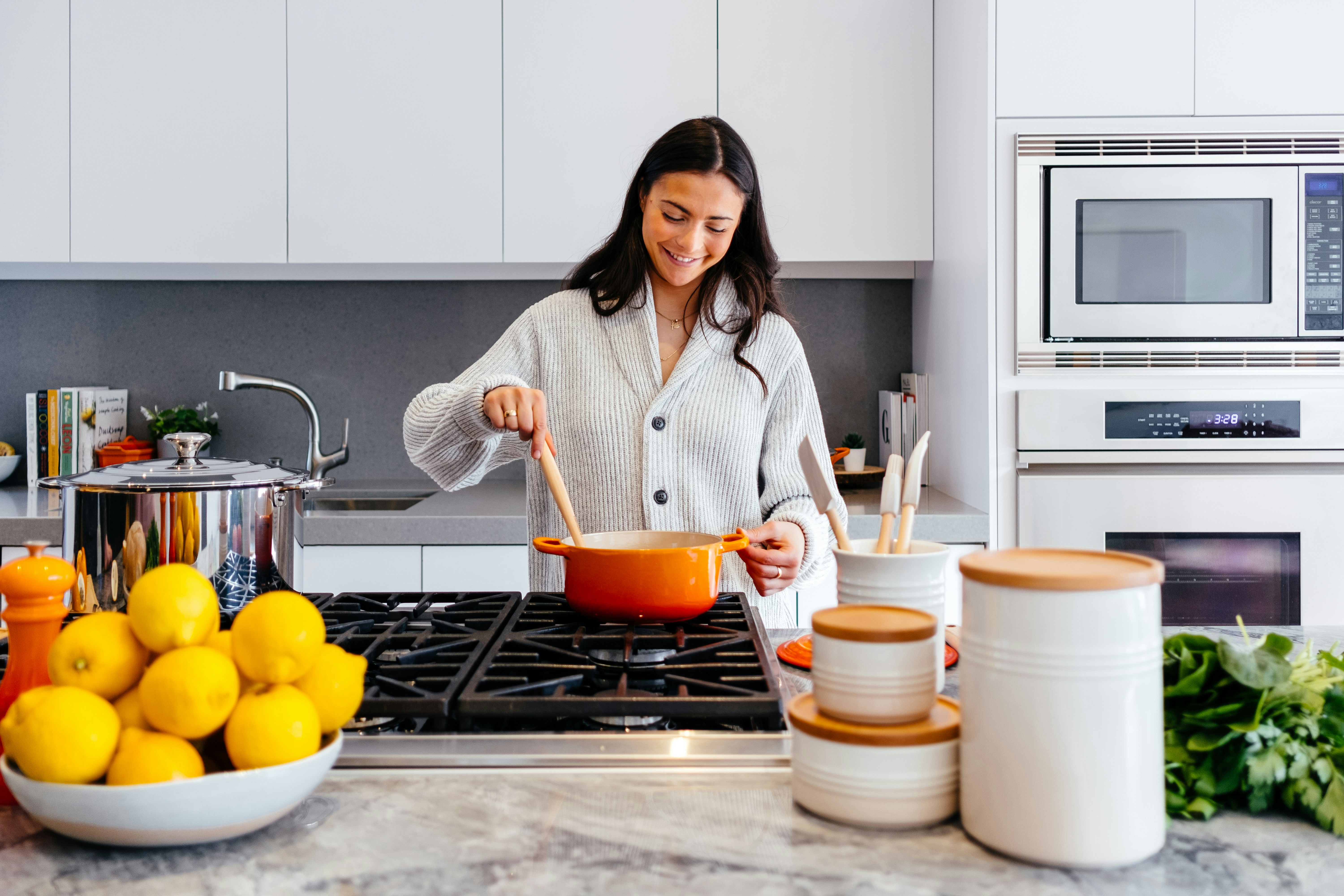
As the role of stay-at-home moms (SAHMs) continues to evolve, technology has played a significant role in enhancing their day-to-day lives. From staying connected with family and friends to managing household tasks more efficiently, technological innovations have revolutionized the way SAHMs navigate their responsibilities. Here are some of the key technologies that are making a difference for SAHMs: Smart Home Devices Smart home devices have become increasingly popular amongst SAHMs, as they offer convenience and efficiency in managing household tasks. Devices such as smart speakers, thermostats, and security systems can be controlled through voice commands or smartphone apps, allowing SAHMs to automate daily routines and enhance their overall home management. For example, a SAHM can schedule her smart thermostat to adjust the temperature throughout the day, ensuring optimal comfort without constantly adjusting it manually. Parenting Apps Parenting apps have become invaluable tools for SAHMs, providing assistance in various aspects of child-rearing. These apps offer a range of features including tracking feeding and diaper changes, monitoring sleep patterns, and providing personalized parenting advice. By leveraging these apps, SAHMs can better organize and manage their infants' schedules and routines, helping them stay on top of their child's development. Online Communities and Support Groups Online communities and support groups have significantly aided SAHMs in sharing experiences, seeking advice, and finding solace in the company of like-minded individuals. Social media platforms, as well as dedicated websites and forums, provide a space for SAHMs to connect with one another, discuss common challenges, and offer emotional support. These online communities have created a sense of belonging and camaraderie for SAHMs who may feel isolated or lonely at times. Online Learning and Remote Work Opportunities Technological advancements have opened up new avenues for SAHMs to enhance their skills or even pursue remote work opportunities. Online learning platforms offer a wealth of educational resources that SAHMs can access on their schedules, allowing them to learn new skills or pursue personal interests. Additionally, remote work opportunities provide SAHMs with flexibility and the ability to balance their professional aspirations with their childcare responsibilities. Fitness and Wellness Apps Maintaining a healthy lifestyle is important for SAHMs, and fitness and wellness apps have become valuable companions in achieving this goal. These apps offer exercise routines, nutrition trackers, and meditation guides, allowing SAHMs to take care of their physical and mental well-being. With the ability to tailor workouts and wellness plans to their specific needs, SAHMs can prioritize self-care while managing their busy schedules. As technology continues to advance, SAHMs will benefit from further innovations that aim to simplify their lives and enhance their overall experience. These innovations not only support SAHMs in their daily routines but also empower them to navigate the challenges of balancing motherhood and personal growth.
Regional Trends and Cultural Influences on the SAHM Phenomenon

The decision to become a Stay-at-Home Mom (SAHM) is influenced by a variety of factors, including regional trends and cultural influences. The roles and expectations placed on mothers vary significantly across different regions and cultures, resulting in distinct trends and attitudes towards SAHMs. Understanding these influences can provide valuable insights into how motherhood is perceived and experienced in different parts of the world. 1. Regional Trends: Regional trends play a significant role in shaping the prevalence and acceptance of the SAHM phenomenon. Some regions may prioritize career advancements and financial stability over traditional gender roles, leading to lower numbers of SAHMs. In contrast, other regions may place greater emphasis on family values and caretaking responsibilities, resulting in a higher prevalence of SAHMs. For example, Scandinavian countries often rank high in gender equality and work-life balance. As a result, there is greater support for working mothers and less social stigma attached to a woman's choice to pursue a career. This often leads to lower numbers of SAHMs in these regions, as women are encouraged to maintain their careers while raising a family. On the other hand, in countries with more traditional gender roles, such as some parts of the Middle East and Asia, the expectation of women to prioritize their roles as mothers and wives can lead to higher numbers of SAHMs. Cultural values reinforcing these traditional roles can influence women's decisions to leave the workforce and focus on raising their children full-time. 2. Cultural Influences: Cultural influences shape the expectations, attitudes, and support systems surrounding SAHMs. Cultures that prioritize collectivism an
d extended family networks may see a stronger emphasis on multi-generational care for children, reducing the need for SAHMs. In contrast, individualistic cultures may place more value on independent parenting, potentially leading to higher numbers of SAHMs. Religious and traditional beliefs also play a significant role in shaping cultural attitudes towards SAHMs. In some cultures, such as certain conservative religious communities, there may be a stronger emphasis on maintaining traditional gender roles and the importance of a mother's presence in the home. These cultural beliefs can influence women to choose the SAHM path. Additionally, economic factors can intersect with cultural influences, as the availability of affordable childcare options and policies for maternity leave can contribute to women's decisions to become SAHMs. Countries with generous family-friendly policies and robust support systems for working parents may have fewer SAHMs, as women are provided with the resources to balance both work and family life. In conclusion, regional trends and cultural influences significantly impact the prevalence and acceptance of the SAHM phenomenon. Societal expectations, traditional gender roles, economic factors, and religious or cultural beliefs all contribute to shaping individual choices. Understanding these influences is crucial for policymakers, businesses, and individuals seeking to appreciate the diversity of experiences and attitudes towards motherhood worldwide.
The Rise of SAHM Influencers: Redefining Social Media and Motherhood

When it comes to social media influencers, one group that has recently gained significant attention is stay-at-home moms (SAHMs). These influencers have not only redefined the concept of motherhood but also have become powerful voices in the online world. With their ability to engage and connect with their audience, SAHM influencers are reshaping social media platforms and challenging societal norms. The Power of Authenticity SAHM influencers have found success by sharing their authentic experiences and stories. They have created a digital community where other moms can relate and find support. These influencers document the ups and downs of their motherhood journey, offering a genuine and relatable perspective. This authenticity is a refreshing change from the carefully curated and filtered content often seen on social media. Reclaiming Motherhood SAHM influencers have also played a significant role in reclaiming the narrative around motherhood. By sharing their personal challenges, victories, and everyday moments, they challenge traditional stereotypes and shed light on the realities of being a mom. This has led to a greater acceptance and appreciation for the diverse experiences of moms everywhere. Addressing Taboo Topics SAHM influencers have not shied away from addressing taboo topics such as postpartum depression, body image issues, and the challenges of balancing motherhood with personal aspirations. By bringing these topics into the open, they create a safe space for conversation, support, and understanding. Their willingness to discuss these difficult topics has helped break down stigmas and provide reassurance for other moms who may be struggling. Building Communities One of the greatest strengths of SAHM influencers is their ability to build communities. By sharing their stories and experiences, they create a sense of belonging and connection for other moms. These communities provide a platform for moms to share advice, seek support, and celebrate each other's victories. SAHM influencers have become trusted sources of information, product recommendations, and inspiration for their followers.
Empowering Moms Through their online presence, SAHM influencers empower other moms to embrace their own journeys and find joy in motherhood. By sharing the joys and challenges they face, they remind their audience that they are not alone in their experiences. This empowerment extends beyond social media, inspiring moms to pursue their passions, hobbies, and dreams, even while raising children. Influence on Brand Collaborations SAHM influencers have caught the attention of brands looking to connect with their target audience in an authentic way. With their large and engaged followings, SAHM influencers have become valuable partners for brands seeking to promote their products or services. These influencers have leveraged their influence to collaborate with brands that align with their values, creating genuine and impactful brand partnerships. The Future of SAHM Influencers As social media continues to evolve, SAHM influencers are likely to maintain their influence and relevance. Their ability to connect with their audience, address important topics, build communities, and provide support sets them apart. This growing trend will only gain more traction as future generations of moms navigate motherhood in the digital age. The rise of SAHM influencers is redefining social media and motherhood. Through their authenticity, they have created a space where moms can find solidarity, support, and empowerment. By challenging societal norms and embracing their unique experiences, SAHM influencers are changing the way we view motherhood in the digital era.
The Future Outlook and Forecast of the SAHM Trend

The rise of the Stay-at-Home Mom (SAHM) trend has been notable in recent years, driven by various factors such as changing gender roles, increased support for work-life balance, and the empowerment of women in traditional homemaking roles. This section explores the future outlooks and forecasts of the SAHM trend to shed light on the potential trajectory it may take in the coming years. 1. Shifting Gender Roles and Attitudes: With progressive societal changes, there has been a significant shift in gender roles and attitudes towards parenting and career choices. Men are increasingly taking on caretaking responsibilities, blurring the traditional lines between gender-defined roles. As a result, the SAHM trend may evolve to include Stay-at-Home Dads (SAHDs) and embrace a more gender-neutral approach to parenting. 2. Technological Advancements: Advancements in technology have provided new opportunities for SAHMs to work from home, freelancing, or starting their own online businesses. These technological developments enable more flexibility and financial independence for SAHMs, potentially expanding the scope of the trend. As technology continues to evolve, we can expect even more innovative ways for SAHMs to balance their domestic responsibilities with work. 3. Work-Life Balance: The growing emphasis on work-life balance and mental well-being is likely to impact the SAHM trend positively. Many individuals, including fathers and mothers, are seeking ways to prioritize family life without sacrificing financial stability. This increased focus on work-life balance may lead to greater acceptance and support for SAHMs, enabling them to have fulfilling personal lives while contributing to the household. 4. Economic Considerations: Economic factors play a crucial role in shaping the future of the SAHM trend. The accessibility and affordability of childcare, job opportunities, and economic stability all influence parents' decisions to either pursue a career or become stay-at-home parents. Fluctuations in the economy may impact the prevalence of the SAHM trend, as individuals weigh their options based on financial circumstances. 5. Cultural Differences: It is important to consider that the SAHM trend may vary across different cultures and regions. Societal attitudes, cultural norms, and support systems for parents differ worldwide. While the SAHM trend is gaining popularity in some regions, it might not necessarily follow the same trajectory globally. Cultural variations may impact the future growth and sustainability of the trend in different parts of the world. Overall, the SAHM trend is poised to continue evolving in the future, responding to changing gender roles, technological advancements, and a growing focus on work-life balance. As societal attitudes towards parenting and caregiving continue to evolve, we can expect the SAHM trend to adapt and reshape itself accordingly. However, it is essential to acknowledge that different cultural, economic, and societal factors will influence the trend's trajectory in various regions.
SAHM: Key Findings and Insights

In recent years, there has been a significant rise in the trend of stay-at-home moms (SAHMs) across the globe. SAHMs are women who choose to leave the traditional workforce and dedicate their time to raising their children and managing their households. This phenomenon has captured the attention of both researchers and marketers, leading to a deeper understanding of the motivations and impacts of this lifestyle choice. In this section, we recap some key findings and insights related to the SAHM trend. 1. Changing Attitudes and Motivations One of the primary findings is a shift in societal attitudes towards SAHMs. Traditionally, being a SAHM was often seen as a default choice or solely driven by financial reasons. However, recent research indicates that many SAHMs actively choose this lifestyle due to a desire for increased control over child-rearing, a preference for a more balanced work-life dynamic, and a belief in the importance of early childhood development. 2. Influencing Factors Various influencing factors contribute to the rise of SAHMs. Economic factors, such as rising daycare costs and the increasing wage gap, have made it more financially feasible for one parent to stay at home. Additionally, the growing availability of remote work options and flexible work arrangements has provided opportunities for parents to earn income while being at home with their children. 3. Digital Communities and Resources SAHMs are leveraging digital platforms and online communities to connect with other like-minded individuals and share experiences. Social media groups, parenting forums, and online support networks have become invaluable resources for SAHMs seeking advice, emotional support, and opportunities for social interaction. Brands and marketers are starting to recognize these communities as potential marketing channels to engage with SAHMs and provide relevant products and services. 4. Influence on Consumer Behavior SAHMs impact consumer behavior significantly as they often become the primary decision-makers for household purchases. They seek convenient and time-saving products and services that cater to their family's needs. This includes everything from baby products, meal kits, household essentials, to self-care and wellness offerings. Marketers need to align their messaging and product offerings with the values and preferences of SAHMs to reach this influential consumer segment effectively. 5. Opportunities for Brands The SAHM trend presents substantial opportunities for brands to develop products and services tailored to this growing market segment. Understanding the unique challenges and aspirations of SAHMs can enable brands to create targeted marketing campaigns and product innovations that resonate with this audience. Collaborations with influential SAHM bloggers and social media personalities can also provide an effective way to reach and engage with this key demographic.