

Unveiling the Surge of Agile Software Development: A Forefront Trend Shaping Modern Software Engineering Landscape

The Rise of Agile Software Development: A Flexible Approach to Innovation
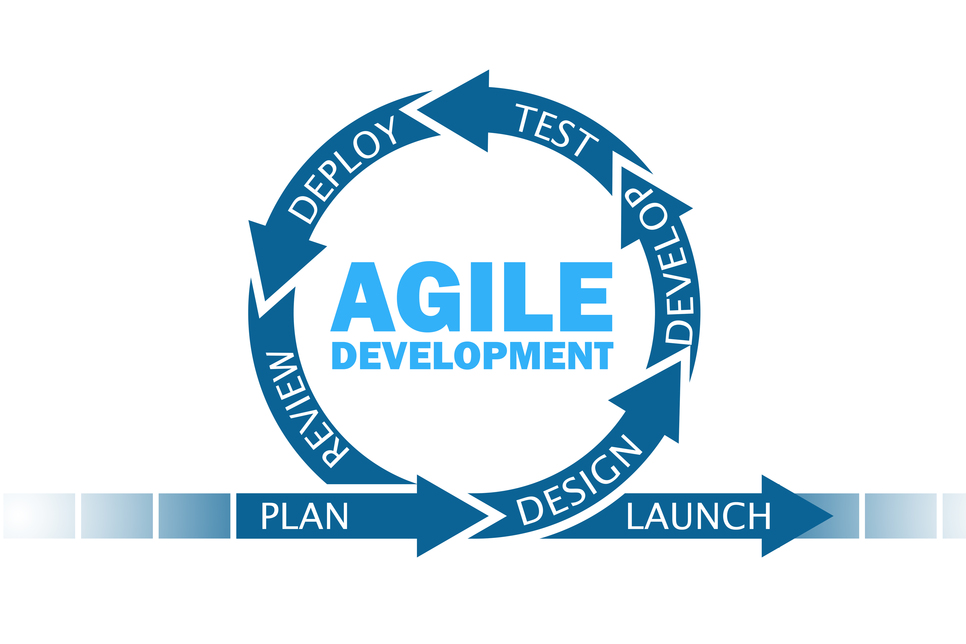
Agile software development is a project management methodology that emphasizes flexibility, collaboration, and iterative progress. Unlike traditional waterfall methods, which rely on strict planning and sequential stages, agile development allows for continuous adaptation and feedback throughout the software development lifecycle.
Originating from the Agile Manifesto, a document created by a group of software developers in 2001, agile software development was born out of a need to address the limitations of traditional methodologies. The manifesto outlines four key values: individuals and interactions over processes and tools, working software over comprehensive documentation, customer collaboration over contract negotiation, and responding to change over following a plan.
Agile development gained popularity due to its ability to address common challenges in the software industry. By fostering collaboration and frequent communication among cross-functional teams, agile methods enable faster decision-making, shorter development cycles, and improved product quality. This approach also allows for greater flexibility, as it accommodates changing requirements and priorities throughout the project.
The popularity of agile software development extends beyond the software industry. Its principles and practices have been adopted by companies operating in diverse sectors, including finance, healthcare, manufacturing, and marketing. Agile development appeals to businesses seeking to increase their speed to market, reduce risk, and improve customer satisfaction.
Additionally, agile methods appeal to different demographics within the software development community. Developers appreciate the increased autonomy and involvement in decision-making that agile offers. Managers value the focus on delivering business value and the ability to adapt to rapidly changing markets. Customers appreciate the transparency and frequent updates, which allow for greater input and satisfaction with the final product.
As agile software development continues to gain traction, organizations across various industries are reaping the benefits of this flexible and collaborative approach to innovation. Its ability to embrace change, foster communication, and deliver high-quality products has positioned agile as an integral part of modern software development practices.
Market Size and Growth of Agile Software Development
Agile software development has gained significant traction in recent years, revolutionizing the way software is developed and delivered. This iterative approach to development has disrupted traditional methodologies and has become the go-to approach for organizations of all sizes.
Rapid Growth of Agile
The market for agile software development has been experiencing rapid growth, driven by the need for faster and more efficient software development cycles. According to a report by Market Research Future, the global agile software development market is expected to grow at a CAGR of 18.1% from 2021 to 2026. This growth is fueled by the increasing adoption of agile methodologies by businesses across various industries.
Increasing Adoption Across Industries
Agile methodologies have gained widespread adoption across industries including IT, healthcare, retail, finance, and manufacturing, among others. Agile's flexibility allows organizations to adapt quickly to changing market demands, resulting in faster time-to-market and higher customer satisfaction.
In the IT industry, organizations have embraced agile methodologies to enhance collaboration between development teams and stakeholders, resulting in improved software quality and reduced project risks. According to a survey conducted by VersionOne, 95% of organizations practicing agile software development reported improved project visibility and better business alignment.
The Influence of Cloud Computing
The rise of cloud computing has further propelled the market growth of agile software development. Cloud-based services provide flexibility, scalability, and accessibility, enabling teams to work efficiently across different locations. Agile methodologies combined with cloud computing have revolutionized software development processes, making them more agile, collaborative, and cost-effective.
Market Segmentation
The Agile software development market can be segmented based on various factors, including organization size, industry vertical, and geography. Small and medium-sized enterprises (SMEs) have been early adopters of agile methodologies due to the flexibility and cost-effectiveness they offer. However, large enterprises are catching up quickly as they recognize the benefits of agile in streamlining their development processes.
From a geographical perspective, North America has dominated the market, owing to the presence of major software development hubs and tech-savvy organizations. However, Asia Pacific is expected to witness significant growth in the coming years due to the rapid adoption of agile methodologies in countries like India and China.
The market for agile software development is witnessing remarkable growth, driven by the need for faster and more efficient development cycles. The increasing adoption of agile methodologies across industries, coupled with the influence of cloud computing, is transforming software development processes. As organizations strive to stay competitive in an ever-evolving landscape, agile software development is expected to continue its upward trajectory, offering businesses the agility and adaptability needed to succeed in the digital age.
Understanding Consumer Demand and Preferences for Agile Software Development

Agile software development has gained significant popularity in recent years, transforming the way software projects are managed and delivered. With its emphasis on flexibility, collaboration, and iterative development, Agile has become a preferred approach for many businesses. By understanding consumer demand and preferences for Agile software development, companies can align their offerings and strategies to cater to this growing market.
Flexibility and Adaptability
One of the key reasons behind the rising demand for Agile software development is its ability to meet changing requirements and adapt to evolving business needs. Traditional waterfall models often struggle to accommodate frequent changes. In contrast, Agile methodologies like Scrum and Kanban prioritize flexibility, enabling businesses to respond quickly to market shifts and deliver value in a more iterative manner.
Customers appreciate the flexibility offered by Agile software development because it allows them to refine and adjust their product requirements throughout the development cycle. This enables businesses to stay nimble, identify potential issues early on, and make necessary adjustments to meet customer expectations effectively.
Increased Collaboration and Communication
Another aspect of Agile software development that resonates with consumers is the emphasis on collaboration and communication. Agile methodologies promote cross-functional teams, where developers, product owners, and stakeholders work together closely throughout the development process.
Customers appreciate the opportunity to be involved in the development process and provide feedback at each stage. This collaborative approach fosters a sense of ownership and ensures that the final product aligns with the customers' vision. Agile software development encourages regular feedback loops, allowing businesses to validate ideas, reduce the risk of developing unwanted features, and ultimately deliver a product that meets consumer expectations.
Faster Time-to-Market
In today's fast-paced business environment, speed-to-market is a critical factor for success. Agile methodologies enable faster delivery of software products by breaking down projects into smaller, manageable iterations called sprints. This iterative approach allows businesses to release functional increments of the product in shorter timeframes.
Consumers appreciate the quicker time-to-market provided by Agile software development, as it allows them to start realizing benefits sooner. This accelerated product delivery not only addresses the need for speed but also enables businesses to gather real-time feedback and make data-driven decisions for future iterations.
Quality and Customer Satisfaction
Agile software development methodologies place a strong emphasis on delivering high-quality products that provide value to the end-users. Through frequent testing, continuous integration, and iterative development, Agile teams can ensure that the software meets the customers' quality expectations.
Customers value the improved quality and customer satisfaction resulting from Agile development practices. By involving customers in the development process and incorporating their feedback, Agile teams can better align the final product with customer needs and preferences. This leads to higher customer satisfaction and increased loyalty, as customers feel that their requirements have been heard and implemented effectively.
Understanding consumer demand and preferences for Agile software development is crucial for businesses looking to cater to this growing market. The desire for flexibility, increased collaboration, faster time-to-market, and high-quality outcomes are attracting customers towards Agile methodologies. By incorporating these aspects into their software development strategies, businesses can meet customer expectations and achieve success in today's dynamic marketplace.
Agile Software Development: Industry Players and Competition

Agile software development is a project management approach that enables companies to deliver high-quality software products and services in a flexible and collaborative manner. As the demand for agile methodologies continues to rise, various industry players have emerged, each offering their unique set of solutions and services. This article will delve into some of the prominent companies and their competition in the agile software development sector.
Industry Leaders
Atlassian
Atlassian is a leading player in the agile software development market, offering a range of tools such as Jira, Confluence, and Trello that facilitate collaboration and project management. These tools help teams streamline their agile processes and enhance communication throughout the development cycle. Atlassian's products are widely adopted by both small startups and large enterprises, making them a dominant force in the industry.
Microsoft
Microsoft, known for its dominant position in the technology space, offers a comprehensive suite of tools and solutions for agile software development. Their Azure DevOps platform provides an integrated environment for teams to plan, develop, test, and deliver software efficiently. With a focus on seamless integration and scalability, Microsoft has become a key player in the agile software development market.
VersionOne
VersionOne, now part of CollabNet VersionOne, is a software development management platform that specializes in agile and DevOps practices. Their solution allows teams to plan, track, and measure their agile projects, ensuring transparency and continuous improvement. VersionOne's user-friendly interface and robust feature set have garnered them a loyal customer base, establishing their presence in the competitive landscape.
Rising Competition
Monday.com, a popular collaboration platform, has expanded its offerings to cater to organizations practicing agile software development. With customizable project boards and automated workflows, Monday.com empowers teams to manage their agile projects effectively. While primarily known as a general project management platform, their agile-focused features put them in competition with established players in the industry.
Basecamp
Basecamp, a project management and team communication software, has gained recognition as an alternative option for agile software development teams. Basecamp's simplicity and intuitive interface attract companies looking for a lightweight agile solution. Although not exclusively dedicated to agile methodologies, Basecamp competes with more specialized companies by appealing to organizations that prefer a leaner and simpler approach to project management.
Rally Software (Broadcom)
Rally Software, now part of Broadcom Inc., provides a robust set of tools for agile project management, allowing teams to plan, track, and scale their software development projects. With features tailored for agile practitioners, such as backlog management and sprint planning, Rally Software offers a comprehensive solution comparable to industry leaders. By leveraging their established customer base, Rally Software competes in the agile software development market.
The agile software development market is thriving, with established players like Atlassian and Microsoft leading the pack. However, rising competition from companies like Monday.com, Basecamp, and Rally Software (Broadcom) keeps the industry dynamic and fosters innovation. As organizations strive to deliver software faster and more efficiently, the market for agile software development tools and platforms will continue to evolve, offering customers a wide range of choices to meet their project management needs.
The Innovations Driving Agile Software Development

Agile software development has revolutionized the way software is designed, developed, and delivered. It emphasizes iterative development, collaboration, and responsiveness to change. As the demand for faster and more efficient software development processes intensifies, technological innovations have played a significant role in supporting and enhancing agile practices. Let's explore some key innovations that have shaped the world of agile software development.
- Cloud Computing: One of the most powerful innovations supporting agile software development is cloud computing. The ability to access and share computing resources over the internet has eliminated many of the infrastructure challenges faced by agile teams. Cloud-based platforms enable seamless collaboration, quick deployment of software, scalability, and easy integration with other tools. This has significantly increased the efficiency and speed of agile development cycles.
- Continuous Integration/Continuous Delivery (CI/CD): Automation is at the heart of agile software development, and CI/CD practices have become essential for agile teams. CI/CD enables the automation of the build, testing, and deployment processes, ensuring that software can be released rapidly and reliably. Continuous integration tools such as Jenkins and CircleCI automate code compilation, testing, and integration, while continuous delivery tools like Docker and Kubernetes automate the packaging and deployment of software. These innovations have reduced the risk associated with frequent releases, allowing teams to have faster feedback loops.
- DevOps: DevOps practices have become synonymous with agile software development. The collaboration between development and operations teams ensures smooth and efficient software delivery. DevOps tools, such as configuration management systems (e.g., Ansible, Chef), version control systems (e.g., Git), and infrastructure provisioning tools (e.g., Terraform), enable teams to automate infrastructure setups, streamline processes, and reduce errors. DevOps practices have brought agility not only to the development process but also to the deployment and operation of software.
- Agile Project Management Tools: Agile project management tools have evolved to support the specific needs of agile teams. Tools like Jira, Trello, and Asana facilitate task management, collaboration, and progress tracking. These tools enable team members to work together, visualize project backlogs, prioritize tasks, and monitor progress in real-time. With their built-in reporting and analytics capabilities, these tools provide valuable insights to agile teams, allowing them to make data-driven decisions and continuously optimize their development process.
- Artificial Intelligence (AI) and Machine Learning (ML): AI and ML technologies are gaining prominence in agile software development. These technologies can automate repetitive tasks, analyze large datasets for insights, and improve software quality. AI-powered test automation tools, for example, can perform UI testing, code analysis, and even generate test scenarios based on historical data. ML algorithms can predict software defects, optimize code performance, and assist in project planning by predicting task completion times. Integrating AI and ML capabilities into agile development processes can boost efficiency and help teams make more informed decisions.
In conclusion, agile software development continues to evolve and adapt to the changing demands of the software industry. Technological innovations like cloud computing, CI/CD, DevOps, agile project management tools, and AI/ML have greatly enhanced the agility, speed, collaboration, and quality of software development. As software development practices continue to evolve, we can expect further innovations to emerge, enabling teams to deliver high-quality software faster and more efficiently than ever before.
Regional Trends and Cultural Influences on Agile Software Development

In the realm of software development, agile methodologies have gained significant popularity over the past two decades. Agile approaches emphasize flexibility, collaboration, and iterative development, allowing software teams to deliver products more efficiently and effectively. However, regional trends and cultural influences can shape the adoption and implementation of agile software development practices in different parts of the world.
North America: Embracing Agile Culture
North America, particularly the United States, has been at the forefront of agile software development. The region has a strong software development industry, with a high demand for fast-paced and adaptable development practices. Agile methodologies, such as Scrum and Kanban, have flourished in North America, becoming the go-to approaches for many software teams. The cultural influences of entrepreneurship, innovation, and individualism have also contributed to the rapid adoption of agile practices. Start-up hubs like Silicon Valley have exemplified the agile mindset, where teams thrive on collaboration, experimentation, and quick feedback loops.
Europe: Combining Agile with Traditional Practices
Europe has embraced agile software development methodologies, albeit often with a slightly different approach compared to North America. European countries have a rich history of traditional project management practices, and many software development teams blend agile methodologies with existing frameworks. This blend is often referred to as "Agile with a European Twist", incorporating elements of both agile and structured project management approaches. The emphasis on robust planning, documentation, and governance from traditional practices is combined with the iterative and collaborative nature of agile. This hybrid approach allows European organizations to maintain control and adaptability simultaneously.
Asia: Agile Transformations and Cultural Challenges
Agile methodologies are gaining traction in various Asian countries, including India, China, and Japan. However, the cultural context presents unique challenges to the adoption of agile practices. Asian cultures often emphasize hierarchy, respect for authority, and consensus-based decision-making. These cultural values can clash with the principles of self-organizing teams, cross-functional collaboration, and empowerment that are intrinsic to agile methodologies. As a result, organizations in Asia may face difficulties in fully embracing agile frameworks. Agile transformations in this region require careful consideration of cultural norms and tailored implementation approaches to ensure successful adoption.
Latin America: Growing Agile Adoption
Latin America is increasingly embracing agile software development practices, driven by a growing tech industry and a desire for efficiency and competitiveness. However, regional economic disparities and cultural diversity across Latin American countries play a role in the adoption and implementation of agile methodologies. In more developed countries like Brazil and Argentina, agile practices have gained significant popularity, with local communities, conferences, and training programs supporting their growth. In less economically developed regions, access to resources, education, and training can be a challenge, slowing down the adoption of agile practices.
Africa: Overcoming Infrastructure Challenges
The adoption of agile software development in Africa is influenced by the continent's unique challenges, including limited infrastructure and access to technology. While agile practices can empower African software development teams to tackle these challenges more effectively, the lack of reliable internet connectivity and technical resources in some areas can be a hindrance to rapid adoption. However, agile methodologies have gained traction in countries like South Africa, Kenya, and Nigeria, where a burgeoning tech ecosystem and a growing focus on innovation have created a fertile ground for agile transformations.
Understanding the regional trends and cultural influences on agile software development is crucial for organizations aiming to implement agile practices globally. By adapting these methodologies to suit local contexts, organizations can overcome cultural barriers and leverage the benefits of agile development in a way that aligns with the values and practices of the region.
The Rise of Social Media Influencers in Agile Software Development

In recent years, social media influencers have become a powerful force in shaping public opinion and driving consumer behavior across a wide range of industries. While their influence is commonly associated with sectors such as fashion, beauty, and travel, the impact of social media influencers is also beginning to be felt in the world of agile software development.
The Power of Social Media: Creating Agile Communities
Agile software development, a methodology focused on iterative and collaborative approaches to project management, has gained widespread adoption due to its ability to increase flexibility and speed in software development processes. As the agile approach continues to evolve, social media platforms have emerged as important tools for communication, collaboration, and knowledge sharing within the agile community.
The Rise of Influencer Culture in Agile Development
In recent years, a new breed of social media influencers has emerged within the agile software development space. These influencers, often experienced professionals with a proven track record in the industry, leverage their expertise and large social media following to share insights, best practices, and case studies related to agile development.
These influencers play a pivotal role in fostering a sense of community among agile practitioners, as they provide valuable guidance and facilitate discussions on various aspects of agile software development. They offer a platform for like-minded professionals to connect, share knowledge, and stay up to date with the latest trends and developments.
Benefits of Influencers in Agile Software Development
The involvement of influencers in agile software development brings several benefits to both practitioners and organizations within the industry:
- Knowledge and Expertise Sharing: Influencers provide a platform for industry professionals to access valuable insights, practical tips, and real-world experiences in agile development. Their expertise helps practitioners enhance their skills and stay ahead of industry trends.
- Community Building: Influencers create online communities that foster collaboration and facilitate networking among agile professionals. These communities are valuable sources of support, encouragement, and learning, particularly for those new to the agile methodology.
- Visibility and Advocacy: Influencers amplify the visibility of agile software development practices and methodologies, raising awareness among organizations and encouraging greater adoption of agile principles. Their advocacy for agile development contributes to industry growth and innovation.
- Thought Leadership: Influencers in agile software development often serve as thought leaders, challenging traditional practices, and pushing the boundaries of the methodology. Their insights and ideas influence the evolution of agile principles and drive innovation within the industry.
The influence of social media and the rise of influencers have permeated various industries, including agile software development. As more and more professionals and organizations recognize the significance of collaborative and iterative approaches, influencers play a pivotal role in fostering a sense of community, sharing knowledge, and driving the growth and evolution of agile practices.
By leveraging social media platforms, agile influencers enable practitioners and organizations to stay informed, connected, and motivated in their pursuit of excellence in software development. As the agile landscape continues to evolve, the role of influencers in shaping the future of agile software development cannot be overstated.
The Future Outlook and Forecast of Agile Software Development

Agile software development has been a significant trend in the software industry for several years now. It has revolutionized the way software products are developed and has gained widespread adoption by organizations. As we look ahead, it is essential to assess the future outlook and forecast of agile software development to understand its potential growth and impact on the industry.
Continuous Growth:
The future of agile software development appears to be promising, with continuous growth anticipated in the coming years. The demand for agile methodologies is driven by the need for faster time-to-market, increased flexibility, and improved customer satisfaction. As the software development landscape evolves and becomes more complex, agile approaches provide the necessary tools and mindset to deliver high-quality software products efficiently.
Expansion into Non-Software Industries:
While agile methodologies have primarily been used in software development, there is a growing trend of their adoption in non-software industries. Agile principles, such as iterative development, self-organizing teams, and customer collaboration, are being applied to various domains such as marketing, finance, and project management. This expansion into non-software industries is likely to continue, further fueling the growth and adoption of agile practices.
Collaboration and Communication Tools:
As agile software development becomes more prevalent, the need for effective collaboration and communication tools is likely to increase. Agile teams rely heavily on real-time communication, transparency, and efficient coordination to deliver quality products. Tools such as project management software, video conferencing platforms, and chat applications will continue to evolve and adapt to meet the specific requirements of agile teams.
Agile Scaling:
Agile methodologies have traditionally worked well for small to medium-sized teams working on relatively simple projects. However, as organizations increasingly embrace agile, the need for scaling agile practices becomes crucial. Agile scaling frameworks such as SAFe (Scaled Agile Framework) and DAD (Disciplined Agile Delivery) have emerged to address the challenges of scaling agile to larger organizations and complex projects. The future will witness the refinement and evolution of these scaling frameworks to meet the growing demands of agile teams.
Integration with DevOps and Automation:
The integration of agile software development with DevOps practices is another future trend to watch. DevOps aims to enhance collaboration and integration between software developers and IT operations to ensure faster delivery and stable software systems. Agile methodologies provide the flexibility and adaptability required for iterative development, while DevOps focuses on continuous integration, delivery, and deployment. The combination of agile and DevOps is likely to become more prevalent, with a stronger emphasis on automation and tooling to streamline the software development lifecycle.
The future of agile software development looks promising, with continuous growth expected in the coming years. Its expansion into non-software industries, advancements in collaboration and communication tools, agile scaling, and integration with DevOps are all factors that will shape its future outlook. As businesses strive to stay competitive in a fast-paced and increasingly digital world, adopting agile practices will be crucial to achieving success in software development and beyond.
Key Findings and Insights: Agile Software Development

Agile software development is a trend that has revolutionized the software industry with its emphasis on flexibility, collaboration, and rapid product iterations. Here are key findings and insights from this trend:
- Collaborative Approach: One of the major findings is the shift from a traditional, linear approach to software development towards a more collaborative and iterative process. Agile methodologies such as Scrum, Kanban, and XP promote cross-functional teams, regular communication, and face-to-face interactions. This collaborative approach enables developers, designers, and stakeholders to work closely together, resulting in better alignment and faster decision-making.
- Flexibility and Adaptability: Agile software development methods prioritize adaptability over rigid plans. Developers embrace change and view it as an opportunity to improve the final product. With shorter development cycles called "sprints," teams can continuously refine and adjust their work to meet changing requirements and market demands. This flexibility allows organizations to respond quickly to customer feedback, technology advancements, and market shifts, reducing the risk of developing outdated products.
- Customer-Centricity: Agile methodologies emphasize the importance of customer feedback and involvement throughout the software development process. Continuous delivery and frequent user testing allow developers to gather real-time feedback, enabling them to make relevant adjustments and prioritize features based on user needs. By involving customers early on and incorporating their feedback, agile teams can ensure that the final product meets user expectations and delivers value.
- Enhanced Project Transparency: Agile methodologies promote transparency by utilizing tools like burndown charts, task boards, and daily stand-up meetings. This transparency improves communication and visibility into team progress, allowing stakeholders to have a clear understanding of project status. It also enables early identification of roadblocks or issues, fostering a proactive problem-solving approach.
- Increased Efficiency and Productivity: Agile software development methods can lead to higher productivity due to their focus on delivering small, valuable increments frequently. By breaking down projects into manageable tasks, teams can prioritize work more effectively and maintain a steady pace. Additionally, the regular feedback loops and continuous improvement practices of agile methodologies help teams identify inefficiencies, bottlenecks, or areas for optimization, leading to increased overall productivity.
- Improved Employee Engagement: Agile methodologies promote self-organizing teams, autonomy, and continuous learning. Developers have a sense of ownership and are empowered to make decisions, resulting in higher job satisfaction and engagement. Agile also encourages knowledge sharing and collaboration, creating a culture of learning and personal growth within the team.