
Unveiling the Surging Demand for Foldable Smartphones: A Rising Trend Transforming the Mobile Landscape

The Rising Popularity of Smartphones: A Modern Essential

In our increasingly digital world, smartphones have become an essential part of our daily lives. These handheld devices have revolutionized the way we communicate, work, access information, and entertain ourselves. With their sleek design, advanced capabilities, and diverse range of features, it's no wonder why smartphones have gained immense popularity across various demographics.
Definition and Origins of Smartphones:
A smartphone is a mobile device that combines the functionalities of a traditional mobile phone with advanced computing capabilities, internet access, and an array of applications. Unlike feature phones, smartphones offer a wide range of features including web browsing, e-mail access, multimedia playback, GPS navigation, and numerous other applications that can be downloaded and installed by users.
The origins of smartphones can be traced back to the early 1990s when IBM introduced the Simon Personal Communicator, considered the first device to incorporate both cellular phone and PDA functionalities. However, it was not until the early 2000s that smartphones became more widely available with the introduction of devices like the BlackBerry and Palm Treo.
Reasons for Popularity:
- Advanced Functionality: Smartphones offer advanced computing power and functionality that allows users to perform a wide range of tasks on a single device. From staying connected with friends and family through social media platforms to managing professional responsibilities on the go, smartphones have made our lives more efficient and convenient.
- Internet Access: With the ability to connect to the internet anytime, anywhere, smartphones have empowered users with instant access to a wealth of information. Users can browse websites, read articles, stream videos, and access their favorite online services directly from their smartphones.
- Mobile Applications: One of the defining features of smartphones is their extensive app ecosystem. Users can access a vast library of applications, catering to nearly every need or interest. From productivity tools and entertainment apps to fitness trackers and mobile games, there is an app for almost everything.
- Communication: Smartphones have transformed the way we communicate. With multiple communication channels, such as voice calls, video calls, text messaging, and instant messaging apps, smartphones enable seamless connectivity with people around the world.
- Demographic Appeal: Smartphones have appealed to a wide range of demographics, from teenagers to older adults. Their popularity transcends age, gender, and socioeconomic boundaries, making them an essential device for communication, entertainment, and productivity in today's society.
Smartphones have come a long way since their inception and have become an integral part of our lives. With their advanced functionality, internet access, diverse app ecosystem, and widespread appeal, smartphones have gained immense popularity across various demographics. As technology continues to advance, smartphones are likely to evolve further and shape the way we live and interact with the world around us.
The Expanding Market Size and Exponential Growth of Smartphones
The global smartphone market has witnessed remarkable growth over the past decade, becoming an essential part of our daily lives. With new advancements in technology and increasing consumer demand, the market size of smartphones has expanded significantly, and growth projections remain optimistic for the coming years.
Current Market Size
According to data from Statista, the global smartphone market was valued at approximately $522 billion in 2020. This figure represents a significant increase from the $493.4 billion market size reported in 2019. The rising adoption of smartphones across various regions, coupled with the emergence of affordable models, has fueled the market's expansion.
Growth Factors
- Technological Advancements: Continuous technological advancements have been a driving force behind the growth of the smartphone market. Manufacturers are constantly introducing new features such as larger displays, enhanced camera capabilities, faster processors, and improved battery life, enticing consumers to upgrade their devices.
- Increasing Internet Penetration: The rapid expansion of internet access, especially in developing countries, has played a crucial role in fueling smartphone sales. As more people gain access to the internet, the demand for smartphones grows, driven by the need for connectivity, social media engagement, and access to online services.
- Evolving Consumer Lifestyles: Smartphones have become an integral part of modern lifestyles, providing convenience, entertainment, and productivity tools in one compact device. The increasing reliance on mobile applications for activities such as shopping, banking, entertainment streaming, and communication has further driven the demand for smartphones.
- Affordability and Diversification of Offerings: The availability of smartphones at various price points has contributed significantly to market growth. Manufacturers are catering to different segments of the population by offering a range of affordable and feature-rich devices, attracting new consumers who previously did not own a smartphone.
Projected Growth
The smartphone market is expected to continue its upward trajectory in the coming years. According to a report by Research and Markets, the global smartphone market is projected to reach a value of $1.75 trillion by 2026, growing at a CAGR of 8.2% during the forecast period of 2021-2026.
The expansion of 5G networks, the proliferation of Internet of Things (IoT) devices, the increasing demand for advanced camera capabilities, and the rising popularity of mobile gaming are among the key factors expected to drive future growth in the smartphone market.
Furthermore, the introduction of foldable smartphones and other innovative form factors is anticipated to create new market opportunities and generate excitement among consumers, further boosting market growth.
In conclusion, the smartphone market has witnessed remarkable growth, driven by technological advancements, increasing internet penetration, evolving consumer lifestyles, and the availability of affordable devices. With the continuous introduction of new features and the anticipated surge in demand for emerging technologies, the market size of smartphones is set to expand significantly in the coming years.
Understanding Consumer Demand and Preferences in the Smartphone Market

In today's digital age, smartphones have become an essential part of our lives. From communication to entertainment and productivity, these handheld devices have revolutionized the way we connect with the world. As consumer demand for smartphones continues to rise, it is crucial for businesses to understand the evolving preferences of potential buyers.
Performance and Features
When it comes to purchasing a smartphone, consumers prioritize performance and features. A powerful processor, ample storage space, and high-quality cameras are some of the sought-after specifications. The demand for faster multitasking capabilities, longer battery life, and improved image quality in smartphones is constantly evolving. Manufacturers that can deliver cutting-edge technologies and stay ahead in terms of performance and features tend to attract a larger customer base.
Design and Aesthetics
The design and aesthetics of smartphones play a significant role in consumer preferences. Sleek and minimalistic designs, slim profiles, and premium build materials like glass or metal are often favored by consumers. Additionally, the availability of various color options and the overall feel and ergonomics of the device can greatly influence purchasing decisions. Consumers often look for smartphones that not only deliver functionality but also make a style statement.
Operating System Preferences
The choice of operating system (OS) is another essential factor that impacts consumer demand. Currently, the smartphone market is predominantly divided between two major OS platforms: Android and iOS. Each platform has its own unique set of features, user experience, and ecosystem. While Android offers a wide range of customization options and a larger app selection, iOS is known for its seamless integration with other Apple devices, security features, and user-friendly interface. Understanding the target audience and their preference for either platform is crucial for smartphone manufacturers.
Camera Capabilities
The camera has become one of the most influential factors in smartphone purchasing decisions. As social media platforms like Instagram and TikTok continue to grow, consumers desire smartphones with exceptional camera capabilities. Features such as high megapixel counts, advanced image stabilization, low-light performance, and versatile camera modes are highly sought after. Manufacturers that can deliver smartphones with exceptional camera capabilities are likely to have a competitive edge in the market.
Affordability and Value for Money
Price is always a significant consideration for consumers when purchasing smartphones. While some customers are willing to invest in high-end flagship devices, others look for more affordable options that offer value for money. This has given rise to a variety of smartphone categories, such as budget, mid-range, and premium, catering to different consumer segments. Offering a well-rounded package of features and performance at an affordable price point can help capture vast market segments.
Final Thoughts
The smartphone market is highly dynamic and influenced by evolving consumer demands and preferences. To stay competitive, businesses must adapt to changing trends and focus on delivering innovative features, attractive designs, and value for money. By understanding consumer priorities such as performance and features, design and aesthetics, operating system preferences, camera capabilities, and affordability, companies in the smartphone industry can tailor their products to meet the needs of their target audience.
The Smartphone Market: Industry Players and Fierce Competition

In today's interconnected world, smartphones have become an integral part of our daily lives. These powerful handheld devices have revolutionized the way we communicate, work, shop, and stay entertained. As the smartphone market continues to grow and evolve, industry players face intense competition to capture market share and deliver cutting-edge features to consumers.
Apple Inc.
Apple Inc., with its iconic iPhone series, holds a prominent position in the smartphone industry. Known for their sleek design and user-friendly interface, iPhones have a loyal customer base worldwide. Apple's strategy revolves around a closed ecosystem that combines software, hardware, and services, creating a seamless user experience. This approach, coupled with advanced camera capabilities, high-quality Retina displays, and strong software integration, has made Apple a major player in the premium smartphone segment.
Samsung Electronics Co., Ltd.
Samsung Electronics, a South Korean multinational conglomerate, is one of the largest players in the global smartphone market. The company's Galaxy series, powered by the Android operating system, offers a wide range of devices catering to various consumer preferences and budgets. Samsung's strategic focus is on innovation, offering features such as large high-resolution displays, advanced camera systems, and robust hardware configurations. Additionally, Samsung's strong distribution network and marketing campaigns contribute to its competitive advantage.
Huawei Technologies Co., Ltd.
Huawei, a Chinese multinational technology company, has gained significant traction in the smartphone market. Known for their cutting-edge camera technology and impressive battery life, Huawei smartphones have gained popularity globally. With a focus on both high-end and mid-range segments, Huawei offers devices with sleek designs and advanced features at competitive prices. As the second-largest smartphone manufacturer globally, Huawei continues to invest heavily in research and development, further enhancing its market position.
Xiaomi Corporation
Xiaomi, a Chinese electronics company, has swiftly risen to prominence in the smartphone market. Known for its high-quality devices at affordable prices, Xiaomi offers a compelling value proposition for budget-conscious consumers. The company adopts an innovative approach, leveraging social media platforms and direct online sales, which has helped them gain a strong market presence, especially in emerging markets. Xiaomi's feature-packed smartphones, coupled with their MIUI user interface, have garnered a loyal customer base.
Other Major Players
While Apple, Samsung, Huawei, and Xiaomi dominate the smartphone market, other players also contribute to the competitive landscape. Companies like Google, with its Pixel series, and OnePlus, with its flagship devices, cater to niche segments of tech-savvy users. Additionally, well-established brands such as Sony, LG, and Motorola continue to compete by focusing on specific market segments and differentiated features.
The smartphone market is fiercely competitive, with industry players constantly striving to stay ahead of the curve. Innovation, design, brand reputation, and software integration are key factors that drive consumer preferences. As technology evolves rapidly, players in the smartphone market must adapt and anticipate emerging trends to maintain their market positions. The intense competition ultimately benefits consumers, as it leads to constant innovation and improved user experiences in the ever-evolving world of smartphones.
The Future of Smartphones: Technological Innovations That Will Shape the Industry

The world of smartphones is constantly evolving, with new innovations and advancements shaping the way we interact with these essential devices. As technology continues to advance at an unprecedented rate, we can expect to see several groundbreaking technological innovations in the world of smartphones. From improved performance and connectivity to cutting-edge features and designs, these innovations are set to revolutionize the smartphone industry.
5G Connectivity: Unleashing the Power of Speed
One of the most significant technological advancements in the smartphone industry is the widespread adoption of 5G connectivity. With its lightning-fast speed and ultra-low latency, 5G is set to transform the way we connect, communicate, and consume content on our smartphones. This next-generation network technology will enable faster downloads, seamless streaming, real-time gaming, and enhanced communication capabilities, creating endless possibilities for innovation and productivity.
Foldable Displays: Flexibility Redefined
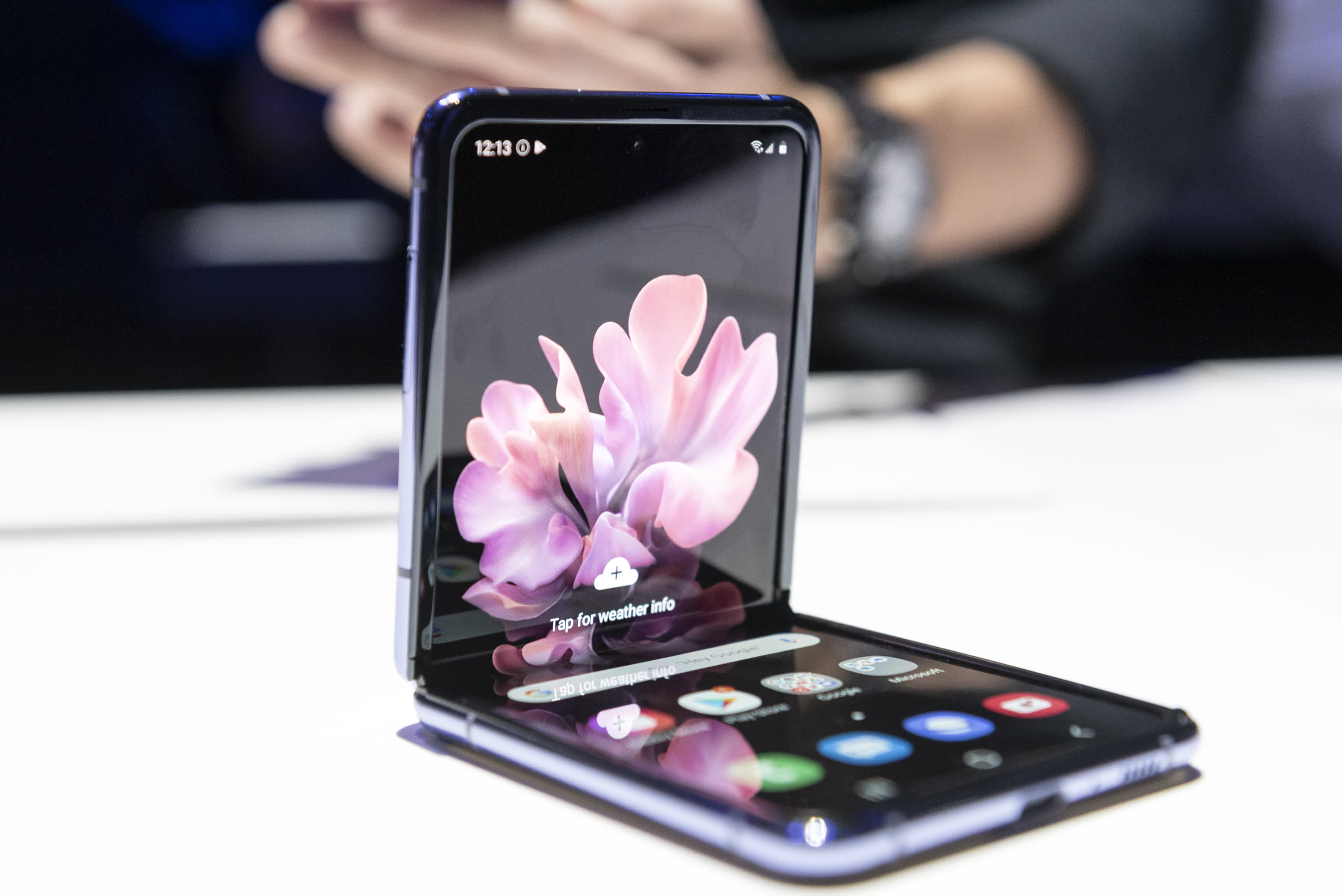
Another technological innovation that is redefining the smartphone landscape is foldable displays. These cutting-edge screens allow users to enjoy the convenience of a smartphone and a tablet in one device. By seamlessly transitioning between a compact smartphone and a larger tablet-sized display, foldable smartphones provide an immersive and versatile user experience. With improvements in durability and affordability, foldable smartphones are expected to become mainstream in the near future.
Artificial Intelligence (AI): Enhancing User Experience
Artificial Intelligence (AI) is revolutionizing smartphones by enhancing various aspects of the user experience. From advanced facial recognition for secure unlocking to intelligent voice assistants that can perform a wide array of tasks, AI is making our smartphones smarter and more intuitive. Machine learning algorithms within smartphones can understand user behaviors, preferences, and patterns to provide personalized recommendations, predict user needs, and improve overall performance.
Advanced Camera Systems: Perfecting Mobile Photography
Smartphone cameras have come a long way, and technological advancements continue to push the boundaries of mobile photography. Multiple lenses, larger sensors, and computational photography techniques are improving the image quality, low-light performance, and zoom capabilities of smartphone cameras. Furthermore, advancements in artificial intelligence are enabling features like night mode, portrait mode, and automatic scene recognition, making it easier for users to capture stunning photos and videos.
Biometric Authentication: Securing Your Smartphone
As smartphones become an integral part of our lives, privacy and security are of utmost importance. Biometric authentication methods such as fingerprint sensors, facial recognition, and even iris scanners are becoming increasingly common in smartphones. These technologies provide a convenient and secure way to unlock devices, authorize payments, and protect sensitive data. As biometric sensors become more accurate, reliable, and seamlessly integrated into smartphone designs, they will continue to play a crucial role in securing our digital lives.
The future of smartphones looks incredibly promising, thanks to these technological innovations that are changing the way we use and interact with these devices. With 5G connectivity, foldable displays, AI-powered features, advanced camera systems, and robust biometric authentication, we can expect smartphones to become even more powerful, versatile, and indispensable in the years to come. As technology continues to evolve, it's exciting to imagine the possibilities that lie ahead in the smartphone industry.
Regional Smartphone Trends: Cultural Influences and Preferences

Smartphones have become an integral part of our daily lives, connecting people, and serving as a gateway to a world of information. However, despite their global popularity, smartphone usage and preferences can vary significantly from one region to another. Cultural influences play a key role in shaping regional smartphone trends, making it essential for companies in the tech industry to understand and adapt to these variations.
East Asia: Leading the Way in Innovation
East Asia, consisting of countries like South Korea, Japan, and China, is renowned for its technological advancements, particularly in the smartphone industry. Japan's culture of innovation and attention to detail has led to the creation of high-quality devices with unique features. Japanese consumers often prioritize functionality, durability, and design, favoring devices that blend seamlessly with their modern lifestyle.
Meanwhile, South Korea is home to tech giants like Samsung and LG, known for their cutting-edge smartphones. The cultural value placed on collective identity and harmony has influenced the popularity of locally manufactured smartphones. Koreans often show brand loyalty and pride in supporting domestic companies.
China, the world's largest smartphone market, has its own distinct smartphone trends. Chinese consumers are highly responsive to changing trends and have a strong preference for value for money. Companies like Xiaomi and Huawei have gained significant market share by producing affordable yet feature-rich smartphones that cater to the needs of Chinese consumers.
Europe: Emphasizing Style and Functionality
European smartphone trends focus on a blend of style, functionality, and reliability. Countries like Germany, the United Kingdom, and France value sleek design, cutting-edge features, and a user-friendly interface. Companies such as Apple and Samsung dominate the European market due to their ability to balance style and performance.
In addition to aesthetics, European consumers place a high premium on privacy and data protection. The implementation of the General Data Protection Regulation (GDPR) in the European Union has prompted smartphone manufacturers to prioritize user privacy and offer advanced security features.
North America: The Pursuit of Innovation and User Experience
North America, led by the United States and Canada, is known for its tech-savvy population and early adoption of new technologies. In this region, innovation and user experience take center stage. Companies like Apple and Google constantly strive to introduce groundbreaking features and enhance the overall user experience.
American consumers prioritize sleek design, seamless integration with other devices, and access to a vast ecosystem of applications. The cultural emphasis on individualism and personal choice drives the demand for diverse smartphone options, catering to different user preferences.
Emerging Markets: Cost-Effectiveness and Adaptability
Emerging markets, including countries in Southeast Asia, Africa, and Latin America, present unique smartphone trends influenced by economic factors and cultural preferences. Cost-effectiveness and affordability play a crucial role in shaping consumer choices in these regions.
For many people in emerging markets, a smartphone is their primary device for internet access, communication, and even financial transactions. Therefore, durability, long battery life, and adaptability to local network conditions are key considerations.
In some regions, such as India, China, and Indonesia, the cultural relevance of local languages and dialects influences smartphone preferences. Companies have introduced devices with regional language support and built-in translation features to cater to these markets.
Understanding and adapting to regional smartphone trends and cultural influences are essential for companies seeking to enter or expand in different markets. By recognizing the unique preferences and priorities of consumers, tech companies can tailor their products and marketing strategies to meet the specific demands of each region.
The Rise of Smartphones and the Influencer Economy on Social Media

Over the past decade, smartphones have revolutionized the way we live and communicate. These pocket-sized devices have become an essential tool for individuals around the world, offering a wide range of features and capabilities. One significant impact of smartphones has been the rise of social media and the influencer economy.
In the era of smartphones, social media platforms have become a powerful medium for individuals to connect, share, and engage with others. Platforms such as Instagram, YouTube, and TikTok have gained massive popularity, giving birth to a new breed of content creators known as influencers.
Influencers are individuals who have amassed a significant following on social media platforms and have the power to influence the opinions and purchase decisions of their audience. They often specialize in specific niches, such as beauty, fashion, fitness, or technology, and create content that resonates with their followers.
The smartphone industry has been quick to recognize the potential of influencers in reaching their target audience. Smartphone brands often partner with influencers to promote their latest products and generate buzz around their brand. These partnerships typically involve the influencer creating content showcasing the smartphone's features, benefits, and user experience.
One reason why influencers have become a popular marketing tool for smartphone brands is their ability to humanize the product. Instead of relying solely on traditional advertisements, which can appear distant and impersonal, brands leverage influencers' authenticity and relatability to connect with their audience on an emotional level. By showcasing how they use the product in their daily lives, influencers can bridge the gap between the brand and the consumer, making the smartphone more appealing and aspirational.
Moreover, influencers have the ability to reach a highly targeted audience. They often have a niche following, consisting of individuals with specific interests or demographics. For example, a tech influencer focusing on smartphones may have a predominantly tech-savvy audience who are actively seeking information and recommendations on the latest devices. This level of specificity allows smartphone brands to reach consumers who are already interested in their product category, increasing the chances of conversion and sales.
In recent years, the influencer economy has evolved from individual creators to professional agencies and networks that connect brands and influencers. These platforms streamline the influencer marketing process, making it easier for smartphone brands to find suitable influencers for their campaigns. They provide influencer discovery tools, performance metrics, and negotiate deals, ensuring that collaborations are mutually beneficial for both parties.
In conclusion, smartphones have played a pivotal role in the rise of the influencer economy on social media platforms. Influencers have become valuable marketing assets for smartphone brands, allowing them to humanize their products, reach targeted audiences, and generate buzz around their brand. With the continuous growth of social media and the increasing dominance of smartphones in our lives, the influence of influencers is expected to continue expanding.
The Future of Smartphones: A Look into the Forecast

Smartphones have become an essential part of our lives, revolutionizing the way we communicate, access information, and stay connected in an increasingly digital world. As technology continues to evolve at a rapid pace, it is worth examining the future outlook and forecast for smartphones. In this section, we explore some of the key trends and developments that are likely to shape the future of smartphones.
- 5G Connectivity: One of the most significant advancements in the smartphone industry is the introduction of 5G connectivity. With its faster speeds and lower latency, 5G has the potential to transform the way we use smartphones. It will enable faster downloads, seamless streaming, and support for emerging technologies like augmented reality (AR) and virtual reality (VR). As 5G networks continue to expand globally, smartphones will increasingly leverage this technology, unlocking new possibilities for users.
- Foldable Displays: Foldable smartphones have made headlines in recent years, offering a new form factor and enhanced user experience. These devices feature flexible screens that can be unfolded to provide a larger display area. While foldable smartphones are still in the early stages of development and adoption, they hold immense potential for the future. As technology improves and prices become more affordable, we can expect foldable displays to become more mainstream, providing users with the benefits of a larger screen size without compromising portability.
- Artificial Intelligence (AI) Integration: AI has already started playing a significant role in smartphones, with virtual assistants like Siri, Google Assistant, and Alexa becoming commonplace. In the future, AI integration is likely to become even more prominent, allowing smartphones to better understand user behavior, personalize experiences, and assist with everyday tasks. AI-powered features such as facial recognition, voice commands, and smart recommendations will continue to enhance the smartphone experience, making devices more intuitive and user-friendly.
- Camera Innovations: The camera capabilities of smartphones have improved significantly over the years, and this trend is expected to continue. Manufacturers are increasingly focusing on improving the image quality, low-light performance, and zoom capabilities of smartphone cameras. The emergence of computational photography, which combines hardware and software advancements, is enabling features like night mode, portrait mode, and advanced image processing techniques. As camera technology continues to advance, smartphones are likely to become the primary camera choice for many users, further driving innovation in this space.
- Sustainability and Eco-friendly Initiatives: As consumer awareness about environmental sustainability grows, smartphone manufacturers are becoming more conscious of their impact on the planet. This has led to increased efforts to develop more eco-friendly devices. For example, companies are exploring materials like recycled plastics and sustainable packaging options. Additionally, there is a push towards extending the lifespan of smartphones through software updates and repairability, reducing electronic waste. In the future, we can expect smartphones to become more sustainable, aligning with the growing demand for environmentally-friendly products.
In conclusion, the future of smartphones looks promising, with advancements like 5G connectivity, foldable displays, AI integration, camera innovations, and sustainability initiatives driving the industry forward. As technology continues to evolve, smartphones are likely to become even more powerful, versatile, and user-friendly. By keeping an eye on these trends, both consumers and businesses can make informed decisions and stay ahead in an ever-changing market.
The Smartphone Revolution: Recap of Key Findings and Insights

Smartphones have undoubtedly become an indispensable part of our daily lives, revolutionizing the way we communicate, work, and interact with the world around us. Let's recap some key findings and insights that shed light on this groundbreaking trend.
- Rapid Adoption: The adoption of smartphones has skyrocketed over the past decade. According to Statista, there are over 3.8 billion smartphone users worldwide, and this number is expected to surpass 4 billion by 2023. The widespread accessibility, affordability, and convenience offered by smartphones have contributed to their rapid adoption.
- Growth in Mobile Internet Usage: Smartphones have given rise to the mobile internet revolution, enabling people to access the internet on the go. With faster network speeds and improved browsing experiences, mobile internet usage has surged. In fact, mobile devices now account for more than half of the global internet traffic. Mobile apps and social media platforms have become an integral part of our digital lifestyles.
- E-Commerce Transformation: Smartphones have transformed the way people shop. The rise of mobile commerce, or m-commerce, has led to a significant shift in consumer behavior. Mobile shopping apps and mobile-optimized websites have enabled users to shop on their phones, making purchases more convenient and accessible. As a result, retailers and e-commerce platforms have recognized the need to optimize their platforms for seamless mobile experiences.
- Digital Media Consumption: Smartphones have emerged as primary devices for consuming digital media content. People now spend a significant amount of time watching videos, listening to music, reading news, and consuming other forms of content on their smartphones. Popular streaming platforms, social media apps, and news aggregators have adapted their offerings to cater to the mobile-first audience, creating new opportunities for content creators and advertisers.
- Technological Advancements: Smartphone manufacturers have been continuously pushing the boundaries of innovation. Features such as high-resolution cameras, advanced biometric authentication, augmented reality, and artificial intelligence have become commonplace in modern smartphones. These advancements have not only improved user experiences but have also fueled new industries and services, such as mobile photography, mobile gaming, and mobile payment systems.
- Social Implications: The rise of smartphones has had profound social implications. They have transformed communication patterns, connecting people across geographical boundaries and providing platforms for social interactions. However, smartphone addiction, decreased face-to-face interactions, and concerns over privacy and data security have also been noted as potential downsides of this trend. It is crucial to strike a balance between leveraging the benefits of smartphones while being mindful of their impact on society.