

Unveiling the Surging Popularity of Cross Entropy: A Game-Changer in Machine Learning and Information Theory

Exploring the Popularity and Applications of Cross Entropy
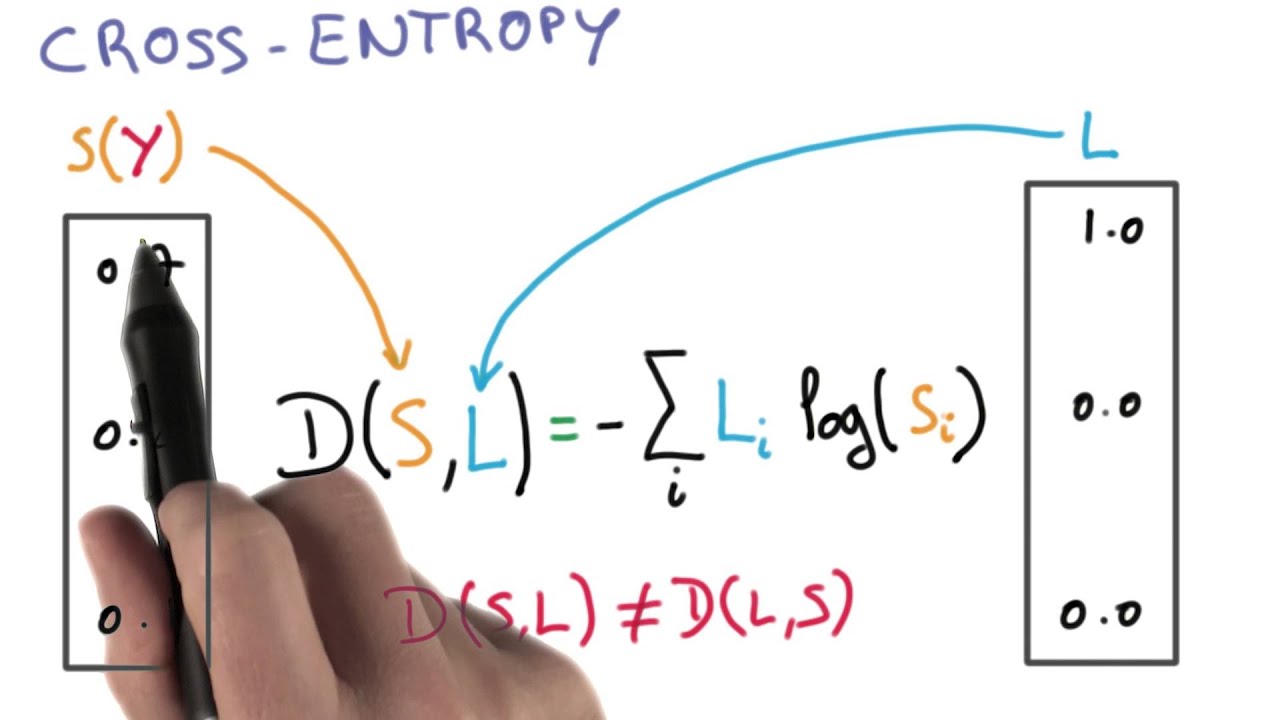
In the field of machine learning and artificial intelligence, cross entropy has emerged as a popular metric in recent years. This blog post aims to provide a brief explanation of what cross entropy is, delve into its origins, and discuss its growing popularity among various demographics.
Understanding Cross Entropy:
Cross entropy is a mathematical concept used to measure the difference between two probability distributions. It is commonly employed to evaluate the performance of classification models, particularly in the context of logistic regression and neural networks. By calculating the cross entropy, we can quantify how well a model's predicted probability distribution aligns with the actual observed distribution.
Origins of Cross Entropy:
The concept of cross entropy finds its roots in information theory, a branch of mathematics that focuses on data compression, transmission, and storage. It was introduced by Claude Shannon in the late 1940s as a measure of the average amount of information required to identify an event from a probability distribution. Over time, cross entropy became an integral part of various fields, including statistics, machine learning, and natural language processing.
Growing Popularity:
Cross entropy has gained significant popularity due to several key factors:
- Accuracy: Cross entropy provides a more accurate measure of model performance compared to simpler evaluation metrics like mean squared error in regression tasks or accuracy in classification tasks. It takes into account the uncertainty and probability distribution of outcomes, making it a more robust indicator of predictive performance.
- Flexibility: Cross entropy is a versatile metric that can be applied to a wide range of domains and problems. Whether it is sentiment analysis, image classification, or fraud detection, cross entropy can be used to measure the efficacy of models in capturing the underlying patterns and probabilities.
- Optimization: Cross entropy is closely associated with the optimization process in machine learning, particularly in training neural networks. Minimizing cross entropy is equivalent to maximizing the likelihood of obtaining the correct class labels, leading to improved model training and generalization capabilities.
- Industry Adoption: Cross entropy has gained widespread recognition and adoption in academia and industry alike. It serves as a standard evaluation metric in many machine learning competitions and benchmarks. Its popularity has also been fueled by the growing availability of user-friendly frameworks and libraries that facilitate its implementation.
In recent years, the popularity of cross entropy has soared, driven by its accuracy, flexibility, and its role in optimizing machine learning models. This metric has become an essential tool in the evaluation, training, and advancement of various applications within the field of artificial intelligence. As the demand for advanced machine learning techniques continues to rise, cross entropy remains at the forefront, enabling researchers and practitioners to push the boundaries of predictive modeling and decision-making.
Market Size and Growth of Cross Entropy: Exploring an Essential Concept in Machine Learning
In the field of machine learning, cross entropy is a fundamental concept that plays a crucial role in various applications. It is a mathematical measure used to quantify the difference between probability distributions, often utilized in classification tasks and neural networks. Understanding the market size and growth of cross entropy is essential for businesses and professionals involved in machine learning, as it provides insights into the adoption and demand for these techniques.
Market Size:
The market size of cross entropy can be analyzed by focusing on the machine learning industry as a whole. According to a report by Grand View Research, the global machine learning market size was valued at $8.43 billion in 2020 and is projected to reach $126.24 billion by 2027, registering a compound annual growth rate (CAGR) of 43.8% from 2020 to 2027.
Machine learning algorithms, including those that utilize cross entropy, are gaining significant traction across various sectors such as healthcare, finance, retail, and transportation. The increasing need for advanced analytics, predictive modeling, and pattern recognition is driving the adoption of machine learning technologies. As a result, the market size for cross entropy can be inferred to be a part of this larger market, demonstrating substantial growth potential.
Growth Factors:
Several factors contribute to the growth of the cross entropy market within the machine learning industry:
- Advancements in Artificial Intelligence (AI): The rapid developments in AI have led to the increased use of machine learning algorithms, driving the demand for cross entropy. AI-powered technologies, such as natural language processing and image recognition, rely on machine learning models that employ cross entropy to optimize the accuracy and efficiency of classification tasks.
- Data Explosion: The proliferation of digital data generated by individuals and businesses has created a demand for efficient data analysis techniques. Machine learning algorithms, including those utilizing cross entropy, enable organizations to extract valuable insights from large datasets, improving decision-making processes and operational efficiency.
- Industry-specific Applications: Cross entropy is particularly valuable in industries where accurate classification of data is crucial. For instance, in healthcare, cross entropy is used in disease diagnosis and identification of medical conditions based on various symptoms and patient data. Similarly, in finance, cross entropy helps in fraud detection and risk assessment.
The market size of cross entropy can be evaluated within the larger context of the machine learning industry, which is experiencing substantial growth globally. Advancements in AI, exponential data growth, and industry-specific applications contribute to the increasing adoption and demand for machine learning techniques utilizing cross entropy. As the machine learning industry continues to expand, the market for cross entropy is expected to witness significant growth in the coming years.
Exploring Consumer Demand and Preferences for Cross Entropy

In recent years, the concept of cross entropy has gained significant traction in various fields, including machine learning, statistics, and information theory. Cross entropy is a measurement used to quantify the difference between two probability distributions, making it a crucial tool in a range of applications, such as natural language processing, image recognition, and recommendation systems. In this section, we will delve into the consumer demand and preferences surrounding cross entropy, shedding light on its relevance and adoption in today's market.
Analyzing Consumer Demand:
As cross entropy primarily finds its utility in technical and data-driven fields, it is essential to assess the consumer demand from professionals working in these areas. The demand for cross entropy has significantly grown as more industries have started relying on data analysis and machine learning algorithms to inform their decision-making processes.
- Machine Learning Practitioners: Given its importance in machine learning, cross entropy has become a fundamental concept for practitioners and researchers in this field. Understanding and utilizing cross entropy aids in model training, optimization, and evaluation. Professionals working on machine learning projects continually seek efficient ways to measure the dissimilarity between predicted and actual outcomes, making cross entropy a valuable tool in their arsenal.
- Data Scientists and Statisticians: For data scientists and statisticians, cross entropy plays a crucial role in assessing the performance of predictive models. By using cross entropy as an evaluation metric, they can determine the accuracy and reliability of their models, ultimately helping organizations make informed decisions based on data analysis and insights.
- Software Developers: Cross entropy is also important to software developers, especially those involved in developing applications related to natural language processing, sentiment analysis, and recommendation systems. These developers rely on cross entropy to optimize their algorithms and ensure accurate predictions, which ultimately enhances user experiences and boosts customer satisfaction.
Preferences and Emerging Trends:
- Integration of Cross Entropy in Tools and Frameworks: There is a growing demand for tools and frameworks that simplify the calculation and implementation of cross entropy. As a result, various libraries and programming languages, such as Python's popular libraries like TensorFlow and PyTorch, have built-in functions for calculating cross entropy. This integration streamlines the development process and empowers practitioners to focus on extracting meaningful insights from their data.
- Education and Skill Development: With the increased adoption of cross entropy, there is a rising need for educational resources and training programs that cater to those interested in understanding and applying this concept effectively. Online courses, tutorials, and certifications focused on machine learning and data science often include comprehensive explanations and practical examples of cross entropy to meet this demand.
- Advancements in Cross Entropy Variations: Researchers are continually exploring and developing variations of cross entropy to address specific challenges and limitations in different domains. Some notable examples include sparse cross entropy, categorical cross entropy, and binary cross entropy. These variations are tailored to different use cases, making cross entropy a flexible and adaptable metric.
As the demand for data-driven insights continues to skyrocket, cross entropy has firmly established itself as a fundamental concept for professionals in machine learning, statistics, and related fields. The integration of cross entropy in software tools and frameworks, along with the availability of educational resources, further fuels its relevance and adoption. By understanding consumer demand and preferences surrounding cross entropy, businesses and professionals can stay ahead in an increasingly data-centric world.
Industry Players and Competition in the Cross Entropy Landscape
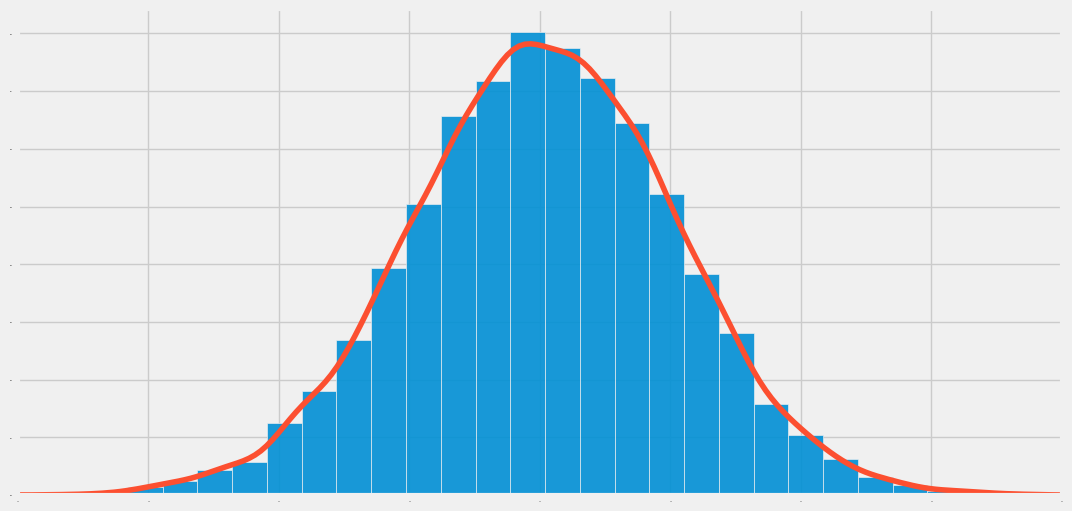
In the field of machine learning and artificial intelligence, cross entropy is a critical concept used to measure the difference between probability distributions. As this field continues to advance rapidly, the need for efficient cross entropy algorithms and techniques has grown exponentially. This has led to the emergence of several industry players and competition in the cross entropy landscape.
TensorFlow
Developed by Google, TensorFlow is arguably the most prominent player in the cross entropy domain. It is an open-source software library widely used for building and deploying machine learning models. TensorFlow provides a high-level API with a range of built-in functions for cross entropy calculations, making it easier for developers to incorporate cross entropy into their machine learning projects. TensorFlow's extensive community support and comprehensive documentation further contribute to its popularity.
PyTorch
PyTorch is another significant player in the cross entropy space. It is an open-source machine learning library developed by Facebook's AI Research Lab. PyTorch offers a dynamic computational graph, which allows for more flexibility in building complex neural networks. PyTorch includes functions for cross entropy loss calculation, making it a preferred choice for researchers and practitioners working on cutting-edge deep learning projects.
Keras
Keras is a high-level neural networks API written in Python. It gained popularity due to its simplicity, ease of use, and extensive functionality on top of TensorFlow. Keras provides convenient functions to calculate cross entropy loss, enabling developers to focus more on building models rather than spending time on mathematical operations. Keras' user-friendly interface and strong community support have made it a go-to framework for beginners and experienced machine learning practitioners alike.
MXNet
MXNet is a deep learning framework that combines both efficiency and flexibility. Developed by Apache, MXNet offers multiple language interfaces, including Python, allowing users to develop models in the language of their choice. With built-in functions for cross entropy loss calculations, MXNet simplifies the process of working with cross entropy in deep learning projects. MXNet's efficient computation and distributed training capabilities make it a competitive player in the cross entropy landscape.
Competition and Future Outlook
Although TensorFlow, PyTorch, Keras, and MXNet dominate the industry, the cross entropy landscape remains highly competitive, with new players continually emerging. These frameworks frequently introduce updates and improvements to their cross entropy algorithms, aiming to provide better performance and efficiency.
Furthermore, the rapid advancements in machine learning and artificial intelligence research continuously push the boundaries of cross entropy applications. As cross entropy finds increasing use in fields such as natural language processing, computer vision, and reinforcement learning, industry players are pushed to innovate and enhance their cross entropy algorithms to meet the demands of complex applications.
In conclusion, the field of cross entropy is characterized by strong competition among industry players such as TensorFlow, PyTorch, Keras, and MXNet. These frameworks have become instrumental in the development of machine learning models and facilitate efficient cross entropy calculations. As the field evolves, the competition is expected to drive further innovation and improvements in cross entropy algorithms, leading to more accurate and efficient models in the future.
Technological Innovation: Exploring the Power of Cross Entropy
Cross entropy is a concept that has found significant applications in various fields, including machine learning and information theory. As a measure of the difference between two probability distributions, cross entropy plays a fundamental role in optimizing algorithms and achieving efficient solutions. In recent years, technological innovation has leveraged the power of cross entropy, leading to advancements in several areas.
Machine Learning and Artificial Intelligence
Cross entropy is a crucial component in the field of machine learning and artificial intelligence (AI). One prominent application of cross entropy is in training neural networks through a process called "backpropagation." Backpropagation uses gradient descent to minimize the cross entropy between the predicted and actual outputs of a model.
By effectively quantifying the differences between predicted and true values, cross entropy helps neural networks learn and improve their accuracy over time. This technique has been employed in various AI applications, including natural language processing, computer vision, and recommendation systems.
Optimization Algorithms
Cross entropy has also been integral in advancing optimization algorithms, especially in evolutionary computation and genetic algorithms. These algorithms mimic the process of natural evolution to find optimal solutions to complex problems.
In these algorithms, cross entropy is used as an objective function to measure the fitness of solutions. By iteratively evaluating and selecting individuals based on their cross entropy scores, genetic algorithms efficiently explore and exploit search spaces, leading to improved solutions over time. This approach has been used in diverse domains, such as engineering, scheduling, and finance.
Information Theory and Data Compression
Cross entropy finds extensive use in information theory, particularly in data compression techniques. In data compression, the goal is to reduce the size of files or data streams without significant loss of information. Cross entropy can be used as a measure of how efficiently the compressed data represents the original data.
By calculating the average cross entropy between the true probability distribution of symbols in the original data and the compressed representation, data compression algorithms can assess their effectiveness. This has led to the development of advanced compression techniques used in various applications, ranging from multimedia compression to file archiving.
Reinforcement Learning
Cross entropy has also been applied in reinforcement learning, an area of machine learning concerned with training agents to make sequential decisions. Reinforcement learning agents learn to maximize rewards by interacting with an environment and observing the outcomes of their actions.
Cross entropy serves as a policy search method in reinforcement learning, allowing agents to find optimal strategies in multi-agent environments or complex tasks where traditional gradient-based methods may struggle. This approach has been valuable in areas such as robotics, game playing, and autonomous systems.
In summary, cross entropy has played a significant role in driving technological innovation across various domains. From enhancing machine learning algorithms to revolutionizing data compression techniques, cross entropy has proven its effectiveness in optimizing solutions and achieving efficient outcomes. As technology continues to advance, the applications of cross entropy are likely to expand further, contributing to new discoveries and breakthroughs in the future.
Cross Entropy: Regional Trends and Cultural Influences
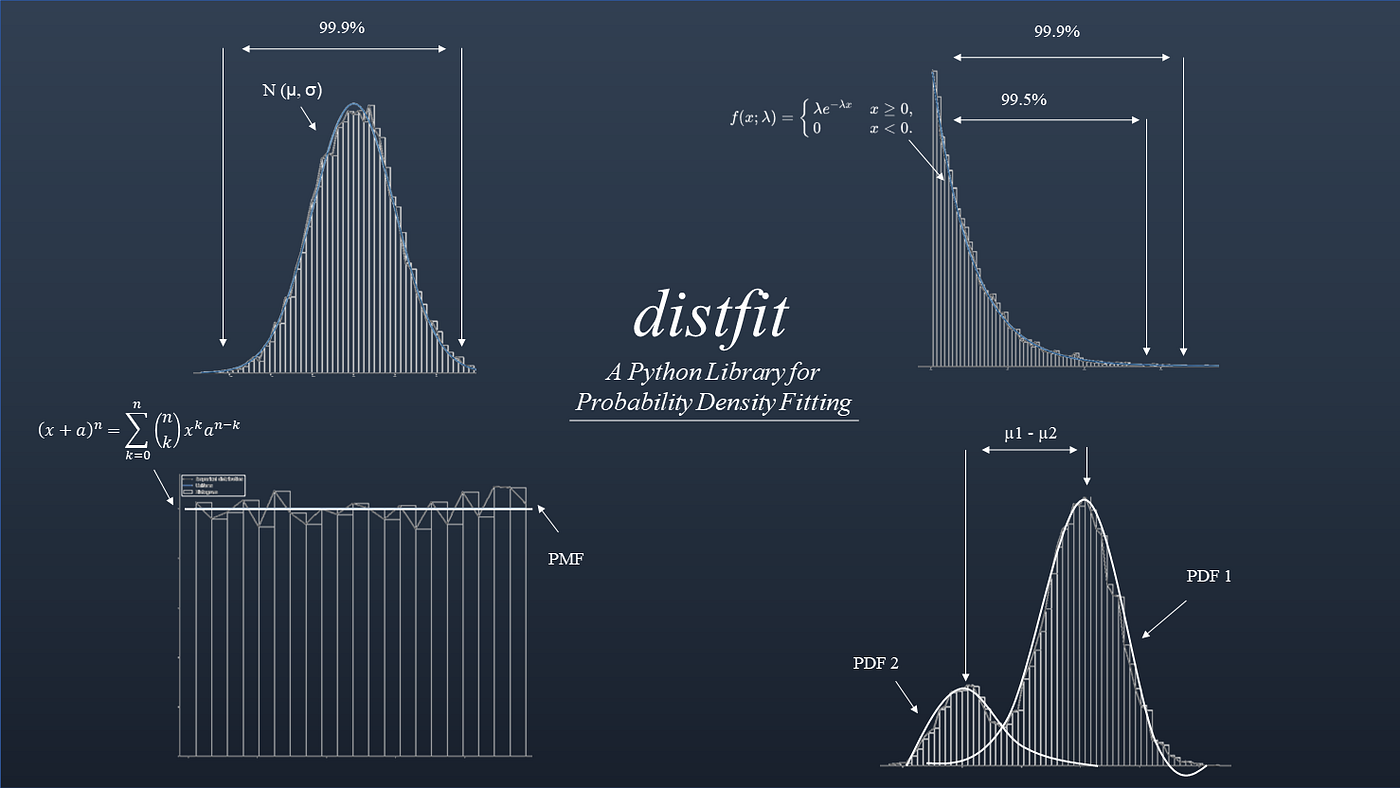
Cross entropy, a concept widely used in the field of information theory and machine learning, has a global significance in understanding and analyzing various scenarios. However, despite its universal applicability, regional trends and cultural influences can play a significant role in shaping the understanding and implementation of cross entropy in different parts of the world. Let's explore some
Academic Focus and Research Emphasis
Different regions may emphasize certain aspects of cross entropy based on the academic focus and research trends prevalent in those areas. For example, in North America and Europe, there is a strong focus on applying cross entropy to machine learning algorithms and natural language processing tasks. Research papers primarily focus on improving models and developing new algorithms to optimize cross-entropy-based objectives. On the other hand, in regions like East Asia, there is a notable emphasis on the theoretical underpinnings and mathematical foundations of cross entropy.
Influences of Cultural Context
Cultural context can significantly shape the interpretation and application of concepts such as cross entropy. For instance, in regions where collectivist cultures prevail, the idea of minimizing cross entropy might be approached differently compared to regions with more individualistic cultures. Collectivist societies may focus on minimizing cross entropy in order to enhance group cohesion and conformity, while individualistic societies may emphasize individual optimization and performance.
Industry Adoption and Technological Advancements
The adoption of cross entropy principles in different industries varies across regions. Technologically advanced regions, such as Silicon Valley in the United States or tech hubs in East Asia, tend to have a higher degree of adoption of cross-entropy-based machine learning models. This adoption is often fueled by the presence of a thriving tech ecosystem that supports innovative research and development.
Language and Localization Challenges
Cross entropy involves calculations and analysis of probability distributions and information content, and this process can be influenced by regional language and cultural nuances. Localization challenges can arise when translating concepts related to cross entropy, as different languages and cultures may have varying constructs and expressions for defining and explaining these concepts. This can impact the way cross entropy is understood and applied in different regions.
While cross entropy itself is a universal concept, its understanding, adoption, and interpretation can vary across different regions due to academic, cultural, industry, and linguistic factors. Recognizing these regional trends and cultural influences can help researchers, practitioners, and businesses to better understand how cross entropy is applied in different contexts, and may assist in identifying specific regional needs and challenges related to its utilization. Consequently, an awareness of these factors can contribute to more effective implementation and utilization of cross entropy worldwide.
Leveraging Social Media and Influencers to Simplify Cross Entropy

In the digital age, social media platforms have become powerful tools for individuals and businesses to connect, share information, and promote their products or services. With the rise of influencers, who have a significant following on these platforms, businesses now have the opportunity to reach a larger audience and leverage their influence to simplify complex concepts like cross entropy.
Understanding Cross Entropy
Cross entropy is a mathematical concept used in machine learning and information theory to measure the difference between two probability distributions. It finds applications in various areas such as natural language processing, data compression, and pattern recognition. While it is a powerful tool, cross entropy can be quite complex and challenging for the average person to grasp.
Using Social Media Platforms
Social media platforms, such as Instagram, Twitter, and YouTube, provide businesses with a dynamic space to engage with their audience and educate them on complex topics. By utilizing visually appealing graphics, videos, and concise explanations, businesses can simplify cross entropy-based concepts and make them more accessible to a wider range of people.
Creating Engaging Content
To effectively leverage social media platforms for simplifying cross entropy, it is important to create engaging and valuable content. Infographics, videos, and interactive posts are great ways to break down complex concepts into digestible bites. By using creative visuals and straightforward language, businesses can capture the attention and curiosity of their target audience.
Influencers as Knowledge Translators
Influencers, who have built substantial follower bases on social media platforms, possess the ability to simplify complex topics and bridge the gap between experts and the general public. Their authority and credibility grant them the power to demystify concepts like cross entropy and present them in a relatable and easy-to-understand manner.
Collaborating with influencers who have expertise in machine learning, data science, or information theory can prove highly beneficial. These influencers can utilize their technical knowledge to break down cross entropy and present it in a way that resonates with their audience.
Engaging the Community
Another effective strategy is to encourage interactions within the social media community. By asking questions, hosting live sessions, or starting discussions around cross entropy-related topics, businesses can foster a sense of community and encourage users to share their thoughts and perspectives. This engagement can further simplify the concept as individuals collectively work towards understanding and explaining the intricacies of cross entropy.
Social media platforms and influencers offer powerful tools to simplify complex concepts like cross entropy. By creating engaging content, collaborating with influencers, and fostering community engagement, businesses can not only enhance public understanding of cross entropy but also increase their brand visibility and reputation. Utilizing these platforms strategically can pave the way for a broader adoption of cross entropy concepts in various industries and sectors.
Future Outlook and Forecast for Cross Entropy
Cross entropy is a concept that has gained significant attention in recent years, especially in the field of artificial intelligence and machine learning. Its use as a loss function in various neural network architectures has proved to be effective in solving a wide range of complex problems. As a result, the future outlook for cross entropy looks promising, with several trends and forecasts pointing towards its continued growth and development.
Advancements in Deep Learning
Deep learning has been at the forefront of many technological advancements, enabling significant breakthroughs in areas such as image recognition, natural language processing, and recommendation systems. Cross entropy is a fundamental component in training deep neural networks, making it an integral part of the advancements in this field. As deep learning continues to evolve and expand into new domains, the demand for cross entropy as a loss function will likely increase.
Expansion into Various Industries
While cross entropy has found widespread use in computer vision and natural language processing, it is expected to expand into a range of other industries. As industries such as healthcare, finance, and manufacturing increasingly adopt artificial intelligence and machine learning, cross entropy will play a crucial role in optimizing models for specific tasks, such as disease diagnosis, fraud detection, and predictive maintenance. This expansion will drive the adoption of cross entropy in new applications, leading to its continued growth.
Focus on Uncertainty Estimation
In recent years, there has been a growing emphasis on uncertainty estimation in machine learning models. Uncertainty estimation is vital in applications such as autonomous driving, where it is necessary to assess the confidence of a model's predictions. Cross entropy, in combination with techniques like Bayesian neural networks and dropout, can provide valuable insights into model uncertainty. This focus on uncertainty estimation is likely to fuel further research and development around cross entropy and its applications.
Improvements in Training Techniques
As cross entropy is widely used in training neural networks, there is ongoing research to improve training techniques and mitigate common challenges associated with cross entropy loss, such as overfitting and gradient explosions/vanishing. Techniques like regularized cross entropy and various optimization algorithms, such as Adam and RMSProp, have emerged as effective means to address these issues. Continued advancements in training techniques will enhance the effectiveness and efficiency of cross entropy as a loss function.
Integration with New Architectures
As the field of deep learning constantly evolves, new architectures and frameworks emerge. Cross entropy has already become an integral part of architectures like convolutional neural networks and recurrent neural networks. In the future, as new architectures and frameworks gain popularity, they are likely to incorporate cross entropy or variations of it as a loss function. The integration of cross entropy with innovative architectures will further contribute to its growth and relevance.
In conclusion, the future outlook for cross entropy is highly optimistic. With the continuous advancements in deep learning, the expansion into various industries, a focus on uncertainty estimation, improvements in training techniques, and integration with new architectures, cross entropy is expected to remain a critical component in machine learning models. As the demand for artificial intelligence and machine learning continues to rise, so too will the application and importance of cross entropy as a loss function.
Key Findings and Insights: Cross Entropy for Machine Learning

Cross entropy is a vital concept in the field of machine learning that plays a significant role in optimizing predictive models. It measures the dissimilarity between two probability distributions and is widely used in training various types of models, including neural networks. By understanding the key findings and insights related to cross entropy, we can gain a clearer understanding of its importance and implications in machine learning.
Measure of Dissimilarity
One important finding regarding cross entropy is that it serves as a measure of dissimilarity between two probability distributions. When training a machine learning model, the goal is often to find the best possible set of parameters that minimize the difference between the predicted and actual distributions. Cross entropy provides a way to quantify this dissimilarity and guide the optimization process.
Loss Function
Cross entropy is commonly used as a loss function in machine learning models, particularly in classification tasks. It penalizes models for making inaccurate predictions by assigning higher values to instances where the predicted probabilities differ significantly from the true probabilities. By minimizing the cross entropy loss, models can learn to make more accurate predictions and improve their overall performance.
Information Theory
Cross entropy is rooted in information theory, a branch of mathematics that focuses on quantifying and analyzing information. It measures the amount of information gained or lost when switching from one probability distribution to another. This connection highlights the fundamental role of cross entropy in capturing the underlying information contained in the data and the model's predictions.
Application to Neural Networks
Neural networks, a popular and powerful class of machine learning models, heavily rely on cross entropy for training. In the context of neural networks, cross entropy is often used in combination with a softmax activation function and the backpropagation algorithm. The derivative of the cross entropy loss with respect to the model's parameters is used to update the parameters and iteratively improve the model's performance.
Relationship with Kullback-Leibler Divergence
Another important insight is the relationship between cross entropy and Kullback-Leibler (KL) divergence. KL divergence is a measure of how one probability distribution diverges from another. Cross entropy provides an upper bound on KL divergence, implying that minimizing cross entropy also minimizes KL divergence.