
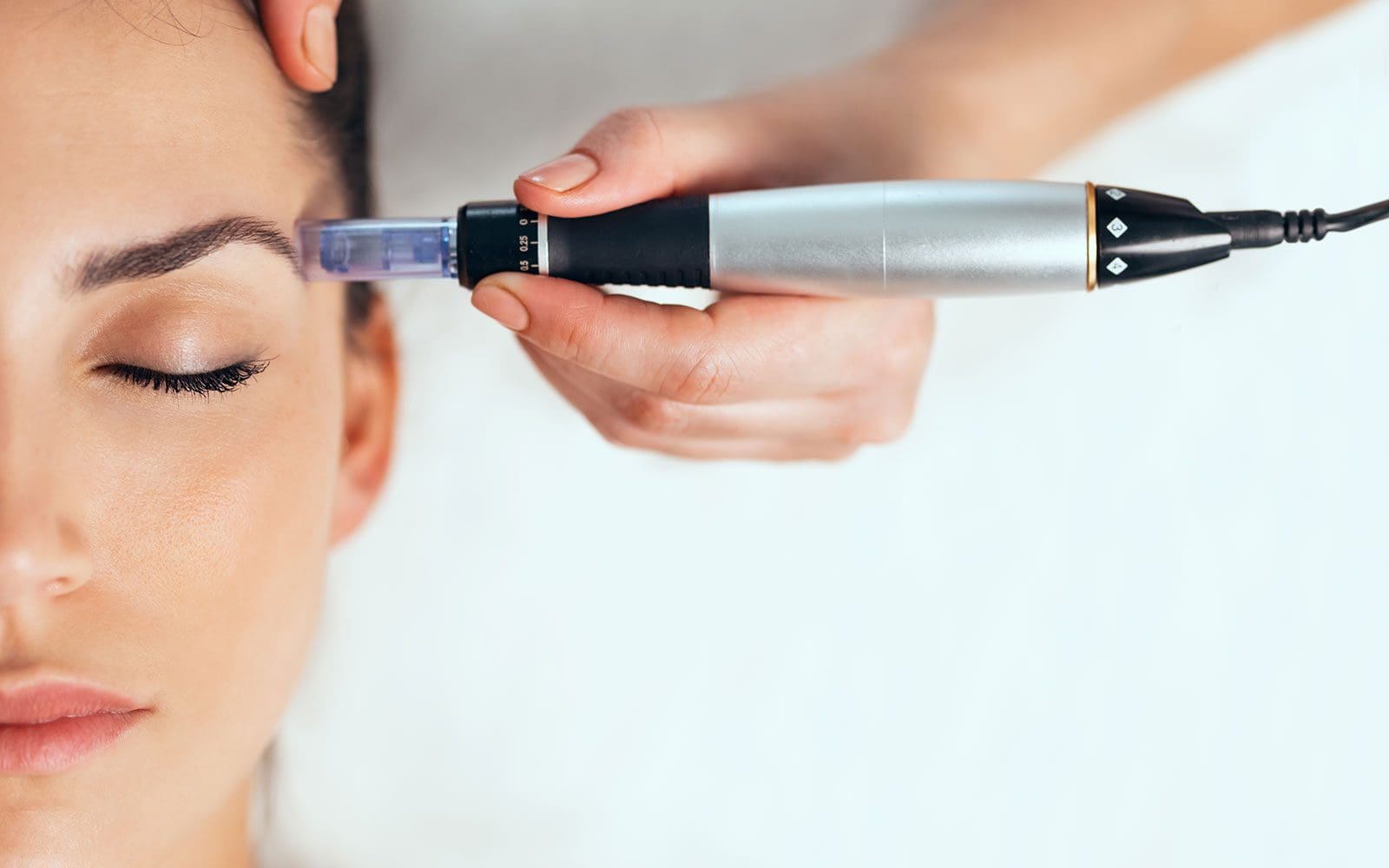
Unveiling the Surging Popularity of Microneedling: Why This Trend is Taking the Beauty Industry by Storm

The Rising Popularity of Microneedling: A Growing Trend in Skincare
In recent years, microneedling has emerged as an increasingly popular trend in the field of skincare. This innovative procedure involves using fine, sterilized needles to create tiny punctures in the skin, stimulating the body's natural healing processes. As a result, microneedling has gained traction and popularity among a diverse range of individuals seeking to address various skin concerns. Let's explore why microneedling has become such a sought-after treatment and its origins.
What is Microneedling?
Microneedling, also known as collagen induction therapy, is a minimally invasive cosmetic procedure that aims to improve the overall appearance and texture of the skin. The procedure typically involves a handheld device, such as a derma roller or a pen-like device, that contains numerous small needles. These needles create controlled micro-injuries to the skin's surface, which triggers the production of collagen and elastin fibers, essential components for skin repair and rejuvenation.
Origins of Microneedling:
Although microneedling has gained significant popularity in recent times, its origins can be traced back several decades. The concept of controlled skin injury via microneedles was first explored by a renowned South African dermatologist, Dr. Desmond Fernandes, in the early 1990s. Dr. Fernandes developed the technique as a means to deliver therapeutic substances into the skin more effectively. Over time, microneedling has evolved, with advancements in technology and widespread adoption by skincare professionals and dermatologists.
Growing Popularity among Various Demographics:
Microneedling's popularity can be attributed to its versatility and effectiveness in addressing a wide range of skincare concerns. It has gained a substantial following among individuals of various age groups and demographics, including:
- Mature individuals aiming to combat signs of aging: Microneedling can improve the appearance of wrinkles, fine lines, and sagging skin, helping to achieve a more youthful complexion.
- Individuals with acne scars or hyperpigmentation: Microneedling promotes collagen remodeling and enhances the skin's ability to regenerate, making it an effective treatment for reducing the appearance of acne scars and hyperpigmentation.
- People seeking skin rejuvenation and texture improvement: Microneedling has shown promising results in improving overall skin texture, reducing pore size, and enhancing skin smoothness.
- Individuals looking for a non-invasive skincare solution: Compared to more invasive treatments such as chemical peels or laser resurfacing, microneedling is a minimally invasive option that requires little downtime, making it appealing to those looking for a less intensive procedure.
Microneedling has gained significant popularity in recent years for its ability to address various skin concerns effectively. With its origins rooted in the early 1990s, this innovative skincare treatment has evolved and captured the attention of individuals seeking a non-invasive solution to improve their skin's appearance and texture. As microneedling continues to gain momentum, it is essential to stay updated with the latest advancements and industry insights to make informed decisions within the ever-changing landscape of skincare trends.
Market Size and Growth of Microneedling: A Rising Trend in Skincare
Microneedling, also known as collagen induction therapy, is an innovative skincare procedure that involves puncturing the skin with small needles to stimulate the production of collagen and elastin. This treatment has gained popularity in recent years due to its effectiveness in rejuvenating the skin and addressing various skin concerns, including wrinkles, scars, and hyperpigmentation.
The global microneedling market has witnessed substantial growth and is expected to continue expanding in the coming years. According to a report by Grand View Research, the market size for microneedling was valued at $146.4 million in 2020 and is projected to reach $368.7 million by 2028, growing at a compound annual growth rate (CAGR) of 12.1% from 2021 to 2028[^1^].
One of the key factors driving the growth of the microneedling market is the increasing demand for minimally invasive cosmetic procedures. Microneedling offers a non-surgical alternative to traditional skincare treatments, attracting individuals looking for effective and safer solutions. Furthermore, the expanding aging population and rising awareness of skincare among both men and women have fueled the demand for microneedling procedures.
The COVID-19 pandemic has also impacted the microneedling market, albeit with a temporary setback. Due to the restrictions imposed on non-essential healthcare services, many clinics and aesthetic centers had to temporarily close or limit their operations. However, as the situation improves and the restrictions are lifted, the market is anticipated to regain its momentum.
Geographically, North America currently dominates the microneedling market, accounting for the largest market share. This can be attributed to the high adoption rate of advanced skincare treatments, well-established healthcare infrastructure, and a booming beauty and wellness industry in the region. Europe is another significant market for microneedling, with countries like Germany, France, and the UK leading in terms of adoption.
The growing interest in microneedling has also sparked the development of various devices and products related to the procedure. The market is witnessing the introduction of advanced microneedling pens, derma rollers, and other tools, all aimed at improving user experience and enhancing treatment outcomes. Additionally, a wide range of skincare products formulated to complement microneedling, such as serums and creams, have gained popularity among consumers.
In conclusion, the market for microneedling is experiencing substantial growth and is projected to continue expanding in the coming years. The increasing demand for minimally invasive cosmetic procedures, rising awareness of skincare, and the development of advanced devices and products are driving the market's growth. As the skincare industry evolves, microneedling is likely to remain a prominent trend and a sought-after solution for individuals looking to achieve youthful and rejuvenated skin.
Unveiling the Growing Consumer Demand and Preferences for Microneedling
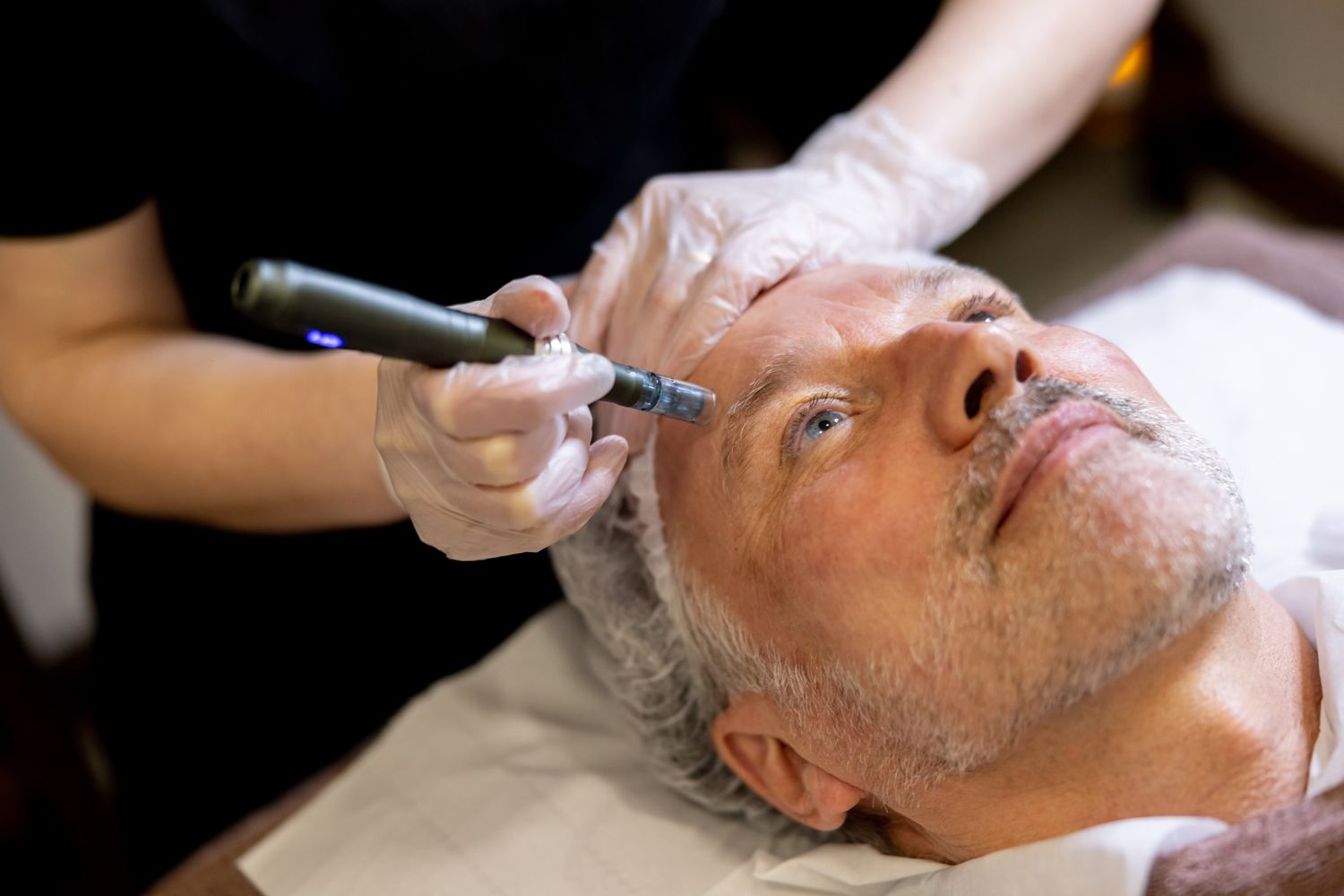
Microneedling, a minimally invasive cosmetic procedure, has gained significant popularity in recent years for its potential benefits in rejuvenating and enhancing the appearance of the skin. This innovative technique involves creating small puncture wounds on the skin's surface using fine needles to stimulate collagen production and promote skin renewal. As consumers increasingly prioritize skincare and seek non-surgical alternatives, their demand for microneedling procedures has surged. In this section, we will delve into the consumer preferences and the factors driving the rising popularity of microneedling.
- Skin Rejuvenation and Anti-Aging Benefits: One of the primary reasons consumers are flocking towards microneedling is its ability to address various skin concerns. From reducing the appearance of fine lines, wrinkles, and acne scars to improving skin tone and texture, microneedling offers a holistic approach to skin rejuvenation. With consumers' growing awareness and desire for youthful and flawless skin, microneedling has emerged as an effective treatment option.
- Non-Invasive Nature: Another key aspect that attracts consumers to microneedling is its non-invasive nature. Compared to surgical alternatives like facelifts or dermabrasion, microneedling involves minimal downtime and carries fewer risks. This aspect appeals to consumers seeking treatments with minimal disruption to their daily routines or work commitments.
- Cost-Effectiveness: Affordability is a crucial factor influencing consumer choices when it comes to cosmetic procedures. Compared to more costly alternatives like laser therapy or chemical peels, microneedling is relatively affordable, making it accessible to a broader consumer base. This makes it an attractive option for consumers seeking effective results without breaking the bank.
- Customizability and Versatility: Microneedling can be tailored to address specific skin concerns and can be performed on various parts of the body, including the face, neck, hands, and even scalp. This versatility appeals to consumers who want personalized treatments that cater to their unique needs. Additionally, microneedling can be combined with other skincare treatments, such as the application of serums or growth factors, further enhancing its appeal to consumers.
- Minimized Side Effects: Microneedling generally has minimal side effects when performed by trained professionals. This aspect has reassured consumers who might be concerned about potential complications or adverse reactions associated with more invasive procedures. However, it is essential for consumers to prioritize safety and seek reputable clinics or certified professionals for microneedling treatments to avoid any potential risks.
- Influencer and Celebrity Endorsements: The influence of social media and celebrity culture cannot be underestimated in driving consumer preferences for various products and services. The endorsement of microneedling by influential figures, such as skincare experts, beauty bloggers, and celebrities, has helped create buzz and generate interest among consumers. The visibility and promotion of microneedling on platforms like Instagram and YouTube have raised awareness and positioned it as a desirable treatment option.
As consumer demand for effective and non-invasive skincare solutions continues to grow, microneedling has witnessed a surge in popularity. With its ability to address various skin concerns, cost-effectiveness, minimal downtime, and versatility, microneedling captures the preferences of consumers seeking to enhance their natural beauty. Furthermore, the influence of social media, coupled with positive recommendations from beauty experts, has solidified microneedling's place as a trending topic within the beauty and skincare industry.
Industry Players and Competition in the Microneedling Market
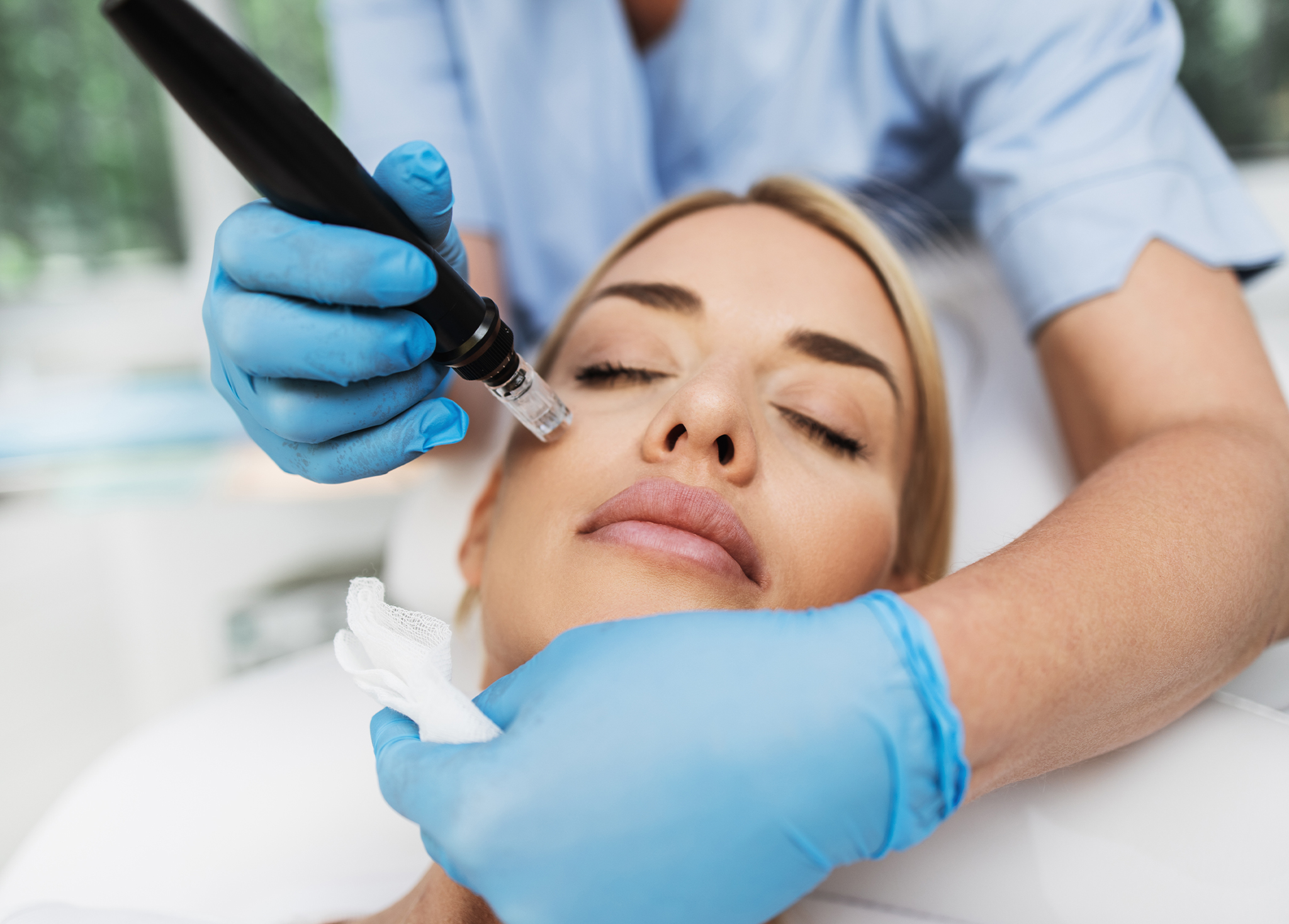
Microneedling, also known as collagen induction therapy, is a cosmetic procedure that involves using a device with multiple fine needles to puncture the skin and stimulate collagen production. This non-invasive treatment has gained significant popularity in recent years, as it offers various benefits such as reducing the appearance of wrinkles, acne scars, and hyperpigmentation.
In the rapidly growing microneedling market, several key players have emerged as industry leaders, driving innovation and competition. Understanding the landscape of these industry players is essential for businesses seeking to capitalize on this burgeoning trend.
Here are some prominent companies in the microneedling industry:
- DermaConcepts: DermaConcepts, the parent company of Dermaroller, is recognized as one of the pioneers in the field of microneedling. They offer a range of high-quality microneedling devices and related skincare products that are used by professionals worldwide. DermaConcepts' Dermaroller is widely regarded as a gold standard in microneedling.
- Bellus Medical: Bellus Medical is a leading player in the microneedling industry, offering innovative products such as SkinPen, a highly advanced microneedling device used by medical professionals. SkinPen is known for its precision and safety features, making it a popular choice among practitioners.
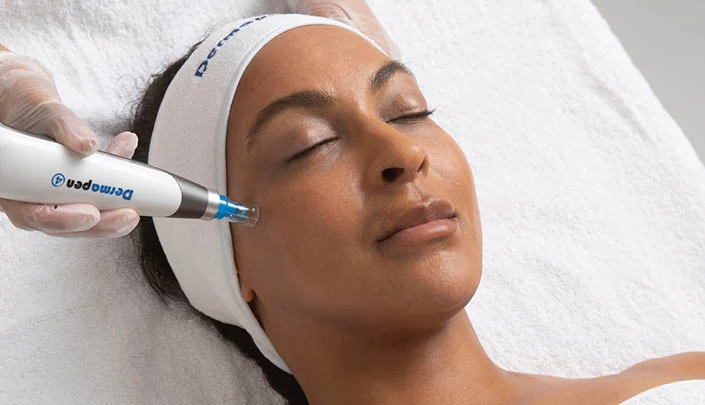
- Dermapen: Dermapen is a widely recognized name in the microneedling market, known for its FDA-cleared microneedling pen devices. Dermapen offers a range of devices that feature adjustable needle depth and speed settings, allowing practitioners to customize treatments based on individual needs.
- MD Needle Pen: MD Needle Pen is a reputable company that specializes in manufacturing high-quality microneedling pens and cartridges. Their devices are known for their precision and durability, making them a preferred choice for professionals looking for reliable tools.
- Skin Rejuvenation Technologies: Skin Rejuvenation Technologies is a key player in the microneedling industry, offering innovative devices such as ProCell Therapies. ProCell Therapies combines microneedling with advanced stem cell technology, providing an enhanced rejuvenation treatment for various skin concerns.
Competition in the microneedling market is driven by factors such as product quality, innovation, price, and market reach. As the popularity of microneedling continues to rise, more companies are entering the market with their own devices and skincare products. This competition fuels innovation and ensures that consumers have a wide range of options to choose from.
Apart from the established industry players, there are also smaller companies and startups entering the microneedling market. These new entrants often focus on niche segments or unique aspects of the microneedling process, offering specialized products and services.
As the microneedling industry expands, players are also investing in research and development to improve the efficacy and safety of their products. This ongoing innovation creates a competitive environment that benefits both professionals and consumers, leading to advancements in technology and the development of new treatment options.
Overall, the microneedling market is filled with a diverse range of industry players who are driving the growth and competition in this field. Businesses looking to enter or expand in this market must carefully analyze their competitors and differentiate themselves through product quality, innovation, and effective marketing strategies.
Technological Innovation in Microneedling: Revolutionizing Skincare
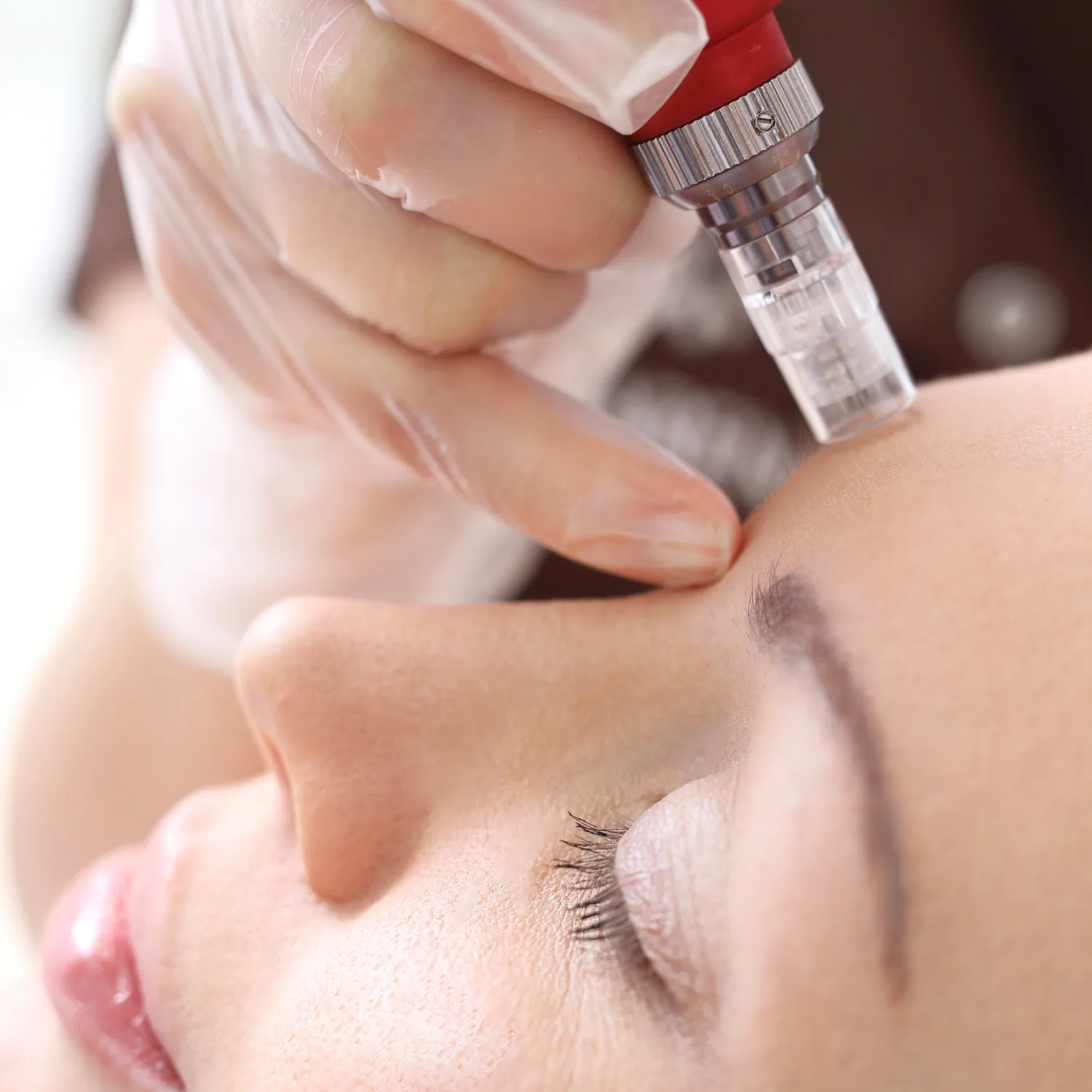
Microneedling, a cosmetic procedure that involves using tiny needles to puncture the skin and stimulate collagen production, has been gaining popularity in recent years. As technology continues to advance, there have been several noteworthy innovations in the field of microneedling, revolutionizing the way skincare treatments are carried out and enhancing their effectiveness.
Automated Microneedling Devices:
One significant technological advancement in microneedling is the development of automated devices. These devices feature a motorized system that rapidly moves the needles up and down, allowing for precise and consistent penetration depth across the treatment area. This automated mechanism not only ensures better control during the procedure but also reduces the discomfort experienced by patients. Furthermore, these devices often come equipped with adjustable needle length settings to customize the treatment according to individual skincare needs.
Microneedling Pen with Radiofrequency Technology:
Combining the benefits of microneedling with radiofrequency (RF) technology has been another notable innovation. The addition of RF energy to microneedling treatments promotes collagen remodeling and skin tightening. This dual-action approach maximizes the rejuvenating effects on the skin, leading to improved skin texture, reduction in fine lines and wrinkles, and overall skin rejuvenation. The RF energy helps enhance the penetration of active ingredients, allowing for better absorption and thereby optimizing the results of the microneedling procedure.
Microneedling with LED Therapy:
Integrating light-emitting diode (LED) therapy with microneedling has emerged as a cutting-edge innovation in skincare. LED therapy involves using different wavelengths of light to stimulate various cellular processes within the skin.
When combined with microneedling, LED therapy can target specific skincare concerns such as acne, hyperpigmentation, and signs of aging. By combining the two modalities, microneedling with LED therapy offers a comprehensive solution for addressing various skin issues and accelerating the healing process.
Nanotechnology in Microneedles:
Nanotechnology has also made its way into the world of microneedling. Microneedles, traditionally made of stainless steel or plastic, are now being manufactured using biodegradable materials encapsulating active ingredients. These nanoneedles can deliver the active ingredients precisely to the desired depth in the skin, enhancing their efficacy. This technology opens up opportunities for targeted and controlled delivery of skincare substances, such as vitamins, peptides, and hyaluronic acid, resulting in improved treatment outcomes.
Intelligent Microneedling Systems:
With the rise of artificial intelligence (AI) and machine learning, intelligent microneedling systems have emerged in the market. These systems leverage AI algorithms to analyze and interpret skin data, allowing practitioners to customize treatments according to individual patient needs. By automatically adjusting variables like needle length, penetration depth, and treatment duration, intelligent microneedling systems offer optimal treatment outcomes tailored specifically for each patient.
In conclusion, technological innovation in microneedling has paved the way for more effective and personalized skincare treatments. From automated devices to the integration of RF technology, LED therapy, nanotechnology, and AI, these advancements have revolutionized the field of microneedling. As the industry continues to grow, staying informed about the latest technological trends can help both skincare professionals and individuals seeking improved skin health stay ahead of the curve in this ever-evolving field.
Regional Trends and Cultural Influences on Microneedling
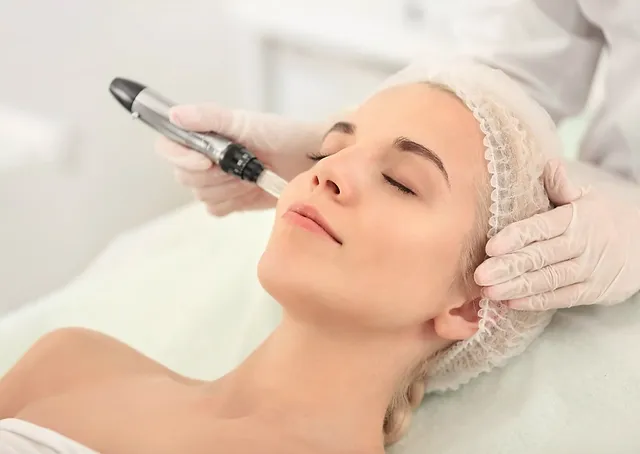
Microneedling, a cosmetic procedure that involves creating tiny puncture wounds in the skin to stimulate collagen production, has gained significant popularity in recent years. While the technique itself remains relatively consistent across regions, certain regional trends and cultural influences can impact the adoption and perception of microneedling.
Cultural beauty ideals:
Cultural beauty ideals vary widely across regions, influencing the popularity and perception of microneedling. In some cultures, youthful and flawless skin is highly valued, leading to a greater demand for skin rejuvenation procedures like microneedling. For example, in countries with an emphasis on beauty and youthfulness such as South Korea and Japan, microneedling has gained significant traction as part of their extensive skincare routines.
Skincare rituals and traditions:
Regional skincare rituals and traditions often shape the acceptance and adoption of microneedling. For instance, traditional Asian skincare rituals, which focus on achieving radiant and clear skin, have contributed to the popularity of microneedling in the region, as it aligns with their skincare philosophies. In contrast, regions with different skincare traditions may show slower adoption rates.
Climate and environmental factors:
The climate and environmental conditions of a region can impact the demand and suitability of microneedling. In dry and arid regions, where maintaining skin hydration is crucial, microneedling may be embraced as a treatment to address moisture retention and hydration. On the other hand, in humid regions, where excessive oiliness is a common concern, microneedling may be less popular due to the perception that it could exacerbate oil production.
Influencer and celebrity endorsements:
The endorsement of microneedling by local influencers, celebrities, and beauty experts is instrumental in driving trends and popularity. In different regions, the influence of certain celebrities can significantly impact the perception and adoption of microneedling. For instance, if a popular celebrity in a particular region showcases their positive experience with microneedling, it is likely to create a ripple effect and increase the procedure's popularity.
Safety regulations and cultural beliefs:
Regional differences in safety regulations and cultural beliefs can also affect the acceptance of microneedling. Some regions may have stricter regulations regarding the use of medical devices, including microneedling devices, which can impact their availability and usage. Additionally, cultural beliefs and practices regarding invasive cosmetic procedures may also play a role in the acceptance and uptake of microneedling.
Understanding the regional trends and cultural influences on microneedling is crucial for businesses and practitioners in the skincare industry. By recognizing these factors, companies can tailor their marketing strategies and adapt their messaging to better resonate with specific cultural preferences and regional demands.
The Rise of Microneedling: From Dermatologist Offices to Social Media Influencers
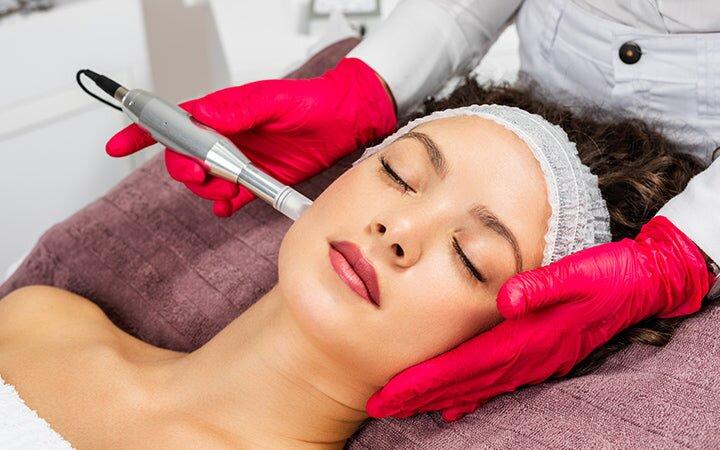
Microneedling, a skincare treatment that involves using tiny needles to puncture the skin, has gained immense popularity in recent years. While this technique has been used for decades in dermatologist offices to rejuvenate the skin, it has now caught the attention of social media influencers who are driving its widespread adoption.
Social Media as a Catalyst
Social media platforms such as Instagram and YouTube have become the go-to channels for influencers to share beauty and skincare tips with their followers. Microneedling has emerged as a trending topic on these platforms, with influencers enthusiastically discussing their personal experiences and showcasing their transformed skin.
Influencers as Skin Care Advocates
One of the main reasons microneedling has gained traction through influencers is their ability to provide a personal touch and create relatability. Influencers are seen as trusted sources of information, often sharing their own journeys with skincare products and treatments. By documenting their microneedling experiences, influencers create a sense of authenticity and build trust among their followers.
Educating and Demystifying Microneedling
Influencers play a significant role in educating their audience about microneedling, breaking down the process and debunking any myths or misconceptions surrounding it. Through detailed explanations and video demonstrations, they help demystify the treatment and make it more approachable for those considering it.
Product Recommendations and Reviews
In addition to sharing information, influencers also recommend specific microneedling products and devices to their followers. Whether it's a particular brand of derma roller or a serum to use during the treatment, influencers provide valuable insights into the options available in the market. Their reviews and recommendations help consumers make informed decisions and choose products that align with their needs.
Creating Hype and Driving Adoption
The influence of social media cannot be underestimated when it comes to popularizing trends and treatments. As influencers create buzz around microneedling, curious followers are drawn to explore this skincare technique. This exposure leads to an increase in the number of people seeking microneedling treatments, ultimately driving adoption and growing the market.
The Impact on the Industry
The rise of microneedling propelled by social media influencers has disrupted the skincare industry. Manufacturers have launched innovative microneedling devices and products specifically targeting the influencer market. Furthermore, aesthetics practitioners and dermatologists have seen an uptick in demand for microneedling treatments, as consumers are now more aware and knowledgeable about the technique.
Social media influencers have played a pivotal role in the popularization of microneedling. By leveraging their platforms to educate, demystify, and promote the treatment, they have successfully turned microneedling into a trending topic and a sought-after skincare technique. As the influence of social media continues to grow, it will be interesting to observe how it shapes the future of skincare and other beauty trends.
The Future Outlook of Microneedling: A Promising Trend in Skincare
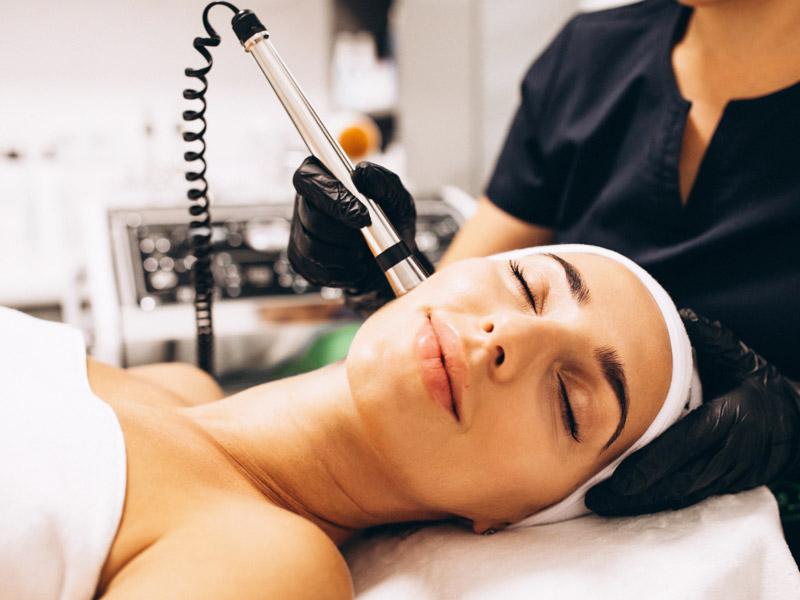
Microneedling has gained significant popularity in recent years as a non-invasive skincare treatment used to address various skin concerns. The procedure involves using a device with tiny needles to create microchannels on the skin's surface, stimulating collagen production and enhancing product absorption. While it is difficult to predict the future with absolute certainty, several factors suggest that microneedling is likely to continue growing as a prominent trend in the skincare industry.
- Increasing demand for non-invasive skincare solutions: Consumers are increasingly seeking non-invasive alternatives to traditional skincare treatments, such as surgery or lasers. Microneedling provides a minimally invasive option that promotes natural collagen production, making it an attractive choice for individuals looking to improve the appearance and health of their skin without undergoing more invasive procedures.
- Advancements in technology and devices: As technology continues to advance, so do the devices used for microneedling. Manufacturers are constantly improving the effectiveness, safety, and user-friendliness of the devices, leading to better results and a more comfortable experience for patients. These advancements will likely continue to drive the popularity of microneedling by making the procedure more accessible and efficient.
- Rising awareness of the benefits: Microneedling has gained significant attention in the beauty industry due to its ability to address a wide range of skin concerns. From reducing fine lines and wrinkles to improving skin texture and minimizing scars, the treatment offers versatile benefits. As awareness of these benefits continues to spread through social media, beauty blogs, and word-of-mouth, more individuals are likely to seek out microneedling as part of their skincare routine.
- Growing market for at-home microneedling: In addition to professional microneedling treatments, there is a rise in the availability and popularity of at-home microneedling devices. These devices allow individuals to perform the treatment in the comfort of their own homes, offering convenience and cost savings. The at-home microneedling market is expected to expand as more people become aware of the benefits and seek accessible alternatives.
- Integration with other skincare innovations: Microneedling is often combined with other skincare innovations, such as the use of serums, hyaluronic acid, or platelet-rich plasma (PRP), to enhance treatment outcomes. These combinations, sometimes referred to as "vampire facials" or "microneedling with PRP," have gained traction and are expected to further contribute to the growth of microneedling as a trend in the skincare industry.
While microneedling shows promising growth potential, it is worth noting that the success and widespread adoption of this trend will depend on factors such as continued research, regulation, and consumer satisfaction. As with any emerging trend, it's essential for industry professionals and consumers to stay informed about the latest developments and seek out reputable sources to ensure safe and effective use of microneedling techniques and devices.
In conclusion, microneedling is a trend that is likely to flourish in the coming years due to increasing demand for non-invasive skincare solutions, advancements in technology, rising awareness of its benefits, the growing market for at-home devices, and its integration with other skincare innovations. As the industry continues to evolve, it will be fascinating to observe how microneedling further establishes itself as a key player in the skincare market.
Key Findings and Insights of the Microneedling Trend
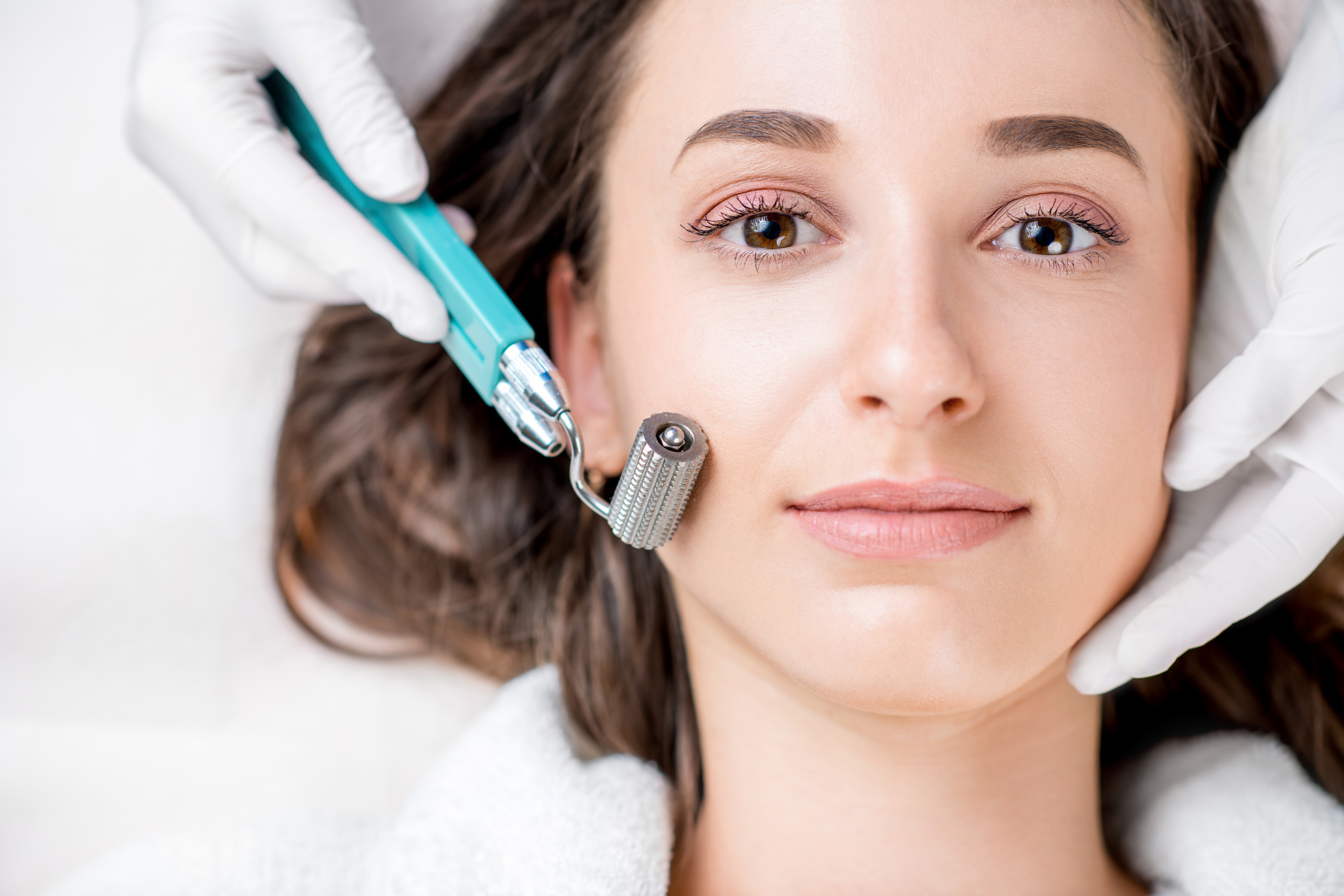
Microneedling, also known as collagen induction therapy, is a skincare treatment that has gained significant popularity in recent years. This trend involves a handheld device with tiny needles that create controlled micro-injuries to the skin, stimulating collagen and elastin production. Here are the key findings and insights regarding the microneedling trend:
- Growth in Demand: Microneedling has experienced a significant increase in demand. According to a report by Grand View Research, the global microneedling market size is expected to reach $1.4 billion by 2028, driven by factors such as technological advancements and increasing awareness about skincare treatments.
- Effective Treatment for Skincare Concerns: Microneedling is effective in treating various skincare concerns, including acne scars, wrinkles, stretch marks, hyperpigmentation, and uneven skin texture. By promoting collagen production, the treatment can improve the overall appearance and texture of the skin.
- At-Home Microneedling Devices: The rise of at-home microneedling devices has contributed to the trend's popularity. These devices provide a more affordable and convenient alternative to professional treatments. However, it's important to note that professional microneedling sessions under the supervision of skincare experts provide more precise and tailored results.
- Combination with Skincare Ingredients: Many microneedling treatments incorporate the use of skincare ingredients, such as hyaluronic acid, vitamin C, or retinol, to enhance the results. These ingredients can penetrate deeper into the skin through the microchannels created by the needles, maximizing their efficacy.
- Positive Customer Experiences: Customers who have undergone microneedling treatments often report positive experiences. Many have noticed improvements in the texture, firmness, and overall appearance of their skin. However, individual results may vary depending on skin type and the specific concern being addressed.
- Increased Awareness of Treatment Safety: Microneedling is generally considered safe when performed by trained professionals or using validated at-home devices. However, it is essential to follow proper hygiene practices and use sterile needles to minimize the risk of infection or other complications.
- Emergence of Microneedling in Professional Salons and Spas: Microneedling is now offered by various professional salons and spas, broadening the accessibility of the treatment. This shift allows individuals to receive microneedling services from licensed estheticians or dermatologists who can provide personalized guidance and monitor progress.
- Adoption by Men: Microneedling is increasingly being adopted by men as part of their skincare routine. This trend reflects a growing interest among men in maintaining healthy and youthful-looking skin.