

Unveiling the Surging Trend of Dog Anxiety: Exploring Causes, Solutions, and Expert Insights

Understanding the Rising Trend of Dog Anxiety: Exploring Causes and Popularity
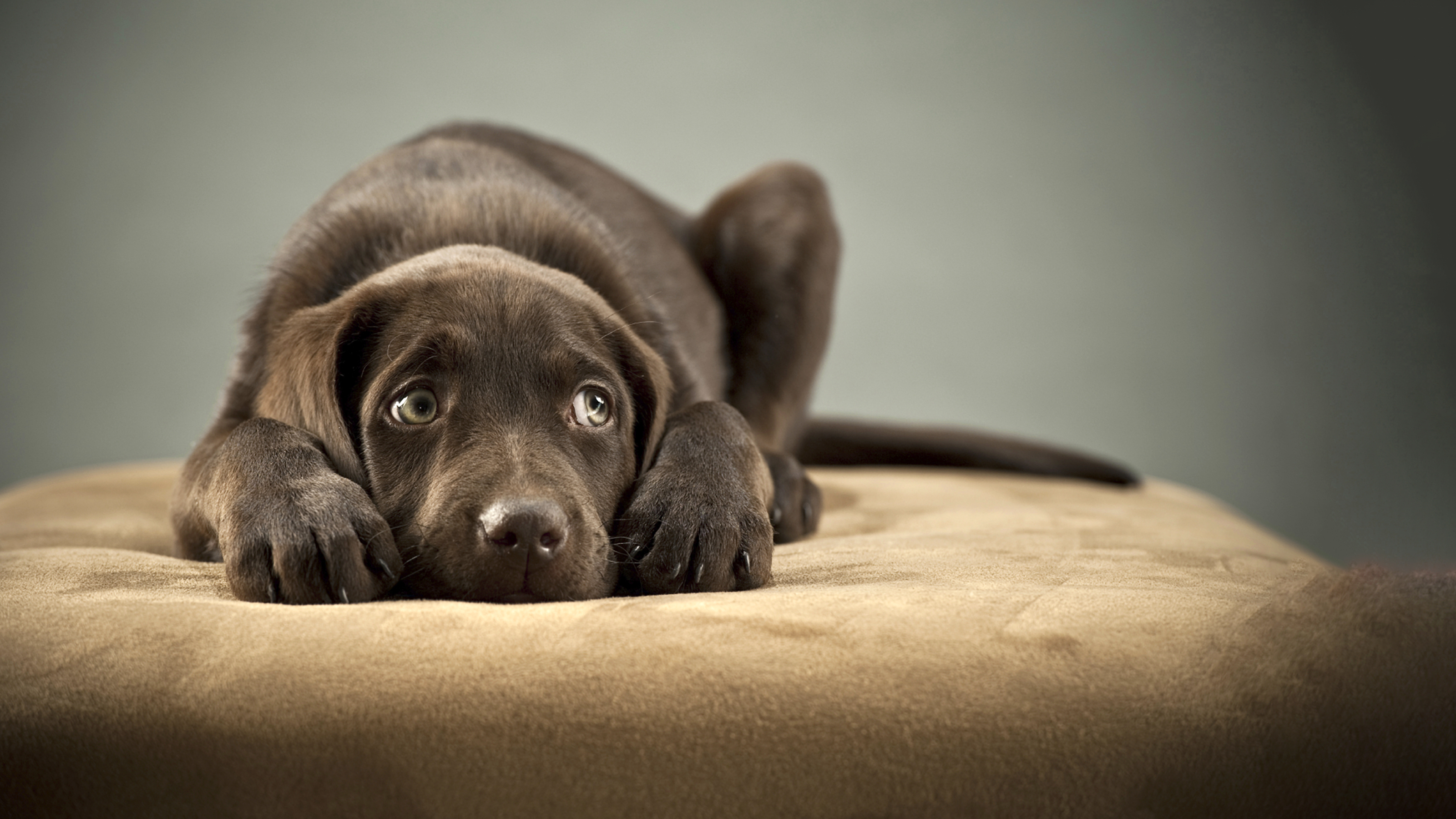
In recent years, there has been a noticeable increase in the prevalence of dog anxiety. Pet owners are increasingly seeking solutions to address their dogs' anxiety-related behaviors, as well as searching for preventative measures. Understanding the origins and causes of this trend is crucial for addressing the needs of dog owners and promoting the well-being of their furry companions.
Defining Dog Anxiety:
Dog anxiety refers to a state of distress or unease experienced by canines. It can manifest in various ways, including excessive barking, destructive behaviors, aggression, trembling, and attempts to escape. These anxious behaviors often stem from fear, separation anxiety, past traumatic experiences, or a lack of proper socialization.
Origins of Dog Anxiety:
Several factors contribute to the rise in dog anxiety. Firstly, changes in modern lifestyles have resulted in busier schedules and decreased time spent with pets, leading to an increase in separation anxiety among dogs. The advent of digital technology, which often leads to reduced physical interaction, can also impact a dog's emotional well-being.
Moreover, the increased awareness and understanding of dog anxiety contribute to more accurate diagnoses. In the past, anxious behaviors may have been misinterpreted as mere disobedience, resulting in inadequate treatment. The growing knowledge on this issue has allowed pet owners and professionals in the veterinary and behavioral science fields to identify and address anxiety-related concerns more effectively.
Popularity Among Demographics:
The trend of dog anxiety is not limited to a specific demographic; instead, it spans across various segments of the population. Urban areas, where dogs may experience heightened stimuli and less space to exercise, often report higher anxiety levels. Similarly, individuals who live alone or have busy work schedules may find it challenging to provide the necessary attention and stimulation to their canine companions, contributing to increased anxiety levels.
Moreover, as the concept of dog-human bonds strengthens, owners are becoming more attuned to their pets' mental health. This awareness fuels a desire to address anxiety-related issues promptly and compassionately. Additionally, a growing body of research suggests similarities between human and canine anxiety, prompting dog owners to seek solutions that address their pets' emotional well-being.
The rising popularity of dog anxiety indicates the need for increased awareness and effective solutions to support the mental health of our canine companions. By understanding the origins and causes of this trend, we can develop strategies and interventions that alleviate anxiety-related behaviors, improve the overall well-being of dogs, and strengthen the bond between pets and their owners. Through ongoing research and care, we can ensure that our furry friends lead happier, healthier lives.
Market Size and Growth of Dog Anxiety
Dog anxiety is a growing concern among pet owners, with an increasing number of dogs experiencing anxiety-related symptoms. Factors such as urbanization, a rise in single-pet households, and changes in lifestyle have contributed to the growing prevalence of dog anxiety. This section will explore the market size and growth of dog anxiety and provide insights into the potential opportunities it presents.
Market Size
The market size for dog anxiety products and services has been expanding steadily over the years. According to a study conducted by the American Pet Products Association (APPA), nearly 70% of U.S. households own a pet, with dogs being the most popular choice. With approximately 63 million American households owning a dog, the potential market for dog anxiety products and services is significant.
The pet industry as a whole has been experiencing continuous growth, and the segment focused on pet wellness and mental health is no exception. A report by Grand View Research estimated the global pet care market to be worth $257 billion in 2020, and it is projected to reach $370 billion by 2027. Within this market, the segment catering to anxiety-related products and services for dogs is expected to witness substantial growth.
Market Growth
The increasing awareness and understanding of dog anxiety among pet owners and the broader public have propelled the growth of this niche market. As more pet owners recognize the signs and symptoms of anxiety in their dogs, the demand for effective solutions has surged.
In recent years, there has been a surge in the development and availability of dog anxiety products and services. Treatments range from behavioral training and pheromone-based calming aids to anxiety wraps and natural remedies. Additionally, the market has seen the introduction of wearable technology, such as anxiety-monitoring collars, which provide real-time data on a dog's anxiety levels.
The impact of the COVID-19 pandemic has also contributed to the growth of the dog anxiety market. With people spending more time at home due to lockdowns and work-from-home arrangements, they have developed closer relationships with their pets. This increased bond has made pet owners more attuned to their dogs' anxiety and willing to invest in their well-being.
Furthermore, as society becomes more attuned to mental health issues, the stigma surrounding anxiety in animals is slowly fading. Pet owners are seeking accessible and effective solutions to improve their dogs' mental health, further driving the growth of the market.
Opportunities
The growing market for dog anxiety presents several opportunities. Companies that develop innovative products, such as interactive toys designed to reduce anxiety or technological solutions that monitor and manage anxiety levels, have the potential to capture a significant market share.
Apart from product innovation, service-oriented businesses focused on dog anxiety, including dog trainers specializing in anxiety, pet sitters with expertise in anxiety management, and specialized doggy daycare centers, can tap into this expanding market.
Furthermore, the market size and growth of dog anxiety present opportunities for research and development aimed at better understanding the causes and treatment of anxiety in dogs. This could lead to the development of more effective and personalized solutions, further fueling market growth.
In conclusion, the market size for dog anxiety products and services is substantial and continuing to grow. Increased awareness, technological advancements, and societal shifts have contributed to the rising demand for solutions to alleviate dog anxiety. Businesses that are innovative and cater to this expanding market have the potential to thrive in the coming years.
Understanding Consumer Demand and Preferences for Dog Anxiety Products
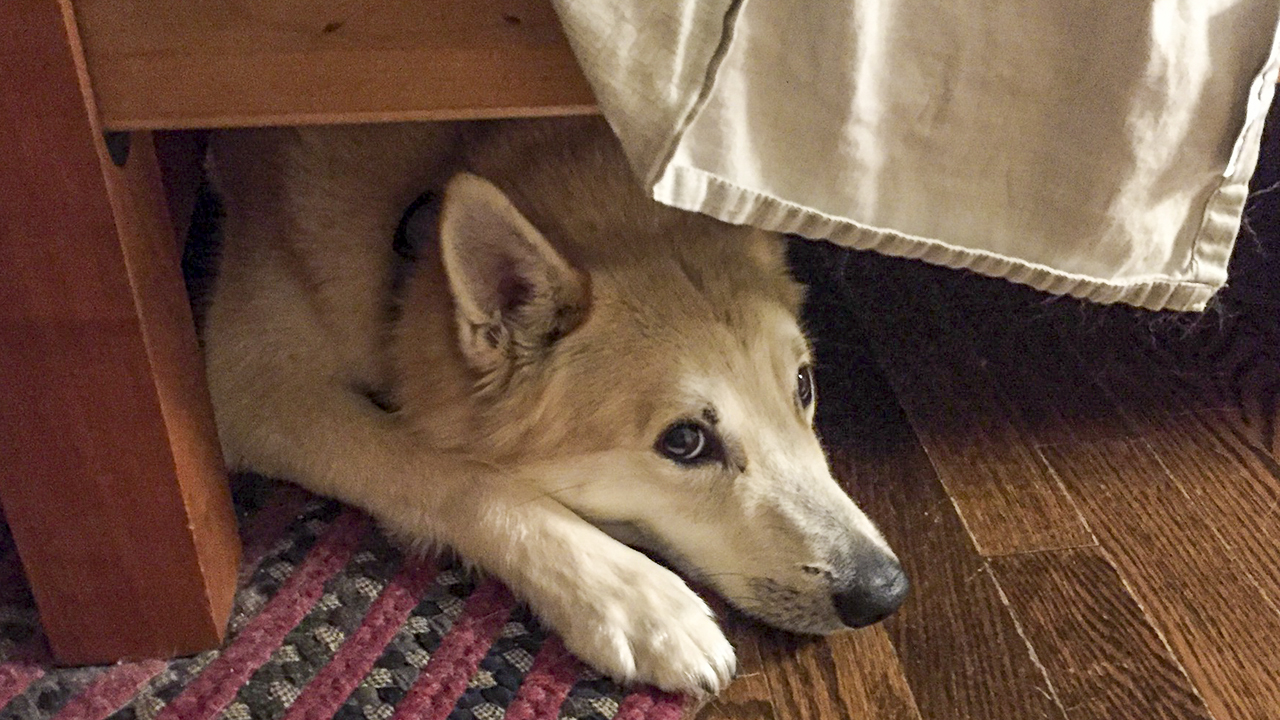
Dog anxiety is a common issue that affects many pet owners. Whether it's separation anxiety, fear of thunderstorms, or other phobias, addressing these concerns is crucial to improving the overall well-being of our furry companions. As such, there has been a growing demand for products and solutions that specifically target dog anxiety.
Natural and Herbal Remedies
One preference among pet owners is the use of natural and herbal remedies to alleviate dog anxiety. This growing trend can be attributed to a desire for a more holistic approach that minimizes potential side effects associated with prescription medications. Products such as CBD oil, lavender-infused sprays, and herbal supplements like chamomile have gained popularity for their calming effects on dogs.
Comforting and Soothing Products
Comforting products that help create a safe and secure environment for dogs experiencing anxiety have also gained traction among pet owners. Thundershirts, for example, are designed to provide a gentle, constant pressure that helps to calm anxious dogs. Similarly, calming coats, beds, and mats with orthopedic features that promote relaxation and sleep are on the rise.
Interactive Toys and Puzzles
Another aspect of addressing dog anxiety involves mental stimulation. Interactive toys and puzzles have become popular among pet owners as a means to distract and engage dogs during anxiety-inducing situations. These toys stimulate problem-solving skills and can provide entertainment, both of which can help reduce anxiety levels.
Sound Therapy
Sound therapy is increasingly recognized as an effective method for soothing anxious dogs. Products like white noise machines, music specifically composed for dogs, and specially engineered calming soundtracks can help mask distressing noises and create a more relaxed environment. These products are designed to counteract triggers such as fireworks or loud noises that often exacerbate anxiety in dogs.
Behavioral Training and pheromone diffusers
Many pet owners prefer addressing dog anxiety through behavioral training methods, either independently or with the assistance of a professional trainer. Training techniques such as desensitization and counter-conditioning can help dogs overcome their fears and anxieties through positive reinforcement.
Additionally, pheromone diffusers, such as Adaptil, use synthetic pheromones that mimic the calming scents produced by mother dogs. These diffusers can help create a sense of security and reduce anxiety in dogs.
Understanding consumer demand and preferences for dog anxiety products allows us to cater to the needs and preferences of pet owners looking for effective solutions. As the awareness of dog anxiety continues to grow, the market is likely to see further innovations and advancements in products that help address this common issue. By providing natural remedies, comforting products, interactive toys, sound therapy options, and behavioral training solutions, the pet industry can better serve owners seeking ways to alleviate their dogs' anxiety and ensure their overall well-being.
Industry Players and Competition in the Dog Anxiety Market
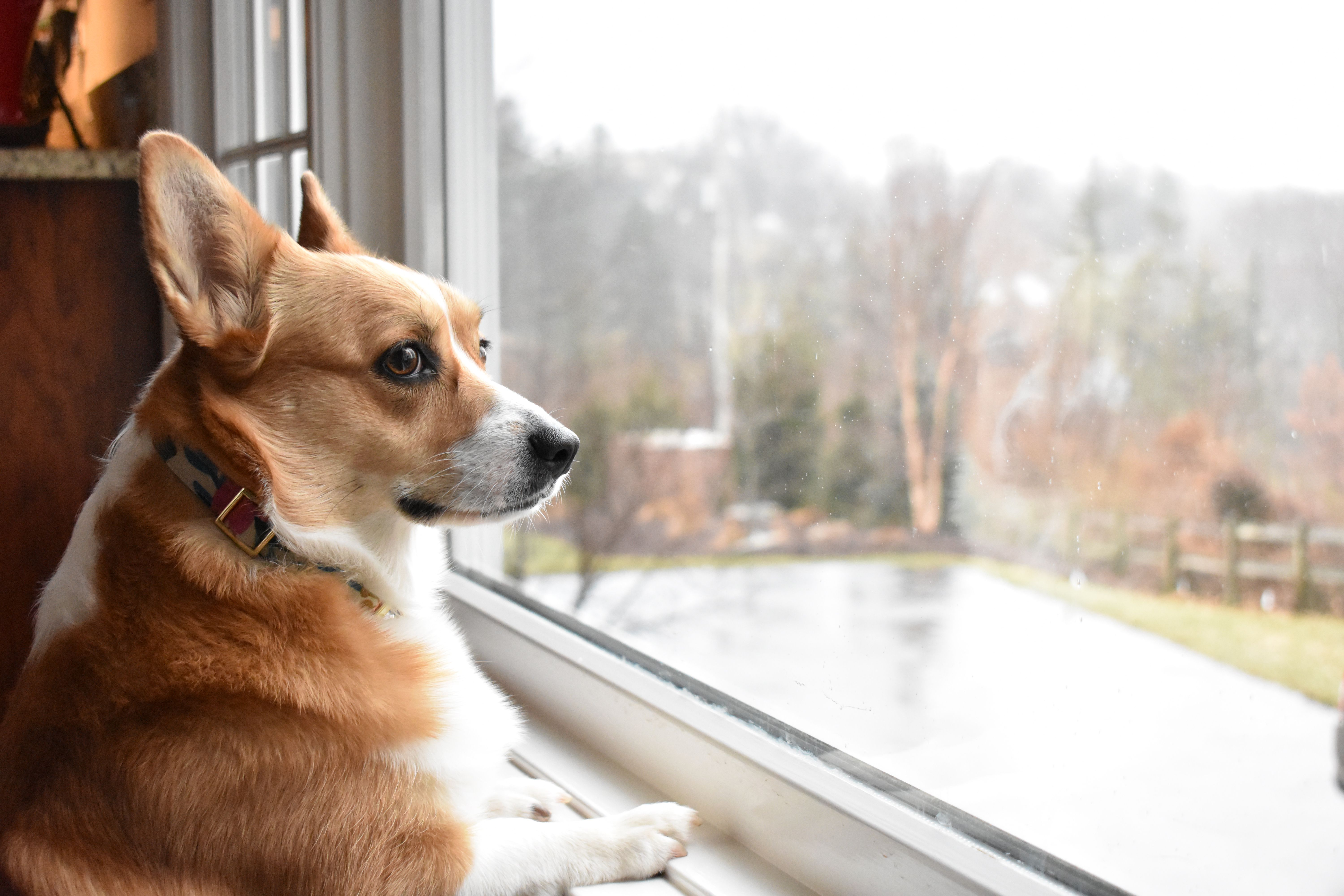
The market for products and services related to dog anxiety has grown rapidly in recent years, as more pet owners recognize the importance of addressing their dogs' emotional well-being. This article explores the key industry players and the intense competition in the dog anxiety market.
Industry Players
Pet Pharmaceutical Companies
Pet pharmaceutical companies play a significant role in the dog anxiety market by developing and marketing medications specifically designed to alleviate anxiety in dogs. These companies invest heavily in research and development to create effective and safe medications that meet the needs of pet owners. Some well-known players in this segment include:
- Zoetis: Zoetis is one of the leading global animal health companies known for developing medications for both companion animals and livestock. Their product, Sileo, is an FDA-approved gel that helps calm dogs during anxiety-provoking events.
- Elanco: Elanco is a prominent player in the animal health industry, offering a wide range of products for pets, including those targeting anxiety. Their flagship product is Cerenia, a medication primarily used to prevent motion sickness in dogs but also effective in reducing anxiety.
Natural Supplements and Products
As many pet owners seek natural alternatives to medication, the market for natural supplements and products targeting dog anxiety has expanded rapidly. These companies focus on creating calming products using herbs, essential oils, and other natural ingredients. Some notable players in this segment are:
- Thundershirt: Thundershirt is a popular brand that offers products like shirts and wraps that apply gentle, constant pressure to a dog's body, providing a calming effect during periods of stress or anxiety.
- Rescue Remedy: Rescue Remedy, produced by Bach Flower Remedies, is a natural anti-anxiety solution for pets. It contains a blend of flower essences known for their calming properties, and it can be administered orally or added to a dog's food or water.
Competition
The dog anxiety market is highly competitive, with both established companies and startups vying for a share of the market. Factors contributing to competition in this market include:
- Product Innovation: Industry players are continually developing new and innovative products to address dog anxiety, such as smart collars that monitor a dog's stress levels or novel formulations of calming treats. This drive for innovation fuels competition as companies strive to differentiate themselves.
- Brand Recognition: Established companies that have built strong brand recognition have a competitive advantage. Pet owners are more likely to trust well-known brands when it comes to the well-being of their furry companions.
- Pricing Strategies: Pricing is another area of competition. Some companies may offer more affordable options, while others position themselves as premium brands, emphasizing the quality and effectiveness of their products.
- Distribution Channels: Companies that have established distribution networks in pet stores, vet clinics, and online platforms have a competitive advantage. Access to multiple channels allows them to reach a broader customer base and gain market share.
The dog anxiety market attracts a diverse range of industry players, including pet pharmaceutical companies and those offering natural supplements and products. Amidst intense competition, companies strive to innovate, build brand recognition, and offer competitive pricing to capture a share of this growing market. As pet owners become more aware of and concerned about dog anxiety, this market is expected to continue expanding, offering new opportunities for existing and emerging industry players.
Technological Innovations for Alleviating Dog Anxiety
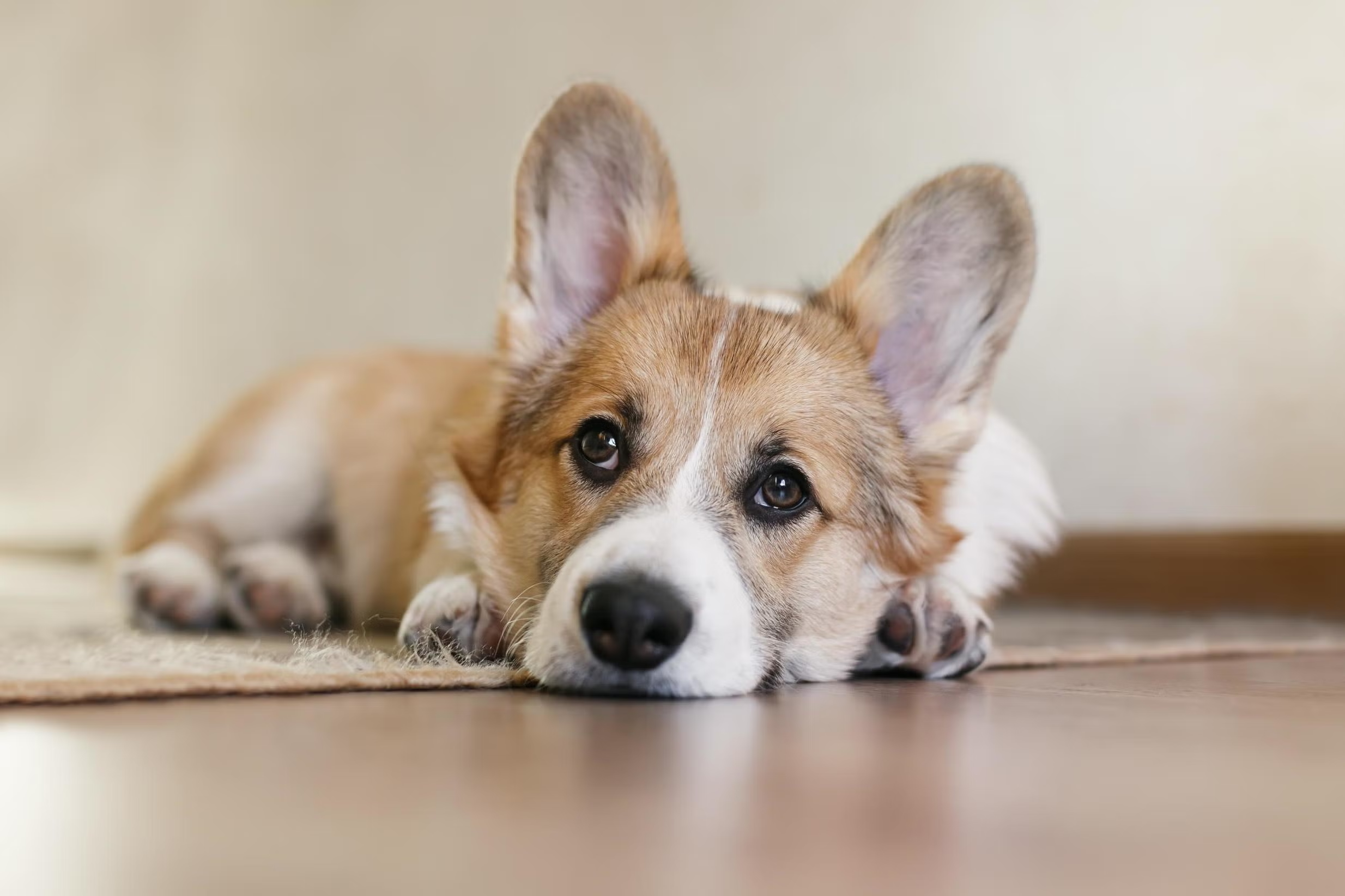
Dogs are known for their loyalty and companionship, but like humans, they can also experience anxiety and stress. Whether it's separation anxiety, fear of loud noises, or social anxiety, these emotional issues can have a significant impact on a dog's well-being. Fortunately, technological innovations have emerged to help dog owners alleviate their furry friends' anxiety and improve their quality of life.
Anxiety-Reducing Wearables
Just like humans can benefit from wearable technology, dogs can too! One technological innovation that is gaining traction in the market is anxiety-reducing wearables for dogs. These wearables typically take the form of vests or wraps that apply gentle, constant pressure to the dog's body, similar to the sensation of being hugged or swaddled. This deep touch pressure has been shown to have a calming effect and can help relieve anxiety in dogs. Some anxiety-reducing wearables also incorporate techniques such as aromatherapy or soothing sounds to further promote relaxation.
Interactive Toys and Treat Dispensers
Keeping a dog mentally stimulated can be an effective way to reduce anxiety. Interactive toys and treat dispensers have come a long way in recent years, thanks to technological advancements. These toys are designed to engage the dog's senses and provide mental stimulation through various features such as puzzles, hidden compartments, or even remote control functionality. For example, some toys allow owners to dispense treats remotely, providing a rewarding and anxiety-reducing experience for their dogs, even when they're not at home.
Anxiety-Monitoring Apps
Technology has enabled the development of smartphone applications that help dog owners monitor and manage their pets' anxiety levels. These apps use various sensors, such as heart rate monitors or microphones, to detect signs of anxiety and stress in dogs. They can provide real-time feedback on the dog's physiological and behavioral states, allowing owners to take necessary actions to calm their pets. Some apps even offer guided relaxation exercises or virtual dog walkers to help alleviate anxiety when the owner is away.
Virtual Reality (VR) Therapy
Virtual Reality (VR) technology has expanded beyond gaming and entertainment to offer potential therapeutic benefits for dogs with anxiety. VR therapy for dogs involves creating immersive virtual environments that are safe and anxiety-free. This technology has been particularly beneficial for dogs with specific anxieties, such as fear of thunderstorms or fireworks. By exposing dogs to virtual simulations of anxiety-inducing stimuli in a controlled environment, VR therapy helps desensitize them to triggers and reduce their anxiety over time.
Calming Music and Sound Therapy
Sound has a profound impact on emotions, and dogs are highly responsive to auditory stimuli. Various technological innovations have focused on using calming music and sound therapy to alleviate dog anxiety. There are specialized speakers and sound systems designed specifically for dogs, emitting frequencies and patterns known to have a calming effect on their nervous systems. Additionally, there are smartphone apps and online platforms that offer curated playlists of soothing music and soundscapes created specifically for anxious dogs.
As technology continues to advance, the range of innovative solutions for alleviating dog anxiety expands. These technological innovations provide dog owners with effective tools to better understand, monitor, and address their pets' emotional well-being. By leveraging these advancements, dog owners can help reduce anxiety and improve the overall quality of life for their beloved four-legged companions.
Regional Trends and Cultural Influences on Dog Anxiety
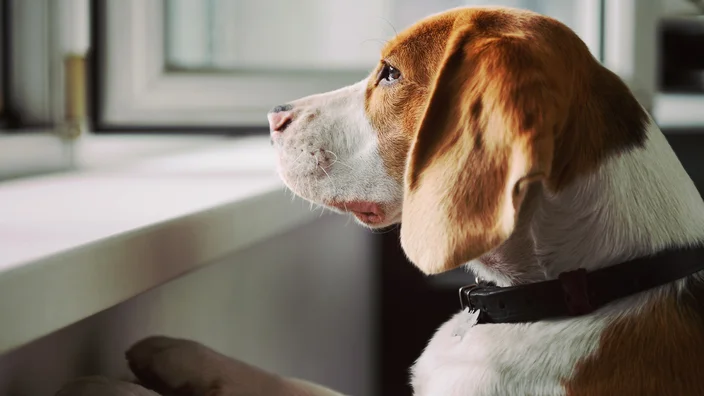
Dog anxiety is a common issue faced by pet owners worldwide. While the causes and symptoms of dog anxiety may be universal, certain regional trends and cultural influences can impact the prevalence and management of this condition. Understanding these factors is key to providing effective support for dogs experiencing anxiety.
Urban vs. Rural Environments
One regional trend that can influence dog anxiety is the contrast between urban and rural environments. Dogs living in urban areas are often exposed to high levels of noise, crowded spaces, and a fast-paced lifestyle. These factors can contribute to increased levels of anxiety in urban dogs. Conversely, dogs in rural environments may have more room to roam freely, which can help reduce anxiety levels.
Cultural Attitudes Towards Dogs
Cultural attitudes towards dogs can significantly impact the prevalence and management of dog anxiety. In some countries, dogs are regarded primarily as working animals or guardians and may have less exposure to socialization and training. This lack of socialization can contribute to increased anxiety levels in dogs from these cultures. In contrast, cultures that prioritize the socialization and training of dogs may have lower instances of anxiety-related behaviors.
Climate and Seasonal Influences
Another aspect to consider is the influence of climate and seasonal changes on dog anxiety. For example, seasonal affective disorder (SAD) affects both humans and canines during colder months with reduced sunlight. Dogs may experience increased anxiety and restlessness due to reduced outdoor activities and a general change in routine. This trend may be more prevalent in regions with colder climates.
Availability of Treatments and Healthcare Resources
The availability of treatments and healthcare resources can vary regionally and significantly impact the management of dog anxiety. In some countries, access to veterinary behaviorists or specialized treatments may be limited, leading to underdiagnosed or undertreated cases of dog anxiety. Conversely, regions with well-established veterinary care systems may have higher awareness and better access to effective treatment options for dogs.
Breed-Specific Factors
Certain breeds may be more predisposed to anxiety, and their prevalence can vary across regions. For example, certain small breeds, such as Chihuahuas and Shih Tzus, are known to be prone to anxiety-related behaviors. These breeds may be more commonly owned in specific regions, resulting in higher instances of dog anxiety in those areas.
Understanding and considering these regional trends and cultural influences on dog anxiety is essential in supporting dog owners and their pets. By recognizing these factors, researchers, veterinarians, and pet owners can develop tailored strategies to manage and alleviate dog anxiety effectively.
The Growing Influence of Social Media and Influencers in Addressing Dog Anxiety
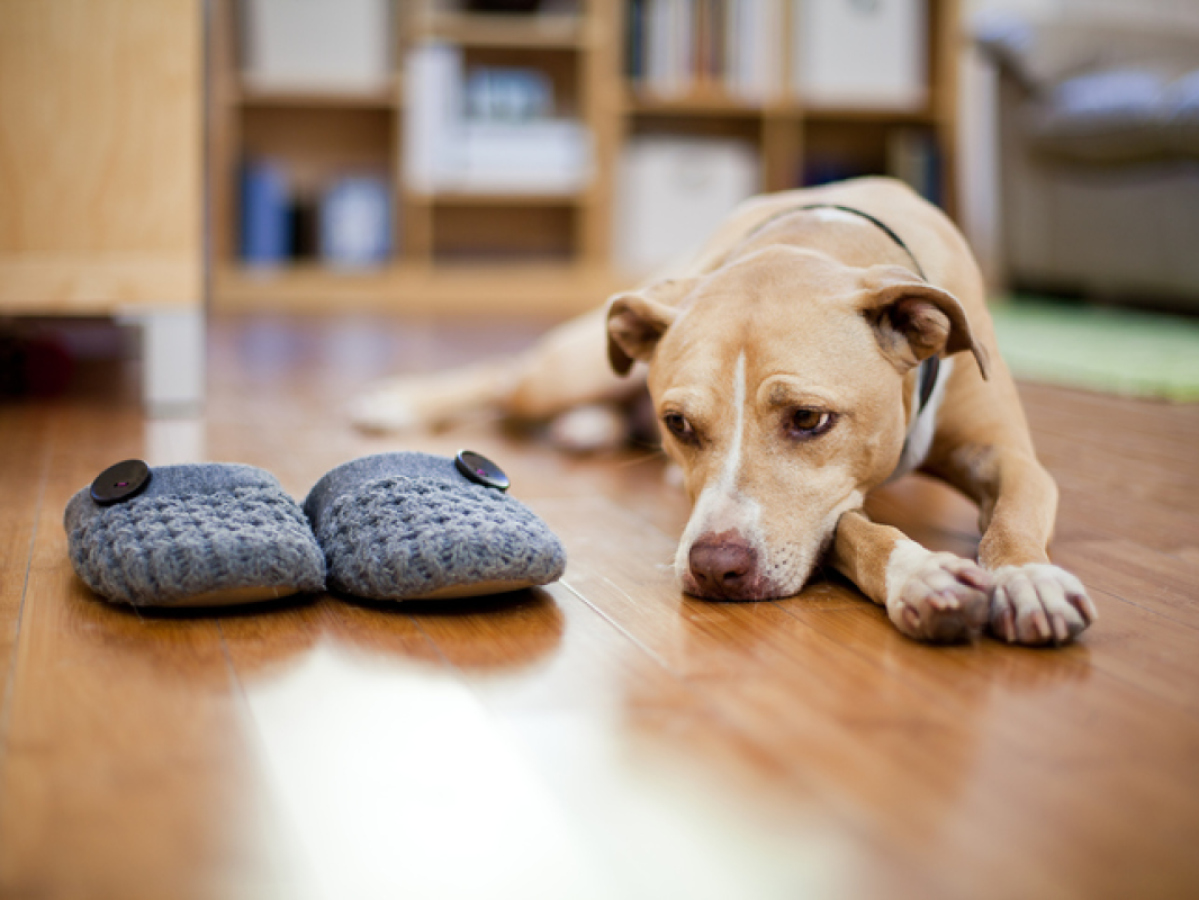
In recent years, the power of social media and the influence of influencers have gained significant attention across various industries. One area that has particularly benefited from this phenomenon is the pet industry, specifically in addressing the growing concern of dog anxiety. Dog anxiety, a condition that can cause stress and fear in dogs, has become a topic of significant interest among pet owners seeking assistance and advice. Enter the digital age, and social media platforms are now playing a prominent role in helping pet owners navigate this issue.
Social Media Communities as a Source of Support and Advice
Social media platforms such as Facebook, Instagram, and Twitter have become a hub for dog owners to connect and engage with others who are dealing with similar issues. These platforms provide a virtual community where people can seek advice, share experiences, and find support in addressing their dogs' anxiety. Numerous groups and pages dedicated to dog anxiety have emerged, allowing pet owners to share tips, stories, and success strategies in managing this condition. Through these online communities, individuals can find solace in knowing they are not alone and that there are resources available for them and their furry friends.
The Rise of Influencer Culture in the Pet Industry
Another significant development in the realm of dog anxiety is the rise of influencers, specialized in pet-related content, who have leveraged the power of social media to engage with their audiences. Pet influencers, often dog owners or trainers themselves, share their personal experiences, knowledge, and practical advice on managing dog anxiety. These influencers use their platforms to create educational content, share product recommendations, and promote positive training techniques that can help alleviate anxiety in dogs. With their expertise and relatability, influencers have managed to build a loyal following of pet owners who turn to them for guidance and inspiration.
The Impact of Authenticity and Trust
One of the reasons why social media and influencers have become a go-to resource for dog owners dealing with anxiety is the inherent authenticity and trust associated with these platforms. Unlike traditional advertising or sponsored content, social media allows for genuine storytelling and firsthand experiences. Pet influencers often share their personal journeys with their own anxious dogs, showcasing their trials, setbacks, and victories in overcoming anxiety-related challenges. This transparency creates a sense of trust between the influencer and their followers, as they perceive the information to come from a place of sincerity and empathy.
A Word of Caution: Exercise Judiciousness in Influencer Advice
While social media and influencers have undoubtedly played a positive role in addressing dog anxiety, it is essential for pet owners to exercise discernment in the advice they follow. Not all influencers may have professional training or qualifications in animal behavior or psychology. It is crucial to cross-reference advice with reputable sources, consult with veterinarians, and individualize strategies based on the specific needs and personalities of each dog. Combining the guidance obtained from influencers with expert input ensures a well-rounded approach to addressing dog anxiety.
In conclusion, the power of social media and influencers has revolutionized the way pet owners address and manage dog anxiety. Online communities offer a valuable support system, while pet influencers provide relatable and authentic insights. By striking a balance between online resources and professional guidance, dog owners can navigate this challenging condition with greater confidence and success.
The Future Outlook for Dog Anxiety: A Growing Concern
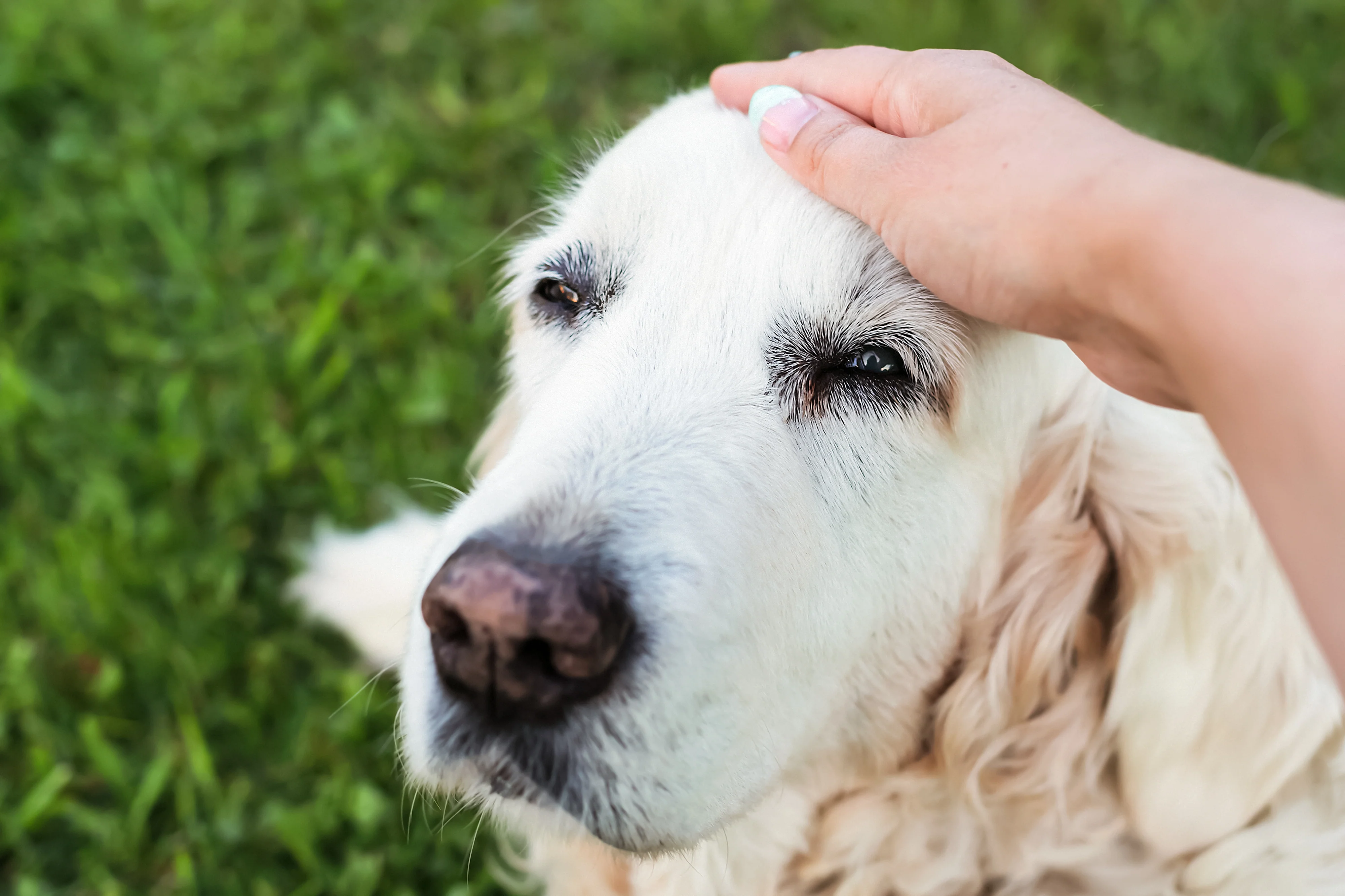
Dog anxiety is a rising trend that has gained considerable attention in recent years. As more pet owners become aware of this issue, there has been an increased focus on understanding and addressing the causes and symptoms of canine anxiety. Looking ahead, the future outlook for dog anxiety indicates the need for continued research, awareness, and the development of effective solutions.
Growing Awareness and Research Efforts
One of the key reasons for the growing concern around dog anxiety is the increased awareness among pet owners and the general public. People are now recognizing that dogs are susceptible to various forms of anxiety, including separation anxiety, noise anxiety, and social anxiety. This increased awareness has led to a surge in research efforts to better understand the causes and develop effective solutions.
Researchers and experts are now studying the physiological and psychological factors that contribute to dog anxiety. Advances in behavioral science and veterinary medicine have paved the way for a deeper understanding of canine psychology and the identification of strategies to alleviate anxiety symptoms in dogs.
The Impact of Modern Lifestyles
The modern urban lifestyle, characterized by busy schedules and limited outdoor activities for dogs, has played a significant role in the increase of dog anxiety cases. Dogs are highly social animals that thrive on regular exercise, mental stimulation, and social interactions. When these needs are not met, dogs can develop anxiety disorders.
As our society continues to evolve, with more people living in urban areas and leading fast-paced lives, the likelihood of dog anxiety will likely increase. This trend emphasizes the need for solutions that address the unique challenges faced by urban dog owners, such as the provision of stimulating environments, engaging toys, and specialized training programs.
Potential Market Growth
With the growing concern and awareness about dog anxiety, there is an increasing demand for products and services aimed at addressing this issue. Pet retailers and manufacturers are capitalizing on this trend by introducing a wide range of anxiety-relieving products, including calming supplements, anxiety wraps, and interactive toys.
The global pet care market is already substantial and is expected to witness significant growth in the coming years. According to a report by Grand View Research, the global pet care market size was valued at $232.3 billion in 2020 and is expected to expand at a compound annual growth rate (CAGR) of 5.9% from 2021 to 2028. This growth presents opportunities for entrepreneurs, researchers, and businesses to develop innovative solutions to help alleviate dog anxiety.
As dog anxiety continues to gain attention, it is clear that the future outlook for this trend involves further research, heightened awareness, and the development of effective solutions. Pet owners and dog lovers are becoming more attuned to the emotional well-being of their furry companions, and this increased focus will likely drive advancements in understanding, prevention, and treatment of dog anxiety.
With the projected growth of the pet care market and the immense potential for innovation, the coming years present a unique opportunity for entrepreneurs and businesses to cater to the needs of anxious dogs and their owners. By addressing this growing concern, we can improve the quality of life for countless dogs and strengthen the bond between humans and their four-legged companions.
Understanding Dog Anxiety: Key Findings and Insights
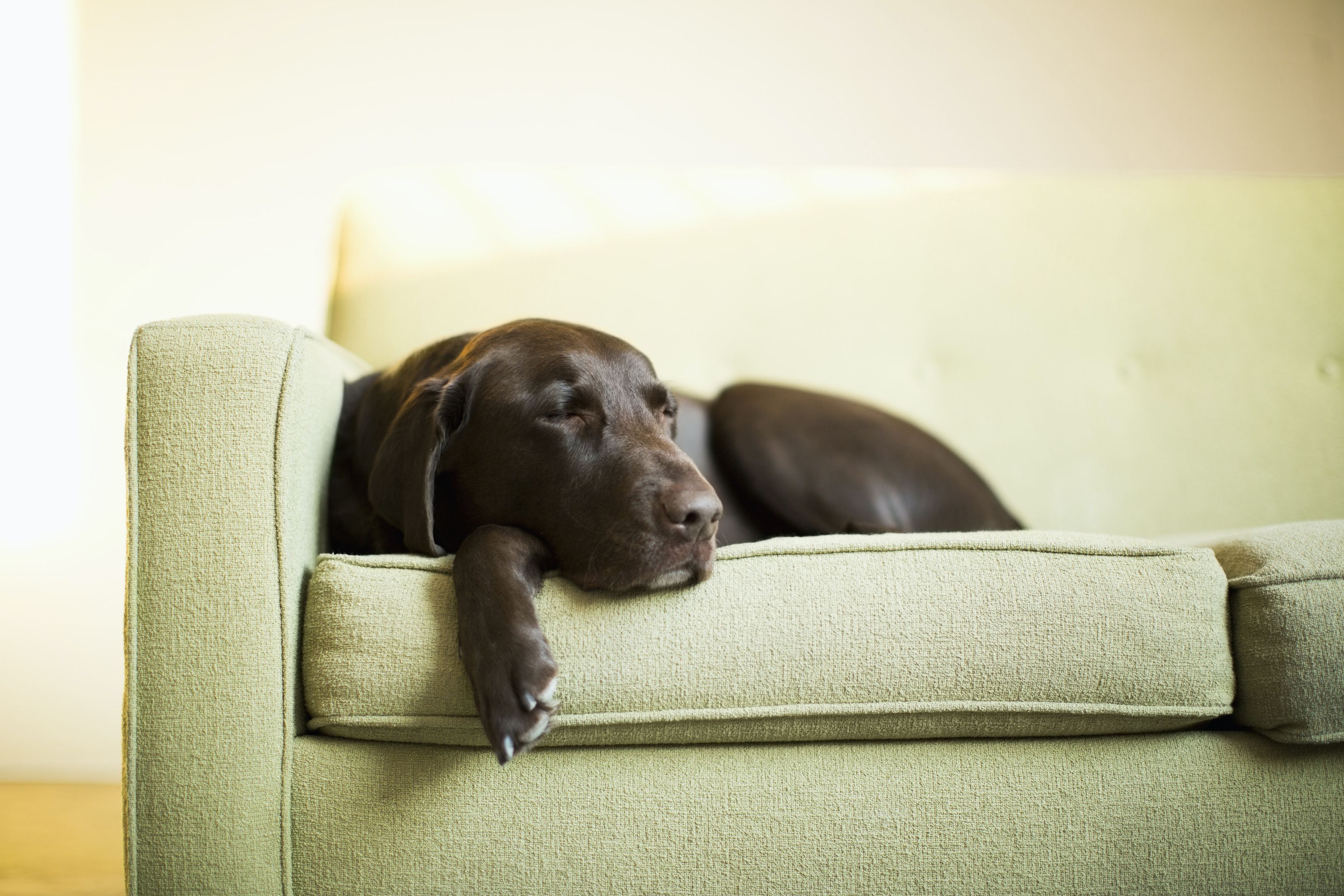
Dog anxiety is a growing concern among pet owners and has gained significant attention in recent years. Here are some key findings and insights on this trending topic:
- Prevalence of Dog Anxiety: Studies show that dog anxiety affects a substantial number of dogs worldwide. According to the American Kennel Club, it is estimated that around 17% of dogs experience anxiety-related issues.
- Causes of Dog Anxiety: There are several factors that can contribute to dog anxiety. Common causes include separation anxiety, fear of loud noises (thunderstorms, fireworks), trauma or abuse, lack of socialization, changes in routine, and medical conditions. Understanding the root cause is crucial for effective treatment.
- Symptoms of Dog Anxiety: Dogs experiencing anxiety may display various symptoms, including excessive barking, destructive behavior, aggression, excessive drooling, pacing, trembling, panting, loss of appetite, and even attempts to escape. Recognizing these signs is essential for early intervention.
- Impact on Dog Well-being: Untreated anxiety can significantly impact a dog's well-being. It can lead to chronic stress, behavioral problems, decreased quality of life, and even physical health issues if left unaddressed. Recognizing and addressing anxiety is vital to ensure the overall welfare of our furry friends.
- Treatment Options: Dog anxiety can be managed and treated through various approaches. Behavioral training, desensitization and counterconditioning techniques, herbal supplements, pheromone therapy, and medication prescribed by veterinarians are common strategies used. It's important to work with a professional to develop an individualized treatment plan for each dog.
- Market Demand and Innovation: The increasing awareness of dog anxiety has led to a rise in demand for products and services aimed at addressing this issue. The market offers a wide range of anxiety wraps, calming pheromone sprays, specialized chew toys, and calming supplements. Technology has also stepped in, with the development of interactive toys, smart collars, and calming music or sound devices.
- Holistic Approaches: Owners are also turning to holistic methods to alleviate dog anxiety. This includes natural remedies such as essential oils, CBD products, and alternative therapies like acupuncture and massage. While the efficacy of these approaches varies, they offer additional options for pet owners seeking alternative solutions.
- Education and Awareness: The importance of education and awareness about dog anxiety cannot be overstated. Pet owners should be knowledgeable about the signs, causes, and treatment options available. By understanding this issue, pet owners can provide a supportive environment and seek appropriate resources to help their furry companions.