

Unveiling the Surging Trend of Ethnicity in Modern Fashion and Beauty: A Marketer's Guide to Captivating Diverse Audiences

Exploring the Growing Popularity of Ethnicity: Understanding its Origins and Appeal

In recent years, the concept of ethnicity has gained significant traction and popularity worldwide. People are increasingly exploring and embracing their ethnic identities, leading to a surge in discussions surrounding ethnicity and its implications. This article aims to provide an overview of ethnicity, its origins, and the factors contributing to its growing appeal across different demographics.
Understanding Ethnicity:
Ethnicity refers to the social categorization of individuals based on shared cultural traditions, heritage, language, and historical experiences. It is a multidimensional concept that encompasses various elements, including race, nationality, religion, and ancestry. Ethnic identity plays a crucial role in shaping an individual's sense of belonging, self-identity, and cultural perspectives.
Origins of Ethnicity:
The roots of ethnic identities can be traced back to the formation of human societies. As civilizations evolved and expanded, distinct cultural groups emerged, each with its own systems of language, beliefs, and practices. Over time, these ethnic communities developed a shared sense of identity grounded in their unique history and cultural heritage. Migration, colonization, and globalization processes further shaped ethnic identities, as interactions between different groups led to the blending or preservation of cultural traits.
Popularity Among Various Demographics:
The growing popularity of ethnicity can be attributed to several interconnected factors:
- Cultural Pride and Identity: Many individuals today view their ethnic background as a vital component of their personal identity. They seek to connect with their ancestral roots, celebrate their cultural heritage, and preserve their traditional customs.
- Diversity and Inclusivity Movements: In an increasingly globalized world, diversity and inclusivity have become significant societal values. People are recognizing the importance of acknowledging and respecting different ethnicities and cultures, promoting dialogue, and fostering tolerance.
- Social Media and Digital Connectivity: The widespread use of social media platforms has facilitated the exchange of ideas, experiences, and cultural perspectives. Users can easily connect with individuals from diverse ethnic backgrounds, share stories, and foster conversations around ethnicity.
- Promoting Equal Representation: In recent years, there has been a growing demand for more inclusive representation across different aspects of society, including media, politics, and business. Ethnically diverse voices and experiences are being sought after, leading to a broader recognition and appreciation for various ethnicities.
- Identity Exploration and Self-discovery: With the increasing availability of genealogical research and DNA testing services, individuals are gaining easier access to information about their ancestral backgrounds. This fuels a sense of curiosity and prompts individuals to delve deeper into their ethnic origins, leading to greater exploration and understanding.
Ethnicity has gained significant popularity due to an increased emphasis on cultural pride, inclusivity, diversity, and the accessible platforms that allow for exchange and exploration of ethnic identities. As our world becomes more interconnected, recognizing and appreciating different ethnicities is crucial in fostering understanding, acceptance, and a celebration of our diverse global community.
The Market Size and Growth of Ethnicity
The recognition and celebration of diverse ethnicities have become increasingly important in today's society. As the world becomes more interconnected, the market size and growth of ethnicity have gained attention from various industries. Understanding this trend is essential for businesses and organizations to effectively cater to the needs and preferences of different ethnic groups.
The Growing Diversity
One significant factor contributing to the market size and growth of ethnicity is the increasing diversity of populations worldwide. Migration, globalization, and changing demographics have led to multicultural societies in many countries. According to the United Nations, migrants accounted for 272 million people globally in 2019, representing a significant potential market for products and services tailored to ethnic communities.
Ethnic Consumer Behavior
Ethnicity plays a crucial role in shaping consumer behavior. Ethnic groups often have distinct preferences and cultural backgrounds that influence their purchasing decisions. Businesses that recognize and respond to these preferences can tap into substantial market opportunities. For instance, the cosmetics industry has recognized the potential of the ethnic market and developed beauty products specifically formulated for diverse skin tones and hair textures.
Fashion and Cultural Influences
The fashion industry is among the sectors that have embraced and capitalized on ethnic diversity. Designers and brands have increasingly incorporated diverse cultural influences into their collections to cater to a broader customer base. The rise of ethically inspired fashion, such as traditional prints, textiles, and accessories, presents significant growth prospects for businesses catering to ethnic communities.
Market Potential
The market potential for ethnicity-driven products and services is substantial and continues to grow. A study by Nielsen reported that African Americans, Asian Americans, and Hispanic Americans collectively had a buying power of $3.9 trillion in 2020, accounting for approximately 20% of the U.S. total buying power.
Moreover, ethnic communities often have strong consumer loyalty and purchasing power within their respective markets. For example, British-born South Asians in the UK have been identified as a powerful consumer group due to their preference for ethnic grocery products and cultural events. Businesses targeting these specific niche markets have the potential to unlock significant revenue growth.
Business Opportunities and Challenges
While the market size and growth of ethnicity present lucrative opportunities, businesses must be mindful of certain challenges. Cultural sensitivity and authenticity are key factors to consider when developing products or marketing campaigns targeted at ethnic communities. Lack of understanding or misrepresentation can lead to negative reactions and potential damage to a brand's reputation.
Additionally, the market size and growth of ethnicity can vary significantly across countries and regions. Understanding the local context, demographic trends, and cultural nuances is essential for successful market entry and expansion.
As the world becomes more diverse, the market size and growth of ethnicity are set to have a significant impact on various industries. Businesses that recognize the importance of catering to diverse ethnic groups and adapt their strategies accordingly will be well-positioned to capitalize on this growing market. By understanding consumer preferences, developing culturally sensitive products and services, and leveraging the power of ethnic communities, businesses can tap into a lucrative and expanding market.
Unveiling Consumer Demand and Preferences: Ethnicity in Focus

As society becomes increasingly diverse, consumer demand and preferences on the topic of ethnicity have gained significant attention. Understanding the dynamics surrounding ethnicity and its influence on consumer behavior is crucial for businesses seeking to resonate with their target audiences in an inclusive and culturally sensitive manner.
Ethnicity and Consumer Behavior
Ethnicity plays a multifaceted role in shaping consumer behavior. Cultural identity, traditions, and values associated with specific ethnic groups significantly impact purchasing decisions and brand preferences. Consumers often choose products and services that align with their cultural background and values. A study conducted by Nielsen revealed that ethnic minority populations tend to value brands that authentically represent their culture and cater to their unique preferences.
Market Opportunities and Targeting Ethnic Segments
Businesses that embrace diversity and recognize the importance of catering to different ethnic groups can tap into thriving market opportunities. By understanding the needs and preferences of specific ethnic segments, companies can develop tailored marketing strategies, products, and services. This approach helps them effectively engage with ethnic consumers, gain market share, and foster long-term brand loyalty.
Marketing Strategies and Ethnic Representation
Incorporating ethnic representation and diverse imagery in marketing campaigns can positively influence consumers' perception of a brand. Consumers are more likely to connect with companies that showcase diversity and inclusivity in their advertisements. A study by Kantar found that inclusive campaigns outperformed non-inclusive campaigns by up to 22% in terms of brand preference and appeal. It is, therefore, crucial for businesses to craft marketing messages that resonate with different ethnic communities, fostering a sense of belonging and cultural appreciation.
The Rise of Ethnic-Centric Products and Services
The growing demand for products and services tailored to specific ethnic communities has given rise to a new market segment. Ethnic-centric products encompass a wide range of sectors, including cosmetics, fashion, food, and entertainment. Brands that successfully navigate this market landscape are those that immerse themselves in the culture and values of the targeted ethnic community. They understand the unique needs, preferences, and nuances of the consumer base, allowing them to develop offerings that genuinely cater to their desires.
Embracing Cultural Sensitivity and Avoiding Stereotyping
While recognizing the importance of ethnic-specific marketing strategies, it is essential for businesses to approach this realm with cultural sensitivity and authenticity. Stereotyping or misrepresentations can harm a brand's reputation and negatively impact consumer trust. It is crucial to conduct thorough research, listen to consumers, and engage in meaningful dialogue to understand and respect the diversity within ethnic communities before implementing marketing initiatives.
Consumer demand and preferences regarding ethnicity carry significant weight in today's market. Treating ethnicity as an integral part of consumer behavior allows businesses to tap into untapped market opportunities, build brand loyalty, and engage with consumers on a deeper level. By acknowledging and respecting cultural sensitivities, businesses can successfully navigate this diverse landscape while fostering inclusivity, representation, and equality.
Understanding the Landscape: Industry Players and Competition in the Ethnicity Market

The issue of ethnicity is a topic of great significance and complexity, influencing various aspects of society such as culture, identity, and socioeconomic dynamics. In recent years, discussions around ethnicity have gained heightened attention, leading to increased interest from industry players across different sectors. Let's delve into the key industry players and examine the competition within the ethnicity market.
Key Industry Players
- Media and Entertainment Companies: Media and entertainment companies play a pivotal role in shaping the public discourse on ethnicity. Through movies, television shows, and music, these companies have the power to influence societal attitudes and perceptions. Key players in this space include Hollywood studios, streaming platforms, and music labels, each striving to create content that accurately reflects diverse ethnic experiences.
- Fashion and Beauty Brands: The fashion and beauty industry has recognized the importance of ethnic diversity, and several brands have actively embraced inclusivity in their product lines and marketing campaigns. These brands cater to specific ethnic markets, offering products tailored to different hair types, skin tones, and cultural preferences. Notable players include Fenty Beauty, which revolutionized the cosmetics industry with its extensive range of foundations for all skin tones, and brands like ASOS and H&M, which promote inclusivity through diverse casting and multicultural collections.
- Consumer Research Companies: Market research companies focused on consumer trends, preferences, and behaviors are crucial for understanding the dynamics of the ethnicity market. These companies conduct studies and collect data to help other businesses make informed decisions about their marketing strategies, product offerings, and target demographics. By keeping a pulse on changing ethnic demographics, consumer research companies enable businesses to stay relevant and responsive to diverse consumer needs.
- Technology Companies: Technology companies are playing an increasingly significant role in addressing issues related to ethnicity, including bias in algorithms, representation in artificial intelligence, and online harassment. Companies like Google, Microsoft, and Facebook have initiatives dedicated to improving diversity and inclusivity both within their workforces and in the technologies they develop. As technology continues to shape society, these players are pivotal in driving positive change around ethnicity-related issues.
Competition and Challenges
Competition within the ethnicity market stems from the need to understand and serve increasingly diverse consumer bases. As societal discussions surrounding ethnicity evolve, businesses must navigate complex cultural sensitivities, avoid stereotypes, and promote authentic inclusivity.
Challenges faced by industry players include:
- Cultural Relevance: The ethnicity market is vast and diverse, encompassing various ethnic backgrounds, subcultures, and experiences. Businesses must continuously adapt and cater to the ever-changing interests and preferences of their target demographics.
- Ethical Considerations: Representation and cultural appropriation are ongoing concerns within the ethnicity market. Brands and media companies need to strike a delicate balance, ensuring respectful representation without exploiting or appropriating ethnic cultures for profit.
- Market Saturation: As awareness and inclusivity grow, competition within the ethnicity market intensifies. Brands must innovate and find new ways to differentiate themselves to capture the attention and loyalty of consumers.
- Navigating Political and Social Landmines: Ethnicity is a sensitive topic, often entangled with political and social issues. Businesses need to navigate these complexities with sensitivity and an understanding of the broader context to avoid potentially damaging missteps.
In conclusion, as discussions around ethnicity continue to gain momentum, various industry players are recognizing the significance of the topic. Media and entertainment companies, fashion and beauty brands, consumer research firms, and technology companies are actively engaged in addressing ethnicity-related challenges while competing for a share in the growing marketplace. By understanding the key industry players and the unique challenges they face, businesses can navigate this complex landscape and contribute to more inclusive and equitable discussions around ethnicity.
Technological Innovation, Ethnicity, and the Path to Inclusive Future

In recent years, technological innovations have played a crucial role in shaping various aspects of our lives. From healthcare and transportation to agriculture and communication, technological advancements have had a profound impact on society as a whole. In today's increasingly interconnected world, it is essential to examine how technology intersects with ethnicity and explore the potential for inclusive innovation that empowers individuals from diverse ethnic backgrounds.
Leveraging Technology for Cultural Preservation:
Technological advancements have enabled the preservation and promotion of diverse ethnic cultures. From digitizing ancestral records and historical artifacts to creating virtual reality experiences that showcase cultural heritage, technology offers opportunities to preserve, celebrate, and pass on endangered ethnic cultures to future generations.
Overcoming Language Barriers:
Language diversity is a fundamental aspect of ethnicity, and technology has contributed significantly to overcoming language barriers. Translational innovations such as real-time language translation apps, voice recognition software, and language learning platforms have facilitated effective communication and collaboration among individuals from different ethnic backgrounds worldwide.
Addressing Bias and Discrimination:
As technology continues to permeate various aspects of society, it is crucial to address biases and eliminate discrimination in algorithms and artificial intelligence systems. Awareness of racial bias in facial recognition systems, biased hiring algorithms, and discriminatory algorithmic decision-making tools underscores the need for ethical and inclusive technological solutions that consider the diverse needs and experiences of different ethnic groups.
Enhancing Diversity in Tech Industries:
The lack of representation of diverse ethnic groups in the tech industry remains a persistent issue. However, initiatives and programs focused on increasing diversity and inclusion in the tech workforce have gained traction. Technological innovations can play a significant role in developing skills and providing opportunities to underrepresented ethnic communities, narrowing the digital divide, and fostering a more inclusive tech industry.
Inclusive Design and User Experience:
Creating inclusive technological experiences is crucial for embracing and accommodating the needs and preferences of diverse ethnic groups. Through inclusive design principles, technology can be developed with considerations for various cultural norms, beliefs, and practices. Taking cultural diversity into account when designing user interfaces, applications, and products ensures that technology is accessible and resonates with users from different ethnic backgrounds.
Technological innovation has the potential to bridge gaps, promote understanding, and foster inclusivity across diverse ethnic communities worldwide. By leveraging technology for cultural preservation, overcoming language barriers, addressing biases, enhancing diversity in tech industries, and incorporating inclusive design principles, we can strive towards an inclusive future where technology supports and empowers individuals of all ethnic backgrounds. It is essential for innovators, businesses, and policymakers to prioritize inclusivity and diversity, ensuring that technological advancements benefit everyone, regardless of their ethnicity.
Exploring Regional Trends and Cultural Influences on Ethnicity

Ethnicity plays a significant role in shaping societal dynamics, cultural traditions, and regional trends. As diverse ethnic groups occupy different geographical regions, their distinct traditions, customs, languages, and even cuisines often influence the local culture and contribute to unique regional trends. Understanding how ethnicity interacts with regional trends can help us gain insights into the multifaceted nature of societies across the globe.
Regional Trends Shaped by Ethnicity:
- Fashion and Style: Ethnic communities often introduce unique fashion trends that reflect their cultural heritage. For instance, in Indian regions like Rajasthan, the vibrant and intricate Rajasthani embroidery has influenced fashion trends globally. Similarly, the traditional Scottish tartan patterns have made their mark on fashion in the Scottish regions and beyond.
- Music and Dance: Ethnicity plays a pivotal role in shaping regional music and dance styles. For example, the distinct rhythms and instrumentation of Afro-Caribbean music have had a profound impact on the regional trends of genres like reggae, calypso, and soca in the Caribbean. Likewise, Celtic influences can be seen in the traditional music of Irish and Scottish regions.
- Cuisine: Each region boasts unique culinary traditions influenced by its ethnic makeup. For instance, Thai cuisine has regional variations that reflect the diverse ethnic groups found across Thailand. Similarly, in Mexico, regional cuisines like Yucatecan, Oaxacan, and Michoacan draw inspiration from the local Indigenous communities.
Cultural Influences on Ethnicity:
- Language and Communication: The language spoken within a region is often closely tied to its ethnic background. Ethnic communities may preserve their native language, which in turn shapes the linguistic landscape of the region. For example, in regions with a large Hispanic population, such as Miami in the United States, the Spanish language has become an influential cultural element.
- Festivals and Celebrations: Ethnic festivals and celebrations are an integral part of regional trends influenced by ethnic cultures. For instance, the Mardi Gras celebration in New Orleans is deeply rooted in the city's French, Spanish, and African heritage. This celebration brings together diverse ethnic communities and contributes to the vibrant regional culture.
- Art and Craftsmanship: Ethnic traditions often manifest through regional art and craftsmanship. For instance, the intricate wood carvings of the Maori people in New Zealand have become synonymous with the region and are widely recognized as a unique cultural influence.
Regional trends and cultural influences play a significant role in shaping and preserving the ethnic diversity found across the globe. Understanding the interplay between ethnicity and regional trends helps us appreciate the rich tapestry of cultures and traditions that define different societies. By recognizing the impact of ethnicity on regional trends, we can gain deeper insights into the world's diverse communities and foster cultural understanding and appreciation.
The Role of Ethnicity in Social Media and Influencer Marketing
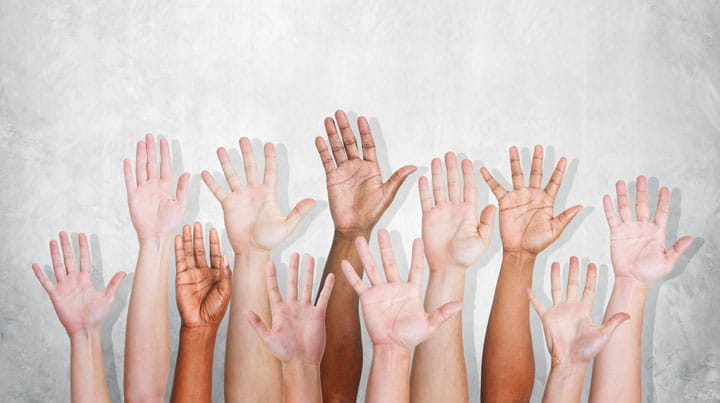
In recent years, social media and influencers have become powerful tools for brands to connect with their target audiences. As the influence of social media grows, so does the impact of diversity and ethnicity in shaping the content and reach of influencer campaigns.
Representation Matters in Influencer Marketing
With the rise of social media platforms like Instagram, TikTok, and YouTube, influencers have emerged as key players in shaping consumer behavior and trends. These influencers, who amass large followings due to their relatable content and authentic personalities, have the power to influence purchasing decisions and shape popular culture.
Representation plays a critical role in influencer marketing. Consumers are increasingly seeking relatable and authentic content that reflects their own identities and experiences, including their ethnicity. According to a study by Google, 66% of YouTube subscribers agreed that they can relate to YouTube creators more than traditional celebrities precisely because they are "regular people."
Brands are recognizing the importance of diversity and representation in their influencer marketing strategies. By partnering with influencers from diverse ethnic backgrounds, brands can connect with different communities and target niche markets more effectively. Moreover, research has shown that diverse campaigns lead to better brand perception and increased consumer loyalty.
Empowering Voices and Communities
Social media platforms have provided a space where individuals and communities can amplify their voices and share their experiences. Ethnicity plays a significant role in shaping the narratives and stories shared on social media. By supporting and amplifying content created by influencers from different ethnic backgrounds, brands can help foster inclusivity and celebrate diverse communities.
For example, during Black History Month, many brands collaborate with Black influencers to highlight important narratives, raise awareness about social issues, and celebrate the achievements of the Black community. By doing so, brands not only show their commitment to diversity but also engage with a wider audience while promoting a positive social impact.
Navigating Challenges and Ensuring Authenticity
While ethnic diversity in influencer marketing brings tremendous opportunities, it also brings challenges. Cultural appropriation, tokenism, and lack of proper representation are some of the pitfalls brands must avoid when collaborating with influencers from different ethnic backgrounds.
To overcome these challenges, brands must prioritize authenticity and genuine engagement. Building partnerships with influencers who genuinely align with their values and products can help ensure a symbiotic relationship. Additionally, it is essential for brands to empower influencers to tell their own stories and share their experiences. This way, brands can avoid tokenism and provide meaningful representation.
In conclusion, the role of ethnicity in social media and influencer marketing is increasingly gaining recognition. Brands that prioritize diversity and representation not only connect with their target audiences more effectively but also contribute to a more inclusive and engaged online community. By empowering diverse voices and tackling the challenges within this space, brands can pave the way for a more diverse and authentic influencer marketing landscape.
The Future Outlook and Forecast of Ethnicity Trends

As our world becomes increasingly interconnected, the understanding and appreciation of different ethnicities have emerged as significant social and cultural trends. People are recognizing the importance of celebrating diversity and actively seeking ways to learn about other cultures. This ongoing shift towards embracing ethnicity has profound implications for various industries and society as a whole.
Cultural Influence on Consumer Preferences
One of the most noticeable effects of the rising ethnic awareness is its impact on consumer behavior. Ethnicity significantly influences consumer preferences, particularly regarding food, fashion, and entertainment. As more people become interested in trying new cuisines, wearing traditional outfits, or immersing themselves in cultural performances, the demand for diverse products and experiences continues to grow. Businesses catering to these preferences are likely to experience increased demand and could potentially tap into niche markets.
Diversity in Marketing and Advertising
In response to the ever-increasing ethnic awareness, businesses are recognizing the need for inclusive marketing and advertising campaigns. Brands are actively striving to reflect diverse communities in their messaging and imagery. This shift not only helps companies resonate with their target audience but also fosters a sense of inclusion and representation. Going forward, we can expect to see even more brands prioritizing diversity and inclusivity in their marketing efforts, as consumers value authentically reflecting their communities.
Cultural Exchange and Globalization
Ethnicity trends play a crucial role in promoting cultural exchange and globalization. As people explore different ethnicities, they are more inclined to travel, seek educational experiences abroad, and engage with diverse communities. This leads to an increase in cross-cultural interactions, fostering greater understanding and appreciation between individuals from different ethnic backgrounds. Consequently, this trend is likely to contribute to an increasingly connected global society.
Influence on Media and Entertainment
Ethnicity trends are transforming the media and entertainment landscape. There is an increasing demand for diverse representation in movies, TV shows, and other forms of entertainment. Audiences are becoming more discerning, seeking stories that reflect their own experiences and identities. This demand for authentic representation has led to the rise of ethnic talent, writers, and directors who are making a significant impact in the industry. Moving forward, the entertainment world is likely to prioritize inclusivity, resulting in a wider range of stories being told and more diverse voices being heard.
Shaping Social Norms and Attitudes
The growing awareness of ethnicity is also shaping social norms and attitudes. The emphasis on inclusivity and diversity is leading to more open discussions about racial and cultural issues. This increased dialogue brings attention to systemic inequalities and promotes a deeper understanding of cultural differences. By challenging existing norms and advocating for equality, this trend has the potential to positively impact perceptions, policies, and societal structures.
In conclusion, the future outlook for ethnicity trends is undeniably promising. The increasing emphasis on diversity and inclusion has far-reaching implications, ranging from consumer preferences to global cultural exchange. As our world continues to become more interconnected, the appreciation and celebration of different ethnicities will undoubtedly play a pivotal role in shaping our evolving society and driving innovation.
Trend Recap: Exploring Ethnicity in Today's Society

Ethnicity is an integral part of human diversity, shaping how individuals identify themselves and how they are perceived by others. It influences various aspects of our lives, such as culture, language, traditions, and even opportunities. Understanding and embracing ethnicity is crucial for fostering inclusivity and promoting social equality. In this recap, we will delve into the key findings and insights surrounding the trend of ethnicity in today's society.
- Shifting Demographics: One key finding is the continuous shift in demographics, fueled by immigration, globalization, and intercultural relationships. As a result, many societies are becoming more ethnically diverse. The United States, for example, is projected to become a majority-minority nation by 2045, with ethnic minority populations increasing significantly. This changing demographic landscape brings both challenges and opportunities for societies to embrace and celebrate diverse ethnic backgrounds.
- Intersectionality and Identity: Ethnicity intersects with other dimensions of identity, such as gender, socioeconomic status, and religion. This intersectionality affects individuals differently, shaping their experiences, opportunities, and access to resources. Recognizing and addressing these intersections is crucial to fully understand and support individuals from diverse ethnic backgrounds.
- Cultural Appreciation vs. Appropriation: As societies become more aware of ethnicity, the concepts of cultural appreciation and appropriation have gained traction. Cultural appreciation involves genuine interest and respect for a culture, while appropriation refers to the adoption of cultural elements without acknowledging their significance or giving credit. Recognizing the difference between appreciation and appropriation is essential for promoting cultural understanding and avoiding racial insensitivity.
- Representation and Media: Representation of diverse ethnicities in media has improved over time, but there is still a long way to go. Positive and accurate representation in movies, TV shows, advertisements, and other forms of media is vital for combating stereotypes and promoting inclusivity. Media platforms need to actively seek out and uplift diverse voices and stories to create a more accurate and equitable portrayal of ethnicities.
- Ethnicity and Business: Understanding ethnicity and its impact on consumer behavior is important for businesses. Ethnic marketing strategies, such as culturally relevant advertising campaigns and diverse product offerings, can help companies better connect with diverse consumer bases. Companies that embrace diversity and ethnic inclusivity have the potential to tap into new markets and foster brand loyalty.